Georgia Gardeners Are Using These Tricks To Grow And Bloom Hoya Indoors
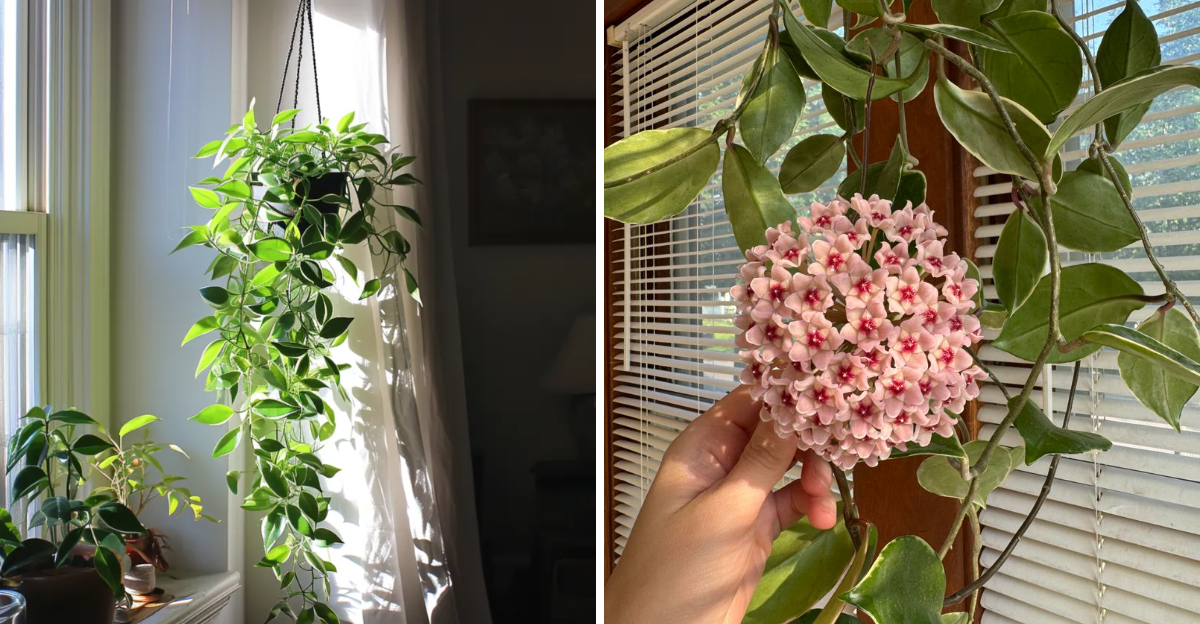
Growing Hoya plants indoors in Georgia sounds simple enough, but many plant owners find themselves waiting months without seeing a single new leaf or one of those famous waxy blooms.
Between our sweltering summers where the AC runs constantly and our chilly winters where heaters zap every drop of humidity, Georgia homes can be surprisingly tough on these tropical favorites.
These constant shifts in indoor air and light often cause Hoyas to stall out, making flowering feel nearly impossible.
Fortunately, Georgia gardeners have discovered some practical, easy-to-follow tricks to overcome these local climate hurdles.
It is entirely possible to keep your Hoya growing steadily and finally enjoy those beautiful, fragrant clusters right here in the Peach State.
1. Bright, Indirect Light Supports Strong Growth And Blooms
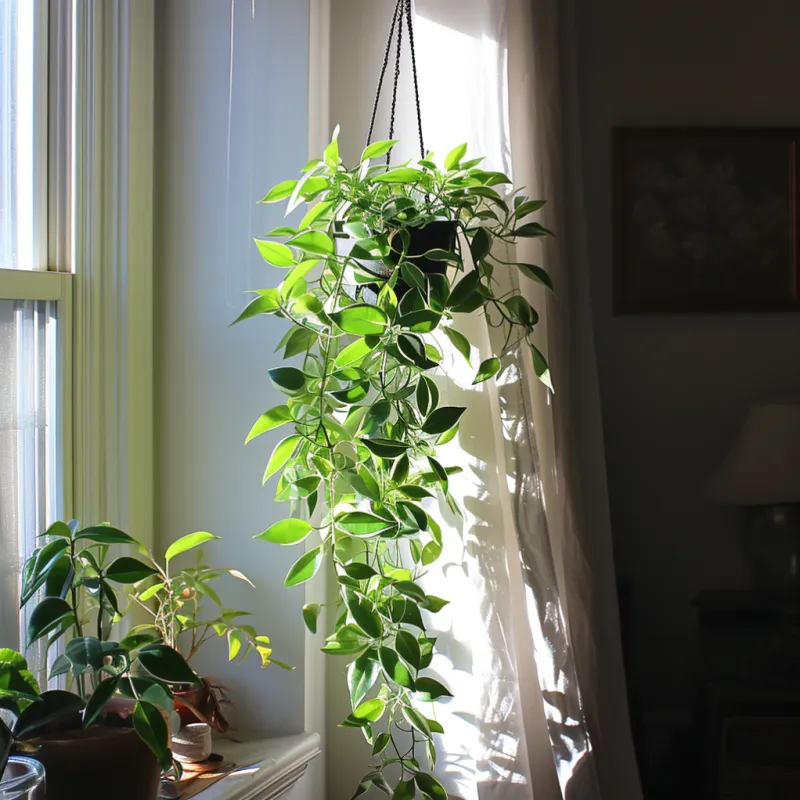
Light is one of the most important factors in getting a Hoya to grow and bloom indoors, and the placement of your plant in a Georgia home matters more than most people realize.
During summer months, Georgia sunlight can be surprisingly intense, and placing a Hoya directly against an unfiltered south-facing window may cause leaf scorch over time.
A sheer curtain or a spot set back slightly from the glass can filter that brightness into the soft, indirect light these plants genuinely thrive under.
South, southeast, or southwest-facing windows tend to offer the most consistent light exposure throughout the year.
In Georgia winters, when shorter days reduce available natural light, some growers find it helpful to supplement with a full-spectrum LED grow light.
Running it for around 14 to 16 hours per day can keep growth moving during the darker months.
Low-light spots, like interior rooms or north-facing windows, often result in slow vine growth and very little chance of blooming. Moving a struggling Hoya to a brighter location is frequently the simplest fix.
Consistent, bright indirect light not only supports healthy leaf development but also signals the plant that conditions are favorable for producing flower buds.
2. Warm, Stable Temperatures Help Maintain Steady Growth
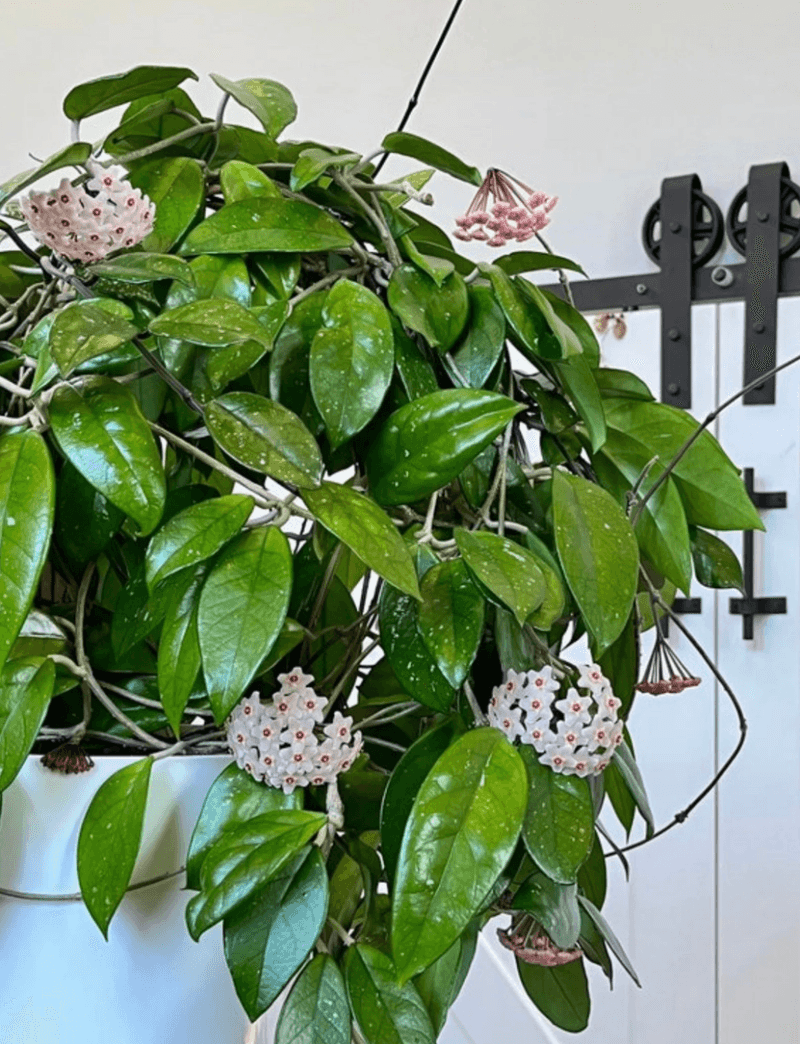
One thing Georgia gardeners quickly learn is that indoor temperatures can shift more than expected throughout the year.
Air conditioning in summer and heating in winter both create temperature swings that can slow a Hoya down or cause leaf stress.
These plants generally do well in indoor temperatures ranging from around 65 to 80 degrees Fahrenheit, which lines up reasonably well with typical Georgia home environments during much of the year.
The challenge comes at the edges of the seasons. In late fall and early spring, Georgia nights can cool off noticeably, and windowsill temperatures may drop lower than the rest of the room.
Hoyas sitting near single-pane windows or drafty spots may experience cooler root zone temperatures that slow growth. Moving plants a few inches away from the glass on cold nights can make a real difference.
Avoid placing Hoyas near heating vents or air conditioning units, as the direct airflow creates temperature inconsistency that stresses the plant.
Stable warmth encourages the steady root and vine development that eventually leads to blooming.
Your Georgia Garden Changes Every Week. Your Plan Should Too.
Gardening in Georgia changes quickly throughout the season. Every Friday you’ll receive a simple weekly plan showing exactly what to plant, prune, fertilize, harvest, and protect so you never miss the right timing.
Georgia’s warm indoor climate during spring and summer is genuinely well-suited to Hoya growth when drafts and sudden temperature changes are minimized.
3. Allowing Soil To Dry Slightly Helps Prevent Root Issues
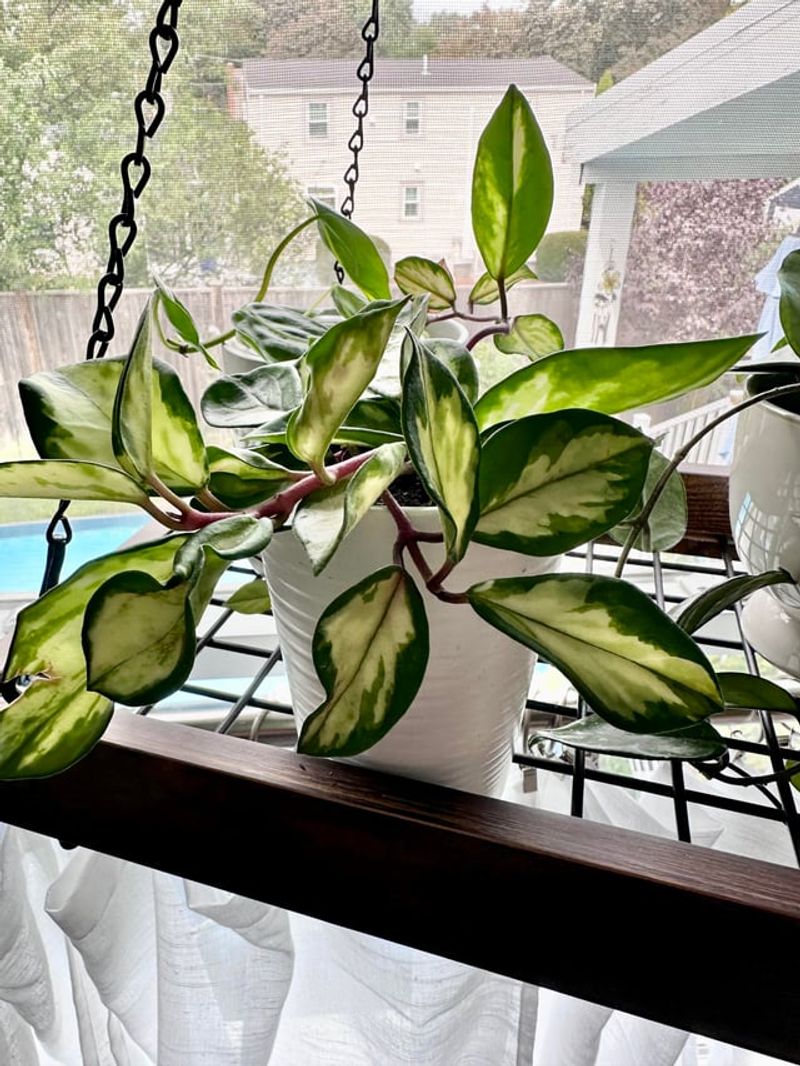
Watering is where many Hoya growers run into trouble, and the tendency to overwater is one of the most common reasons these plants struggle indoors.
Hoyas are semi-succulent in nature, meaning their thick, waxy leaves store some moisture.
Giving them water before the soil has had a chance to dry out can lead to soggy root conditions that weaken the plant over time.
A reliable approach is to let the top inch or two of soil dry out completely before watering again. In Georgia summers, when indoor air conditioning reduces ambient humidity, soil may dry out faster than expected.
During cooler months, when the plant’s growth naturally slows, the soil holds moisture longer, so watering frequency should be reduced accordingly.
When it is time to water, doing it thoroughly until water drains freely from the bottom of the pot helps ensure the entire root zone gets moisture.
Letting the pot sit in a saucer of standing water is worth avoiding, since that keeps the roots too wet for too long.
Checking soil moisture by feel rather than following a fixed schedule tends to produce much better results and keeps roots in healthier condition throughout Georgia’s varying indoor seasons.
4. A Well-Draining Mix Supports Healthy Roots
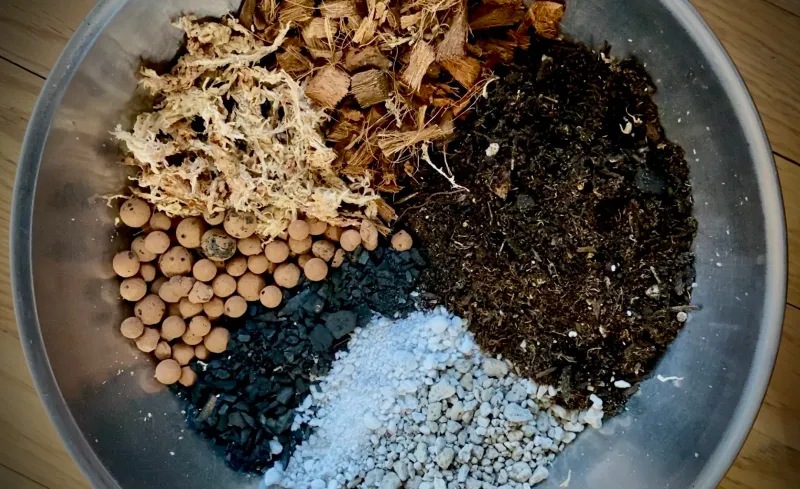
Regular potting soil straight from the bag tends to hold too much moisture for Hoyas, and in the humid Georgia summers, that extra water retention can create problems at the root level.
A well-draining mix gives roots the air circulation they need while still holding enough moisture to support healthy growth.
Many Georgia growers have had good results blending one part standard potting mix with one part orchid bark and one part perlite.
The orchid bark creates air pockets that keep the mix loose and breathable, while perlite improves drainage and prevents compaction.
This kind of blend mimics the loose, fast-draining conditions Hoyas encounter in their natural tropical habitats, where they often grow on trees or rocky surfaces rather than in dense ground soil.
Getting the soil mix right from the start reduces the risk of root stress down the road.
Terracotta pots pair well with this type of mix because the porous walls allow moisture to escape through the sides, which helps the soil dry more evenly between waterings.
In Georgia’s warmer months, when indoor humidity may still be fairly high despite air conditioning, a breathable pot and fast-draining soil work together to keep roots in good shape and support consistent vine and leaf development.
5. Higher Humidity Supports Leaf And Vine Growth
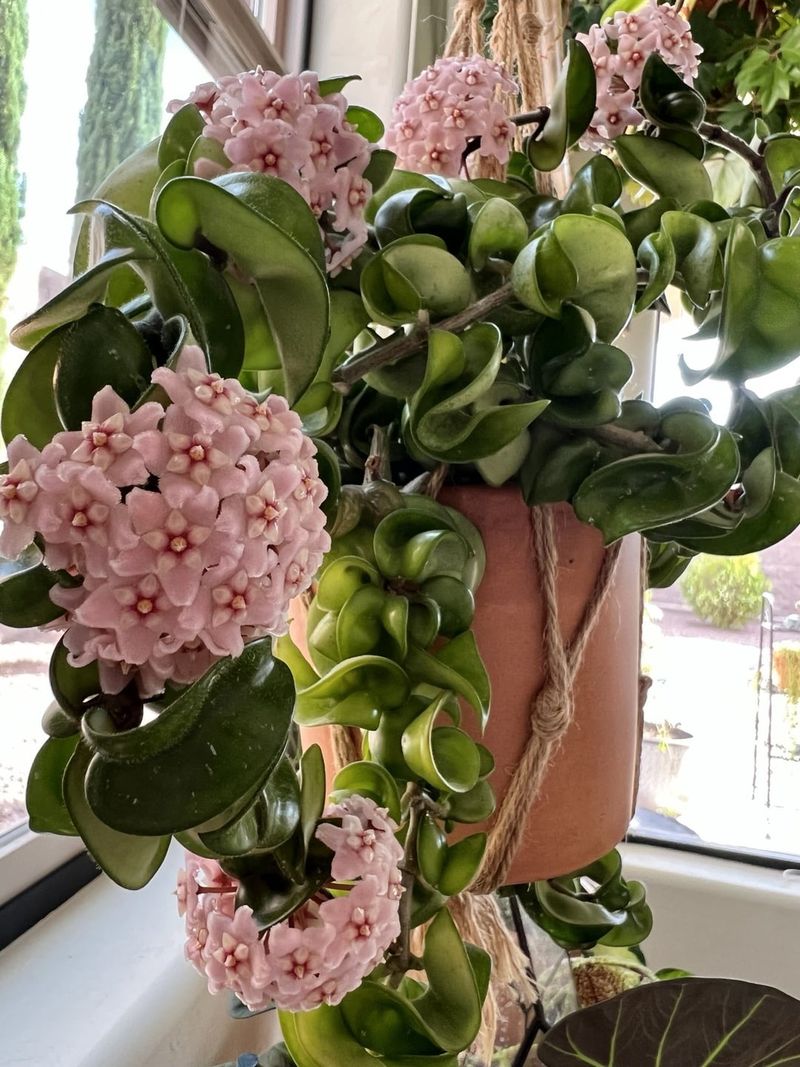
Georgia’s outdoor humidity is famously high during summer, but the inside of a Georgia home can actually be quite dry once the air conditioning kicks on.
Central air systems pull a significant amount of moisture from indoor air, and that dryness can slow Hoya leaf development and cause the edges of newer leaves to look crispy or stressed.
Keeping indoor humidity at a comfortable level for Hoyas, generally somewhere in the range of 50 to 60 percent, supports healthier and more consistent growth.
A small humidifier placed near the plant is one of the more effective ways to raise moisture levels in the immediate area.
Grouping several houseplants together also creates a shared microenvironment where transpiration from multiple plants gently raises local humidity.
Pebble trays filled with water placed beneath pots can offer a modest boost as well, though they work best as a supplement rather than a primary humidity source.
During Georgia winters, heating systems dry out indoor air even further, which makes humidity management especially relevant from November through February.
Monitoring humidity with an inexpensive hygrometer takes the guesswork out of the process.
When Hoyas receive consistently adequate moisture in the air around them, vine growth tends to pick up noticeably, and the plant builds the strength it needs to eventually push out flower buds.
6. Light Feeding Encourages Growth During Active Months
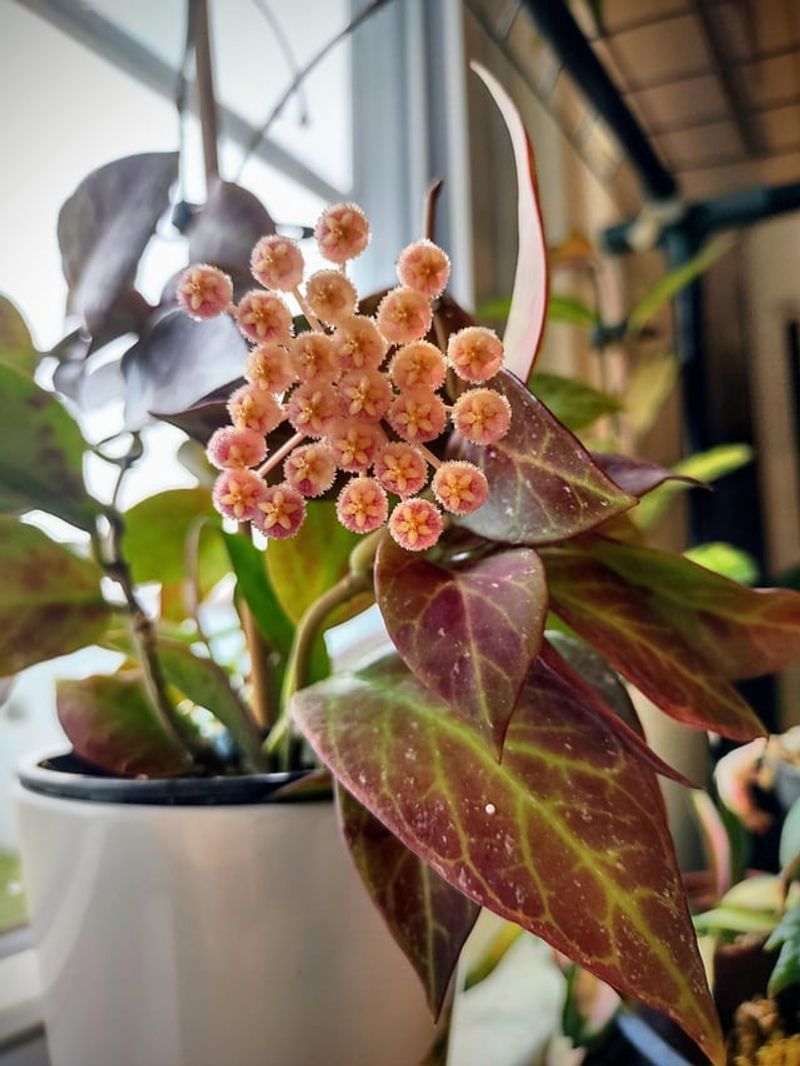
Fertilizing a Hoya does not require a complicated schedule, but timing and dosage both matter more than many growers initially expect.
Spring and summer are when Hoyas in Georgia homes tend to show the most active growth, and light feeding during these months gives the plant a helpful nutrient boost.
A balanced, water-soluble fertilizer diluted to about half the recommended strength applied roughly once a month during the growing season tends to work well without overwhelming the roots.
Some growers prefer a fertilizer with a slightly higher phosphorus content during the months leading up to blooming season, as phosphorus supports flower development.
That said, heavy feeding does not speed up blooming and can actually cause excessive leafy growth at the expense of flowers.
Moderation tends to produce the most balanced results.
As Georgia moves into fall and winter, growth naturally slows, and the plant’s nutrient demands drop considerably.
Reducing feeding to once every six to eight weeks or pausing it entirely through the cooler months allows the plant to rest without being pushed with nutrients it cannot efficiently use.
Resuming a light feeding schedule in late winter or early spring, just as day length begins to increase again, helps signal the plant that the active growing season is returning and supports a strong start to new growth.
7. Slightly Root-Bound Plants Are More Likely To Bloom
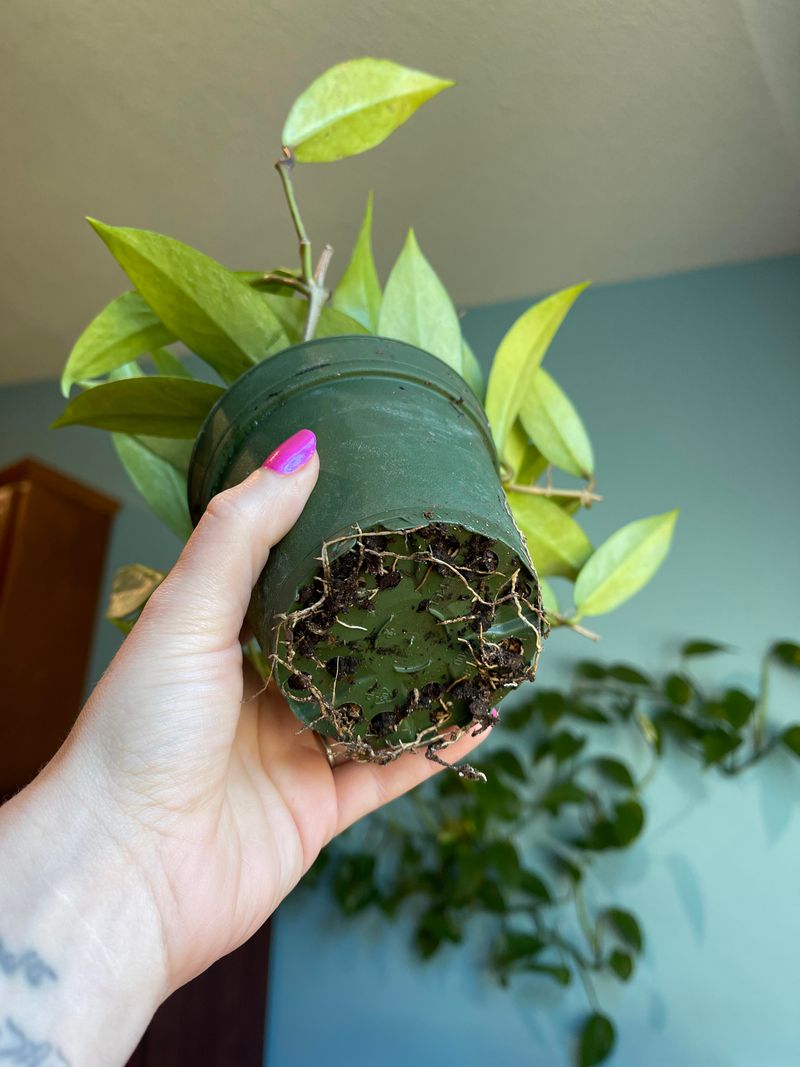
Repotting a Hoya into a much larger container right away is a common mistake that can actually delay blooming for quite a while.
These plants tend to bloom more readily when their roots are a little snug in the pot, a condition often described as being root-bound.
When the root system has room to spread out in a large pot, the plant puts energy into establishing roots rather than producing flowers.
Checking the drainage holes periodically is an easy way to gauge whether a Hoya has outgrown its pot.
When roots start emerging from the bottom or circling visibly near the surface of the soil, it is a reasonable sign that a slightly larger container would be beneficial.
Moving up just one pot size, typically one to two inches wider in diameter, keeps the root zone snug enough to encourage blooming while still giving the plant a bit of room to develop.
Georgia gardeners who have been patient with small pots often report that their Hoyas begin showing flower buds within a season or two of being in a cozy container.
Spring is generally the best time to repot if needed, giving the plant the entire active growing season to settle into its new space.
Keeping pot size modest is one of the more underrated tricks for encouraging indoor Hoya blooms.
8. Leaving Flower Spurs In Place Supports Repeat Blooms
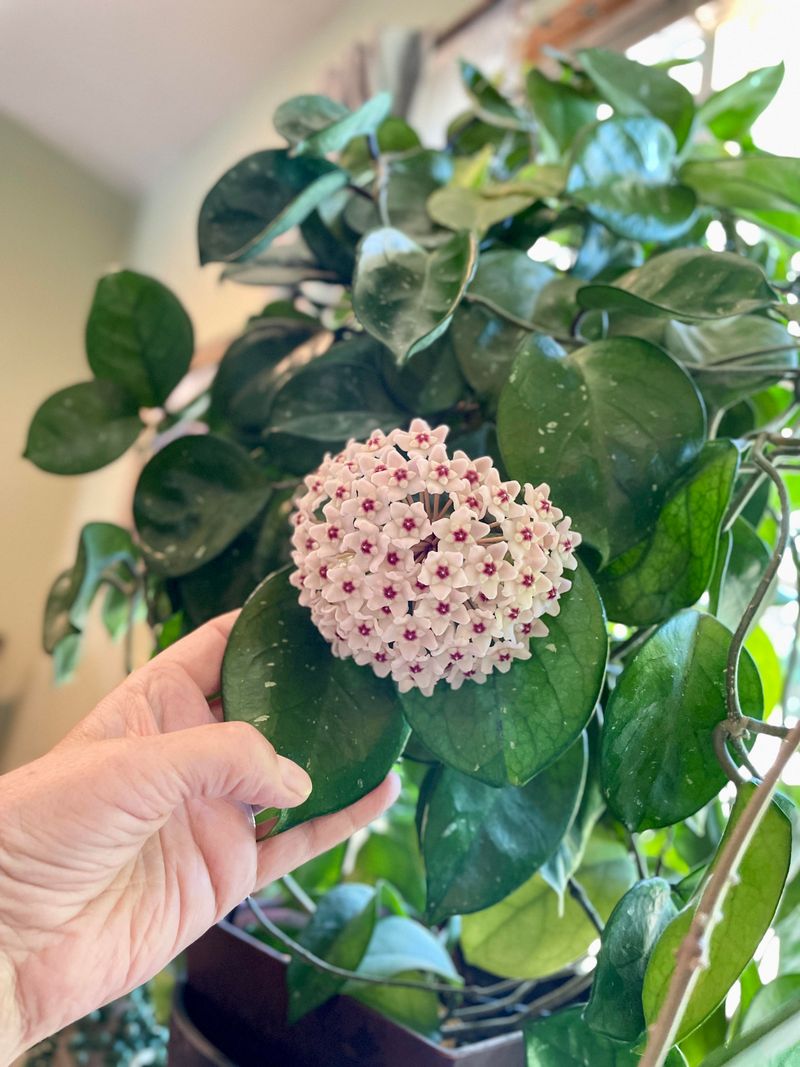
One of the most exciting things about growing Hoyas indoors is that the same plant can bloom repeatedly year after year, often from the exact same locations on the vine.
Hoyas produce flowers from structures called peduncles, sometimes referred to as flower spurs.
These small, woody stubs remain on the vine after blooms fade, and new flower clusters can emerge from the same spur in future growing seasons.
Accidentally removing these spurs when tidying up the plant is a common reason growers find themselves waiting a long time between blooms. Even when they look bare and unremarkable after flowering, leaving the spurs in place is worth it.
Trimming them off means the plant has to put energy into forming new ones before it can bloom again, which adds considerable time to the process.
In Georgia homes, where light and temperature conditions shift noticeably between seasons, keeping spurs intact gives the plant the best possible head start when spring arrives and conditions become more favorable for flowering.
Marking or gently noting where spurs are located on a vine can help avoid accidentally snipping them during routine pruning.
Once a Hoya has established a good network of spurs on a mature vine, the potential for regular and abundant blooming indoors increases substantially.
9. Consistent Care Supports Long-Term Growth And Flowering
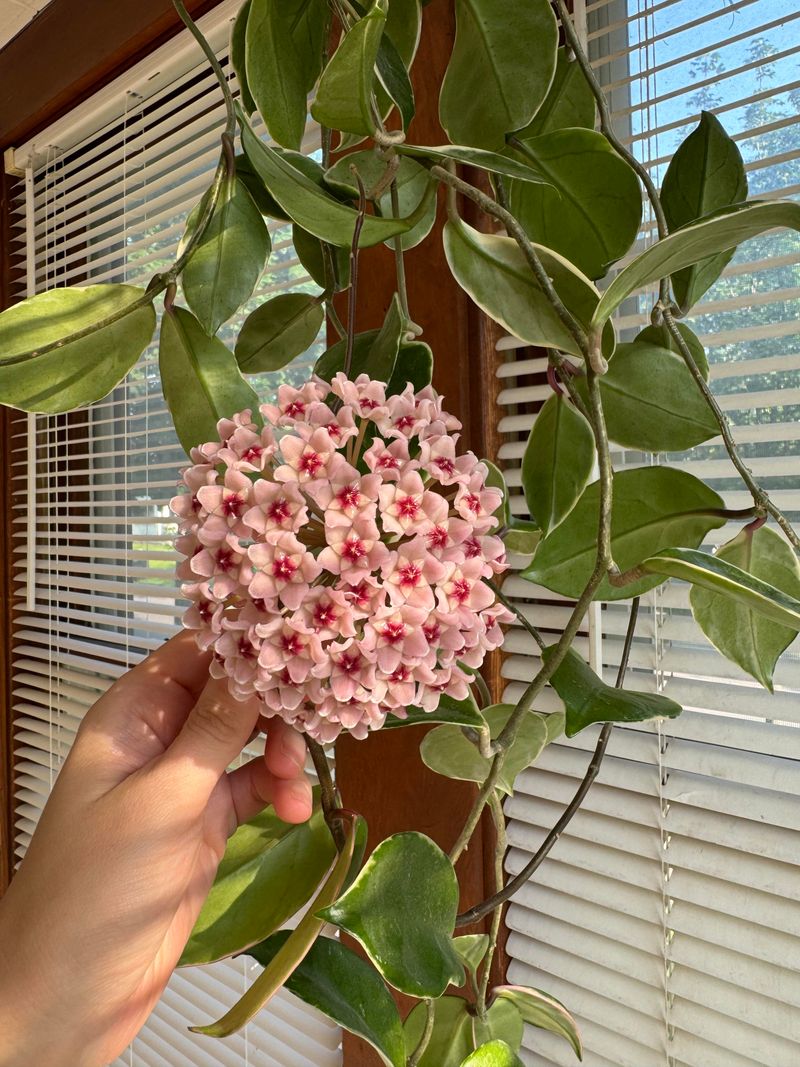
More than any single trick or technique, the most reliable thing Georgia gardeners can do for their Hoyas is simply stay consistent with care over time.
These are plants that respond well to routine and do not particularly enjoy sudden changes in their environment.
Keeping light exposure, watering habits, humidity levels, and feeding schedules reasonably steady from week to week builds the kind of stable foundation that leads to strong growth and eventual blooming.
Hoyas are not fast growers by nature, and some species may take two to three years of indoor care before producing their first blooms.
That timeline can feel discouraging, but growers who stay patient and maintain good habits tend to be rewarded.
Tracking care in a simple notebook or phone app can help identify patterns, like noticing that growth picks up in March each year or that the plant seems to need more frequent watering during Georgia’s hot July weeks.
Seasonal awareness matters too.
Georgia’s indoor environments shift noticeably between summer and winter, and adjusting care slightly with each season, rather than following a rigid year-round routine, helps keep the plant comfortable and growing steadily.
Over time, a well-cared-for Hoya becomes a genuinely rewarding indoor plant that produces stunning blooms season after season with relatively modest effort.