The Surprising Herb Oregon Bees Love More Than Flowers
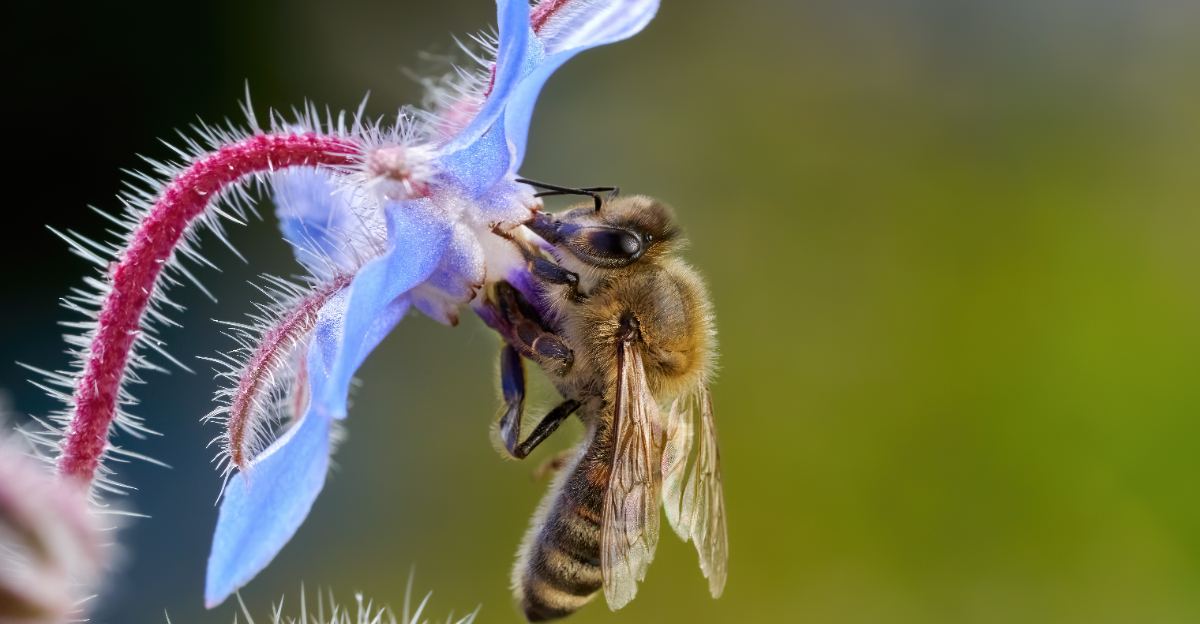
Tucked among classic garden blooms, borage quietly steals the show in Oregon yards, especially when bees are nearby.
This cheerful herb, with its star shaped blue flowers and soft, fuzzy leaves, draws pollinators in like a magnet and keeps them coming back all season long.
Gardeners often plant flowers hoping to attract bees, then watch in surprise as borage becomes the busiest spot in the garden. It thrives in Oregon’s cool springs and mild summers, grows quickly, and asks for very little care once established.
Beyond its pollinator power, borage adds a relaxed, cottage garden charm and even self sows to return year after year.
If your goal is a lively, buzzing garden filled with movement and life, this humble herb might be the most rewarding plant you add.
Oregon bees certainly seem to think so, choosing it again and again over flashier blooms nearby.
Meet The Herb Bees Can’t Resist
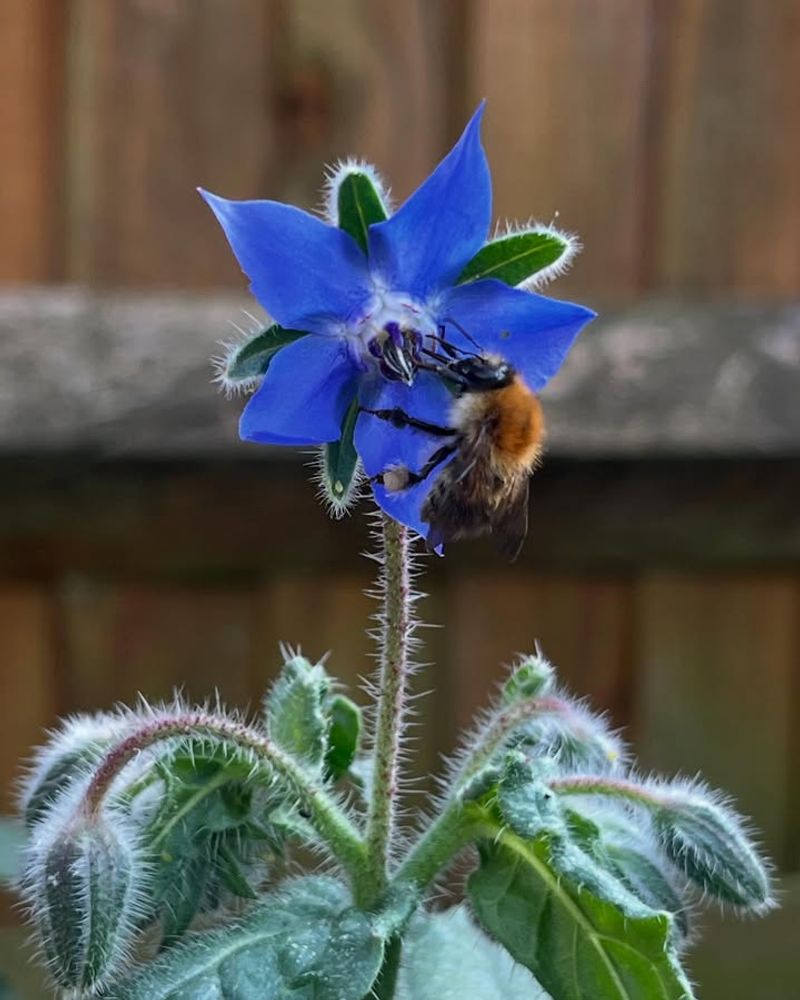
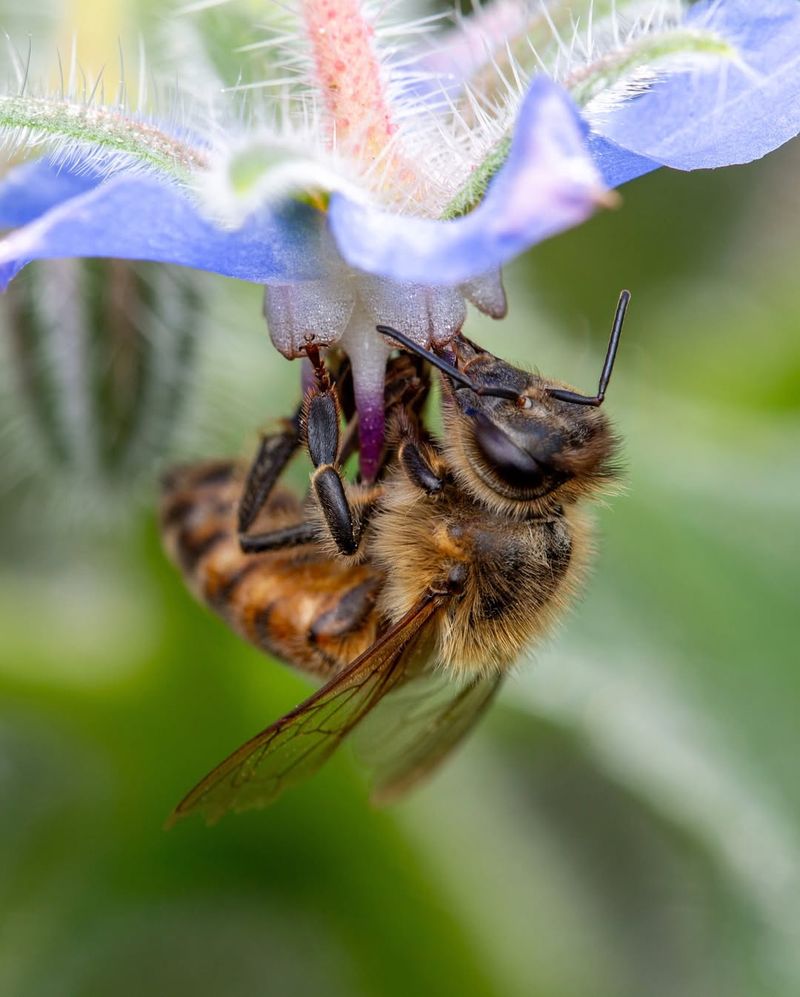
Gardeners across Oregon are planting borage in record numbers after watching bees flock to this unassuming herb. The plant features rough, hairy leaves and brilliant blue star-shaped flowers that seem to glow in the sunlight.
Each bloom dangles downward like a tiny bell, making it easy for bees to land and collect nectar.
What sets borage apart from typical garden flowers is its exceptional nectar production. A single plant can support dozens of bee visits throughout the day.
The herb belongs to the Boraginaceae family and grows quickly from seed, reaching heights of two to three feet in Oregon gardens.
Local beekeepers have noticed their hives become noticeably more active when borage blooms nearby. The bees work the flowers from dawn until dusk, collecting both nectar and pollen.
This intense activity translates to healthier colonies and better honey production.
Native to the Mediterranean region, borage has adapted remarkably well to Oregon’s climate. The plant tolerates both sunny and partially shaded locations, making it versatile for different garden settings.
Its cucumber-flavored leaves are edible too, adding culinary value beyond its pollinator benefits.
Why Borage Produces So Much Nectar
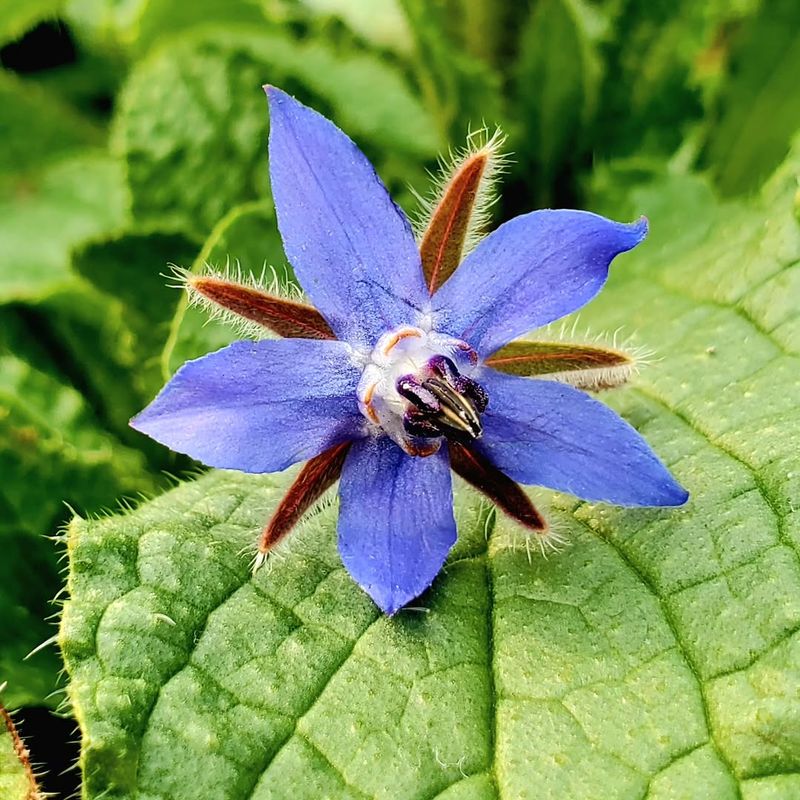
Scientists have studied borage extensively to understand its remarkable nectar production capabilities. Each flower contains specialized glands that continuously replenish nectar throughout the day.
Unlike many plants that produce nectar only during morning hours, borage keeps the supply flowing from sunrise to sunset.
The nectar in borage flowers contains high concentrations of sugars that bees need for energy. Research shows that borage nectar typically measures between 35 and 50 percent sugar content.
This rich composition makes every visit worthwhile for foraging bees working in Oregon gardens.
Temperature and humidity affect nectar production in most plants, but borage remains consistent even during variable weather conditions. The plant’s deep taproot accesses moisture from lower soil levels, supporting continuous nectar production.
This reliability makes borage especially valuable during dry summer months in Oregon when other nectar sources may diminish.
Each borage plant can produce hundreds of flowers over its blooming period. Since individual flowers remain viable for several days, bees have constant access to fresh nectar sources.
Your Oregon Garden Changes Every Week. Your Plan Should Too.
Gardening in Oregon changes quickly throughout the season. Every Friday you’ll receive a simple weekly plan showing exactly what to plant, prune, fertilize, harvest, and protect so you never miss the right timing.
The cumulative effect creates a buffet that supports multiple bee species simultaneously without competition for resources.
A Constant Food Source For Pollinators
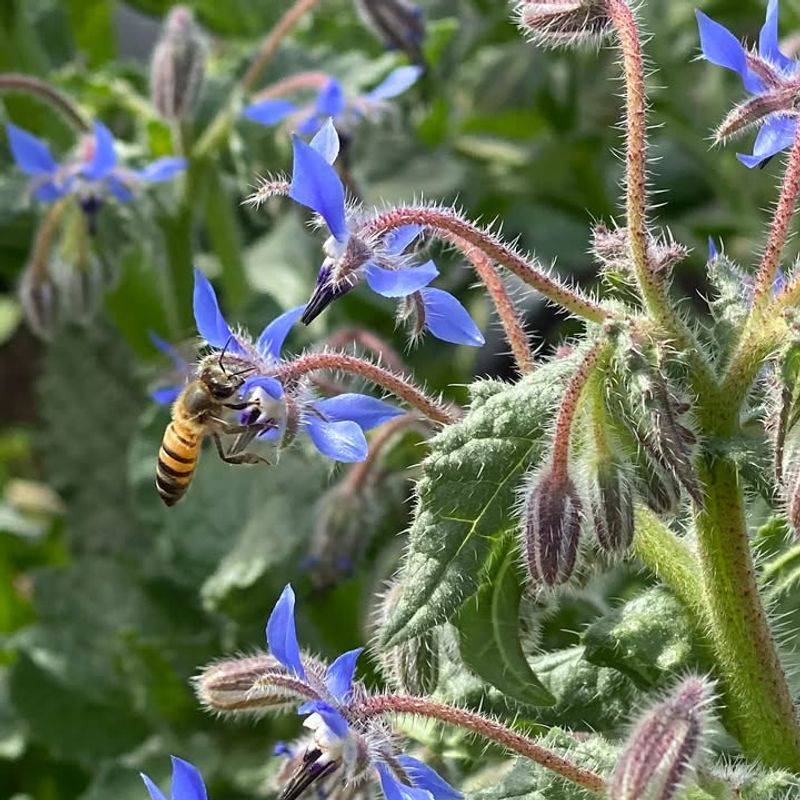
Oregon’s pollinator populations face challenges from habitat loss and limited food sources during critical times. Borage addresses this problem by blooming for extended periods, often from late spring through early fall.
The prolonged flowering season provides consistent nutrition when bees need it most.
Honeybees aren’t the only visitors to borage flowers in Oregon gardens. Bumblebees, mason bees, and various native bee species also frequent the blooms.
This diverse pollinator activity demonstrates the plant’s universal appeal across different bee species with varying feeding preferences.
Early spring and late summer present particular challenges for bees seeking adequate nutrition. Many traditional garden flowers finish blooming by midsummer, leaving gaps in available food sources.
Borage fills these gaps perfectly, continuing to produce fresh flowers and nectar when other plants have finished their cycles.
The protein-rich pollen borage produces complements its nectar offerings. Young bees require pollen to develop properly, and nursing bees need it to produce food for larvae.
By providing both nectar and quality pollen, borage becomes a complete nutrition package for bee colonies throughout Oregon.
Blue Star Flowers That Keep Blooming
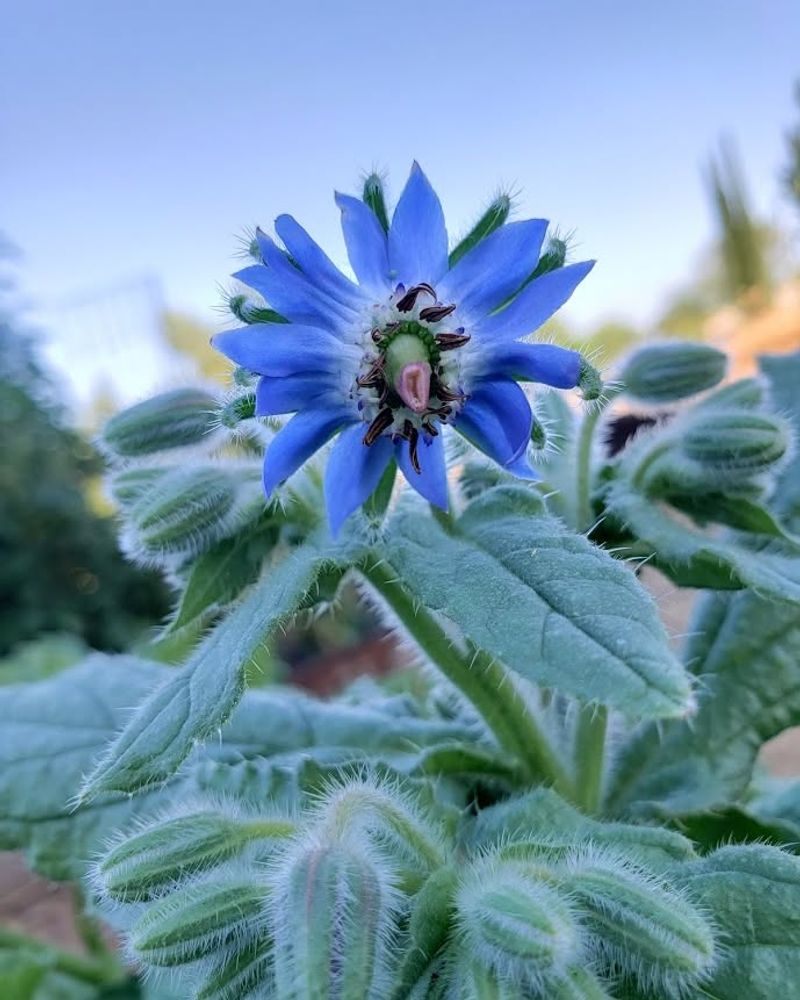
Walking through an Oregon garden filled with borage reveals a stunning display of blue flowers at different stages. The distinctive star shape with five petals creates an eye-catching pattern that stands out among green foliage.
Pink buds appear first, then transition to the signature bright blue as flowers open fully.
Each borage plant produces flowers continuously rather than all at once. New buds form while older flowers are still attracting bees, creating overlapping bloom cycles.
This staggered flowering pattern extends the useful period for pollinators and maintains visual interest in garden spaces.
The blue coloring comes from natural pigments called anthocyanins that bees can easily detect. Research indicates that bees have strong color preferences, with blue ranking among their favorites.
The vibrant hue acts as a beacon, drawing bees from considerable distances to Oregon gardens featuring borage.
Individual flowers last about three days before fading, but plants produce new blooms constantly throughout their growing season. A mature borage plant might have twenty or more open flowers at any given time.
This abundance ensures bees always find fresh nectar sources when visiting.
Easy To Grow In Oregon Gardens
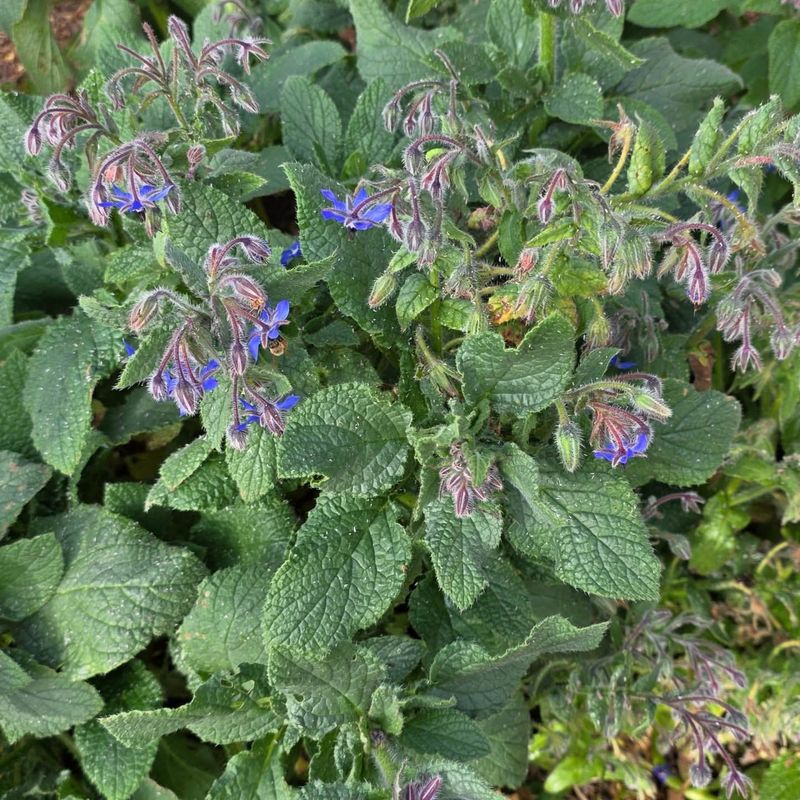
Beginning gardeners often worry about successfully growing plants that benefit pollinators, but borage removes those concerns entirely.
The herb requires minimal care once established and tolerates the variable weather conditions common throughout Oregon. Seeds germinate quickly when planted directly in garden soil after the last frost date.
Borage prefers well-drained soil but adapts to various soil types found across Oregon. The plant grows successfully in clay, loam, and sandy soils without requiring amendments.
Its deep taproot helps it access water and nutrients, reducing the need for frequent watering once plants mature.
Full sun produces the most vigorous growth and abundant flowering, though borage tolerates partial shade reasonably well. Oregon gardeners can tuck plants into sunny spots between vegetables or dedicate entire beds to creating pollinator havens.
Spacing plants about twelve inches apart allows adequate room for their bushy growth habit.
Fertilizer needs are minimal since borage isn’t a heavy feeder. In fact, excessive fertilization can reduce flowering and promote leaf growth instead.
Most Oregon garden soils provide sufficient nutrients without supplementation. The plant’s undemanding nature makes it perfect for low-maintenance pollinator gardens.
Self-Seeding And Surprisingly Low-Maintenance
Experienced Oregon gardeners appreciate plants that return year after year without replanting, and borage delivers this benefit reliably. As flowers fade, they produce small nutlets containing seeds that drop to the ground.
These seeds remain viable through winter and germinate the following spring when conditions become favorable.
The self-seeding characteristic means planting borage once can establish it permanently in garden spaces. Volunteer seedlings appear each spring, often in surprising locations where bees carried flowers or wind scattered seeds.
Gardeners can transplant these volunteers or allow them to grow where they emerge naturally.
Managing self-seeded borage is straightforward in Oregon gardens. Simply thin excess seedlings in spring to maintain desired spacing.
The removed seedlings can go into compost or be transplanted to new locations. This natural propagation method eliminates the need to purchase seeds annually.
Some gardeners worry about plants becoming invasive, but borage remains manageable with minimal effort. The seedlings are easy to identify and pull if they appear in unwanted areas.
Unlike aggressive spreaders, borage respects garden boundaries when given occasional attention during spring cleanup activities.
The Secret To A Busier Backyard Hive
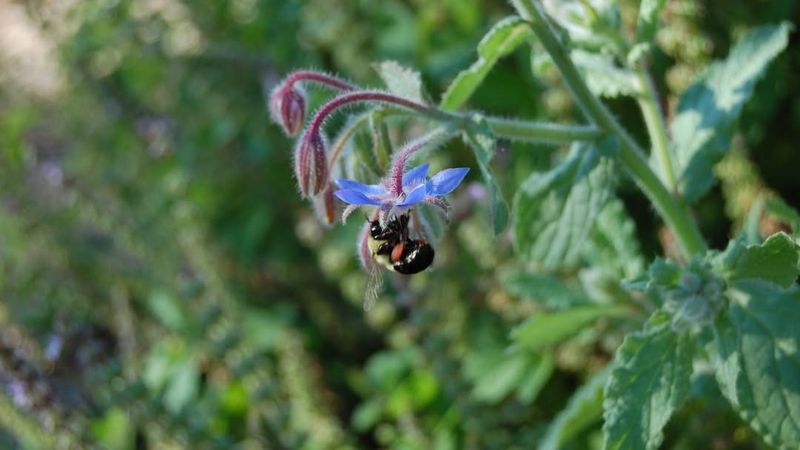
Beekeepers throughout Oregon have discovered that planting borage near hives significantly increases colony productivity. The proximity of this exceptional nectar source reduces the energy bees expend traveling to forage sites.
More energy conservation translates to stronger colonies capable of producing surplus honey for harvest.
Observation reveals that bees establish efficient flight paths between hives and nearby borage patches. They make repeated trips throughout the day, maximizing nectar collection during peak production hours.
This focused foraging behavior indicates the high value bees place on borage as a preferred food source.
Honey produced from borage nectar has distinctive characteristics that many people find appealing. The light-colored honey features delicate flavors without the strong taste associated with some wildflower honeys.
Oregon beekeepers market borage honey as a specialty product that commands premium prices at farmers markets.
Colony health improves when bees have access to consistent, high-quality nutrition from borage. Healthier bees show increased resistance to common stressors and produce more vigorous offspring.
For backyard beekeepers in Oregon, adding borage to landscapes represents a simple strategy for supporting thriving hives and enjoying better honey harvests.