This Is Why You Should Grow Nasturtiums In Oregon
Nasturtiums might just be the most underestimated plant in Oregon gardening. They’re cheerful, fast-growing, and covered in blooms for months on end.
But the real reason experienced Pacific Northwest gardeners keep coming back to them every single season goes way beyond good looks. These plants are genuinely pulling their weight in ways most people never expect.
Oregon’s cool springs and mild summers create ideal conditions for nasturtiums to absolutely take off. They’re one of those rare plants that thrives with almost zero effort, which honestly feels like cheating in the best possible way.
Toss some seeds in the ground and step back. Within weeks you’ve got sprawling, vibrant plants doing multiple jobs at once.
They feed pollinators, help protect nearby vegetables, and every single part of them is edible. Beautiful, hardworking, and basically free to grow.
Once you understand everything a nasturtium brings to an Oregon garden, it’s hard to imagine leaving them out.
They Thrive In Cool Springs
Oregon springs are famous for being cool, wet, and a little unpredictable. Most flowers struggle to get going when the temperatures are still low.
Nasturtiums, on the other hand, actually love it.
These tough little plants prefer soil temperatures between 55 and 65 degrees Fahrenheit. That is exactly what Oregon delivers from March through May.
You can direct sow seeds right into the ground as early as late March in the Willamette Valley, and they will sprout quickly without any fuss.
Unlike heat-loving plants that sit in the ground and wait for warmer days, nasturtiums hit the ground running in cool conditions. They establish strong root systems while the weather is still mild.
This gives them a big head start before summer arrives.
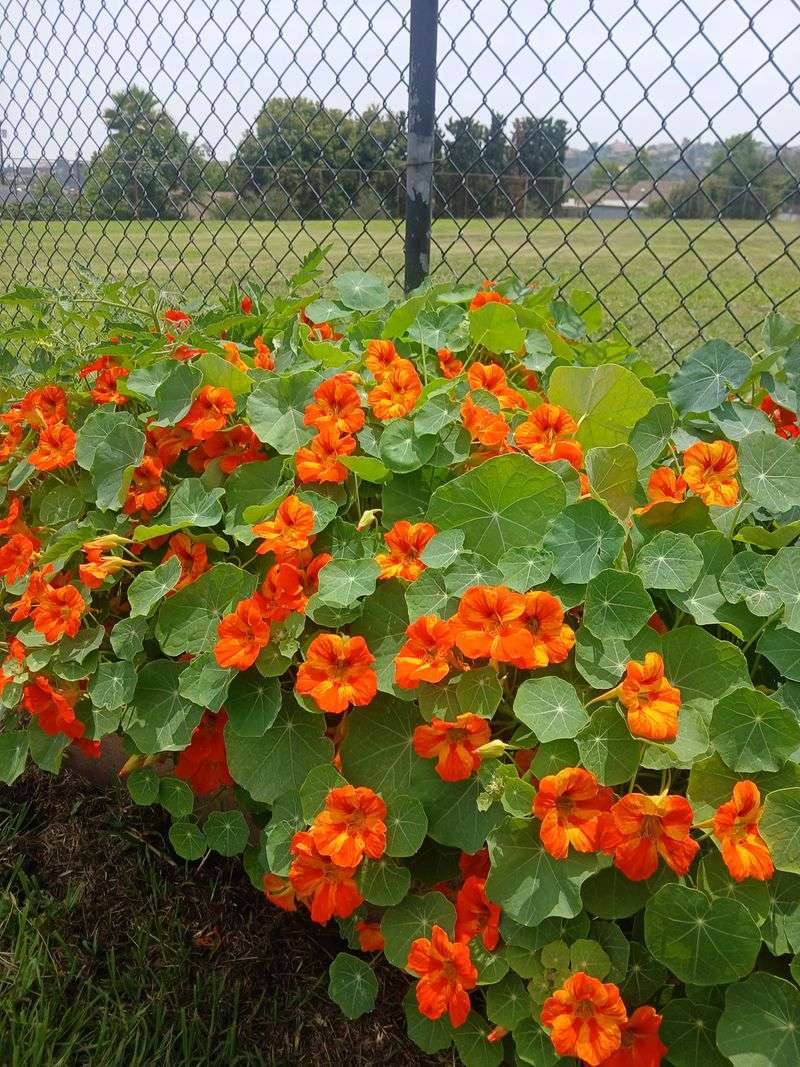
In coastal Oregon towns like Astoria or Newport, where summers stay cool all season long, nasturtiums can bloom from spring straight through fall. They do not need much heat to put on a show.
That is a huge advantage in a state where warm days can be short-lived.
Starting them early also means more blooms for a longer period. Plant them in a sunny spot, give them a little water, and Oregon’s natural spring rainfall will take care of the rest.
They Brighten Garden Beds Fast
Few flowers can match nasturtiums when it comes to speed and color. From seed to bloom, these plants can flower in as little as five to six weeks.
That is incredibly fast compared to most garden flowers.
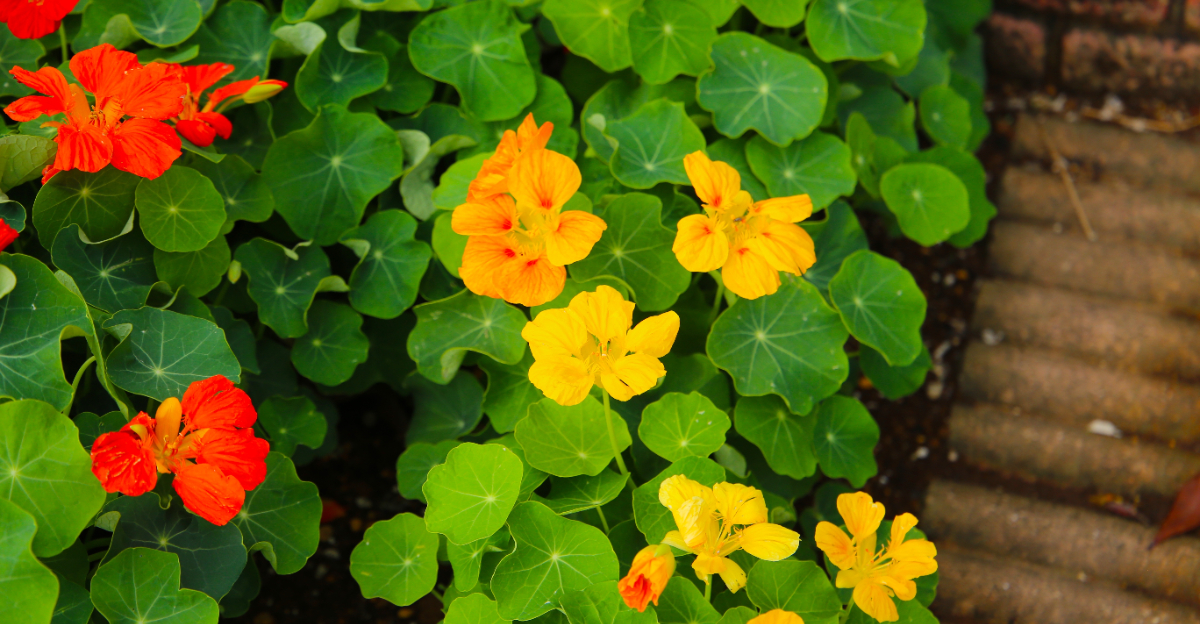
The colors they produce are bold and warm. Deep reds, bright oranges, sunny yellows, and soft creams all show up in a single planting.
Mixed varieties can turn a plain garden bed into something that looks like a sunset right on the ground.
Oregon gardeners often deal with long stretches of gray, rainy weather. Having nasturtiums popping up in the garden adds a welcome burst of warmth and cheer to outdoor spaces.
Even on cloudy days, those bright blooms stand out and lift the mood.
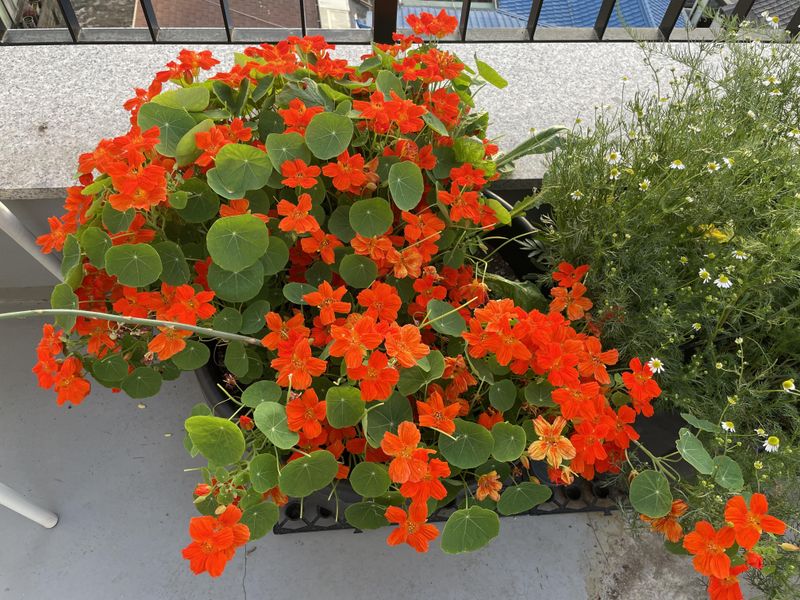
They also spread quickly. Trailing varieties can cover a large area in just a few weeks, filling in bare spots and crowding out weeds as they grow.
Your Oregon Garden Changes Every Week. Your Plan Should Too.
Gardening in Oregon changes quickly throughout the season. Every Friday you’ll receive a simple weekly plan showing exactly what to plant, prune, fertilize, harvest, and protect so you never miss the right timing.
This makes them super useful for new garden beds that still have a lot of empty space.
Compact varieties work great as edging plants along pathways or borders. Whether you want a tidy look or a wild, flowing style, nasturtiums can do both beautifully and without much effort from you.
They Attract Helpful Pollinators
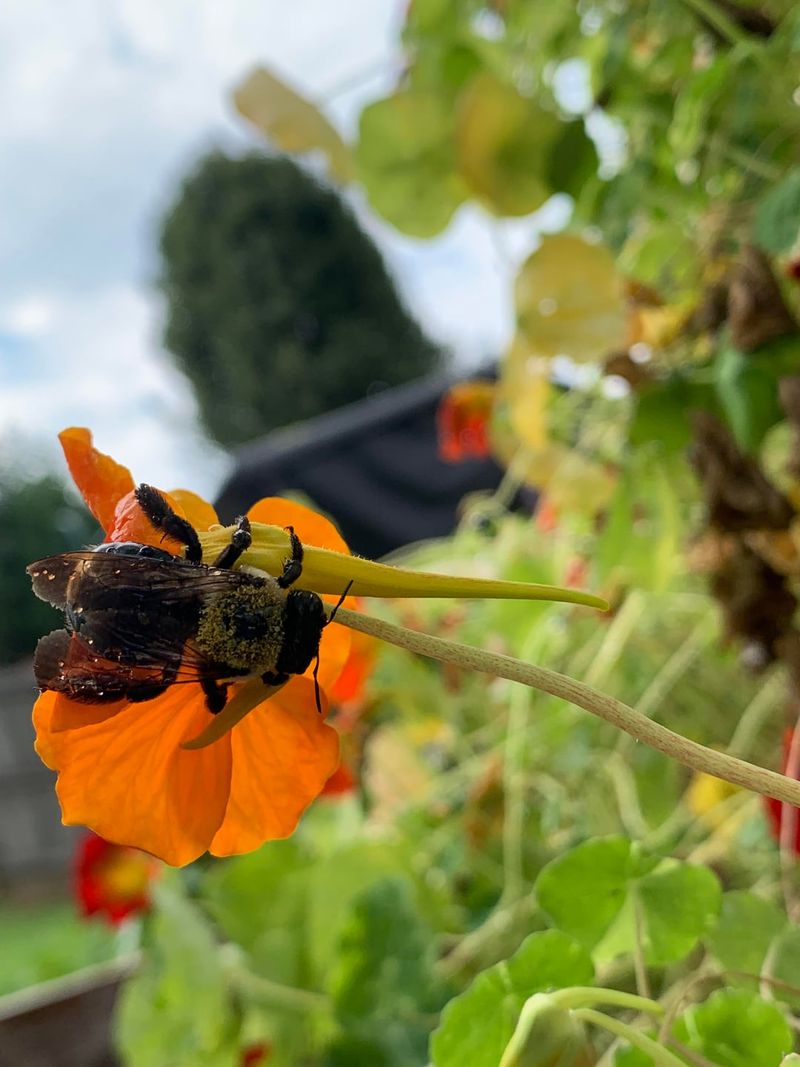
Pollinators are the backbone of any productive garden. Without bees, butterflies, and hummingbirds visiting your plants, fruits and vegetables simply would not grow well.
Nasturtiums are like a welcome sign for all of them.
The wide, open shape of a nasturtium flower makes it easy for pollinators to access the nectar inside. Bees especially love them.
You will often see bumblebees, which are common across Oregon, hovering around nasturtium patches from morning to afternoon.
Hummingbirds are also drawn to the bright red and orange varieties. Oregon is home to the rufous hummingbird, a tiny but energetic visitor that migrates through the state each summer.
Planting nasturtiums near a vegetable garden can help attract these birds and boost pollination for your other crops.
Butterflies like the painted lady and the cabbage white also stop by nasturtiums regularly. Watching them flutter around a colorful patch is one of the simple joys of gardening in Oregon.
When your garden is full of pollinators, everything grows better. Your tomatoes, squash, cucumbers, and beans all benefit when more insects are buzzing around.
Nasturtiums essentially act as a natural magnet, pulling beneficial creatures into your garden and helping the whole ecosystem thrive without any extra work from you.
They Can Trap Aphids
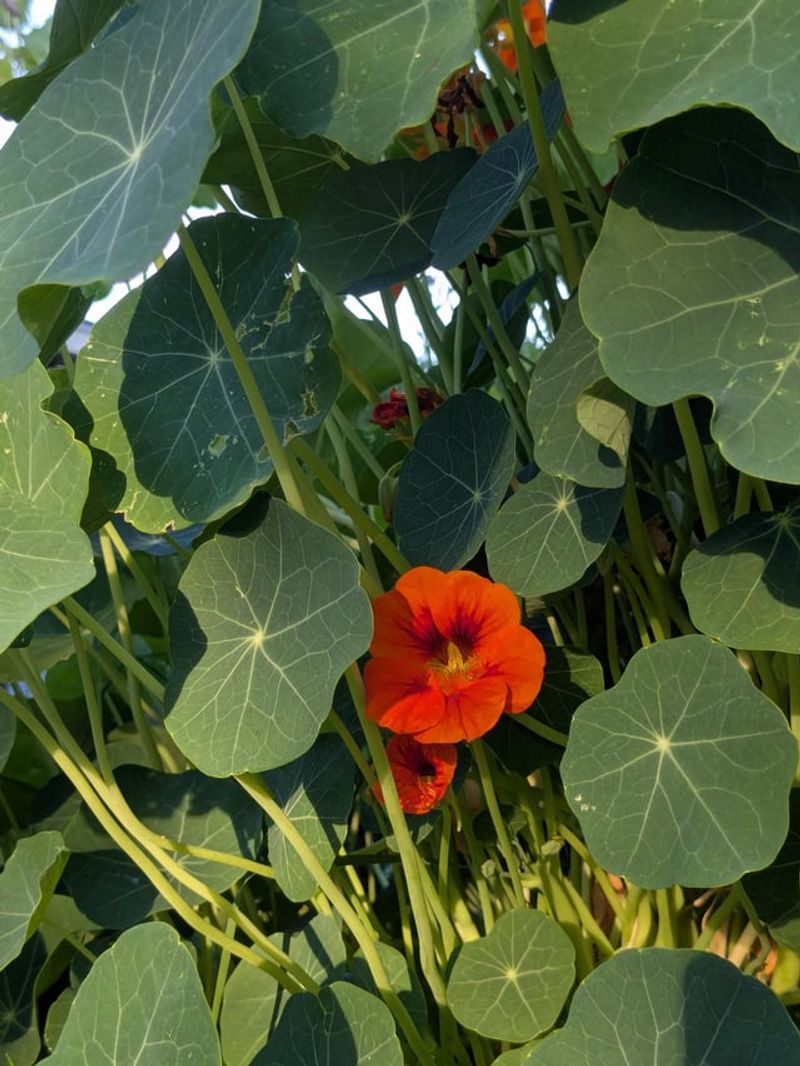
Aphids are one of the most frustrating pests any gardener faces. These tiny insects cluster on stems and leaves, sucking out plant juices and weakening your crops.
Oregon’s mild, moist climate creates perfect conditions for aphid populations to explode in spring and early summer.
Here is where nasturtiums earn a special place in the garden. Aphids absolutely love nasturtiums.
They flock to them like they cannot help themselves. Smart gardeners use this to their advantage by planting nasturtiums as a trap crop near vegetables like kale, broccoli, beans, and tomatoes.
When aphids swarm the nasturtiums instead of your food crops, you can deal with the problem in one place. You can spray the infested nasturtium plants with water, introduce ladybugs, or simply remove the affected leaves.
Your vegetables stay clean and healthy while the nasturtiums take the hit.
This strategy is called companion planting, and it is one of the most natural and chemical-free ways to manage garden pests. Oregon gardeners who want to avoid using pesticides find this method especially helpful.
The best part is that nasturtiums are tough enough to bounce back even after an aphid attack. They are sacrificial in the best possible way, protecting the rest of your garden while continuing to bloom and look beautiful throughout the season.
They Grow Well In Poor Soil
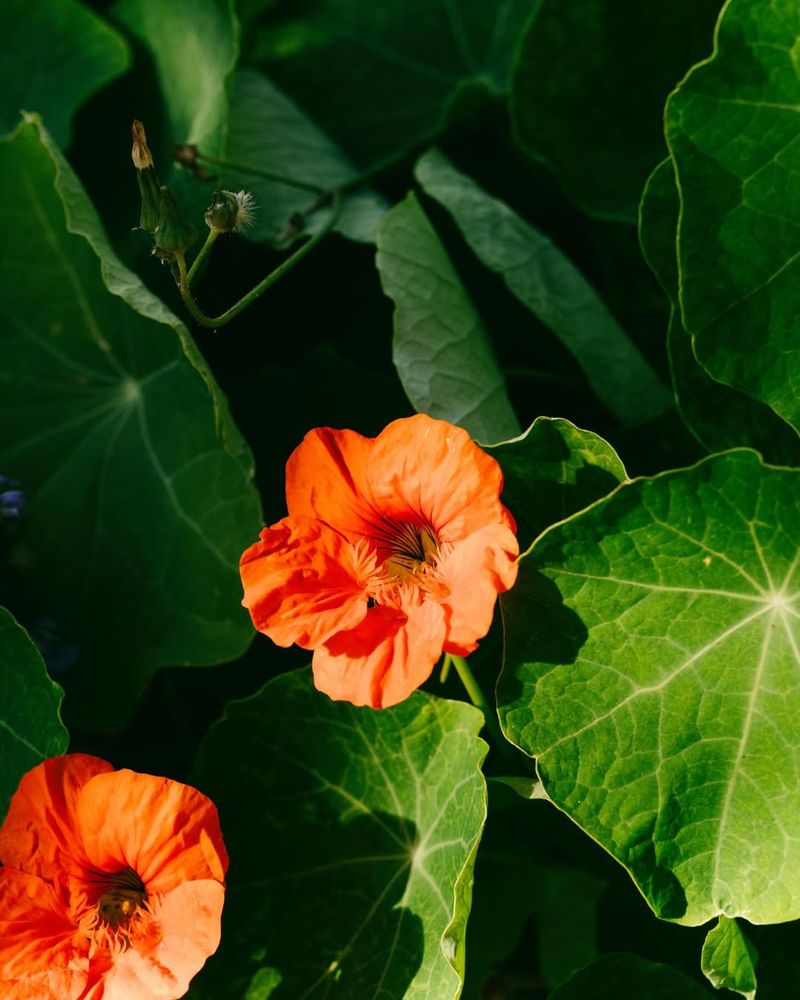
Not every yard in Oregon has rich, loamy soil ready for planting. Some properties have heavy clay, sandy ground, or soil that has been compacted from construction.
Many plants struggle in those conditions. Nasturtiums actually prefer them.
Rich, fertilized soil can cause nasturtiums to produce a ton of leaves and very few flowers. When the soil is lean and low in nutrients, these plants focus their energy on blooming instead.
That means poor soil equals more color, which is the opposite of what most plants do.
This makes nasturtiums an excellent choice for new homeowners in Oregon who have not had time to build up their garden soil yet. You do not need compost, fertilizer, or any special soil amendments.
Just loosen the ground a little, press the seeds in, and let them grow.
They also handle Oregon’s heavy clay soil better than most flowering plants. As long as the area drains reasonably well and gets some sunlight, nasturtiums will establish and bloom without complaint.
For gardeners in drier parts of Oregon like the high desert near Bend or the Rogue Valley, nasturtiums also tolerate dry spells once established. They are genuinely one of the most forgiving plants you can put in the ground, making them perfect for beginners and experienced gardeners alike.
They Spill Beautifully From Containers
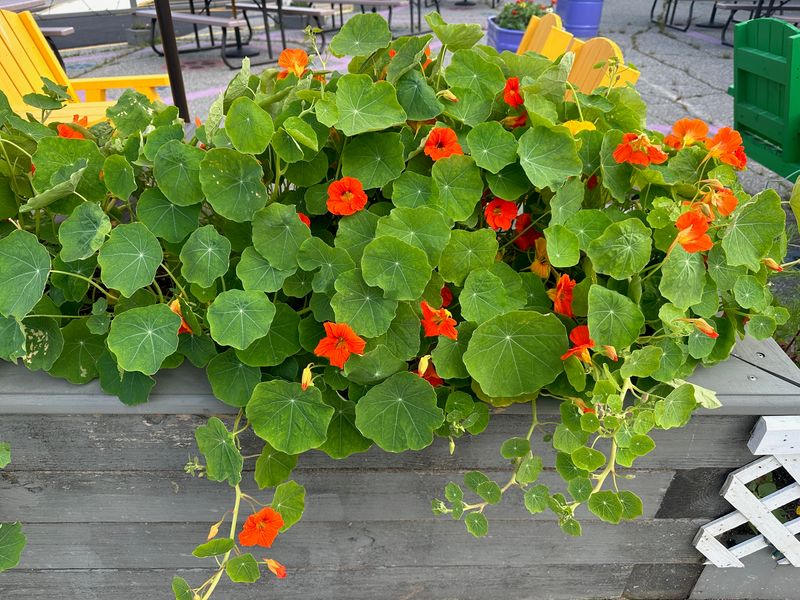
Container gardening is hugely popular in Oregon, especially in cities like Portland, Eugene, and Salem where outdoor space can be limited. Balconies, patios, and front stoops often rely on pots and planters to bring greenery and color to small spaces.
Nasturtiums are made for this kind of gardening.
Trailing varieties like Jewel of Africa or Alaska spill over the edges of containers in a way that looks lush and intentional. The round, lily-pad-shaped leaves create a full, cascading effect that drapes down the sides of pots beautifully.
Add the bright blooms and you have a container display that rivals anything from a professional nursery.
They do not need deep pots, either. A container that is about eight to ten inches deep is plenty for nasturtiums to thrive.
Use any well-draining potting mix, place the pot in a sunny spot, and water regularly. That is really all it takes.
Hanging baskets are another great option. Nasturtiums in a hanging basket near a doorway or under a covered porch create a cheerful, welcoming look all season long.
Since Oregon’s rainy season can waterlog containers, just make sure your pots have drainage holes. With proper drainage, nasturtiums in containers will reward you with non-stop blooms from late spring through the first cool nights of fall.
They Offer Edible Flowers And Leaves
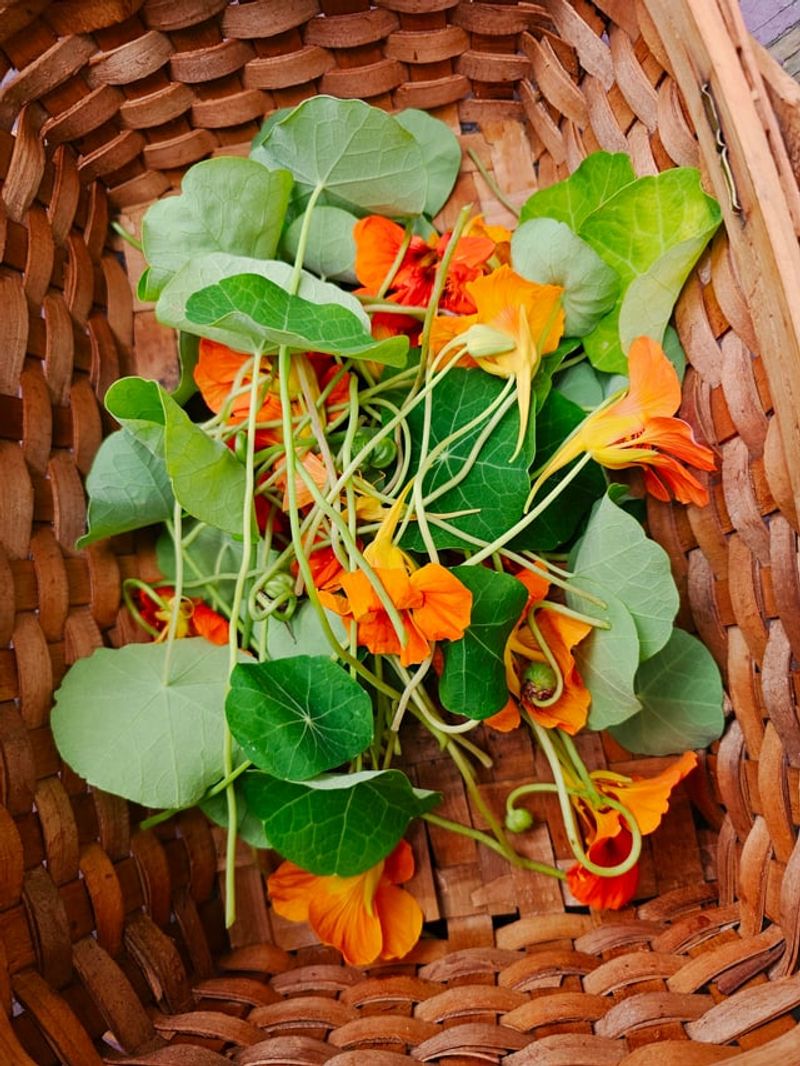
How many flowers can you actually eat? Nasturtiums are one of the few that are completely edible, and they taste surprisingly good.
Both the flowers and the leaves have a peppery, slightly spicy flavor that is similar to watercress. It is fresh, bright, and a little bold.
The flowers make stunning garnishes on salads, pasta dishes, and appetizers. Chefs at farm-to-table restaurants across Oregon, especially in Portland and the Willamette Valley, have long used nasturtiums as an edible decoration that also adds flavor.
You can do the same thing right at home.
The leaves are equally useful. Young nasturtium leaves are tender and peppery, making them a great addition to green salads or grain bowls.
Older leaves get a bit stronger in flavor but still work well chopped into dressings or mixed into sauces.
Even the seed pods are edible. When they are still green and tender, nasturtium seeds can be pickled in vinegar and used just like capers.
This is a clever way to get even more use out of your plants before they go to seed.
Growing food that also looks gorgeous is a win for any Oregon gardener. Nasturtiums blur the line between ornamental and edible gardening in the most delicious way possible, making them a standout choice for anyone who loves to cook with fresh ingredients from their own yard.
They Reseed For Easy Color
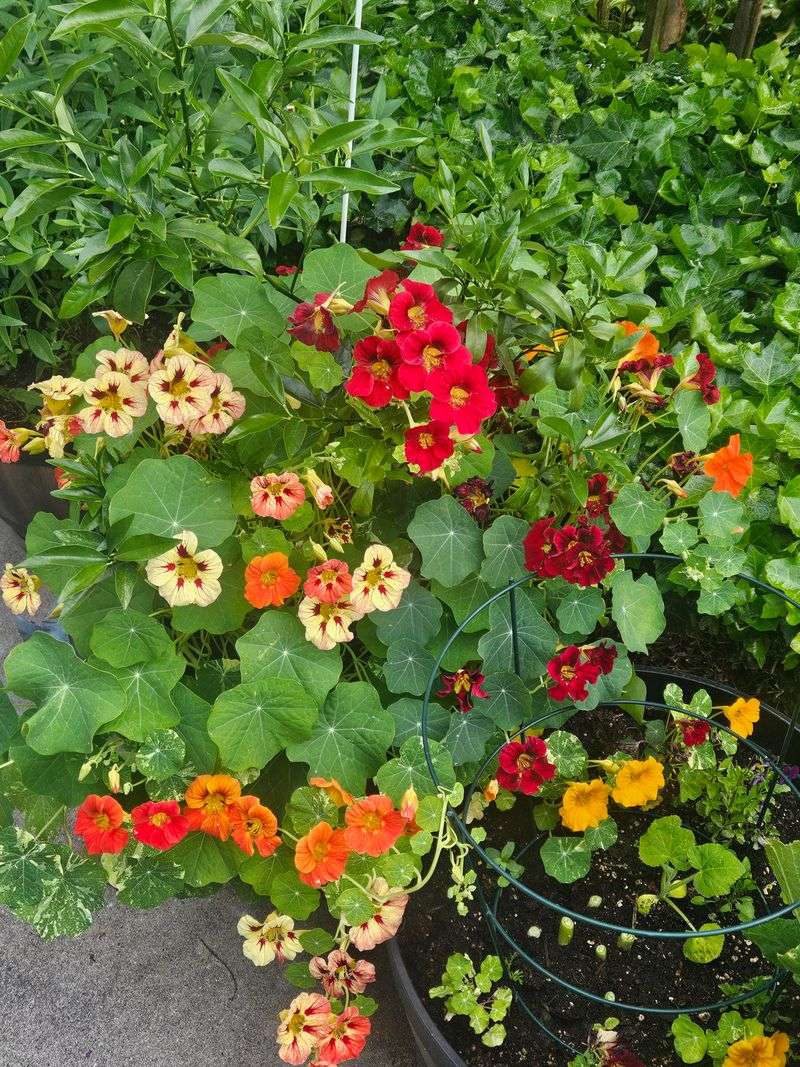
One of the most satisfying things about nasturtiums is that they come back on their own. Once you grow them through a full season and let some flowers go to seed, those seeds fall to the ground and sprout the following spring.
You do not have to replant every year.
Oregon’s mild winters and wet springs create ideal conditions for self-seeding. The seeds are large and easy to spot, so you can also collect them in the fall and store them in a cool, dry place until the following spring.
Either way, you end up with free plants year after year.
This reseeding habit makes nasturtiums one of the most cost-effective flowers you can grow. Buy one packet of seeds, and you may never need to buy them again.
For budget-conscious gardeners, that is a genuinely great deal.
Self-seeded nasturtiums also tend to pop up in unexpected and charming spots. You might find a cluster growing between stepping stones, along a fence line, or at the base of a shrub.
These happy accidents add a wild, cottage-garden feel to outdoor spaces across Oregon.
Just keep in mind that some varieties may not come back true to color from saved seeds. Mixing varieties often produces fun surprises.
Embrace the unpredictability, and enjoy the colorful reward that nasturtiums bring back to your Oregon garden each spring without any extra effort on your part.