Challenges Texas Gardeners Should Consider Before Planting Zucchini
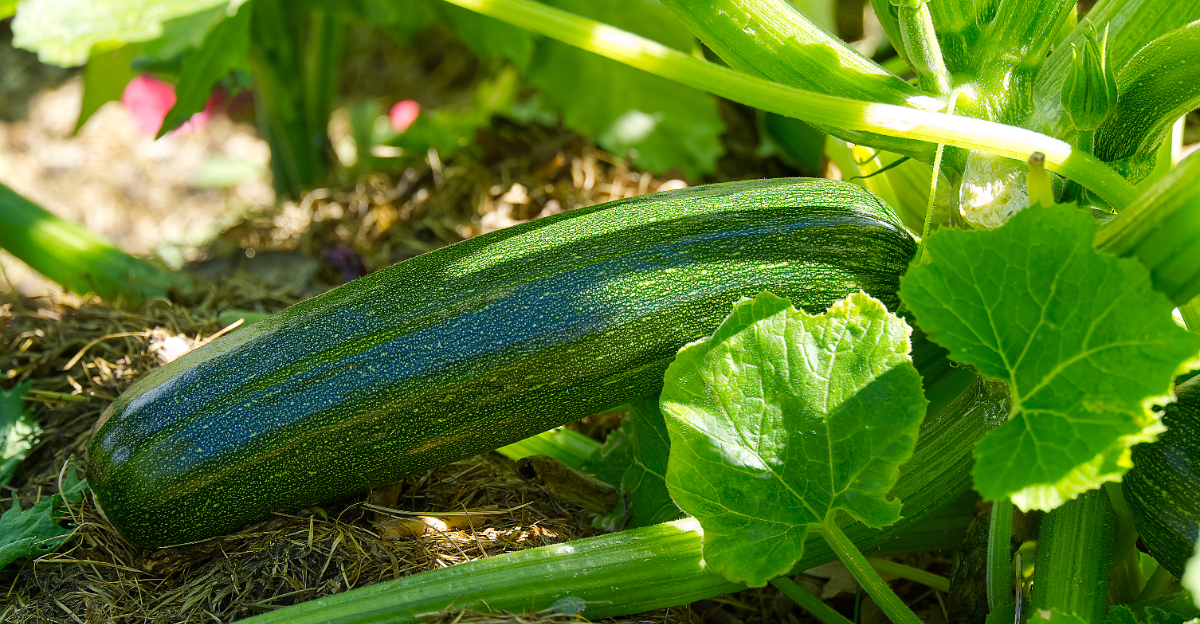
You plant zucchini with good intentions. A couple of seeds, a sunny patch of Texas soil, and the idea of fresh slices for the kitchen.
Many Texas gardeners have done it for years. It feels like one of those vegetables that should be simple.
But zucchini in Texas doesn’t always stay simple. Sudden heat, persistent squash bugs, powdery mildew, and plants that spread wider than expected can turn a small project into a steady chore. Even seasoned gardeners sometimes find themselves dealing with wilted stems or blossoms that never turn into fruit.
Before those seedlings start stretching toward the sun, it helps to know what can show up along the way – especially the problem that tends to appear right when the plant looks strong and full of promise.
1. Watch For Squash Vine Borers
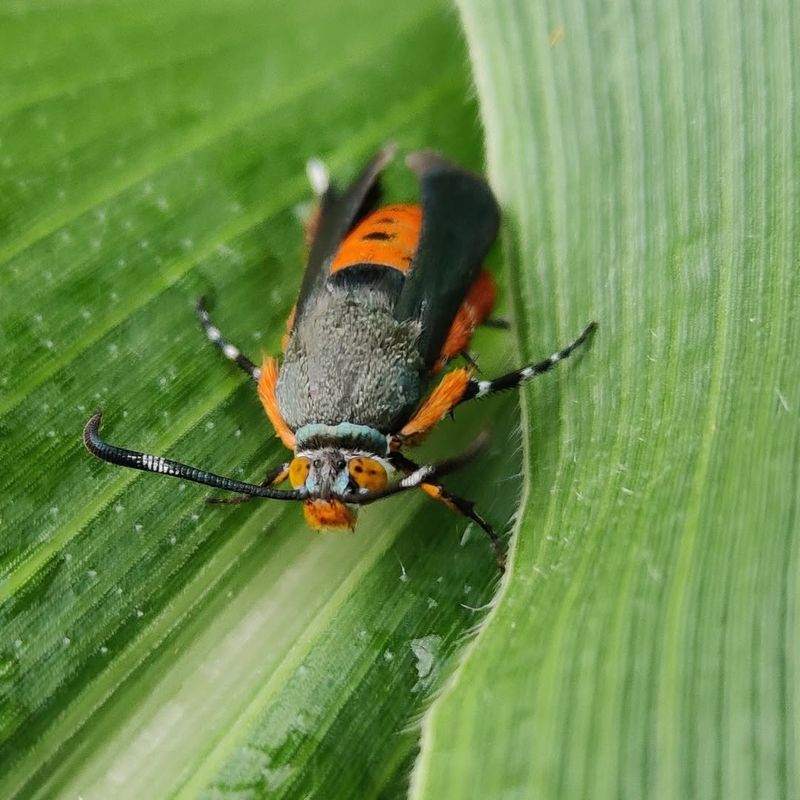
Squash vine borers rank among the most destructive pests Texas gardeners encounter when growing zucchini and other squash family plants. These sneaky insects look like wasps but are actually moths with clear wings and bright orange abdomens marked with black spots.
Adult borers appear in late spring across Texas, laying their eggs at the base of zucchini plants where stems meet the soil.
Once eggs hatch, the larvae bore directly into the stem and feed on the plant’s interior tissue. Gardeners often notice wilting leaves on one side of the plant first, even when soil moisture seems adequate.
By the time you spot sawdust-like frass near the stem base, the borer has already caused significant internal damage that weakens the entire plant.
Prevention works better than trying to save infected plants in Texas gardens. Wrapping the lower stems with aluminum foil or nylon stockings creates a physical barrier that prevents adult moths from laying eggs on your zucchini.
Some Texas gardeners plant succession crops every few weeks, accepting that some plants may get damaged while others mature successfully.
Checking plants daily during peak borer season helps catch problems early. If you spot entry holes with frass, you can carefully slit the stem lengthwise with a sharp knife, remove the borer by hand, and mound soil over the wounded area to encourage new root formation.
2. Prepare For Relentless Squash Bugs
For many Texas gardeners, the real battle begins once zucchini plants start to take off. Squash bugs quickly become one of the most persistent problems, targeting plants all season long with impressive determination.
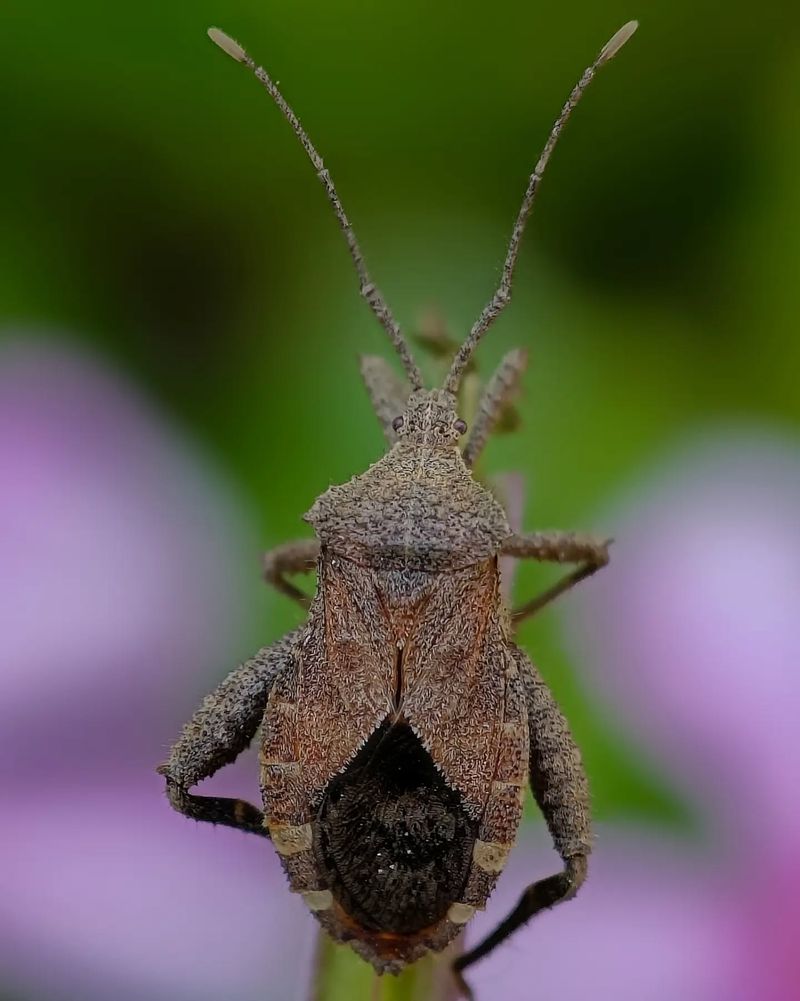
These shield-shaped insects grow to about half an inch in length and have brown to gray coloring that helps them blend in easily with stems and leaves. Texas heat works in their favor.
Unlike some pests that appear briefly and disappear, squash bugs settle in fast and reproduce quickly, building up populations before gardeners even realize what’s happening.
Adult squash bugs pierce plant tissue and suck out vital fluids, causing leaves to wilt and develop yellow spots that eventually turn brown and crispy. Heavy infestations can weaken entire plants within days during hot Texas summers.
Female bugs lay bronze-colored eggs in neat clusters on leaf undersides, with each female producing hundreds of eggs throughout her lifetime.
Your Texas Garden Changes Every Week. Your Plan Should Too.
Gardening in Texas changes quickly throughout the season. Every Friday you’ll receive a simple weekly plan showing exactly what to plant, prune, fertilize, harvest, and protect so you never miss the right timing.
Daily inspection becomes essential for managing squash bugs in Texas gardens. Check the undersides of leaves every morning, scraping off egg clusters into soapy water before they hatch.
Hand-picking adult bugs works well for small gardens, though these insects move quickly when disturbed and may drop to the ground to hide.
Placing boards or newspaper near your zucchini plants overnight creates hiding spots where squash bugs gather by morning. Flip these traps over at dawn and dispose of the bugs you find.
Keeping garden areas clean and removing plant debris eliminates overwintering sites that allow squash bug populations to explode the following season.
3. Expect Powdery Mildew In Humid Heat
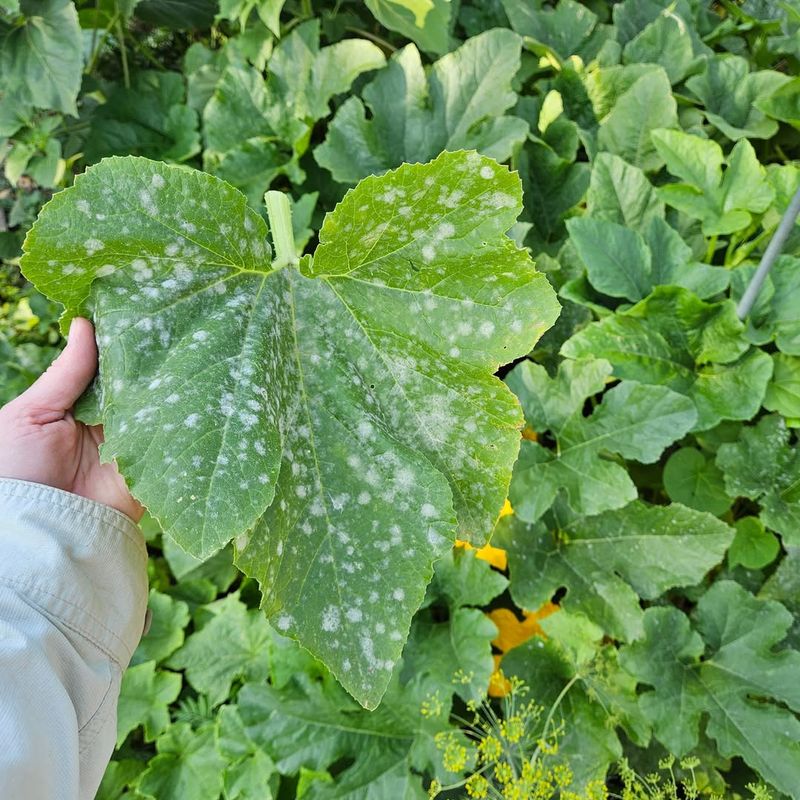
Warm temperatures paired with high humidity can create the perfect setup for fungal problems in Texas gardens. Powdery mildew is one of the most common issues affecting zucchini plants, especially in places like Houston and across East Texas.
This disease shows up as a white or grayish powdery coating on leaf surfaces. It usually begins on older leaves and then gradually spreads to newer growth if conditions stay favorable.
Unlike many plant diseases that need wet conditions, powdery mildew thrives in warm temperatures and moderate humidity, conditions frequently seen during Texas growing seasons.
Affected leaves gradually lose their ability to photosynthesize efficiently as the fungal coating blocks sunlight. Plants may continue producing zucchini even with moderate mildew, but severe infections reduce overall productivity and can cause premature plant decline.
The disease spreads through airborne spores that travel easily between plants in your Texas garden.
Spacing plants properly allows better air circulation, which helps reduce mildew severity even though it won’t prevent the disease entirely. Many Texas gardeners expect mildew to appear at some point and focus on keeping plants vigorous enough to tolerate the infection.
Watering at ground level rather than overhead keeps leaves drier and less favorable for fungal development.
Some gardeners spray affected leaves with diluted milk solutions or baking soda mixtures, which may slow mildew spread. Removing heavily infected leaves improves air flow around remaining healthy foliage.
Choosing mildew-resistant zucchini varieties gives you a head start, though even resistant types can show symptoms under favorable conditions for the fungus in Texas gardens.
4. Plan For Zucchini That Outgrows Its Space
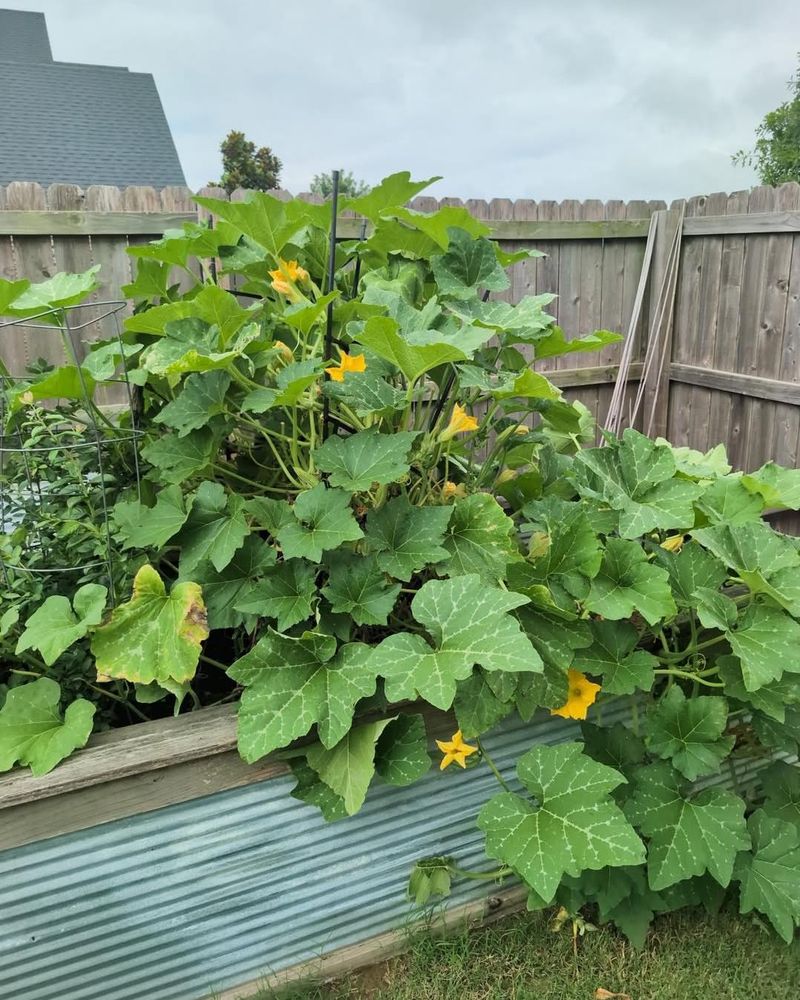
Zucchini plants grow with astonishing speed and size in Texas gardens, often catching first-time growers completely off guard. A small transplant that fits in your palm can transform into a sprawling giant with leaves the size of dinner plates within just a few weeks of warm weather.
Each plant typically needs at least three to four feet of space in all directions, though vigorous varieties may spread even wider under ideal Texas growing conditions.
New gardeners often make the mistake of planting zucchini too close together or near other vegetables that need their own space. Once those broad leaves unfold and the plant establishes itself, relocating it can be difficult and often leads to transplant stress that slows growth or reduces productivity.
Crowded plants compete for sunlight, nutrients, and water while creating dense foliage that traps humidity and encourages disease problems.
Planning your garden layout before planting prevents space conflicts down the line. Mark out the full mature size of each zucchini plant using stakes or flour on the ground so you can visualize how much room they’ll actually occupy.
Container growing offers an alternative for Texas gardeners with limited space, though you’ll need large pots holding at least five gallons of soil.
Some compact or bush varieties stay more contained than traditional types, making them better choices for smaller Texas gardens. Even these smaller plants produce substantial foliage, so don’t underestimate their final size when mapping out your planting scheme.
5. Manage Extreme Texas Heat Stress
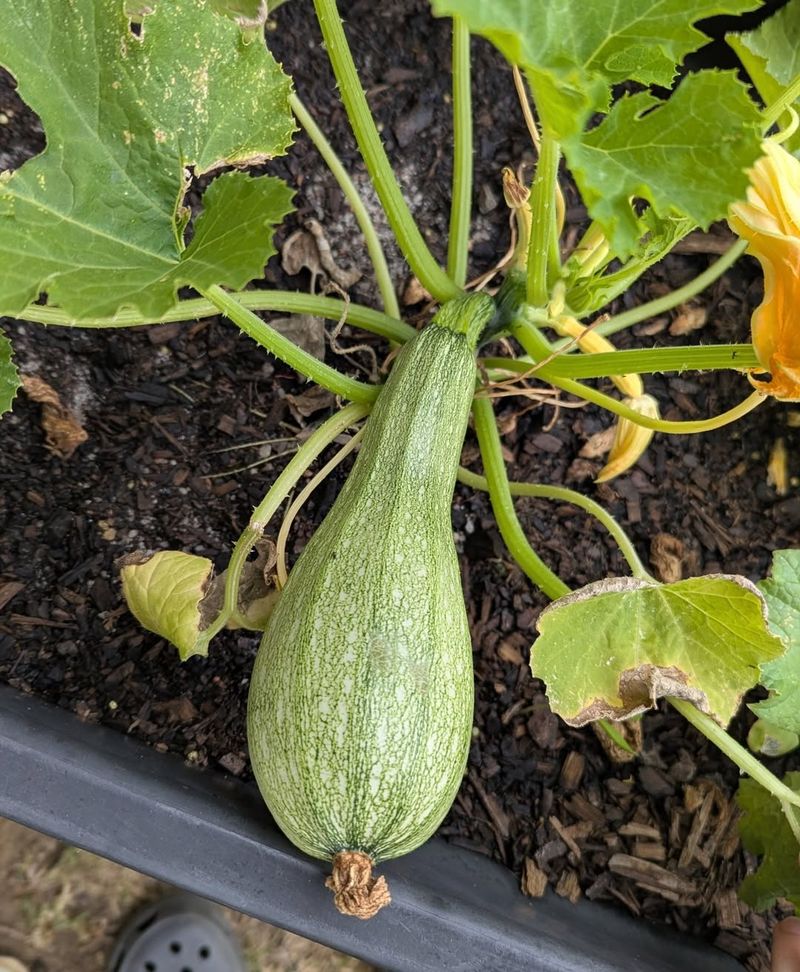
Texas summers push zucchini plants to their absolute limits, with temperatures regularly soaring above 95 degrees across much of the state. While zucchini appreciates warm weather for growth and fruit production, the extreme heat common from July through September can cause serious stress that reduces yields or stops production entirely.
Plants may wilt dramatically during the hottest part of the day even when soil moisture is adequate, recovering somewhat as evening temperatures drop.
Excessive heat interferes with the pollination process, causing flowers to drop before setting fruit. Pollen becomes less viable in extreme temperatures, and beneficial insects may reduce their activity during the most intense heat of Texas afternoons.
Plants redirect their energy toward survival rather than fruit production when temperatures remain consistently high.
Providing afternoon shade helps zucchini plants cope with brutal Texas heat without reducing their access to morning sun. Shade cloth suspended above plants or strategically placed taller crops like corn can create relief during peak temperature hours.
Mulching heavily around plants keeps soil temperatures more moderate and reduces moisture loss through evaporation.
Consistent watering becomes absolutely critical during Texas heat waves, with most zucchini plants needing deep watering every day or two depending on your soil type. Many Texas gardeners find that spring and fall plantings produce better than mid-summer crops, timing their zucchini harvests to avoid the most extreme heat periods while still enjoying fresh vegetables most of the growing season.
6. Support Strong Pollination Early On
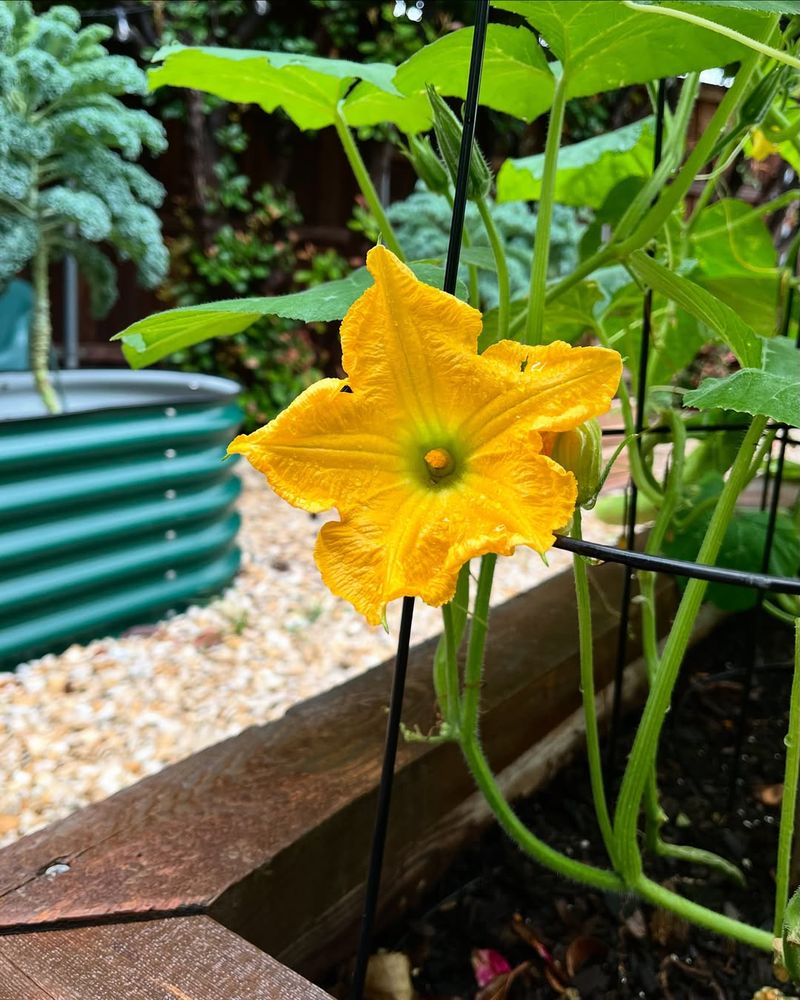
Successful zucchini production in Texas depends on effective pollination, yet many gardeners overlook this critical factor until they notice flowers dropping without forming fruit. Zucchini plants produce separate male and female flowers, with male blooms appearing first on long thin stems while female flowers sit atop tiny immature fruits.
Pollen must transfer from male to female flowers for fruit development to proceed, a job typically handled by bees and other pollinating insects.
Texas gardens face pollination challenges from several directions. Extreme heat reduces bee activity during midday hours when temperatures spike.
Pesticide use in your garden or nearby properties can reduce pollinator populations or make them less effective. Sometimes plants produce mostly male flowers early in the season, giving gardeners false hope before female flowers finally appear.
Creating a pollinator-friendly environment around your zucchini plants increases your chances of good fruit set. Plant flowers that attract bees and other beneficial insects near your vegetable garden.
Avoid using insecticides when possible, especially during morning hours when pollinators are most active. If you must treat pest problems, choose products that target specific pests rather than broad-spectrum chemicals.
Hand pollination offers a backup strategy for Texas gardeners dealing with poor pollinator activity. Simply remove a male flower, peel back its petals to expose the pollen-covered stamen, and gently brush it against the sticky stigma in the center of a female flower.
This takes only seconds per flower and ensures fruit development even when natural pollinators aren’t doing their job effectively.
7. Harvest Frequently To Prevent Oversized Fruit
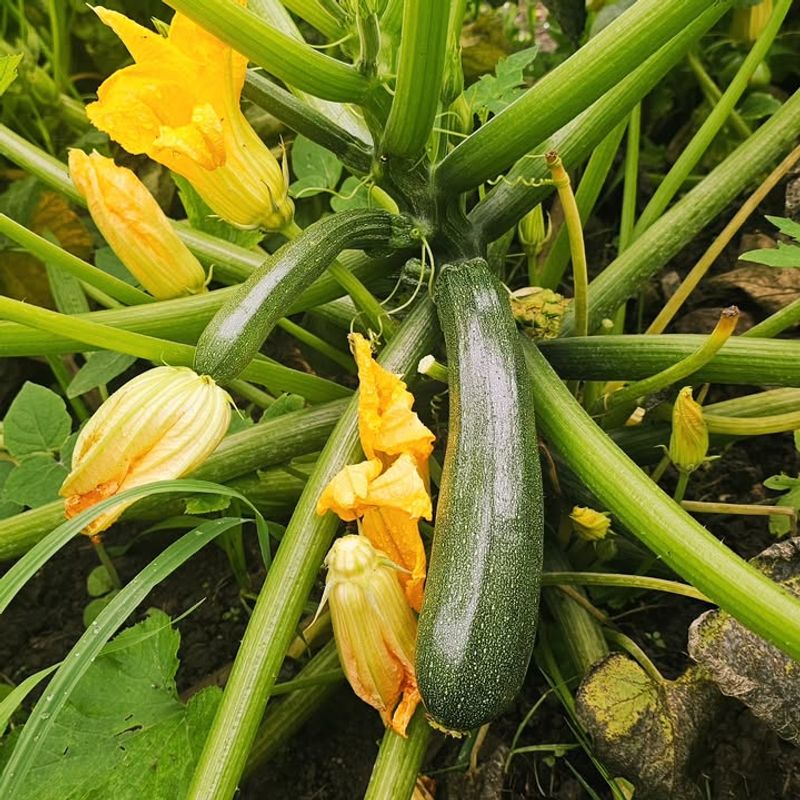
Once zucchini plants hit their stride in Texas gardens, production can feel almost nonstop. During peak season, new squash seem to appear overnight.
It’s exciting, but it can also catch gardeners off guard.
A common mistake is leaving the fruit on the plant too long. Many people assume bigger is better, but oversized zucchini can actually reduce overall productivity.
When fruits grow too large, the plant shifts energy into maturing seeds instead of producing new squash, slowing down future harvests. Those baseball bat-sized fruits you see at farmer’s markets are more novelty than ideal harvest, as they develop tough skin, large seeds, and watery flesh that lacks the tender texture of properly sized zucchini.
More importantly, allowing fruits to mature fully signals the plant that it has successfully reproduced, triggering a slowdown in new flower and fruit production. Picking zucchini when they measure six to eight inches long keeps plants in active production mode, encouraging continuous flowering throughout the growing season.
A single overlooked fruit left to grow enormous can slow down new production and noticeably reduce the number of tender, properly sized squash your plant produces afterward.
Checking plants every day or two during peak production prevents zucchini from growing too large. Those broad leaves hide developing fruits remarkably well, so lift foliage carefully to spot all the squash underneath.
Even if you can’t use all the zucchini you harvest, picking them at optimal size benefits the plant’s continued productivity.
Texas gardeners often find themselves with more zucchini than they can personally use. Sharing extras with neighbors, donating to food banks, or preserving through freezing or pickling ensures your frequent harvests don’t go to waste while keeping your plants producing fresh vegetables for weeks on end.