Illegal Plants You Might Accidentally Be Growing In Texas
Did you know that some plants quietly growing in Texas yards are actually illegal? Many of these species seem harmless, even pretty, but they can cause serious problems for local ecosystems.
Gardeners often add them to their gardens without knowing the risks, only to find later that these plants spread aggressively and outcompete native vegetation.
Certain invasive plants take over space, water, and nutrients that local wildlife and other plants need to thrive. Some even carry fines if knowingly cultivated.
Because they grow quickly and spread easily, a small patch can become a big issue in no time. Being aware of these restricted plants helps you avoid accidental violations while protecting your yard and nearby habitats.
Spotting and removing them early keeps your garden healthy, supports local ecosystems, and ensures Texas’ natural landscapes stay safe and vibrant for years to come.
1. Giant Salvinia
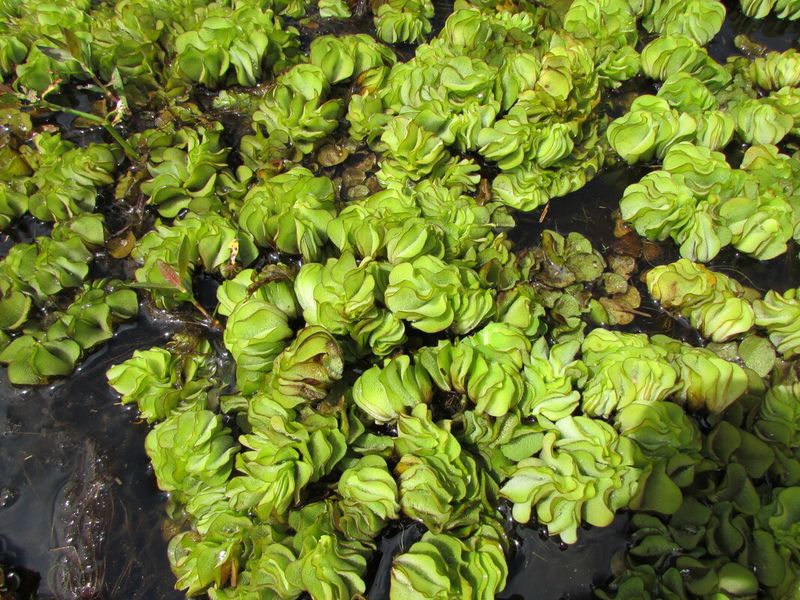
Giant salvinia looks innocent enough when you first spot it floating in garden centers or online plant shops. This aquatic fern has small green leaves that fold together like tiny books.
But don’t let its delicate appearance fool you. This plant is one of the most aggressive invaders Texas waterways have ever faced.
The fern spreads faster than almost any other water plant in warm climates. A single piece can double in size every few days under the right conditions.
Before long, what started as a handful of leaves becomes a thick blanket covering your entire pond. The mats get so dense that sunlight can’t reach the water below.
Texas law makes it illegal to possess, transport, or sell giant salvinia anywhere in the state. The penalties exist because this plant escapes from private ponds into public waters.
Once it reaches rivers and lakes, the damage spreads quickly. Fish populations suffer because oxygen levels drop under the thick mats.
Many people mistake giant salvinia for other harmless floating plants. The key difference is the way its leaves have a distinctive fold down the middle.
Each leaf also has tiny hairs that make water bead up on the surface. If you spot this plant in your pond or someone offers it to you, report it to Texas Parks and Wildlife immediately.
Getting rid of giant salvinia requires professional help in most cases. The plant fragments easily, and each tiny piece can start a new colony.
Even well-meaning gardeners who try to remove it often make the problem worse by spreading fragments downstream.
2. Water Hyacinth
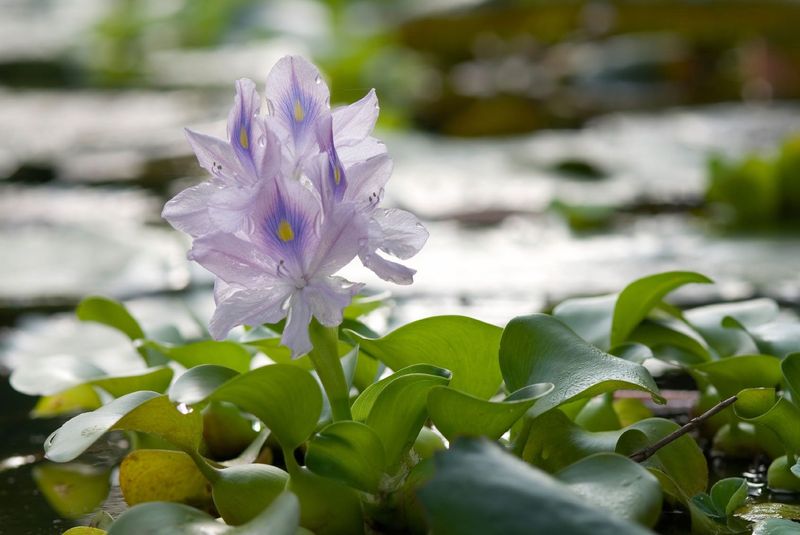
Those gorgeous purple flowers bobbing on your pond might land you in legal trouble. Water hyacinth produces stunning lavender blooms that catch everyone’s eye.
Garden centers in other states sell them freely, which confuses Texas residents who see them online. But in Texas, possessing or transporting this plant breaks state law.
The flowers only tell part of the story. Water hyacinth spreads through your pond at an alarming rate.
Each plant sends out runners that create new plants within days. A small starter colony can cover hundreds of square feet in just one growing season. The thick mats choke out everything beneath them.
Your Texas Garden Changes Every Week. Your Plan Should Too.
Gardening in Texas changes quickly throughout the season. Every Friday you’ll receive a simple weekly plan showing exactly what to plant, prune, fertilize, harvest, and protect so you never miss the right timing.
Warm Texas waters provide perfect growing conditions for this tropical native. The plant thrives in temperatures that make other aquatics struggle.
Summer heat actually makes water hyacinth grow faster instead of slowing it down. This gives it a huge advantage over native Texas water plants.
Online sellers sometimes ship water hyacinth to Texas addresses illegally. They market it as a natural filter for backyard ponds or water gardens.
Some advertisements claim the plant removes excess nutrients and provides shade for fish. While these claims have some truth, they ignore the massive ecological problems the plant creates.
Water hyacinth has bulbous stems that help it float. These swollen leaf bases look almost like small balloons.
The roots dangle down into the water in thick tangles. If you already have this plant, contact your local agricultural extension office right away.
They can guide you through proper removal and disposal methods that prevent further spread.
3. Hydrilla
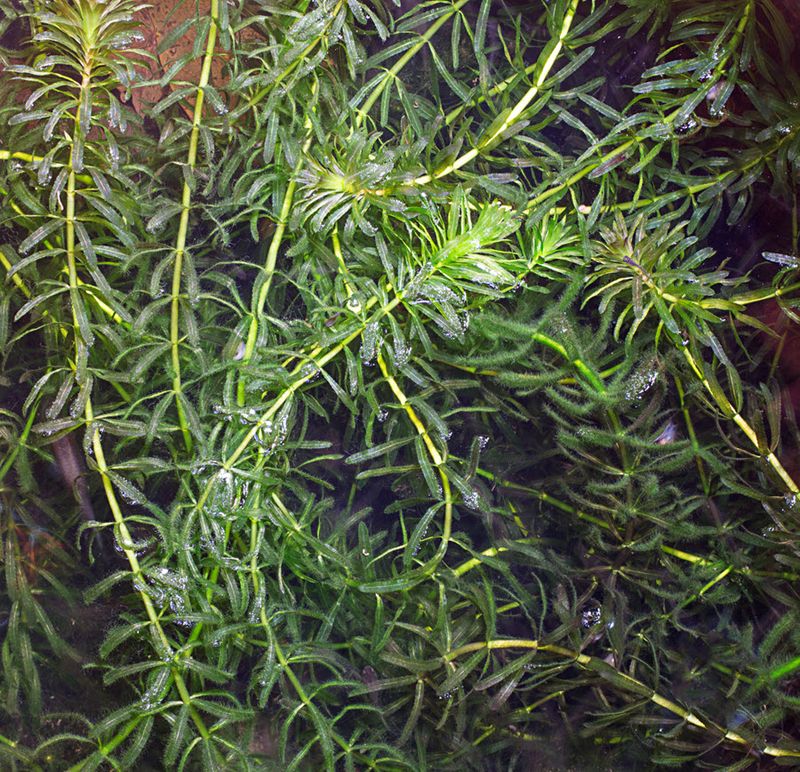
Hydrilla hides beneath the surface where most people never notice it. This submerged plant grows completely underwater, sending up long stems covered in tiny leaves.
Many pond owners don’t realize they have it until the infestation becomes severe. By then, the plant has already spread throughout their water feature.
Breaking apart is hydrilla’s superpower. The plant reproduces from the smallest fragments imaginable.
A piece no bigger than your fingernail can root and start a new colony. This makes hydrilla nearly impossible to control once it establishes itself. Trying to pull it out by hand usually makes things worse.
Texas banned possessing or transporting hydrilla because of its incredible invasive power. The plant arrived in the state decades ago through the aquarium trade.
Fish tank owners dumped their plants into local waters, and hydrilla took off. Now it costs Texas millions of dollars every year in control efforts.
Boat propellers spread hydrilla between different water bodies. The chopped fragments stick to trailers and equipment.
Fishermen accidentally carry it from one lake to another. This is why Texas requires boat inspections at many public water access points. Officials look for plant material that might harbor hydrilla or other invasives.
Sometimes hydrilla arrives unintentionally with other pond plants you purchase. A tiny fragment hiding in the soil or tangled in roots can establish itself in your pond.
Always buy aquatic plants from reputable Texas dealers who understand state regulations. Inspect everything carefully before adding it to your water garden.
If you find suspicious submerged plants with whorls of small leaves, stop and get expert identification.
4. Water Lettuce
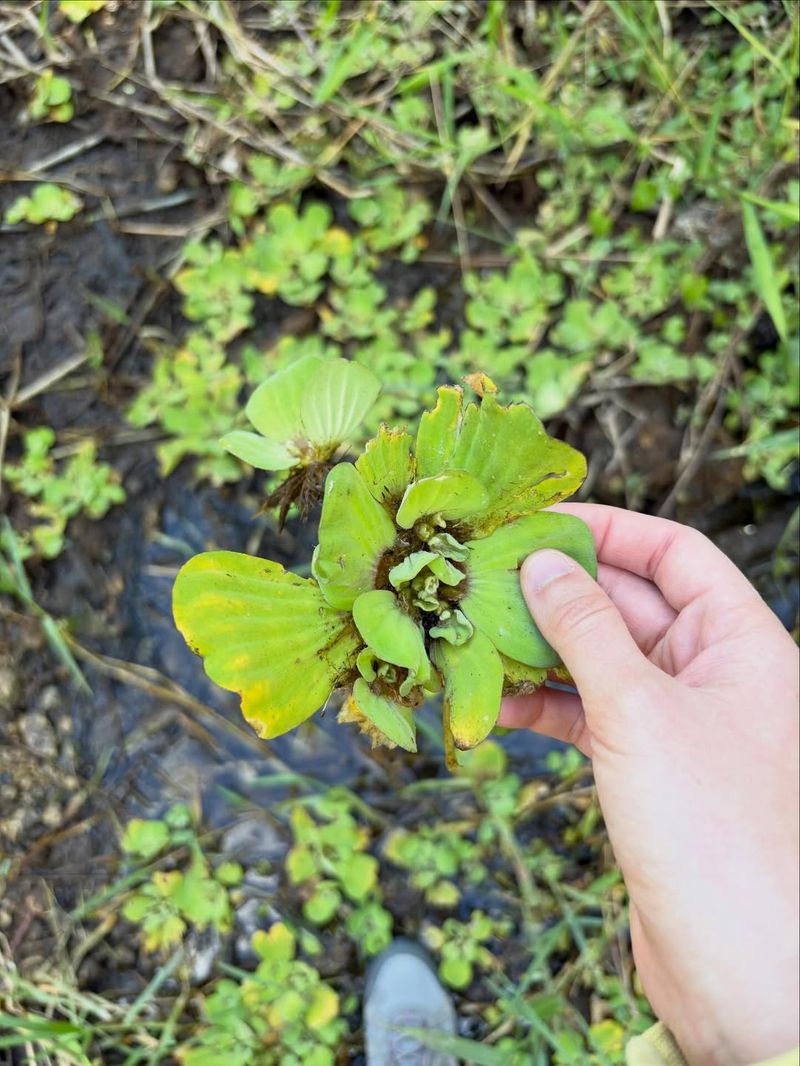
Water lettuce earns its name from the way its leaves arrange themselves. The plant forms rosettes that look remarkably like small heads of lettuce floating on the water.
Each rosette has soft, velvety leaves with prominent veins. The appearance is so appealing that many gardeners want it for ornamental ponds.
Texas restricts water lettuce possession in many parts of the state. The regulations vary by county, which creates confusion for residents.
Some areas ban it completely while others allow limited use. The safest approach is to avoid this plant entirely throughout Texas. The risk of spreading it into restricted areas is too high.
Warm climates turn water lettuce into an aggressive spreader. Cold winters in northern states keep it under control naturally.
But Texas winters often stay mild enough for water lettuce to survive year-round. This gives the plant a chance to establish permanent populations. Once that happens, eradication becomes extremely difficult.
The plant reproduces through stolons that connect parent plants to offspring. New rosettes form at the ends of these runners.
Under ideal conditions, a single plant can produce dozens of offspring in a matter of weeks. The population grows exponentially as each new plant starts making its own babies.
Water lettuce roots dangle freely in the water without anchoring to the bottom. This makes the plant easy to scoop out, but also easy to spread accidentally.
Fragments break off and float downstream to start new colonies. Birds can carry pieces on their feet from one water body to another.
If you spot water lettuce in Texas, photograph it and report the location to authorities. Don’t try to remove it yourself without proper guidance.
5. Alligatorweed
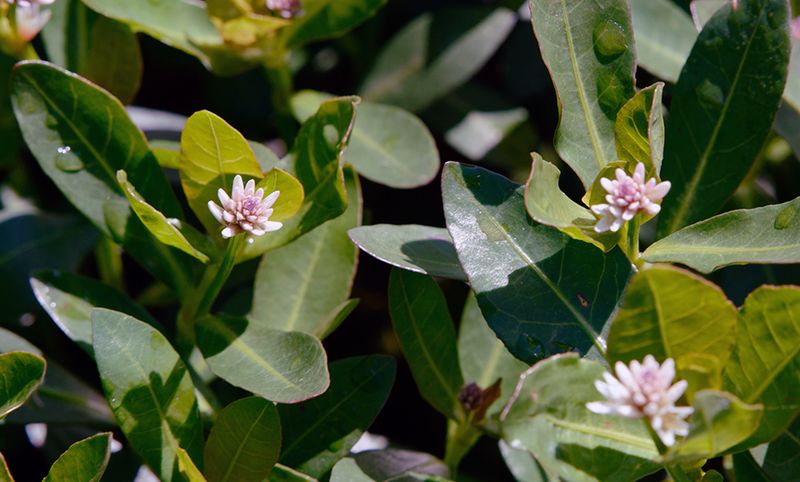
Alligatorweed adapts to almost any environment you can imagine. The plant grows equally well on dry land, in shallow water, or floating freely on the surface.
This versatility makes it one of the most troublesome invasives Texas faces. You might find it creeping through your lawn one day and floating in your pond the next.
Dense mats form wherever alligatorweed establishes itself. The stems are hollow, which helps them float when growing in water.
On land, the same stems spread horizontally across the ground. Small white flowers appear in clusters that look almost cheerful. But these innocent blooms hide a plant that Texas law prohibits possessing or introducing.
The name comes from the plant’s preferred habitat in its native South America. Alligatorweed grows along riverbanks where alligators bask in the sun.
Unfortunately, Texas provides similarly perfect conditions. Warm temperatures and plenty of moisture let alligatorweed thrive throughout much of the state. It spreads along waterways, choking out native plants that wildlife depends on.
Alligatorweed often hitchhikes into gardens through contaminated pond soil or aquatic plant purchases. The stems root easily from tiny fragments.
Even if you don’t see the plant when you bring home new pond supplies, pieces might be hiding in the packaging. Those fragments can establish themselves in your water feature within days.
Texas residents should inspect any aquatic purchases carefully before adding them to ponds or water gardens. Look for hollow stems with opposite leaves growing in pairs.
The leaves are thick and somewhat succulent. If you find suspicious plants, isolate them immediately and contact your county extension agent.
They can confirm whether you have alligatorweed and explain proper disposal methods that prevent spreading this aggressive invader.
6. Salvinia Minima
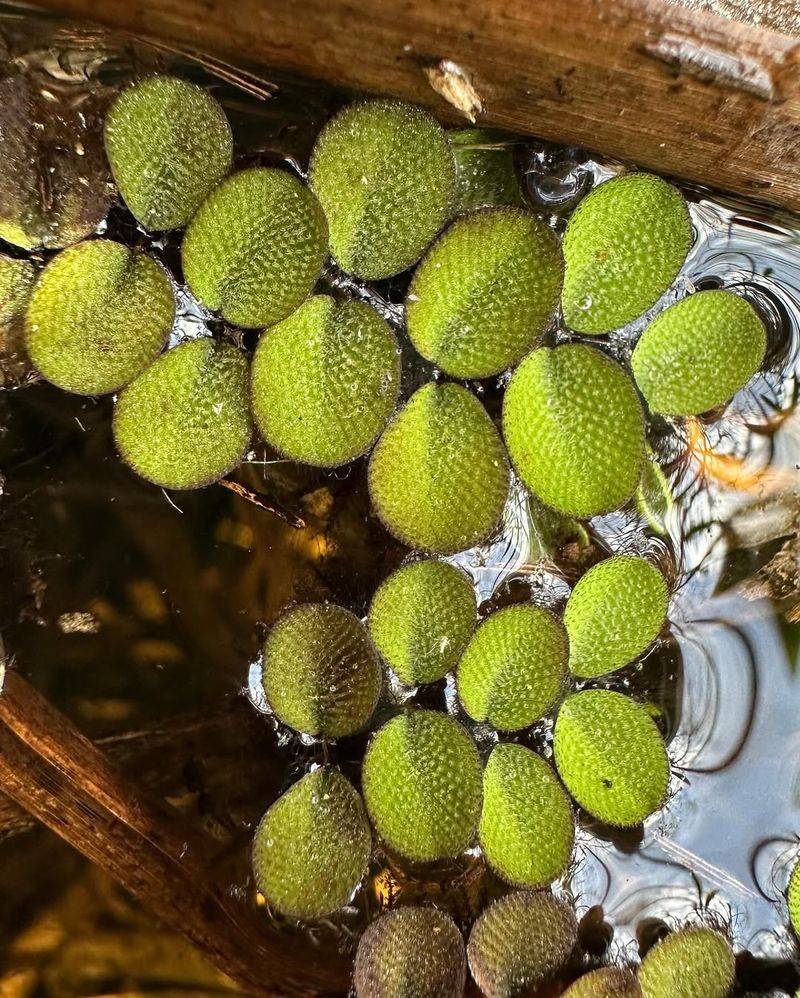
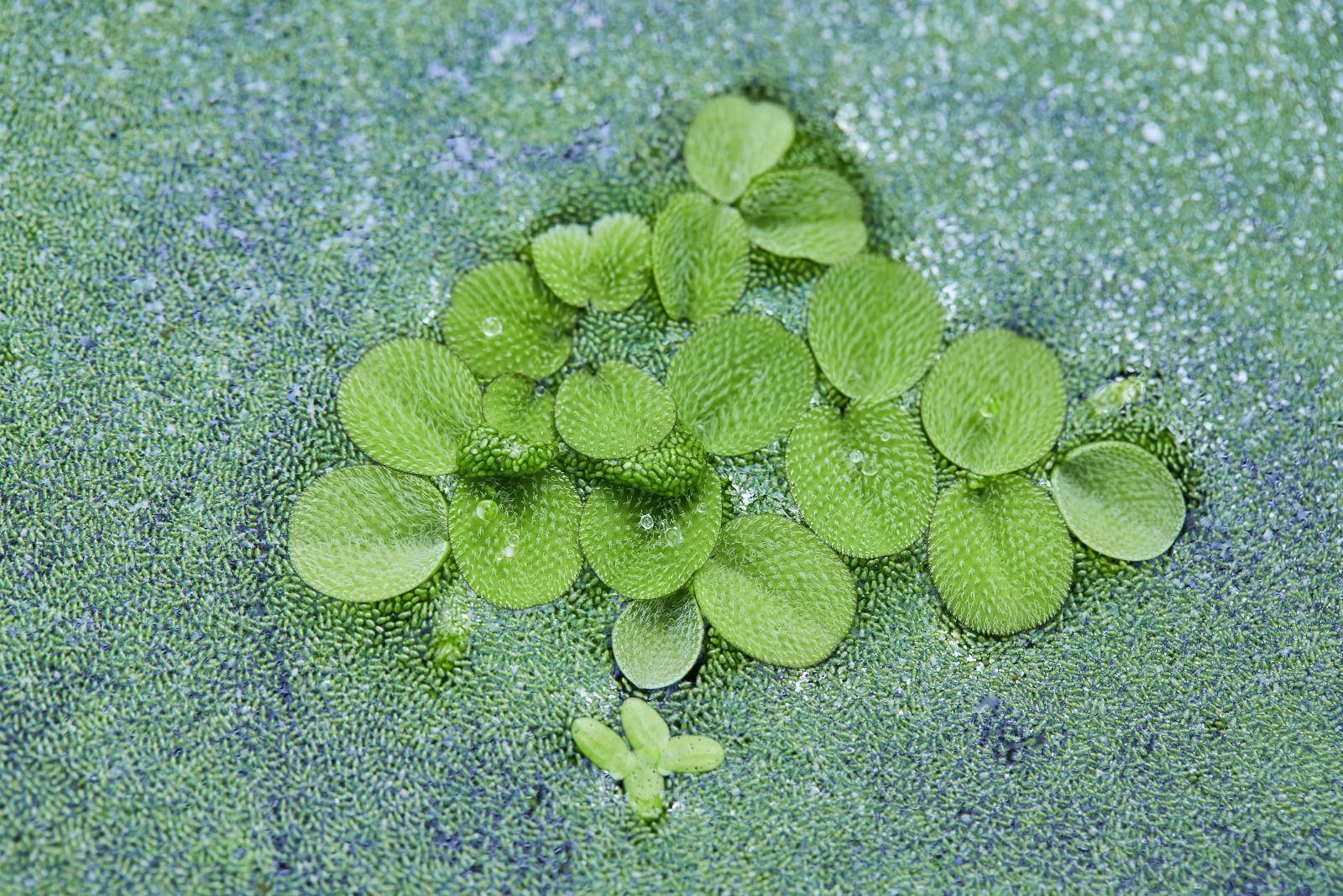
Salvinia minima shares many traits with its larger relative, giant salvinia. Both are floating ferns that form mats on water surfaces. Both reproduce rapidly under warm conditions. The main difference is size.
Salvinia minima has smaller leaves that rarely exceed half an inch across. But smaller doesn’t mean less problematic in Texas waters.
The plant still qualifies as highly invasive despite its diminutive size. Texas restricts salvinia minima for the same reasons it bans giant salvinia.
The fern spreads aggressively and damages aquatic ecosystems. Dense mats block sunlight and reduce oxygen levels. Native plants struggle to survive underneath the floating carpet.
Confusion between salvinia minima and legal floating plants causes many accidental violations. Several harmless aquatics look similar at first glance. The key is examining the leaves closely. Salvinia minima leaves grow in pairs along the stem.
Each leaf has tiny hairs on its upper surface that repel water. Legal alternatives usually lack these distinctive features.
Garden centers sometimes sell salvinia minima mixed in with other floating plants. The small size makes it easy to overlook during inspections.
You might bring home a water lily and discover salvinia minima floating in the bag days later. By then, some leaves have already escaped into your pond.
Regular monitoring helps catch invasive plants before they become established. Check your pond weekly for new growth you don’t recognize.
Pay special attention after adding new plants or fish. Quarantine all new purchases in separate containers for at least two weeks.
This gives you time to spot any hitchhiking invasives. If you find salvinia minima, remove it immediately and dispose of it in sealed plastic bags.
Never compost aquatic invasives or dump them in natural water bodies. Contact Texas Parks and Wildlife for specific disposal guidance in your area.