Can Your Florida HOA Really Fine You For A Brown Lawn
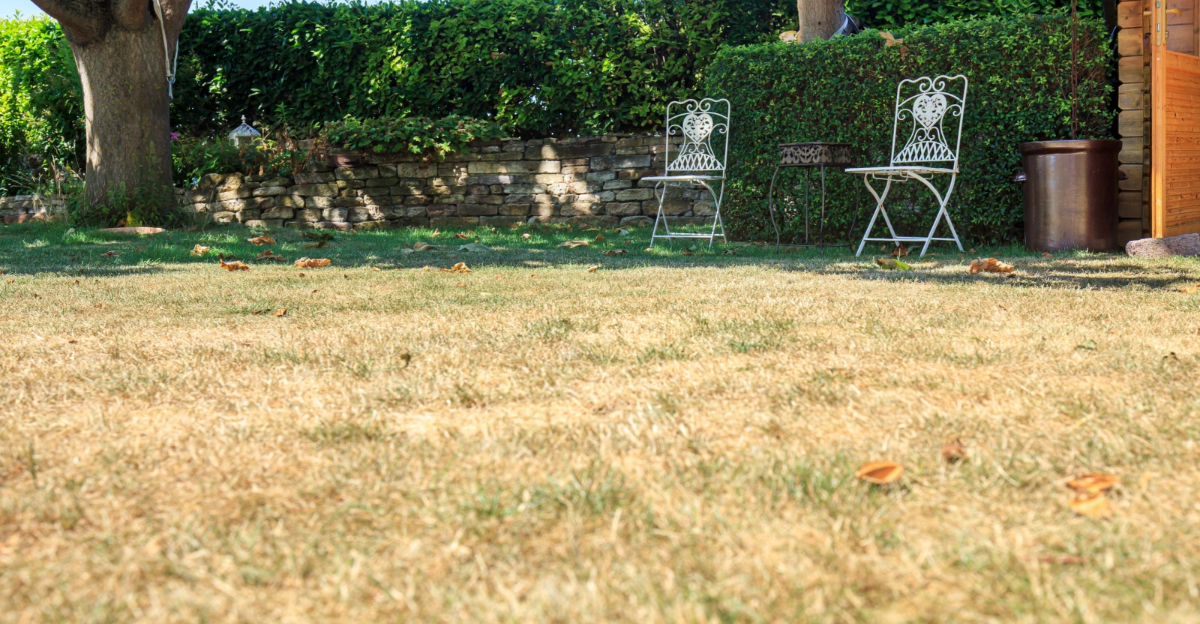
The Florida sun doesn’t care about your schedule. Your grass dries up while you work long hours or run errands, and suddenly your mailbox holds a shock from your HOA.
A letter demands money, lists rules, and makes you question what just happened. Neighbors whisper, social media lights up, and the brown lawn becomes the center of drama.
Some homeowners feel trapped by expectations that seem impossible to meet. Others wonder if anyone truly understands the toll of Florida summers on yards.
Frustration grows when you realize community rules can hit faster than storms. Questions pile up: who decides what is acceptable, how much power does an HOA really have, and how far can penalties go?
A simple patch of grass sparks tension, curiosity, and debate, turning ordinary neighborhoods into battlegrounds where control, money, and pride collide.
1. Lawn Rules Matter More Than You Think
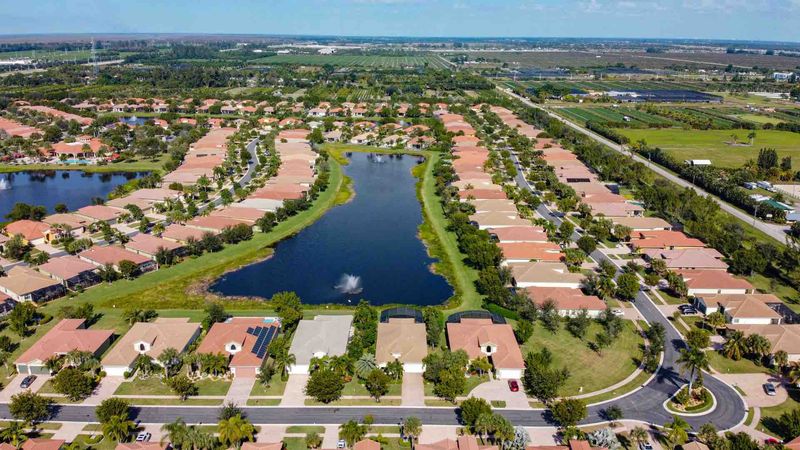
Homeowner associations establish landscaping guidelines to maintain a certain visual appeal throughout the community. These rules exist in the governing documents you agreed to when purchasing your property.
Most HOAs consider consistent lawn maintenance important, but the exact standards, including expectations for color, height, and weed control, vary by community and governing documents.
Property values often correlate with neighborhood appearance, which is why associations take lawn standards seriously. A single neglected yard can affect how potential buyers perceive the entire community.
This isn’t just about aesthetics but about maintaining the financial value of every home in the area.
HOAs outline expectations for grass height, color, and weed control in their governing documents, but standards vary widely by community, grass type, and environmental conditions. Seasonal dormancy or local water restrictions may be considered when judging compliance.
Some associations have strict requirements while others take a more relaxed approach.
Understanding why these rules exist helps homeowners see them as protective measures rather than arbitrary restrictions. Communities with active HOAs generally maintain higher property values compared to those without any standards.
The goal is creating a cohesive neighborhood appearance that benefits everyone living there.
Before dismissing lawn rules as unnecessary, consider that they apply equally to all residents. Your neighbors must follow the same guidelines you do, creating fairness across the community.
2. Brown Grass Can Trigger A Violation
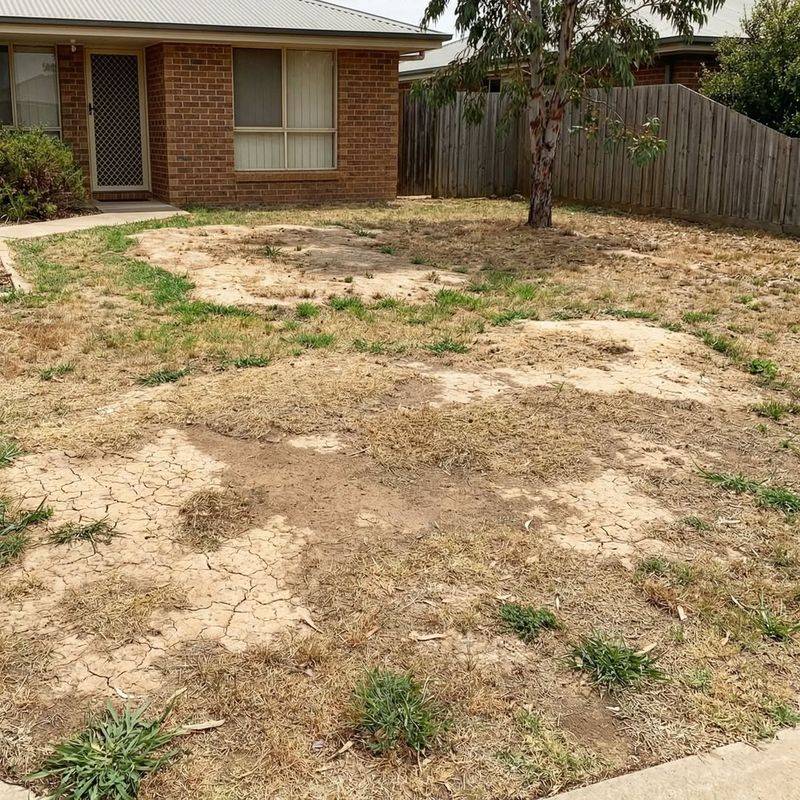
HOA board members or management companies regularly inspect properties to ensure compliance with community standards. Brown or discolored grass often catches their attention during these routine checks.
What they’re looking for is whether the lawn appears neglected or poorly maintained.
Most associations distinguish between temporary browning and ongoing neglect. A lawn that’s been brown for weeks without any visible effort to address the problem typically triggers a violation notice.
The HOA may interpret this as a homeowner ignoring their maintenance responsibilities.
Associations focus on lawns that appear abandoned or neglected. Temporary seasonal browning or drought-induced dormancy typically does not constitute a violation if the homeowner is actively maintaining the lawn and documenting their care efforts.
Extensive withered patches, overgrown weeds mixed with brown grass, or completely bare areas raise red flags. These conditions suggest a lack of basic care rather than natural environmental challenges.
Your Florida Garden Changes Every Week. Your Plan Should Too.
Gardening in Florida changes quickly throughout the season. Every Friday you’ll receive a simple weekly plan showing exactly what to plant, prune, fertilize, harvest, and protect so you never miss the right timing.
The violation process usually begins when someone reports the issue or an inspector documents it during a walkthrough. Many Florida communities conduct monthly or quarterly inspections specifically to identify non-compliant properties.
Your brown lawn might go unnoticed for a while, but eventually, it will likely draw attention.
Timing matters too. A lawn that turns brown during Florida’s dry season might receive more scrutiny than one affected by summer heat stress.
HOAs expect homeowners to respond to seasonal challenges with appropriate care adjustments.
3. Not All Brown Lawns Mean Neglect
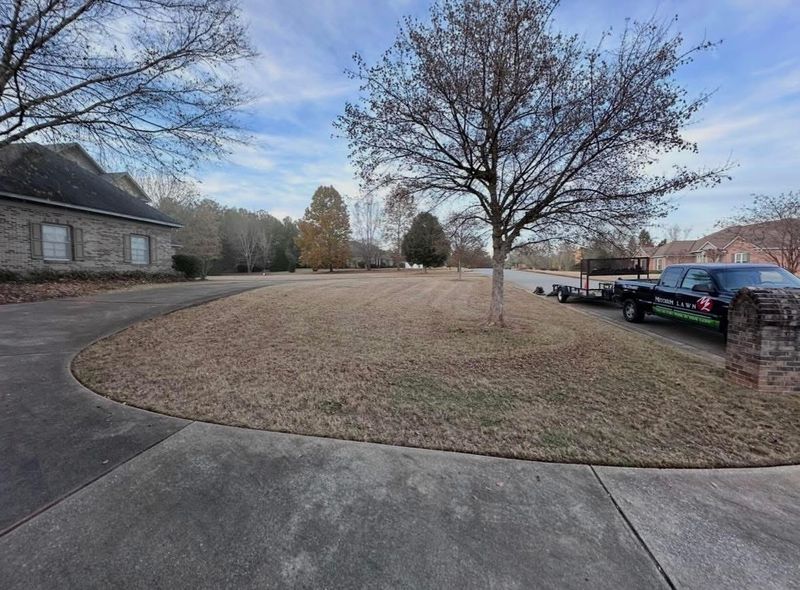
Florida’s climate presents unique challenges that can turn even well-maintained lawns brown. Intense heat, prolonged dry spells, and seasonal transitions naturally stress grass regardless of homeowner effort.
St. Augustine grass, common in Florida yards, can go dormant and brown during cooler months or drought conditions.
Pest problems like chinch bugs or fungal diseases can rapidly damage lawns despite regular maintenance. These issues often appear suddenly and spread quickly, leaving homeowners with brown patches before they can effectively respond.
Soil problems, poor drainage, or underground issues may also cause browning that isn’t immediately fixable.
Some browning results from factors completely outside homeowner control. Nearby construction, changes in drainage patterns, or even utility work can stress grass and cause discoloration.
Tree roots competing for water and nutrients often create brown spots that are difficult to remedy without major landscape changes.
Understanding these causes helps homeowners explain their situation to the HOA when violations arise. Documentation showing you’ve addressed pest issues, adjusted watering, or consulted with lawn care professionals demonstrates good faith effort.
Many associations will work with homeowners who can prove they’re actively managing problems.
Seasonal browning doesn’t always indicate neglect. Homeowners who maintain their lawns properly may still experience temporary discoloration during environmental stress periods.
Recognizing this distinction is important for both residents and HOA boards.
4. Water Restrictions Change The Game
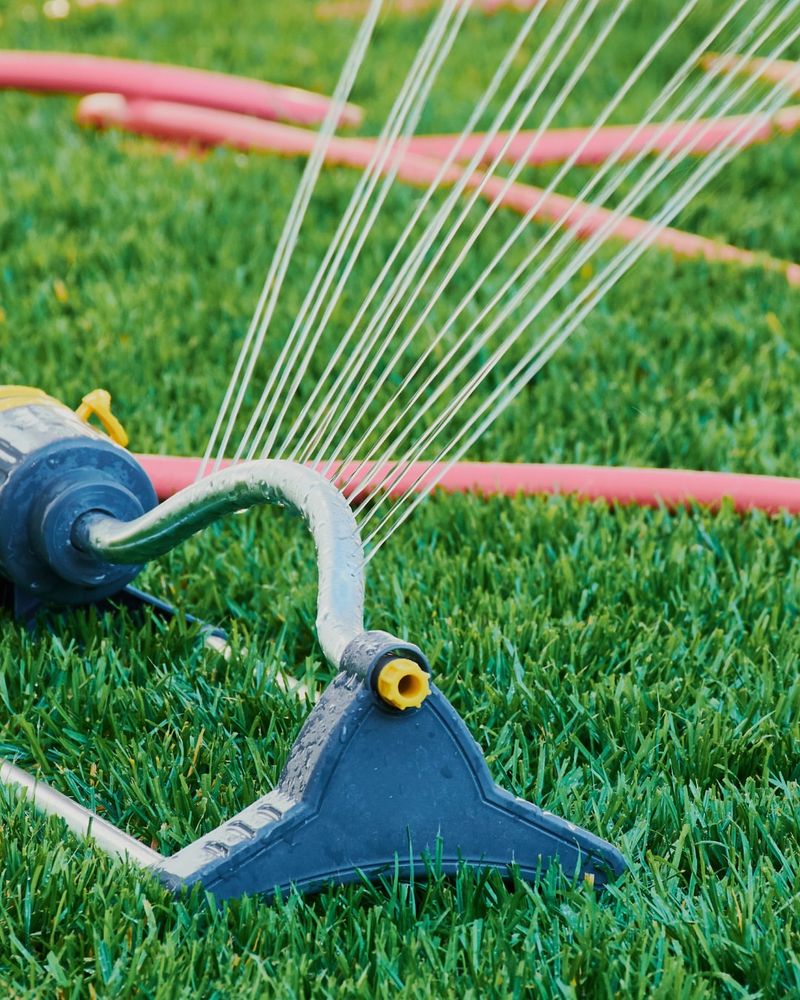
Many Florida communities face mandatory water restrictions that limit when and how often residents can irrigate their lawns. These rules, set by water management districts or local governments, override HOA preferences.
Homeowners caught between conservation requirements and HOA standards face a genuine dilemma.
During drought periods, some areas implement strict watering schedules allowing irrigation only once or twice weekly. This limited watering may not provide enough moisture to keep certain grass types green, especially during peak heat.
Florida law generally protects homeowners who follow local water restrictions. HOAs cannot require irrigation that violates water conservation rules, though they may still expect homeowners to maintain basic lawn care within those limits.
Homeowners following water restrictions might still receive HOA violation notices for brown lawns.
Smart HOAs recognize this conflict and adjust their expectations accordingly. Some associations temporarily suspend strict lawn color requirements during declared water emergencies.
Others communicate with members about the priority of conservation compliance over perfect lawn appearance. Documenting your compliance with local water restrictions provides important protection if your HOA questions your brown lawn.
Keep records of irrigation schedules, water management district communications, and any conservation notices. This evidence shows you’re balancing multiple responsibilities, not neglecting your property.
5. Fines Rarely Come Without Warning
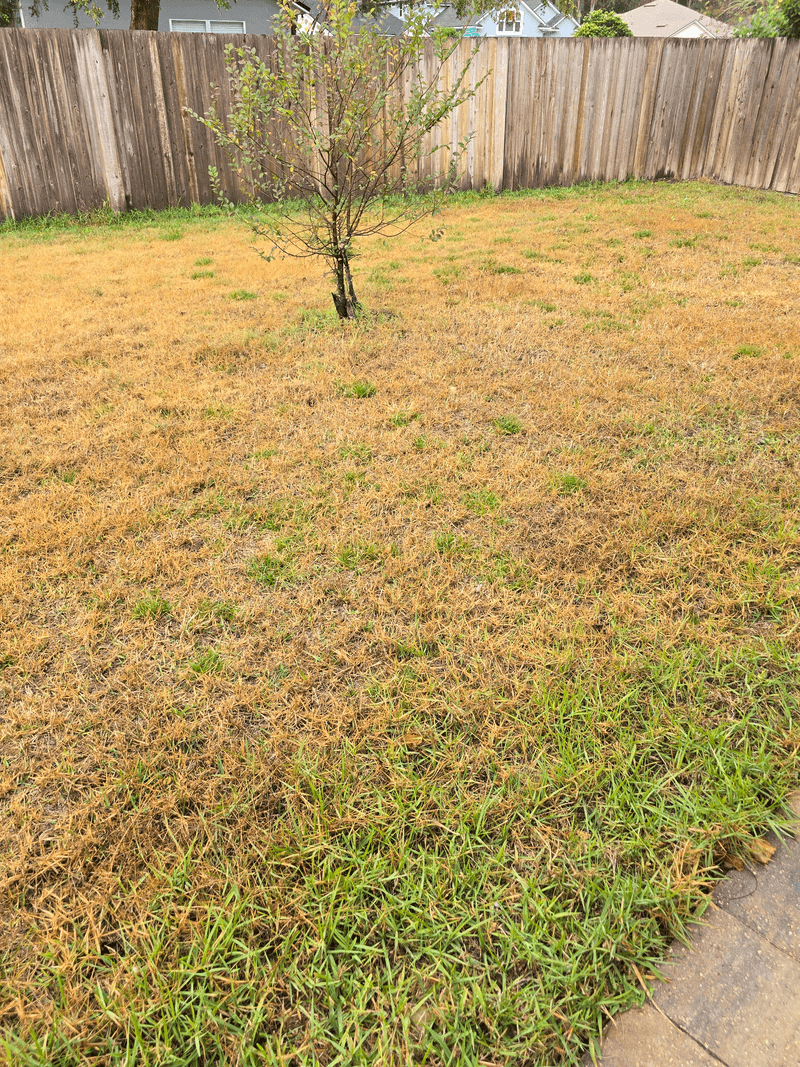
Most Florida HOAs follow a progressive enforcement process before imposing financial penalties. The first step typically involves a courtesy notice or warning letter identifying the specific violation.
This communication gives homeowners time to address the problem before any fines apply.
Associations usually provide a reasonable correction period, often ranging from seven to thirty days depending on the issue severity. During this time, homeowners should take visible steps to remedy the situation.
Even if you can’t completely fix a brown lawn immediately, starting treatment demonstrates compliance effort.
If the violation continues past the deadline, the HOA may send a second notice with a warning that fines will begin. Some associations impose escalating penalties that increase the longer the problem persists.
Florida law limits most HOA fines to $100 per day or $1,000 per violation, unless the governing documents specify higher amounts. Others charge flat fees per violation or per day until the homeowner achieves compliance.
Communication is crucial during this process. Responding to HOA notices, explaining circumstances, and requesting extensions when needed often prevents fines altogether.
Many boards show flexibility when homeowners demonstrate good faith efforts to resolve issues. Ignoring notices, however, typically results in faster penalty escalation.
Understanding your association’s specific enforcement procedures helps you navigate violation notices effectively. Review your governing documents to know exactly what process the HOA must follow.
This knowledge protects you from improper penalties and helps you respond appropriately to legitimate concerns.
6. Every HOA Enforces Rules Differently
HOA enforcement varies dramatically from one community to another across Florida. Some associations strictly monitor every property weekly, while others take a more relaxed approach focused only on egregious violations.
The size, age, and culture of your community significantly influence how rules are applied. Even with variation, all HOAs must comply with their governing documents and Florida law.
Inconsistent enforcement may give homeowners grounds to question fairness.
Larger, more established communities often have professional management companies handling enforcement systematically. These organizations follow consistent procedures and document everything carefully.
Smaller HOAs run by volunteer boards may enforce rules more sporadically based on available time and resources.
Your governing documents determine what standards apply and how the HOA can enforce them. Some associations have detailed landscaping requirements specifying grass types, maintenance schedules, and acceptable appearance standards.
Others use vague language about maintaining properties in good condition, leaving more room for interpretation.
Geographic location within Florida also affects enforcement approaches. Communities in drought-prone areas may show more understanding about brown lawns than those in regions with reliable rainfall.
Coastal associations might focus more on hurricane preparation than perfect lawn appearance.
Getting to know your specific HOA’s enforcement philosophy helps set realistic expectations. Attend board meetings, read newsletters, and observe how violations are typically handled.
This awareness allows you to gauge whether your brown lawn will likely trigger action or go unnoticed among other community priorities.
7. Know The Standards In Your Community
Every Florida homeowner should thoroughly review their HOA’s covenants, conditions, and restrictions before lawn problems arise. These documents outline specific expectations for property maintenance, including landscaping standards.
Knowing exactly what your association requires helps you stay compliant and avoid surprises.
Many HOAs provide architectural or landscaping guidelines as supplements to the main governing documents. These resources often include helpful details about approved grass types, maintenance frequencies, and seasonal expectations.
Some associations even offer recommended lawn care schedules tailored to Florida’s climate.
Pay attention to how your HOA defines terms like “well-maintained” or “good condition.” Vague language leaves room for interpretation, but looking at enforcement history helps clarify expectations. Notice which violations the board typically pursues and which issues they overlook.
Understanding your community’s standards also means knowing who to contact with questions or concerns. Identify whether your HOA has a landscaping committee, architectural review board, or specific management contact for maintenance issues.
Building relationships with these individuals can help when problems arise.
Keep your governing documents accessible and review them periodically. HOAs sometimes update rules through amendments that members must approve.
Staying informed about any changes ensures you’re always following current standards rather than outdated information. This proactive approach prevents violations and demonstrates your commitment to community compliance.
Keep your CC&Rs and any amendments accessible and review them periodically, as rules may change and affect landscaping expectations.
8. Smart Homeowners Stay Ahead Of Problems
Proactive lawn monitoring helps Florida homeowners catch problems before they become HOA violations. Regular inspections of your grass condition, irrigation system, and overall yard appearance allow you to address issues early.
These records can be crucial if your HOA questions a brown lawn, demonstrating ongoing care despite environmental or seasonal challenges.
Establishing a consistent lawn care routine appropriate for your grass type and Florida’s seasons prevents many common problems. This might include regular mowing, proper fertilization schedules, and pest monitoring.
Even during challenging weather, maintaining basic care shows your HOA that you’re actively managing your property.
Communication with your HOA before violations occur can prevent penalties altogether. If you’re dealing with pest damage, drought stress, or other legitimate issues causing browning, inform the board proactively.
Explain what steps you’re taking to address the problem and provide a realistic timeline for improvement.
Keeping records of lawn treatments, professional consultations, and maintenance activities protects you if disputes arise. These documents prove you’re not neglecting your property but rather dealing with circumstances requiring time to resolve.
Many HOAs respond positively to homeowners who demonstrate ongoing effort.
Consider joining your HOA’s landscaping committee or attending board meetings to stay informed about enforcement priorities. Building positive relationships with board members and neighbors creates goodwill that may help during difficult situations.
Being an engaged community member often results in more understanding when lawn problems occur.