The Ultimate Road Trip To See Oregon’s Most Famous Trees
Ready for a road trip that trades highways for towering canopies and unforgettable forest giants? Oregon is home to some of the most awe inspiring trees in the country, each with its own story, personality, and sense of place.
Picture mist drifting through ancient groves, sunlight filtering across massive trunks, and quiet trails leading to living landmarks that have stood for centuries.
This journey is not just about scenery, it is about standing beneath trees so large and historic they change how you see the natural world.
Along the way you will wind through coastal forests, mountain passes, and hidden valleys, discovering legendary giants that locals cherish and travelers never forget.
Pack a camera, bring your sense of wonder, and prepare for a scenic adventure filled with fresh air, peaceful moments, and some of the most remarkable trees Oregon has to offer. The open road and the forest are calling.
Along the route, small towns welcome travelers with cozy cafes, forest lodges, and scenic viewpoints that invite you to slow down and stay awhile.
Early mornings bring birdsong echoing through the trees, while golden evenings light up the forest in warm, glowing color.
Each stop offers a new perspective, a new story, and a deeper connection to Oregon’s wild beauty, turning a simple drive into an unforgettable journey.
The Octopus Tree – Cape Meares
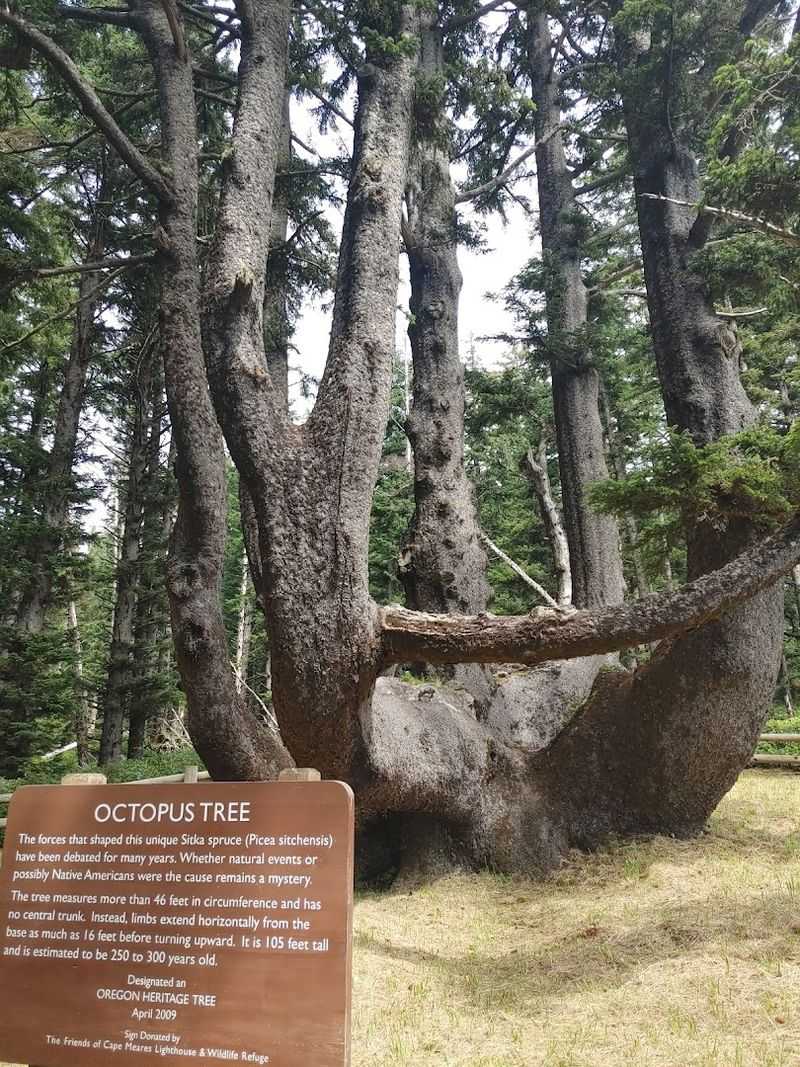
Standing at the edge of the Oregon coast near Cape Meares, the Octopus Tree earns its unforgettable name the moment you see it. This remarkable Sitka spruce stretches its enormous limbs outward like tentacles reaching for the ocean sky.
It is believed to be over 250 years old, and its unusual shape has made it one of the most photographed trees in the entire state.
Unlike most Sitka spruces that grow straight and tall, this one spreads horizontally with six massive trunks branching from a single base.
Some scientists believe the shape may have been deliberately trained by Indigenous peoples for ceremonial canoe storage, though the exact reason remains a mystery.
That sense of wonder is exactly what makes visiting it so memorable.
Why gardeners love this place: The surrounding Cape Meares State Scenic Viewpoint is rich with native coastal plants, including salal, sword ferns, and shore pines. It is a living classroom for anyone interested in Pacific Northwest plant communities.
You can reach the Octopus Tree via a short, easy trail from the Cape Meares parking lot, making it accessible for all ages.
Klootchy Creek Giant (Historic Sitka Spruce) – Near Seaside
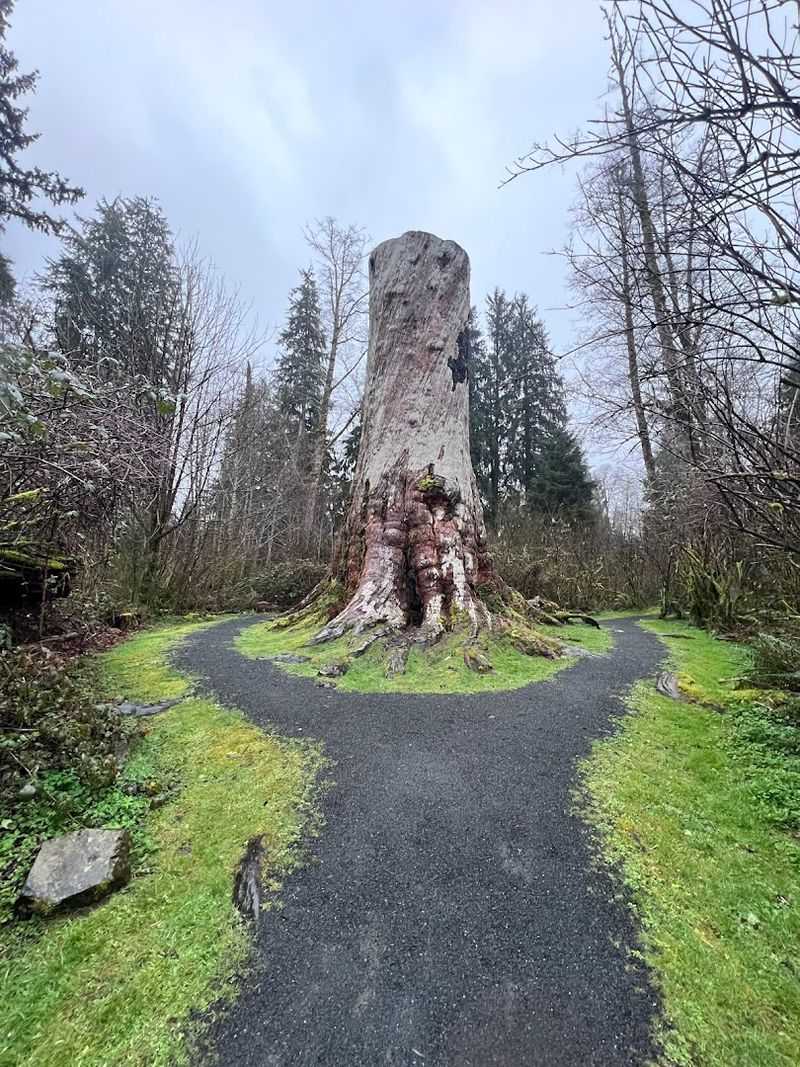
For years, the Klootchy Creek Sitka spruce held the title of Oregon’s largest tree, and even after storm damage reduced its height, it still commands absolute awe.
Located just a short drive from Seaside in Clatsop County, this legendary giant sits within a small county park dedicated entirely to its preservation.
The remaining trunk alone measures over 15 feet in diameter, a scale that is almost impossible to believe until you stand beside it.
Visiting this site feels like stepping into a prehistoric world. The surrounding forest is dense with ferns, mosses, and towering second-growth spruces that frame the ancient tree beautifully.
Your Oregon Garden Changes Every Week. Your Plan Should Too.
Gardening in Oregon changes quickly throughout the season. Every Friday you’ll receive a simple weekly plan showing exactly what to plant, prune, fertilize, harvest, and protect so you never miss the right timing.
Interpretive signs along the short trail explain the tree’s history and the ecology of old-growth coastal forests, making it educational as well as awe-inspiring.
Why gardeners love this place: The site showcases a thriving understory ecosystem packed with native ferns, oxalis, and moisture-loving plants that gardeners can draw inspiration from for their own shade gardens. The park is free to visit and easy to find.
Plan to spend at least an hour soaking in the atmosphere of one of Oregon’s most historically significant natural landmarks.
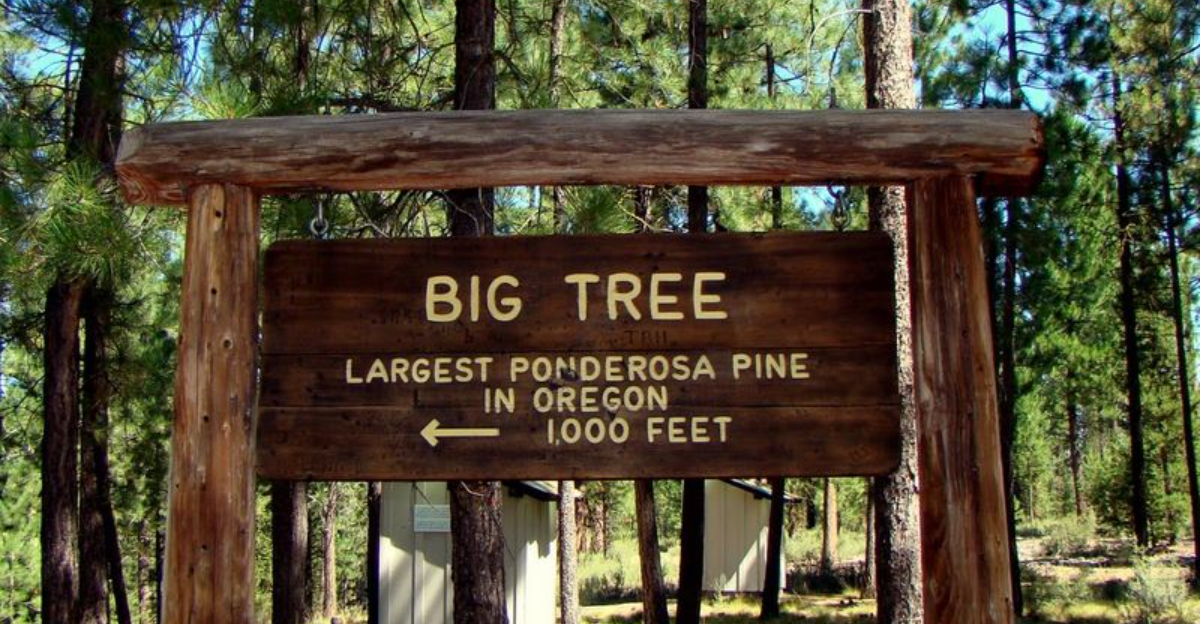
World’s Largest Ponderosa Pine (Deschutes National Forest) – Near Sisters
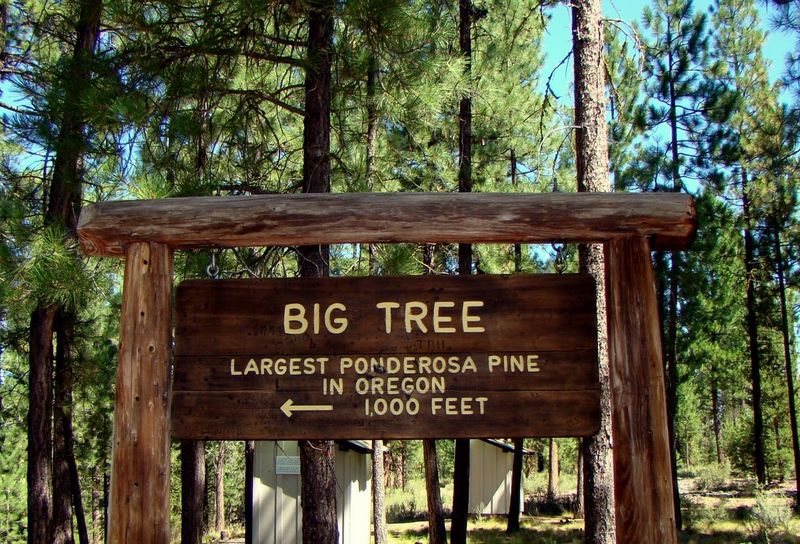
Out in the high desert landscape east of the Cascades, a single Ponderosa pine rises above all others. Located within the Deschutes National Forest near the charming town of Sisters, this record-holding tree is recognized as the largest Ponderosa pine in the world.
With a circumference of over 20 feet and a height exceeding 160 feet, it is a true giant of the American West.
Ponderosa pines are known for their warm, vanilla-scented bark, and standing close to this champion tree on a sunny afternoon is an almost magical sensory experience.
The bark glows a brilliant orange-gold in the light, and the scent drifts through the dry mountain air in a way that is deeply calming and uplifting at the same time.
Why gardeners love this place: The Deschutes National Forest surrounding this champion tree features an incredible array of high desert plants including bitterbrush, lupine, and native bunch grasses. Gardeners interested in drought-tolerant and xeriscape planting will find endless inspiration here.
The tree is accessible via forest roads, and the Sisters area offers excellent plant nurseries and garden shops worth exploring. Bring water and enjoy the wide open beauty of central Oregon’s forest landscape.
The Council Tree (Historic Oregon White Oak) – Sauvie Island
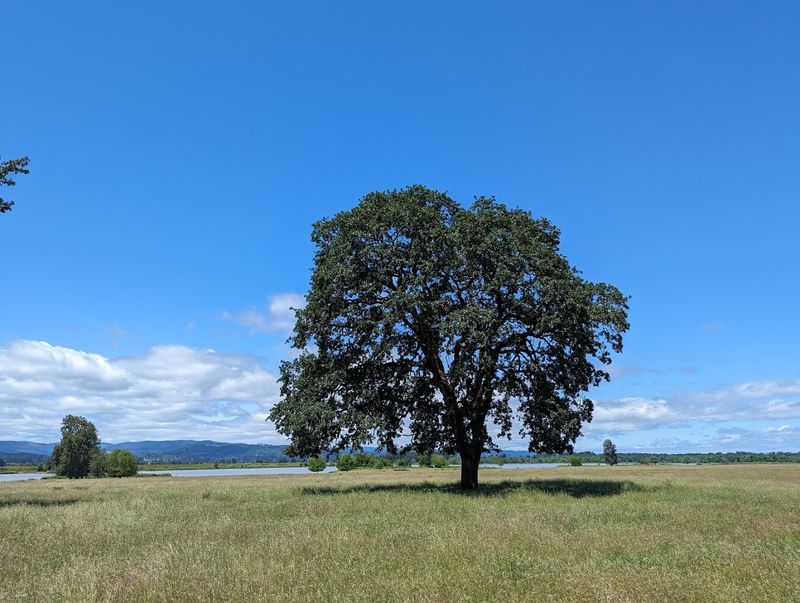
Sauvie Island, a peaceful agricultural haven just northwest of Portland, is home to one of Oregon’s most historically significant trees, the Council Tree.
This magnificent Oregon White Oak is believed to have been a landmark meeting spot for Indigenous peoples long before European settlers arrived in the region.
Its wide, spreading canopy and gnarled, character-filled branches make it an unmistakable presence in the island’s flat, open landscape.
Oregon White Oaks are native to the Pacific Northwest and are considered a keystone species, supporting hundreds of insects, birds, and mammals.
Seeing a heritage specimen like the Council Tree up close gives you a profound appreciation for just how important these trees are to the broader ecosystem.
The island itself is a wonderful destination, with farms, wildlife refuges, and quiet roads perfect for a leisurely bicycle or car tour.
Why gardeners love this place: Sauvie Island is surrounded by working farms and plant-filled natural areas that inspire seasonal gardening ideas throughout the year.
Native plant enthusiasts will appreciate the presence of Oregon White Oaks, camas meadows, and wetland vegetation.
Visiting in spring when wildflowers bloom beneath the oaks is especially rewarding and visually stunning for gardeners seeking natural planting inspiration.
The Multnomah Falls Lodge Sequoias – Columbia River Gorge
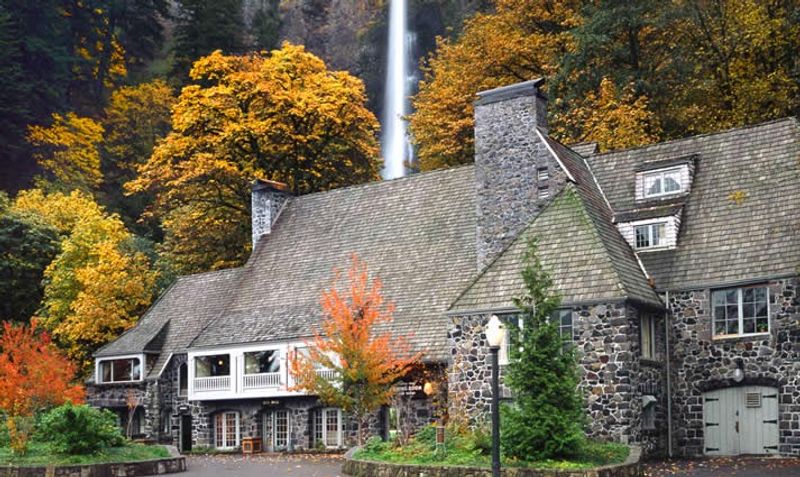
Most visitors to Multnomah Falls come for the waterfall, but sharp-eyed tree lovers know there is another reason to linger near the historic lodge.
A small but impressive group of Giant Sequoias, planted in the early twentieth century, now towers above the surrounding landscape with the kind of presence that only these magnificent trees can project.
They are not native to Oregon, but they have thrived here for over a century, a testament to the Columbia River Gorge’s favorable growing conditions.
Giant Sequoias are the largest trees by volume on Earth, and even these relatively young specimens are already developing the impressively thick, spongy reddish bark that makes the species so recognizable.
Standing beneath them while the sound of Multnomah Falls echoes through the gorge is an experience that stirs something deep and primal in the human spirit.
Why gardeners love this place: The Columbia River Gorge is a botanical treasure trove, with over 800 species of wildflowers and an extraordinary range of native plants growing within a short distance of each other.
The area around Multnomah Falls features lush fern gardens, native vine maple, and bigleaf maple that inspire shade garden enthusiasts.
Address: Multnomah Falls Lodge, Historic Columbia River Hwy, Bridal Veil, OR 97010. Visit in spring for peak wildflower displays alongside the famous waterfalls.
The Oregon White Oak Heritage Trees – Willamette Valley
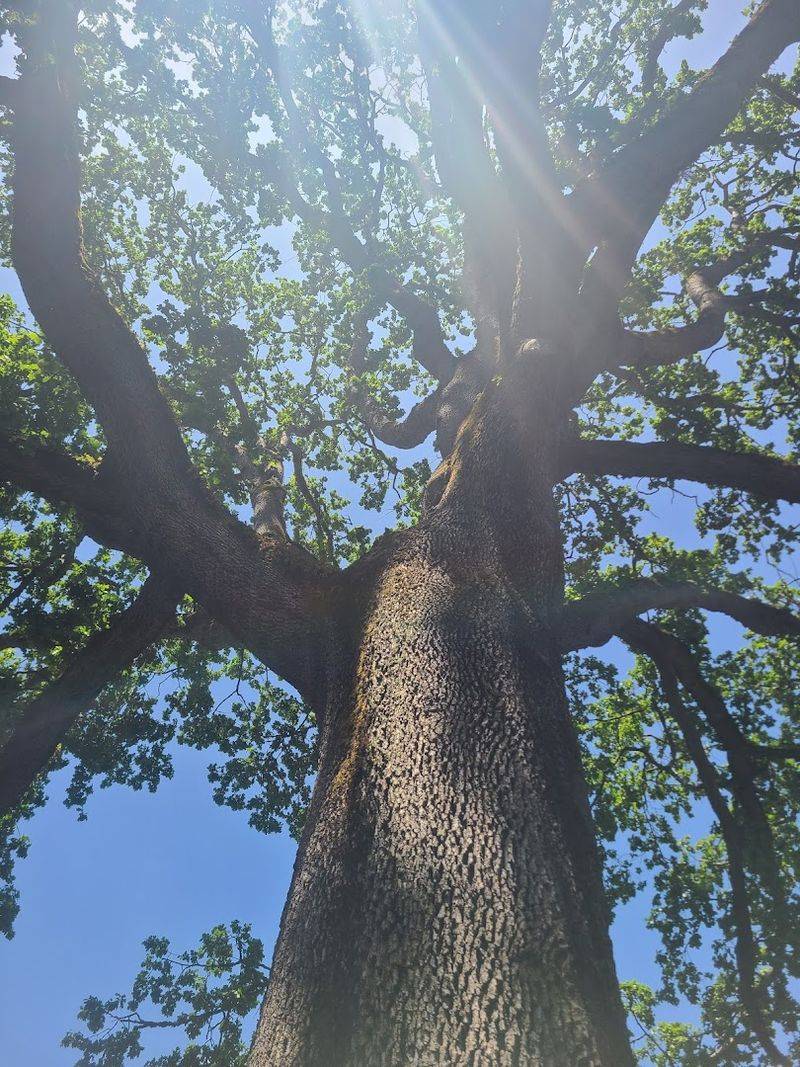
Scattered across the Willamette Valley like living monuments to Oregon’s ecological history, Oregon White Oak heritage trees are among the most cherished botanical treasures in the state.
Once covering vast savannas maintained by Indigenous burning practices, these oaks now survive in scattered pockets between farms, vineyards, and suburban neighborhoods.
Seeking them out on a road trip through the valley reveals a side of Oregon that most visitors never get to see.
Oregon White Oaks are slow-growing and long-lived, with some heritage specimens estimated to be several hundred years old.
Their broad, spreading silhouettes against the valley sky are iconic, and their ecological importance cannot be overstated, they support an enormous web of wildlife, from acorn woodpeckers to black-tailed deer to countless native insects and fungi.
Why gardeners love this place: The Willamette Valley is Oregon’s premier gardening and farming region, and White Oak groves often grow near some of the state’s finest plant nurseries, farms, and public gardens.
Organizations like the Willamette Valley Oak Partnership work to protect and restore these heritage trees, and their websites offer maps to notable specimens.
Address: Willamette Valley, OR 97361 (Monmouth area as a central reference). Gardeners who appreciate native trees and savanna-style landscaping will find the valley’s oak heritage deeply inspiring and worth an extended visit.