The Nursery Trick That Costs Florida Gardeners Money (Check This Label Detail)
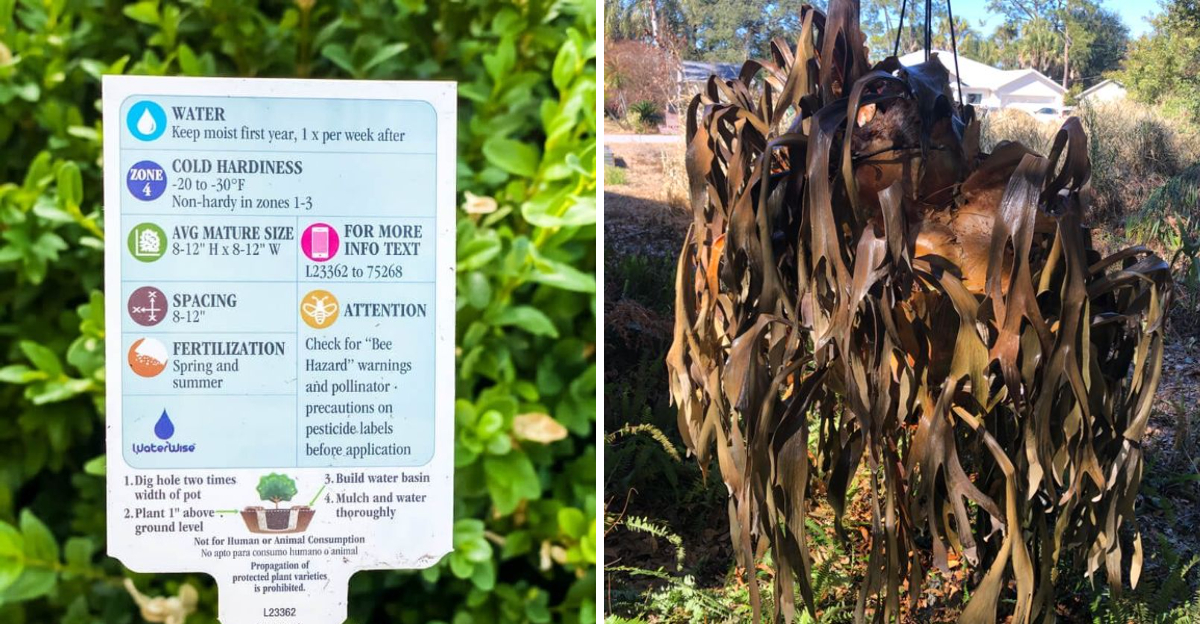
You bring home a gorgeous plant, follow the tag instructions, water faithfully, and still watch it struggle in your Florida yard. Frustration sets in.
You blame the soil, the sun, even yourself. But the real problem may have been hiding in plain sight the entire time.
Many nursery tags leave out one small but critical detail that can cost Florida gardeners serious money in replacements, treatments, and wasted effort. What works in other states often fails under Florida’s intense heat, sandy soil, heavy rain, and year round growing pressure.
That tiny line on the label can mean the difference between a thriving landscape and a plant that never truly settles in. Before you buy another shrub, perennial, or tree, take a closer look at what the tag does not clearly explain.
This simple nursery trick could be draining your budget without you even realizing it.
1. The Costly Label Detail Most Florida Gardeners Miss
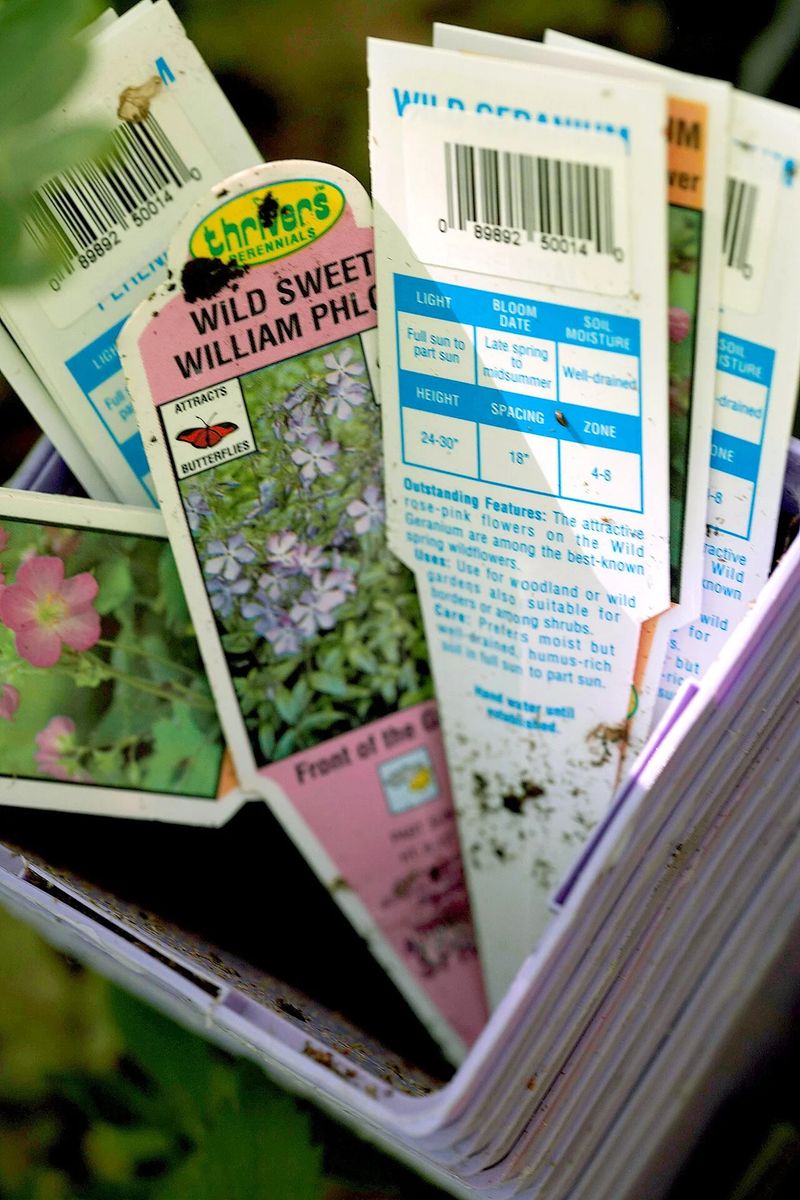
Every plant tag carries a USDA hardiness zone number somewhere on its surface. This rating appears as a simple digit or range like “Zone 9-11” printed among care instructions and botanical names.
Most shoppers glance past it entirely, focusing instead on flower color or mature height.
That number represents the coldest temperature range where the plant naturally survives winter. When you ignore it and plant something rated for warmer zones than your actual location, you’re setting yourself up for loss.
The plant might look fine through summer and fall, giving false confidence.
Then winter arrives. A cold snap hits, temperatures drop below what the plant can handle, and damage appears seemingly overnight.
Leaves brown, stems soften, and growth stops. By spring, you’re pulling out something that cost twenty or thirty dollars, plus the time spent planting and caring for it.
Nurseries stock plants suited for various Florida zones, but they also carry tropical options that only work in the southernmost counties. Without checking that zone number, you can’t tell which category your purchase falls into.
This simple oversight costs Florida gardeners more money than almost any other shopping mistake.
2. Florida Is Not One Growing Climate
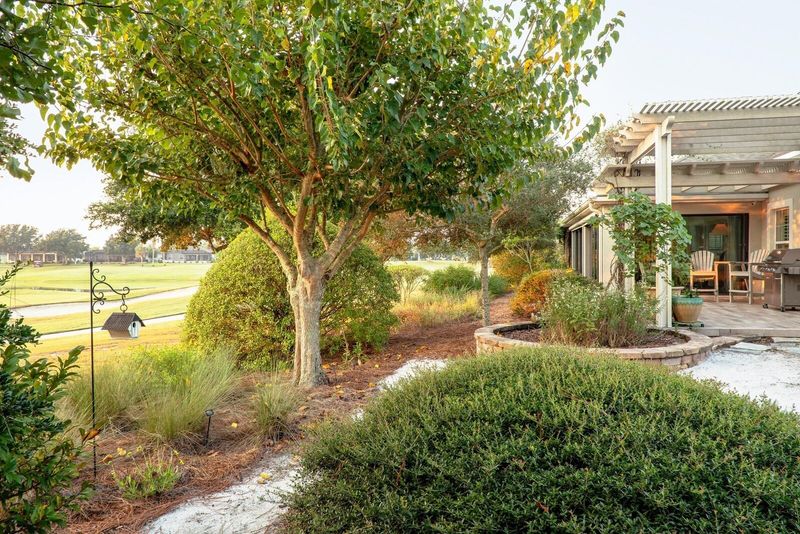
Many people treat Florida like one big tropical paradise. Reality tells a different story.
The state stretches nearly 450 miles from Pensacola to Key West, crossing multiple climate zones with dramatically different growing conditions.
North Florida, including cities like Tallahassee and Jacksonville, falls into USDA zones 8 and 9. Winters bring regular freezes, sometimes dipping into the teens or low twenties Fahrenheit.
Gardeners there deal with true cold snaps that limit tropical plant options significantly.
Central Florida, covering Orlando and Tampa areas, sits mainly in zones 9 and 10. Freezes happen less frequently but still occur most winters.
This middle ground creates confusion because some tropical plants survive mild years but fail during colder ones.
South Florida, from Palm Beach down through Miami and the Keys, enjoys zones 10 and 11. Hard freezes rarely occur, and many areas never see temperatures below 40 degrees.
Tropical plants thrive naturally here without winter protection.
These climate differences mean a plant thriving in a Fort Lauderdale yard might struggle or fail completely in a Gainesville garden. Understanding your specific zone prevents expensive mistakes and frustration when plants don’t perform as expected.
Your Florida Garden Changes Every Week. Your Plan Should Too.
Gardening in Florida changes quickly throughout the season. Every Friday you’ll receive a simple weekly plan showing exactly what to plant, prune, fertilize, harvest, and protect so you never miss the right timing.
3. That Tiny Zone Number Decides Winter Survival
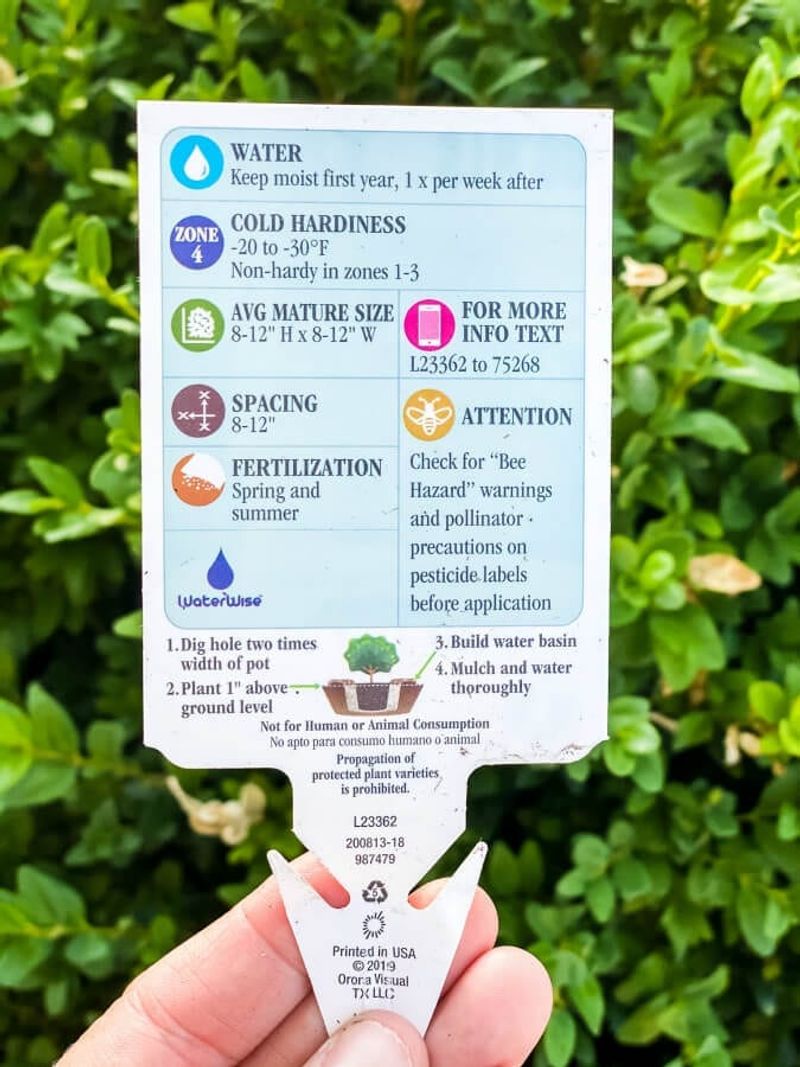
USDA hardiness zones divide the country into regions based on average annual minimum winter temperatures. Each zone represents a ten-degree Fahrenheit range, creating a standardized system for matching plants to locations.
Zone 8 handles lows of 10 to 20 degrees, while zone 11 rarely drops below 40 degrees.
Plants develop cold tolerance through evolutionary adaptation to their native climates. A species from Caribbean islands never developed mechanisms to survive freezing temperatures because it never needed them.
Its cells, tissues, and growing patterns all assume warmth year-round.
When you plant something rated for zone 10 in a zone 8 yard, you’re asking it to survive conditions it wasn’t built for. The first hard freeze damages cell structures, disrupts water movement, and can destroy growing points.
Some plants show damage immediately, while others decline slowly over weeks.
The zone rating on plant labels tells you the coldest zone where that species reliably survives winter without protection. Planting within your zone or choosing plants rated for colder zones gives you built-in insurance.
Going the opposite direction turns your garden into an expensive gamble where winter weather determines which plants make it to spring.
4. Zone 10 Plants Struggle In Zone 8 And 9 Yards
Tropical plants bred for zone 10 and warmer carry stunning flowers, lush foliage, and fast growth rates that catch every gardener’s eye. Bougainvillea, hibiscus varieties, crotons, and many palms fall into this category.
Garden centers throughout Florida stock them because they sell well and look spectacular in containers.
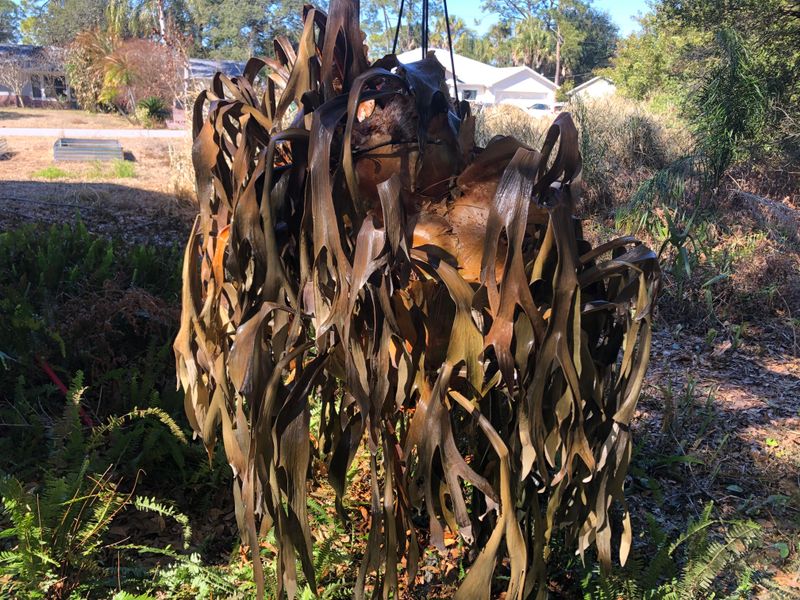
Plant one in a zone 8 or 9 yard, and problems start the moment temperatures drop below 40 degrees. Leaf edges brown first, followed by stem damage as cold penetrates deeper.
Some plants drop all their leaves and appear lifeless, while others show patchy damage that never fully recovers.
Even if the plant survives a mild winter, it rarely thrives. Cold stress weakens growth, reduces flowering, and makes plants more susceptible to pests and diseases.
You end up with something that limps through the year instead of providing the bold statement you paid for.
The financial impact adds up quickly. A large croton costs thirty to fifty dollars.
A mature bougainvillea runs even higher. When winter takes them out, you’ve lost the purchase price plus months of growth.
Replacing them with zone-appropriate alternatives from the start saves money and delivers better long-term results for your landscape.
5. North Florida Gardeners Feel The Impact Most
Gardeners in Tallahassee, Jacksonville, and Pensacola face the state’s coldest winters. Freezes arrive reliably between December and February, sometimes lasting several nights in a row.
Temperatures occasionally hit the teens, creating conditions that challenge even cold-hardy species.
The zone mismatch problem hits hardest here because many nurseries stock the same tropical plants sold throughout Florida. A shopper in Tallahassee sees the same gorgeous hibiscus or bird of paradise available in Miami, assumes it will work, and plants it.
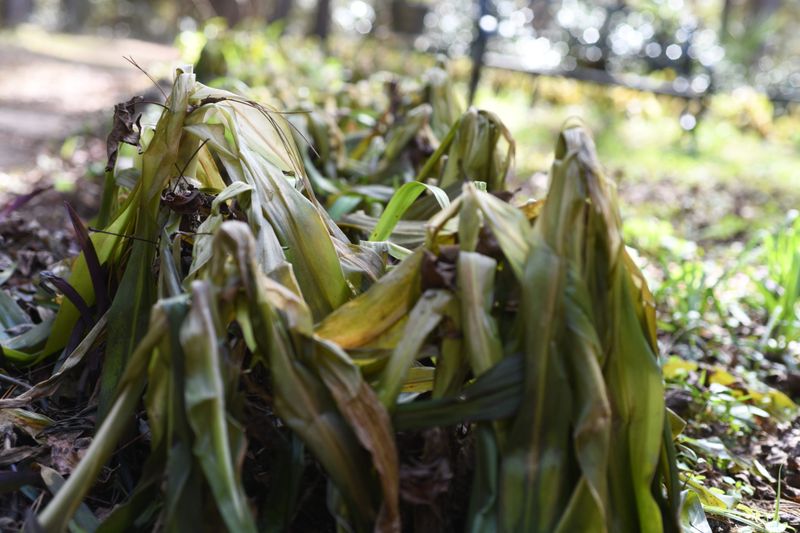
Winter reveals the mistake when everything freezes back to the ground.
Some northern gardeners try covering plants or bringing containers inside during freezes. This works for a few specimens but becomes impractical for larger landscapes.
You can’t wrap an entire yard in frost cloth every time temperatures drop.
The solution involves embracing zone 8 and 9 plants that handle cold naturally. Camellias, azaleas, loropetalum, and many native species thrive in North Florida without any winter protection.
They cost the same as tropical alternatives but deliver years of reliable performance. Checking zone ratings before buying eliminates the yearly cycle of plant loss and replacement that drains both money and enthusiasm.
6. South Florida Faces A Different Kind Of Stress
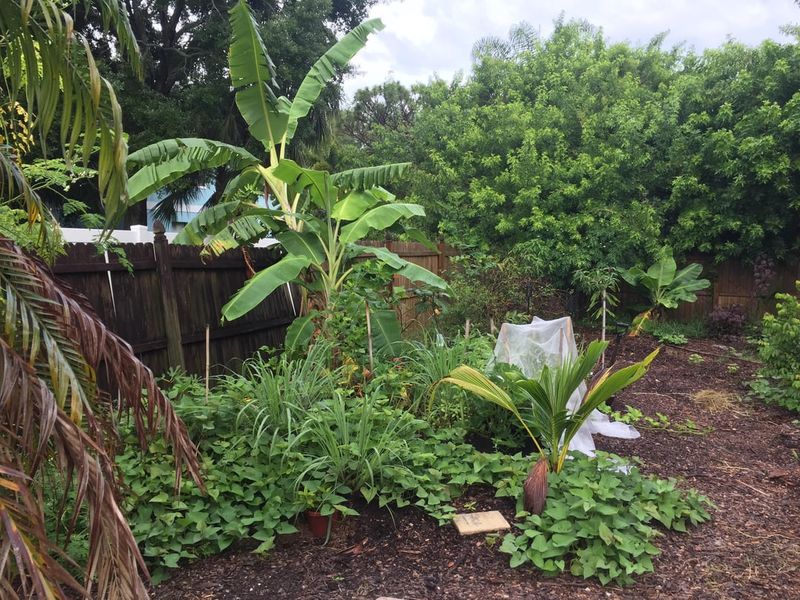
Miami, Fort Lauderdale, and the Keys enjoy mostly frost-free winters, but that doesn’t eliminate zone concerns entirely. The challenge shifts from cold tolerance to heat and humidity performance.
Some plants rated for zones 8 and 9 struggle with South Florida’s intense summer conditions even though they’re technically hardy enough.
Certain perennials and shrubs need winter chill hours to bloom properly or maintain compact growth. Without that cold period, they become leggy, flower poorly, or decline from constant heat stress.
You end up with plants that survive but never look their best.
South Florida gardeners also face stronger UV radiation, heavier summer rains, and different pest pressures than northern parts of the state. A plant thriving in Tallahassee might develop fungal issues or sunburn in Miami despite matching zone ratings.
The label’s zone number still matters, but regional adaptation becomes equally important.
The money-saving lesson remains the same: match plants to your specific conditions. In South Florida, that means choosing species that handle heat, humidity, and intense sun naturally.
Many true tropicals excel here while struggling further north. Reading labels carefully and selecting zone 10-11 plants adapted to subtropical conditions prevents the disappointment of watching something survive but never thrive.
7. Plant Labels Hide More Than Just Hardiness
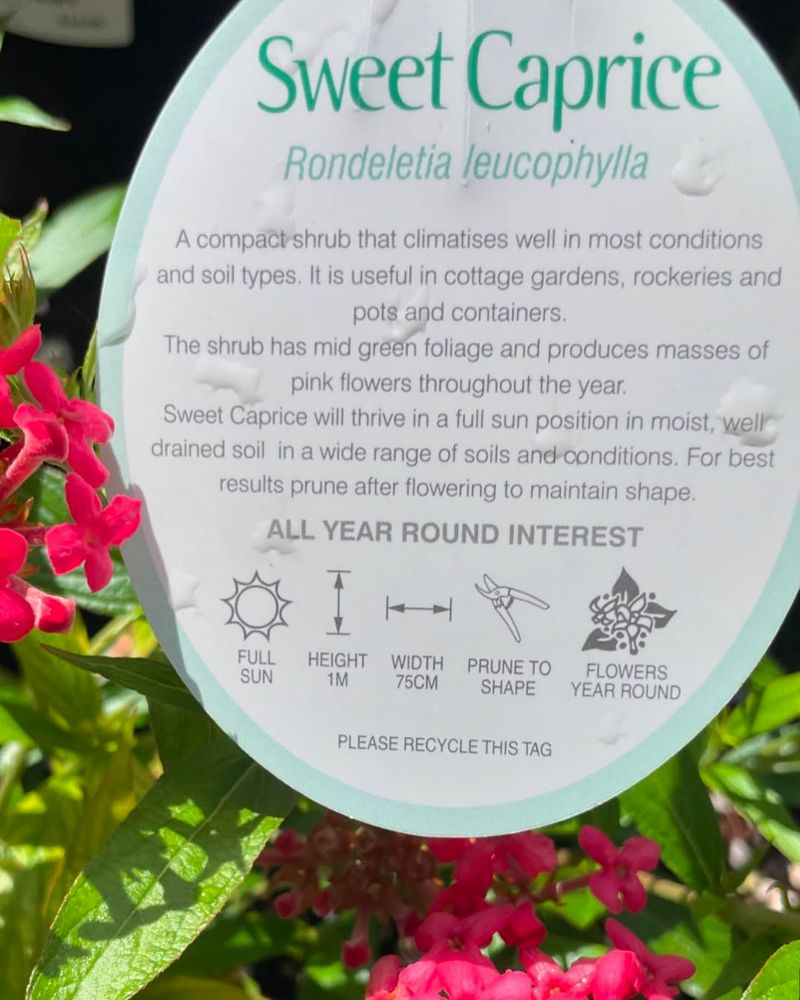
Beyond hardiness zones, plant labels contain other commonly misunderstood details that affect success and cost money when ignored. Sun exposure ratings present the first confusion.
A tag showing “full sun” means six or more hours of direct sunlight, but Florida’s intense sun differs from northern states. Some full-sun plants elsewhere need afternoon shade here to avoid scorching.
Mature size listings often surprise gardeners. That cute two-foot shrub might reach eight feet tall and six feet wide within three years.
Planting too close to structures or walkways creates maintenance headaches and eventual removal costs. Reading mature dimensions prevents expensive landscape redesigns later.
Watering requirements get oversimplified on labels. “Moderate water” doesn’t account for Florida’s sandy soils that drain quickly or summer rainy seasons that drown plants. Understanding your soil type and local rainfall patterns helps interpret these general guidelines more accurately.
The annual versus perennial designation causes confusion too. Some plants act as perennials in South Florida but function as annuals in northern counties where winter cold ends their growing season.
A perennial label doesn’t guarantee the plant returns year after year in your specific location. Checking all label details together with your zone and regional conditions creates the complete picture needed for smart shopping.
8. Matching Plants To Your Exact Location Saves Money
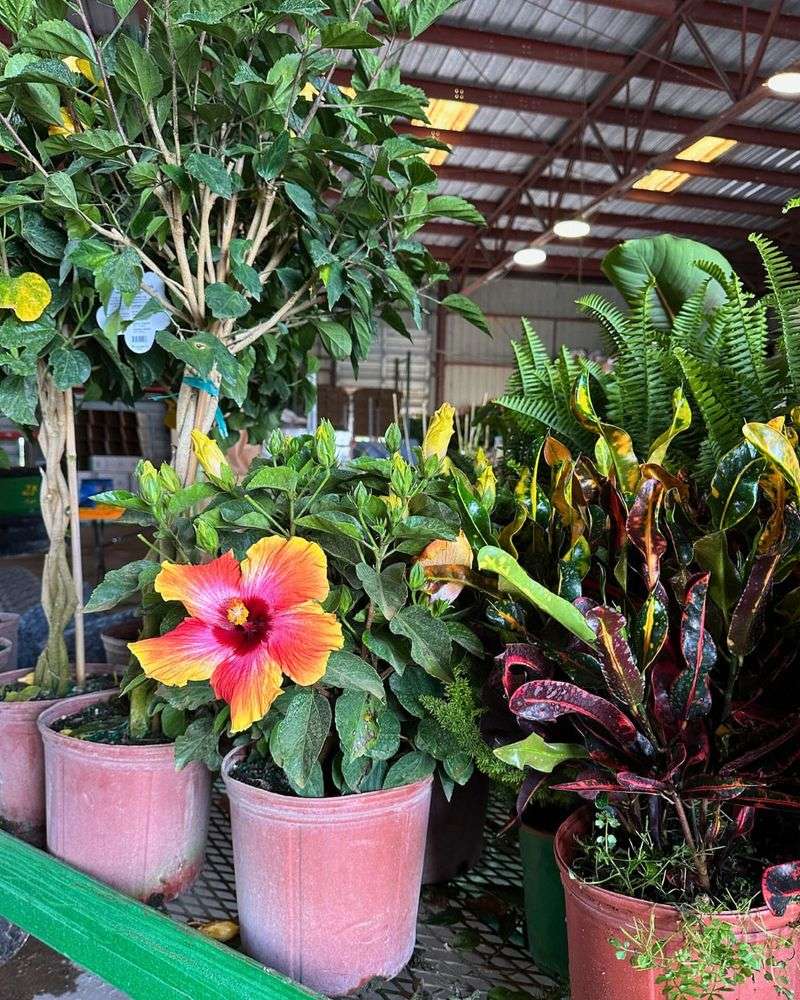
Start every nursery trip by knowing your exact USDA hardiness zone. The USDA website offers detailed interactive maps showing zones down to half-zone precision.
Enter your zip code and you’ll see whether you’re in 8a, 9b, or any other specific designation. Save this information in your phone for quick reference while shopping.
Local university extension offices provide region-specific plant recommendations that go beyond basic zone ratings. Florida’s IFAS extension system publishes detailed guides for each county covering what grows best in local conditions.
These resources combine zone information with soil types, rainfall patterns, and pest considerations specific to your area.
When shopping, read the entire plant label before deciding. Check the zone rating first, then verify sun requirements, mature size, and water needs match your yard conditions.
If the tag seems unclear or missing information, ask nursery staff or look up the species online before buying.
Building a successful Florida garden means working with your climate instead of fighting it. Plants suited to your zone establish faster, require less maintenance, resist local pests better, and provide years of reliable beauty.
The few minutes spent checking labels carefully saves hundreds of dollars in replacement costs and eliminates the frustration of watching plants struggle or fail. Smart shopping starts with understanding that one small number.