10 Reasons Birds Avoid Your Florida Yard And Simple Fixes That Help
You set out a feeder, fill it with seed, maybe even add a birdbath. Then you wait. And wait. Instead of cardinals and blue jays, your Florida yard stays strangely quiet.
If you’ve spent years caring for your home and garden, that silence feels personal.
The truth is, birds can be surprisingly picky. A few small details in your landscaping, watering habits, or even outdoor lighting can quietly send them somewhere else.
It is not about building a wildlife sanctuary. It is about understanding what makes your yard feel safe, inviting, and worth a stop on their daily route.
Some of the reasons might surprise you. A couple are things many longtime homeowners do without thinking.
And the easiest fix on this list could bring the first visitor back faster than you expect.
1. Your Feeders Are Empty Or Filled With The Wrong Seed
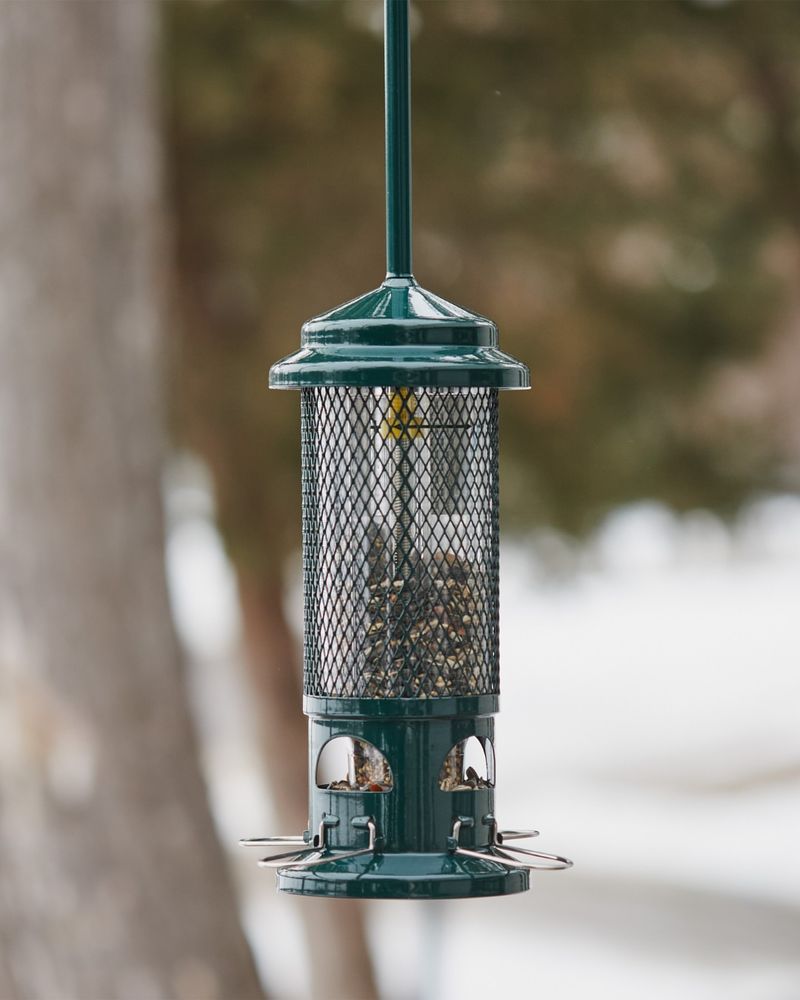
Imagine setting out a feast only to find your guests never show up. That is exactly what happens when Florida feeders sit empty or get loaded with cheap filler seeds that local birds simply do not want.
Many budget seed mixes are packed with milo, oats, and wheat, which most songbirds push aside without a second glance, scattering unwanted grains across the ground below and leaving a mess that attracts fewer desirable visitors.
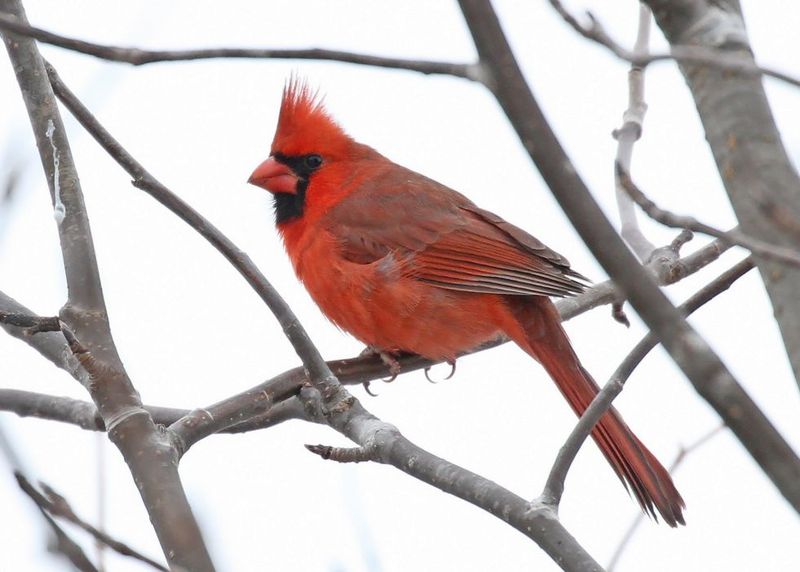
Birds in Florida are drawn to specific foods depending on the species and the time of year. Cardinals love black-oil sunflower seeds.
Finches go wild for nyjer seed. Woodpeckers cannot resist suet cakes, especially during cooler months when natural food can be less abundant.
Filling your feeder with a high-quality mix that matches the birds you want to attract is one of the quickest ways to see results and encourage regular daily visits.
Keep feeders stocked consistently, because birds learn routines fast and return to reliable food sources. If your feeder is empty for several days, birds will move on and find a more reliable food source nearby.
Clean feeders every one to two weeks to prevent mold and bacteria from building up. A well-maintained, properly stocked feeder sends a clear signal to passing birds that your Florida yard is worth a visit.
2. Birdbaths Turn Into Mosquito Pools Instead Of Fresh Water Stops
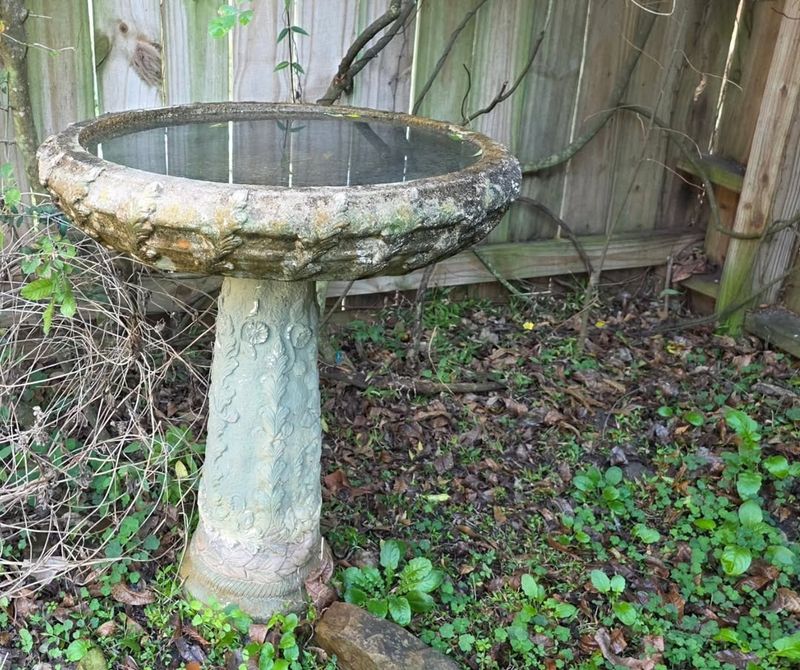
Standing water in Florida can turn into mosquito habitat fast. When a birdbath sits still for several days, it stops being a helpful stop for birds and starts becoming a place mosquitoes can use to reproduce.
Birds often prefer clean water, and many will skip a bath that looks cloudy, smells off, or has debris collecting along the rim. The fix is simple, but it works best when it becomes part of your routine.
Dump and refill the birdbath every two to three days during warm, humid stretches, and scrub the bowl as needed so algae and film do not build up.
A small solar fountain, dripper, or bubbler can keep the surface moving. That movement makes it harder for mosquitoes to use the water, and it can also help birds notice the bath as they pass overhead.
Your Florida Garden Changes Every Week. Your Plan Should Too.
Gardening in Florida changes quickly throughout the season. Every Friday you’ll receive a simple weekly plan showing exactly what to plant, prune, fertilize, harvest, and protect so you never miss the right timing.
Placement matters, too. A spot with light shade can help the water stay cooler and slow down evaporation.
It also helps to keep the birdbath near shrubs or small trees so birds have quick cover if something startles them. At the same time, avoid placing it deep inside dense brush where cats can hide.
With clean water and a smart location, a simple birdbath can become a steady, low-effort way to support more bird visits.
3. No Native Plants Means No Natural Food Or Shelter
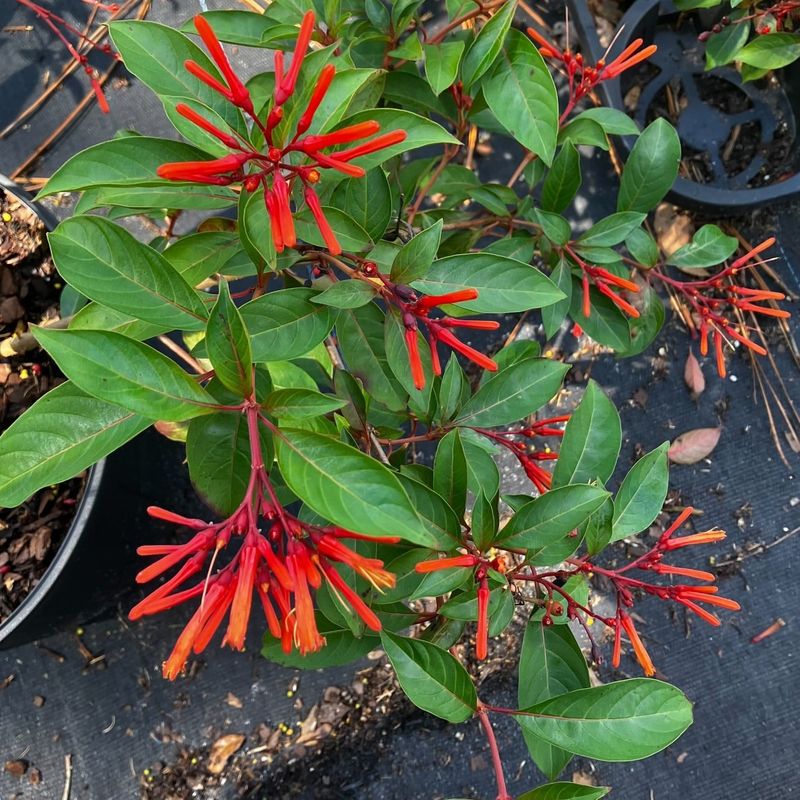
A Florida yard filled with non-native ornamentals can look beautiful and still feel strangely quiet. One big reason is food.
Many native insects rely on native plants, and those insects are a major menu item for many birds, especially during nesting season when adults are feeding young.
Non-native plants can contribute less to that local food web, which can mean fewer caterpillars, beetles, and other insects. Fewer insects often leads to fewer birds spending time nearby.
Adding native plants helps restore those connections, and it also adds natural shelter birds look for when they forage and rest.
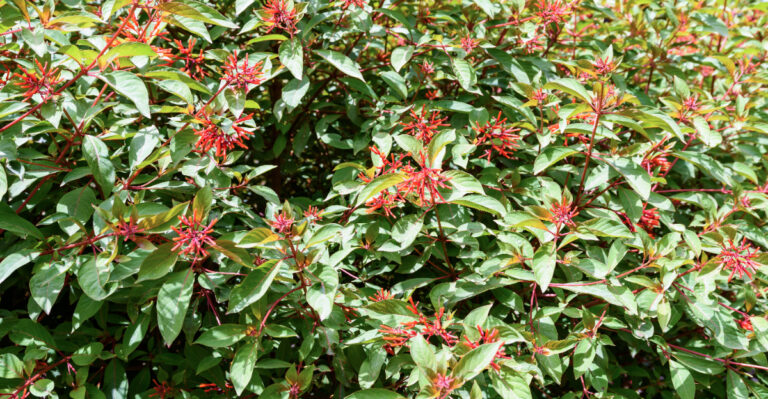
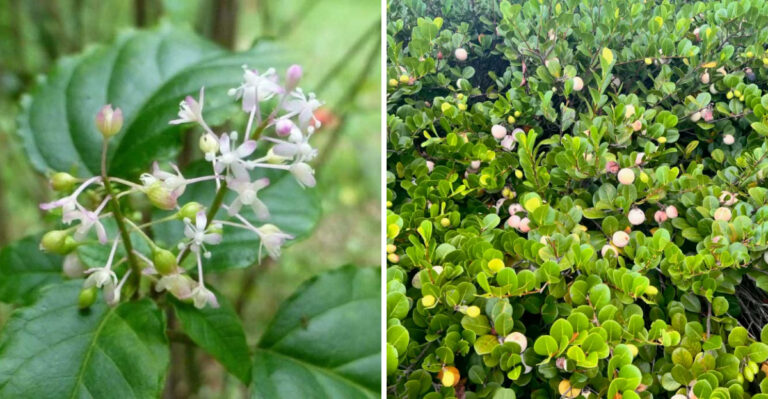
Florida-friendly natives such as firebush, American beautyberry, Simpson’s stopper, and wax myrtle can provide berries, cover, and insect activity that supports a wider range of birds through the year. Even a small swap, like replacing a few shrubs along a fence line or adding a native plant cluster near a patio, can make the yard feel more “usable” to wildlife over time.
Native plants also tend to fit Florida conditions well once established. Many handle heat, sandy soils, and seasonal rain patterns better than picky exotics, which can reduce how much watering and fussing you need to do.
If you want a simple starting point, look for nurseries that label plants as Florida native and aim for a mix of heights. That combination supports feeding, hiding, and nesting in one space.
4. Overly Trimmed Shrubs Leave Birds Feeling Exposed
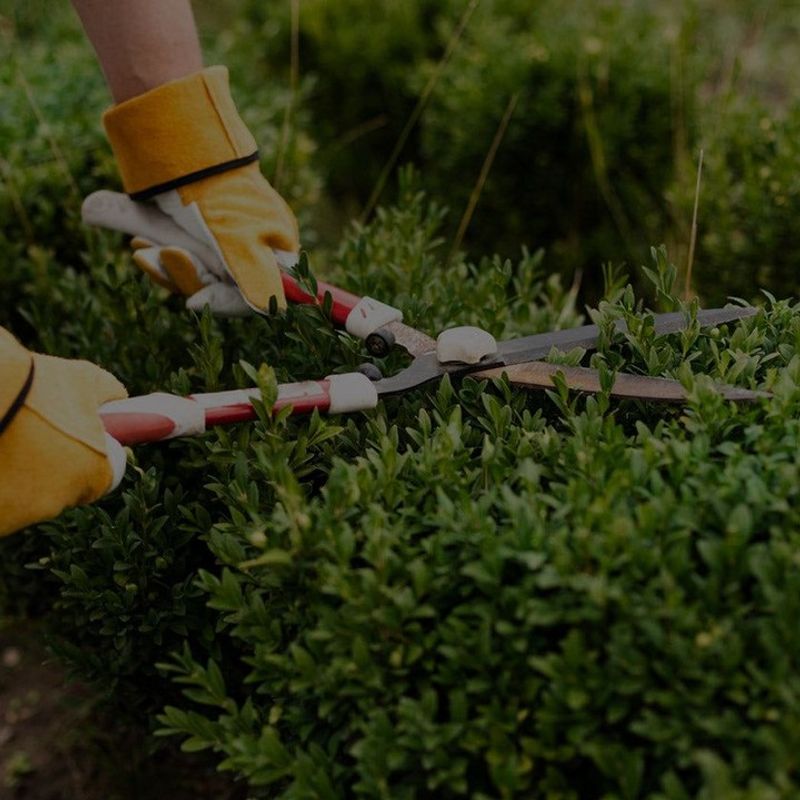
There is something frustrating about putting real effort into a tidy landscape and then noticing fewer birds around. Crisp hedges and tightly shaped shrubs look neat to people, but to small birds they can feel like open ground with nowhere to duck for cover.
Many yard birds rely on thick vegetation to move safely, rest between feedings, and nest away from prying eyes. Carolina wrens and northern mockingbirds often use dense shrubs and tangles for shelter, and gray catbirds commonly seek thickets and viney edges in Florida during the months they spend there in winter.
If shrubs are pruned into a thin shell, that protective structure disappears. A hawk overhead, a neighborhood cat, or even sudden movement can make birds avoid the area if they do not have a quick escape route.
Letting some shrubs grow a bit fuller can help without making the yard look messy. One easy approach is to choose a few zones, such as along a back fence, a side boundary, or a corner bed, and allow those plants to keep more natural shape.
Layering also helps. A taller shrub behind a medium shrub, with a groundcover or mulched bed below, creates the kind of depth birds use instinctively.
Grouping plants together tends to provide better cover than scattered single shrubs. If you have a hedge, consider leaving sections slightly taller or less sheared.
That small shift can make the space feel safer to birds while still keeping the yard maintained.
5. Loud Yard Equipment Keeps The Area Stressfully Noisy
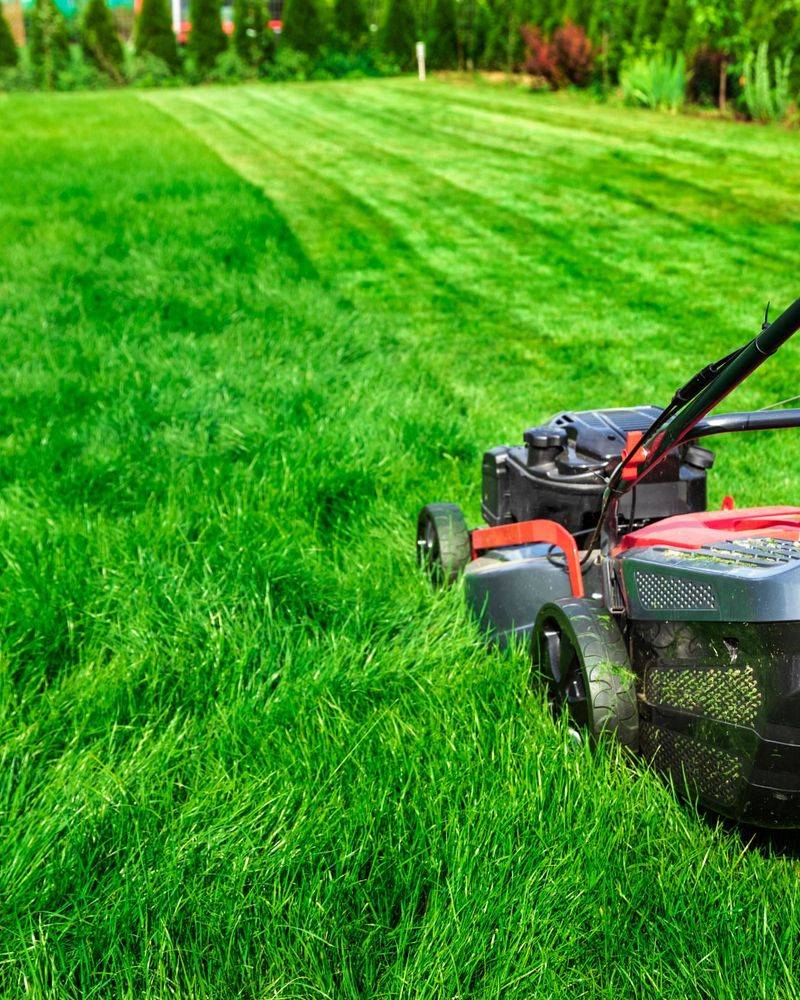
Birds are sensitive to sudden, repeated noise, and loud yard tools can change how comfortable your space feels to them. A mower, leaf blower, or trimmer does not just sound loud to you.
It can also signal frequent disturbance, especially if it happens at the same times day after day.
This does not mean you have to stop maintaining your yard. Timing and placement can matter more than people expect.
If you can, keep the loudest work to shorter windows and try to avoid early morning when many birds are actively feeding. Midday can be a calmer period for feeder activity in many neighborhoods, especially during hotter months when birds rest more in shade.
Tool choice can help, too. Some battery-powered tools are noticeably quieter than gas models, and even a small change, like using a rake instead of a blower for a tight area, can reduce the overall noise level.
Also look around for other steady sound sources. A loud air conditioner unit right beside a feeder, a wind chime that constantly clatters near the birdbath, or a dog that spends long stretches barking outdoors can make birds hesitate.
The goal is not silence. It is giving birds one corner that feels predictable.
Try setting up a “bird zone” away from the busiest part of the yard, with a feeder and water placed where noise is lower. That simple shift often makes the yard feel more welcoming over time.
6. Reflective Windows Create Dangerous Flight Hazards
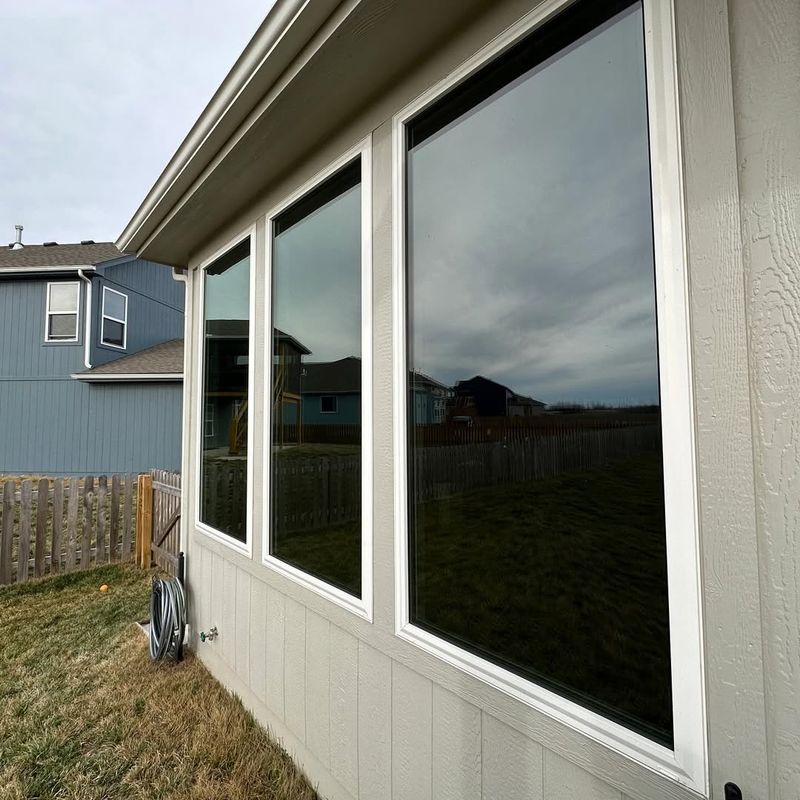
Every year, millions of birds across North America are injured after striking glass windows. In Florida, where so many homes feature large picture windows and sliding glass doors that reflect the surrounding tropical landscape, this problem is especially common.
Birds do not see glass as a barrier. They see the reflection of trees and sky and fly straight toward it.
The good news is that preventing window strikes does not require expensive renovations. Simple, affordable solutions work remarkably well.
Applying bird-safe window decals or films that break up the reflection can significantly reduce strikes. Products like ABC BirdTape or frosted window film are easy to find online or at home improvement stores and can be applied in minutes.
Another effective approach is placing feeders either very close to windows, within three feet, or far away, beyond thirty feet. At close range, birds cannot build enough speed to seriously injure themselves if they do bump into the glass.
At a greater distance, they have enough time to recognize and avoid the barrier. Exterior screens, sun shades, and awnings also help by reducing reflectivity.
Making your Florida home’s windows more bird-friendly is a straightforward project that protects local wildlife and brings more birds safely into your yard.
7. Chemical Lawn Treatments Wipe Out Insects Birds Rely On
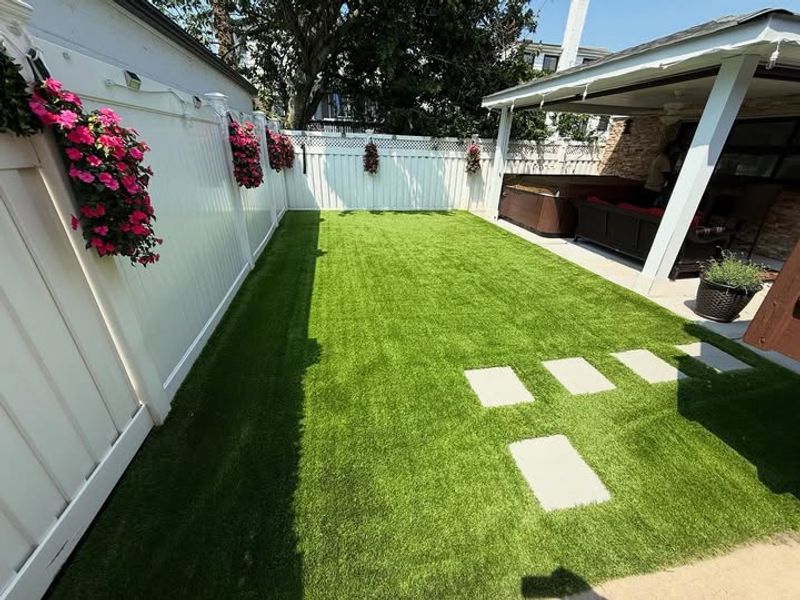
A perfectly uniform lawn can come with an invisible tradeoff. Many birds rely on insects, especially during nesting season when adults need high-protein food for growing chicks.
When broad insect treatments are used often, the number of caterpillars, beetles, ants, and spiders can drop, and birds may find less reason to forage in the yard.
Herbicides and pesticides can also reduce the variety of plants and “weedy” patches that support insect life in the first place. In practical terms, that can turn a lawn into a place that looks green but offers fewer natural food options for wildlife.
You do not have to accept a yard full of pests to make progress here. One approach is to reduce broad, routine spraying and focus on targeted steps instead.
Spot-treating a specific problem area, improving mowing height, and using integrated pest management ideas can help you manage issues while keeping more insect activity available for birds.
Another option is to add small habitat pockets that are not treated like turf. A mulched bed with native plants, a few groundcovers, or a strip of flowering natives can support insects while still looking intentional.
Some Florida homeowners also replace sections of lawn with low-growing native plants that fit their light and soil conditions.
If you are worried about bugs, start small. Keep the main lawn as you like it, and convert just one corner into a more natural planting.
Birds tend to notice those changes as the food supply builds back up.
8. Zero Layered Landscaping Makes Your Yard Feel One-Dimensional
Picture a yard that is nothing but flat grass from fence to fence. It might be easy to mow, but for birds, it offers almost nothing.
No canopy trees for perching, no mid-level shrubs for foraging, no ground cover for scratching around in. A yard without layered landscaping is, from a bird’s perspective, a barren landscape with little reason to visit.
Layered landscaping means creating different heights and textures throughout your yard. Tall canopy trees like live oaks or bald cypresses form the top layer.
Medium shrubs and small trees like beautyberry or coral honeysuckle fill the middle. Low ground covers, leaf litter, and mulched garden beds make up the bottom layer.
Each level attracts different bird species and supports different behaviors like nesting, foraging, and singing.
You do not need a massive yard to create meaningful layers. Even a small Florida property can have a corner planted with a mix of heights and textures that draws in birds consistently.
Start with one area and expand over time. Adding a single native tree is often enough to spark new bird activity within a few seasons.
Layered landscaping works because it mimics natural Florida habitats, giving birds the complexity and variety they instinctively seek out when choosing where to spend their time.
9. Night Lighting Disrupts Resting And Feeding Patterns
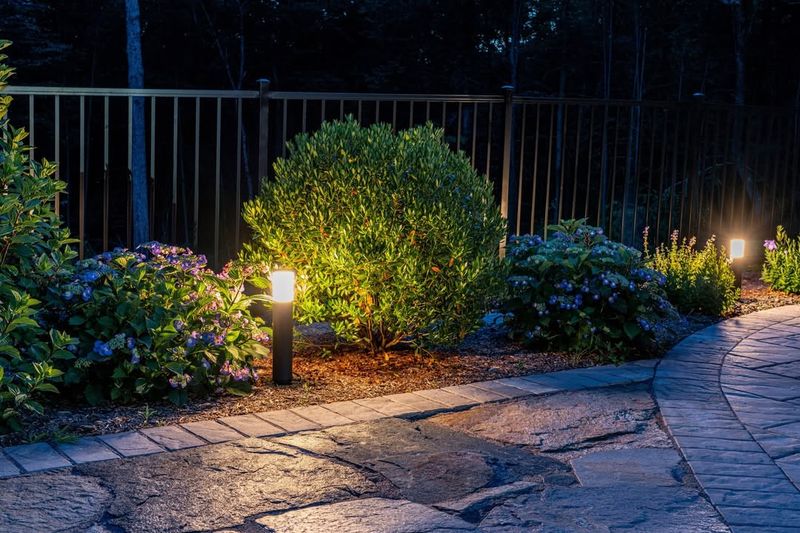
Outdoor lighting can affect birds in ways that are easy to miss. Many migrating birds travel at night and use natural cues to stay oriented.
Bright artificial lights can pull them off course, increase confusion, and lead them into areas they would not normally enter.
Florida also has plenty of resident birds that benefit from darker nights. Too much light can shift normal rest patterns and make some birds more exposed to nighttime threats.
The goal is not living in the dark. It is using light with intention.
If you want a simple place to start, focus on migration season. BirdCast describes spring migration as roughly March 1 through June 15 and fall migration as roughly August 15 through November 30.
Those windows cover many of the nights when reducing unnecessary light can help migrating birds.
Motion-activated lights can cut down on constant glare while still keeping walkways safe. Warmer-toned bulbs and lower brightness settings can also reduce harsh spill.
Aim fixtures downward so light stays on the ground instead of shining into the sky or across windows.
Closing blinds at night helps as well, especially if you have large windows that glow from inside lighting. You can keep the yard comfortable and secure while also making it less confusing for birds moving through.
Start with one change, like switching a porch light to motion mode, and you will have an easy next step ready right after.
10. No Safe Nesting Spots During Peak Breeding Season
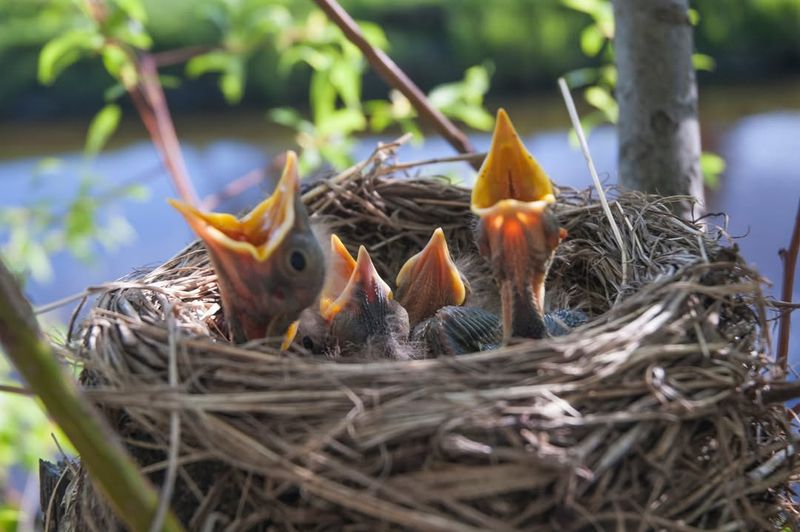
Florida’s nesting activity can begin early for some species, and it can continue for months depending on the bird and location. During that time, birds are looking for sheltered places to raise young, not just food and water.
Nest boxes can help when they match the right species and are placed appropriately. Entrance size matters.
A 1 1/2-inch opening is commonly used for eastern bluebird boxes, while screech owl boxes use a larger design and opening than songbird houses.
Natural options matter, too. Shrubs, small trees, and layered planting give many birds places to tuck nests out of sight.
Leaving some brushy cover along a fence line can support nesting and also give fledglings a safer place to move as they learn to fly.
If you want to offer nesting material, keep it safe. Cornell NestWatch recommends avoiding hair, pet fur, yarn, and stringy materials because they can create risks for nestlings.
Instead, focus on simple, natural options such as small twigs, dry leaves, pine needles, and short pieces of untreated natural fiber placed loosely where birds can pick them up.
Also be cautious with snag retention. A standing dead tree can provide cavities for some species, but only keep one if it does not pose a safety hazard near people, pets, or structures.
A safer alternative is planting trees and installing a properly built box. The next section gets into the easiest placement mistake that keeps boxes empty.