How To Create Beautiful Plant Combinations Like A Pro In California
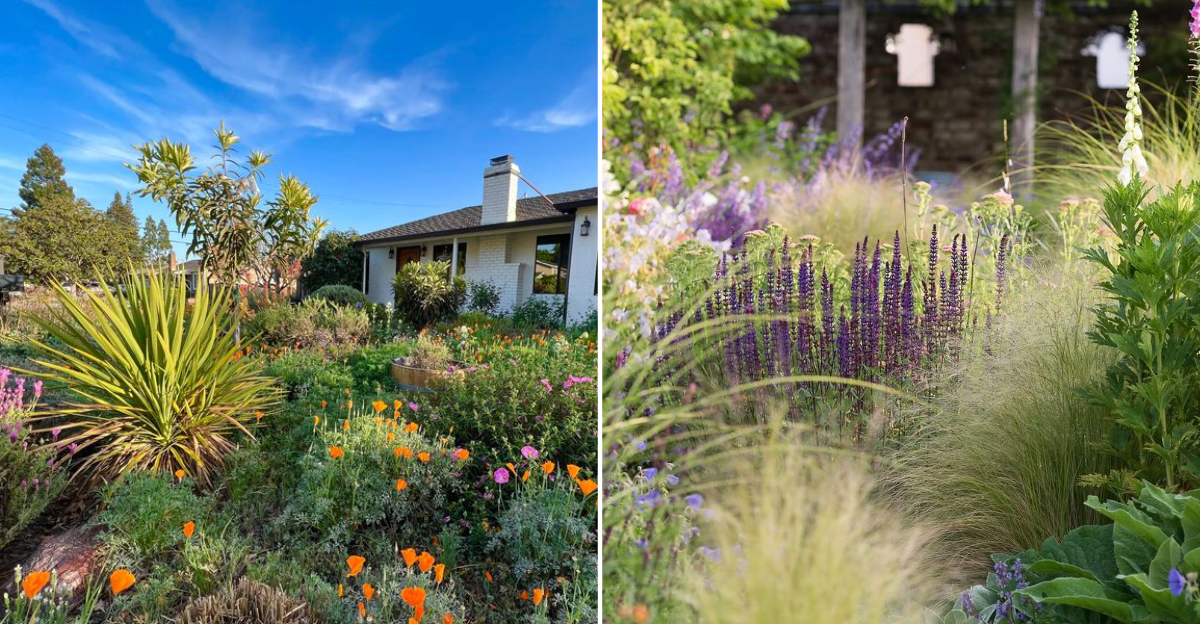
Creating stunning plant combinations is where gardening turns into pure creativity. California’s bright light and mild climate open the door to endless pairing ideas, blending foliage, flowers, and structure into scenes that feel alive and full of character.
Tall statement plants anchor the look, mid height bloomers add richness, and trailing greens soften edges with a natural flow. Color echoes, contrasting leaves, and varied textures give simple spaces a layered, designer touch without feeling forced.
Even a small corner can feel lush and thoughtfully styled with the right mix. Great plant pairings are less about rules and more about balance, rhythm, and a bit of personal flair.
Play with shapes, repeat favorite tones, and let your space grow into a vibrant, cohesive display that feels welcoming, relaxed, and uniquely yours under the California sun.
1. Start With Climate-Smart Plants
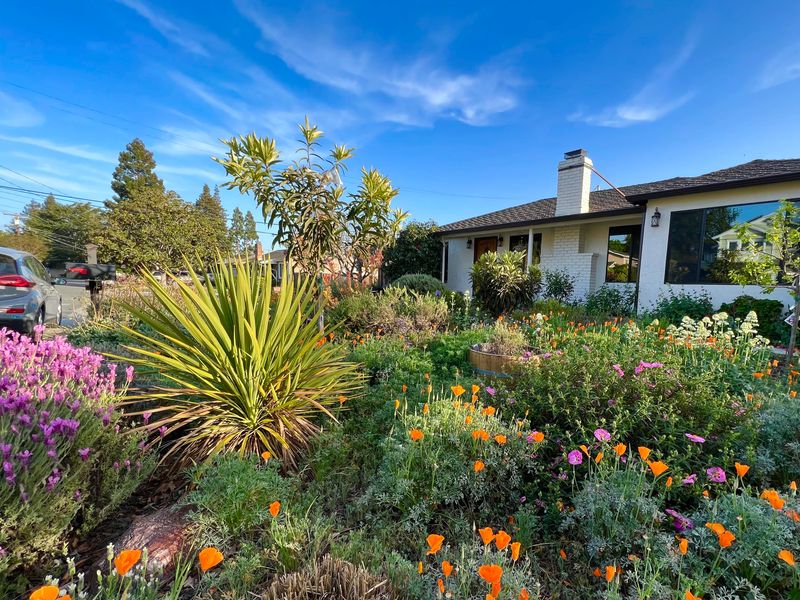
Picking the right plants for your California climate is the best first step you can take. California has many different climate zones, from the foggy coast to the hot inland valleys.
Choosing plants that are already suited to your area means less work and better results.
Native plants like California poppy, salvia, and toyon are excellent starting points. They have adapted over thousands of years to local conditions.
They handle dry summers and mild winters without much fuss.
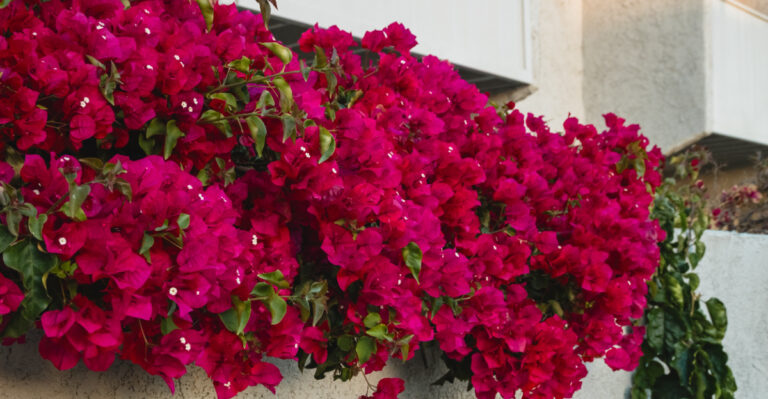
Climate-smart planting also means thinking about heat tolerance. In Southern California, plants like agave and bougainvillea thrive in the intense sun.
In Northern California, ferns and rhododendrons may feel right at home.
Before buying anything, check your USDA hardiness zone and your local water district recommendations. Many California water districts offer free plant lists for your specific region.
Using these resources saves you time, money, and a lot of frustration.
Starting with the right plants builds a strong foundation for beautiful combinations. When your base plants are thriving, everything else layered on top looks even better.
Think of climate-smart choices as your garden’s backbone, everything else grows from there.
2. Combine Heights And Layers
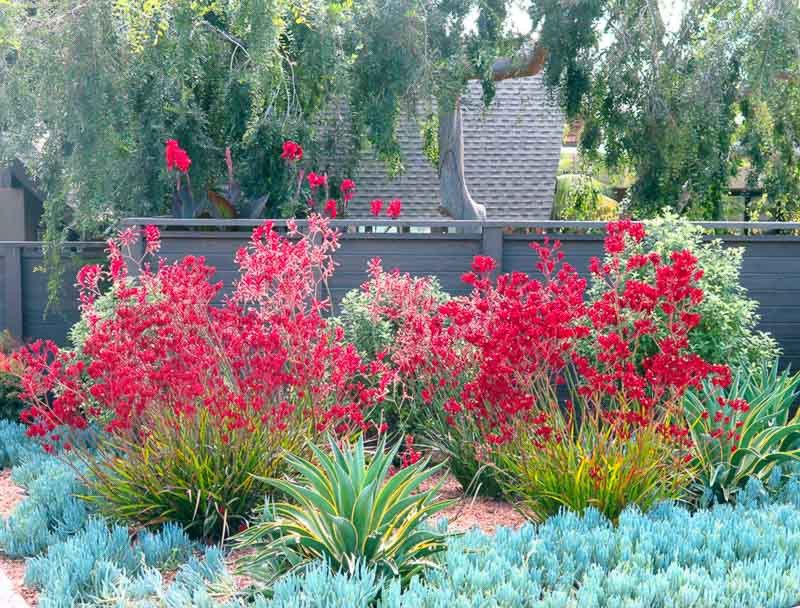
A garden that only has plants of the same height can feel flat and boring. Adding layers of different heights creates depth and makes your space feel lush and full.
Professional gardeners always think in three layers: tall, medium, and low.
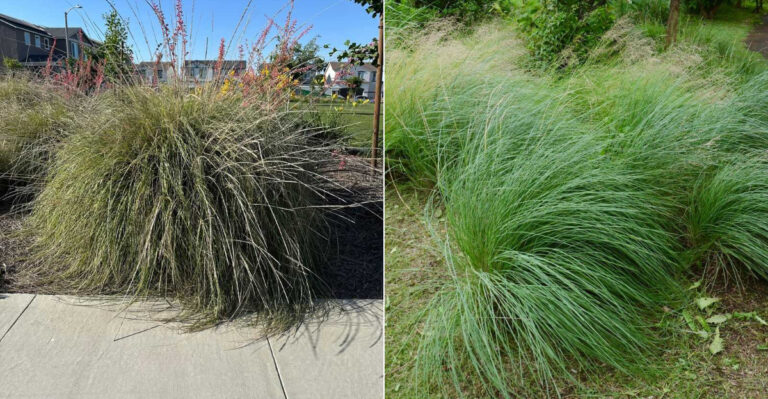
In California gardens, tall plants like Mexican feather grass or agave create a dramatic backdrop. Medium-height plants like lavender or salvia fill in the middle ground beautifully.
Low growers like creeping thyme or dymondia pull everything together at the base.
Think of it like a concert. The tall plants are the headliners in the back.
The medium plants are the supporting acts. The low plants are the crowd up front, holding it all together.
Layering also has practical benefits. Taller plants can provide shade for more delicate plants below.
Ground covers help retain moisture in California’s dry summers, reducing how often you need to water.
When planning your layers, step back and look at your garden from a distance. Does it feel balanced?
Does your eye travel naturally from the front to the back? Adjusting heights is one of the easiest ways to make a garden look professionally designed without spending a lot of money.
Your California Garden Changes Every Week. Your Plan Should Too.
Gardening in California changes quickly throughout the season. Every Friday you’ll receive a simple weekly plan showing exactly what to plant, prune, fertilize, harvest, and protect so you never miss the right timing.
3. Mix Textures For Visual Interest
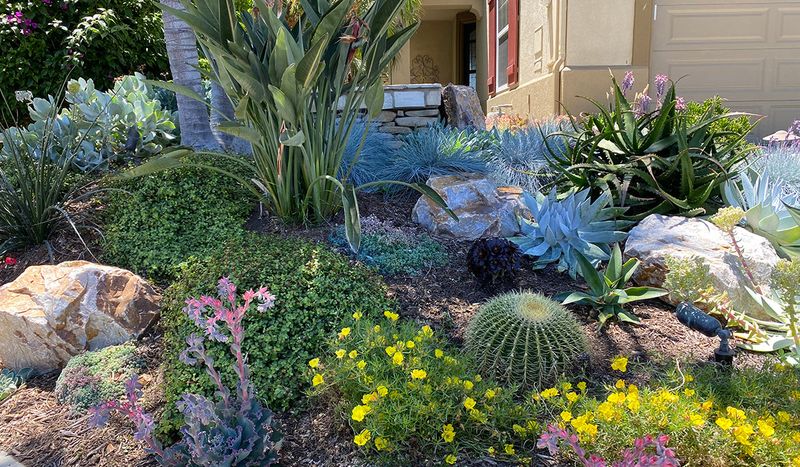
Texture is one of the most underrated tools in garden design. When you mix plants with different leaf shapes and surfaces, your garden instantly feels more dynamic and alive.
Fine, feathery leaves next to broad, glossy ones create a contrast that catches the eye.
In California, you have incredible texture options available. Spiky agave leaves pair beautifully with the soft, silvery foliage of dusty miller.
Smooth, waxy succulents look stunning next to Mexican feather grass.
Rough, bold textures tend to advance visually, meaning they look closer than they are. Fine, delicate textures recede, making a space feel larger.
You can use this trick to make a small California backyard feel more spacious.
A good rule of thumb is to mix at least three different textures in any planting bed. One bold texture, one medium texture, and one fine texture work together like a well-balanced meal.
Each one plays a different role, and together they create something memorable.
Walk through any well-designed California botanical garden and you will notice texture combinations everywhere. Take photos of combinations you love and recreate them at home.
Your own garden can look just as impressive with a little thoughtful planning.
4. Use Color Harmony And Contrast
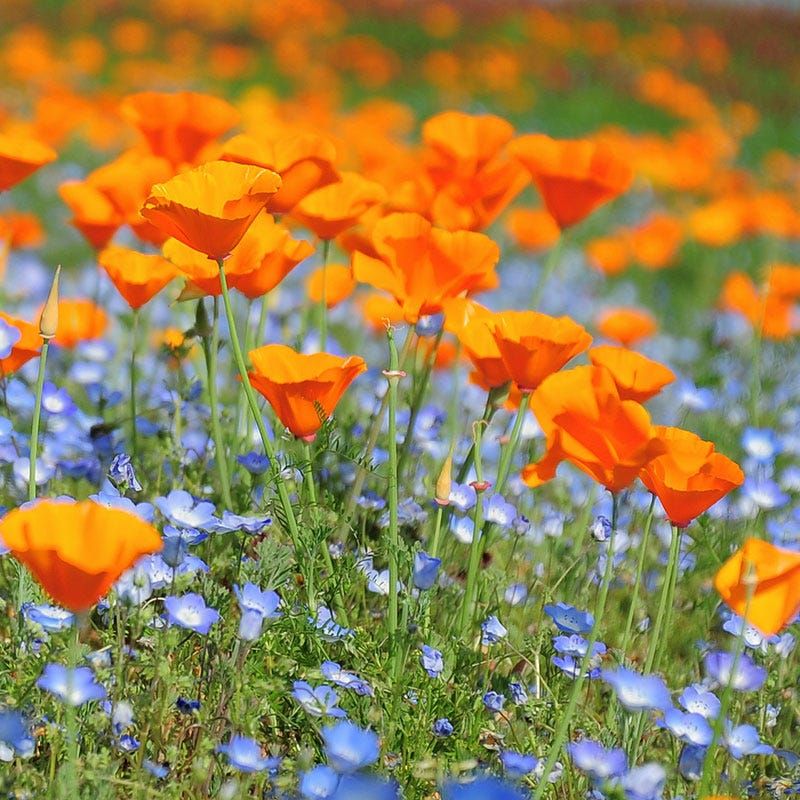
Color is the first thing most people notice in a garden. Using color thoughtfully can make a planting bed feel calm and elegant or bold and exciting.
The key is understanding a little basic color theory, which is simpler than it sounds.
Analogous colors sit next to each other on the color wheel. Think purples, blues, and pinks planted together.
This combination creates a soft, flowing look that feels very natural in California coastal gardens.
Complementary colors sit opposite each other on the color wheel. Orange California poppies next to purple salvia is a classic California combination that pops with energy.
This kind of contrast is bold and cheerful, perfect for sunny spots in your yard.
Cool colors like blues, purples, and whites tend to recede visually and feel calming. Warm colors like reds, oranges, and yellows feel vibrant and exciting.
Mixing both creates a garden with great visual rhythm.
Do not feel like you need to follow rules perfectly. Some of the most beautiful California gardens use unexpected color combinations.
Start with two or three colors you love and build from there. Keep a small notebook or phone album of color combos you spot and admire during walks around your neighborhood.
5. Pair Plants With Similar Water Needs
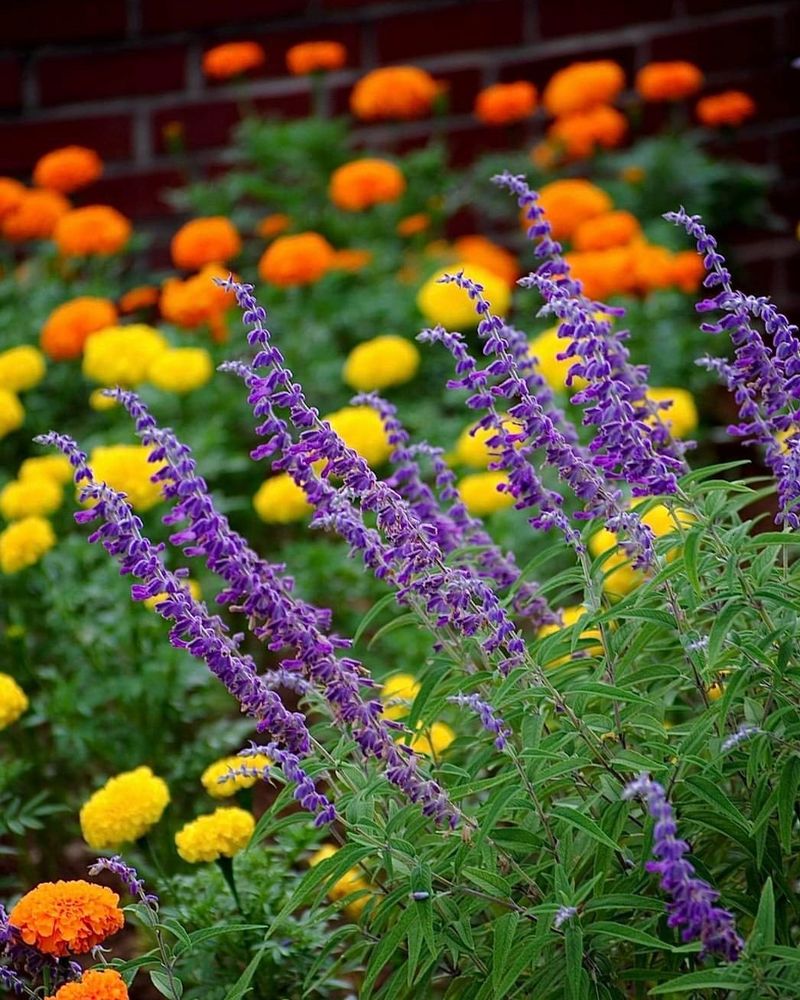
One of the smartest things you can do in a California garden is group plants that drink the same amount of water. This practice is called hydrozoning, and it makes watering simple and efficient.
It also keeps plants healthier because they are not competing for moisture.
California has faced serious drought conditions over the years, so water-wise gardening is not just trendy, it is responsible. Pairing thirsty plants together and drought-tolerant plants together means you can water each group exactly as much as it needs, nothing more.
A classic California low-water combination includes lavender, rosemary, and ornamental grasses. All three love full sun and dry conditions.
They look gorgeous together and practically take care of themselves once established.
For a slightly lusher look, try combining plants with moderate water needs like salvia, agapanthus, and kangaroo paw. These plants thrive with occasional deep watering and reward you with long blooming seasons.
Mixing plants with very different water needs often leads to one plant getting too much water while the other gets too little. This creates problems over time.
Planning your plant combinations around water needs from the start saves effort and keeps your California garden looking its best all year long.
6. Add Seasonal Bloom Rotation
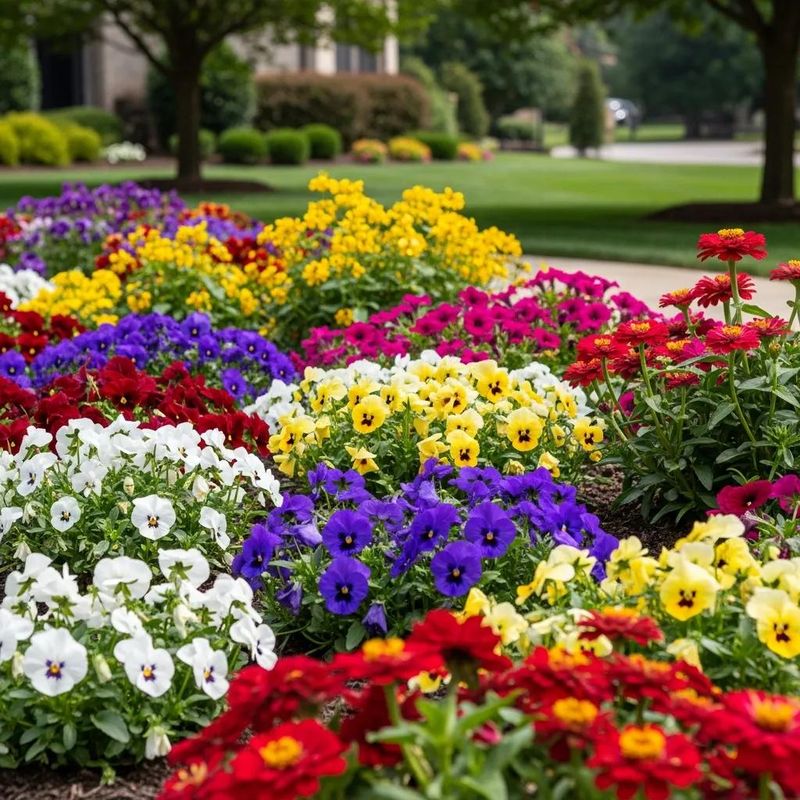
Imagine your garden looking colorful and interesting every single month of the year. That is what seasonal bloom rotation makes possible.
By choosing plants that flower at different times, you ensure there is always something beautiful happening in your California yard.
California’s mild climate makes this easier than almost anywhere else in the country. Spring bloomers like ceanothus and California lilac kick off the season with clouds of blue and purple.
Summer brings agapanthus, salvia, and rudbeckia in full swing.
Fall is when many California gardens really shine. Mexican sage, asters, and ornamental grasses look stunning in the warm autumn light.
Even in winter, plants like hellebores, camellias, and winter-blooming jasmine keep things interesting.
Planning for rotation takes a little research upfront. Write down when each plant in your garden blooms.
Look for gaps in your calendar and fill them with plants that cover those quiet months. A simple spreadsheet or even a paper calendar works perfectly for this.
The reward for this planning is a garden that feels alive and ever-changing. Neighbors and visitors will always notice something new and exciting when they pass by.
Seasonal rotation also supports California’s pollinators, giving bees and butterflies a steady food source throughout the year.
7. Repeat Key Plants For Cohesion
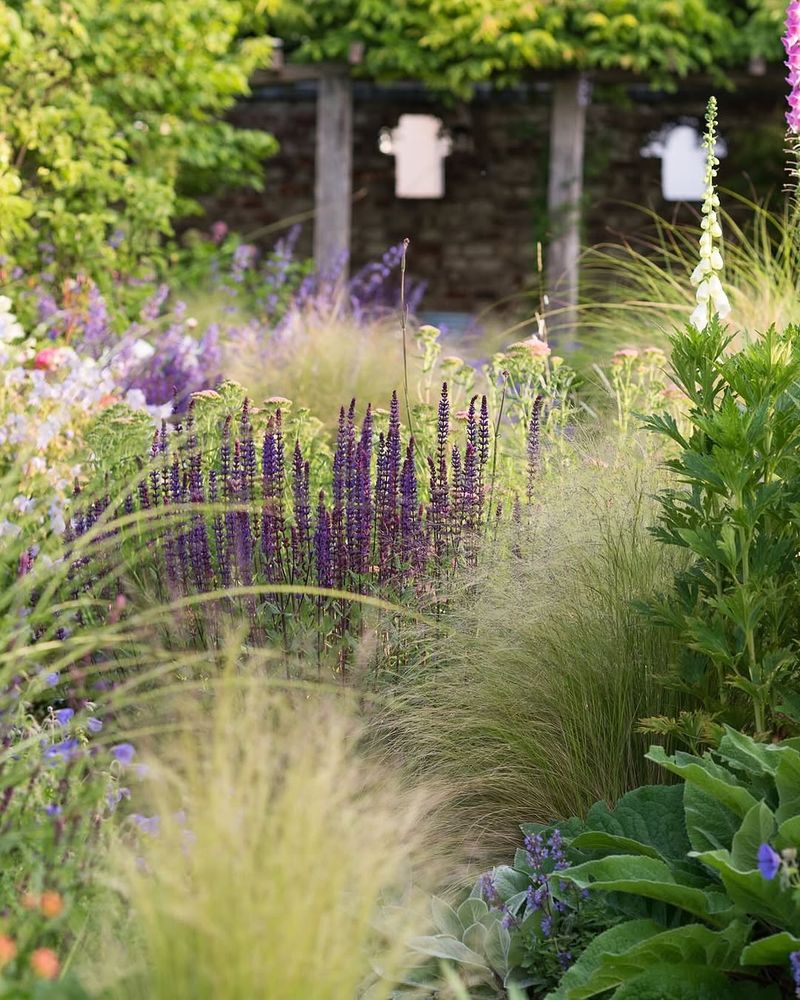
Repetition is one of the most powerful tools professional garden designers use. When you repeat a plant throughout a garden bed, it creates a visual rhythm that ties everything together.
Without repetition, a garden can feel chaotic and random, even if all the individual plants are beautiful.
Pick one or two key plants that you really love and plant them in groups of three or five throughout your garden. Odd numbers tend to look more natural than even numbers.
Lavender, ornamental grasses, and agave are all excellent repeating plants for California gardens.
Repetition does not mean planting the same thing everywhere in a boring way. Think of it more like a musical theme that keeps returning throughout a song.
It gives your garden a sense of flow and intention.
Color repetition works too. If you use a bright orange geum in one corner of your garden, echo that orange somewhere else with a kangaroo paw or a helenium.
Your eye will naturally connect the dots and the garden will feel designed rather than accidental.
Walk through your current garden and see if there are plants that appear only once. Consider adding a second or third grouping of those plants in a different spot.
This simple change can completely transform how polished and professional your California garden looks.
8. Use Foliage As The Foundation
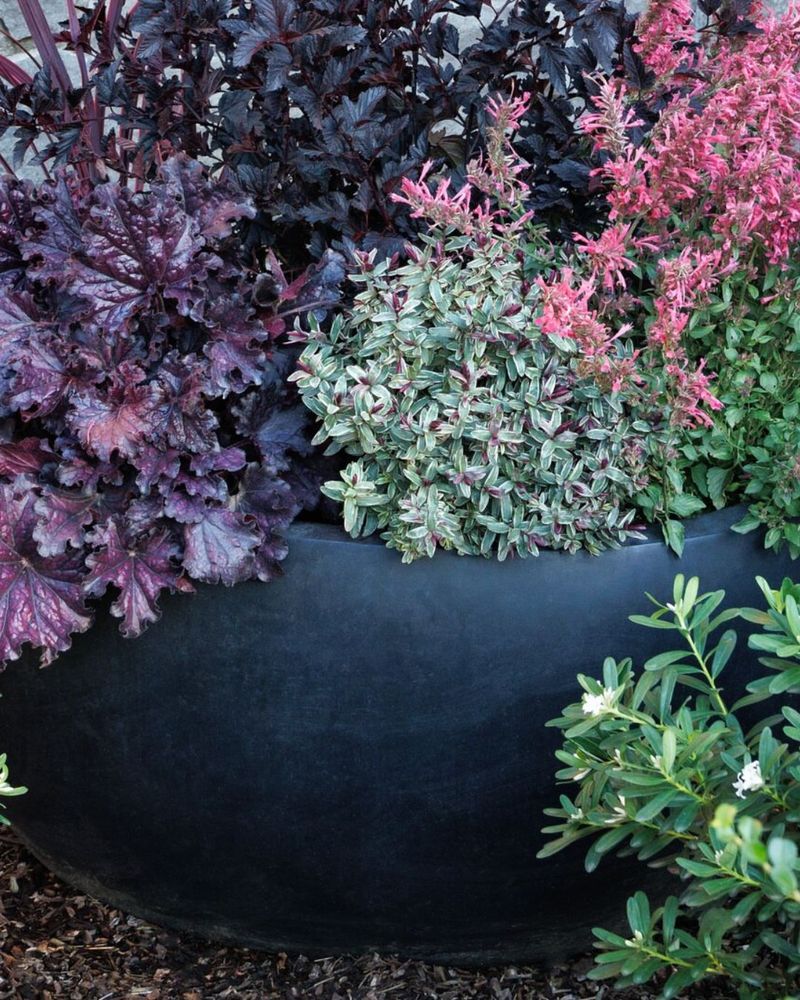
Flowers get all the attention, but foliage is what makes a garden look good every single day. Flowers bloom and fade, but great foliage is there for the long haul.
Building your plant combinations around interesting leaves and stems gives your California garden year-round structure and beauty.
Silver-leaved plants like artemisia and lamb’s ear glow in the California sunshine. They also make neighboring flower colors look more vibrant by contrast.
Deep burgundy foliage from plants like cordyline or dark-leaved heuchera adds drama and depth to any planting bed.
Chartreuse and lime-green foliage from plants like euphorbia or golden creeping Jenny acts like a natural light source in shaded garden corners. These bright tones energize nearby plants and make darker spots feel more welcoming.
Think of foliage as your garden’s background music. It sets the mood and holds everything together even when nothing is in bloom.
In California, where summers can be long and dry, many flowering plants take a break. Foliage-focused gardens stay attractive through even the toughest months.
Start your design by choosing three to five foliage plants with different colors, shapes, and textures. Then add flowering plants around them as accents.
This approach ensures your California garden always has something beautiful to offer, no matter the season.