These 9 California Native Plants Choke Out Weeds Naturally
Weeds have a sneaky way of showing up exactly where you do not want them. One open patch in a California yard, and suddenly it feels like they got there first.
That is why so many gardeners are starting to lean on native plants that know how to fill space beautifully while making life a lot harder for unwanted growth.
It is a smart shift, and a satisfying one too. Instead of constantly pulling, spraying, or staring at bare soil, you can plant something that belongs there and let it get to work.
The right native choices spread low, grow thick, and help shade the ground so weeds have less room to move in. And the best part is that this kind of planting does not feel like a compromise.
California native plants can bring color, texture, and a more natural look while quietly doing one of the most useful jobs in the garden. Once they settle in, the whole yard starts working in your favor.
1. Hummingbird Sage
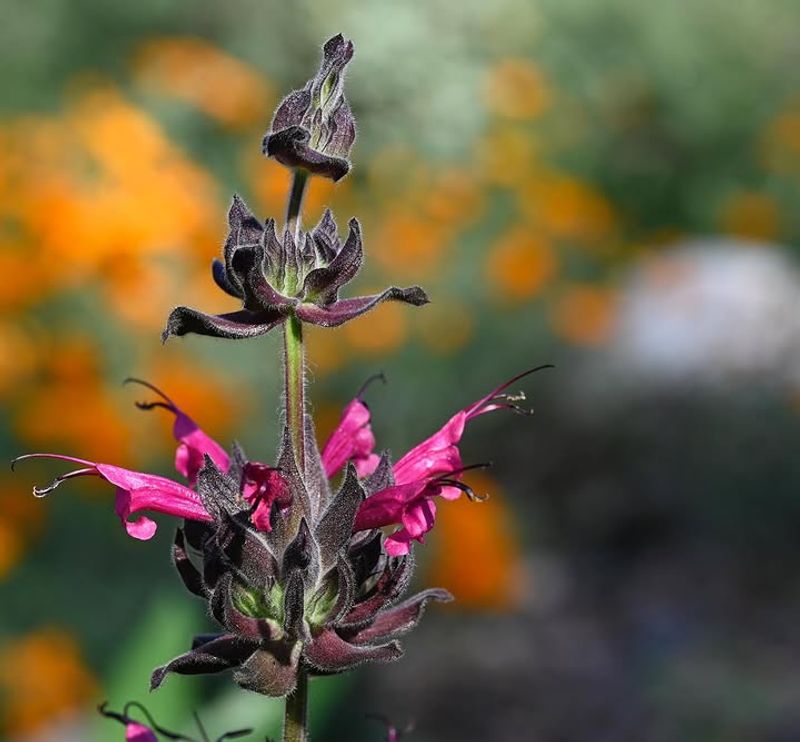
Few plants pull double duty quite like Hummingbird Sage. Not only does it bring a splash of rosy-pink color to California gardens, but its broad, textured leaves grow so thick that weeds simply cannot find room to sprout underneath.
It spreads steadily through underground rhizomes, filling in bare patches naturally.
This plant loves shady spots under oak trees, which makes it a great choice for areas where other groundcovers struggle. Once it gets established, it needs very little water.
That makes it a smart pick for California gardeners dealing with dry summers.
The flowers are long and tubular, which is exactly what hummingbirds love. You will likely see these tiny birds visiting your garden regularly from spring through early summer.
Beyond looking beautiful, those blooms also attract native bees and other helpful pollinators.
Hummingbird Sage grows about one to two feet tall and spreads several feet wide over time. Plant it in groups for the best weed-suppressing effect.
With minimal care and maximum charm, this California native earns its place in any low-maintenance garden looking for natural weed control.
2. Beach Strawberry
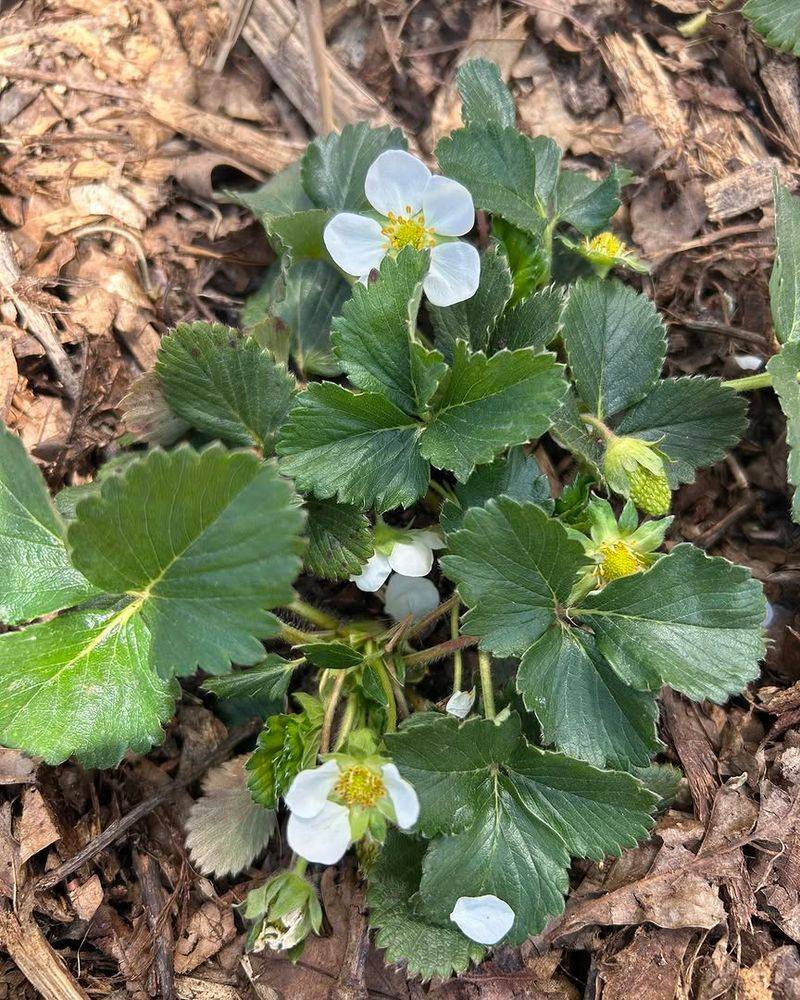
Imagine a groundcover that smothers weeds AND grows tiny edible strawberries. That is exactly what Beach Strawberry brings to California gardens.
This cheerful little plant spreads through runners, weaving a tight, interlocking mat of glossy leaves that weeds simply cannot push through.
Beach Strawberry is native to California’s coastline, and it thrives in both sunny and partially shaded spots. It is tough enough to handle sandy soils and salty air, which makes it a popular choice for coastal California landscapes.
Inland gardeners have found success with it too, especially in well-drained garden beds.
In spring, it covers itself with small white flowers that are pretty enough to stop you in your tracks. Those flowers turn into tiny red strawberries that birds absolutely love.
It is a wonderful way to support local wildlife while keeping your garden beds clean and weed-free.
This plant stays low to the ground, usually only a few inches tall. It spreads quickly once established and fills gaps fast.
Your California Garden Changes Every Week. Your Plan Should Too.
Gardening in California changes quickly throughout the season. Every Friday you’ll receive a simple weekly plan showing exactly what to plant, prune, fertilize, harvest, and protect so you never miss the right timing.
If you want a hardworking, charming, and edible groundcover for your California garden, Beach Strawberry is one of the best choices you can make.
3. Prostrate Coyote Brush
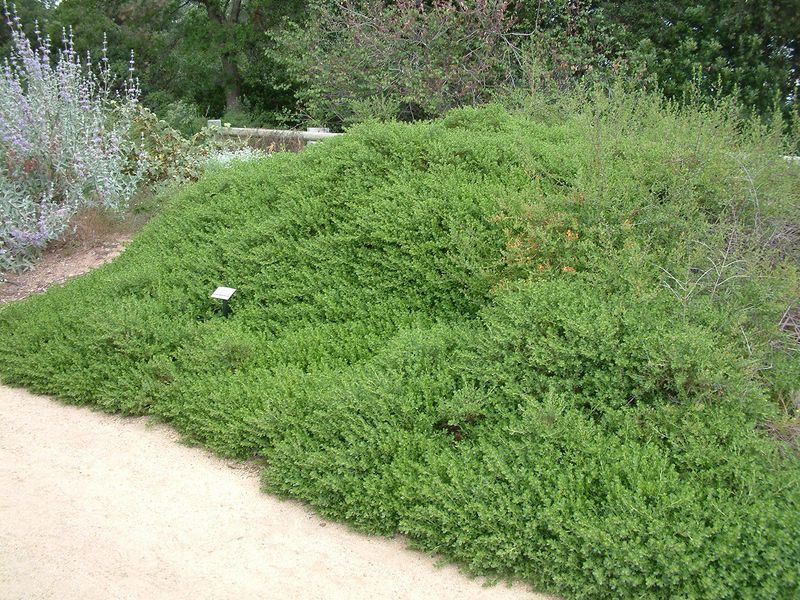
If you need a tough, no-nonsense groundcover for a sunny California slope or dry garden bed, Prostrate Coyote Brush is your answer. This evergreen shrub hugs the ground and spreads wide, forming a dense blanket of small, glossy leaves that shades out weeds completely.
It is one of the hardest-working plants in California native landscaping.
What makes it especially impressive is its drought tolerance. Once it gets established, it barely needs any supplemental water.
That is a huge advantage in California, where water conservation is always on gardeners’ minds. It also handles poor soils and slopes with ease, making it great for erosion control.
Prostrate Coyote Brush can spread up to ten feet wide while staying only one to two feet tall. That wide, low profile is exactly what makes it so effective at blocking weed growth.
Sunlight cannot reach the soil beneath it, so weed seeds never get the chance to sprout.
It also provides habitat for native insects and small wildlife, which adds real ecological value to your yard. Plant it in full sun for best results.
For California gardeners wanting low-maintenance, high-impact coverage, this plant delivers every single time.
4. California Fuchsia
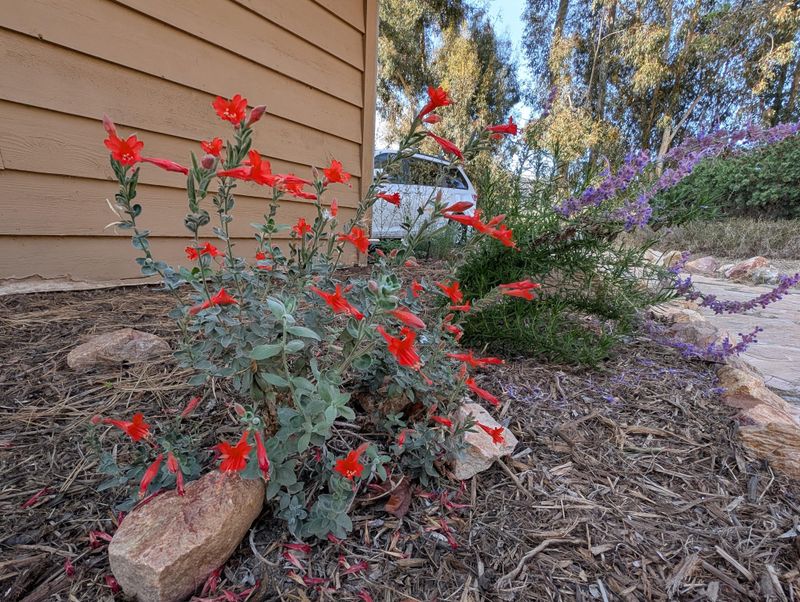
Bright red and buzzing with hummingbirds, California Fuchsia is one of the most eye-catching plants you can grow in a California garden.
It blooms in late summer and fall when most other plants have slowed down, which gives your garden a welcome burst of color at just the right time.
Beyond its looks, California Fuchsia is a serious weed fighter. It spreads through underground stems and forms a dense, silvery-green mat that crowds out unwanted plants.
The more it spreads, the less room weeds have to grow. It is a natural and beautiful solution to a frustrating problem.
This plant thrives in full sun and is highly drought-tolerant once established. That makes it perfectly suited to California’s warm, dry summers.
It does not need much fertilizer or fussing, which is always welcome news for busy gardeners.
California Fuchsia typically grows about one to two feet tall and spreads several feet wide. Cutting it back in late winter encourages fresh, bushy growth in spring.
With its bold color, wildlife value, and strong weed-suppressing habit, this California native is a triple threat that every garden deserves to have.
5. Yerba Buena
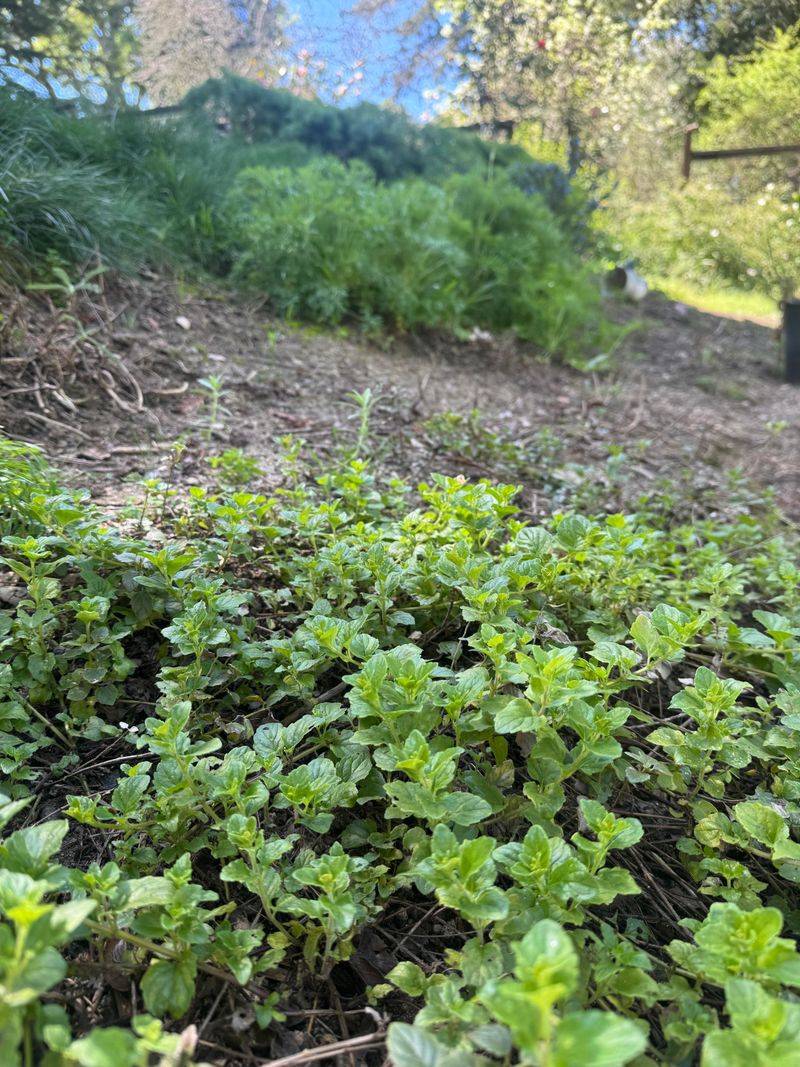
There is something special about a plant that smells like mint and chokes out weeds at the same time. Yerba Buena is a California native with tiny, rounded leaves and a fresh, minty scent that makes it a delight to walk near.
Historically, Indigenous Californians used it as a medicinal herb, giving it a rich and meaningful history in this region.
It spreads along the ground through trailing stems, weaving a low, soft mat that gradually fills in garden beds. That dense mat shades the soil and prevents weed seeds from getting the light they need to sprout.
It is especially effective in shaded or partly shaded areas where other groundcovers struggle to perform.
Yerba Buena prefers cool, moist spots, making it a great fit for the shaded corners of California gardens. It works beautifully under trees or along garden pathways where foot traffic is light.
Once established, it is fairly drought-tolerant, though it appreciates occasional watering during dry spells.
The plant stays very low to the ground, usually only a few inches tall. It is not flashy, but it is reliable and wonderfully fragrant.
For a California garden that smells as good as it looks, Yerba Buena is a quiet but impressive performer.
6. Common Lippia
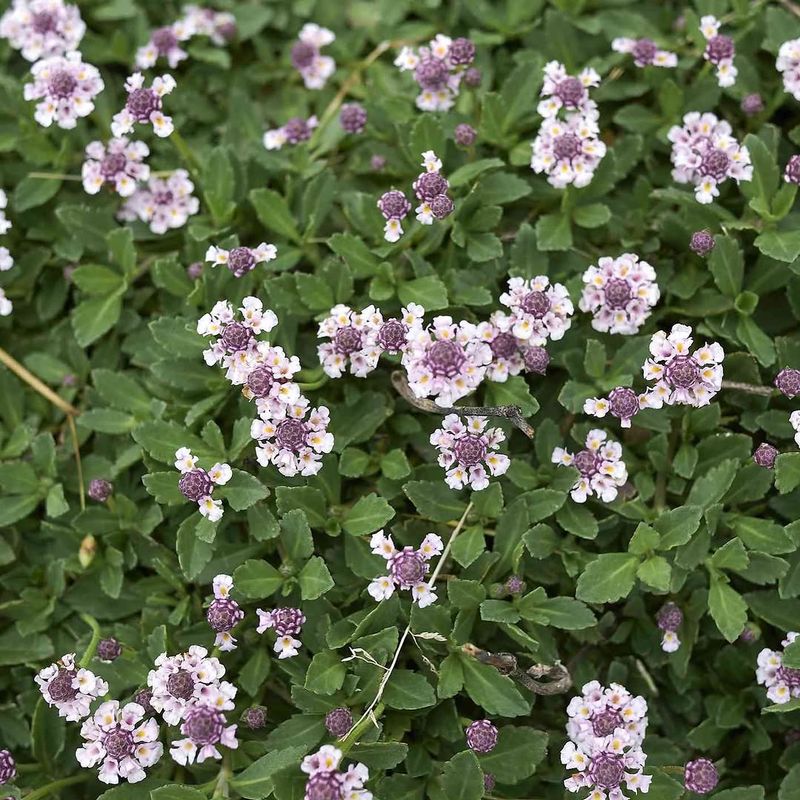
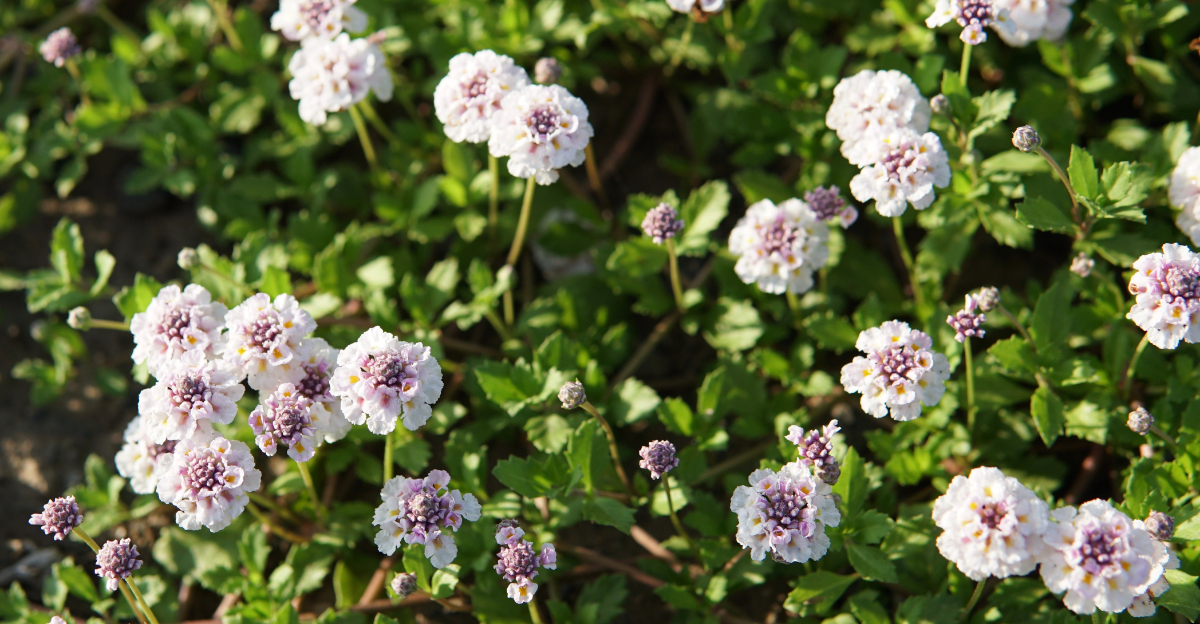
Common Lippia might not be the most famous plant on this list, but California gardeners who know it absolutely swear by it. Also called Frog Fruit, this low-growing perennial spreads aggressively across the ground, forming a tight, lush mat that weeds have almost no chance of breaking through.
It is one of the most effective living mulches available for warm California climates.
It thrives in full sun and handles heat and drought like a champion. During summer, it stays green and dense even when other plants are looking stressed.
That reliable coverage is exactly what makes it such a popular lawn alternative in Southern California and other warm parts of the state.
The tiny pink and white flower clusters are a bonus. They bloom from spring through fall, attracting butterflies and bees in impressive numbers.
If you care about supporting pollinators in your California garden, Common Lippia gives you a beautiful reason to do so.
It tolerates moderate foot traffic, which makes it useful along pathways and in open areas between stepping stones. It grows only one to three inches tall, staying flat against the ground.
For coverage that is fast, tough, and surprisingly pretty, Common Lippia earns a well-deserved spot in any California weed-control strategy.
7. Creeping Sage
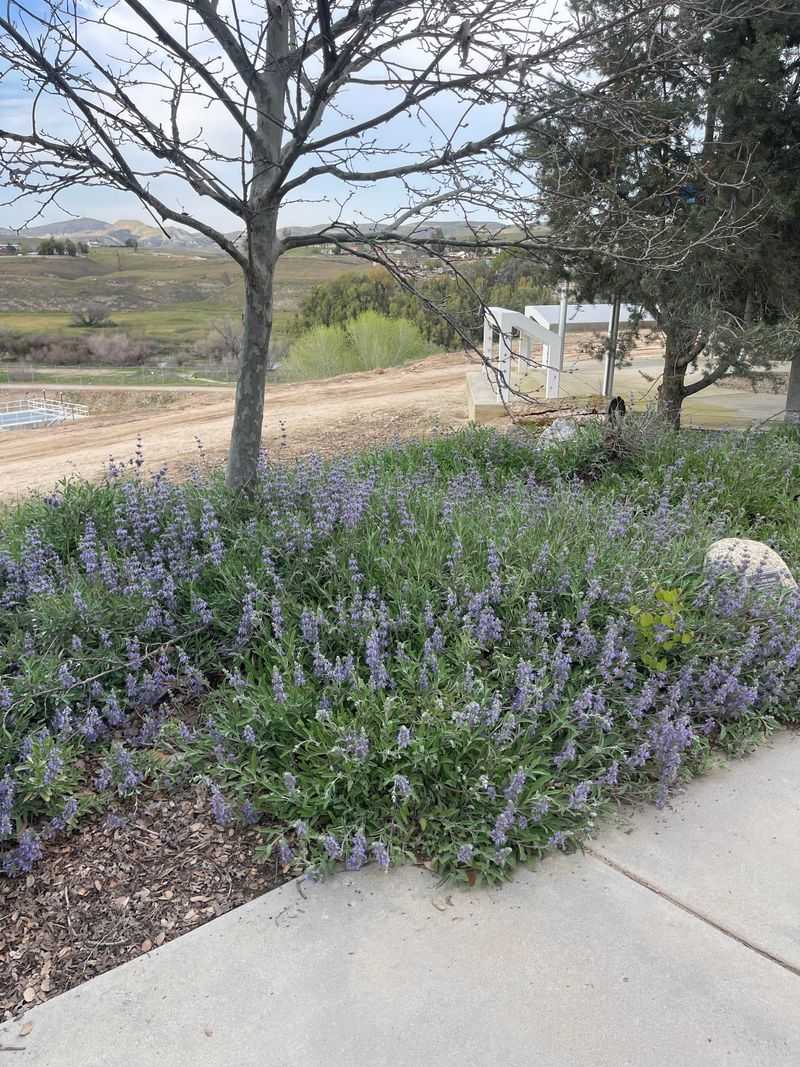
Walk past a patch of Creeping Sage on a warm California afternoon and you will immediately understand why gardeners love it. The moment you brush against its leaves, a wonderful herbal fragrance fills the air.
But beyond smelling amazing, this plant is a powerhouse when it comes to keeping weeds out of your garden beds.
Creeping Sage spreads low and wide, forming a dense, aromatic mat that blocks light from reaching the soil below. Weed seeds need light to sprout, so once Creeping Sage fills in an area, most weeds simply cannot get started.
It is a natural and elegant solution for sunny, dry spots in California landscapes.
This plant is extremely drought-tolerant and loves full sun. It is perfectly adapted to California’s Mediterranean climate, where summers are long, hot, and dry.
Once established, it needs almost no supplemental watering, making it a truly low-maintenance choice for water-conscious gardeners.
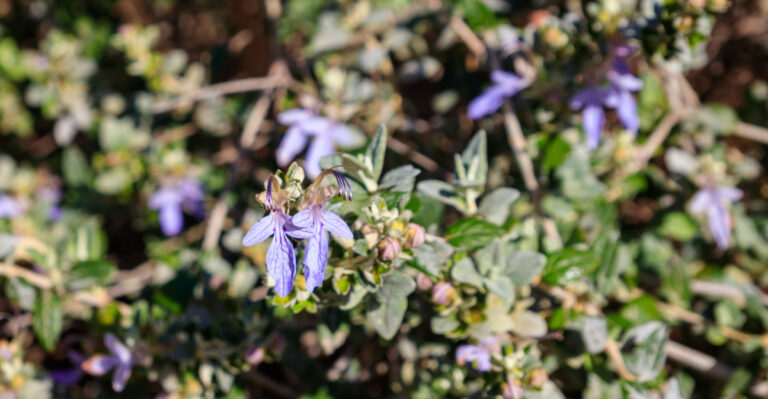
In spring, it produces clusters of small lavender-blue flowers that attract native bees and other pollinators. It typically grows about one foot tall and spreads two to three feet wide.
For California gardeners who want fragrance, beauty, and serious weed control all in one plant, Creeping Sage checks every box beautifully.
8. Yarrow
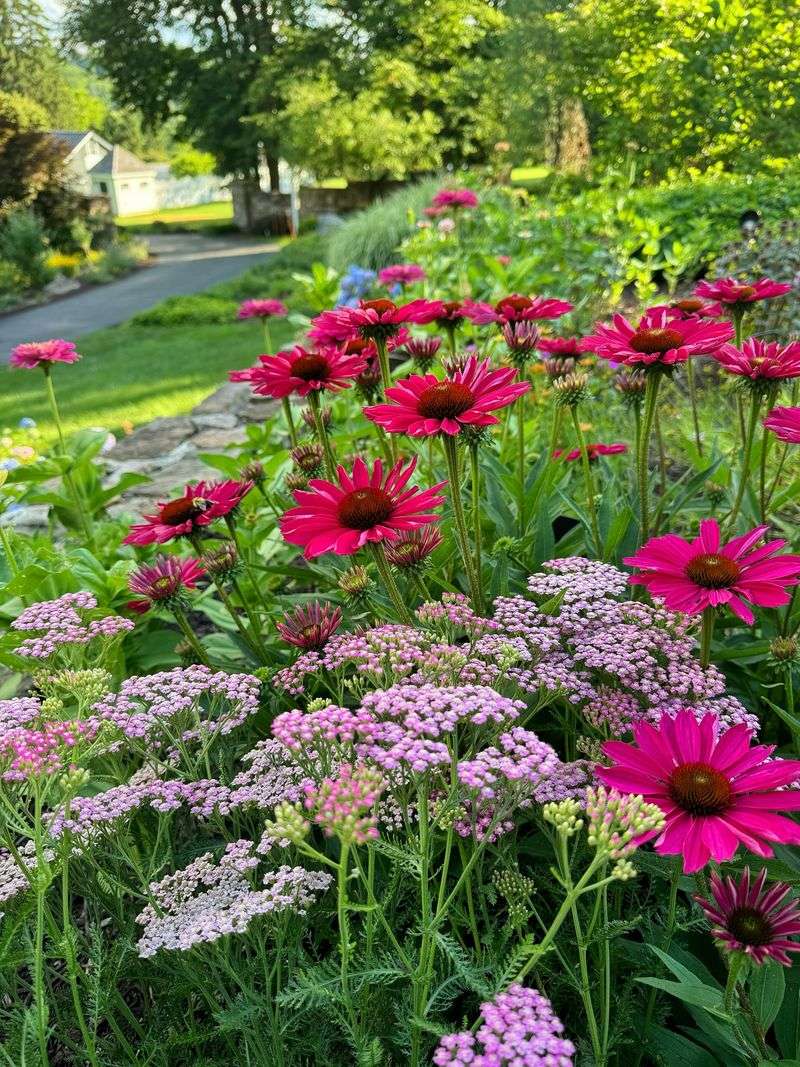
Yarrow has been growing wild across California hillsides for thousands of years, and it has earned every bit of its legendary toughness.
This perennial forms a dense, feathery mat of fern-like leaves that spreads steadily outward, filling in garden beds and crowding out weeds with impressive efficiency.
It is one of those plants that just gets better the more space you give it.
The flat-topped flower clusters bloom from late spring through fall, bringing color to California gardens for months at a time. White and yellow are the most common colors for native varieties, and both are beautiful.
Those flowers also attract an incredible variety of beneficial insects, including native bees, butterflies, and predatory wasps that help keep pest populations in check.
Yarrow is highly drought-tolerant and thrives in full sun. It handles poor, rocky soils without complaint, which makes it useful in challenging spots where other plants might struggle.
California’s dry summers are no problem for this resilient native.
Cutting it back in late fall helps it come back fuller and healthier the following spring. It spreads through both seeds and underground rhizomes, so it fills in gaps quickly.
For a reliable, wildlife-friendly, and weed-suppressing groundcover in California, Yarrow is a timeless classic that never disappoints.
9. Carmel Sur Manzanita
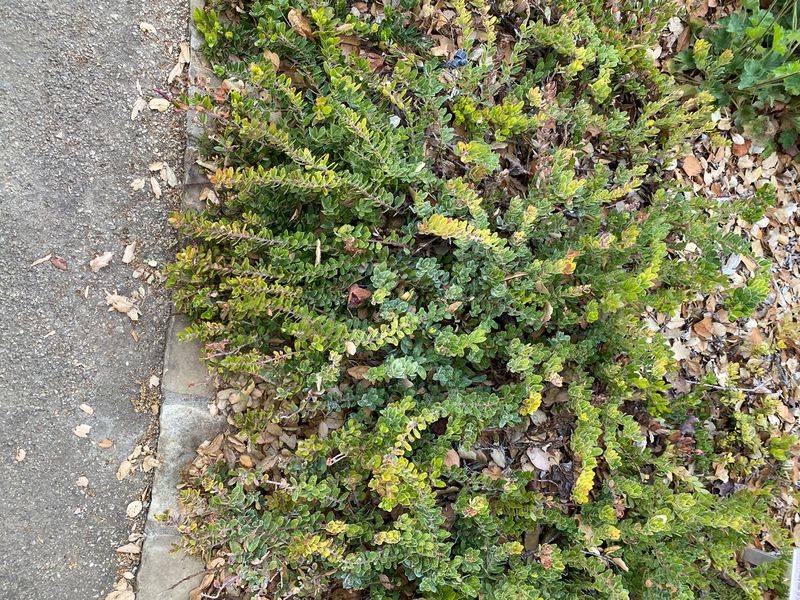
Named after the stunning Big Sur coastline of California, Carmel Sur Manzanita is as beautiful as the landscape that inspired its name. This low-growing evergreen spreads into a thick, glossy carpet that is nearly impossible for weeds to penetrate.
It is one of the most reliable and handsome groundcovers available for California native gardens.
The small, urn-shaped pink flowers appear in late winter and early spring, providing an early source of nectar for hummingbirds and native bees. After the flowers fade, tiny red berries form, which local birds find irresistible.
Planting Carmel Sur Manzanita is like setting up a natural feeding station for California wildlife.
It thrives in full sun to partial shade and is extremely drought-tolerant once established. That combination of adaptability and low water needs makes it a top choice for California gardeners looking to conserve resources without sacrificing beauty.
It handles coastal conditions particularly well, including wind and sandy soils.
Carmel Sur Manzanita typically grows about one foot tall and spreads four to six feet wide. That wide, low spread is exactly what makes it so effective at smothering weeds.
For a California garden that looks polished, supports wildlife, and stays weed-free with minimal effort, this manzanita is an outstanding choice from the ground up.