The Real Reason Peonies Flop In Ohio (And How To Fix It This Spring)
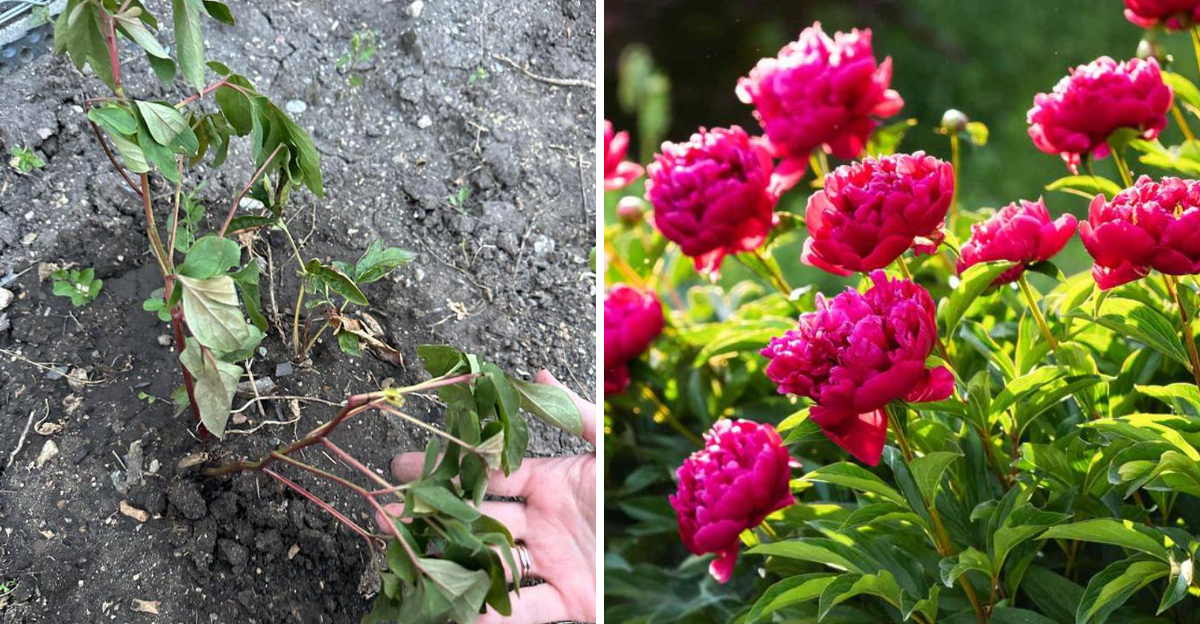
Every spring, Ohio gardens burst with peony buds full of promise, yet many of those beautiful blooms soon end up face down in the soil. Heavy flowers collapse, stems bend, and what should be a stunning display turns into a frustrating mess almost overnight.
Rain, wind, and shifting temperatures often take the blame, but the true cause usually starts long before the first bud opens. Many gardeners repeat the same routine year after year without realizing a small hidden issue is setting their peonies up to flop.
The signs are easy to miss until the damage is already done. Strong, upright blooms are not a matter of luck.
They come from understanding what peonies truly need before and during the growing season. Before another round of flowers falls flat, discover the real reason peonies flop in Ohio and what you can do this spring to keep them standing tall.
1. Weak Stems Struggle To Support Heavy Blooms
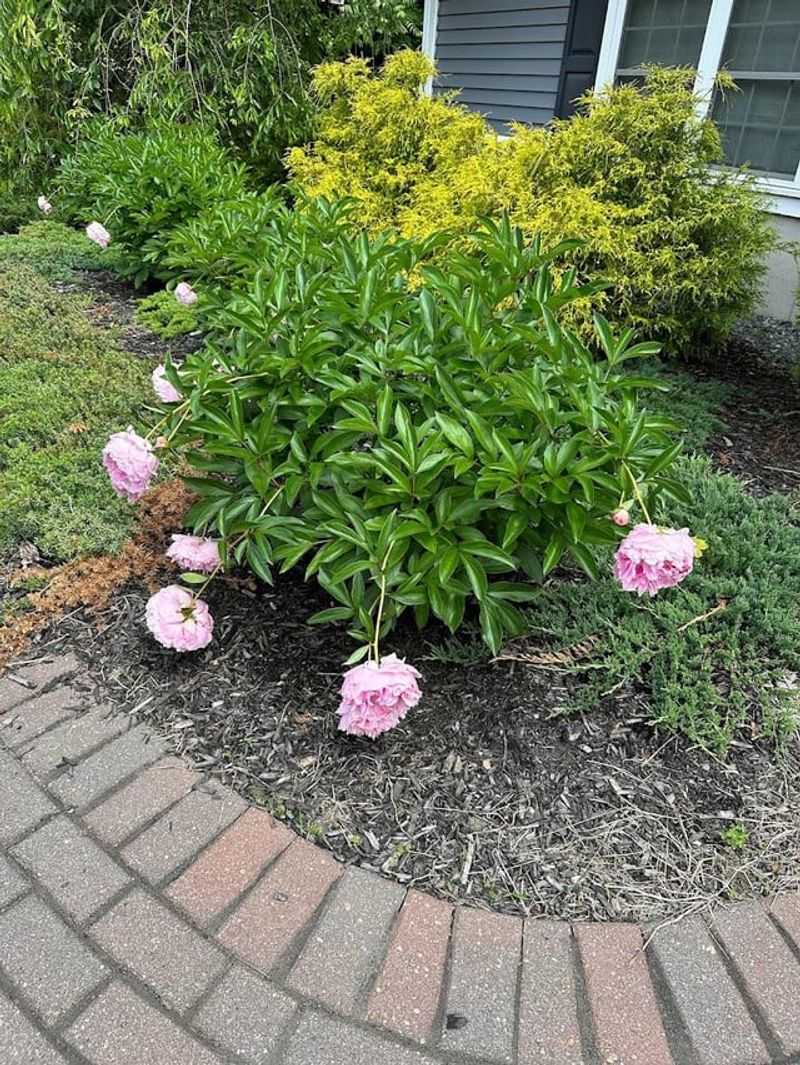
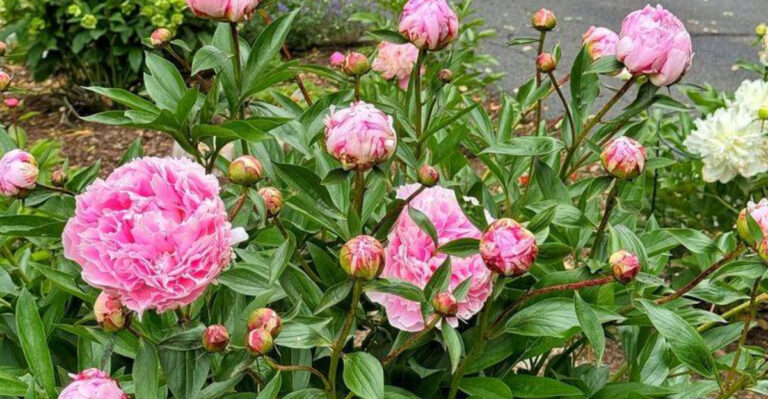
Some peony varieties produce absolutely massive flowers that can measure six inches across or more when fully open. All those petals add up to serious weight, and not every stem is built to handle that load without bending.
Double-flowered types pack in layer after layer of ruffled petals, creating a bloom so heavy it naturally pulls the stem downward.
Older cultivars and certain heirloom varieties tend to have thinner, more flexible stems that simply can’t hold up under all that floral bulk. Even healthy, well-fed plants can struggle if the variety itself wasn’t bred for sturdy upright growth.
This becomes especially noticeable when Ohio gets those warm spring days that push blooms to open all at once.
Choosing varieties known for strong stems makes a big difference. Single and semi-double types tend to stay upright more easily than the heavily doubled show bloomers.
If you already have a floppy variety, adding support early in the season gives those weaker stems the backup they need.
Staking or using grow-through rings installed in early spring allows stems to grow up through the support structure naturally. By the time those big blooms open, the framework is already in place to keep everything standing tall and looking its best all season long.
2. Too Much Shade Leads To Tall Floppy Growth
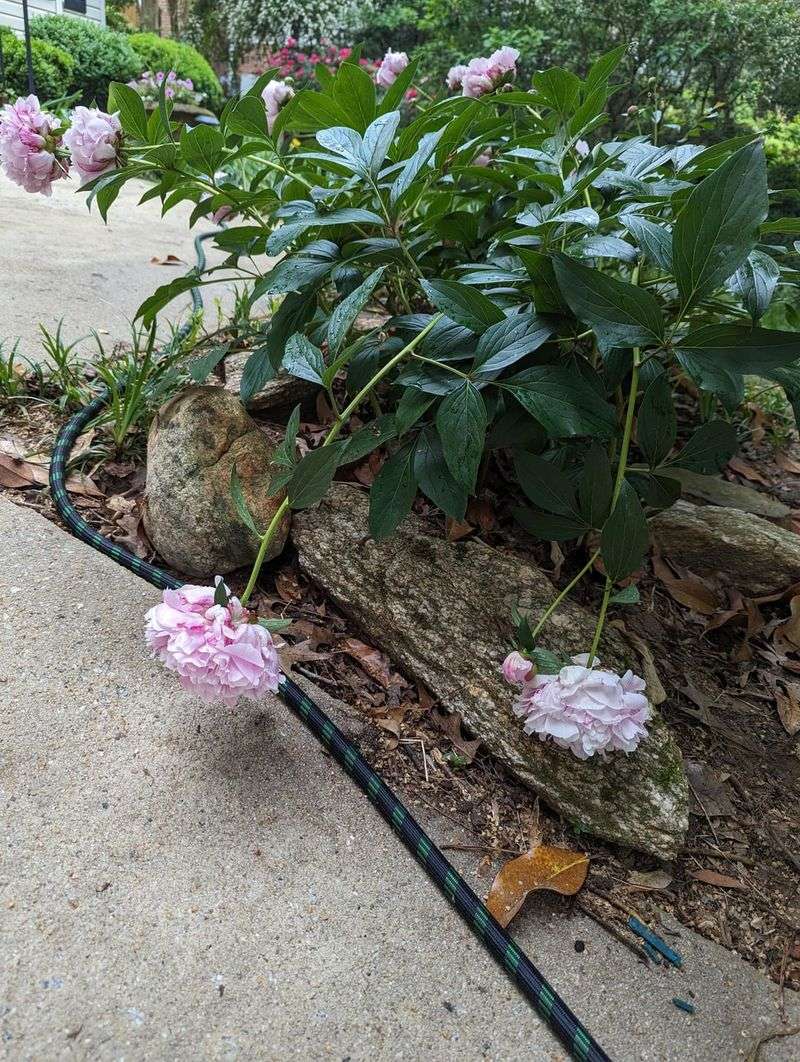
Plants naturally stretch toward available light, and when peonies don’t get enough sun, they respond by growing taller and leaner than they should. Instead of developing thick, sturdy stems, shaded plants put their energy into reaching upward, resulting in weak, spindly growth that can’t support blooms properly.
Ohio gardens with mature trees or structures blocking morning sun often see this problem.
Full sun means at least six hours of direct sunlight daily, and peonies really do best with even more. Anything less than that and you’ll notice stems that look lanky and pale, with fewer leaves along their length.
Those elongated stems lack the structural strength to hold up flowers, especially after rain adds extra weight.
Placement matters tremendously for long-term success. South-facing beds with minimal afternoon shade give peonies the bright conditions they need to develop stocky, robust stems.
Your Ohio Garden Changes Every Week. Your Plan Should Too.
Gardening in Ohio changes quickly throughout the season. Every Friday you’ll receive a simple weekly plan showing exactly what to plant, prune, fertilize, harvest, and protect so you never miss the right timing.
If your current planting spot only gets three or four hours of filtered light, consider moving plants this fall to a sunnier location.
Spring transplanting works too, but fall gives roots more time to establish before next year’s bloom season. Better light exposure leads to shorter, stronger stems that naturally stay upright without needing as much supplemental support throughout the growing season.
3. Overfertilizing Causes Soft Unstable Stems
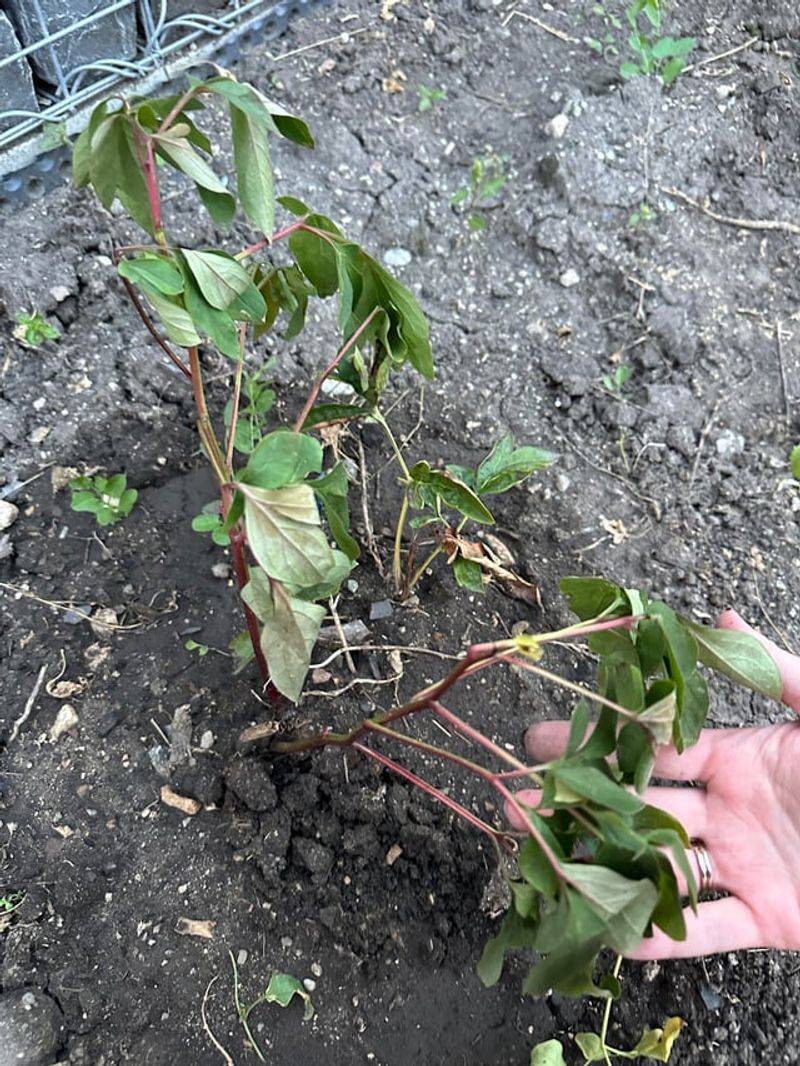
Feeding your peonies sounds like a great way to encourage bigger blooms, but too much fertilizer actually creates more problems than it solves. High-nitrogen formulas push plants to produce lots of leafy green growth at the expense of strong stem development.
That lush foliage looks impressive at first, but the stems underneath stay soft and watery, unable to support the weight of mature flowers.
Ohio gardeners often apply lawn fertilizer near flower beds, and that runoff can inadvertently overfeed nearby peonies. Excess nitrogen creates fast, weak growth that flops over as soon as blooms appear.
The stems might look thick, but they lack the firm, woody structure needed to stay upright under pressure.
Peonies don’t need heavy feeding to perform well. A light application of balanced fertilizer in early spring, right as shoots emerge, provides all the nutrition they need for the season.
Skip any additional feeding after that initial boost, and definitely avoid high-nitrogen lawn products near your peony beds.
Compost worked into the soil provides steady, gentle nutrition without the surge of synthetic fertilizers. Well-established plants in decent soil often don’t need any supplemental feeding at all, especially if you mulch annually with organic matter that breaks down slowly over time.
4. Spring Rain And Wind Push Blooms To The Ground
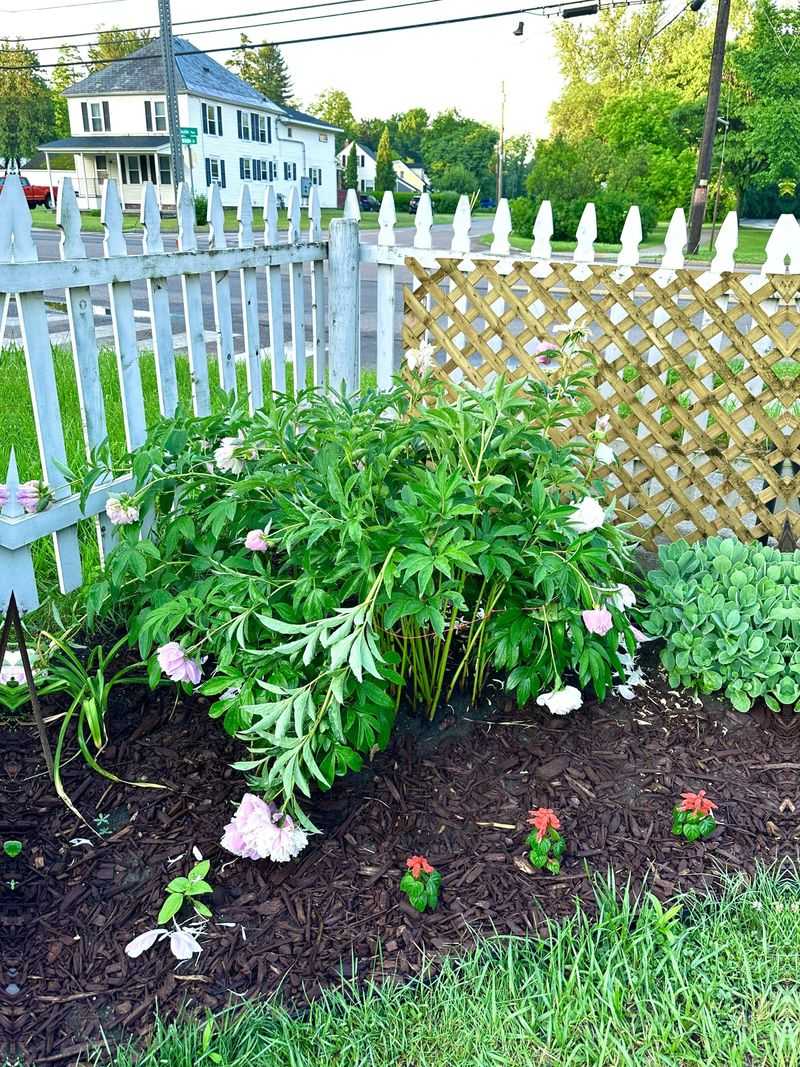
Ohio springs bring unpredictable weather, and nothing tests peony stems like a heavy rain followed by gusty winds. Water collects in all those layered petals, sometimes doubling or tripling the weight of each bloom overnight.
Add in wind that whips those water-heavy flowers around, and even strong stems can snap or bend to the ground.
Late May and early June, right when most peonies hit peak bloom, often bring afternoon thunderstorms across the state. A single downpour can flatten an entire bed of unsupported flowers in minutes.
Clay soils common in Ohio hold moisture longer, meaning stems stay wet and heavy for hours after the rain stops.
Saturated soil also softens around the base of plants, reducing the stability of the root system. When wet soil combines with top-heavy blooms and strong wind, plants simply can’t stay anchored upright.
The combination of factors creates the perfect storm for widespread flopping.
Installing support structures before buds swell gives plants protection when bad weather hits. Rings and stakes keep stems from bending too far even when loaded with rainwater.
Choosing planting sites with good drainage helps soil firm up faster after storms, giving roots better anchorage throughout the bloom period.
5. Crowded Plants Lose Strength And Structure
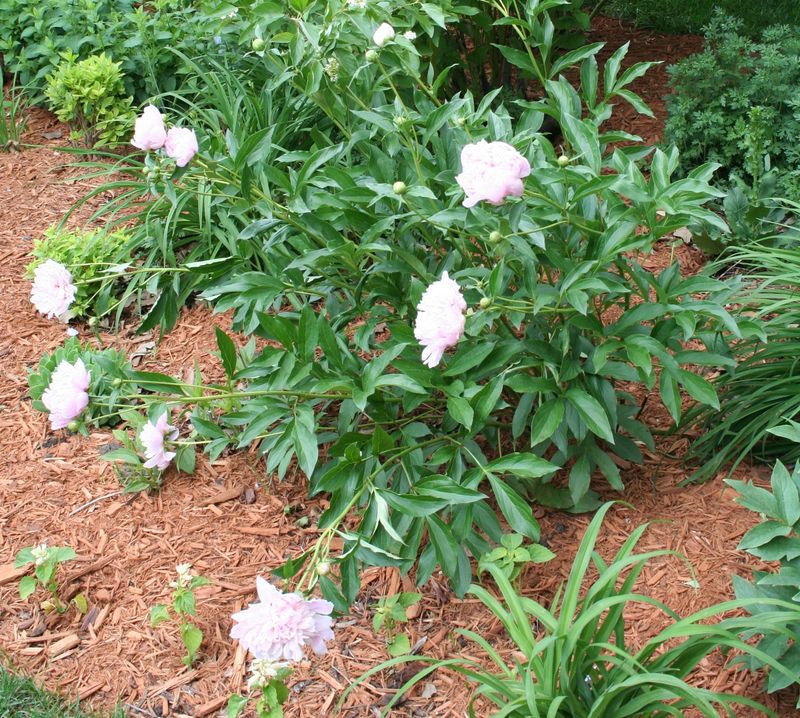
Mature peony clumps can grow quite large over time, with dozens of stems emerging from a single root mass each spring. When plants get too crowded, individual stems compete for light, water, and nutrients, resulting in thinner, weaker growth overall.
Instead of a few robust stems, you end up with many spindly ones that can’t support blooms properly.
Overcrowding also reduces air circulation around stems and foliage, creating conditions that favor fungal problems. Weak, disease-stressed stems flop more easily than healthy ones.
Ohio’s humid spring weather makes good airflow especially important for preventing issues that compromise stem strength.
Plants that haven’t been divided in ten years or more often show this crowding problem. The center of the clump may even stop producing stems altogether, with all the growth pushed to the outer edges where conditions are slightly better.
Those outer stems still struggle because they’re competing with too many neighbors.
Division every five to seven years keeps plants vigorous and productive. Fall division works best in Ohio, giving roots time to establish before winter.
Each division should have three to five eyes and plenty of healthy root material. Properly spaced divisions develop into strong, well-structured plants that produce sturdy stems capable of holding up blooms without extra support.
6. Planting Too Deep Reduces Stem Strength
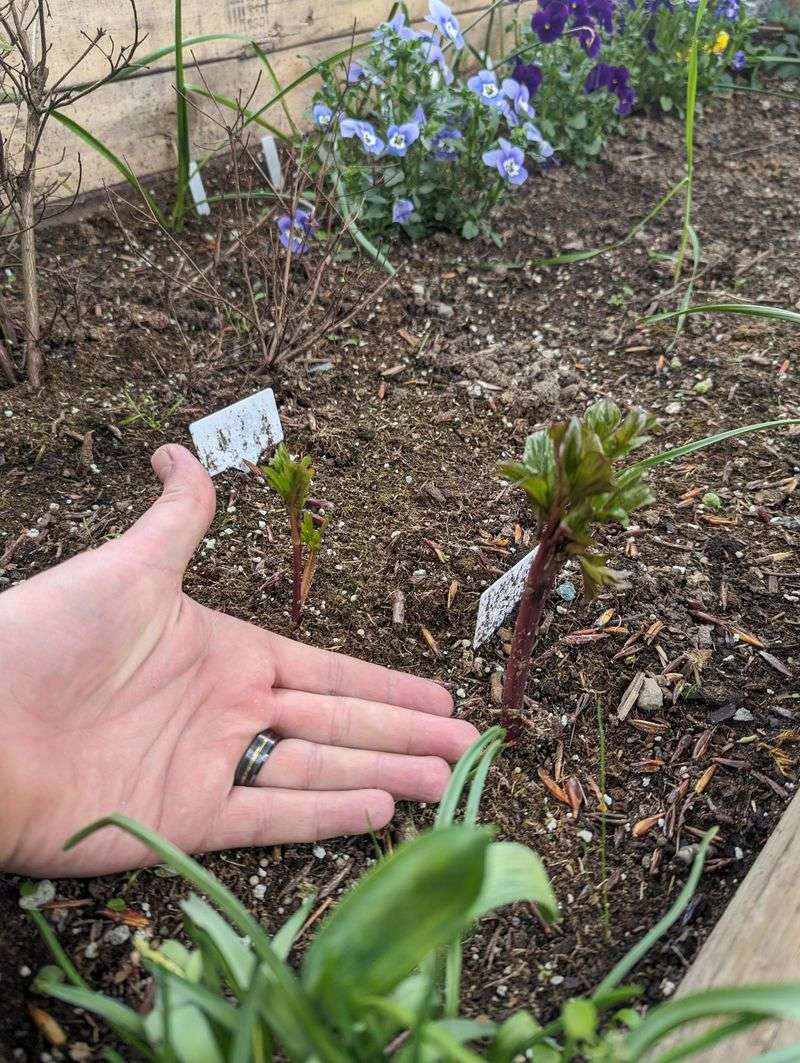
Planting depth might seem like a minor detail, but it dramatically affects how well peonies perform year after year. Those pink or red buds on the root crown need to sit just one to two inches below the soil surface in Ohio.
Any deeper and stems emerge weak and spindly, struggling to push through all that extra soil before reaching sunlight.
Deep-planted peonies often produce lots of foliage but few or no flowers, and the stems that do develop tend to be thin and floppy. The plant wastes energy pushing through excess soil instead of building strong stems and healthy blooms.
Even if flowers appear, they typically flop over because the stems never developed proper strength.
Many gardeners plant peonies at the same depth they would other perennials, burying the crown three or four inches down. That works fine for daylilies or hostas, but peonies have very specific needs.
Too-deep planting is one of the most common mistakes in Ohio gardens and one of the hardest to diagnose without digging up the plant.
Correcting planting depth means lifting the entire root mass in fall and replanting at the proper height. Mark the correct depth before backfilling, and resist the urge to add extra mulch over the crown later.
Properly positioned plants develop strong stems from the start.
7. Lack Of Support Lets Flowers Collapse Early
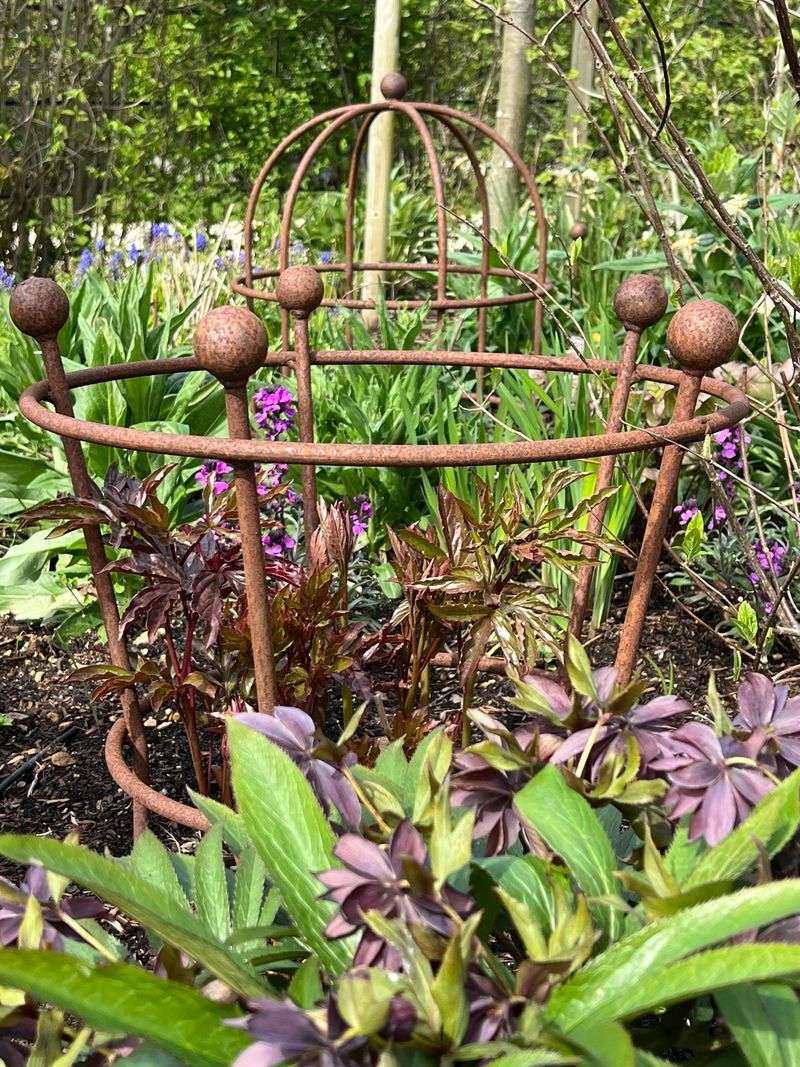
Even the strongest peony stems benefit from a little help, especially once those big blooms open up. Support structures work best when installed early, before stems get too tall and start leaning.
Waiting until flowers appear means you’re trying to prop up already-flopping stems, which never works as well and can damage both stems and buds.
Peony rings, also called grow-through supports, slip over emerging shoots when they’re just a few inches tall in early spring. As stems grow up through the grid, they’re naturally held in an upright position.
By bloom time, the support is completely hidden by foliage, and flowers stay perfectly upright even in wind and rain.
Ohio gardeners should install supports in April, right as new growth breaks through the soil. Stakes and rings need to be sturdy enough to handle the weight of multiple blooms plus rain and wind.
Flimsy supports bend or tip over, defeating the whole purpose.
Individual stakes work for smaller plants, but rings provide better all-around support for mature clumps. Green or black coated metal blends into the garden better than shiny silver.
Once installed, supports can stay in place all season, making them a simple, effective solution that prevents flopping before it starts.
8. The Simple Spring Fix That Keeps Peonies Upright
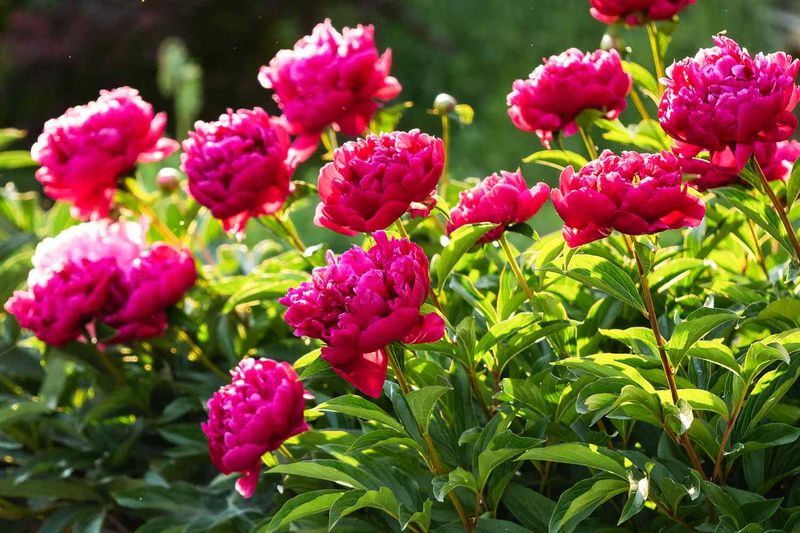
Preventing floppy peonies comes down to combining several smart practices into one early spring routine. Start by checking planting depth as soon as shoots emerge, making sure those buds sit no more than two inches below the surface.
If plants are too deep, mark them for fall transplanting and make the correction then.
Install support rings or stakes while stems are still short, giving plants the structure they need before blooms develop. Choose sturdy supports that can handle Ohio’s spring storms without bending or tipping.
Position rings so stems grow up through the grid naturally as they elongate.
Feed lightly with a balanced fertilizer just once in early spring, avoiding high-nitrogen products that promote weak, soft growth. If your soil is decent and you mulch regularly, you might skip feeding altogether.
Less is definitely more when it comes to peony nutrition.
Evaluate sun exposure and consider moving plants that get less than six hours of direct light. Better placement leads to stronger stems and fewer flopping issues long term.
Make sure plants aren’t overcrowded, and plan for division if clumps haven’t been split in more than seven years.
Taking these proactive steps in March and April sets your peonies up for success all season. You’ll enjoy upright, gorgeous blooms that stay off the ground and look spectacular from the moment they open until the petals finally drop.