The 8 Plants More Ohio Gardeners Are Growing To Help Keep Ticks Away
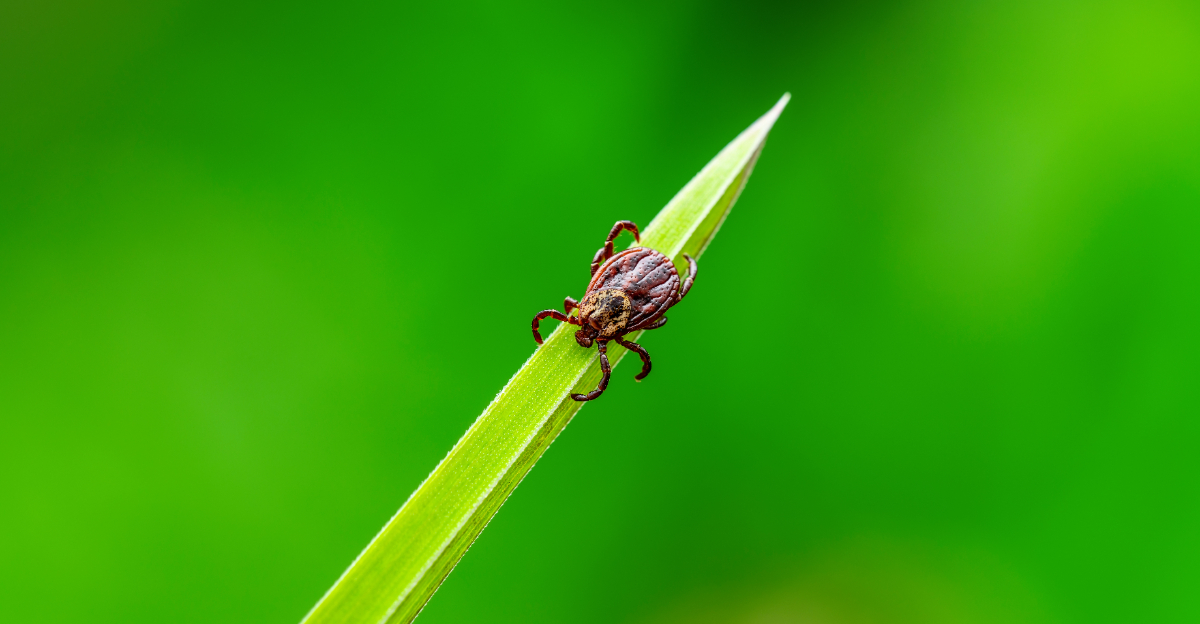
You step into your yard on a warm Ohio evening and feel that familiar flicker of doubt. Not about your plants, but about what might be hiding in the grass.
Ticks have become a quiet concern for many homeowners, showing up in places that once felt carefree. Lawns stay trimmed, beds look tidy, yet the problem lingers just out of sight.
More Ohio gardeners have started to shift their approach, turning to plants that naturally make outdoor spaces less inviting to ticks. It is not about drastic changes or harsh solutions.
Small planting choices can tip the balance in your favor while still keeping your yard beautiful and welcoming. The difference shows up over time.
Fewer unwanted encounters, more peace of mind, and a landscape that works with you instead of against you. It often starts with the right plants in the right places.
1. Lavender Brings Strong Scent To High-Traffic Areas
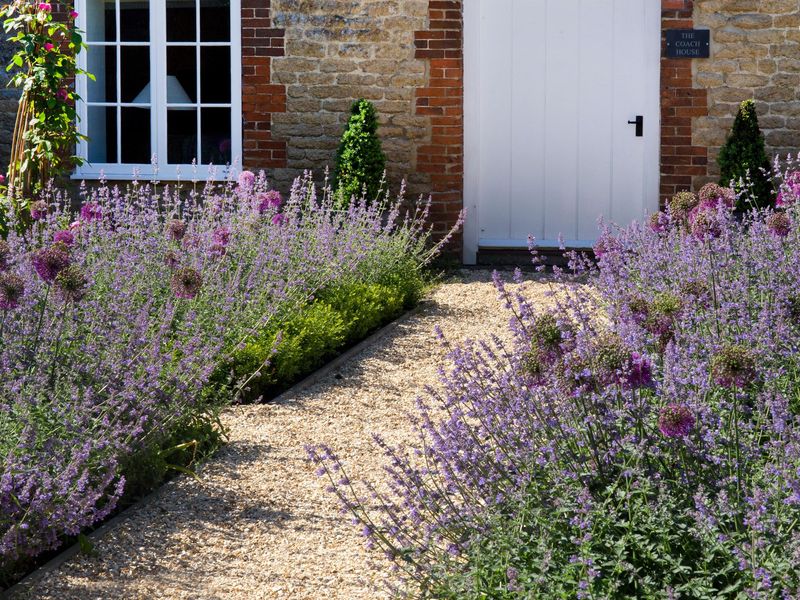
Walking past a row of lavender in full bloom is one of those small garden moments that sticks with you.
That rich, unmistakable fragrance comes largely from a compound called linalool, and while lavender is beloved by people and pollinators, many insects find it far less appealing.
Placing it near patios, walkways, and seating areas is a strategy more Ohio gardeners are using as part of a thoughtful yard approach.
Lavender thrives in full sun and well-drained soil, which makes it a solid fit for many Ohio landscapes, especially in raised beds or sloped areas where water does not pool. It does best in zones 5 through 8, and most of Ohio falls comfortably within that range.
Choosing a hardy variety like Hidcote or Munstead gives you a better chance of it coming back strong each spring.
Planting lavender along the edges of paths creates a natural buffer zone between manicured lawn and wilder areas of the yard.
Ohio State University Extension emphasizes that reducing tick habitat through clear boundaries and managed vegetation is one of the most effective yard strategies available.
Lavender will not solve the problem alone, but as part of a well-maintained landscape, it earns its place near the spots where your family actually spends time outdoors.
2. Rosemary Holds Up Well In Hot Sunny Spots
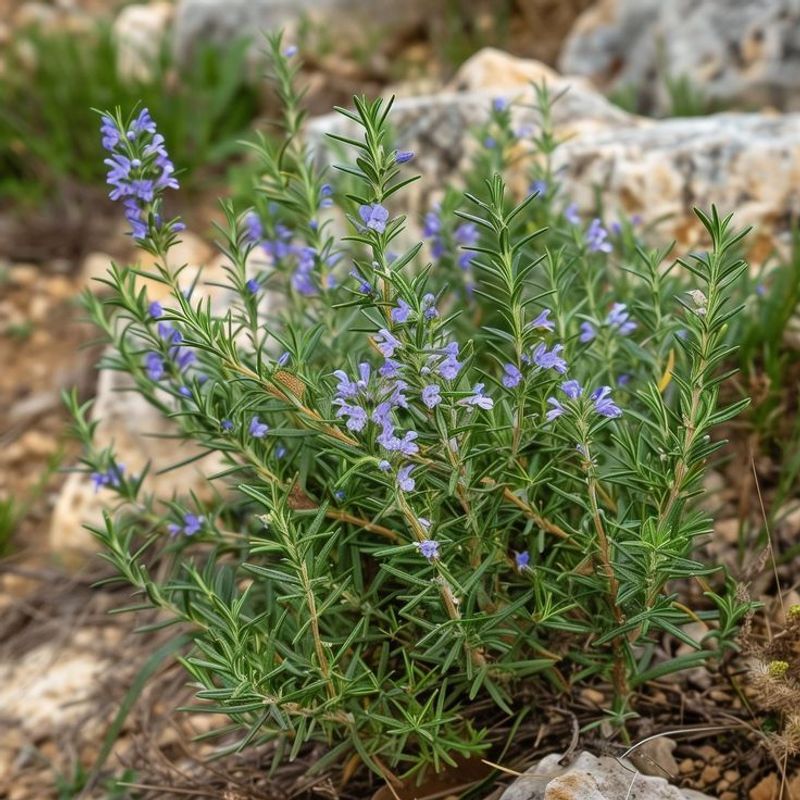
If you have a south-facing bed or a corner of the yard that bakes in the afternoon sun, rosemary might be exactly what belongs there.
This Mediterranean herb is built for heat and drought, producing stiff, needle-like leaves packed with a sharp, piney fragrance that many insects find uninviting.
Gardeners often tuck it near seating areas or along sunny borders where foot traffic is frequent.
The honest reality for Ohio growers is that rosemary can struggle through harsh winters, especially in the northern parts of the state.
Zones 6 and above give it a fighting chance in the ground, but many gardeners prefer to grow rosemary in containers so it can be brought into a garage or cool indoor space before the first hard freeze.
A terracotta pot with excellent drainage works well and makes moving it simple.
Your Ohio Garden Changes Every Week. Your Plan Should Too.
Gardening in Ohio changes quickly throughout the season. Every Friday you’ll receive a simple weekly plan showing exactly what to plant, prune, fertilize, harvest, and protect so you never miss the right timing.
During the warmer months, rosemary is low maintenance and nearly carefree. It rarely needs extra water once established and does not require much fertilizer.
Keeping it pruned encourages bushy, fragrant growth rather than leggy stems.
As part of a broader yard management routine that includes mowing, clearing brush, and managing leaf litter, rosemary adds both culinary value and a strongly scented presence to the spots in your yard that get the most use throughout the season.
3. Catmint Fills Gaps With Fragrant Foliage
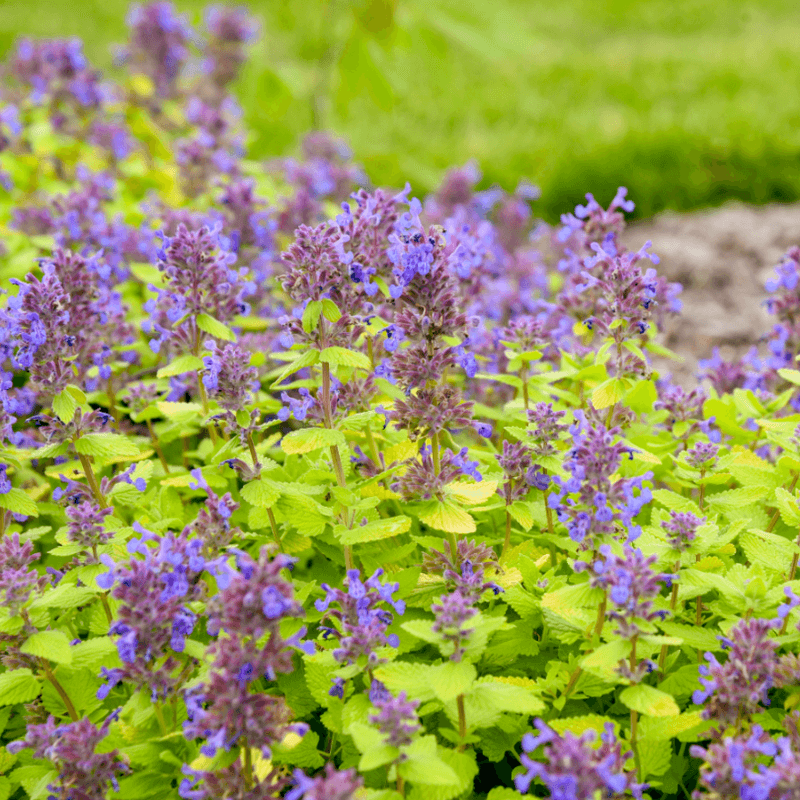
Few plants work as hard for as little attention as catmint. From late spring through early fall, it pushes out wave after wave of soft lavender-blue flowers that pollinators absolutely love.
Cut it back by about a third after the first flush of bloom and it rebounds quickly, giving you a second and sometimes third round of color before the season ends.
Beyond its good looks, catmint produces a strong, minty-herbal fragrance from its foliage. That scent is part of why it fits well into a garden strategy focused on making outdoor spaces less hospitable to unwanted pests.
Planting it along bed edges, near walkways, or at the transition between lawn and garden creates a fragrant, low-growing border that also softens the hard lines of a landscape.
For Ohio gardeners, catmint is a reliable perennial that handles the state’s variable weather without much fuss. It tolerates heat, bounces back after cold winters, and rarely has serious pest or disease problems.
It spreads at a manageable rate, filling in gaps without taking over the way more aggressive plants tend to do.
Pairing it with other fragrant herbs and keeping surrounding areas free of tall weeds and dense ground cover is the kind of layered approach that extension programs recommend for reducing tick-friendly habitat in residential yards across the state.
4. Sage Adds Structure And Aroma To Dry Beds
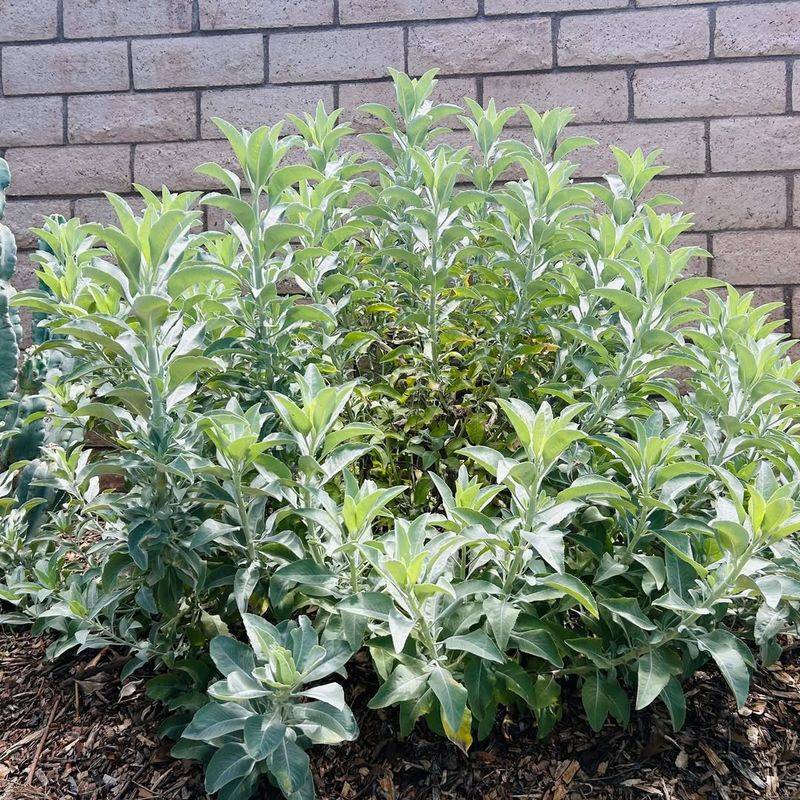
There is something almost architectural about a well-grown sage plant. The broad, textured leaves in shades of gray-green give it a presence in the garden that goes beyond most herbs.
Common culinary sage, Salvia officinalis, grows into a tidy mound that holds its shape through the season, making it useful for adding structure to otherwise loose or informal planting areas.
Sage performs best in dry, well-drained soil and full sun, which makes it an excellent candidate for raised herb beds or spots where other plants struggle because of poor drainage.
Ohio gardeners dealing with heavy clay soils may find that amending a bed with coarse sand and compost, or simply building up a raised section, gives sage the conditions it needs to truly thrive.
Good airflow around the plant also helps keep foliage healthy throughout the growing season.
The strong, earthy aroma that sage releases when its leaves are brushed or bruised is one reason it earns a place in yards focused on reducing pest pressure.
While sage alone cannot control ticks, placing it in sunny, dry areas that are already well-managed creates less favorable habitat overall.
It also doubles as a useful kitchen herb, so you get fresh leaves for cooking alongside the landscaping benefits. That kind of dual-purpose value is always worth considering when planning an Ohio herb or mixed garden bed.
5. Thyme Spreads Low Along Paths And Edges
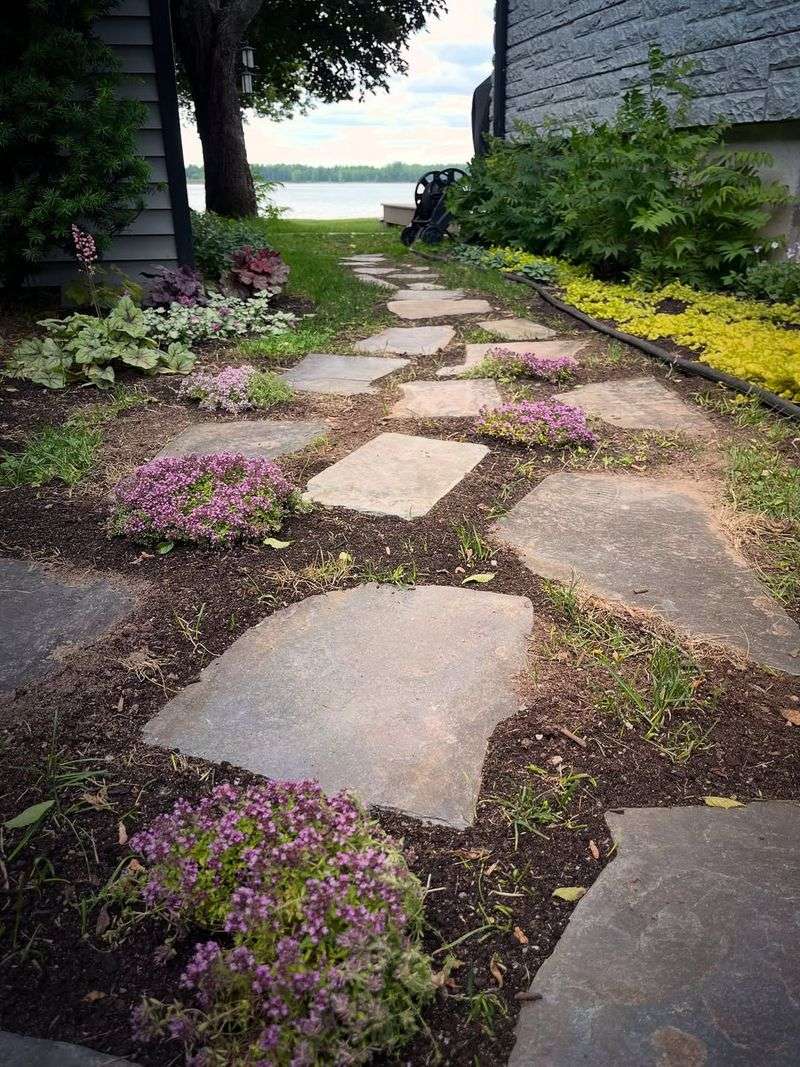
Creeping thyme is one of those plants that makes a garden feel intentional without requiring a lot of effort to get there.
It hugs the ground, spreading slowly between stepping stones, along path edges, and at the base of garden borders, releasing a pleasant herbal scent when stepped on or brushed against.
That dense, low mat of foliage is also practical in a way that goes beyond appearance.
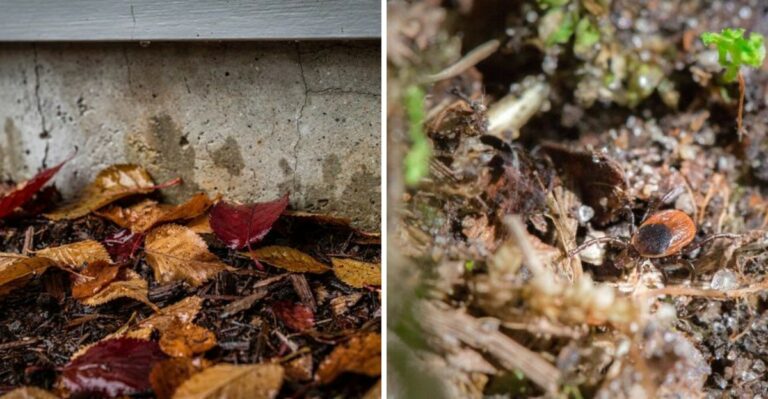
Ticks prefer shaded, moist areas with tall grass, leaf litter, and dense vegetation where they can wait for a passing host. Low-growing ground covers like thyme help replace some of that unmanaged edge growth with something tidy, dry, and well-maintained.
Ohio State University Extension points out that managing the transition zones between lawn and garden is one of the most important steps in reducing tick-friendly habitat, and thyme fits naturally into that kind of thoughtful edge planting.
From a practical standpoint, thyme is easy to grow in Ohio. It handles heat, drought, and even light foot traffic once established, which makes it a smart choice for areas that see regular use.
It grows best in full sun and well-drained soil, and it rarely needs supplemental watering after the first season.
Upright varieties like English thyme work well in herb beds, while creeping varieties are better suited to ground-level planting between pavers and along sunny borders throughout the yard.
6. Marigolds Bring Color Where You Need Coverage
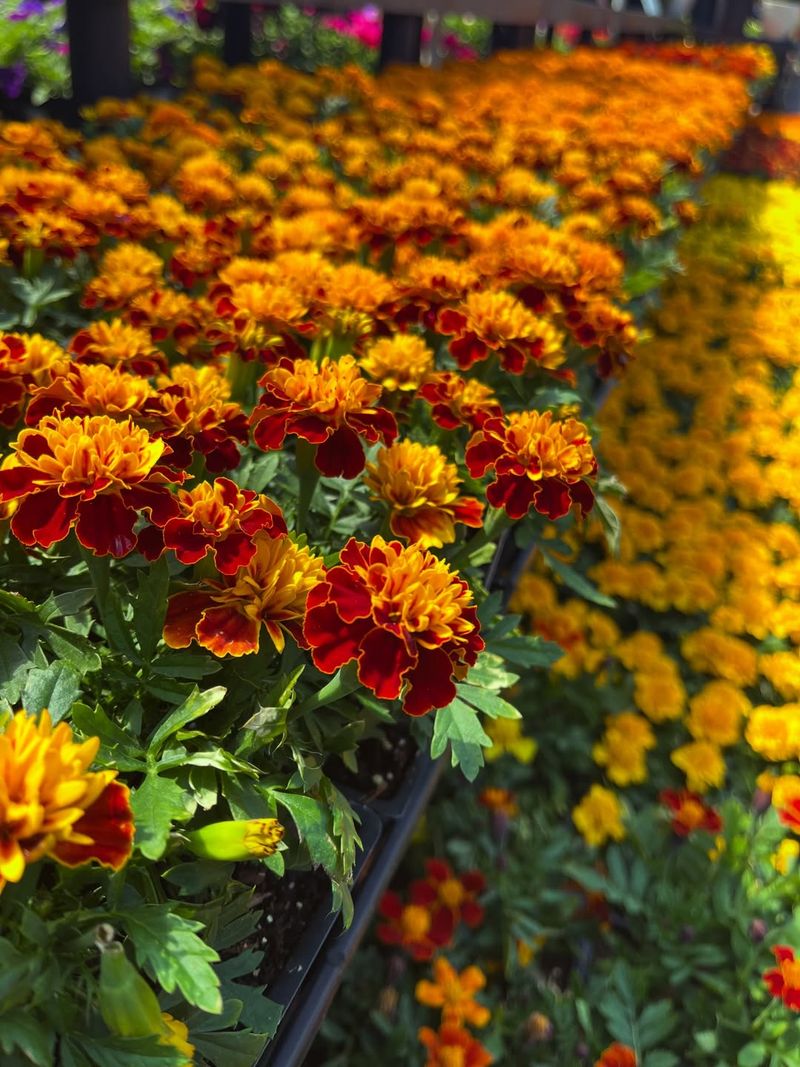
Marigolds are one of the most dependable annual flowers an Ohio gardener can reach for, and they earn that reputation season after season.
Plant them in spring after the last frost and they reward you with bold orange, yellow, and red blooms from early summer right through the first fall chill.
That long season of color is useful for more than just looks.
Dense plantings of marigolds fill in open gaps in garden beds, and that matters more than it might seem at first.
Bare soil and sparse planting leave room for weedy, overgrown patches to develop at ground level, which are exactly the kinds of spots that create favorable conditions for ticks.
Filling those gaps with compact, bushy marigold plants keeps beds looking tidy and reduces the amount of unmanaged low cover in the garden.
Marigolds also contain compounds including pyrethrin in some species, which has documented insect-deterring properties, though planting them alone is not a complete pest management solution.
They grow best in full sun with average, well-drained soil and very little fuss.
Deadheading spent blooms regularly encourages continuous flowering throughout the season.
For Ohio gardeners looking for an easy, affordable way to add both color and a bit of pest-deterring function to their landscape, marigolds are one of the most accessible and satisfying choices available at any local garden center.
7. Mint Grows Fast But Needs To Be Contained
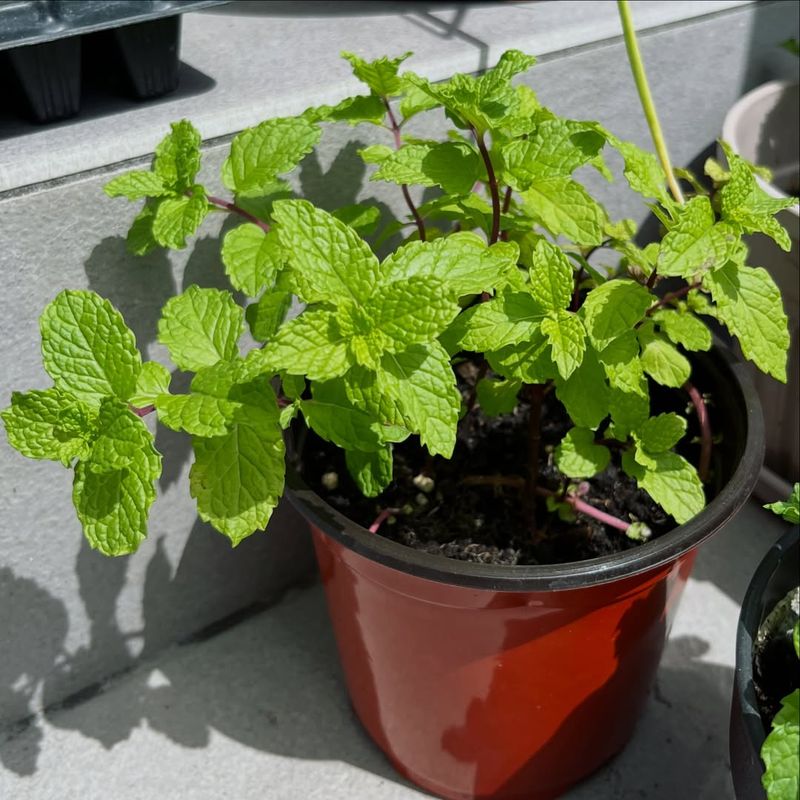
Anyone who has ever planted mint directly in the ground and walked away for a season knows exactly what happens next. It spreads.
Fast. What starts as a modest clump can take over an entire bed within a year or two, creeping into neighboring plants and popping up in unexpected places.
That aggressive growth habit is the most important thing to understand before adding mint to an Ohio garden.
The good news is that container growing solves this problem completely. A large pot or planter keeps mint exactly where you want it while still letting you enjoy its intensely fresh fragrance throughout the season.
Set containers near doorways, on patios, or along paths where people walk regularly, and the scent becomes part of the outdoor experience. Some gardeners also bury pots in garden beds to keep roots contained while maintaining a planted look.
Mint comes in a wide range of varieties, from spearmint and peppermint to chocolate mint and apple mint, each with its own scent profile. All of them share the same bold aromatic quality that makes them interesting additions to a fragrant garden strategy.
While mint should not be counted on as a standalone pest solution, it fits well into a broader approach that includes regular mowing, clearing leaf litter, and managing the weedy, overgrown edges of the yard that ticks tend to favor throughout the warm Ohio months.
8. Garlic Chives Add Bite And Garden Function
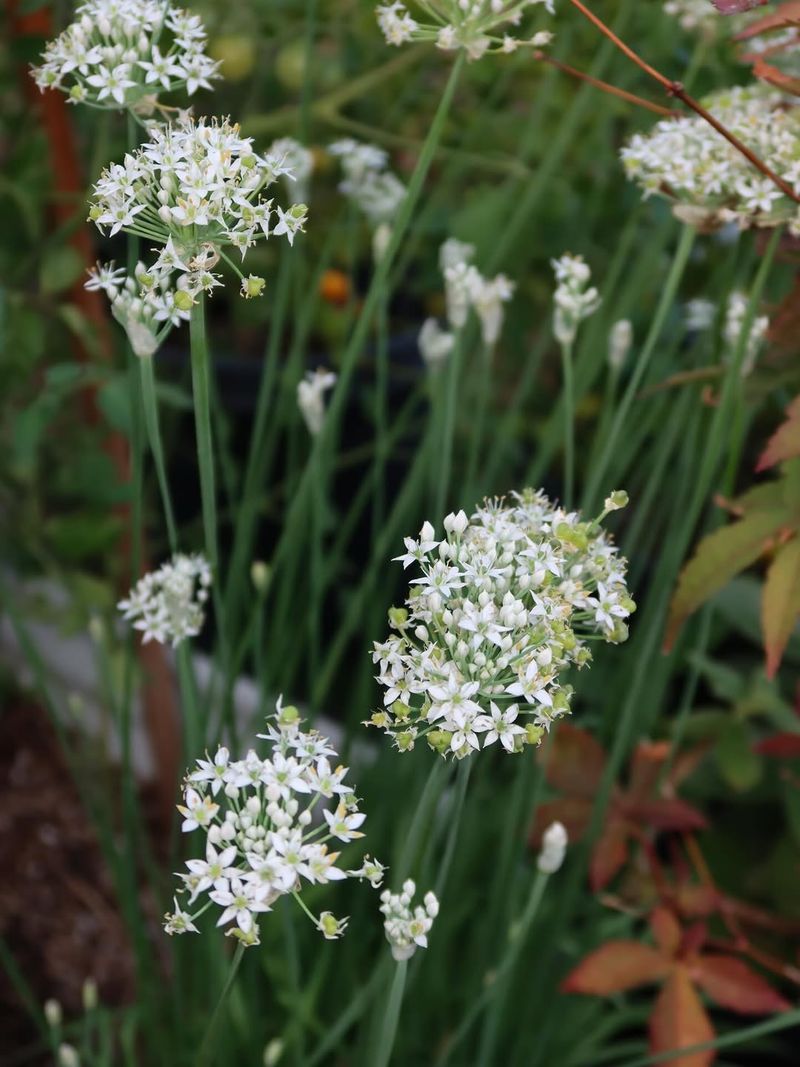
Garlic chives bring something a little different to the herb garden.
Unlike regular chives, which have a mild onion flavor, garlic chives carry a distinct garlicky bite in both their flat leaves and their cheerful white flowers, which bloom in late summer when many other plants are starting to wind down.
That extended season of interest makes them a smart addition to borders and mixed beds.
The strong sulfur-based compounds that give garlic its characteristic smell are present in garlic chives as well, and that pungent quality is part of why they fit into a garden designed with pest awareness in mind.
They will not eliminate tick pressure on their own, but as one element of a well-managed yard, their bold scent adds to the overall sensory landscape of the space.
They also attract beneficial pollinators when in bloom, which is an added bonus for any garden.
From a practical standpoint, garlic chives are one of the lower-maintenance plants you can grow in Ohio. They tolerate a range of soil types, handle heat without complaint, and come back reliably each year as a perennial.
Their tidy, upright growth habit makes them easy to work into borders or the front edge of herb beds without crowding out neighbors.
You can also harvest the leaves regularly for cooking, which gives you a fresh, flavorful ingredient alongside all of the landscaping value they bring to the yard.