How To Keep Deer From Eating Your Daylilies In Ohio
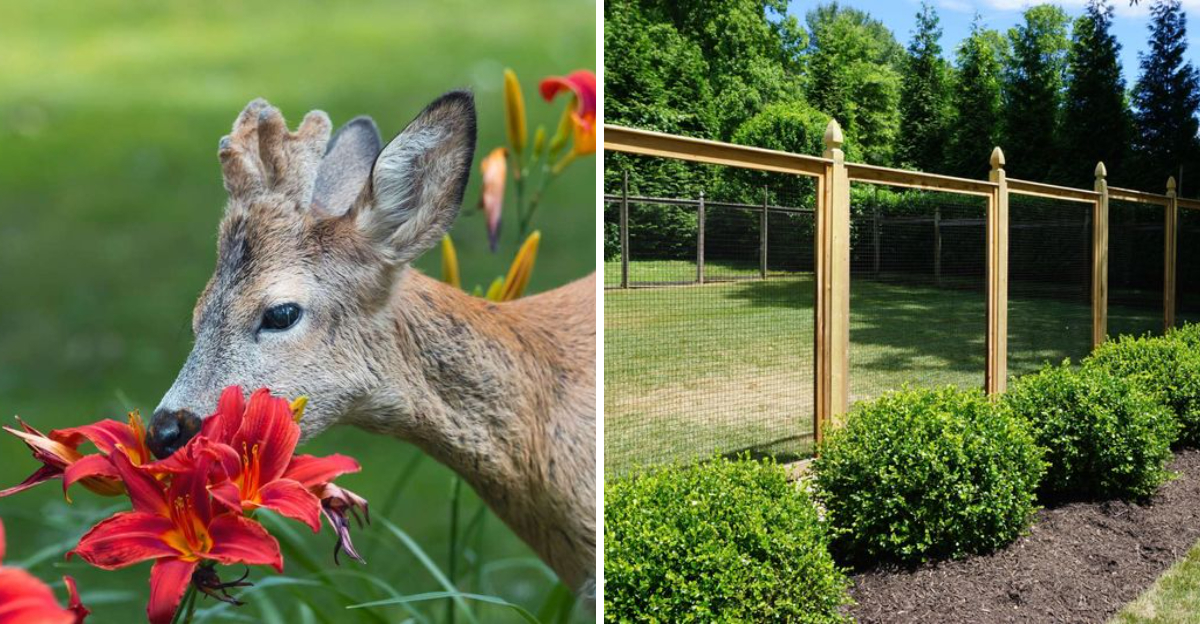
One night your daylilies stand tall, buds ready to burst with color, the next morning ragged stems and missing blooms tell a different story. Deer move quietly, feed quickly, and in a single visit they can undo weeks of garden anticipation.
Across Ohio, gardeners know the frustration of watching healthy plants turn into a midnight snack just as flowering season begins. Daylilies rank high on the menu, especially in late spring and early summer when growth is tender and full of moisture.
Fences help, yet many yards need simpler, practical solutions that actually work. Success comes from understanding deer behavior, timing, and the small habits that make a garden less inviting.
With a few smart adjustments, your daylilies can stay lush, colorful, and far less tempting, even when deer pass nearby in search of an easier meal.
1. This Is Why Deer Target Daylilies In The First Place
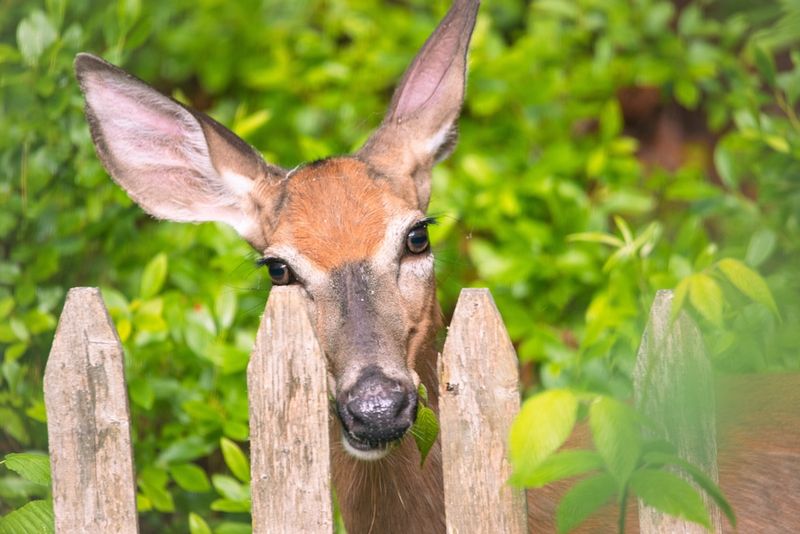
Daylilies are basically a dream meal for white-tailed deer, and understanding why they are so attractive is the first step toward protecting them. According to Ohio State University Extension, daylilies are commonly browsed by deer in many parts of the state.
Their tender, moisture-rich foliage and sweet-scented blooms make them especially appealing during late spring and early summer when deer are actively searching for high-calorie food sources.
Ohio deer follow seasonal feeding patterns that directly affect your garden. In spring, does are nursing fawns and need extra nutrition, which drives them to seek out soft, easily digestible plants.
Daylilies fit that profile perfectly. By midsummer, growing fawns join their mothers in browsing, meaning more mouths are targeting your flower beds at once.
Food scarcity also plays a major role. During drought conditions or after a hard Ohio winter, natural forage in woodlands becomes limited, pushing deer further into neighborhoods and residential landscapes.
A garden full of lush daylilies becomes an irresistible target when wild food sources are stressed. Deer are also creatures of habit, returning night after night to feeding spots they have already discovered.
Once a deer finds your daylilies, it will keep coming back unless something changes. Recognizing this behavioral pattern helps explain why a single night of browsing can quickly turn into repeated destruction.
Protecting your plants requires disrupting that habit early and consistently rather than waiting to see how bad the damage gets.
2. Act Before Buds Open To Prevent Early Damage
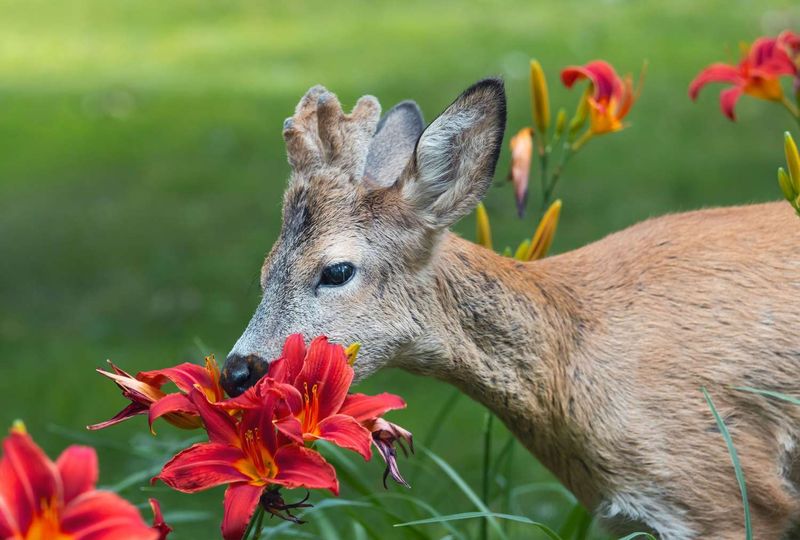
Waiting until deer have already chewed through your daylilies before taking action is one of the most common mistakes Ohio gardeners make. By the time you see damage, deer have already established a feeding routine at your garden, and breaking that habit becomes significantly harder.
The most effective window for protection is before buds even begin to form, typically in late April through early May across most of Ohio.
Early intervention works because deer are opportunistic. If they approach your garden and encounter an unpleasant smell, an unfamiliar texture, or a physical barrier during their first visit, they are far more likely to move on and find easier food elsewhere.
Your Ohio Garden Changes Every Week. Your Plan Should Too.
Gardening in Ohio changes quickly throughout the season. Every Friday you’ll receive a simple weekly plan showing exactly what to plant, prune, fertilize, harvest, and protect so you never miss the right timing.
Once they taste your daylilies, the reward reinforces the behavior and makes deterrence much more difficult.
Start by scouting your garden in early spring as soon as new growth emerges from the ground. That bright green foliage pushing up through the soil is exactly when deer begin investigating.
Apply repellents at this stage, before any browsing starts, and check your fencing or netting to make sure it is secure after winter. Gardeners in central and northern Ohio, where deer populations tend to be especially dense, should treat early-season protection as non-negotiable.
Think of it like applying sunscreen before going outside rather than after you are already burned. A proactive approach in those first few weeks of the growing season dramatically reduces the likelihood of losing your blooms before they even have a chance to open.
3. Install Barriers That Actually Stop Deer
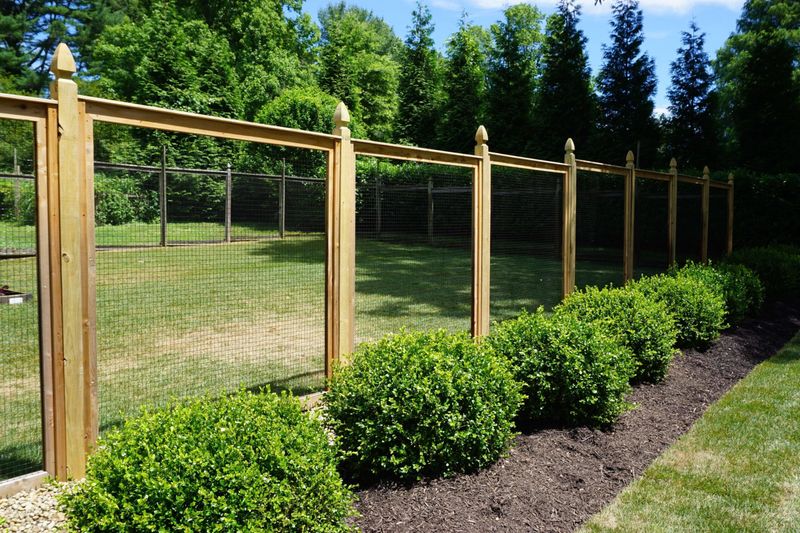
Physical barriers remain the most reliable method for protecting daylilies from deer, provided they are built to the right specifications. Deer can clear a standard four-foot garden fence without much effort, especially healthy adult does and bucks during feeding season.
Ohio State University Extension commonly recommends fences around eight feet tall for reliable deer exclusion, particularly in areas with high deer pressure such as central Ohio woodlands and rural edges.
Woven wire or polypropylene deer netting stretched between sturdy posts is a cost-effective option for many Ohio homeowners. Black mesh netting is nearly invisible from a distance, making it a popular choice for gardeners who do not want a fence to dominate the visual landscape.
For smaller daylily beds, individual wire cages or tomato-cage-style enclosures can be placed directly over plant clusters during the most vulnerable blooming period.
Double fencing is another strategy worth considering for gardens with persistent deer pressure. Placing two parallel fences about three to four feet apart creates a gap that deer are reluctant to jump into, even if each fence is only five feet tall.
Deer are hesitant to land in a confined space with no clear exit. Electric fencing baited with peanut butter is also used by some Ohio gardeners and has shown effectiveness in university trials, as the deer associate the electric shock with the scent and avoid the area afterward.
Whichever barrier method you choose, inspect it regularly throughout the season since deer will probe for weak spots, especially during periods of food scarcity.
4. Use Repellents That Work In Ohio Conditions

Repellents can be highly effective when chosen and applied correctly, but Ohio gardeners need to account for the state’s variable weather patterns. Heavy spring rains and humid summers mean that many repellent products wash off faster here than in drier climates, requiring more frequent reapplication to maintain effectiveness.
Understanding the difference between scent-based and taste-based repellents helps you build a smarter protection routine.
Scent-based repellents use strong odors such as putrescent egg solids, garlic oil, or predator urine to signal danger or disgust to approaching deer. Products containing putrescent egg solids, including several widely used deer repellents, have shown consistent performance in university trials and are widely recommended by extension programs.
These work best as a perimeter treatment, applied to the foliage and the ground around your daylily beds before deer arrive.
Taste-based repellents coat plant surfaces with bitter or spicy compounds that deer find unpleasant after taking a bite. These are most useful mid-season when deer have already located your plants and need a reason to stop returning.
For best results in Ohio, apply repellents every seven to fourteen days during the growing season, and always reapply within twenty-four hours after significant rainfall. Rotating between two or three different repellent products throughout the season also helps prevent deer from habituating to a single scent.
Deer are adaptable animals, and using the same product repeatedly can reduce its effectiveness over time. Combining repellent types gives you broader coverage and longer-lasting results in Ohio’s unpredictable weather.
5. Make Your Garden Layout Less Inviting To Deer

Garden placement matters more than most Ohio homeowners realize. Deer are naturally cautious animals that prefer to browse near cover, particularly tree lines, shrub borders, and fence rows where they can retreat quickly if startled.
A daylily bed positioned along the back edge of a property, close to a wooded area, is far more vulnerable than one planted near the house where human activity, lighting, and noise create a less comfortable environment for deer.
Repositioning existing beds is not always practical, but for gardeners planning new plantings, proximity to the home is a genuine advantage. Research from Penn State Extension supports the observation that deer browse less frequently within thirty feet of occupied structures.
Motion-activated lighting installed near garden beds can also increase a deer’s sense of exposure and discourage nighttime visits, which is when most browsing happens in Ohio.
Visibility also plays a role in deer behavior. Open sightlines make deer feel exposed and vulnerable, while dense plantings and narrow pathways give them a sense of shelter.
Keeping the area around your daylily beds open and well-lit removes some of that comfort. Avoid planting daylilies directly adjacent to large shrub borders or ornamental grasses that provide natural cover for deer approaching from nearby woods.
If your property backs up to a state forest or nature preserve, which is common in many parts of Ohio, consider treating your entire back garden boundary as a high-risk zone and layering multiple deterrents there rather than relying on a single approach.
6. Layer Scent And Texture To Confuse Browsing

Companion planting is one of the most underused tools in the Ohio gardener’s deer-deterrent toolkit. Surrounding your daylilies with strongly scented or texturally unpleasant plants creates a sensory barrier that makes deer hesitant to push through to reach the blooms they want.
Deer rely heavily on smell to assess whether a feeding area is safe, and a garden that smells like lavender, catmint, or Russian sage sends confusing signals that interrupt their normal browsing behavior.
Plants that Ohio gardeners have found effective as companion deterrents include lavender, salvia, catmint, yarrow, lamb’s ear, and ornamental alliums. These are not foolproof, and a hungry deer will occasionally browse past them, but they add a meaningful layer of discouragement when combined with other methods.
The goal is not to find one magic plant that repels deer but to stack multiple sensory irritants so the overall experience of approaching your garden feels uncomfortable and unrewarding.
Texture also plays a role that is often overlooked. Deer avoid plants with scratchy, fuzzy, or spiny foliage, and interplanting these types near your daylilies can slow browsing.
Lamb’s ear, with its dense woolly leaves, is a good example of a plant that deer typically pass over. Mixing thorny or rough-textured groundcovers around the base of your daylily beds adds another layer of hesitation.
When scent, texture, and taste deterrents work together, the combined effect is significantly stronger than any single strategy on its own, which is the core principle behind a layered approach to deer management in Ohio gardens.
7. Build A Long Term Strategy That Keeps Deer Away

Managing deer pressure in Ohio is not a one-time fix but an ongoing commitment that works best when you treat it as a seasonal system rather than a reactive scramble. The most successful Ohio gardeners combine physical barriers, repellents, companion planting, and smart garden design into a layered plan that they refresh each year.
Consistency is what separates gardeners who protect their daylilies successfully from those who lose blooms year after year.
Start each season with a spring checklist. Inspect fencing for winter damage, restock repellent supplies before new growth emerges, and assess whether your companion planting border needs to be refreshed or expanded.
Ohio deer populations shift seasonally, and pressure often increases in late summer and fall when natural food sources begin to dry up. Adjusting your repellent schedule to account for these peak periods makes a real difference in protecting late-season blooms.
Realistic expectations also matter. No single method eliminates deer browsing entirely, especially in areas of Ohio with high deer density such as portions of Licking, Delaware, and Knox counties where populations remain substantial.
The goal is to make your garden a consistently less rewarding target than other available food sources nearby. Over time, deer in your area will learn to bypass your yard and focus on easier meals elsewhere.
Keeping records of when and where you see damage each season helps you refine your approach year after year. A well-maintained, multi-layered strategy built on consistent habits is the most dependable way to protect your daylilies and enjoy a full, beautiful bloom season in Ohio.