The Simple Azalea Task Ohio Gardeners Should Do In April For Better Blooms
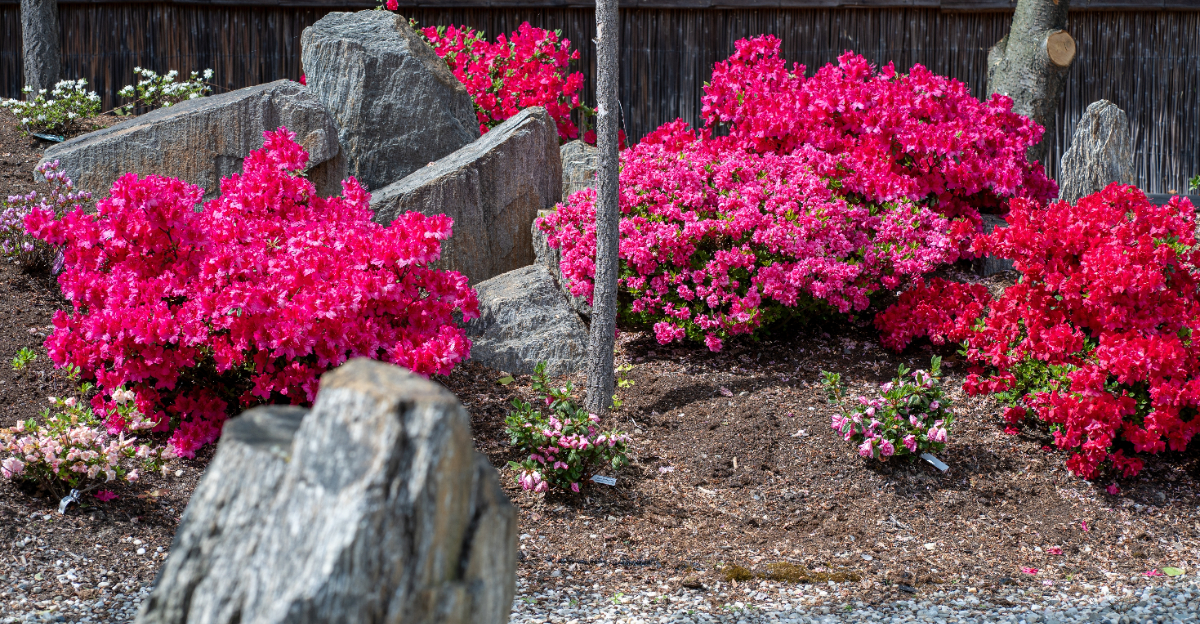
Azaleas can look like they have everything going for them in spring, then still put on a lackluster show that leaves Ohio gardeners scratching their heads. The shrub leafs out, the buds appear, and yet the blooms just do not come through the way you hoped.
That is where April can quietly change the whole story. Right as the season starts to wake up, one small task can help set the stage for healthier growth, better color, and a much stronger flower display down the line.
It is not flashy, it does not take all afternoon, and it can save you from pouring effort into the wrong fix later. In Ohio, where soil conditions can vary more than people expect, this simple spring move often makes a bigger difference than extra water or random fertilizer.
Sometimes better azalea blooms start below the surface, not out at the tips.
1. April Is When Azaleas Start Telling The Truth
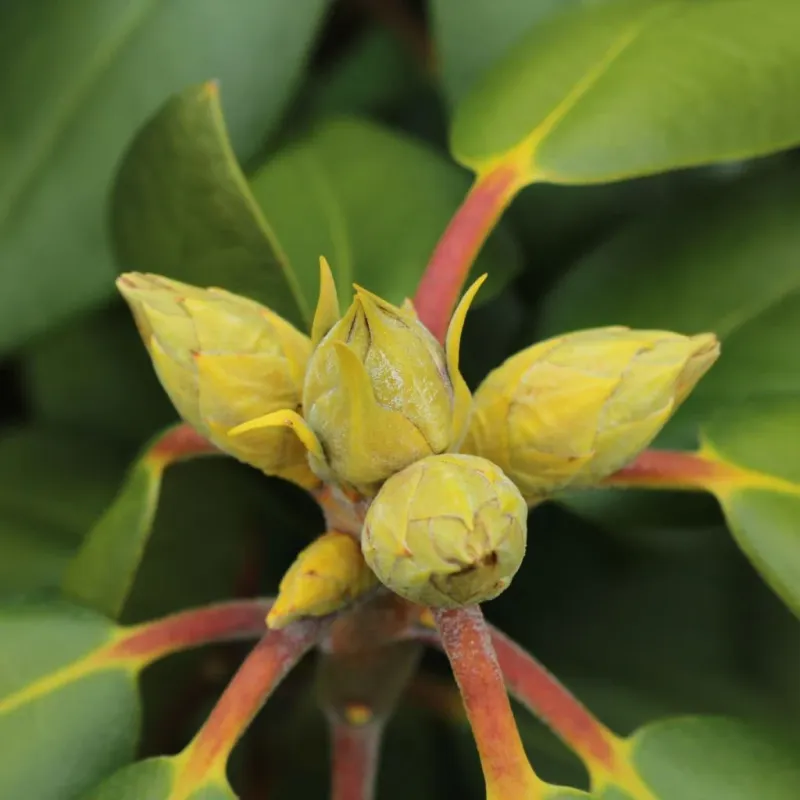
April has a way of being brutally honest in the garden. After months of dormancy, azaleas start pushing new growth and developing buds, and that early spring flush reveals a lot about whether a plant is truly thriving or just going through the motions.
A shrub that spent winter in poor soil conditions will start showing subtle signs of strain right around now, before most gardeners even think to look closely.
Ohio’s spring weather creates a useful window for observation. Temperatures are mild, the soil is workable, and the plant is actively responding to its environment.
According to Ohio State University Extension, azaleas perform best in moist, well-drained, acidic soil with good organic matter content. When those conditions are off, the plant often signals trouble through uneven bud development, pale new leaves, or lackluster overall appearance.
The real task this month is not just admiring the early color. Checking soil pH and examining the root zone gives you a clear picture of what your azalea is actually working with underground.
A simple soil test kit from a garden center or through OSU Extension’s soil testing service can confirm whether pH is in the right range. April is early enough that any corrections you make can still influence how well the plant blooms and recovers through the rest of the season.
2. Azaleas Bloom Better When The Soil Feels Right
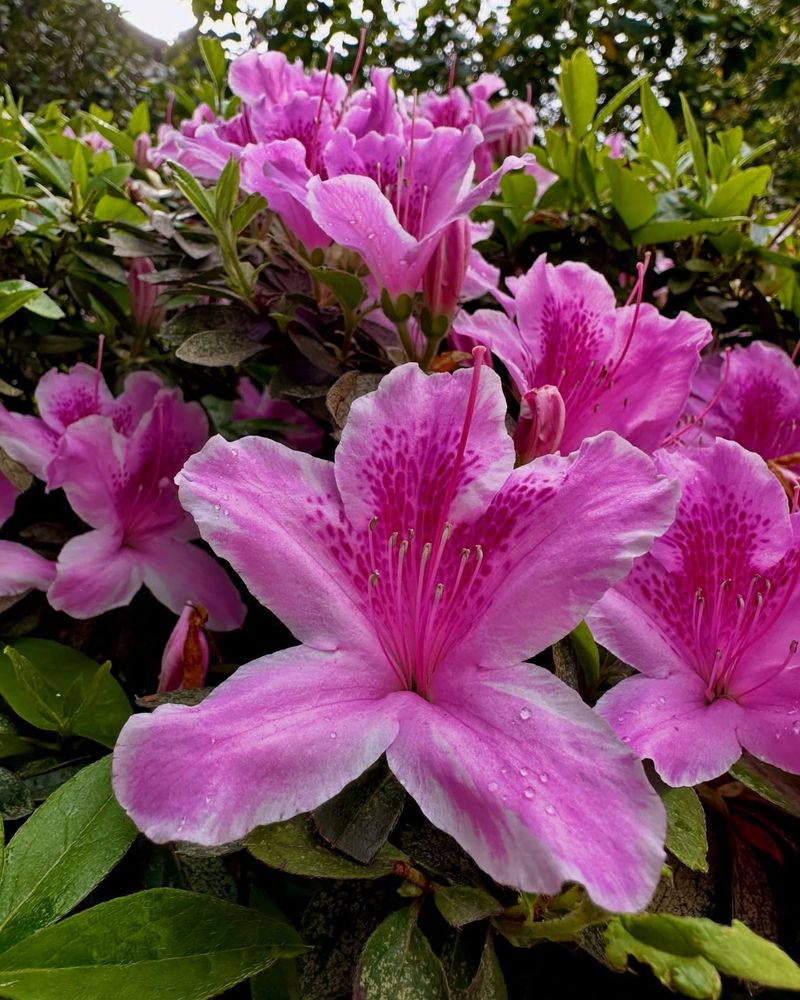
Soil pH is not just a number on a test strip. For azaleas, it is the difference between a plant that blooms freely and one that struggles to absorb the nutrients sitting right beneath it.
Azaleas are acid-loving plants that generally prefer a soil pH between 4.5 and 6.0, with many sources pointing to 5.0 to 5.5 as a sweet spot for strong performance.
When pH climbs too high, which can happen naturally in parts of Ohio where soils tend toward neutral or slightly alkaline conditions, iron and manganese become less available to the plant.
This leads to a condition called chlorosis, where leaves turn yellow between the veins while the veins themselves stay green.
Your Ohio Garden Changes Every Week. Your Plan Should Too.
Gardening in Ohio changes quickly throughout the season. Every Friday you’ll receive a simple weekly plan showing exactly what to plant, prune, fertilize, harvest, and protect so you never miss the right timing.
The plant may look like it needs fertilizer, but the real issue is that nutrients are locked up in soil that is simply not acidic enough for the roots to access them.
OSU Extension recommends testing soil before making any amendments, because adding sulfur or acidifying fertilizers without knowing your baseline can create new problems. A soil test takes the guesswork out entirely.
If your pH is too high, elemental sulfur worked into the root zone can gradually bring it down. Results take time, so April is genuinely the right month to test and act, giving amendments a chance to work before summer heat arrives.
3. The Root Zone Can Tell You More Than The Flowers Can
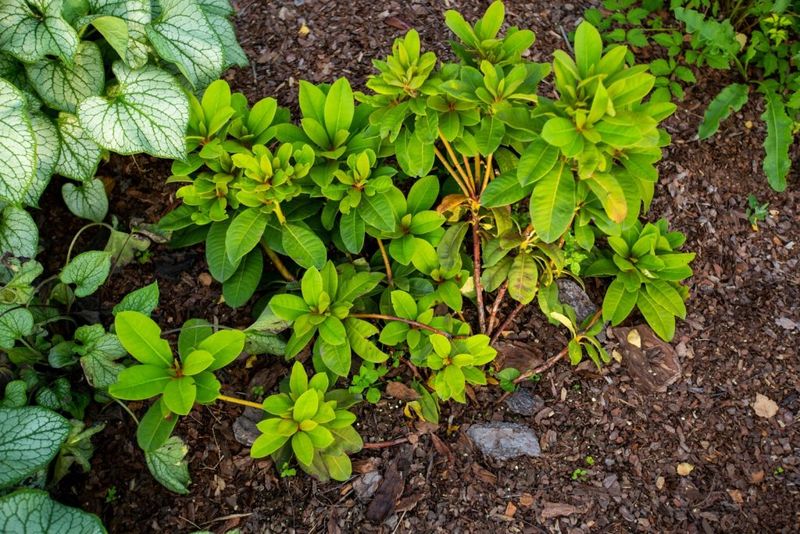
Azaleas have a shallow, fibrous root system that sits close to the surface rather than reaching deep into the ground. That root habit makes them sensitive to soil compaction, poor planting depth, and anything that interferes with the top few inches of soil.
Getting down and actually looking at the root zone in April is one of the most useful things you can do for the plant.
Compacted soil around the base limits oxygen movement and water infiltration, both of which azalea roots need consistently.
If the soil around your plant feels hard when you press it with your fingers, or if water pools near the base after rain instead of soaking in, those are signs that root-zone conditions need attention.
Gently loosening the top inch or two with a hand cultivator can help, but be careful not to disturb the shallow roots themselves.
Planting depth also matters more than many gardeners realize. Azaleas planted too deeply often struggle chronically without an obvious cause.
The crown of the plant, where the stems meet the roots, should sit at or just slightly above the soil surface. If years of mulch or soil settling have buried the crown, gently pulling material back can relieve stress.
April is a good time to check this because the plant is actively growing and will respond quickly to improved conditions around the root zone.
4. Drainage Has More To Do With Blooming Than You Think
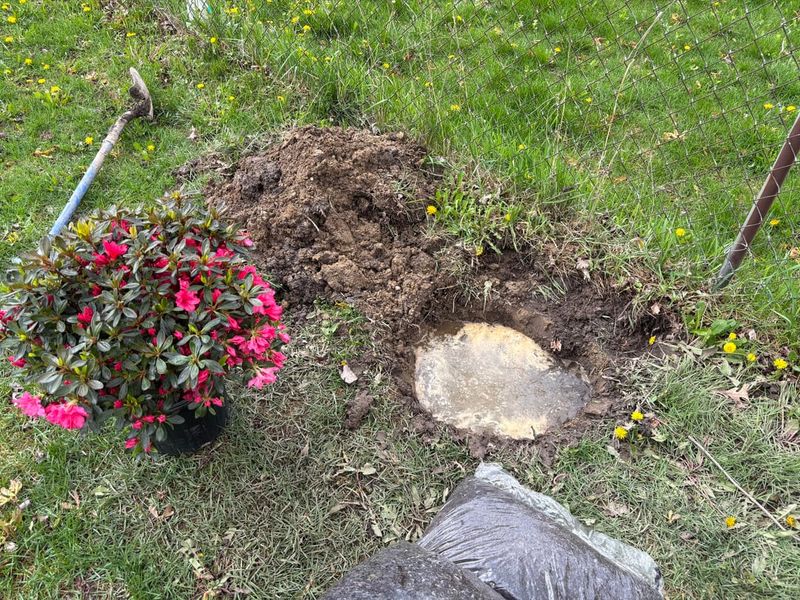
Standing water and soggy soil are among the fastest ways to stress an azalea. Because the root system is shallow and relies on oxygen moving freely through the soil, consistently wet conditions suffocate roots and make the plant far more vulnerable to root rot and fungal disease.
Poor drainage is a common problem in Ohio, especially in areas with heavy clay soil or low-lying planting spots.
You might not notice drainage issues during dry weather, but April in Ohio tends to bring steady rain. Watch how your planting area behaves after a good rainfall.
If water lingers near the base of your azalea for more than an hour or two, drainage is likely inadequate for the plant’s needs. Azaleas want moisture, but they want it to move through the soil, not pool around the roots.
Improving drainage does not always require major landscaping work. Raised planting beds, amended soil with added organic matter, or simply relocating a struggling plant to a better-drained spot can make a significant difference.
OSU Extension notes that azaleas perform poorly in heavy, poorly drained soils and recommends sites with good drainage and adequate organic content. If your current site stays wet after rain, addressing the drainage issue is more valuable than any fertilizer application.
Getting this right creates a foundation that supports better blooming for years ahead.
5. Fresh Mulch Can Quietly Help In A Big Way
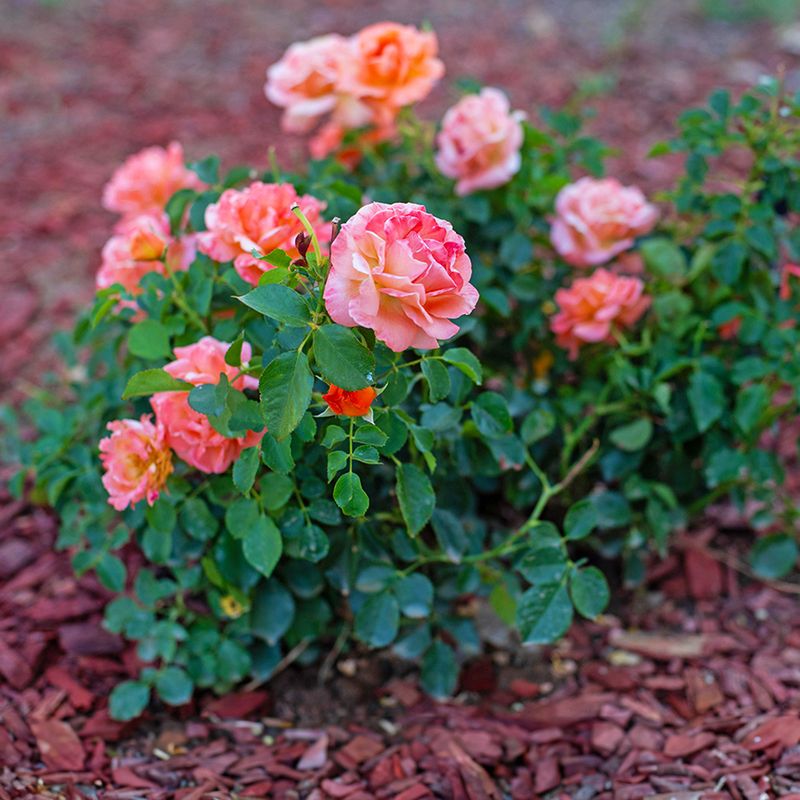
Mulch does not get nearly enough credit for what it actually does.
Around azaleas, a proper layer of organic mulch works almost like a support system for the shallow root zone, moderating soil temperature, holding in moisture between rain events, and slowly breaking down to add organic matter to the soil.
April is a practical time to refresh or add mulch because the soil is warming but not yet dry from summer heat.
Pine bark, shredded oak leaves, and pine straw are all solid choices for azaleas because they tend to be slightly acidic as they decompose, which complements the plant’s pH preferences. A layer of two to three inches is generally recommended.
Thicker than that and you risk limiting oxygen exchange to the roots, which defeats part of the purpose.
One detail that matters a lot: keep the mulch pulled back a few inches from the base of the stems. Mulch piled directly against the crown traps moisture against the bark and can encourage rot and disease.
Think of it as a protective ring around the plant rather than a blanket smothering the base. OSU Extension guidance on woody ornamentals consistently emphasizes proper mulch depth and keeping material away from stem tissue.
Done correctly, fresh mulch in April sets up the root zone for a more comfortable growing season and reduces the stress that can quietly chip away at bloom performance.
6. Fertilizer Is Not Always The First Fix
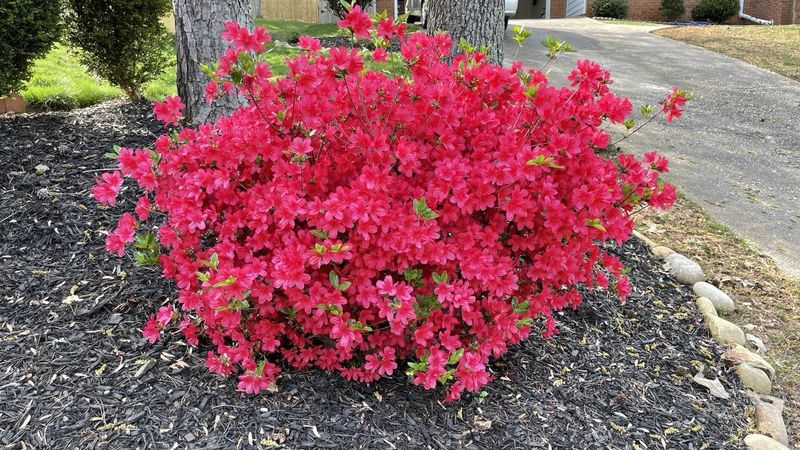
Reaching for fertilizer when an azalea looks off is a natural instinct, but it is often the wrong first move. If soil pH is too high or the root zone is compacted or waterlogged, adding fertilizer will not solve the problem.
Nutrients applied to soil with the wrong pH often cannot be absorbed by the roots regardless of how much product you use, and fertilizing a stressed plant can sometimes add to the problem rather than correct it.
Chlorosis, weak growth, and poor bloom development are frequently blamed on nutrient deficiency when the underlying cause is actually a pH or drainage issue. Before buying a bag of fertilizer, run a soil test.
That single step can save money, prevent unnecessary chemical applications, and point you toward the actual fix your plant needs.
If the soil pH checks out and the root zone looks healthy, then a modest application of slow-release fertilizer formulated for acid-loving plants can be appropriate after blooms fade. Timing matters too.
Fertilizing too late in the season pushes tender new growth that may not harden off properly before Ohio winters arrive. OSU Extension generally recommends fertilizing azaleas in early spring if needed, but only after assessing actual soil conditions first.
Getting the soil right is always the more important step, and fertilizer works best as a supplement to good conditions rather than a substitute for them.
7. Small Stress Clues Start Showing Up Early
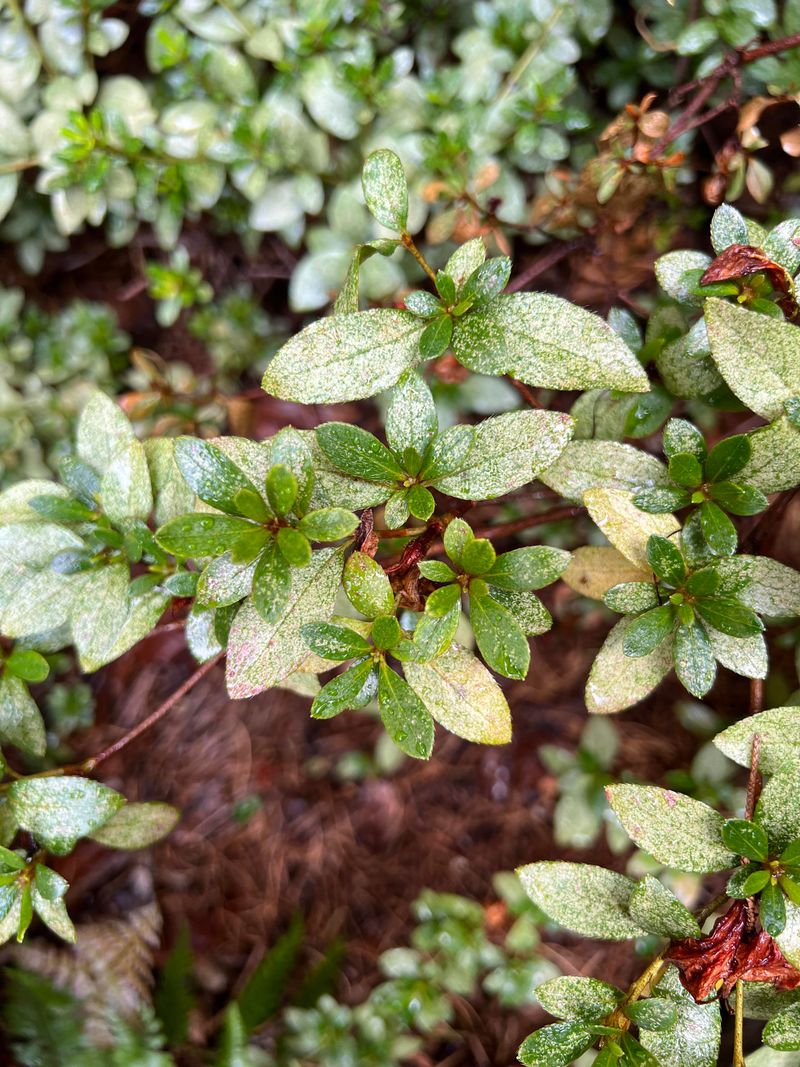
Spring growth is one of the best diagnostic tools a gardener has. As azaleas push out new leaves and buds in April, the quality and color of that growth reflects what the plant experienced over winter and what conditions it is currently working with.
Pale, washed-out foliage is often one of the first signs that something is off, particularly when younger leaves are yellowing while older ones stay relatively green.
Sparse bud development is another early clue worth paying attention to. A healthy azalea in a good site should produce a reasonable flush of buds by mid-spring.
If the buds seem thin, unevenly distributed, or slow to develop, the plant may be dealing with root-zone stress, pH issues, or lingering winter damage that is limiting its energy.
Looking closely at the base of the plant for any signs of stem dieback or bark discoloration can also help identify problems before they spread.
Leaf scorch from winter wind, which shows up as brown or tan leaf edges, is common in Ohio and does not always indicate a soil problem. But if you are seeing yellowing between leaf veins on new growth specifically, that pattern points strongly toward iron chlorosis caused by high pH.
Catching these signals in April while conditions are still moderate gives you time to investigate the root zone, run a soil test, and make thoughtful adjustments before the heat of summer limits your options.
8. One Smart Check Now Can Pay Off Later
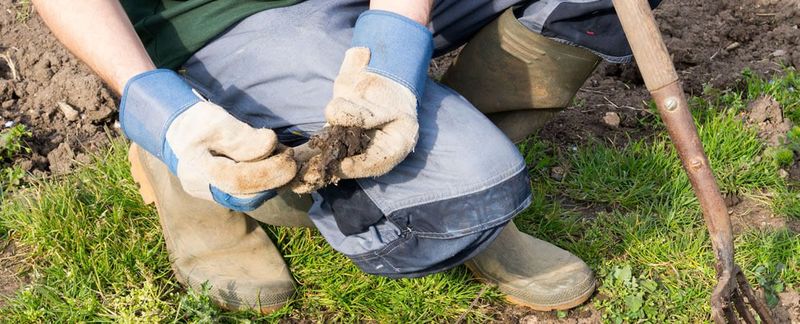
There is something satisfying about doing one focused task in the garden that sets up months of better results. Checking soil pH and the root zone in April is exactly that kind of task.
It does not require special equipment, a lot of time, or any professional help. A basic soil test, a close look at the planting area, and a few simple observations can tell you more about your azalea’s long-term health than almost anything else you could do this season.
The payoff is not always immediate. If you discover that pH needs to come down or that drainage needs improvement, those corrections take time to work.
But making them in April rather than waiting until the plant is visibly struggling in July means the changes can take hold during a more forgiving season. Roots respond better to improved conditions when temperatures are moderate and the plant is in an active growth phase.
Azaleas are genuinely rewarding garden plants when they are happy in their site. Ohio gardeners who take the time to understand what their shrubs actually need, rather than guessing or applying generic care routines, tend to see noticeably better bloom seasons year after year.
A single spring check that covers soil pH, root-zone conditions, drainage, and mulch depth covers most of the factors that drive performance. Start there, and the blooms will likely speak for themselves come late April and May.