7 Ways To Protect Your Plants From Sudden Texas Cold Snaps
Texas weather loves to keep gardeners on their toes. One week you are soaking up sunshine in short sleeves, and the next you are scrambling to protect tender plants from a surprise cold snap.
Those sudden temperature drops can do serious damage, especially to fresh spring growth and anything newly planted. The good news is you do not have to stand by and hope for the best.
With a little preparation and a few smart tricks, you can shield your flowers, shrubs, and vegetables from the worst of the chill. From quick cover ups to smarter watering habits and strategic placement, small steps can make a big difference when the forecast takes a turn.
Before the next blast of cold air rolls through, here are practical ways to protect your plants and keep your Texas garden healthy, happy, and ready to bounce back.
1. Watch The Forecast Like A Gardener, Not Just A Homeowner
Most people check the weather to decide what to wear. Gardeners need to check it to decide what to save.
In Texas, cold snaps can roll in fast, sometimes dropping temperatures by 30 degrees or more within a single day. That kind of speed leaves little time to react if you’re not paying close attention.
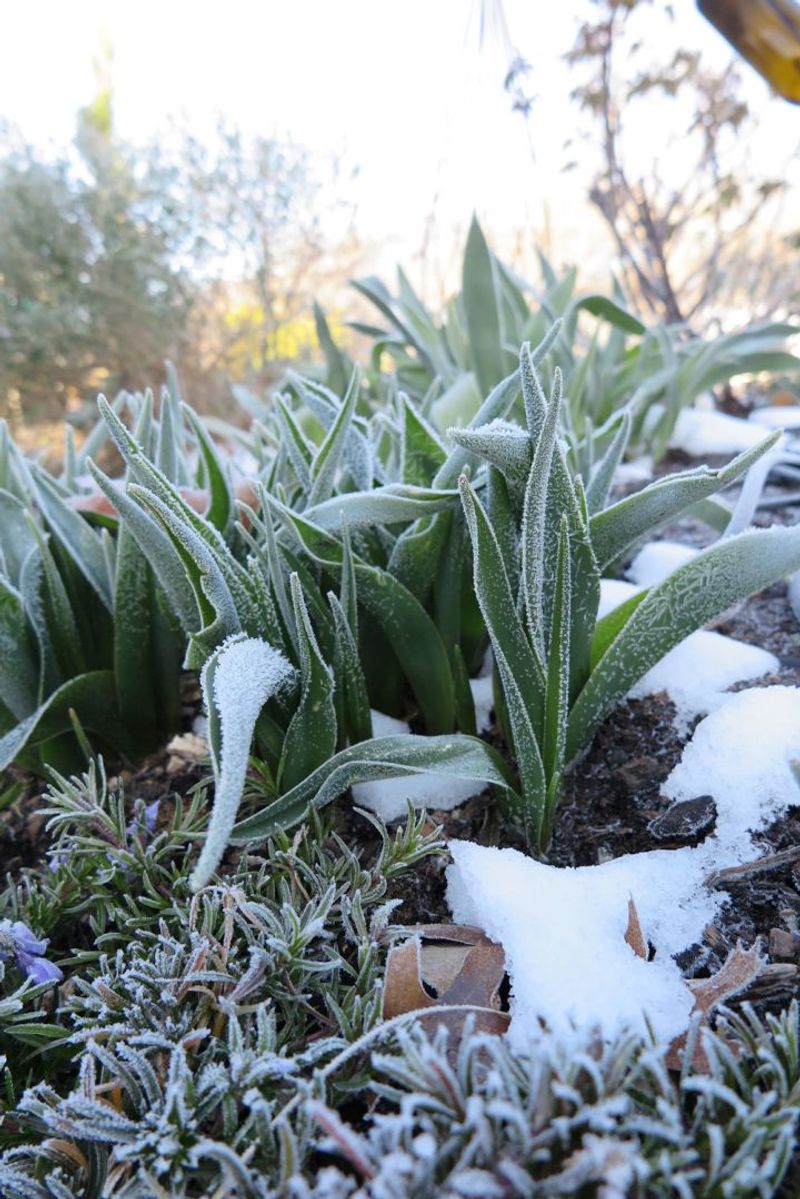
When watching the forecast, look for temperatures dropping below 32°F. That’s the freezing point, and it’s where plant damage begins.
Wind makes things worse by pulling heat away from leaves and stems even faster than cold air alone. A night at 34°F with strong gusts can feel more damaging than a calm night at 30°F.
Also pay attention to how long the freeze will last. A hard freeze happens when temperatures drop to 28°F or lower for several hours.
That level of cold can seriously damage even plants that handle light frosts just fine. Duration matters just as much as the low temperature itself.
Texas is a big state, and conditions vary widely. The Panhandle deals with hard freezes more often and for longer stretches.
Central Texas gets surprise freezes that come and go quickly. The Gulf Coast and South Texas rarely freeze, so plants there are especially unprepared when cold does arrive.
Knowing your region helps you respond with the right level of urgency. Reliable weather apps like Weather Underground or the National Weather Service give you the local detail you need to act fast and protect your garden before the cold hits.
2. Water The Soil Before A Freeze
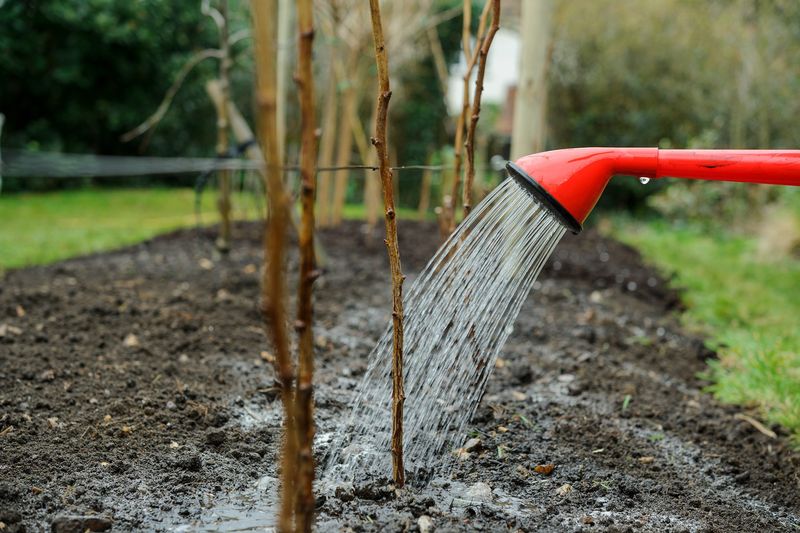
It sounds a little counterintuitive, but watering your garden before a freeze is one of the smartest things you can do. Moist soil holds heat much better than dry soil.
When the ground is damp, it absorbs warmth during the day and slowly releases that heat overnight, creating a slightly warmer environment around your plant roots.
The best time to water is about 24 hours before the freezing temperatures are expected to arrive. This gives the soil enough time to soak up moisture without becoming waterlogged.
Your Texas Garden Changes Every Week. Your Plan Should Too.
Gardening in Texas changes quickly throughout the season. Every Friday you’ll receive a simple weekly plan showing exactly what to plant, prune, fertilize, harvest, and protect so you never miss the right timing.
Soaking the ground too much can actually cause problems, since overly wet soil around roots during a hard freeze can do more harm than good. Aim for deep, consistent moisture rather than a soggy mess.
Newly planted shrubs and perennials are especially vulnerable during Texas cold snaps. Their root systems haven’t had time to spread deep into the soil, so they lose heat faster and struggle more when temperatures plunge.
Giving them a good drink of water before the cold arrives gives their roots a better shot at staying protected.
This tip works for all types of gardens across Texas, from the raised beds in Austin neighborhoods to the landscaped yards along the Gulf Coast. Even if you’ve gardened for years, this step is easy to forget when you’re rushing to cover plants and bring pots inside.
Make watering part of your freeze prep routine, and your plants will thank you when spring rolls back around with warm, sunny days ahead.
3. Cover Plants The Right Way (Most People Do This Wrong)
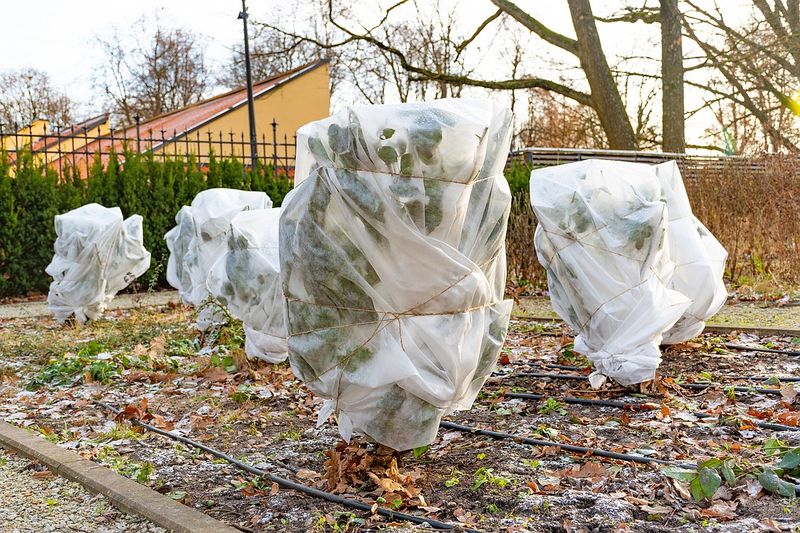
Grabbing an old sheet and tossing it over your plants before a freeze seems simple enough, but there’s a right way and a wrong way to do it.
Getting the technique right can mean the difference between plants that survive a cold snap and ones that come out looking rough on the other side.
Frost cloth is the best option available. It’s lightweight, breathable, and designed specifically to trap heat while still allowing some air to circulate.
Old bed sheets and blankets work well too. The key is to avoid using plastic sheeting directly against your plants.
Plastic traps moisture and can actually make freezing worse when it touches leaves directly.
When you cover a plant, don’t just drape the fabric over the top. Let it fall all the way down to the ground.
This traps the heat rising from the soil underneath, which is what actually keeps your plants warm through the night. Anchoring the edges with rocks or stakes helps keep the cover in place if wind picks up.
One mistake many Texas gardeners make is leaving covers on too long. Once daytime temperatures climb back above freezing, remove the covers so your plants can breathe and get sunlight.
Leaving fabric on during a warm afternoon can trap too much heat and humidity, creating other problems for your plants.
Whether you’re in San Antonio, Houston, or the Hill Country, having a few frost cloths stored and ready to go before cold season starts makes the whole process much faster and easier when a sudden freeze warning shows up on your phone.
4. Mulch For Root Protection
Roots are the lifeline of any plant, and during a Texas cold snap, they’re also the part most at risk when temperatures suddenly plunge.
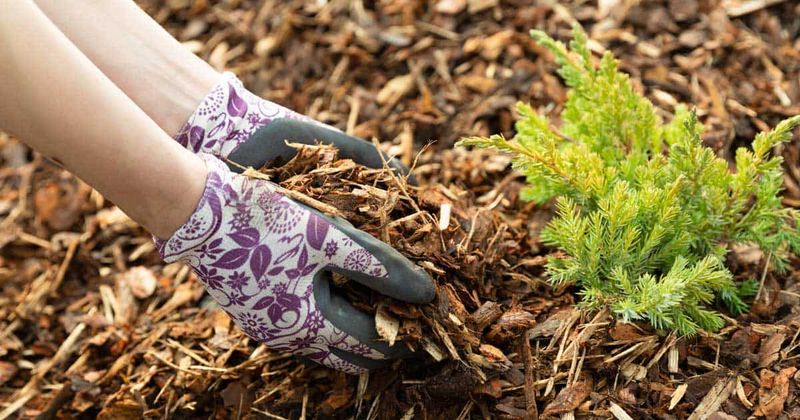
Mulch acts like a cozy blanket for the soil, slowing down the rate at which heat escapes from the ground during a freeze. It’s one of the easiest and most effective tools a gardener has.
Apply two to four inches of mulch around perennials, shrubs, and young trees before cold weather arrives. Pine bark, shredded leaves, wood chips, and straw all work well.
Spread the mulch in a wide ring around the base of the plant, covering as much of the root zone as possible. The wider the coverage, the better the protection.
One important detail many gardeners overlook: keep the mulch slightly away from the trunk or main stem of the plant.
Piling mulch directly against the trunk can trap moisture and create conditions that encourage rot or disease. Leave a small gap of a few inches around the base, then spread outward from there.
Mulch also helps stabilize soil temperature during sudden temperature swings, which Texas is very well known for. Instead of the ground freezing and thawing rapidly, mulched soil stays more consistent.
This is especially helpful in Central Texas and North Texas, where temperatures can flip dramatically within 24 to 48 hours.
If you haven’t already added mulch to your garden beds this season, now is a great time to start. It benefits your plants year-round, not just during freezes, making it one of the best investments you can make as a Texas gardener.
5. Protect Potted Plants First
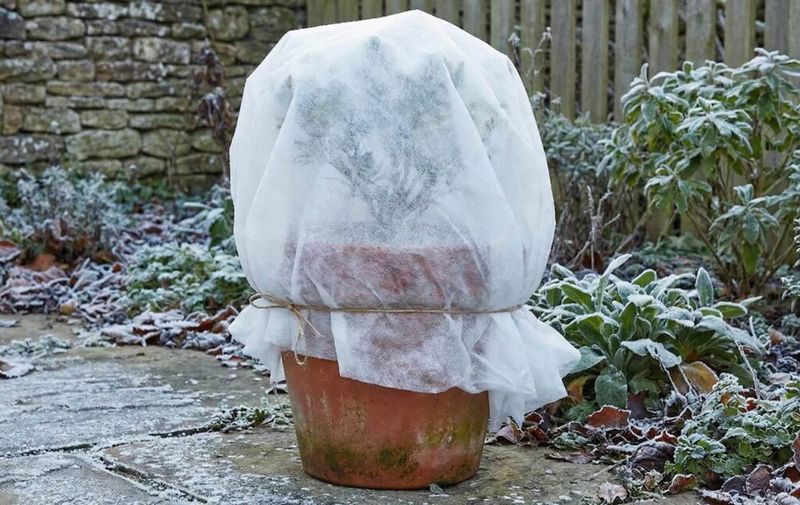
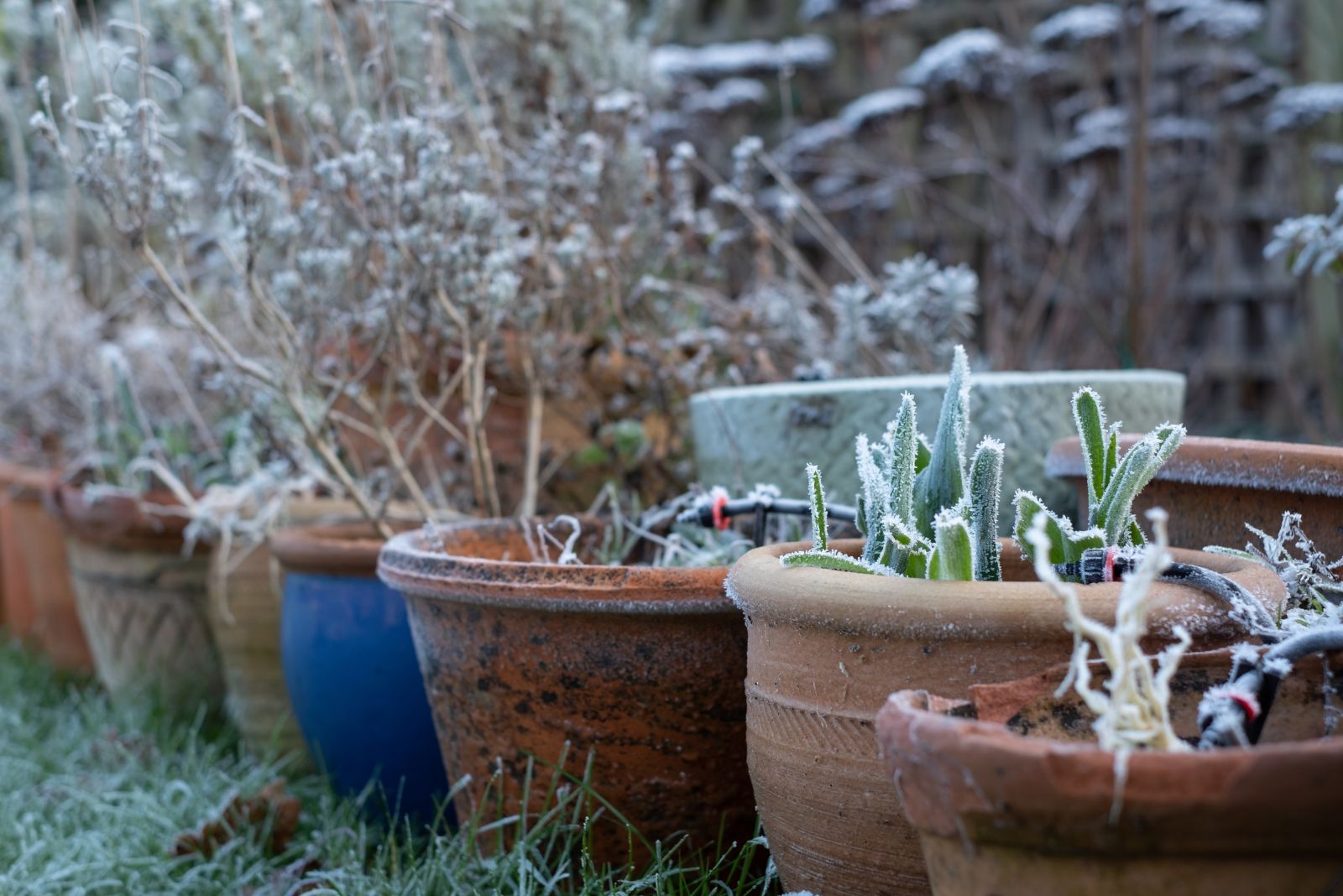
If you have potted plants sitting on your porch or patio, those should be the very first things you move when a cold snap warning comes through. Container plants are far more vulnerable to freezing than plants growing in the ground.
The soil in a pot is surrounded by air on all sides, which means it loses heat much faster than in-ground soil, which is insulated by the earth around it.
The easiest fix is to move pots indoors. A garage, shed, or covered porch works just fine for most plants.
You don’t need a heated greenhouse. Even moving a pot out of direct wind and away from open sky can make a significant difference during a short freeze.
South-facing walls are great spots because they absorb solar heat during the day and radiate it back at night.
Grouping your pots together is another smart trick. When containers are clustered, they share warmth and create a slightly more protected microclimate.
Large pots in the center of a group stay warmest, so put your most sensitive plants there. Tropical plants, citrus, and succulents are especially worth moving quickly since they’re among the most cold-sensitive plants found in Texas gardens.
If a pot is too heavy to move, wrap the container itself with burlap, bubble wrap, or old towels. This insulates the root zone inside the pot.
Also, elevate pots off cold concrete if possible, since concrete pulls heat away from the container bottom quickly.
Across Texas, from Houston backyards to Austin patios, protecting your containers first gives your most vulnerable plants the best shot at making it through the cold.
6. Know Which Plants Are Most At Risk
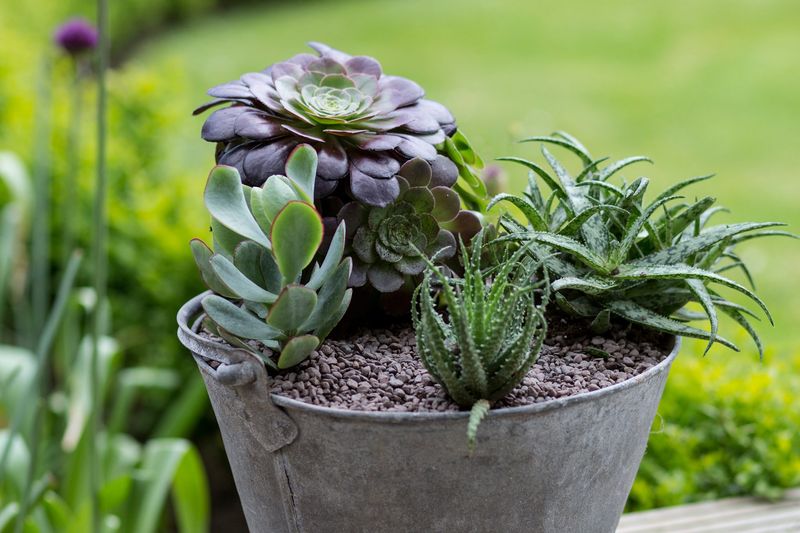
Not every plant in your yard needs the same level of attention before a cold snap. Some plants are tough and can handle a hard freeze with no help at all.
Others will struggle the moment temperatures dip below 40°F. Knowing which plants fall into which category helps you focus your energy where it matters most.
In Texas, the plants most at risk during a cold snap include citrus trees, tropical plants like hibiscus and bird of paradise, newly planted shrubs, succulents, and tender annuals.
These plants evolved in warm climates and simply aren’t built to handle prolonged cold. Even a brief hard freeze can cause serious damage to their leaves, stems, and roots.
On the more resilient end of the spectrum, established native perennials, mature shrubs adapted to local growing zones, and cool-season vegetables like kale, spinach, and collard greens can handle cold much better.
These plants are used to Texas winters and often bounce back quickly even after a rough night.
One of the most helpful tools for any Texas gardener is the USDA Plant Hardiness Zone Map. Texas spans a wide range, from Zone 6b in the northern Panhandle to Zone 9b along the southern Gulf Coast.
Knowing your specific zone helps you choose plants that are naturally suited to your area’s temperature patterns.
Take a walk through your yard before cold season begins and make a mental list of which plants need the most protection. Prioritizing your care based on actual plant vulnerability saves time and makes your freeze prep much more effective across the board.
7. Wait Before Pruning After Damage
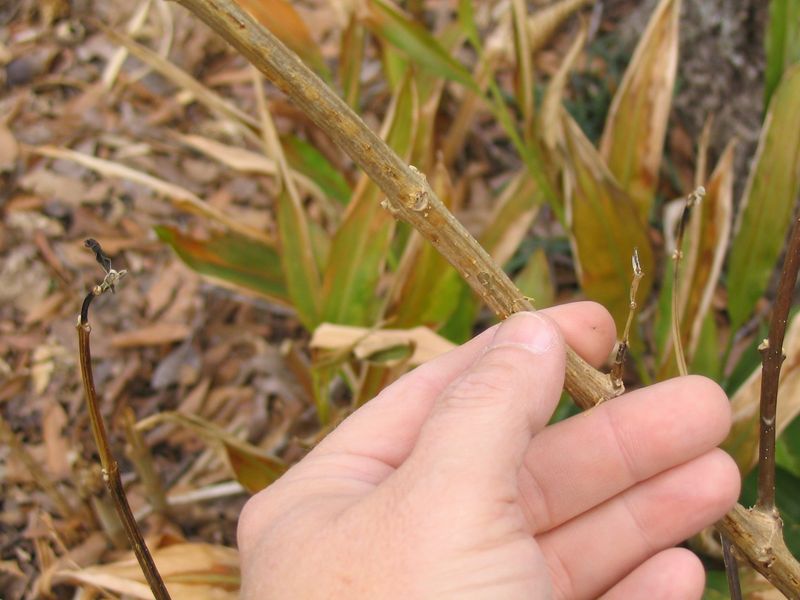
After a hard freeze rolls through Texas, the damage can look pretty alarming. Leaves turn brown and mushy. Stems go limp. Whole branches may look completely gone.
The instinct for most gardeners is to grab the pruning shears and cut everything back right away. Resist that urge. It’s one of the most common mistakes made after a cold snap.
Cold-damaged foliage, as ugly as it looks, actually serves a purpose. Those brown, wilted leaves act as insulation for the healthier tissue underneath.
They create a small buffer zone that protects the inner stems and crown of the plant from any additional cold that might follow. Removing them too soon strips away that natural protection.
The right time to prune is after consistent new growth begins in spring. Once you see fresh green buds pushing out from the stems, that’s your signal that the plant has survived and is ready to move forward.
At that point, you can safely remove the dry or damaged material without risking harm to new growth.
Pruning too early can also trigger a burst of fresh, tender growth on a plant that’s still vulnerable to late cold snaps. In Texas, late freezes can sneak in during February or even early March, especially in North Texas and Central Texas.
New growth that appears during a warm spell is highly sensitive to another dip in temperature.
Give your plants time and patience after a freeze. Many plants that look completely lost after a Texas cold snap will surprise you with strong, healthy regrowth once spring truly arrives and warmer days settle back in for good.