7 Invasive Plants Texas Gardeners Should Remove Immediately
It all starts with one plant that looks harmless enough. Maybe it grows fast, fills in an empty corner, or even produces pretty flowers.
Then before you know it, that “helpful” addition is taking over your yard and crowding out everything else. In Texas, invasive plants are more than just aggressive growers.
They can choke out native species, disrupt local wildlife, and turn a well planned garden into a constant battle.
Some spread by underground roots, others drop seeds everywhere, and a few seem impossible to kill once they settle in. The key is spotting the troublemakers early and removing them before they take control.
If you want a healthier, lower maintenance landscape that actually works with Texas conditions instead of against them, it is time to identify the invasive plants that need to go right now and reclaim your garden space.
1. Chinese Tallow Tree (Triadica Sebifera)
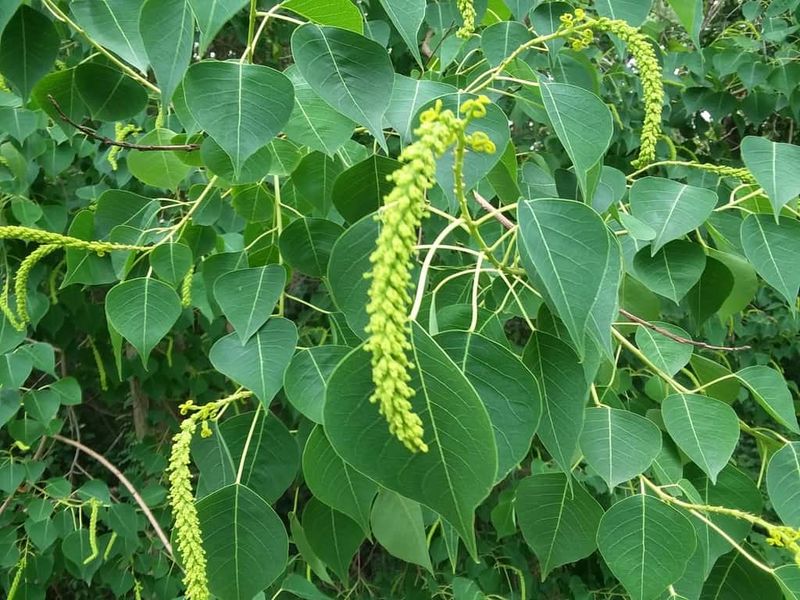
Few invasive plants have caused as much damage to Texas landscapes as the Chinese Tallow Tree.
Originally brought over from China as an ornamental and for soap production, this fast-growing tree has taken over wetlands, prairies, and forests across East, Central, and Gulf Coast Texas.
One single tree can produce thousands of seeds every year, and those seeds spread easily by water, wind, and wildlife.
Once a Chinese Tallow Tree gets established, it is incredibly hard to manage. It grows quickly, shades out native plants, and changes the soil chemistry around it.
This makes it very difficult for native grasses and wildflowers to survive nearby. In some areas of Southeast Texas, entire meadows have been replaced by dense tallow tree thickets in just a few decades.
The best time to remove a Chinese Tallow Tree is when it is young and small. Young saplings can be pulled by hand or dug out with a shovel.
Larger trees may need to be cut and treated with herbicide to stop regrowth, since the stumps will sprout aggressively if not treated. If you live near a creek, pond, or low-lying area in Texas, check regularly for tallow seedlings.
Catching them early makes a huge difference. This is truly one of the top-priority plants to remove in Texas, and acting fast can help protect your local environment for years to come.
2. Chinese Privet (Ligustrum Sinense)
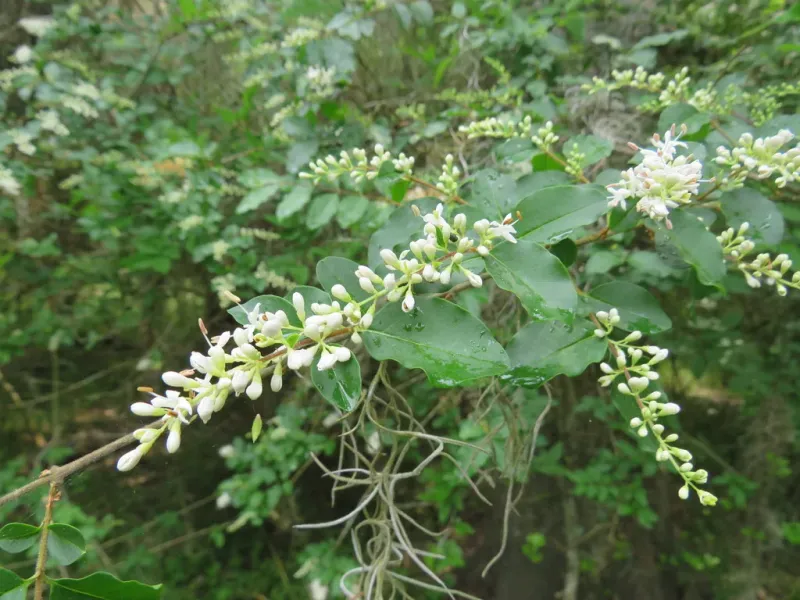
Walk through almost any wooded area in Central or East Texas and you will likely run into Chinese Privet. This shrub was once popular in landscaping because of its fast growth and thick foliage, but it has become one of the most widespread invasive plants in the state.
Birds love the small dark berries, and they spread the seeds far and wide, allowing privet to pop up in forests, along fence lines, and near riverbanks all across Texas.
Chinese Privet forms dense, shady thickets that block sunlight from reaching the forest floor. Native wildflowers, ferns, and young trees simply cannot compete.
Over time, a privet-dominated woodland becomes almost completely empty of native understory plants. The ecological damage is significant, especially in areas that were once rich with biodiversity.
Your Texas Garden Changes Every Week. Your Plan Should Too.
Gardening in Texas changes quickly throughout the season. Every Friday you’ll receive a simple weekly plan showing exactly what to plant, prune, fertilize, harvest, and protect so you never miss the right timing.
Removing privet before the berries ripen is the smartest move. If the berries have already formed, bag and dispose of the branches carefully so seeds do not spread further.
Small plants can be pulled by hand, especially after rain when the soil is soft. Larger shrubs need to be cut at the base and treated to prevent resprouting.
Repeated follow-up is key because privet is stubborn and will come back from the roots if not fully treated.
Gardeners across Texas are encouraged to replace removed privet with native shrubs like beautyberry or possumhaw holly, which provide wildlife value without the invasive spread.
3. Japanese Honeysuckle (Lonicera Japonica)
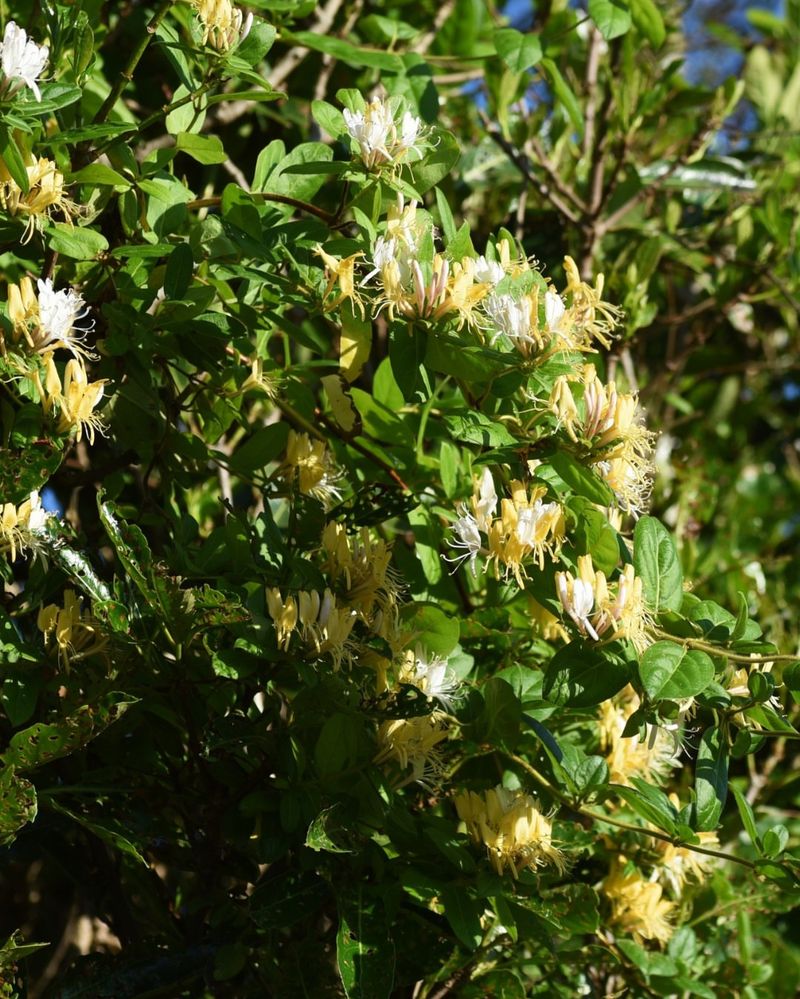
There is something almost sneaky about Japanese Honeysuckle. Its sweet-smelling white and yellow flowers make it seem harmless, even beautiful.
But underneath that charm is one of the most aggressive vining plants in Texas. Japanese Honeysuckle spreads by underground runners and by seeds dropped by birds, allowing it to quietly take over large areas before most gardeners even notice what is happening.
This vine wraps tightly around young trees, shrubs, and fences. As it grows thicker and heavier, it can actually bend and break small trees under its weight.
It also blocks sunlight from reaching the plants it covers, weakening them over time. In wooded areas of East and Central Texas, Japanese Honeysuckle has been known to blanket entire forest floors and climb into the tree canopy.
Early removal is the best strategy with this plant. Young vines can be pulled out by hand, roots and all, during the cooler months when the soil is moist.
Older, well-established vines are much harder to remove and may require repeated cutting and herbicide treatment. Do not compost pulled vines since they can re-root easily.
Instead, bag them and dispose of them in the trash. Replacing Japanese Honeysuckle with a native alternative like coral honeysuckle (Lonicera sempervirens) is a great option.
Native coral honeysuckle offers similar beauty, attracts hummingbirds, and stays well-behaved in the garden without threatening Texas natural areas.
4. Giant Reed (Arundo Donax)
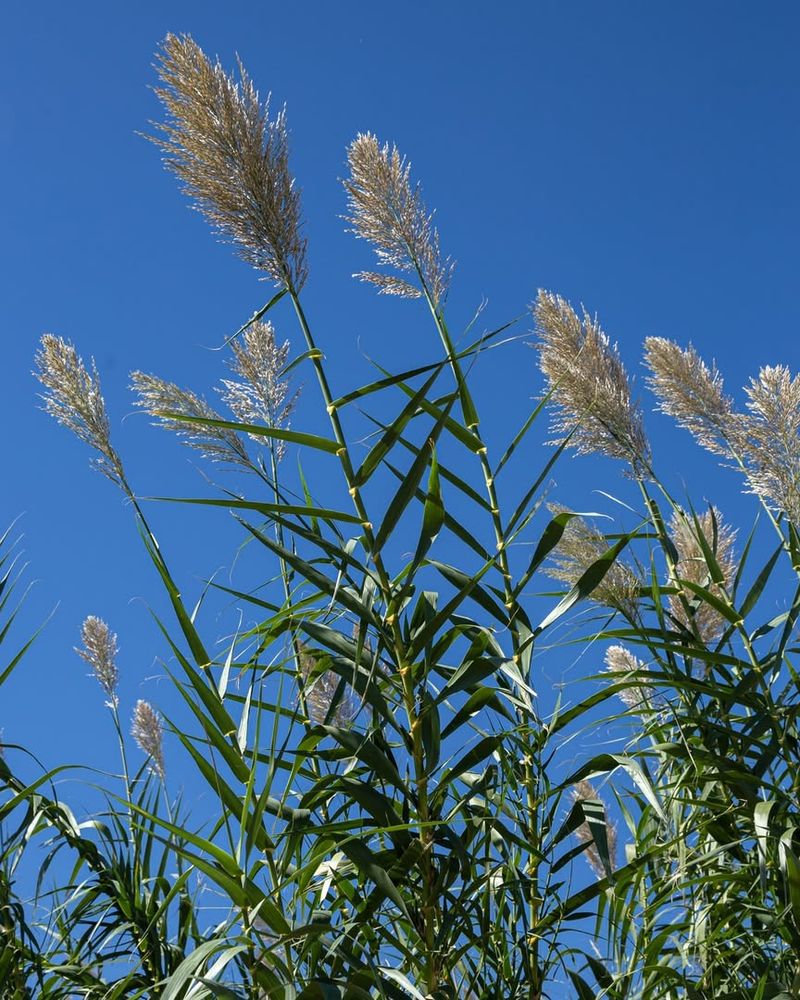
Standing up to 30 feet tall, Giant Reed is hard to miss. This massive grass-like plant grows along creeks, rivers, drainage ditches, and irrigation canals across Texas, and it spreads at an alarming rate.
A single plant can send out underground rhizomes that stretch many feet in every direction, creating enormous colonies that crowd out every other plant nearby.
Along the Rio Grande and many Central Texas waterways, Giant Reed has already caused serious environmental problems.
One of the biggest concerns with Giant Reed is fire risk. Its dry canes build up quickly and create large amounts of flammable material along riverbanks.
It also uses enormous amounts of water, which is a serious issue in a state where water conservation matters a great deal. Native plants that wildlife depends on for food and shelter cannot compete with such an aggressive grower.
Controlling Giant Reed requires persistence. Cutting it back alone will not stop it since the rhizomes underground will just send up new shoots.
The most effective approach combines cutting with herbicide treatment applied directly to the cut stems. This must be repeated over multiple growing seasons to truly reduce the colony.
If you live near a creek, drainage area, or irrigation zone in Texas, inspect those areas regularly for Giant Reed.
Catching new growth early is much easier than trying to manage a large, mature stand. Community removal efforts have proven very effective in several Texas counties.
5. Chinaberry Tree (Melia Azedarach)
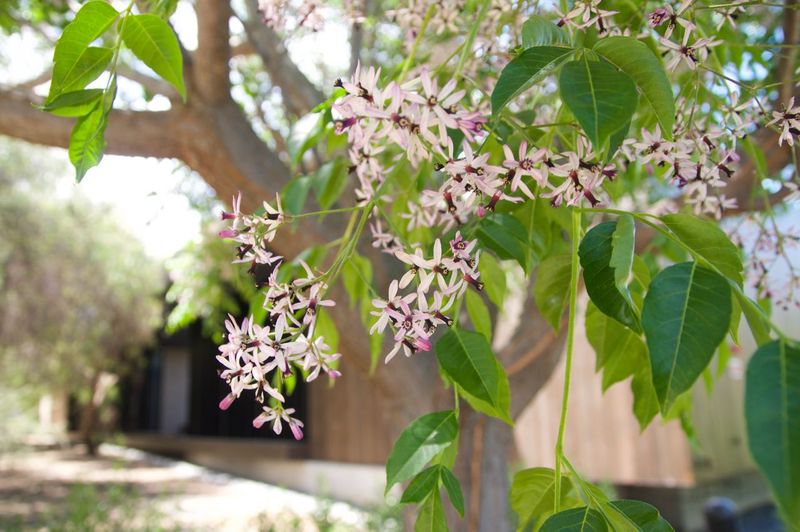
The Chinaberry Tree has a long history in Texas. Settlers planted it for shade because it grows fast and provides a wide canopy.
For generations, it was a common sight in old farmyards and along roadsides across the state. But what seemed like a useful tree turned out to be a serious invasive problem.
Chinaberry produces huge crops of berries that birds spread into pastures, woodlands, and disturbed areas, where the tree quickly takes hold.
Beyond its invasive spread, Chinaberry poses a real safety concern. The berries are toxic to livestock and pets.
Animals that eat the berries can become seriously ill. This makes the tree a genuine hazard for farms and rural properties across Texas, where livestock roam near wooded areas or fence lines where Chinaberry often establishes itself.
The best approach is to remove young Chinaberry trees before they begin producing seeds. Young trees can be pulled or dug out fairly easily.
Larger trees should be cut down and the stumps treated with herbicide immediately to prevent vigorous resprouting. The roots are strong and the tree will regrow repeatedly if stumps are left untreated.
Disposing of berry-covered branches carefully is important so seeds do not spread to new areas.
Native shade trees like Texas Live Oak or Cedar Elm are excellent replacements that provide beautiful canopy without the invasive and toxic risks that Chinaberry brings to Texas properties and natural spaces.
6. Nandina / Heavenly Bamboo (Nandina Domestica)
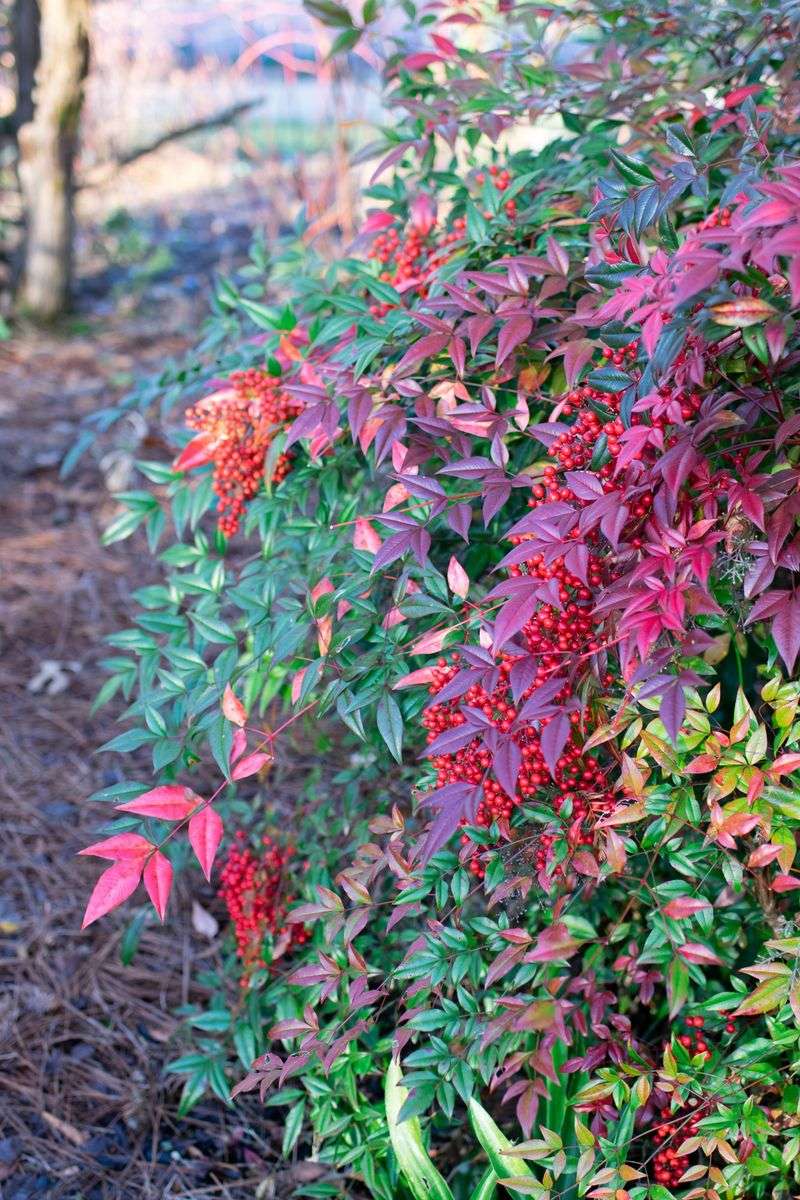
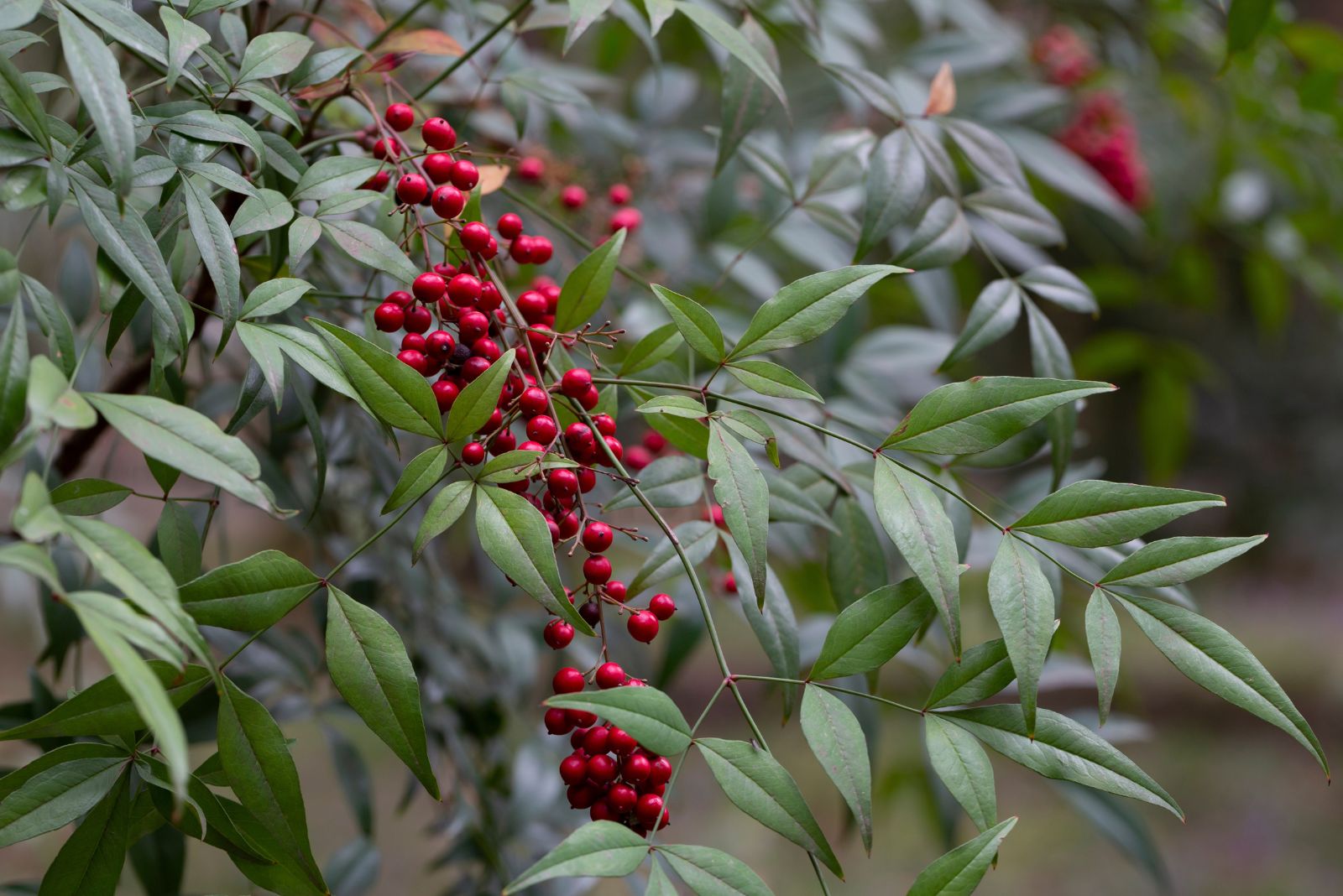
Nandina, often called Heavenly Bamboo, is one of those plants that looks perfectly innocent in a garden bed. Its bright red berries and attractive foliage made it a landscaping favorite across Texas for decades.
It is still sold widely at nurseries today. But Nandina has a serious dark side that many homeowners do not know about.
Birds eat the red berries and carry the seeds into natural areas, where the plant spreads and forms dense colonies that crowd out native vegetation.
The berries are also toxic to certain birds and wildlife. Cedar waxwings, which are common winter visitors in Texas, have been found harmed after eating large quantities of Nandina berries.
This makes Nandina not just an ecological competitor but an active threat to the very wildlife that gardeners often hope to attract to their yards.
Removing Nandina is especially important for homeowners who live near parks, nature preserves, or natural areas in Texas. The plant can be dug out by hand or with a shovel, making sure to remove as much of the root system as possible.
Stumps and root pieces left in the soil can resprout, so follow-up checks are needed. Replacing Nandina with native alternatives like Possumhaw Holly or Yaupon Holly gives your yard beautiful winter color and real wildlife value.
Both plants produce berries that are safe for birds and grow naturally across Texas without threatening surrounding natural areas.
7. Johnson Grass (Sorghum Halepense)
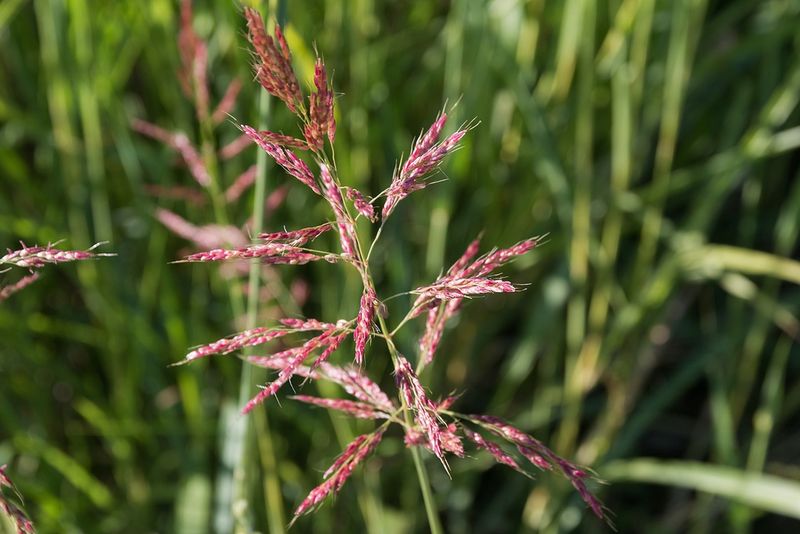
Ask any Texas farmer or rancher about Johnson Grass and you will likely get a frustrated look. This tall, aggressive grass is considered one of the worst invasive weeds in the entire state.
Originally introduced from the Mediterranean region as a forage crop in the 1800s, Johnson Grass quickly spread out of control.
It now invades pastures, roadsides, crop fields, and disturbed areas throughout Texas, competing fiercely with both native plants and agricultural crops.
Johnson Grass spreads in two powerful ways. It produces massive quantities of seeds that travel easily by wind, water, and equipment.
It also grows an extensive underground network of thick rhizomes that can stretch several feet in every direction. Even a small piece of rhizome left in the soil can grow into a new plant.
This combination makes Johnson Grass extremely difficult to fully eliminate once it has settled into an area.
Under certain stress conditions, Johnson Grass can produce compounds that are harmful to livestock, making it a concern on Texas farms and ranches. Early removal is by far the most effective strategy.
Small patches can be dug out carefully, making sure to remove as much of the rhizome system as possible. Larger infestations often require repeated herbicide treatments over multiple seasons combined with regular mowing to weaken the plants.
Never let Johnson Grass go to seed. Preventing seed production is one of the most important steps Texas gardeners and landowners can take to stop this relentless grass from spreading further across the state.