This Is How To Tell If Your Palm Has Spear Rot In Florida
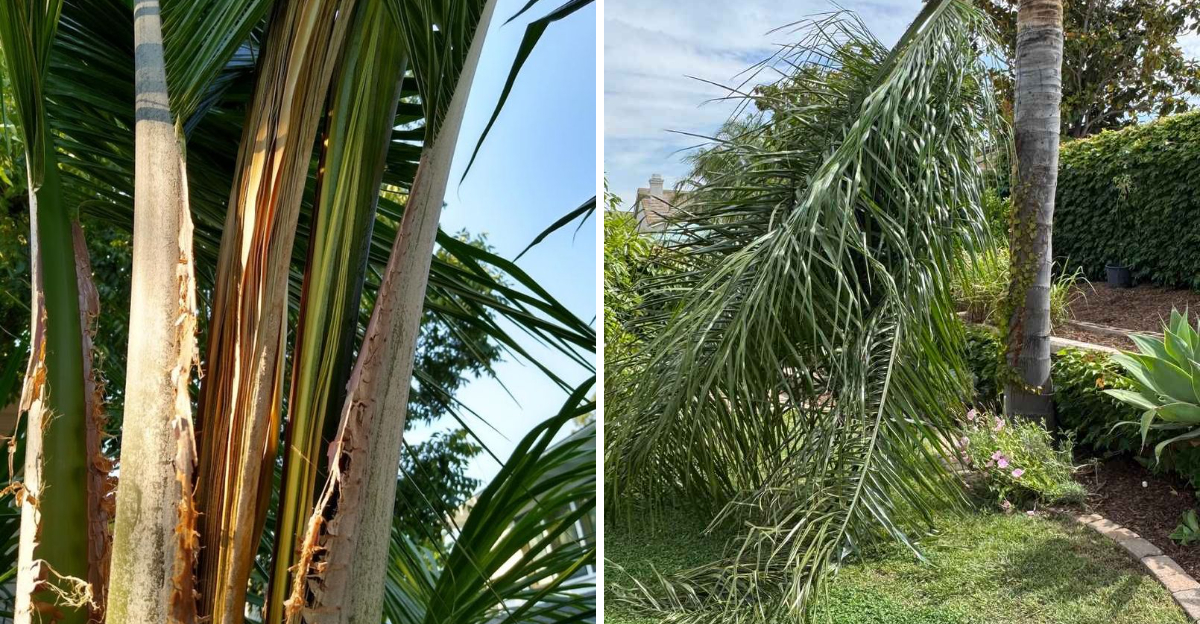
Your palm looked flawless days ago, strong, upright, full of deep green life. Now something feels different.
The center looks uneasy. The newest growth seems unsure of itself.
You pause, stare, wonder. Every Florida gardener knows this quiet moment of doubt, the split second where a thriving palm suddenly raises questions.
In this climate, small changes rarely stay small for long. Palms live from a single hidden core, and any trouble there can rewrite the future of the entire tree.
The unsettling part comes from how subtle the shift can appear at first glance. Nothing dramatic, nothing obvious, just a feeling that something is not right.
Trust that instinct. Your palm always tells a story before the real chapter begins, and the clues often show up long before most people notice the plot twist.
1. A Loose Spear Leaf Is The Earliest Sign
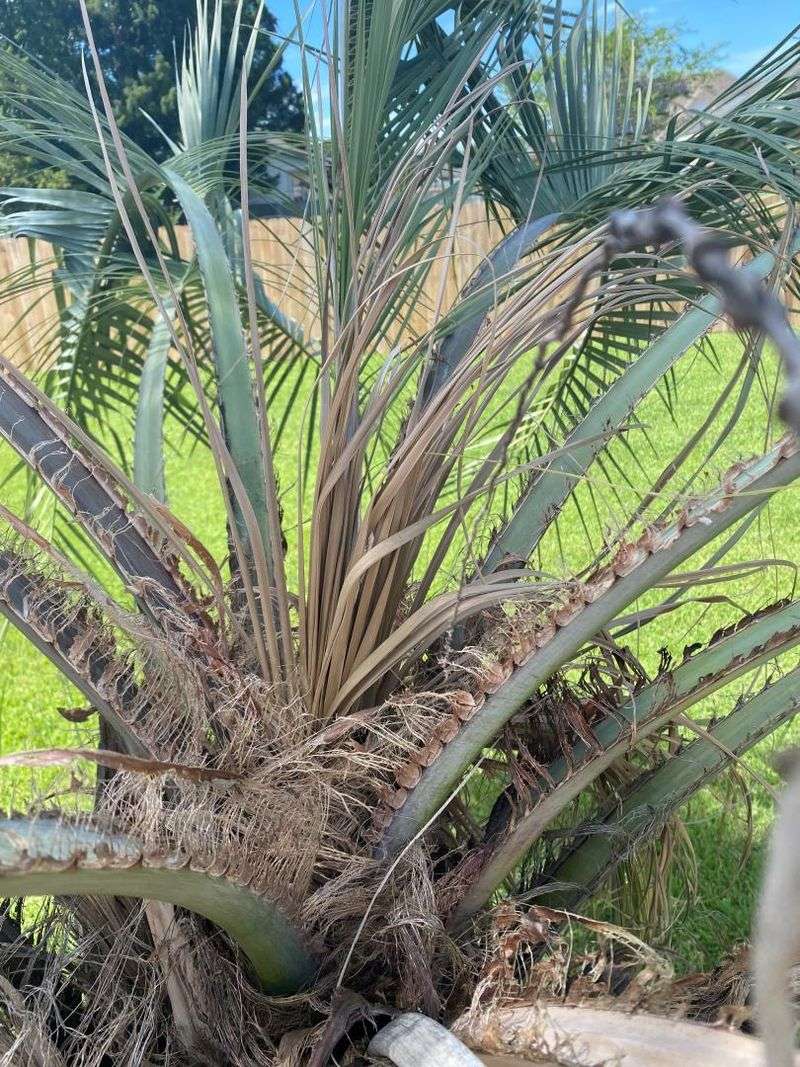
One of the first things you can check when you suspect trouble is whether the newest leaf pulls out easily. Gently tug on the spear, which is the youngest, unopened frond in the center of the crown.
If it slides out without much resistance, that’s a strong indicator that the tissue holding it in place has been damaged or is beginning to rot.
Healthy palms have spears that are firmly attached to the bud. Even a moderate pull should meet resistance.
When rot begins, the base of the spear and the surrounding tissue start to break down, loosening the connection. This test is simple and can be done without any tools, making it one of the most practical early detection methods.
In Florida, this symptom often appears after a period of heavy rain or following a cold snap. Both situations can stress the palm and create openings for infection.
If you notice the spear is loose, it’s important to act quickly. Remove the loose frond carefully, inspect the crown for moisture or decay, and allow the area to dry out.
Catching the problem at this stage gives you the best chance of recovery. Many palms can bounce back if the infection hasn’t spread deeply into the bud.
Monitor the palm closely over the following weeks and watch for new growth.
2. The Crown Turning Soft Means Rot Has Started
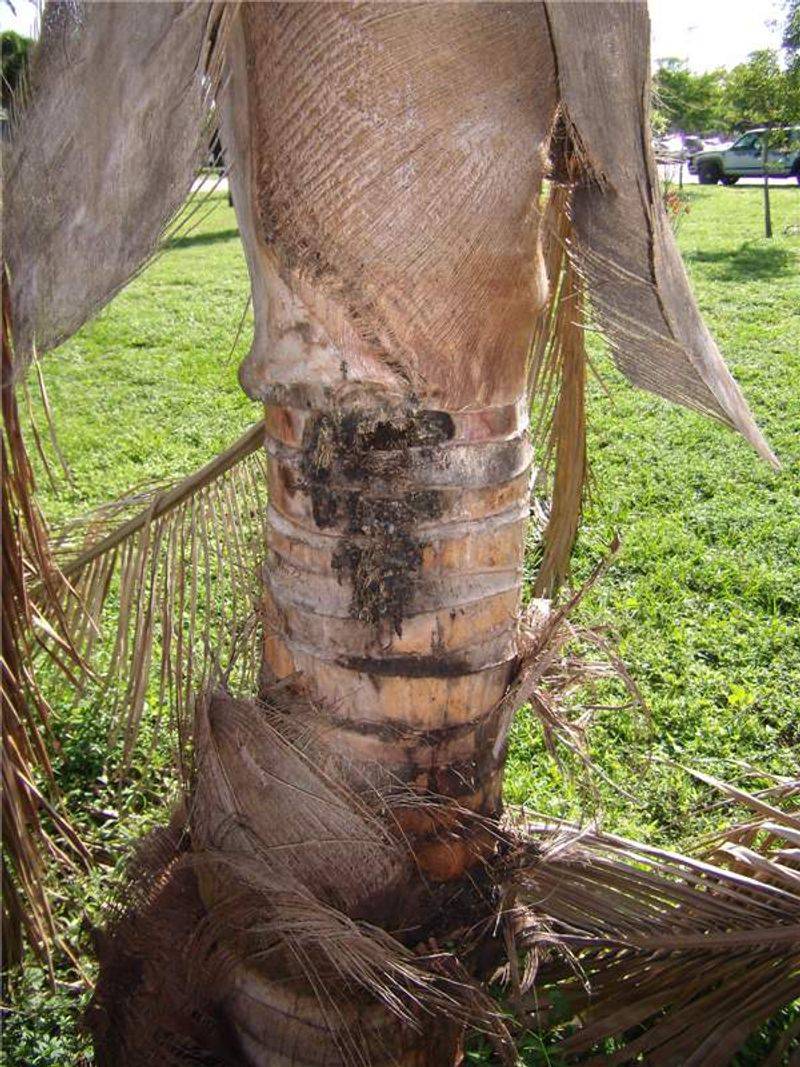
When you press gently on the crown area where the fronds emerge, it should feel firm and solid. If the tissue feels soft, spongy, or mushy, that means internal decay has begun.
This is a clear sign that rot has moved beyond the surface and is affecting the growing point itself.
Soft tissue indicates that pathogens have broken down the cell structure inside the bud. Once this happens, the palm’s ability to produce new leaves is compromised.
The decay often starts small but can spread quickly, especially in warm, humid conditions common throughout Florida.
You might notice the soft area is also darker in color or has a wet appearance. Sometimes the tissue will feel almost hollow or collapse slightly when touched.
These are all signs that the infection is active and progressing. The growing point, which is the heart of the palm’s ability to survive, is being damaged.
Your Florida Garden Changes Every Week. Your Plan Should Too.
Gardening in Florida changes quickly throughout the season. Every Friday you’ll receive a simple weekly plan showing exactly what to plant, prune, fertilize, harvest, and protect so you never miss the right timing.
If you catch soft tissue early, you may still be able to help the palm by improving drainage around the base, removing standing water from the crown, and applying a copper-based fungicide according to University of Florida IFAS guidelines. However, if the softness is widespread or the bud feels completely mushy, the damage may be too advanced for the palm to recover.
Keep monitoring and avoid adding more water to the crown area.
3. A Rotting Smell From The Top Signals Infection
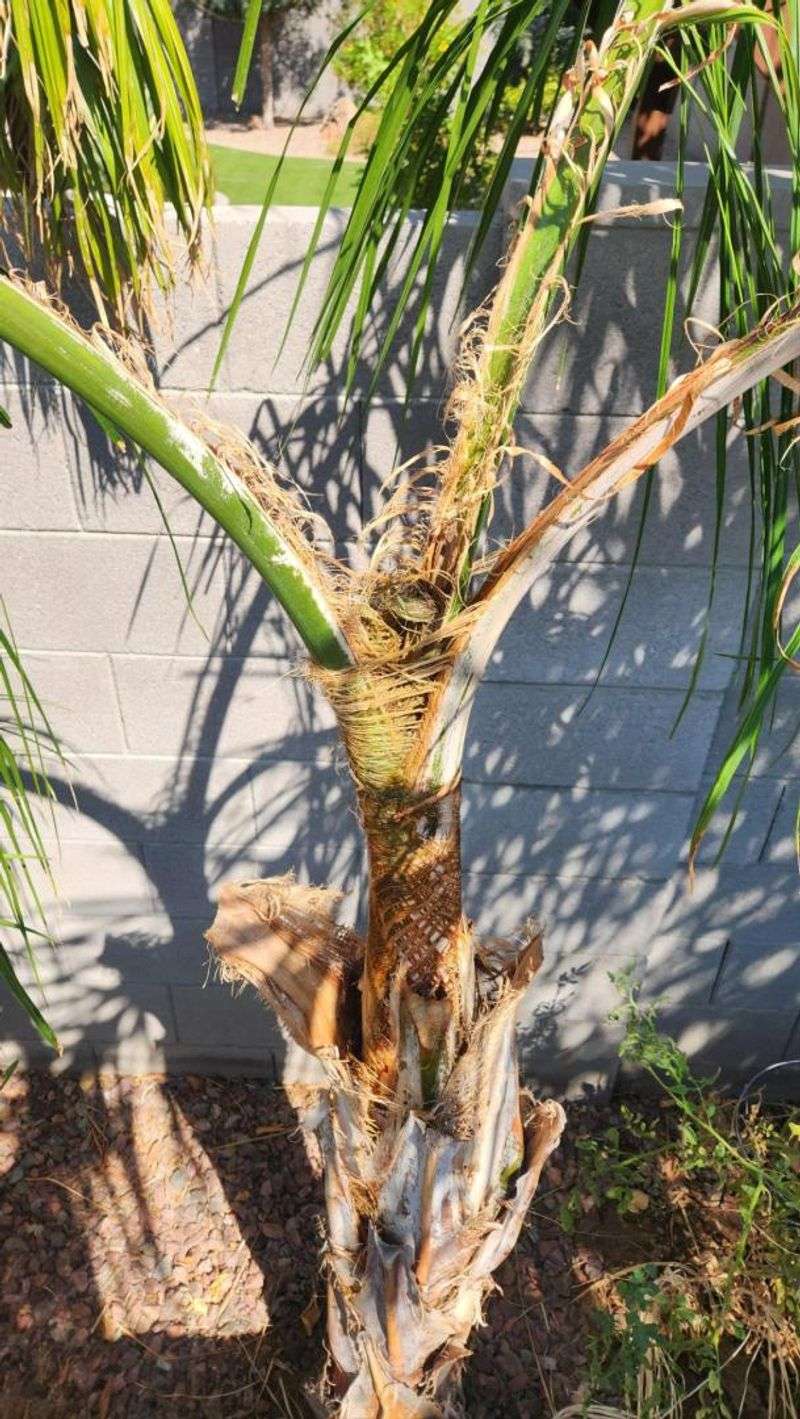
Smell is one of the most telling signs of active rot. If you notice a foul, sour, or musty odor coming from the top of your palm, it means microbial activity is breaking down plant tissue.
Healthy palms have no odor, so any unpleasant smell is a red flag that should not be ignored.
The smell comes from bacteria and fungi feeding on decaying tissue inside the crown. As these organisms multiply, they produce gases and byproducts that create the distinctive rotting odor.
It’s similar to the smell of composting plant material, but more concentrated and unpleasant. In Florida’s heat, the smell can become quite strong, especially during the afternoon.
If you detect this odor, it’s a sign that the infection is well underway. The pathogens have likely been present for several days or even weeks, and the tissue breakdown is accelerating.
You may also see dark, wet areas around the crown or notice fluid oozing from the center of the palm.
At this point, immediate action is needed. Remove any loose or rotting fronds, clear out debris from the crown, and allow air to reach the affected area.
Avoid watering overhead and keep the crown as dry as possible. In some cases, a fungicide treatment may slow the spread, but success depends on how much of the bud has already been damaged.
Continue to monitor closely for any signs of recovery or further decline.
4. New Growth Turning Yellow Or Brown Is A Warning
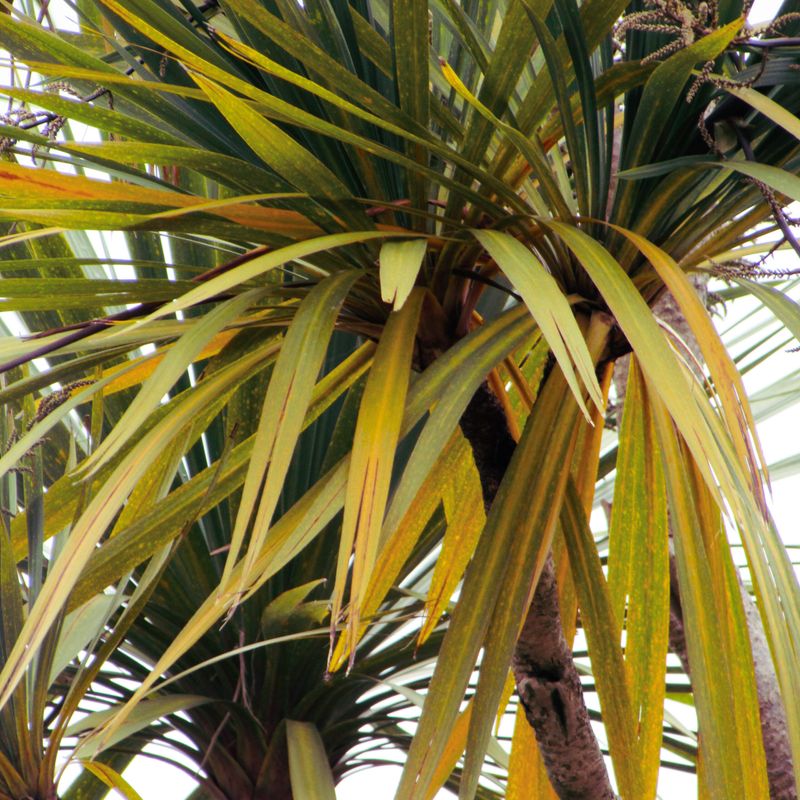
Pay close attention to the color of the newest fronds as they emerge. If they come out yellow, brown, or streaked with discoloration instead of a healthy green, it’s a warning that the palm is struggling.
This color change indicates that the tissue responsible for producing new leaves is compromised.
Normally, new fronds unfurl with a bright, vibrant green color. When rot affects the bud, the tissue can’t function properly, and the fronds that develop are weak and discolored.
Sometimes they’ll start out pale yellow and then turn brown as they fail to mature. Other times, they’ll emerge already brown or streaked with declined tissue.
This symptom often follows other signs like a loose spear or soft crown. It shows that the infection has progressed and is now affecting the palm’s ability to produce healthy foliage.
In Florida, this can happen quickly, especially after periods of heavy rain or cold stress that weaken the palm’s defenses.
If you see discolored new growth, check the crown for moisture, odor, or soft spots. Remove any declined or rotting material and improve air circulation around the top of the palm.
While some palms can recover if the damage is limited, yellowing or browning new growth is a serious sign that the palm’s future is uncertain. Keep a close eye on whether the next round of fronds emerges healthier or continues to decline.
5. Too Much Water In The Crown Can Start Rot
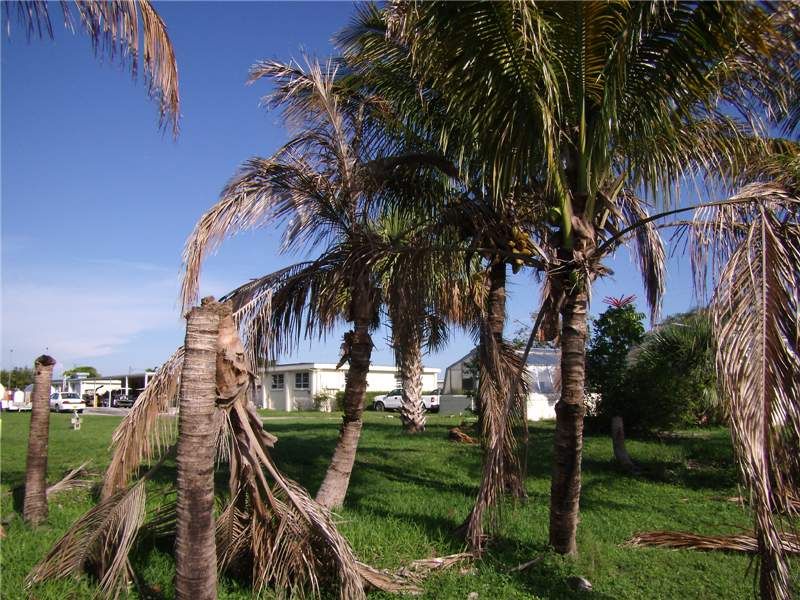
Excess moisture sitting in the crown is one of the main causes of spear rot. When water collects in the tight space where fronds emerge, it creates a perfect environment for pathogens like Phytophthora to thrive.
Palms are not designed to hold standing water at the top, and prolonged wetness can quickly lead to infection.
In Florida, this is especially common during the summer rainy season. Afternoon thunderstorms can dump several inches of rain in a short time, and water can become trapped in the crown if the palm is planted in a low spot or if the fronds are tightly packed.
Overhead irrigation also contributes to the problem, especially if sprinklers run frequently or for long durations.
Once water sits in the crown for more than a day or two, fungal spores and bacteria present in the environment can germinate and begin infecting the soft tissue. The warm temperatures speed up the process.
You might not notice symptoms right away, but within a week or two, the spear may start to loosen or the crown may begin to soften.
Preventing water accumulation is key. Avoid planting palms in areas with poor drainage.
Adjust irrigation so that water doesn’t spray directly onto the crown. After heavy rains, you can gently shake the palm or use a leaf blower to remove standing water.
Keeping the crown dry is one of the most effective ways to prevent spear rot from starting in the first place.
6. Cold Weather Can Trigger Spear Rot In Florida
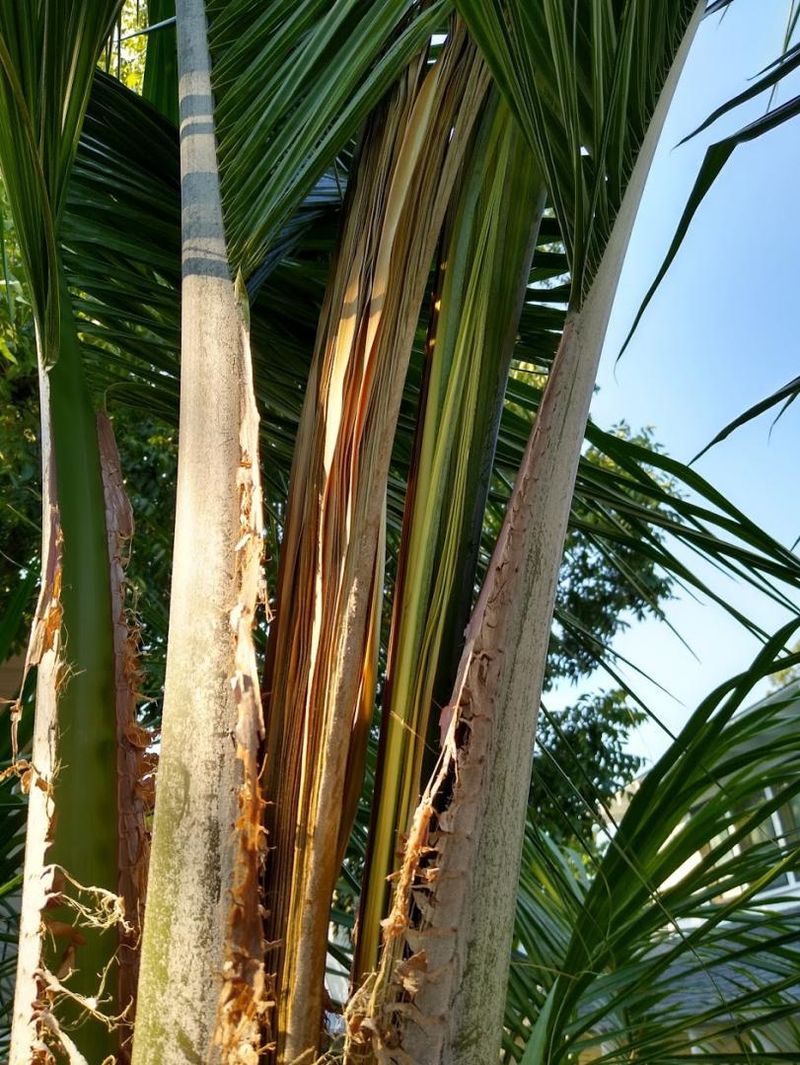
Cold snaps are a major trigger for spear rot in Florida palms. When temperatures drop suddenly, especially into the 30s or below, the tender tissue in the crown can be damaged.
This cold injury weakens the bud and makes it much more vulnerable to infection by opportunistic pathogens that are normally kept in check by healthy plant defenses.
Even palms that are considered cold-hardy can suffer bud damage during unexpected freezes. The youngest, most actively growing tissue is the most sensitive.
After a cold event, the damaged cells break down, creating an entry point for bacteria and fungi. Within days or weeks, rot can set in, especially if wet conditions follow the cold snap.
Florida’s winter weather can be unpredictable, with warm days followed by sudden cold fronts. Palms that are stressed by the temperature swing are less able to resist infection.
You might not see symptoms immediately after the cold, but as the weather warms up and moisture returns, rot can develop rapidly.
If your area experiences a freeze, inspect your palms closely in the weeks that follow. Look for loose spears, soft tissue, or discolored new growth.
Avoid watering the crown and allow the area to dry out. In some cases, applying a copper fungicide after cold damage can help reduce the risk of infection.
Keep in mind that recovery depends on how much of the bud was injured and whether infection has already begun.
7. A Collapsing Crown Means The Problem Is Advanced
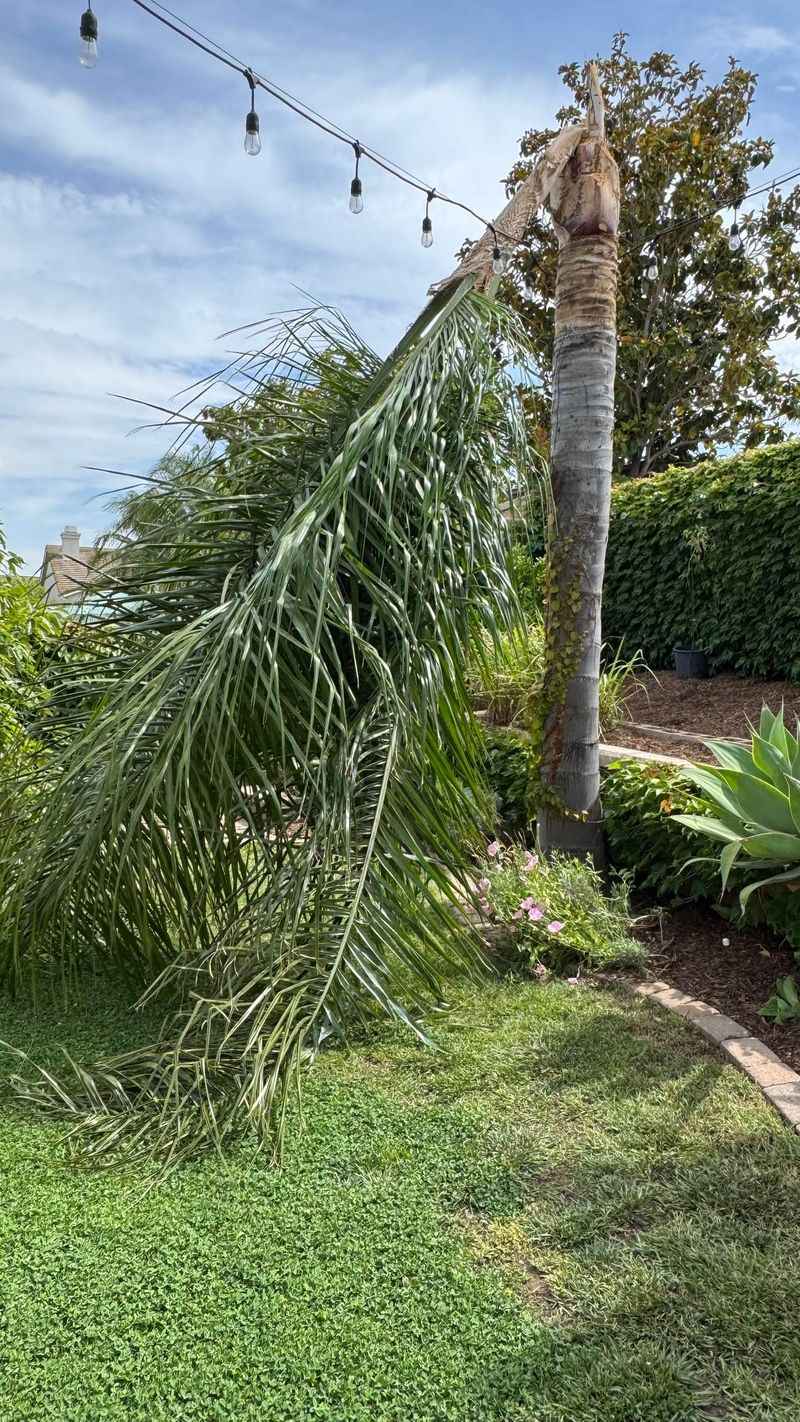
When the crown of the palm begins to collapse or cave in, it means the rot has reached an advanced stage. The internal structure that supports the fronds has broken down, and the palm is no longer able to hold its shape at the top.
This is one of the most visible and serious symptoms of spear rot.
A collapsing crown usually indicates that the growing point has been severely damaged or completely destroyed. Without a functional bud, the palm cannot produce new fronds, and the existing ones begin to droop, lean inward, or fall away.
The top of the palm may look sunken or hollow, and the remaining fronds often hang loosely rather than standing upright.
At this stage, recovery is unlikely. The structural damage is too extensive, and the palm’s ability to regenerate new tissue is lost.
In Florida, you might see this symptom several weeks or even months after the initial infection began, especially if earlier warning signs were missed or ignored.
If you notice a collapsing crown, it’s important to assess whether the palm poses a safety risk. Fronds can fall unexpectedly, and the weakened trunk may eventually become unstable.
Consult with a certified arborist or tree care professional to determine whether the palm should be removed. While it’s always disappointing to lose a palm, removing a declining tree can prevent further problems and make space for a healthy replacement that’s better suited to your site conditions.
8. Catching It Early Can Save Your Palm
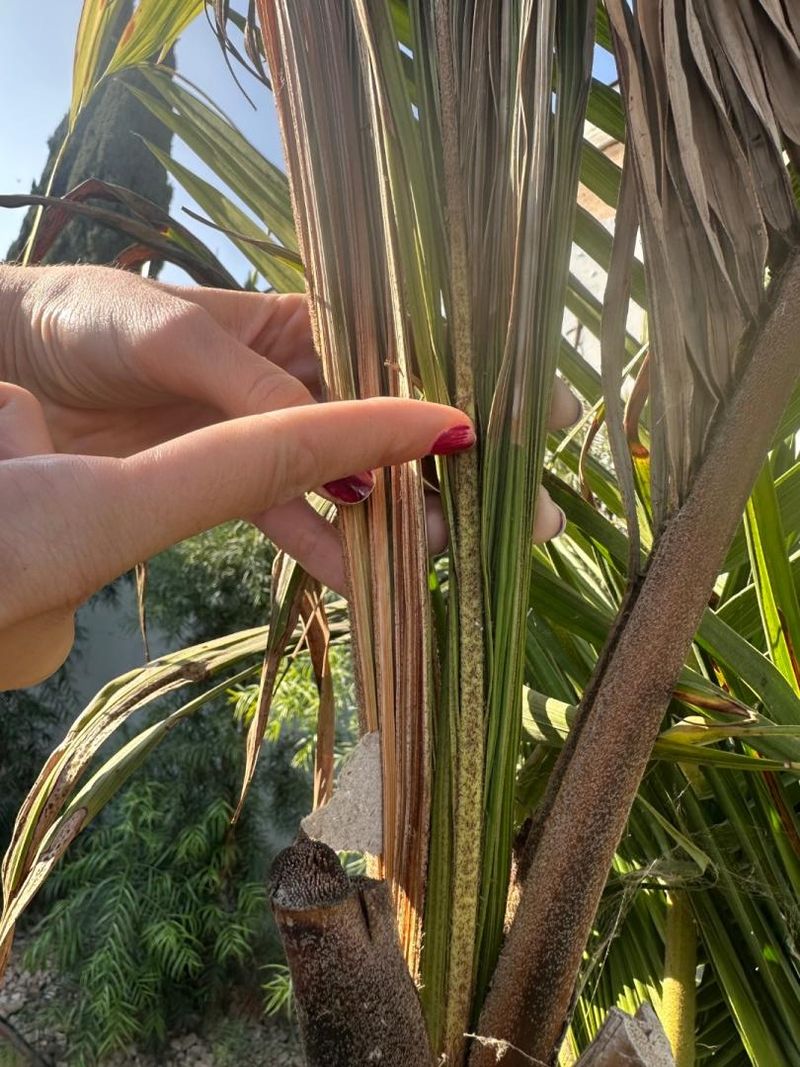
Early detection is your best tool for saving a palm from spear rot. If you catch the problem when the spear first loosens or the crown just begins to soften, there’s still a good chance the palm can recover.
Quick action and careful monitoring are essential during this critical period.
Start by removing any loose or rotting fronds from the crown. This helps improve air circulation and allows the area to dry out.
Check for standing water and gently remove it using a sponge, towel, or leaf blower. Avoid adding more water to the crown, and adjust your irrigation so that sprinklers don’t spray directly onto the top of the palm.
University of Florida IFAS Extension recommends applying a copper-based fungicide to the crown area if rot is suspected. Follow label instructions carefully and reapply as directed.
Copper can help slow the spread of fungal pathogens, but it’s most effective when used early in the infection process. It won’t reverse damage that’s already occurred, but it may prevent further spread.
Monitor the palm closely over the next several weeks. Look for signs of new, healthy growth emerging from the center.
If the next spear comes out green and firm, that’s a positive sign. If new fronds continue to emerge discolored or fail to develop, the damage may be too severe.
Patience is important, as recovery can take time. Keep the crown dry, avoid fertilizing until the palm stabilizes, and continue to watch for improvement or decline.