This Is What You Should Plant In North Texas This March
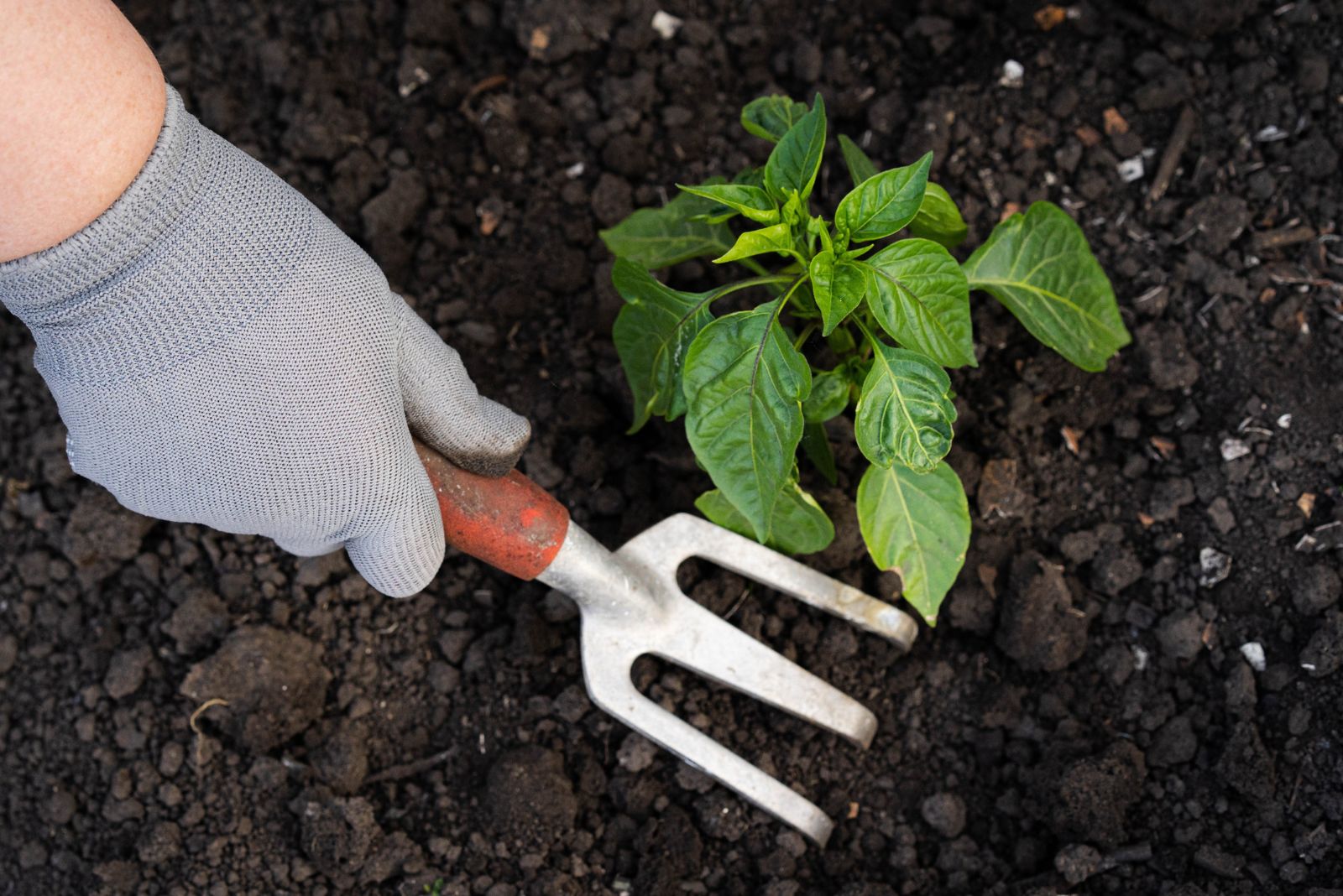
March in North Texas feels like the starting line of gardening season. The chill of winter begins to fade, the soil starts to warm, and suddenly it is hard to resist the urge to dig in and plant something new.
But timing matters here. North Texas weather can swing from sunny afternoons to surprise cold nights, so choosing the right plants now makes all the difference.
The good news is that plenty of vegetables, herbs, and flowers actually thrive in these early spring conditions. Plant them in March and you will set your garden up for strong growth before the intense summer heat rolls in.
Whether you are filling raised beds, refreshing flower borders, or starting a small backyard plot, this is the moment to make smart choices. Here is what you should plant in North Texas this March for a vibrant and productive season ahead.
1. Tomatoes
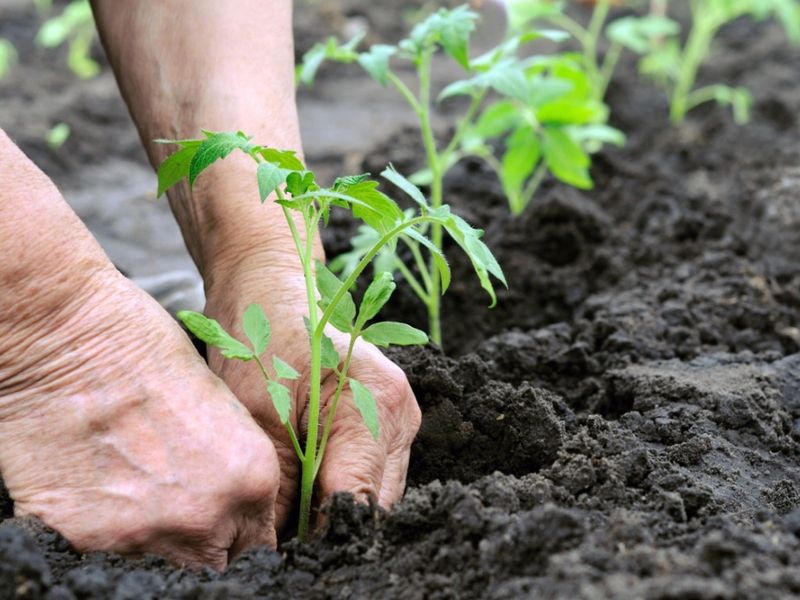
Ask any North Texas gardener what they are most excited to grow, and nine times out of ten, tomatoes will be the answer. There is something deeply satisfying about pulling a ripe, sun-warmed tomato right off the vine in your own backyard.
The good news is that March is the perfect time to get started, as long as you pay attention to the weather.
North Texas sees its average last frost somewhere between mid and late March. That means you should wait until that window has passed before putting your transplants in the ground.
Starting too early can expose young plants to a hard freeze, which can set your whole season back. Keep an eye on the forecast and be ready to cover your plants with frost cloth if a late cold snap sneaks through.
Use sturdy transplants rather than trying to start seeds directly outdoors. Transplants give you a head start and tend to handle the transition into the garden much better.
Look for varieties that are known to perform well in Texas heat, like Celebrity, Sweet 100, or Tycoon. These types are bred to keep producing even when temperatures climb.
Support is something you want to set up early. Place your cages or stakes right at planting time so you avoid disturbing the roots later on.
Tomatoes grow fast in North Texas once the warm weather settles in, and they will need that structure sooner than you might expect. Water consistently and watch them take off.
2. Peppers
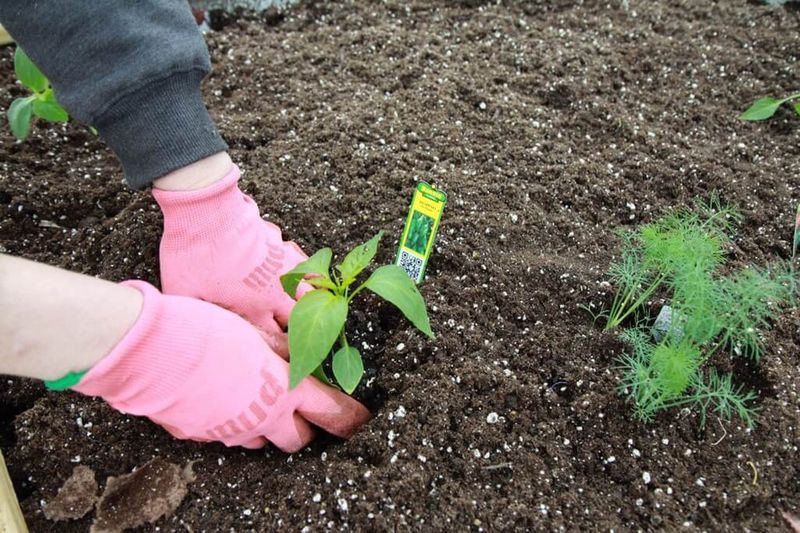
Peppers are a little pickier than tomatoes when it comes to soil temperature, but once they settle in, they absolutely love North Texas summers.
If you have tried growing peppers before and felt like they just sat there doing nothing for weeks, cold soil was probably the reason. Peppers want warmth before they really wake up and start growing.
Late March into early April is the sweet spot for planting peppers in North Texas. By that point, the soil has had enough time to warm up and the risk of frost is mostly behind you.
Full sun is non-negotiable for peppers. They need at least six to eight hours of direct sunlight every day to grow strong and produce well. A shady spot will leave you with weak plants and very few peppers to show for your effort.
Your Texas Garden Changes Every Week. Your Plan Should Too.
Gardening in Texas changes quickly throughout the season. Every Friday you’ll receive a simple weekly plan showing exactly what to plant, prune, fertilize, harvest, and protect so you never miss the right timing.
Both sweet peppers and hot peppers thrive in this region once established. Varieties like Bell, Jalapeño, Banana, and Poblano are popular choices for North Texas gardens.
They handle the summer heat without skipping a beat, which makes them one of the most reliable crops you can grow here.
One helpful tip is to harden off your transplants before putting them in the ground. If they have been growing indoors or in a greenhouse, gradually introduce them to outdoor conditions over about a week.
This reduces transplant shock and helps them adjust to the intense Texas sun. Give them consistent water, especially during dry spells, and they will reward you all season long.
3. Bush Beans
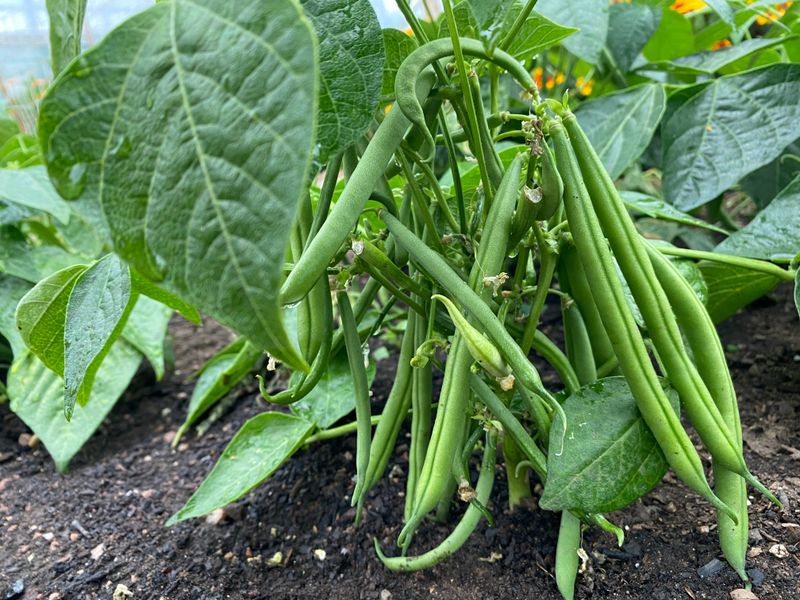
Few vegetables are as no-fuss and satisfying as bush beans. If you are newer to gardening or just want something that delivers results without a lot of extra work, bush beans should absolutely be on your list this March.
They grow fast, produce a solid harvest, and do not require the trellising or climbing support that pole beans need.
Direct sowing is the way to go with bush beans. You plant the seeds straight into the garden soil rather than starting them indoors first.
Wait until the soil has warmed up enough, which in North Texas usually happens right around mid-March.
Cold soil will cause seeds to rot before they even sprout, so patience pays off here. Once conditions are right, germination happens quickly, often within a week to ten days.
Raised beds are an especially great option for bush beans in North Texas. The soil in raised beds tends to warm up faster than ground-level garden plots, which gives you a slight head start.
Good drainage is also important, because beans do not like sitting in waterlogged soil. Mix in some compost before planting to give your seeds a nutrient-rich foundation to grow from.
Bush beans are also space-efficient. You can plant them fairly close together and still get a strong yield.
They tend to produce all at once, which is great if you want to do a big harvest for canning or freezing. Plant a second round a few weeks after the first for a longer, more spread-out harvest through the early summer months.
4. Squash (Summer Squash And Zucchini)
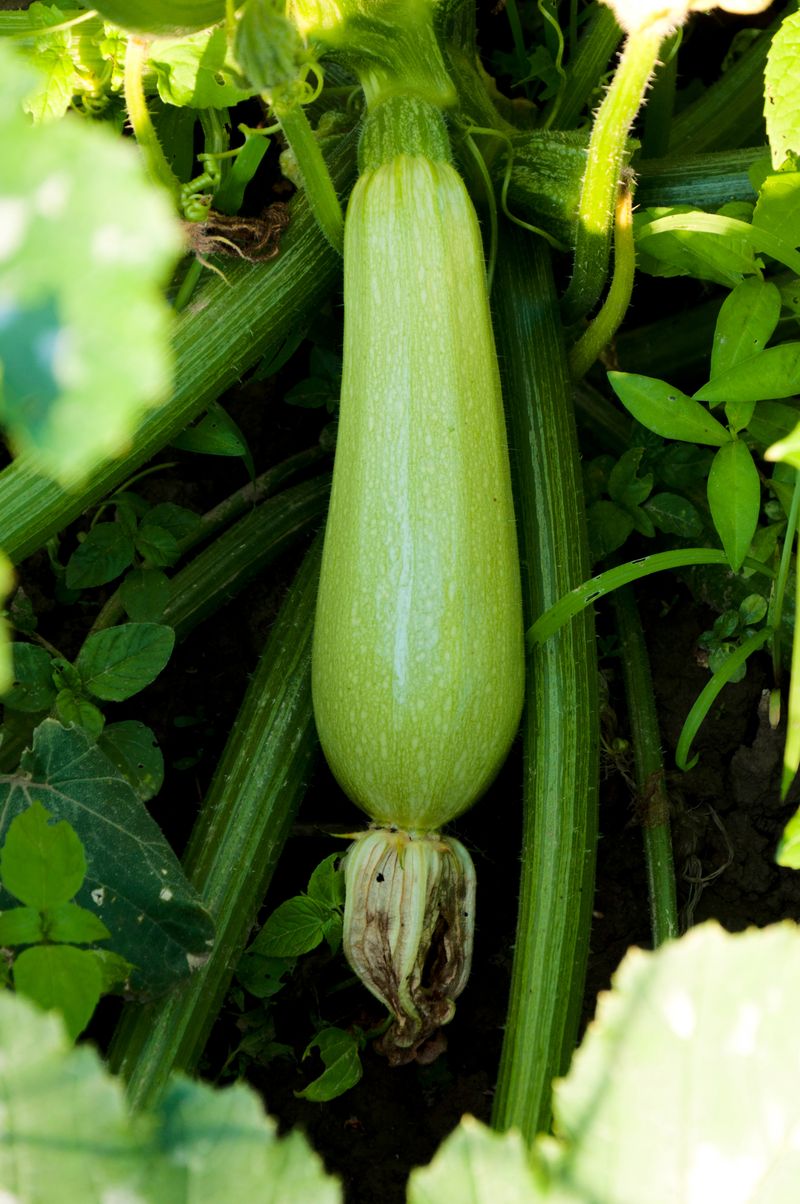
Zucchini has a reputation for producing so much that gardeners end up leaving bags of it on their neighbors porches, and in North Texas, that reputation is well deserved.
Summer squash and zucchini grow fast, take up a good amount of space, and seem to produce overnight once they get going. If you have never grown squash before, this season is a great time to try.
Mid to late March is the right window for direct sowing squash seeds in North Texas. The warming soil signals the seeds to sprout, and they typically germinate within a week.
Choose a spot with full sun and make sure there is good airflow around the plants. Squash leaves are large and can trap moisture, which sometimes leads to powdery mildew if air cannot circulate freely. Spacing your plants properly helps prevent this.
One thing to be aware of with squash in North Texas is the squash vine borer. This pest becomes a serious problem in midsummer, and once it gets into your plants, it can do significant damage very quickly.
The best strategy is to plant early so your squash can produce a good harvest before the borers become active. Harvesting frequently also keeps the plant productive and healthy.
Yellow crookneck squash, pattypan, and zucchini are all excellent choices for this region. Water your squash deeply but infrequently, and make sure the soil drains well.
These plants are vigorous growers and will reward consistent care with a steady stream of fresh, tasty squash through the early summer months.
5. Cucumbers
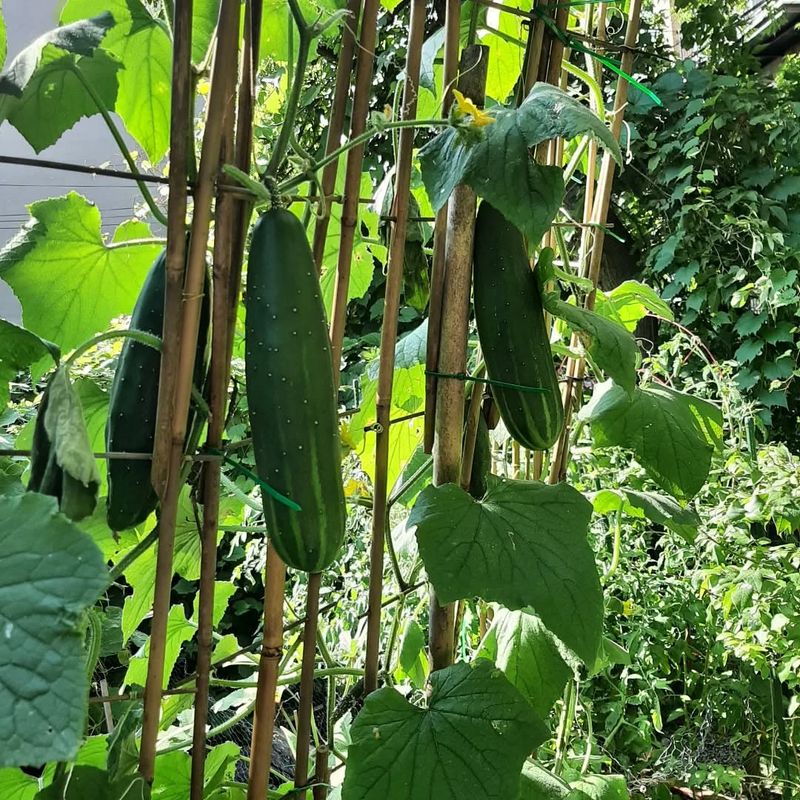
Nothing beats a crisp, cool cucumber on a hot Texas afternoon, and the great news is that cucumbers are one of the fastest-growing vegetables you can plant in North Texas. Once the warm weather hits, these plants take off quickly and start producing before you know it.
Late March is your go-to planting time, when the soil has had a chance to warm up to a comfortable temperature for germination.
Cucumbers do best in full sun with consistent moisture. They grow rapidly in the North Texas warmth, but they need steady watering to produce well.
Uneven watering can lead to bitter-tasting cucumbers or cause the fruits to crack. A soaker hose or drip irrigation system works really well for keeping moisture levels steady without wetting the leaves, which can invite disease.
Climbing varieties like Straight Eight or Spacemaster are excellent choices for North Texas gardens. Growing cucumbers vertically on a trellis saves space and keeps the fruit off the soil, which reduces the chance of rot and makes harvesting much easier.
Even a simple wire or wooden trellis will do the job perfectly. Trellised cucumbers also get better airflow, which helps keep the plants healthier through the season.
Harvest cucumbers when they are medium-sized and still firm. Leaving them on the vine too long causes them to turn yellow and become seedy, which also signals the plant to slow down production.
Check your plants every day or two during peak season. Regular picking encourages the plant to keep producing, giving you a longer and more generous harvest through early summer.
6. Swiss Chard
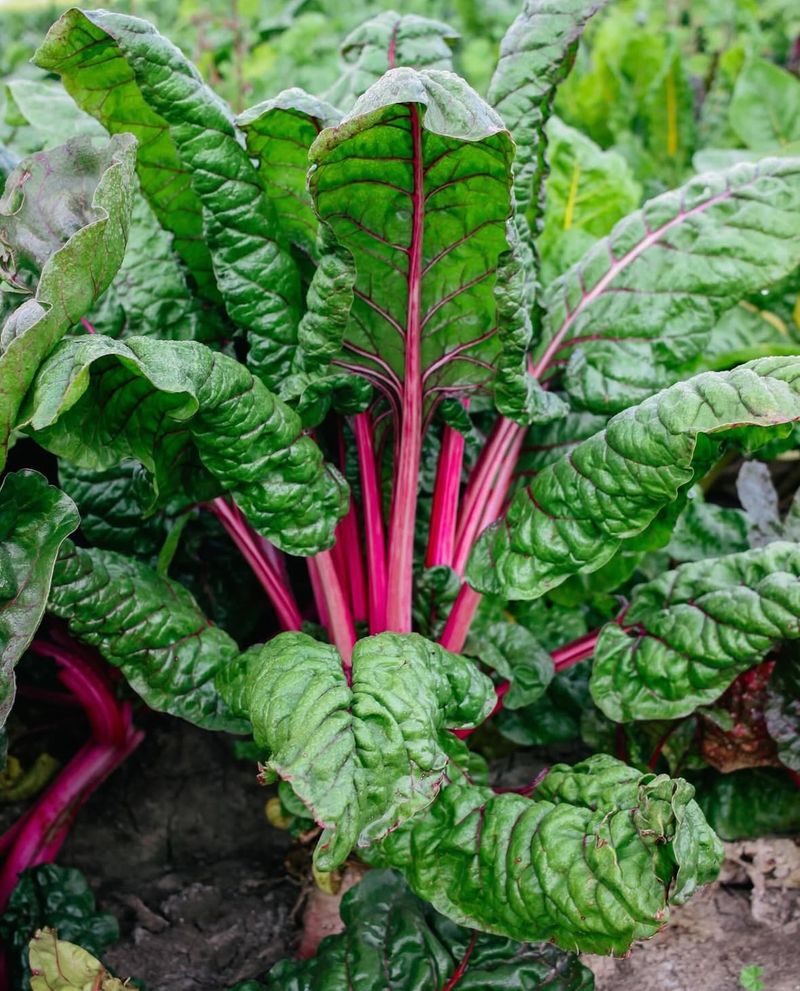
Swiss chard might not get as much attention as tomatoes or cucumbers, but it deserves a serious spot in your North Texas garden this March. With its bold, colorful stems and large leafy greens, it is as beautiful as it is useful.
Rainbow chard varieties bring a pop of red, orange, yellow, and pink to your garden beds that honestly looks more like a flower arrangement than a vegetable patch.
One of the best things about Swiss chard is how flexible it is when it comes to temperature. You can plant it in early March, even before the last frost date, because it tolerates light frost without any serious trouble.
That means you get a head start on the growing season while other gardeners are still waiting for warmer weather. In North Texas, that kind of flexibility is a real advantage given how quickly spring turns into intense summer heat.
Swiss chard keeps producing over a long stretch of time. Unlike some crops that produce all at once, chard gives you a continuous harvest.
Just cut the outer leaves as you need them and leave the center of the plant to keep growing. It will continue producing fresh leaves well into early summer before the extreme Texas heat becomes too much for it.
Nutritionally, Swiss chard is a powerhouse. It is packed with vitamins A, C, and K, along with minerals like magnesium and potassium.
It works wonderfully in salads, stir-fries, soups, and egg dishes. Growing it in North Texas gives you a reliable source of fresh greens right from your own backyard during the spring season.
7. Marigolds
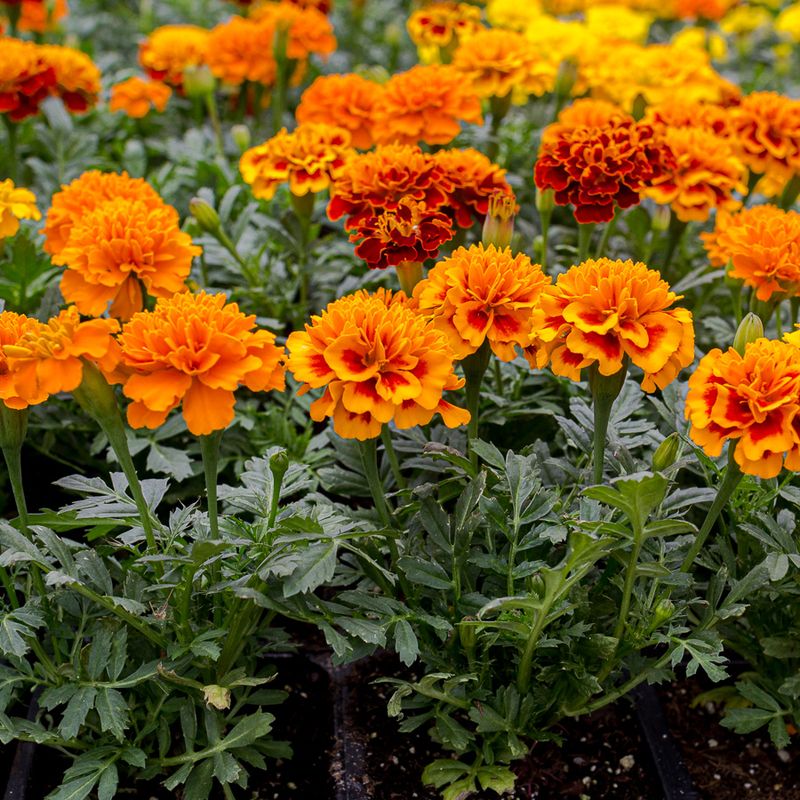
Marigolds are the unsung heroes of the North Texas vegetable garden. Bright, cheerful, and surprisingly tough, these flowers earn their place in the garden by doing double duty.
They look gorgeous lining the edges of your vegetable beds, and they also help protect your plants by deterring certain pests that would otherwise cause problems throughout the growing season.
Late March is the ideal time to plant marigolds in North Texas. By then, temperatures are warming up and the risk of frost is nearly gone.
Marigolds thrive in full Texas sun, making them a natural fit for the region. They are drought-tolerant once established, which is a huge bonus during those stretches of dry spring weather that North Texas gardeners know all too well.
Companion planting with marigolds is a practice that goes back centuries. Gardeners have long placed them near tomatoes, peppers, and squash to help reduce aphid populations and confuse other insects that might otherwise target their crops.
While marigolds are not a complete pest-control solution on their own, they are a smart and low-maintenance addition to any organic gardening strategy.
French marigolds tend to be the most popular choice for companion planting because of their compact size and strong scent. African marigolds are taller and make a bold statement as border plants.
Either variety will do well in North Texas gardens. Deadhead the spent blooms regularly to encourage continuous flowering all the way through summer and into fall. They are easy, rewarding, and absolutely worth planting every single year.