What To Do If A Neighbor’s Roots Damage Your Yard In California
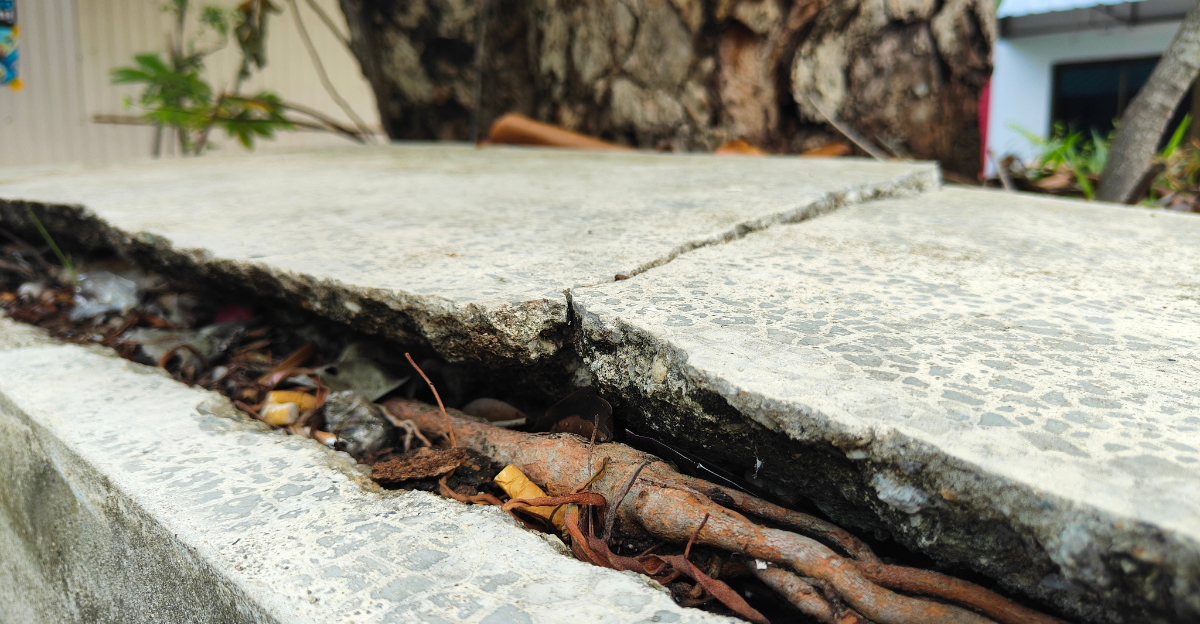
It often starts with a crack in the soil, a lifted path, or plants that suddenly struggle for water. Then comes the realization that the problem may not be in your yard at all.
In California, fast growing trees and spreading root systems do not stop at property lines, and neighboring roots can sometimes cause real damage to lawns, irrigation, fences, and even foundations.
Situations like this can feel awkward and frustrating, especially when you want to protect your space without creating tension next door.
The good news is that there are practical steps homeowners can take to assess the damage, understand their rights, and work toward a solution.
With a calm approach and the right information, it is possible to address root related problems, protect your property, and keep neighborly relationships on solid ground.
Your Right To Trim Roots
Many homeowners are surprised to learn that California law does give you some control over roots that wander onto your property, but it’s not a free-for-all.
In general, you’re allowed to trim encroaching roots from your side of the property line, even if the tree belongs to your neighbor.
You usually don’t need permission to do basic trimming on your side, but the key word in California law is reasonable. The law expects you to act carefully and avoid causing unnecessary harm.
That’s important because cutting too many roots, or the wrong ones, can seriously weaken a tree and, in extreme cases, cause it to fall. If your trimming ends up damaging the tree, you could be responsible for repairs or even liable for damages.
Not exactly the kind of backyard drama anyone wants.
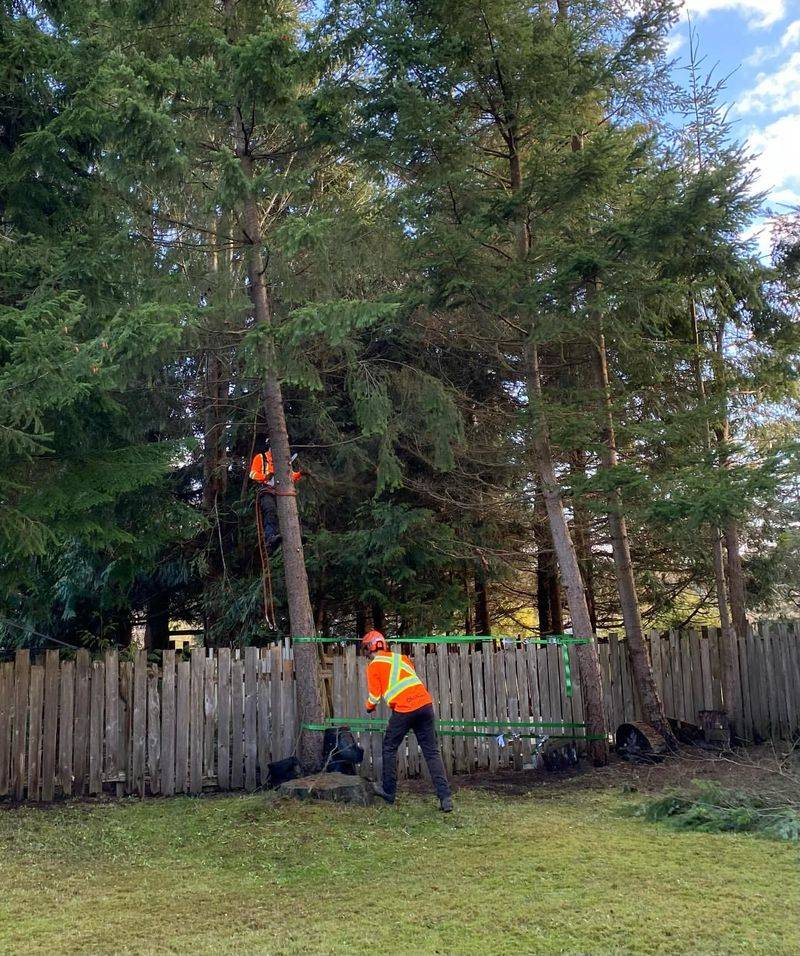
Before you grab a shovel or saw, it’s wise to consult a certified arborist. A trained professional can identify which roots are safe to trim and which ones are critical for the tree’s stability and health.
Thoughtful trimming helps protect your property while also respecting your neighbor’s tree — and keeping everyone on good terms, which is always the best outcome.
Property Lines Matter
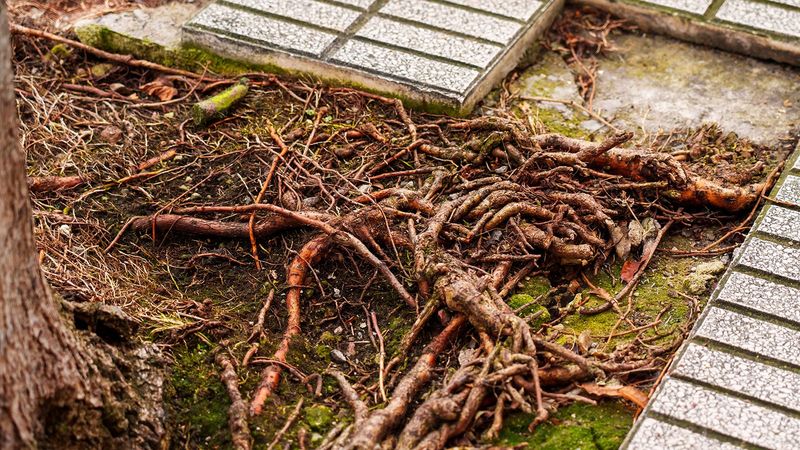
Before tackling any root trouble, it pays to know exactly where your property line really sits. It may sound obvious, but many homeowners discover their fence is not perfectly aligned with the legal boundary.
In California, a surprising number of neighbor disputes grow from assumptions about where one yard ends and the other begins, so clarity here makes everything else easier.
One of the smartest early steps is hiring a licensed land surveyor. A professional survey pins down the precise boundary and gives you reliable proof of where roots have crossed into your space.
With that information, you can clearly document any damage on your side, whether it involves soil, irrigation, paving, or structures. Solid documentation can make conversations with your neighbor more straightforward and less emotional.
Accurate boundaries also become important if the situation ever moves toward mediation or legal help. California courts and mediators rely heavily on clear property evidence.
Your California Garden Changes Every Week. Your Plan Should Too.
Gardening in California changes quickly throughout the season. Every Friday you’ll receive a simple weekly plan showing exactly what to plant, prune, fertilize, harvest, and protect so you never miss the right timing.
Without it, even a strong complaint can become difficult to prove. Investing in a survey now can save time, stress, and money later.
Understanding your true boundary does more than solve one problem; it gives you confidence and clarity for any future property questions that may arise.
When Roots Become A Nuisance
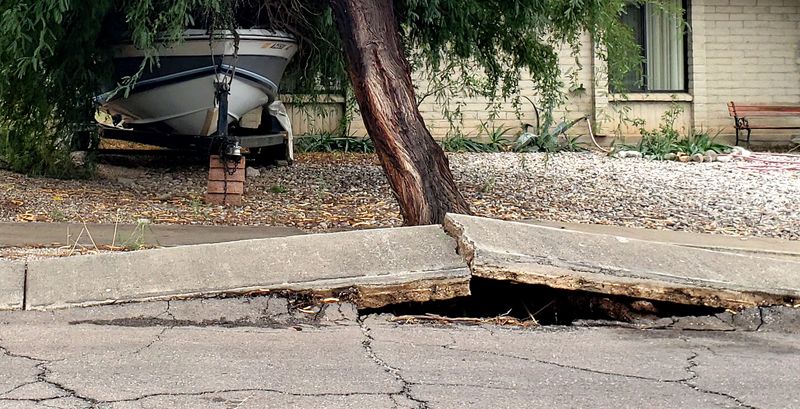
Not every wandering root automatically becomes a legal problem. In California, a “nuisance” generally means something that causes real, provable harm or seriously interferes with your use and enjoyment of your property.
If roots cross the boundary but are not causing damage, the law usually expects neighbors to tolerate that minor encroachment. Legal action becomes much harder without clear evidence of harm.
The situation changes when roots begin causing measurable damage. If they crack concrete, lift walkways, invade sewer lines, damage irrigation, or harm landscaping, those impacts can support a nuisance claim.
At that point, you may have stronger legal footing, especially if the damage can be documented and linked to the neighboring tree. Photos, repair estimates, and professional inspections help show the problem is real and not just cosmetic.
Understanding this distinction early can make conversations with your neighbor more productive. Some people respond quickly once they see clear evidence of damage, while others need a firmer explanation of the legal concept of nuisance.
While every case depends on its specific facts, California law does recognize that serious root damage can justify action. Knowing where the line is helps you respond calmly, confidently, and reasonably.
Document The Damage
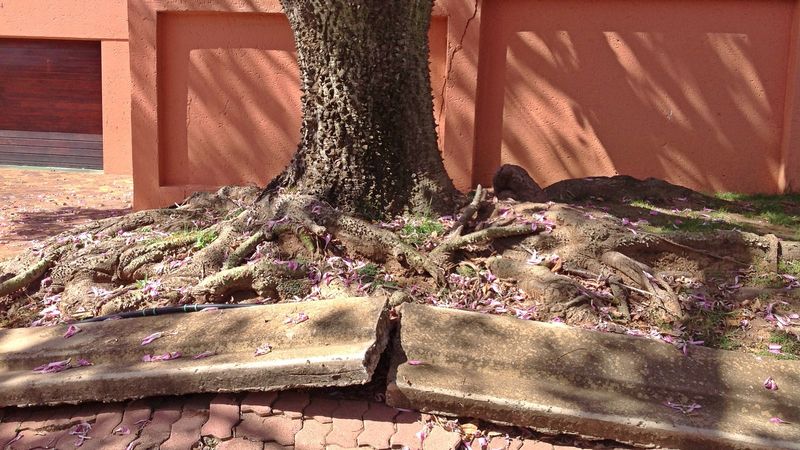
When root trouble shows up, your first move should be simple: document everything. Clear photos and short videos can become some of the strongest evidence in a property dispute.
Capture where the roots appear, what they are affecting, and how the damage is progressing over time. Good visual records make it easier to explain the situation to your neighbor, professionals, or even a mediator if things escalate.
Do not stop at surface pictures. If roots may have reached underground pipes, consider hiring a plumber to perform a camera inspection and provide a written report.
If concrete, foundations, or hardscaping are cracking or shifting, a licensed contractor or structural professional can assess the damage and estimate repair costs. Written evaluations from qualified experts often carry far more weight than photos alone.
It also helps to keep a simple timeline. Note dates, descriptions of damage, repair expenses, and any conversations or messages exchanged with your neighbor.
Save receipts and reports in one place. If the matter ever reaches mediation, insurance review, or small claims court, an organized record can make your position much clearer and easier to support.
Notify Your Neighbor
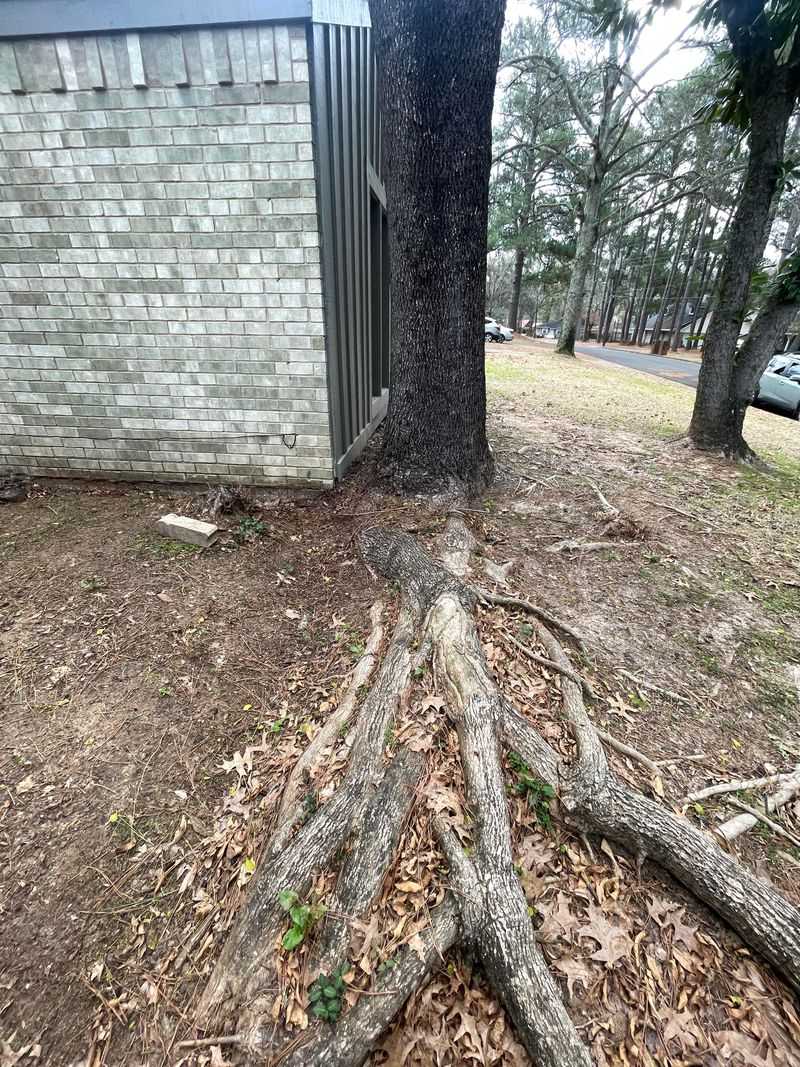
Bringing up root damage with a neighbor can feel uncomfortable, but it is often the quickest and least costly path to a solution. Many homeowners simply do not realize their tree is affecting the yard next door.
A calm, friendly conversation can prevent misunderstandings and often resolves the issue long before lawyers or courts become necessary.
When you speak with your neighbor, focus on clear facts rather than frustration. Share photos, reports, or repair estimates that show exactly what is happening and how it is affecting your property.
Explain the situation in a straightforward way and listen to their perspective as well. Keeping the tone respectful helps keep the discussion productive and cooperative.
If an in-person conversation feels difficult, a polite written notice is a good alternative. A simple letter describing the damage, along with copies of documentation, can open the door to problem-solving.
Written communication also creates a record that you notified your neighbor, which can matter if the dispute later moves to mediation or court.
In many cases, once the issue is clearly understood, neighbors are willing to work toward a fair and practical solution together.
Don’t Harm The Tree
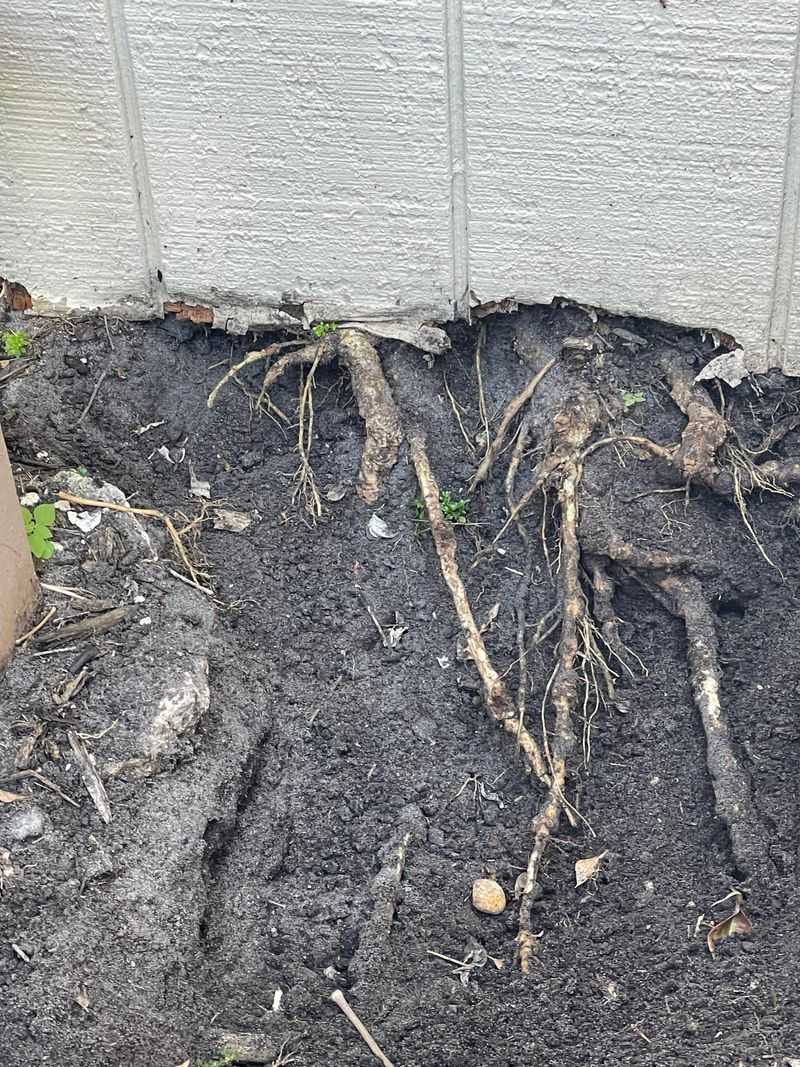
Here is something many homeowners overlook: even when a neighbor’s tree is causing real damage, you cannot intentionally harm or destroy it. In California, deliberately damaging or removing someone else’s tree without permission can expose you to serious civil liability, sometimes far exceeding the cost of the original problem.
Courts have awarded substantial damages where a tree was intentionally injured, especially when the harm was avoidable.
For example, trying to secretly stop root growth by pouring chemicals into the soil can backfire badly.
Actions like this may be treated as intentional property damage, and homeowners have been held financially responsible for the loss of a tree, cleanup, and related costs.
What feels like a quick fix can quickly turn into a very expensive mistake.
A safer approach is to stay within proper legal and professional boundaries. A licensed arborist can evaluate which roots may be reasonably trimmed from your side without threatening the tree’s stability or health.
If cooperation with your neighbor proves difficult and the damage is significant, mediation or legal remedies may be available that do not involve harming the tree. Protecting your property works best when it is done carefully, lawfully, and with expert guidance.
Consider Mediation Or Legal Help
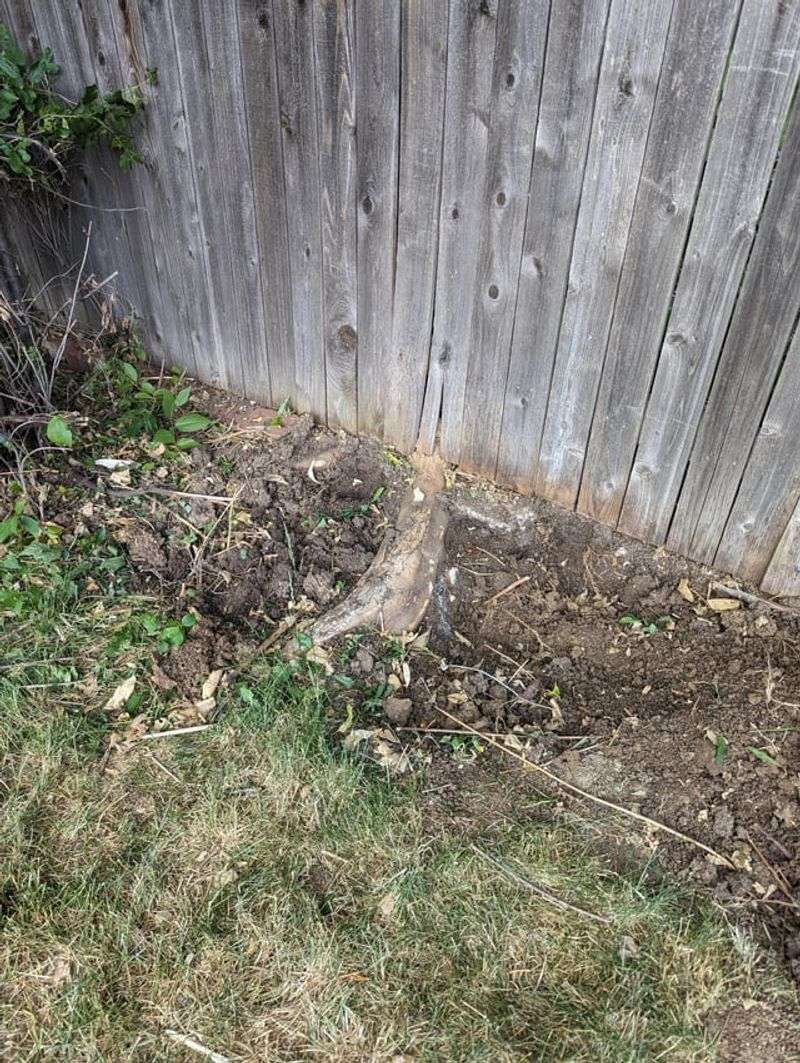
Sometimes, even with good intentions, neighbors cannot reach an agreement on their own, and that is perfectly normal. California offers many community mediation services designed to help resolve disputes like tree and root damage in a calm, structured way.
A neutral mediator helps both sides communicate clearly, understand the facts, and explore practical solutions without assigning blame.
Mediation is often quicker and less expensive than going to court, and it can help preserve neighborly relationships, which matters when you live side by side for years.
Many counties and local organizations provide low-cost or even free dispute resolution programs specifically for property and neighbor conflicts.
These services focus on cooperation rather than confrontation.
If mediation does not resolve the issue, or if the damage is substantial, speaking with a California attorney experienced in property matters may be the next step. For smaller disputes, small claims court can be a practical option and usually does not require a lawyer.
California small claims allows individuals to pursue compensation within set limits through a simpler process than full litigation. Knowing these options exist can provide reassurance and help you move forward with confidence and clarity.
Who Pays For Repairs?
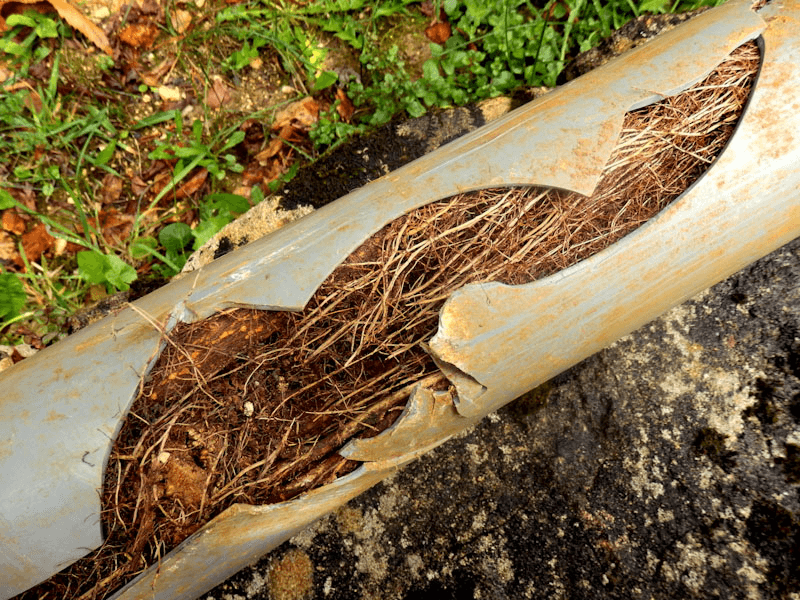
Figuring out who pays for repairs is often the biggest concern when roots cause damage. In California, the answer is not always simple and depends on several factors, including the extent of the damage, whether it can be clearly linked to the tree, and whether the situation was handled reasonably by both sides.
In some cases, a neighbor may be financially responsible if it can be shown that their tree caused substantial harm and they failed to address the problem after becoming aware of it.
That said, liability is rarely automatic. Notifying your neighbor in writing once you discover the issue is still a smart step, because it documents that the problem exists and gives them a chance to respond.
Clear communication and reasonable action from both parties often play an important role if the matter is later reviewed in mediation or court.
Homeowner’s insurance may cover certain types of damage, depending on the policy and the cause, so it is worth checking with your insurer early. Keep receipts, estimates, and reports organized in case they are needed.
In many situations, neighbors reach a shared solution, especially through mediation. The goal is not blame but restoring your property in a fair and practical way.