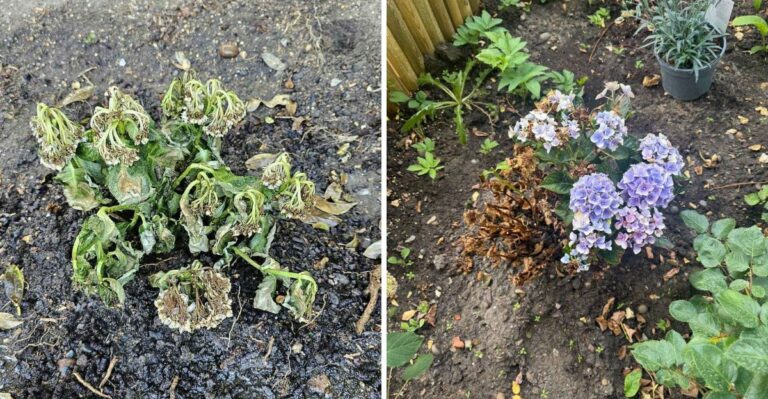
Plant These 11 Flowers In California Before The Summer Heat Arrives
California gardens can change fast once real heat arrives. One minute spring feels mild and easy, and the next your soil is drying out quicker, tender blooms are fading, and anything not well rooted starts looking stressed.
That is why timing matters so much with flowers in California. Getting the right ones planted before summer settles in gives them a better chance to establish, fill out, and put on a much better show when the hottest stretch of the season kicks in.
This is also the sweet spot when many California gardeners feel most tempted to refresh beds, borders, and containers with color.
The trick is choosing flowers that can use the remaining spring warmth to settle in before intense sun and dry conditions start testing everything in the yard.
A little head start now can mean fuller plants, longer bloom time, and far less frustration later. For anyone hoping to keep the garden bright into summer, this is a very good time to plant smart.
1. Zinnia
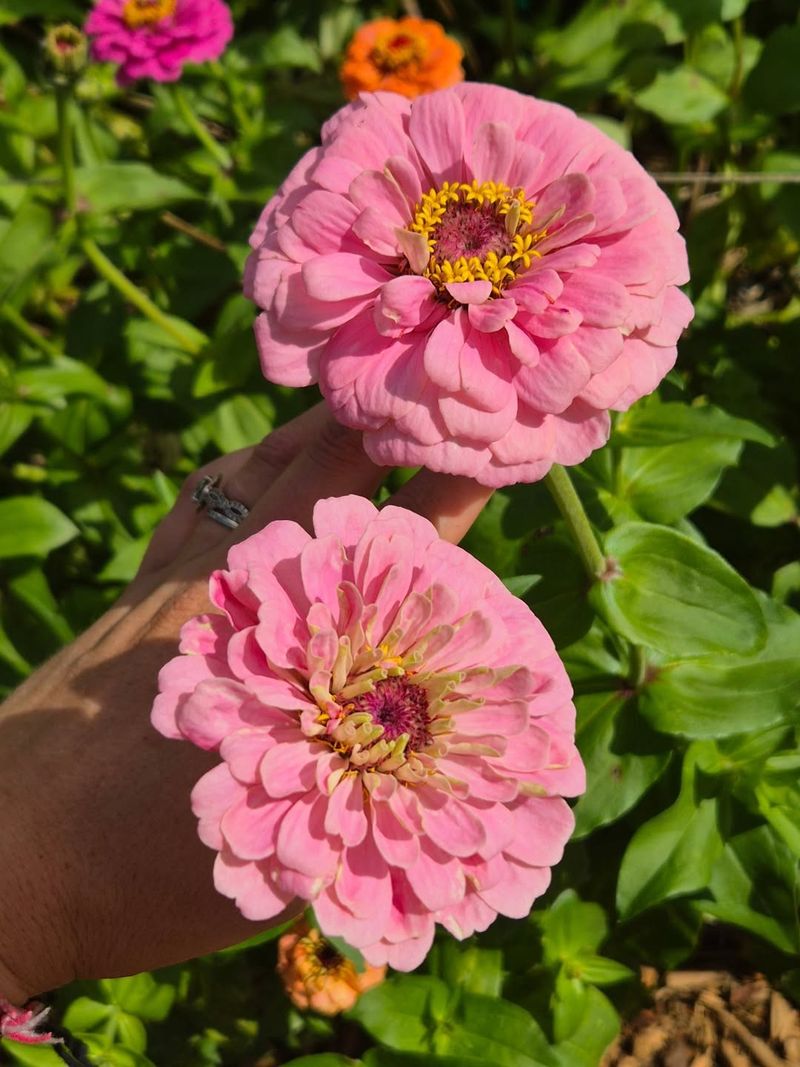
Few flowers put on a show quite like the zinnia. These bold, cheerful blooms come in nearly every color you can imagine, from deep red to soft lavender, and they love the California sun.
Zinnias are one of the easiest flowers to grow from seed, making them a favorite for beginner and experienced gardeners alike.
Plant them in a spot that gets full sun for at least six to eight hours a day. They grow best in well-drained soil and do not like sitting in wet conditions.
Once established, zinnias are fairly drought-tolerant, which makes them a smart choice for California gardens where water conservation matters.
Start seeds indoors about four to six weeks before your last frost date, or sow them directly into the ground once temperatures stay consistently warm. Zinnias grow quickly and can start blooming in as little as eight weeks.
Deadheading spent blooms encourages the plant to keep producing fresh flowers throughout the season. They also attract butterflies and pollinators, adding even more life to your outdoor space.
A row of zinnias along a fence or garden border is a simple way to bring serious color to your California yard all summer long.
2. Vinca
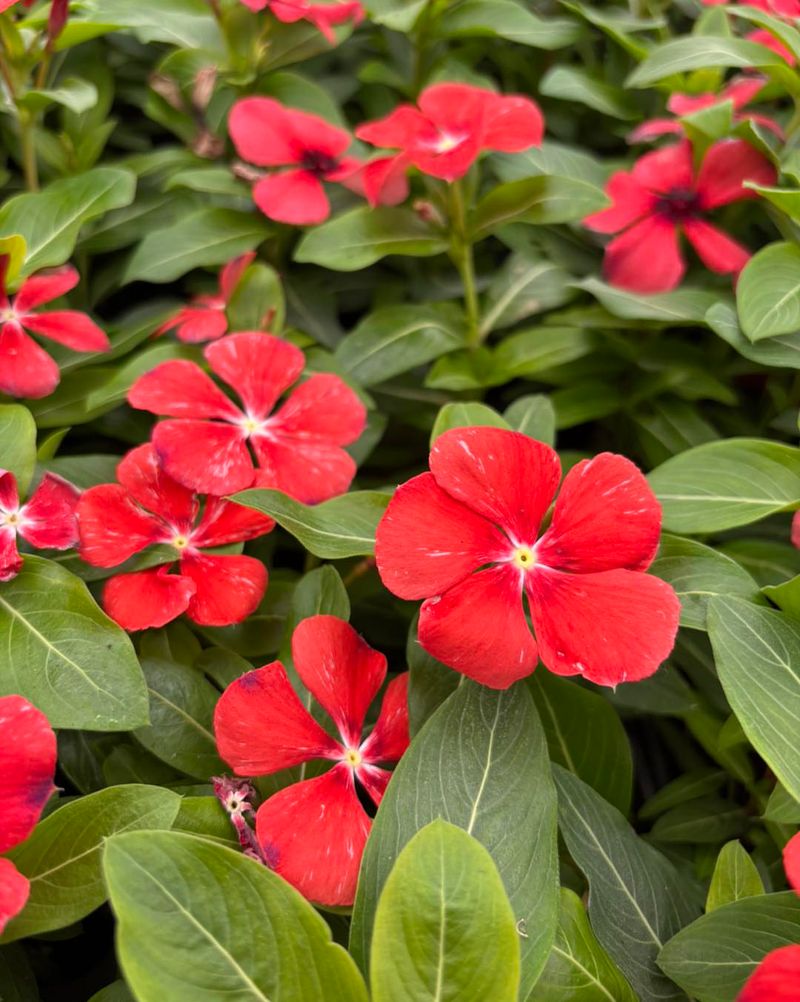
If you want a flower that laughs in the face of summer heat, vinca is your answer. Also called periwinkle or annual vinca, this plant thrives in hot, dry conditions that would stress out most other flowers.
It is a go-to choice for California gardeners who want reliable color without constant maintenance.
Vinca produces cheerful blooms in shades of pink, white, red, coral, and lavender. The flowers sit on top of glossy, dark green leaves that stay attractive even when temps climb high.
Plant vinca in full sun for the best blooming results. It handles heat and humidity well, and once it gets going, it needs very little water.
Start planting vinca in early spring so it has time to establish before the peak of summer arrives in California. It works beautifully as a ground cover, in garden borders, or spilling out of containers on a patio.
Your California Garden Changes Every Week. Your Plan Should Too.
Gardening in California changes quickly throughout the season. Every Friday you’ll receive a simple weekly plan showing exactly what to plant, prune, fertilize, harvest, and protect so you never miss the right timing.
Space plants about 12 inches apart to allow good airflow. Vinca is also resistant to deer, which is a bonus if you live near open land.
With minimal effort, this tough little flower will reward you with months of non-stop color from spring straight through the hot California summer.
3. Sunflower
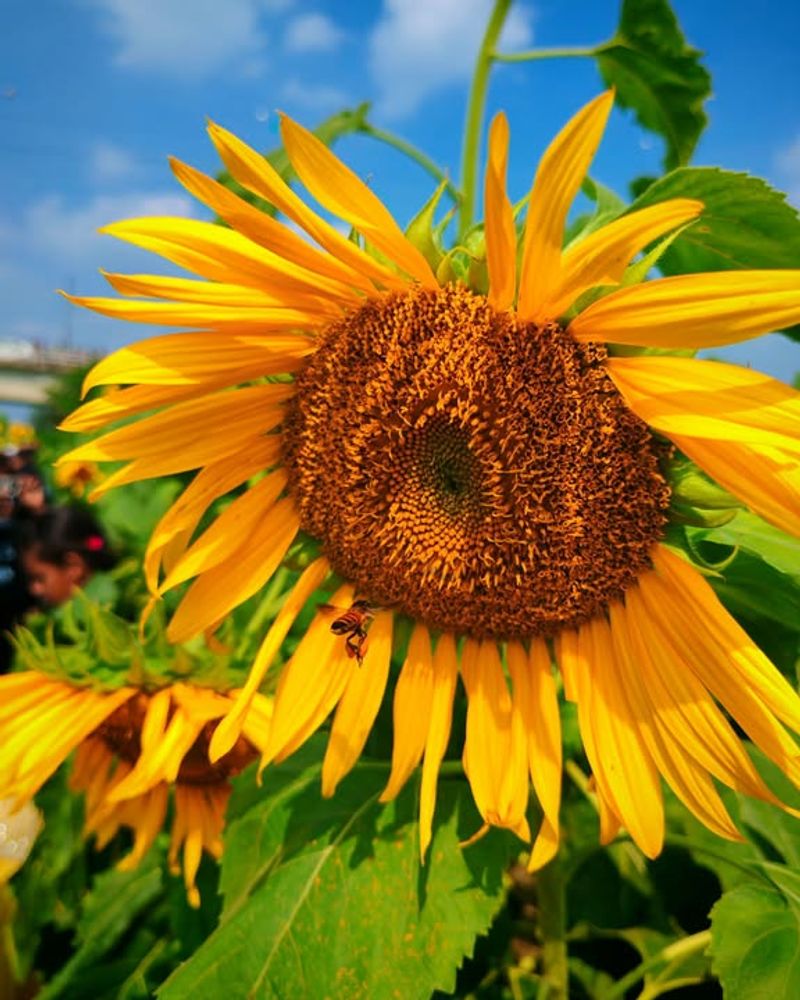
There is something genuinely joyful about a sunflower. Standing tall with their golden faces turned toward the sky, sunflowers are one of the most recognizable and beloved plants in any California garden.
They grow fast, they bloom big, and they bring a warm, happy energy to any outdoor space.
Sunflowers love full sun, which makes California an ideal home for them. They prefer well-drained soil and do not need a lot of fertilizer.
In fact, too much nitrogen can push leafy growth at the expense of blooms. Water deeply but infrequently once they are established, letting the soil dry out between waterings.
Plant sunflower seeds directly in the ground after the last frost, pressing them about an inch deep into the soil. They sprout quickly and can grow several feet tall depending on the variety.
Dwarf varieties work great in containers or small garden spaces, while giant varieties can reach over ten feet and become a real statement piece. Sunflowers also attract bees and birds, especially goldfinches who love the seeds.
Fun fact: sunflowers actually track the sun across the sky when they are young, a process called heliotropism. Planting them in spring gives them a strong head start before California’s intense summer sun kicks in.
4. Tithonia
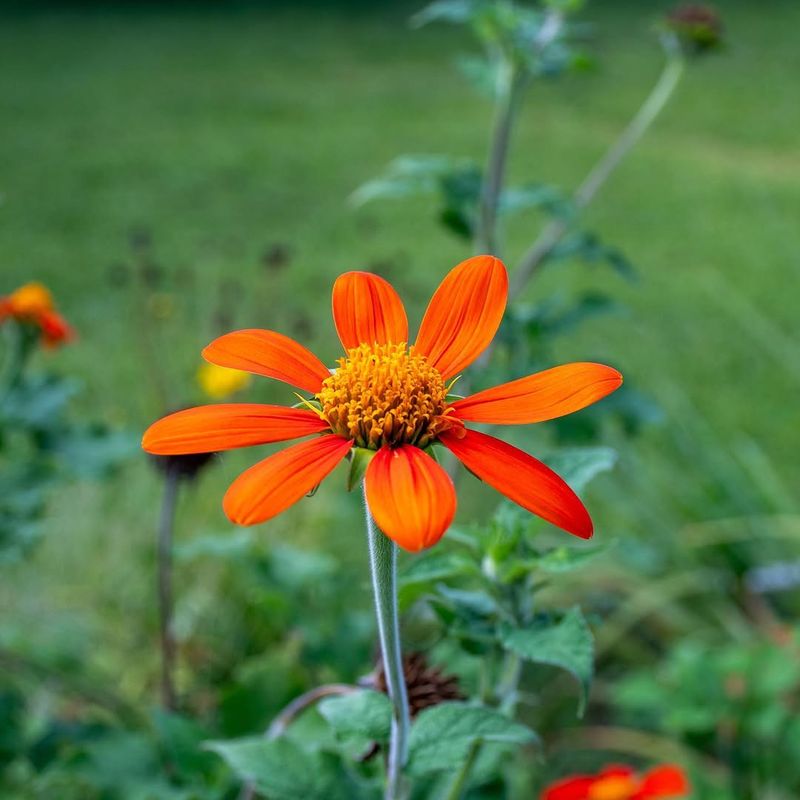
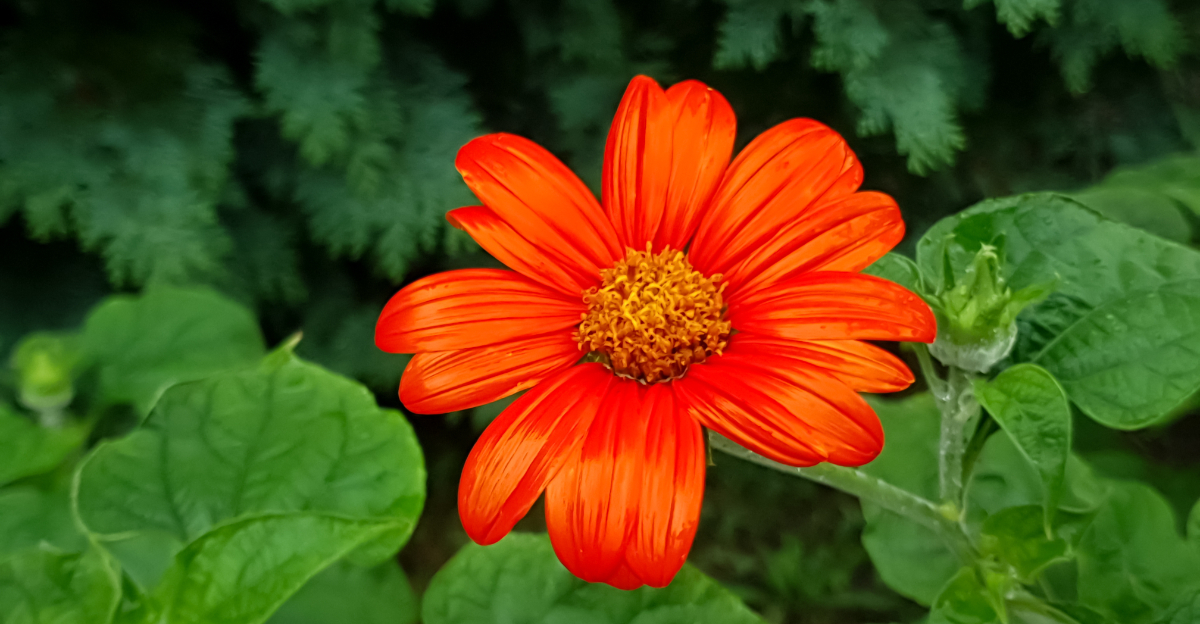
Not everyone knows about tithonia, but California gardeners who have grown it once tend to come back to it every year. Commonly called the Mexican sunflower, tithonia produces large, vivid orange blooms that look almost tropical.
The flowers are striking, and the plant itself can grow four to six feet tall, creating a dramatic backdrop in any garden bed.
Tithonia is built for heat. It thrives in full sun and handles dry conditions with ease, making it well-suited for California’s warm summers.
Plant seeds or transplants in early spring so the roots have time to settle before temperatures peak. It prefers well-drained soil and does not need much fertilizing.
Too much fertilizer actually reduces blooming.
One of the best things about tithonia is how much wildlife it attracts. Butterflies absolutely love it, and the bright orange color draws in hummingbirds too.
The blooms are also great for cutting and bringing indoors. Deadhead regularly to keep the plant producing fresh flowers.
Tithonia does grow large, so give it plenty of space and maybe plant it toward the back of a border. For gardeners in Southern California especially, this bold and beautiful flower is a summer showstopper that delivers color when many other plants start to struggle.
5. Gaillardia
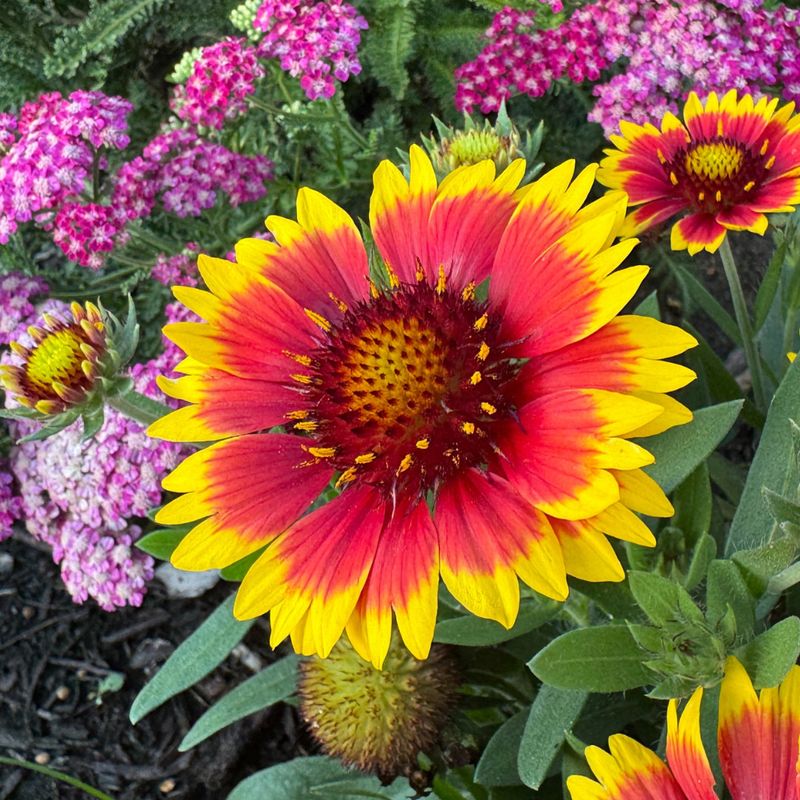
Gaillardia, also known as blanket flower, earns its nickname by spreading low and wide like a colorful blanket across the garden. Its bold red, orange, and yellow blooms look like something painted by hand, with petals that often show two or three colors at once.
It is one of those plants that looks complicated to grow but is actually wonderfully low-maintenance.
Blanket flower thrives in full sun and actually prefers poor, dry soil over rich, well-watered garden beds. This makes it an excellent fit for California gardens, especially in regions where water conservation is a priority.
It is highly drought-tolerant once established and bounces back quickly after dry spells.
Plant gaillardia in early spring, giving it time to root before summer heat arrives. Space plants about 12 to 18 inches apart to encourage good airflow and prevent moisture buildup around the stems.
It blooms from late spring through early fall, offering a long season of color. Deadheading spent blooms helps the plant keep flowering strong.
Gaillardia also self-seeds, so you may find new plants popping up on their own the following year. Pollinators love it, and it pairs beautifully with other sun-loving flowers like zinnias and coneflowers in a mixed California garden border.
6. Gomphrena
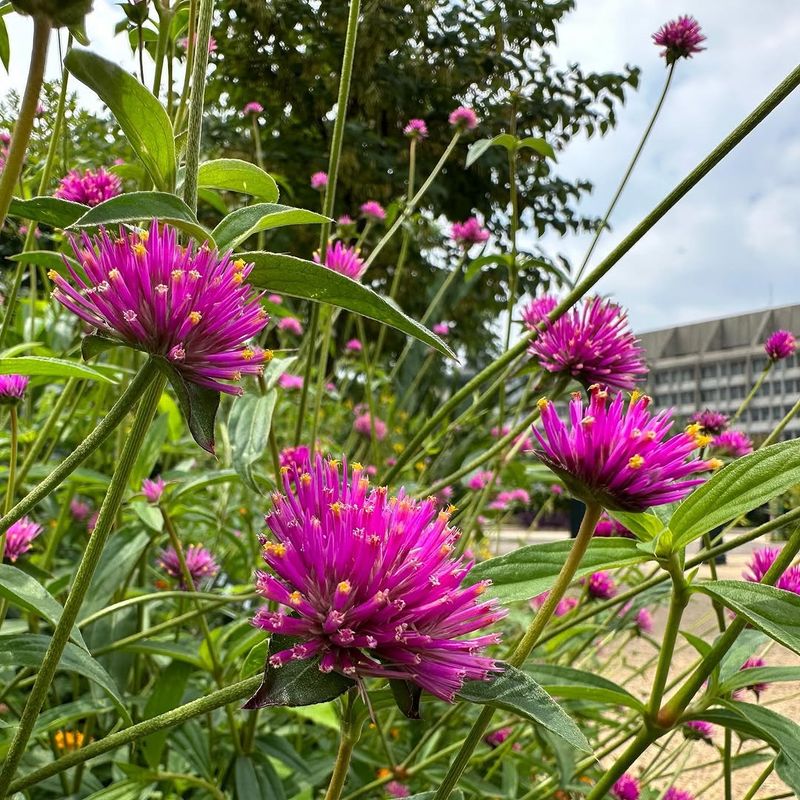
Often called globe amaranth, this is one of those underrated gems that deserves way more attention in California gardens. Its round, clover-like blooms in shades of purple, pink, magenta, white, and orange hold their color beautifully, even as temperatures climb through summer.
They also dry extremely well, making them popular for arrangements and crafts.
What makes gomphrena especially valuable in California is its toughness. It handles heat, humidity, and drought without complaint.
Plant it in full sun and well-drained soil, and it will reward you with blooms from early summer all the way through fall. It does not need much water once established, which is a real advantage in water-conscious regions.
Start seeds indoors about four weeks before the last frost, or plant transplants in the garden once warm weather settles in. Space plants about 12 inches apart.
Gomphrena grows to about one to two feet tall, making it a great mid-border plant. It pairs well with taller flowers like tithonia or sunflowers.
Butterflies and bees visit frequently, adding movement and life to your garden. Whether you plant it in rows, clusters, or containers, gomphrena delivers consistent, cheerful color all summer long with very little fuss from you.
7. Dahlia
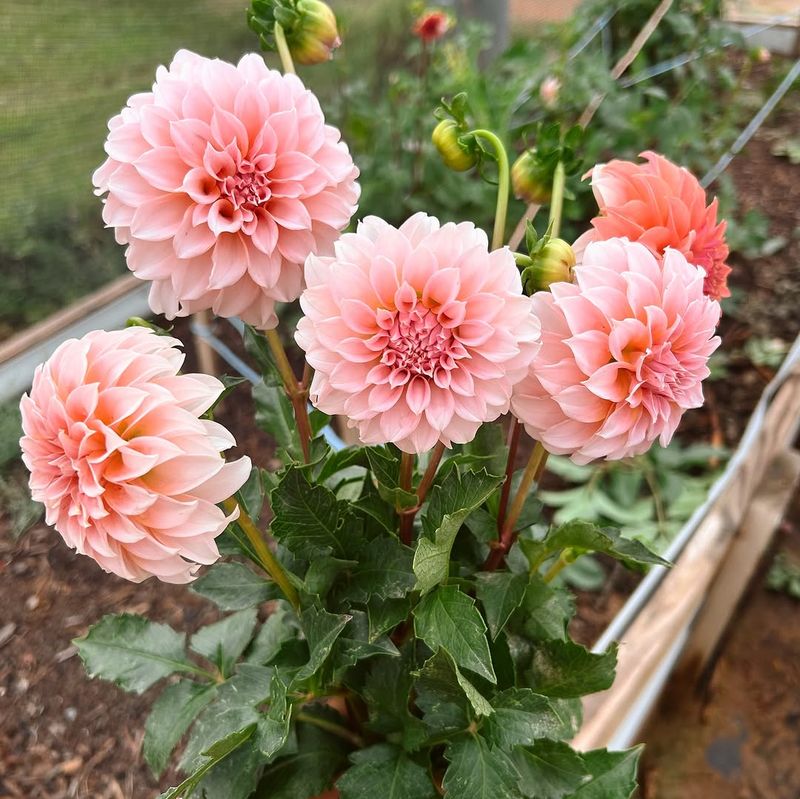
Dahlias are the kind of flowers that stop people in their tracks. With blooms that range from the size of a dinner plate to a delicate pompom, they come in almost every color except true blue.
California’s climate is genuinely ideal for dahlias, and gardeners across the state have made them a summer staple for good reason.
Plant dahlia tubers in spring once the soil has warmed and frost risk has passed. Choose a spot with full sun and rich, well-drained soil.
Dahlias are heavy feeders, so work compost into the planting area and fertilize regularly through the growing season. Water consistently but avoid waterlogged soil, which can cause tubers to rot.
Stake taller varieties early so stems have support as they grow. Dahlias begin blooming in midsummer and continue right through fall, which means planting them before the heat hits gives you months of stunning flowers.
Pinch back young plants to encourage bushier growth and more blooms. Deadhead spent flowers to keep the plant producing.
In milder parts of California, tubers can sometimes be left in the ground over winter. For gardeners in cooler inland areas, dig them up after the first frost and store them until spring.
Either way, dahlias are absolutely worth the effort.
8. Gladiolus
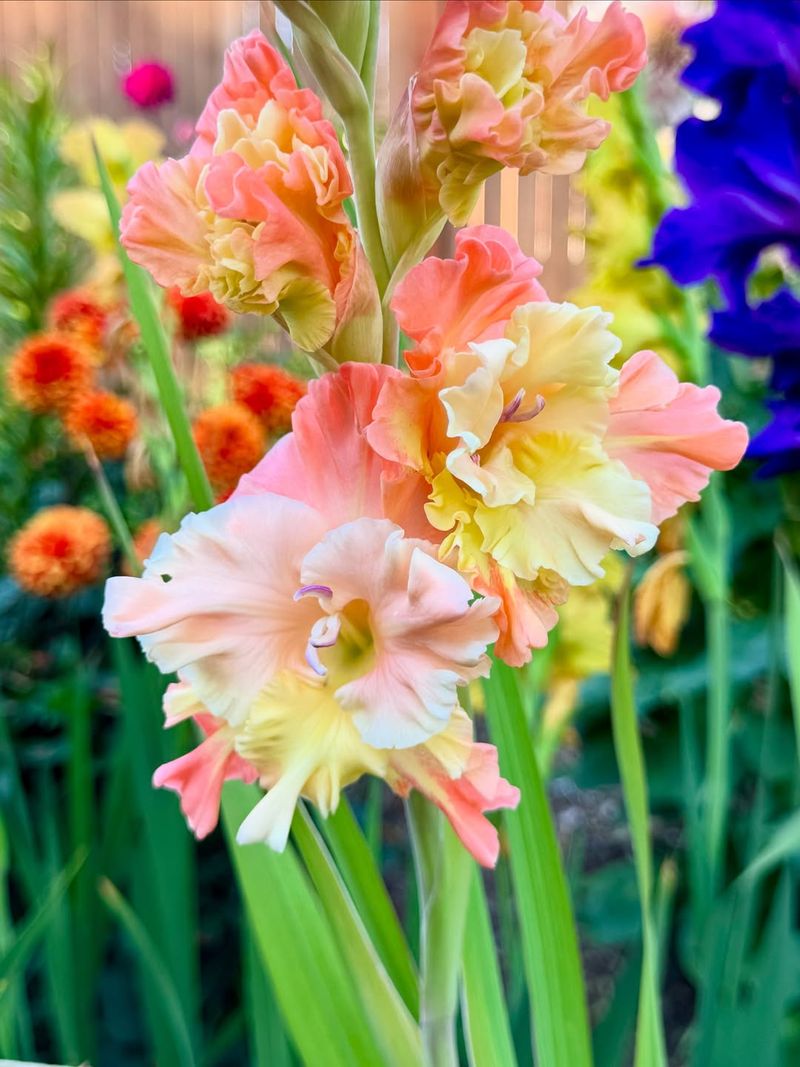
The tall, upright spikes covered in trumpet-shaped blooms make a dramatic statement in any garden bed. They come in an enormous range of colors, including red, pink, white, yellow, orange, purple, and even near-black, so there is a gladiolus to match almost any garden style.
In California, gladiolus corms should be planted in early spring for summer blooms. Choose a sunny spot with well-drained soil.
Plant corms about four inches deep and six inches apart. For a longer blooming season, try staggering your planting every two weeks over the course of a month or so.
This way you get waves of blooms rather than everything flowering at once.
Gladiolus grows tall, often reaching three to five feet, so planting near a fence or using stakes helps keep the stems upright, especially in windy coastal California areas. Water regularly but do not let soil stay soggy.
After blooming, let the foliage yellow naturally before removing it, as this helps the corm store energy for the next season. Gladiolus makes one of the best cut flowers around.
A freshly cut spike can last up to two weeks in a vase, making it a gardener’s gift that keeps on giving.
9. Canna
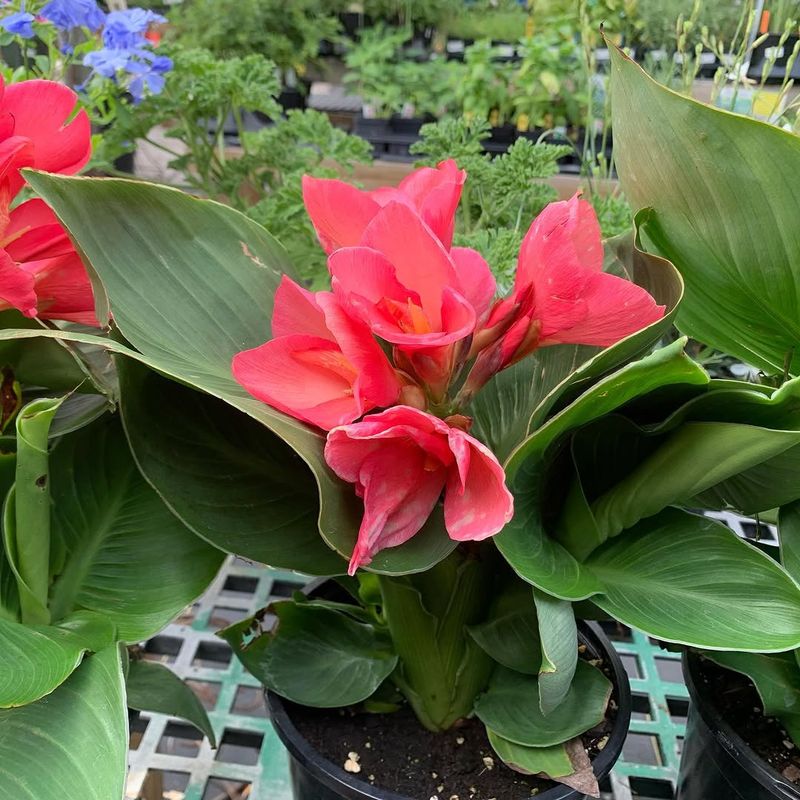
Cannas bring a bold, tropical feel to California gardens that few other plants can match. Their large, paddle-shaped leaves come in shades of green, bronze, and burgundy, and the flower spikes shoot up in vivid red, orange, yellow, and pink.
Even when not in bloom, cannas look lush and impressive in the landscape.
These plants are made for warm weather. They thrive in full sun and love the heat, which makes them a natural fit for California summers.
Plant canna rhizomes in spring after the soil has warmed. Dig a hole about four to six inches deep and place the rhizome with the growing eyes facing up.
Space them about 18 to 24 inches apart to give the foliage room to spread.
Cannas need regular watering, especially during dry California summers, but good drainage is important to prevent root rot. Fertilize monthly with a balanced fertilizer to keep the blooms coming.
They grow quickly and can reach three to six feet tall depending on the variety. In warmer parts of California, cannas can be left in the ground year-round.
Deadhead spent flower spikes to encourage new blooms. These plants also work beautifully in large containers placed on a sunny patio or deck, adding instant tropical drama wherever you put them.
10. Calla Lily
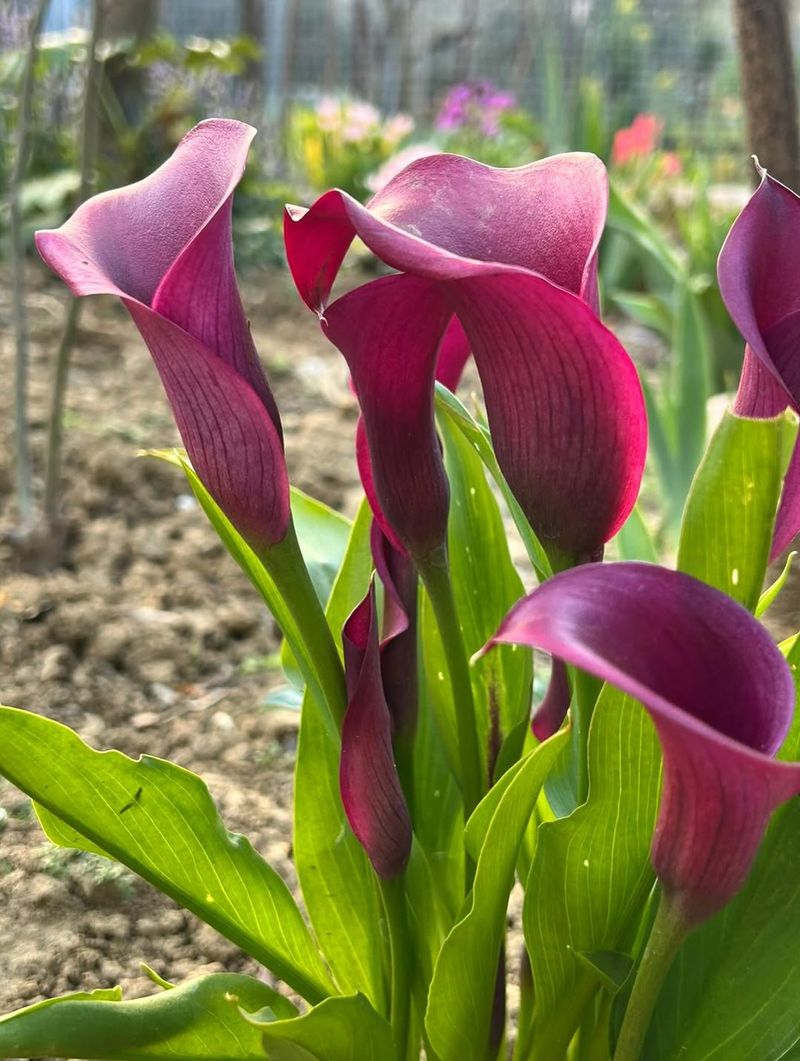
Their smooth, trumpet-shaped blooms and glossy arrow-shaped leaves have made them a classic choice for weddings, celebrations, and sophisticated garden designs. But beyond their beauty, calla lilies are also surprisingly tough and adaptable in California’s varied climates.
Plant calla lily rhizomes in early spring in a spot with partial to full sun. In hotter inland areas of California, afternoon shade can help protect the blooms from scorching.
Calla lilies love moist, rich soil, so work in plenty of compost before planting. Water consistently, as they do not like to dry out completely.
However, avoid standing water, which can cause the rhizomes to rot.
Calla lilies bloom from spring through early summer and come in a wide range of colors beyond the classic white, including yellow, pink, purple, orange, and deep burgundy. They grow well in garden beds and also thrive in containers near a pond or water feature.
In mild coastal areas of California, they can be left in the ground year-round. Fertilize every few weeks during the growing season for the best results.
Few flowers bring the same level of refined beauty and graceful presence to a California garden as the calla lily does.
11. California Fuchsia
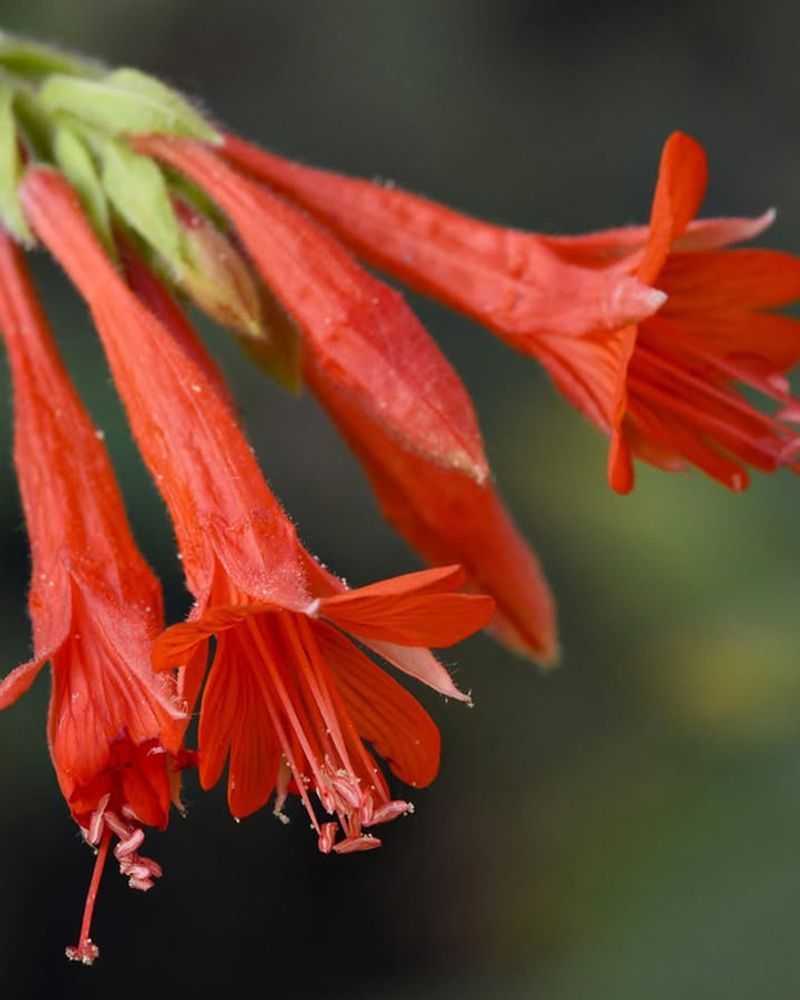
California fuchsia is a native plant with serious personality. From late summer through fall, it bursts into flame-like color with its brilliant orange-red tubular flowers, drawing hummingbirds from what seems like miles away.
It is one of the few plants that blooms reliably during the hottest and driest stretch of the California year.
Unlike many garden flowers, California fuchsia actually prefers dry conditions once it is established. It thrives in full sun with excellent drainage and needs very little supplemental water after its first season.
This makes it an outstanding choice for water-wise gardens across the state, from the Central Valley to coastal hillsides.
Plant California fuchsia in early spring to give the roots time to settle before summer heat takes hold. It spreads through underground runners and can form a lovely low-growing ground cover over time.
Space plants about two to three feet apart. Prune back hard in late winter or early spring to encourage fresh, vigorous growth.
It pairs well with other California natives like sage and buckwheat, creating a beautiful and ecologically friendly garden. Beyond its looks, California fuchsia supports local ecosystems by feeding hummingbirds during a time of year when few other flowers are blooming.
It is a true California original worth celebrating.