New Shrub Varieties Florida Gardeners Are Falling In Love With In 2026
Florida landscapes are entering a bold new era, and gardeners across the state are taking notice. The old standby shrubs still have their place, yet fresh faces are stepping into the spotlight with richer color, tougher roots, and longer seasons of beauty.
Yards feel more vibrant, textures look more layered, and blooms last far beyond what many thought possible in heat and humidity. These newer selections bring serious performance along with head turning style, built to handle sandy soil, blazing sun, and sudden downpours without constant care.
Local nurseries cannot keep some of them on the benches for long. Gardeners want structure, color, wildlife appeal, and resilience all in one plant, and breeders have delivered.
The excitement is real, and 2026 is shaping up to be the year Florida gardens look fuller, brighter, and more dynamic than ever.
1. ‘Densa’ Walter’s Viburnum Builds A Lush, Florida-Smart Living Wall
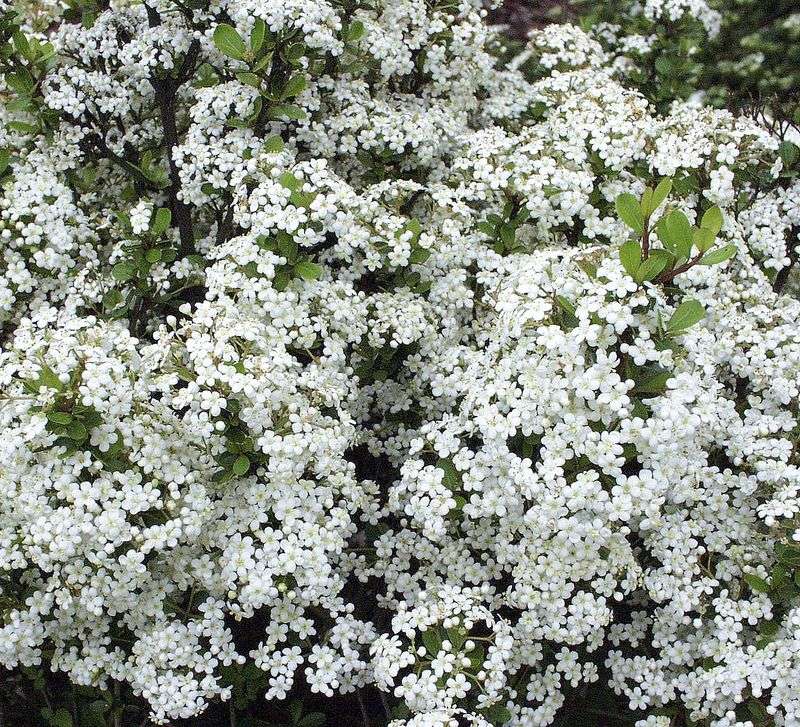
Gardeners across Florida are rethinking traditional hedges, and ‘Densa’ Walter’s Viburnum is quickly becoming the go-to replacement for older, non-native screening shrubs. Selected for its naturally tight branching and uniform growth, this improved form of Florida’s native Viburnum obovatum creates a thick, evergreen backdrop that looks polished year-round without constant trimming.
In spring, clusters of delicate white flowers draw pollinators into the garden, followed by dark blue berries that birds eagerly devour. The glossy green foliage stays dense from top to bottom, forming a rich, living wall that provides privacy, structure, and a clean architectural look in both formal and naturalistic landscapes.
Unlike many traditional hedge shrubs, ‘Densa’ is well adapted to Florida’s heat, humidity, sandy soils, and seasonal downpours. Once established, it requires little more than occasional shaping to maintain its full, tidy appearance.
The plant performs reliably across North, Central, and South Florida, staying evergreen through most winters and recovering quickly from occasional cold snaps.
For homeowners seeking a resilient, wildlife-friendly, and regionally appropriate hedge, ‘Densa’ Walter’s Viburnum delivers the dense coverage of classic screening shrubs—while bringing the added benefits of native strength and ecological value.
2. Sugar Shack® Buttonbush Shrinks Native Beauty Into Small Spaces
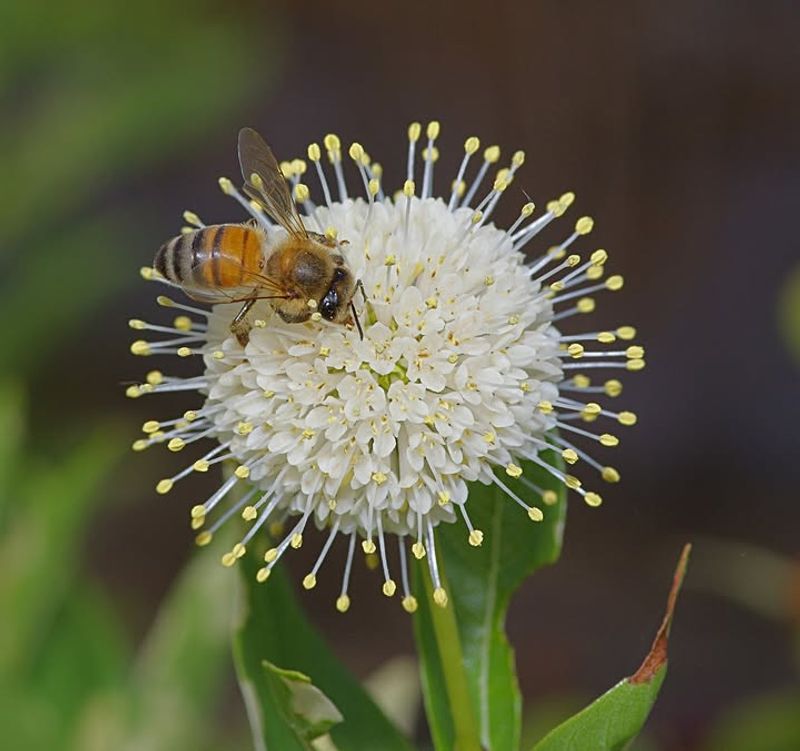
Native plant enthusiasts have always loved buttonbush for its wildlife value, but the traditional species grows too large for most modern yards, often reaching ten feet or more. Sugar Shack® changes that equation completely, staying compact at roughly four to five feet tall while delivering all the ecological benefits that make buttonbush a Florida-friendly superstar.
The spherical white flowers look like fuzzy pom-poms and appear throughout summer, attracting butterflies, bees, and hummingbirds in impressive numbers. Watching the parade of pollinators visiting your Sugar Shack® becomes daily entertainment.
The blooms also provide nectar when many other plants have finished flowering for the season.
Beyond pollinators, this compact buttonbush supports native wildlife in ways non-native shrubs simply cannot match. Birds eat the seeds, and the dense branching provides nesting sites and shelter.
Planting natives like Sugar Shack® helps restore habitat connections that Florida desperately needs as development continues.
Growth habit stays naturally rounded without constant pruning, saving you weekend maintenance time. The shrub tolerates wet soil better than most landscape plants, making it perfect for low spots that stay soggy after summer storms.
Your Florida Garden Changes Every Week. Your Plan Should Too.
Gardening in Florida changes quickly throughout the season. Every Friday you’ll receive a simple weekly plan showing exactly what to plant, prune, fertilize, harvest, and protect so you never miss the right timing.
It also handles full sun to partial shade, giving you flexibility in placement. Sugar Shack® proves you don’t need a massive yard to incorporate meaningful native plantings into your Florida landscape.
3. Double Take™ Scarlet Quince® Brings Bold Spring Color
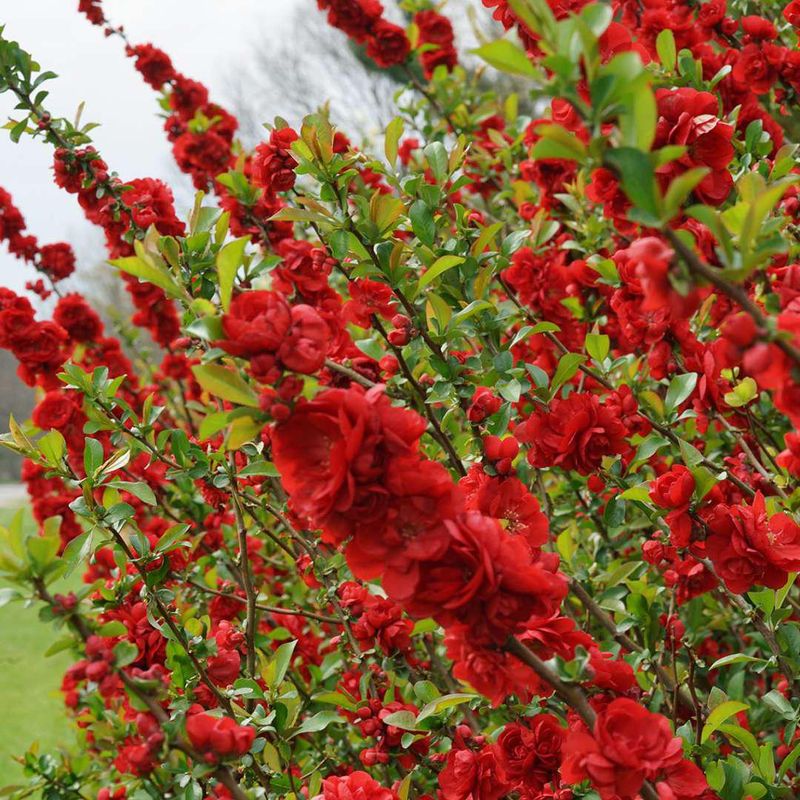
Early spring color can be tricky in Florida since our mild winters don’t always trigger blooming reliably, but Double Take™ Scarlet Quince® has been especially reliable in North and Central Florida with dependable displays of brilliant red flowers. The double-petaled blooms pack more visual punch than single-flowered types, creating a dramatic show that announces spring has arrived.
Traditional flowering quince varieties came with nasty thorns that made pruning an unpleasant chore and limited placement near walkways or play areas. Plant breeders removed those thorns completely in the Double Take™ series.
You get all the ornamental beauty without the scratches and torn clothing.
The shrub grows to about four feet tall with a slightly wider spread, fitting nicely into foundation plantings or mixed borders. Flowers appear on bare branches before leaves emerge, maximizing their visual impact.
The effect resembles a cloud of scarlet butterflies hovering in your landscape.
After the spring bloom show ends, the foliage provides a tidy green backdrop for other plants throughout summer and fall. The shrub requires minimal fertilization and shows good heat tolerance once established.
Occasional pruning keeps the shape attractive, but you can handle that maintenance easily without fighting thorns.
Double Take™ Scarlet Quince® works particularly well in North and Central Florida where slightly cooler winter temperatures enhance bud formation. In South Florida, flowering may be inconsistent due to insufficient cold exposure.
4. Raspberry Smoothie™ Althea® Blooms Through The Heat
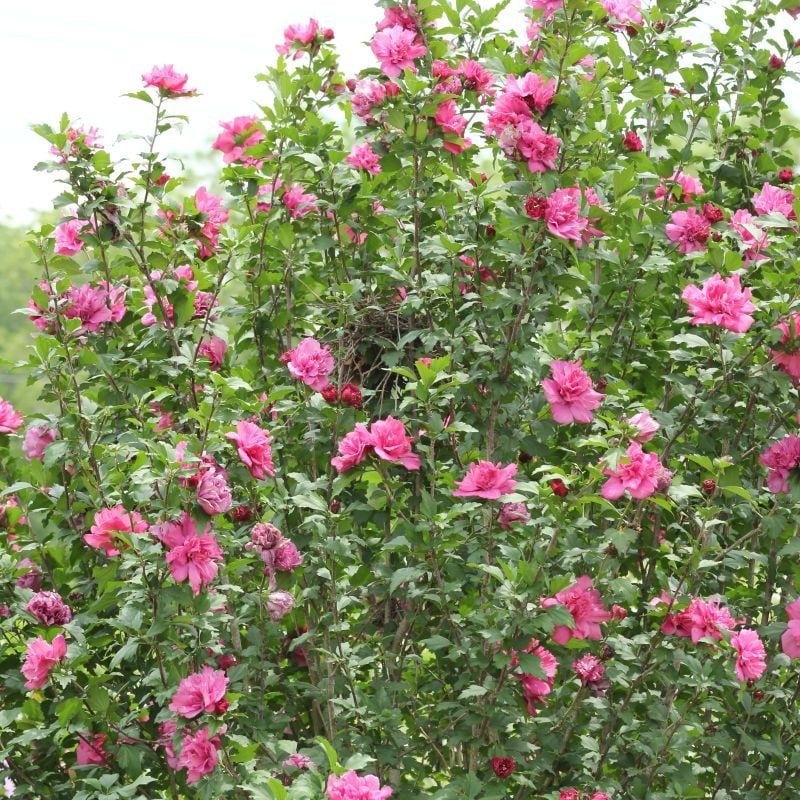
Summer blooming shrubs earn their keep in Florida landscapes by providing color when heat sends many plants into survival mode. Raspberry Smoothie™ Althea® produces large raspberry-pink flowers continuously from late spring through fall, giving you months of ornamental value instead of a brief two-week show.
Older rose-of-sharon varieties struggled with leaf spot diseases in Florida’s humid climate, often looking ratty by midsummer despite starting strong. Plant breeders improved disease resistance dramatically in this newer cultivar.
The foliage stays clean and attractive even during our steamiest weather, maintaining the shrub’s appearance throughout the growing season.
The flowers measure three to four inches across with ruffled petals in shades ranging from deep raspberry to lighter pink, depending on sun exposure and temperature. Each bloom lasts just a day, but the plant produces so many buds that fresh flowers open continuously.
Spent blooms drop cleanly without creating maintenance headaches.
Growth habit reaches about eight feet tall and five feet wide at maturity, though you can keep it smaller with selective pruning. The upright form works well for screening or as a specimen plant.
Raspberry Smoothie™ handles full sun to partial shade, though flowering intensity increases with more direct light.
Established plants show excellent drought tolerance between rains, and the deep root system helps them power through dry spells. This althea proves reliable summer color is possible in Florida without constant maintenance.
Rose-of-Sharon performs best in North Florida and cooler areas of Central Florida. In South Florida, extended heat and humidity may reduce flowering performance and increase disease pressure.
5. Gold Mound® Duranta Brightens Florida Landscapes With Bold Foliage
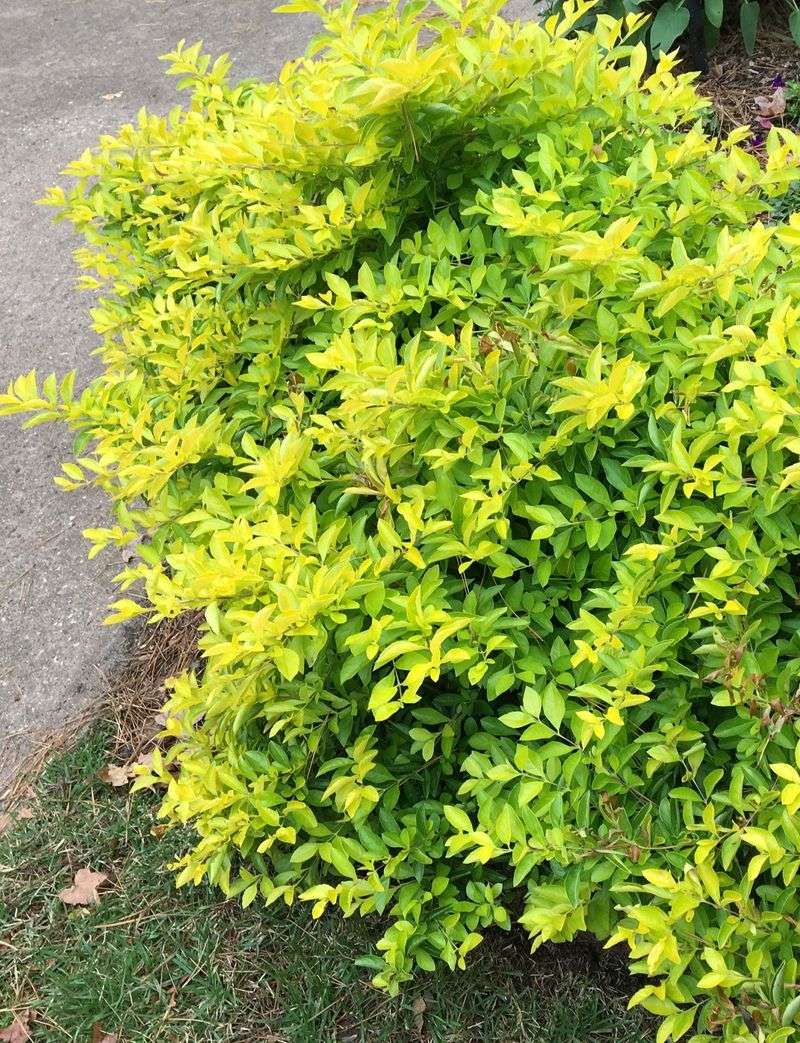
Brilliant golden foliage can transform an ordinary planting bed into something that looks professionally designed, and Gold Mound® duranta delivers that effect effortlessly in Florida landscapes. Instead of relying on flowers that fade quickly in summer heat, this shrub provides consistent color from spring through fall, with chartreuse to bright yellow leaves that glow in full sun.
The contrast against darker green hedges, palms, and tropical plants instantly lifts the entire space.
Florida’s intense sunshine actually enhances the foliage color rather than washing it out. In full sun, the leaves develop their richest golden tones, creating a bold highlight in mixed borders or foundation plantings.
Partial shade is tolerated, though the color shifts slightly greener. The compact growth habit typically reaches about two to four feet tall and wide, making it easy to fit into smaller yards or tight planting spaces without constant trimming.
This woody shrub handles heat, humidity, and sandy soils with ease once established. Regular watering during the first growing season encourages strong root development, but mature plants show good drought tolerance between summer rains.
Gold Mound® also responds well to light shaping, allowing you to keep a neat, rounded form or maintain a low hedge if desired.
Landscape designers across Florida use this duranta as a bright accent plant, border edging, or mass planting to create sweeping bands of color. The foliage does the heavy lifting visually, so you get long-lasting impact without depending on a short bloom cycle.
For gardeners who want reliable, low-maintenance color that stands up to Florida’s climate, Gold Mound® duranta remains a trusted and popular choice. In North Florida, occasional winter freezes may cause dieback, though plants typically recover in spring.
This shrub performs most consistently in Central and South Florida.
6. Firecracker™ Dwarf Firebush® Powers Up Pollinator Gardens
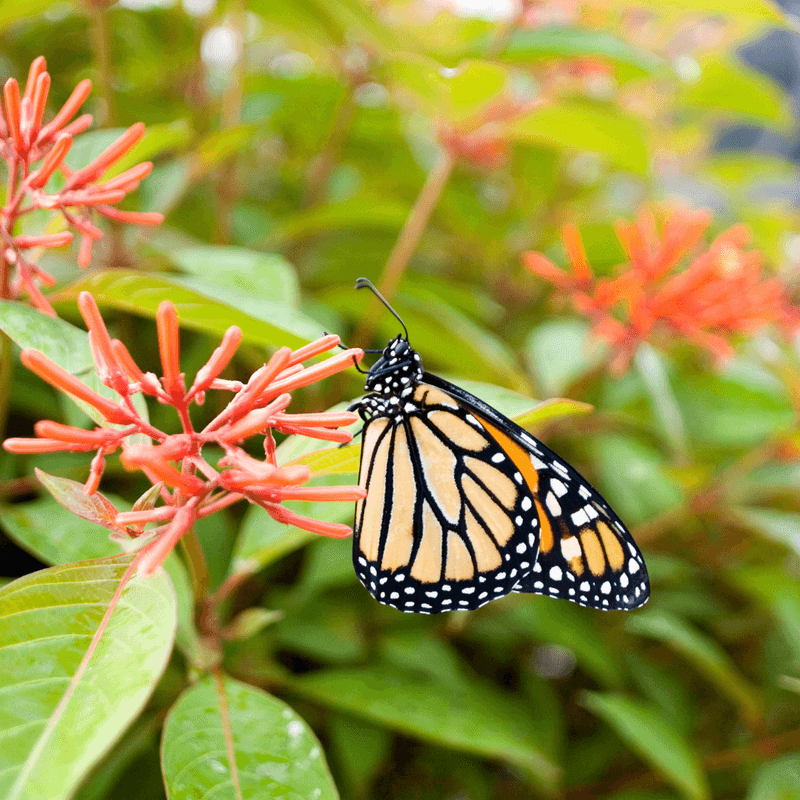
Hummingbirds and butterflies flock to firebush like kids to ice cream trucks, but traditional varieties grow too large for many modern Florida yards, often reaching ten feet or taller. Firecracker™ Dwarf Firebush® packs all that pollinator power into a compact three to four foot package that fits perfectly into smaller landscapes and foundation plantings.
The tubular orange-red flowers bloom continuously from spring through fall, providing reliable nectar sources when pollinators need them most. Hummingbirds become regular visitors, often establishing feeding territories around your plants.
Watching their aerial acrobatics and territorial displays provides entertainment that no television show can match.
Beyond hummingbirds, butterflies of many species visit the blooms, and birds eat the small berries that follow flowering. Native firebush ranks among Florida’s most valuable wildlife plants, and this compact version lets you incorporate that ecological benefit even in limited space.
Every pollinator garden needs at least one firebush.
Growth habit stays naturally rounded without constant pruning, though you can shape plants if desired. The shrub handles full sun to partial shade, with flowering intensity increasing in brighter locations.
Established plants show excellent drought tolerance and require no fertilization beyond what they receive from decomposing mulch.
Firecracker™ proves particularly valuable in South and Central Florida where it remains evergreen year-round. North Florida gardeners may see some cold damage during hard freezes, but plants typically recover quickly when spring warmth returns.
The compact size makes this improved firebush a must-have for modern Florida landscapes.
7. Sweet Emotion® Abelia Fills Florida Yards With Fragrance
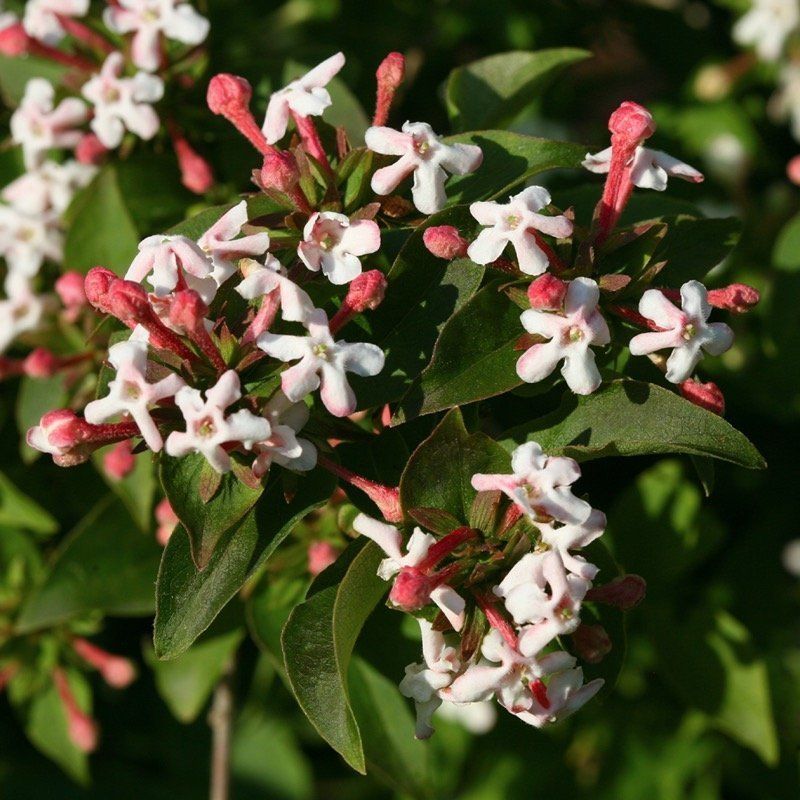
Fragrance adds another sensory dimension to landscapes that visual appeal alone cannot provide, and Sweet Emotion® Abelia delivers months of sweet-scented blooms from spring through fall. The white tubular flowers cover gracefully arching branches, creating an elegant fountain effect that softens harsh architectural lines and adds movement to static landscapes.
This one is a better fit for North Florida and parts of Central Florida, where it can perform more consistently than it does in the hottest coastal and far-southern zones.
Traditional abelia varieties performed inconsistently in Florida’s heat, sometimes struggling with our intense summer conditions. Sweet Emotion® was selected for fragrance, strong performance, and an extended season in the right conditions.
The shrub maintains its blooming performance even during brutal July and August weather when many ornamentals take a break.
The fragrance attracts butterflies and other beneficial insects while making time spent near the plant more enjoyable. Positioning Sweet Emotion® near outdoor living areas, walkways, or windows lets you appreciate the scent regularly.
The pleasant fragrance never becomes overwhelming or cloying like some heavily scented plants.
Growth habit reaches about four feet tall and wide, creating a manageable size for most residential landscapes. The semi-evergreen foliage may show some color change during cooler months in North Florida, adding seasonal interest.
The arching branches give the shrub a soft, informal appearance that contrasts nicely with more rigid upright plants.
Maintenance requirements stay low once plants establish. Occasional pruning keeps the shape attractive, and removing spent flower clusters can encourage additional blooming.
Sweet Emotion® handles full sun to partial shade and shows good adaptability to Florida’s varying soil types. The combination of fragrance, long bloom season, and easy care explains why this abelia is gaining popularity across the state.
Sweet Emotion® Abelia performs best in North Florida and mild parts of Central Florida. In South Florida’s tropical climate, extended heat and humidity may reduce bloom performance and overall vigor.