8 Pink Blooms That Keep Arizona Desert Gardens Colorful
Arizona desert yards can feel washed out fast if every plant fades under strong sun. Pink blooms change that balance in a simple, effective way.
The right varieties stay bright, hold their shape, and keep showing up even as temperatures climb. You do not need constant watering or complicated care to keep color in place.
Pink flowers create contrast that makes gravel, stone, and stucco look sharper and more defined. A well placed plant can draw the eye and make the whole yard feel more finished.
Your Arizona garden can look planned and vibrant instead of flat.
These pink blooms are reliable in desert conditions and keep steady color through long, hot months without turning into extra work for you.
1. Pink Fairy Duster Lighting Up Desert Spring Blooms
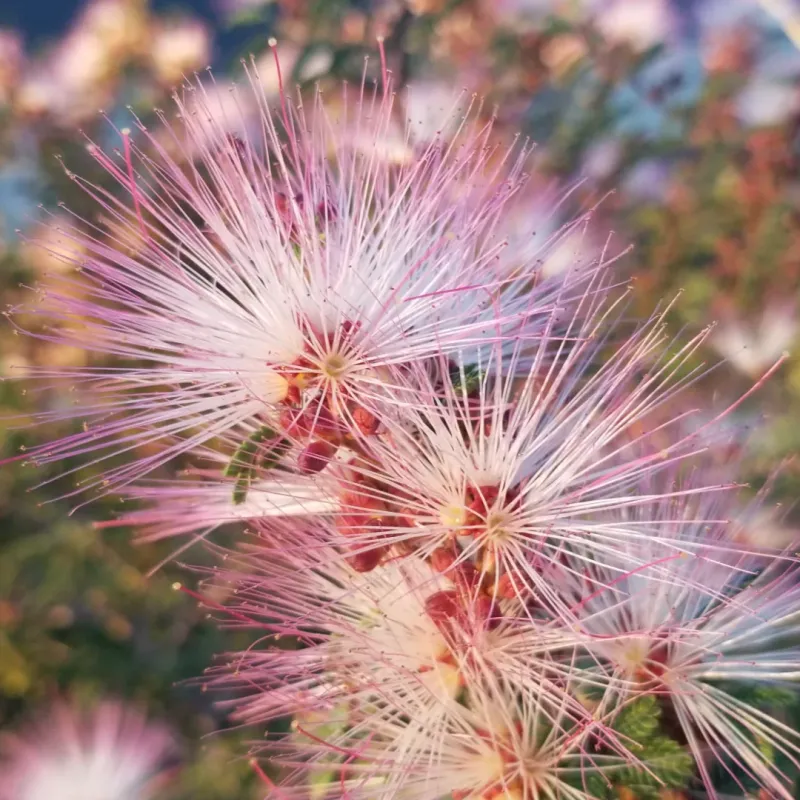
Fuzzy pink puffs appear on this shrub starting in late February and keep coming back until November in most Arizona yards. Hummingbirds spot these flowers from across the neighborhood and visit them daily for nectar.
Branches spread about four feet wide and grow three feet tall, creating a rounded shape that fills empty corners without blocking pathways or windows.
New gardeners appreciate how quickly this plant settles into Arizona soil and starts blooming within its first season.
Full sun brings out the most flowers, though afternoon shade in Phoenix and Tucson helps prevent leaf scorch during July and August. Water every two weeks during summer, less often during cooler months.
Butterflies join hummingbirds around the blooms, creating movement and interest in the garden. The flowers look like tiny pink fireworks exploding from green foliage.
Pruning in late winter keeps the plant compact and encourages heavier flowering when spring arrives. Cut back leggy branches to maintain a tidy appearance.
Desert wildlife depends on plants like this for food sources year-round. Bees also visit the flowers regularly, making this shrub valuable for supporting local pollinators in Arizona landscapes.
It handles reflected heat from gravel and walls better than many flowering shrubs, which makes it a reliable choice for tough spots. Once established, it asks for very little beyond occasional trimming and consistent, deep watering.
In Arizona yards where long bloom seasons matter, few shrubs match the steady color and wildlife activity this one delivers.
2. Beavertail Prickly Pear With Its Showy Spring Flowers
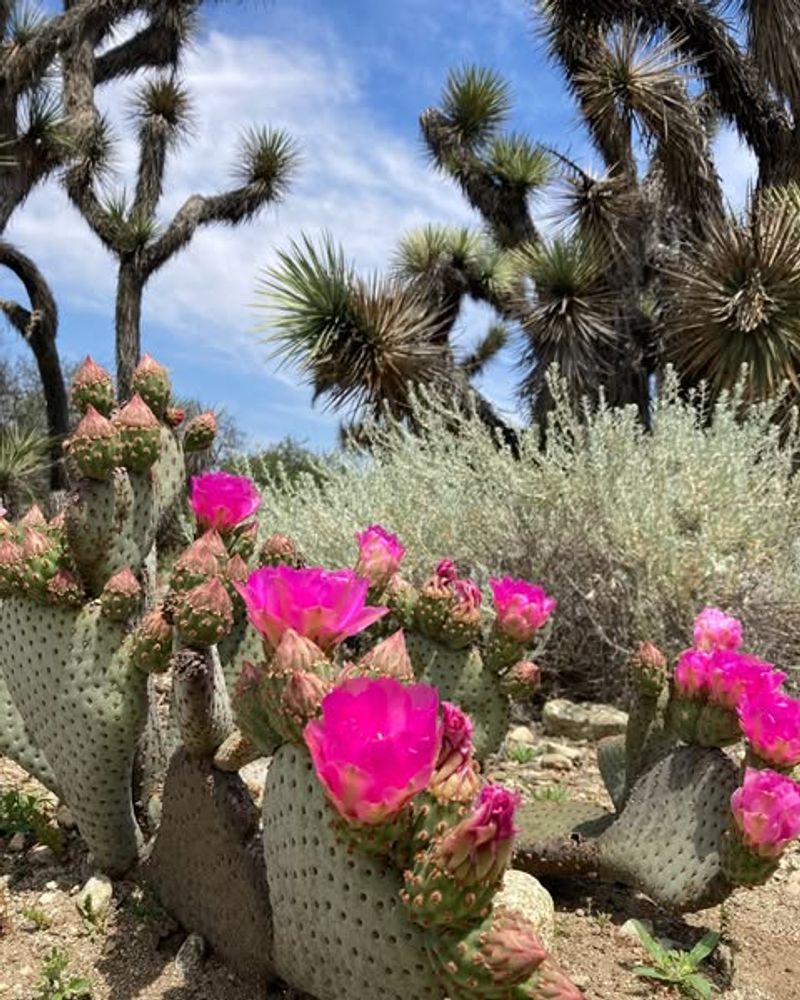
Bright magenta flowers emerge from flat, paddle-shaped pads every March and April across Arizona. Each bloom measures three inches across and practically glows in morning sunlight.
Unlike other cacti, this variety lacks the long, sharp spines that make gardening painful. Small glochids still cover the pads, so gloves remain necessary during planting and maintenance.
Pads spread slowly, forming clusters that reach two feet tall and three feet wide over several years. This growth pattern creates natural-looking groupings that blend perfectly with rock gardens and gravel landscapes throughout Arizona.
Rainfall alone sustains established plants in most years, though occasional deep watering during extended dry spells helps maintain pad plumpness. Overwatering causes rot problems quickly.
Purple fruit appears after flowers fade, attracting desert birds and adding another season of interest. Some gardeners harvest these fruits for jellies and syrups.
Your Arizona Garden Changes Every Week. Your Plan Should Too.
Gardening in Arizona changes quickly throughout the season. Every Friday you’ll receive a simple weekly plan showing exactly what to plant, prune, fertilize, harvest, and protect so you never miss the right timing.
Plant in full sun where soil drains quickly. Rocky slopes and raised beds provide ideal conditions.
Flowers open fully during warm afternoons, then close as temperatures drop at night. This daily rhythm creates changing visual interest throughout the blooming period in spring months across Arizona desert gardens.
This cactus handles intense reflected heat from patios and driveways without fading or collapsing in peak summer. Its compact size makes it easy to tuck into smaller Arizona yards where larger cacti would overwhelm the space.
Once established, it asks for little attention while delivering reliable spring color year after year.
3. Parry’s Penstemon Drawing Hummingbirds With Pink Spikes
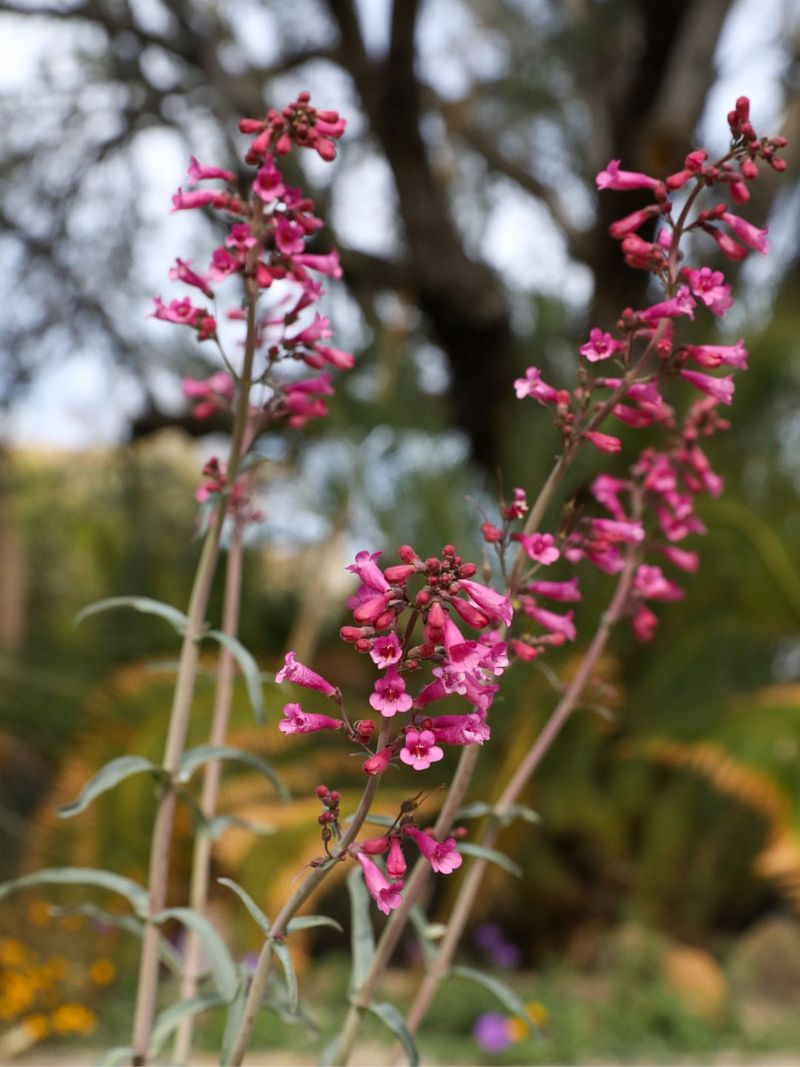
Tall spikes covered in tubular pink flowers shoot up from low rosettes of leaves every spring in Arizona. Hummingbirds discover these blooms within hours of opening and defend them aggressively from other birds.
Each flower spike reaches two feet tall, creating vertical accents that contrast beautifully with rounded shrubs and spreading groundcovers. The bright pink color stands out against desert backgrounds.
This wildflower behaves as a short-lived perennial in Arizona gardens, typically lasting two to three years before needing replacement. Seeds scatter naturally, creating new plants nearby that maintain the display.
Cold winters actually benefit this plant, as it needs chilling hours to bloom heavily the following spring. Higher elevation areas around Flagstaff and Prescott see the most spectacular displays.
Water moderately during the growing season, allowing soil to dry between waterings. Summer heat causes the plant to go dormant, so reduced watering during hot months prevents problems.
Group several plants together for maximum visual impact rather than spacing them individually throughout the garden. Clusters create focal points that draw attention and provide better nectar resources for visiting hummingbirds in Arizona landscapes.
The silvery green foliage stays attractive even before and after blooming, adding texture to planting beds. Well-drained soil is essential, especially in lower desert areas where heavy irrigation can shorten the plant’s life.
In Arizona gardens that welcome pollinators, this spring bloomer quickly becomes one of the most visited plants in the yard.
4. Pink California Poppy Brightening Wildflower Season
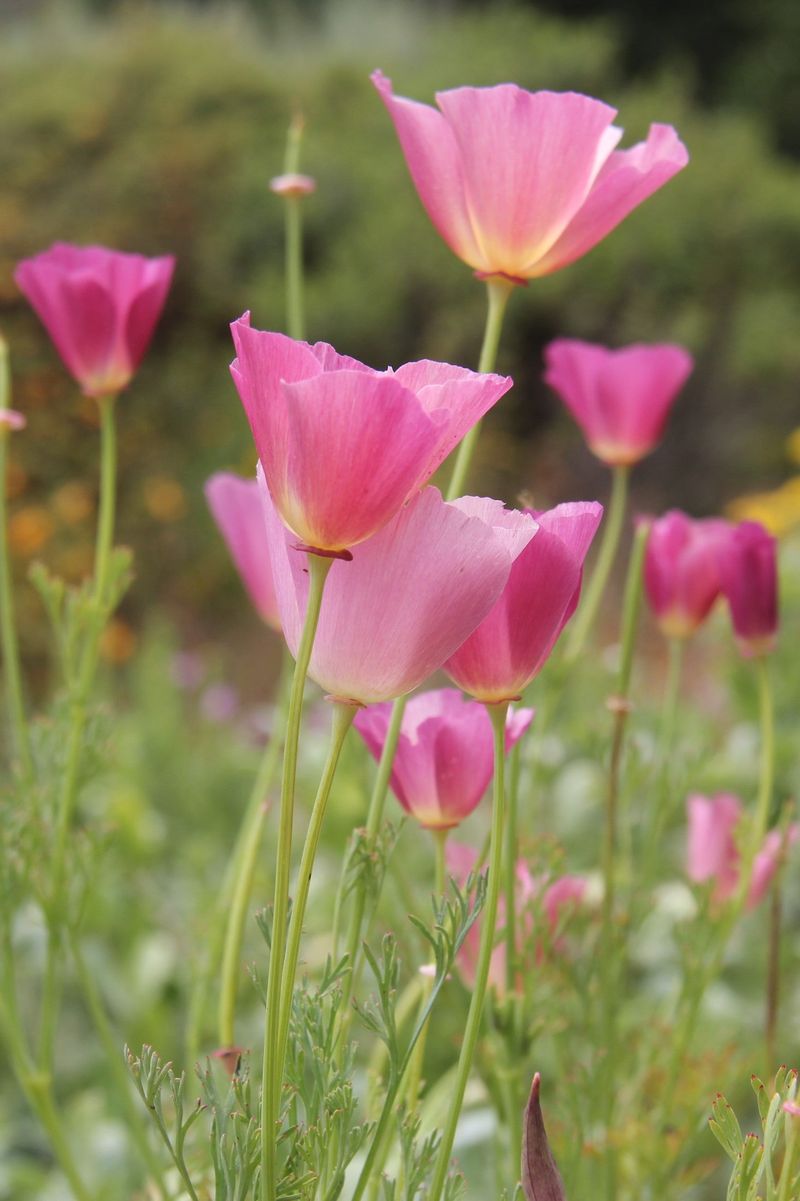
Silky pink petals unfold on sunny mornings from February through May in Arizona gardens. These flowers close at night and on cloudy days, creating a daily show that rewards attentive observers.
Blue-green foliage spreads low to the ground, creating a soft carpet that contrasts with the bright blooms hovering above on thin stems. Each flower measures about two inches across.
Seeds germinate easily when scattered in fall across bare soil. Rake them lightly into the surface, and winter rains handle the rest of the work.
Plants reseed themselves year after year once established, creating natural drifts that shift and expand through Arizona landscapes. This self-sowing habit means less work for gardeners over time.
Mix pink poppies with other wildflowers for a meadow effect, or plant them in masses for bold color blocks. Both approaches work well in desert gardens.
Heat eventually causes these annuals to fade in late spring, but they leave behind seed capsules that ensure next year’s display. Pull spent plants or leave them to decompose naturally.
Butterflies visit the flowers regularly, adding movement to the garden. The combination of pink petals and visiting insects creates a lively scene throughout Arizona’s wildflower season.
Their delicate texture softens gravel-heavy landscapes and breaks up hard lines around patios and pathways. A light breeze keeps the petals in motion, adding a gentle shimmer across planting beds.
Few spring annuals deliver this much color with so little effort in Arizona.
5. Raspberry Ice Bougainvillea Adding Color To Walls And Vines
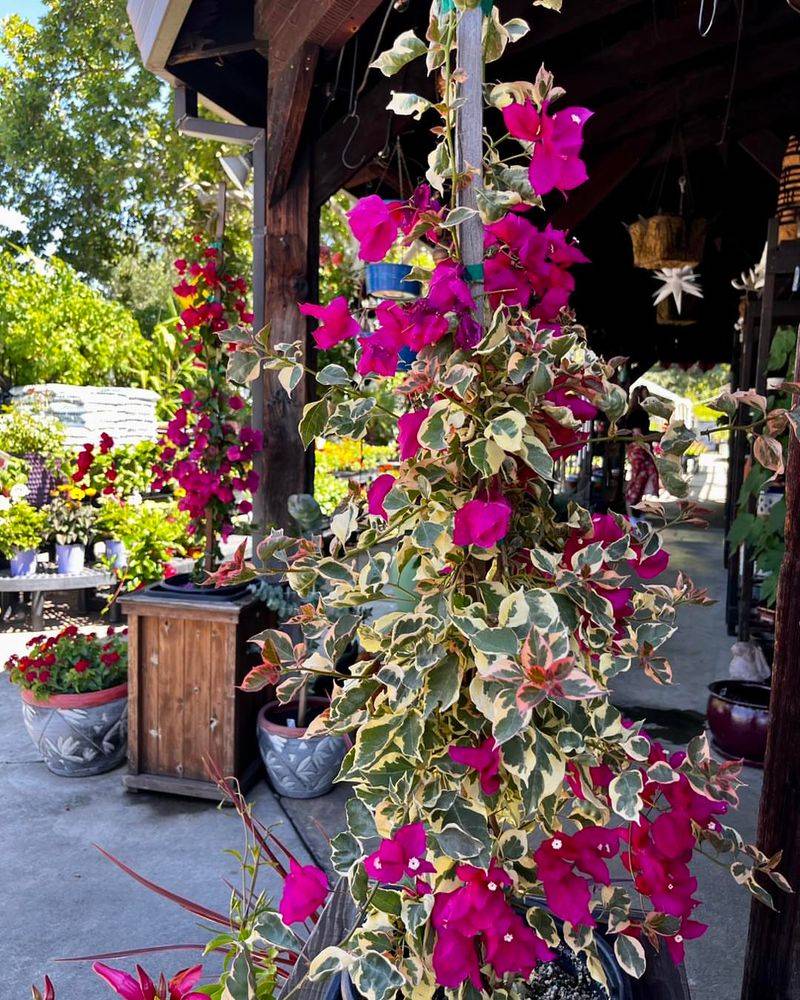
Pink and white bracts cover this vigorous vine from spring through fall in Arizona. The bicolor effect creates a softer look than solid magenta varieties while still providing plenty of visual punch.
Vines climb quickly up walls, trellises, and arbors, reaching fifteen feet or more in a single growing season. This rapid growth makes bougainvillea perfect for covering bare fences or creating shade structures.
Thorny stems require careful placement away from pathways and seating areas. Gloves are essential when pruning or training new growth.
Frost damages bougainvillea in northern Arizona, but plants in Phoenix and Tucson thrive year-round with only occasional cold damage during unusual freezes. Covering plants during rare cold snaps prevents branch loss.
Water deeply but infrequently to encourage blooming rather than leafy growth. Too much water produces green foliage with few flowers.
Containers work well for this plant, allowing gardeners to move it to protected locations during winter in cooler parts of Arizona. Choose large pots to accommodate the extensive root system.
Prune after flowering cycles to control size and shape. Heavy pruning stimulates fresh growth that produces the next round of colorful bracts throughout the growing season.
Strong sunlight keeps the bract color crisp, while too much shade reduces flowering dramatically. Well-drained soil is critical, especially in areas with heavy irrigation or compacted ground.
Once established in the right spot, this vine becomes one of the longest-blooming color sources in warm Arizona landscapes.
6. Pink Gaura Dancing On Long Thin Stems In Light Breeze
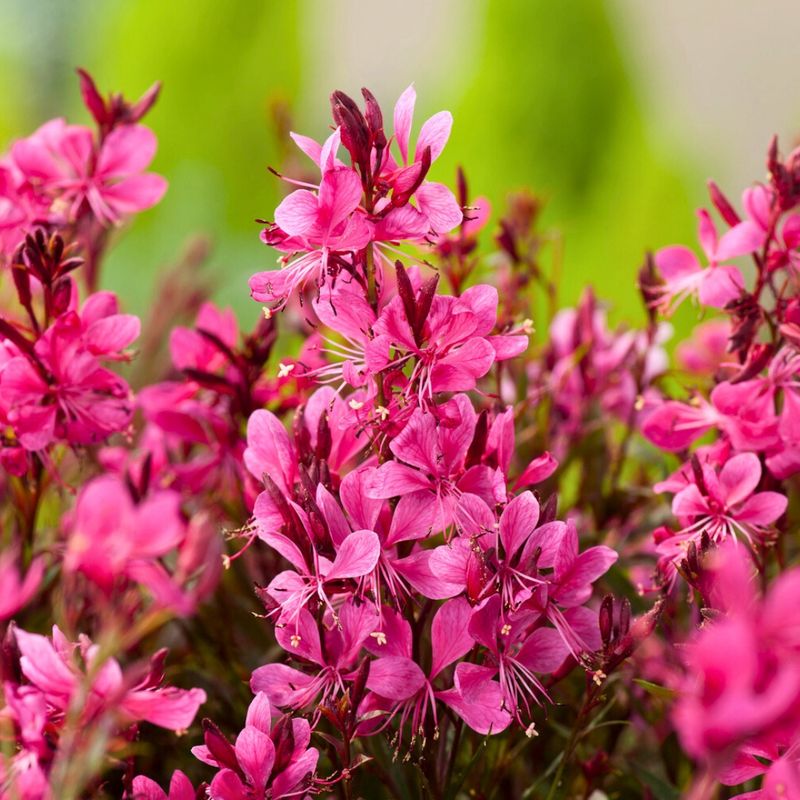
Delicate pink flowers float on wiry stems that sway with the slightest breeze, creating constant motion in Arizona gardens. Each bloom resembles a tiny butterfly hovering above the foliage.
Plants form clumps of narrow leaves at ground level, then send up flowering stems that reach three feet tall. This airy growth habit allows you to see through the plant to other garden features behind it.
Blooming continues from April through October in most Arizona locations, providing months of color with minimal effort. Deadheading spent flowers encourages even more blooms but isn’t necessary.
Heat tolerance makes this perennial ideal for Arizona summers when many other flowers struggle or stop blooming entirely. Gaura keeps performing even when temperatures exceed one hundred degrees.
Plant in full sun for best flowering, though light afternoon shade is acceptable. Good drainage is critical, as soggy soil causes root problems.
Butterflies and bees visit the flowers regularly, making this plant valuable for supporting pollinators. The constant insect activity adds another layer of interest to the display.
Divide clumps every few years to maintain vigor and prevent overcrowding. Share divisions with neighbors or use them to expand plantings in other areas of your Arizona garden.
Lean soil actually improves performance, keeping stems sturdy and preventing floppy growth. Cut plants back by about one third in midsummer if they begin to look tired, and fresh blooms will follow quickly.
This perennial blends easily with desert shrubs, ornamental grasses, and gravel plantings without overpowering them.
In Arizona gardens that need long color without constant maintenance, it earns its place year after year.
7. Mexican Evening Primrose Opening Pink Flowers At Sunset
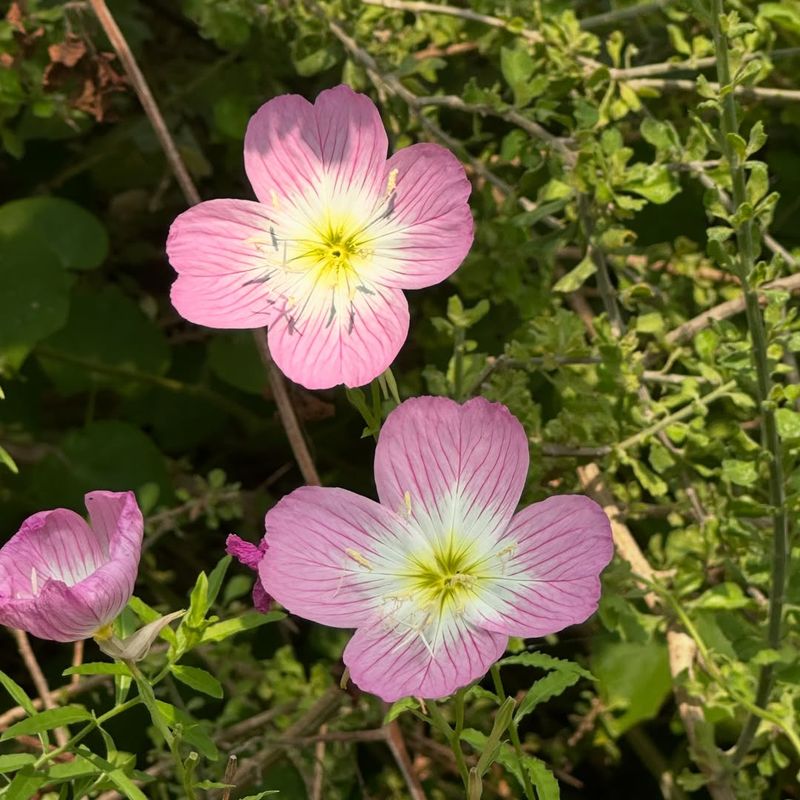
Cup-shaped pink flowers pop open in late afternoon and evening, giving this plant its common name. Blooms measure two inches across and practically glow in fading sunlight across Arizona landscapes.
Spreading roots send up new shoots that create a groundcover effect, filling spaces between larger plants and spilling over rock walls. This aggressive growth requires management in small gardens.
Flowers continue opening from March through September, providing reliable color during Arizona’s long growing season. Morning flowers stay open until midday heat causes them to close.
Cool nights bring out the deepest pink tones, while hot weather produces paler blooms. This color variation adds subtle interest throughout the flowering period.
Water needs are minimal once plants establish themselves in Arizona soil. Occasional deep watering during extended dry spells maintains healthy growth and flowering.
Cut back spreading stems to control the plant’s footprint and prevent it from overwhelming neighboring plants. Some gardeners appreciate the vigorous growth, while others prefer to contain it.
Plant in areas where spreading is welcome, such as slopes that need erosion control or large spaces that require quick coverage.
The pink flowers attract moths and other nighttime pollinators to Arizona gardens.
8. Engelmann’s Hedgehog Cactus Bursting With Pink Spring Blooms
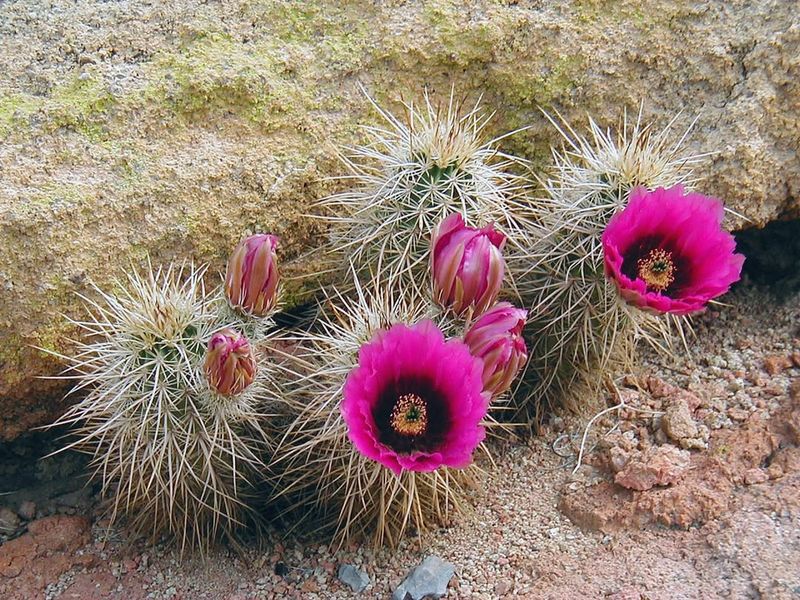
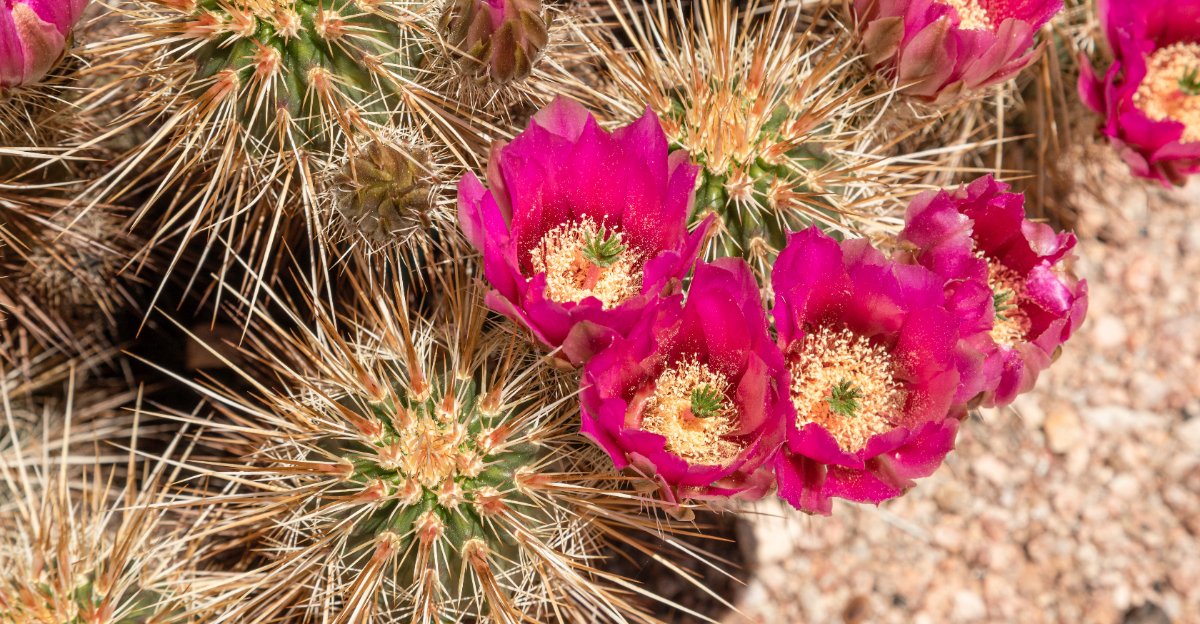
Brilliant pink flowers emerge from spiny cylinders every March and April throughout Arizona. Blooms measure three inches across and appear in such numbers that they nearly hide the cactus beneath them.
Individual stems grow eight inches tall and form clumps that spread slowly over years, creating impressive displays in mature plantings. Each stem produces multiple flowers during peak blooming.
Spines are formidable, so plant this cactus away from areas where people and pets brush against plants regularly. Gloves and long sleeves are necessary when working around it.
Natural rainfall provides enough moisture in most Arizona locations, though plants in containers need occasional watering during extended dry periods. Excess water causes rot problems quickly.
Flowers attract native bees that pollinate them efficiently, leading to fruit production later in the season. These fruits provide food for desert wildlife.
Plant in full sun where soil drains rapidly. Rocky areas and slopes provide ideal conditions that mimic the cactus’s natural habitat in Arizona.
Flowers open during warm afternoons when pollinating insects are most active.
This timing ensures successful pollination and seed production for future generations of hedgehog cacti in desert gardens across Arizona.