The Stapelia Care Routine That Leads To Better Blooms In Arizona
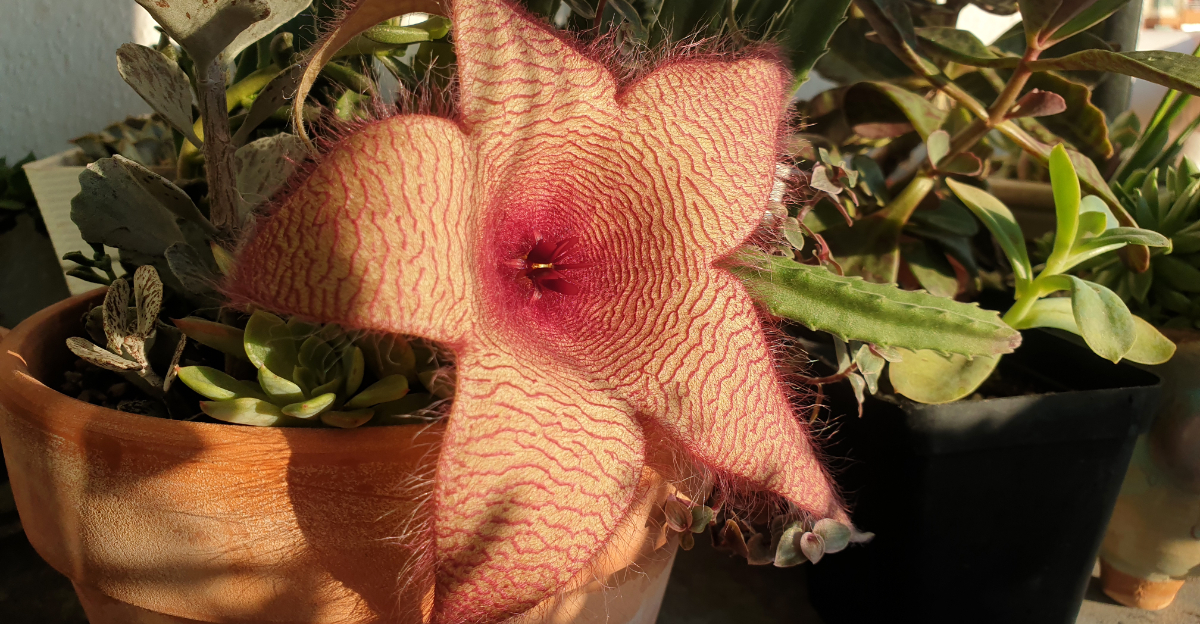
Stapelia can look healthy in an Arizona home and still refuse to bloom, which leaves you wondering what is missing even when the plant seems fine.
Thick stems grow, the shape fills out, and everything points to good care, yet flowers never show up.
That gap usually comes down to small details that are easy to overlook. Light, spacing, and how the plant is handled during certain periods all play a role in whether it moves beyond basic growth.
Once those details line up, the change becomes obvious. Buds begin to form, and the plant shifts from simple greenery into something far more eye catching.
Getting to that point does not require constant effort, but it does depend on a routine that matches what the plant actually needs under Arizona conditions.
1. Bright Light With Protection From Harsh Afternoon Sun
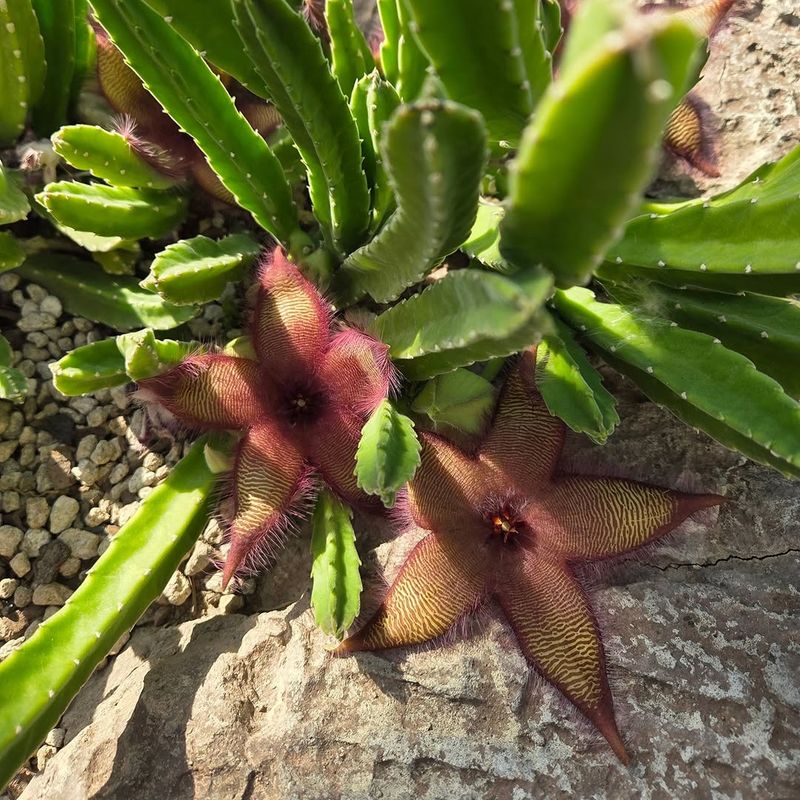
Arizona sun is no joke, and Stapelia feels that intensity just as much as you do. Bright light is essential for blooming, but the brutal afternoon rays that bake Phoenix and Tucson patios from June through September can scorch the stems fast.
Morning light is where this plant thrives best.
Place your Stapelia somewhere it gets direct sun from sunrise until around noon. East-facing spots are ideal because the plant absorbs that gentle morning energy without exposure to the hottest part of the day.
A covered patio with filtered afternoon shade works really well too.
Scorched stems turn pale yellow or develop dry, papery patches, which is a clear sign the plant got too much direct heat.
Moving it back a foot or two from a west-facing window, or adding a light shade cloth rated around 30 to 40 percent, can make a real difference during peak summer months.
Indoors near a bright south or east window is another solid option, especially during July and August when outdoor conditions are extreme. Just make sure there is no glass magnifying the heat directly onto the stems.
Rotate the pot every couple of weeks so all sides develop evenly.
Good light exposure is one of the biggest factors that pushes a mature Stapelia toward flowering. Skimping on light usually means fewer buds, or none at all.
2. Fast Draining Soil That Prevents Moisture Buildup
Soggy soil is the fastest way to lose a Stapelia, and in Arizona, that risk is higher than people expect, especially during monsoon season. Even though the desert seems dry, summer storms can dump serious water in a short time.
The soil mix you use matters more than most gardeners realize at first.
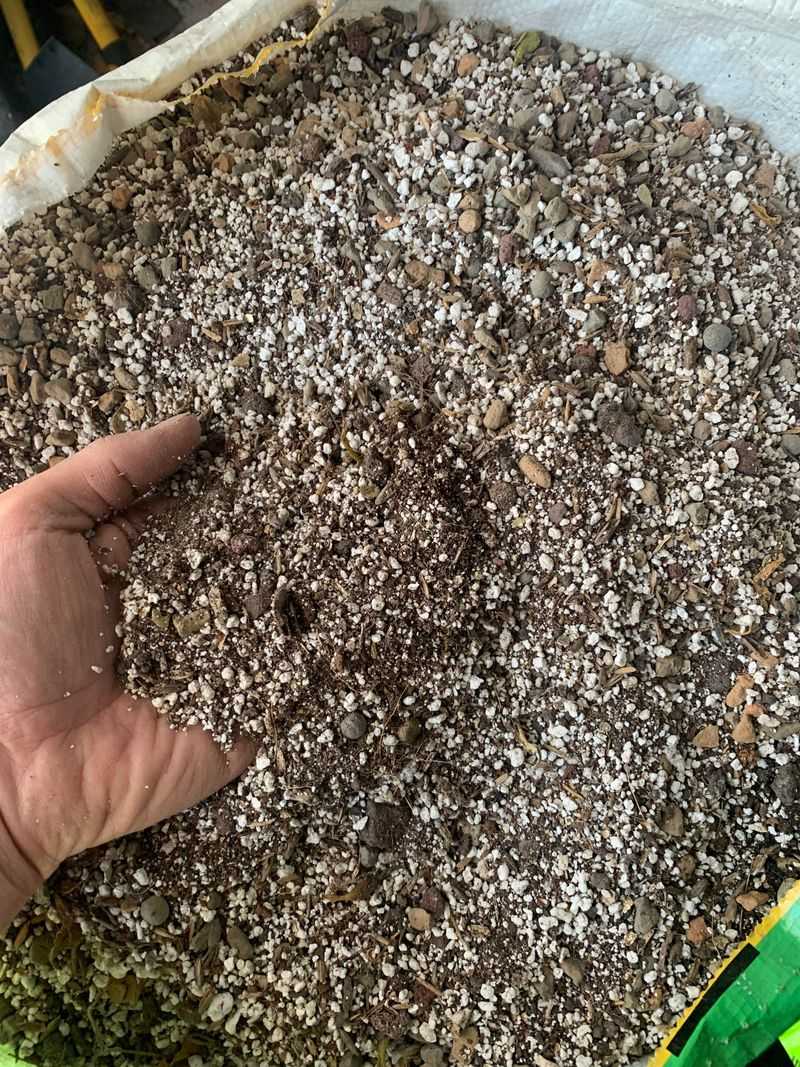
A standard cactus and succulent blend from a garden center is a decent starting point, but it is worth improving it. Mix in about 30 to 50 percent coarse perlite or horticultural grit to really open up the drainage.
Some Arizona growers also add a small amount of coarse sand to help water move through quickly without pooling at the roots.
Avoid mixes that contain a lot of peat moss or moisture-retaining crystals. Those ingredients are designed to hold water, which is the opposite of what Stapelia needs.
Your Arizona Garden Changes Every Week. Your Plan Should Too.
Gardening in Arizona changes quickly throughout the season. Every Friday you’ll receive a simple weekly plan showing exactly what to plant, prune, fertilize, harvest, and protect so you never miss the right timing.
Check the label before you buy, and look for mixes marketed specifically for cacti or succulents rather than general-purpose potting soil.
Unglazed terracotta pots pair really well with this kind of mix because the clay pulls moisture out through the walls as the soil dries. Plastic pots can work fine too, as long as there are multiple drainage holes at the bottom and you are not overwatering.
Standing water in a saucer under the pot is a problem that should be emptied within an hour of watering.
3. Allow Soil To Fully Dry Before Watering Again
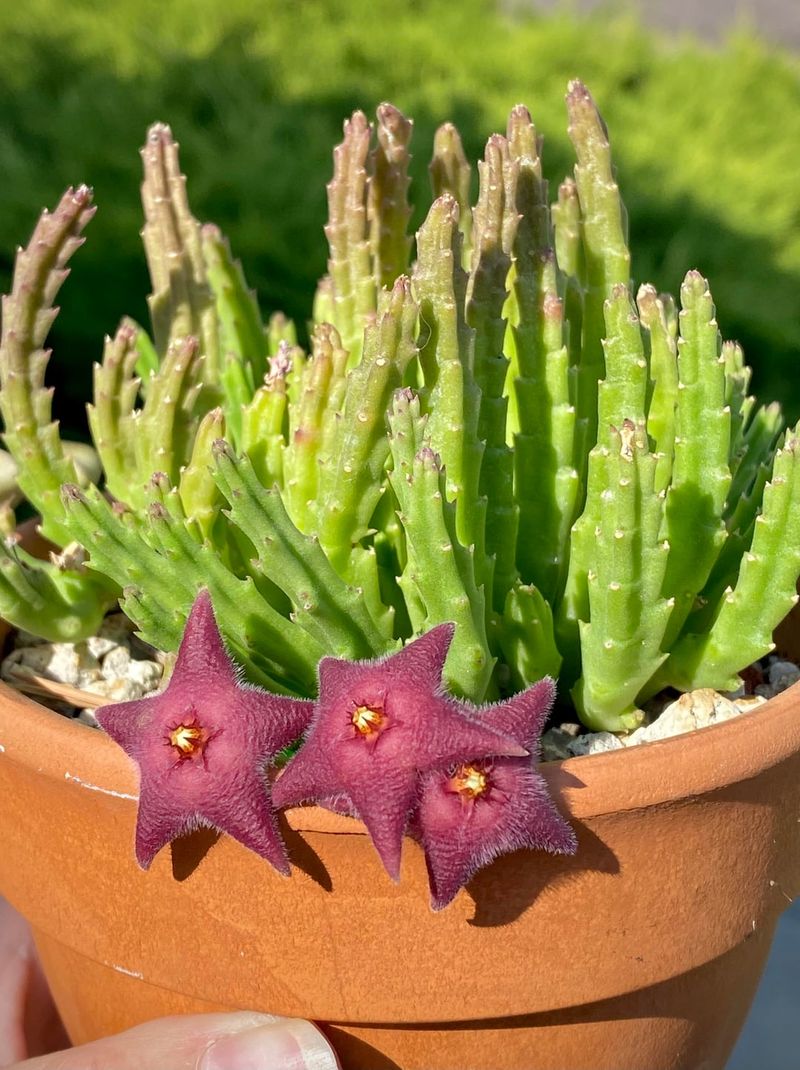
Watering too often is probably the most common mistake people make with Stapelia in Arizona. It seems counterintuitive in a hot climate to hold back on water, but these plants store moisture in their thick stems and genuinely need time to dry out between drinks.
During the active growing season, which runs roughly from March through October in most parts of Arizona, water only when the soil feels completely dry several inches down. Stick a finger two to three inches into the soil.
If there is any coolness or slight dampness, wait another few days. Dry, warm soil at that depth means it is time to water.
When you do water, do it thoroughly. Let water flow freely through the drainage holes until it runs clear from the bottom of the pot.
That kind of deep watering encourages roots to grow downward and develop strength. Shallow, frequent sips actually weaken the root system over time.
Fall and winter bring a natural slowdown in growth, and Arizona nights can drop enough to push the plant into a light rest period.
Cut back watering significantly between November and February, sometimes stretching to once every three to four weeks depending on how cool and dry conditions are indoors or in your outdoor space.
Overwatering shows up as soft, mushy stems near the base of the plant. If you catch it early, reducing water and improving airflow around the pot can help the plant recover.
4. Reduce Watering Slightly To Encourage Bud Formation
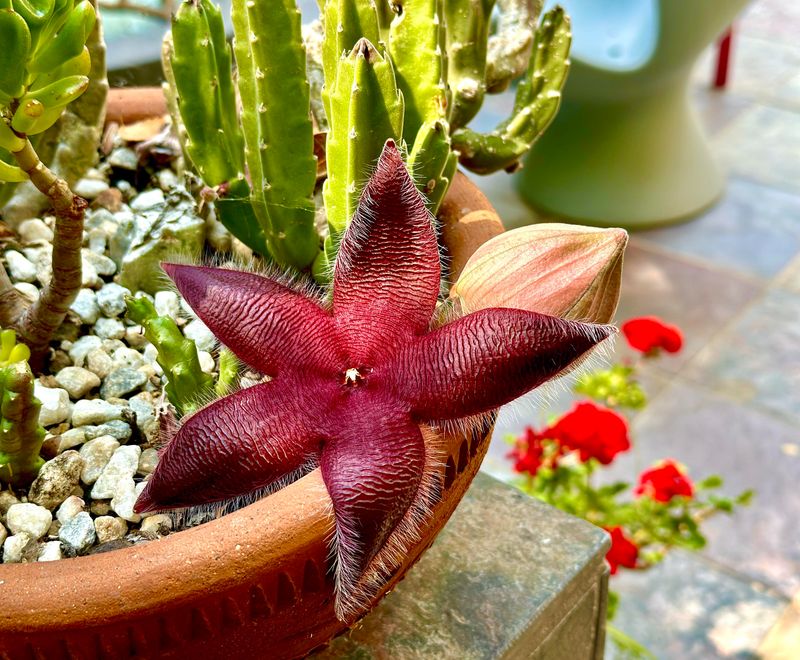
Right before Stapelia buds start forming, a slight reduction in watering can actually nudge the plant toward blooming.
Growers in Arizona often notice bud activity picking up in late summer or early fall, when temperatures begin to ease slightly after the peak heat of July and August.
Pulling back on water by about 20 to 30 percent during this window sends a mild stress signal that encourages the plant to shift energy toward reproduction. You are not putting the plant through hardship, just slowing the rhythm slightly.
Think of it as mimicking the natural dry spells that happen in southern Africa before the flowering season kicks in.
Spacing waterings out a few extra days during late summer works well for most Arizona gardeners. If you were watering every ten days, try stretching it to twelve or fourteen.
Watch how the stems respond. Slight firmness and a healthy green color mean the plant is handling the adjustment fine.
Avoid cutting water too drastically or too suddenly. A sharp drop in moisture can cause the plant to abort developing buds before they open, which is frustrating after waiting months for flowers.
Gradual change is the approach that tends to produce better results.
Once you start seeing small, rounded bud structures forming at the base of the stems, you can return to your regular watering schedule.
5. Keep Temperatures Consistently Warm For Blooming
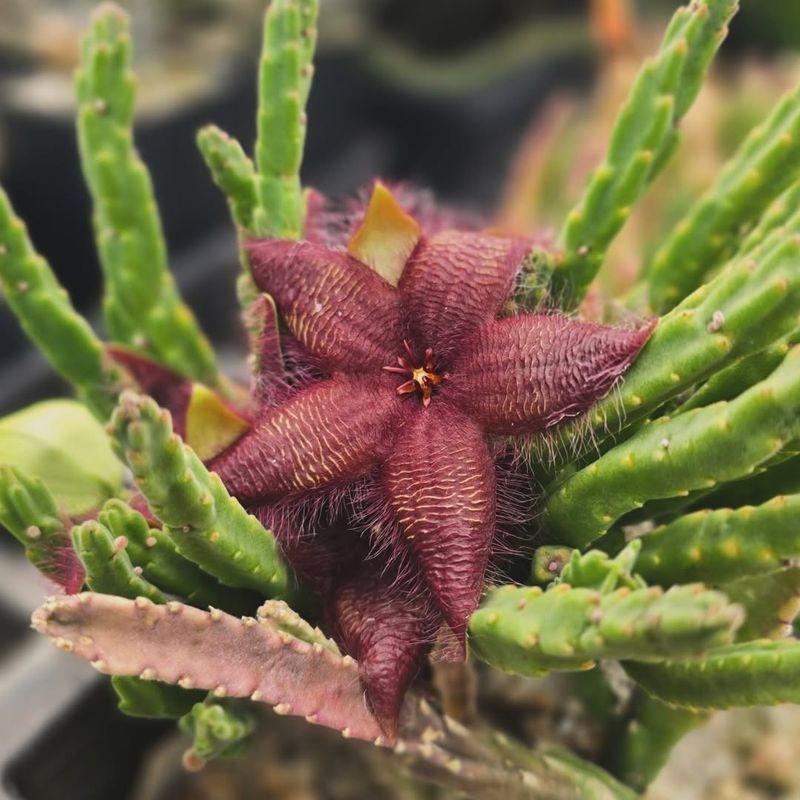
Stapelia genuinely loves warmth, which is one reason Arizona is actually a pretty good place for growing it.
Most of the state stays well within the plant’s preferred temperature range for a large part of the year, roughly between 70 and 90 degrees Fahrenheit during the day.
Consistent warmth during the growing season encourages steady stem development and supports flower production in mature plants.
When temperatures hold steady in that range without sudden drops at night, the plant stays active and continues pushing energy toward growth and eventually blooming.
Arizona’s lower desert regions, including the Phoenix metro area, Tucson, and Yuma, provide near-ideal warmth from spring through early fall.
Higher elevation areas like Flagstaff and Prescott have cooler summers and much colder winters, which means extra attention is needed to keep Stapelia protected from cold snaps below 50 degrees Fahrenheit.
Nighttime temperatures dropping below 50 degrees can slow growth noticeably and may prevent blooming altogether if the cold persists. If you are growing Stapelia outdoors in a cooler part of Arizona, bring the pot inside before overnight lows dip into that range.
Near a south-facing window indoors keeps it warm enough through the cooler months.
Avoid placing the plant near air conditioning vents, which can blast cold, dry air directly onto the stems.
6. Avoid Excess Fertilizer That Limits Flower Production
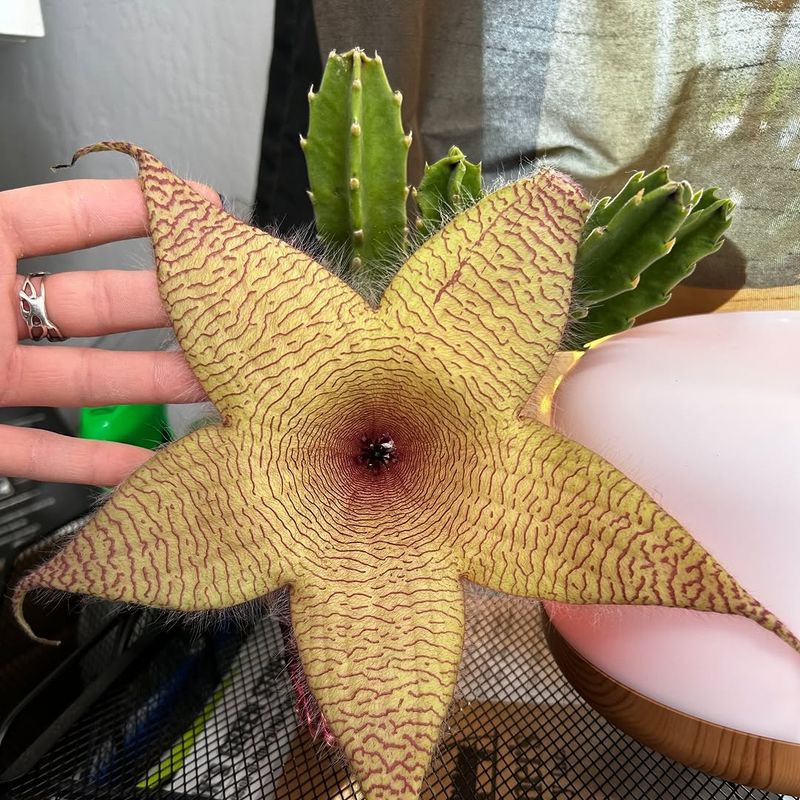
More fertilizer does not mean more flowers, and Stapelia makes that point pretty clearly. Overfeeding pushes the plant toward producing thick, lush stem growth at the expense of blooms.
If your Stapelia keeps getting bigger but never flowers, excess nitrogen is often part of the problem.
During the active growing season, a balanced fertilizer with low nitrogen applied once a month is plenty. Look for a formula designed for cacti or succulents, which typically has a lower nitrogen number in the N-P-K ratio on the label.
Diluting it to half the recommended strength is a smart approach, especially if you are new to fertilizing this plant.
Arizona’s long warm season means Stapelia has an extended growth window compared to plants grown in cooler states. That does not mean it needs more fertilizer, just that you have more months where a single monthly feeding is appropriate.
Stick to March through September as your feeding window and skip the rest of the year entirely.
Fall and winter feeding is worth avoiding altogether. Growth slows significantly during those months, and fertilizer applied when the plant is not actively using nutrients can build up in the soil.
Salt accumulation from unused fertilizer can affect root health over time and may show up as crusty white deposits on the soil surface or pot edges.
7. Leave Roots Undisturbed During Active Growth
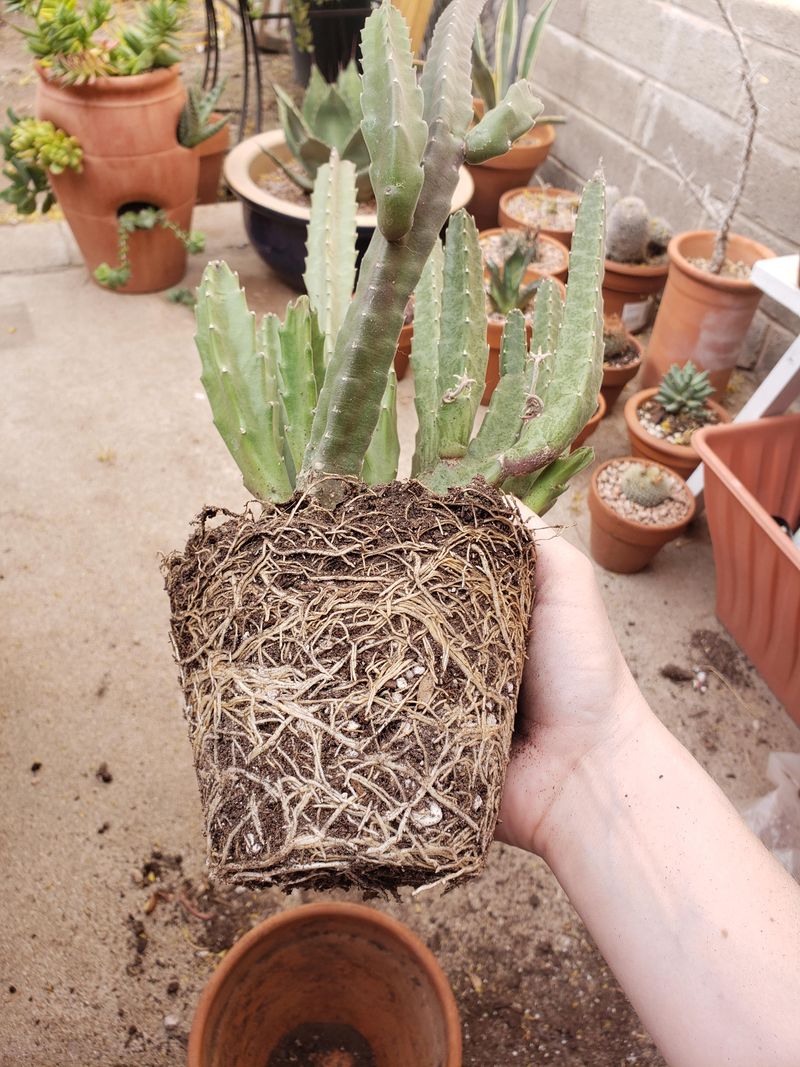
Stapelia roots are surprisingly sensitive, and moving or repotting the plant at the wrong time can set back growth for weeks.
During active growing periods, which in Arizona typically run from early spring through late summer, the roots are busy expanding and supporting new stem development.
Disrupting that process mid-season tends to cause stress that slows the plant down noticeably.
Repotting is best done in early spring before the main growth push begins. That timing gives the roots a chance to settle into fresh soil and establish themselves before the warm season kicks into full gear.
Waiting until fall is another reasonable option if you miss the spring window.
Signs that repotting is actually needed include roots visibly circling the bottom of the pot, pushing out of drainage holes, or the plant becoming top-heavy and unstable.
Stapelia does not mind being slightly snug in its container, and some growers find that a mildly root-bound plant actually blooms more readily than one with lots of extra root space.
When you do repot, handle the root ball carefully and avoid shaking or pulling apart the roots more than necessary. Move up only one pot size at a time.
Going too large too quickly means excess soil holds moisture longer than the roots can absorb, which increases the chance of rot during Arizona’s monsoon months.