The Cool-Season Vegetables You Can Still Plant From Seed In Atlanta, Georgia
Your garden does not have to slow down just yet. In Atlanta, Georgia, there is still a valuable window to plant cool-season vegetables from seed and see steady growth before rising temperatures change the pace.
The soil remains workable, nights are still mild enough for germination, and several crops respond quickly when sown directly into prepared beds.
Starting vegetables from seed allows them to establish strong roots in your own soil from the beginning. That early foundation often leads to healthier plants and more consistent growth as the season progresses.
Empty beds are not the only option right now. A simple round of seed planting can keep your Atlanta, Georgia garden active, productive, and moving forward while conditions still support cool-season crops.
1. Lettuce Stays Tender In Atlanta’s Cool Late-Winter Soil
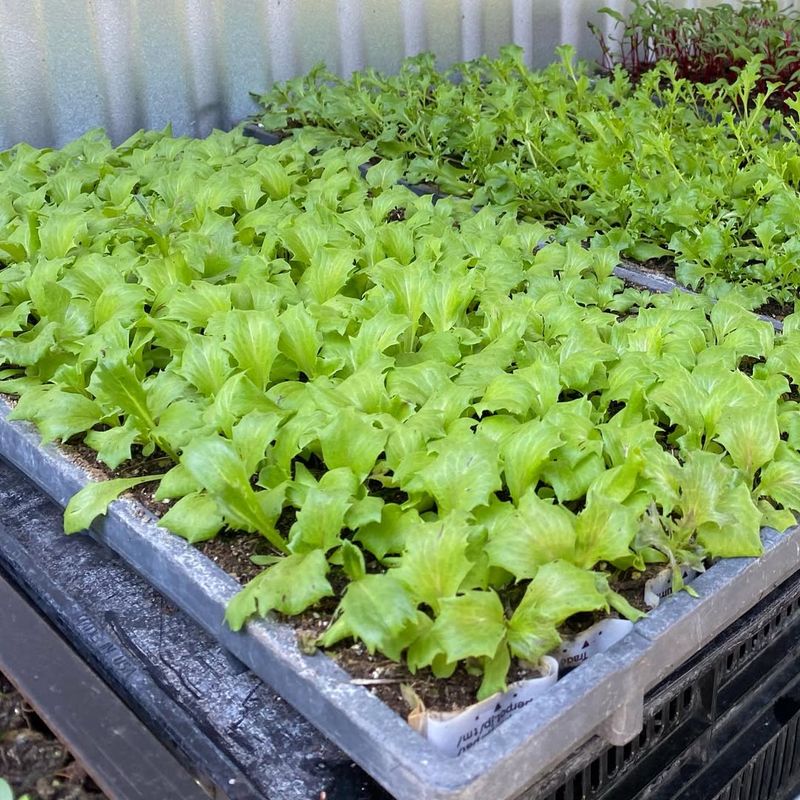
Forget waiting until spring officially arrives — lettuce is one of those vegetables that actually prefers cooler conditions, and Atlanta’s late-winter soil is practically made for it.
Soil temperatures between 40 and 65 degrees are ideal for germination, and that’s exactly what you get across most of metro Atlanta from late January through early March.
Sow seeds about a quarter inch deep and keep the soil moist, and you’ll see sprouts in as little as seven days.
Loose-leaf varieties like Black Seeded Simpson or Red Sails are great choices because you can harvest outer leaves while the center keeps producing.
Row cover fabric helps on nights that dip below freezing, but honestly, most Atlanta winters are forgiving enough that you won’t need it constantly.
Direct sow every two weeks to keep a steady supply coming.
Lettuce bolts fast once temperatures climb into the upper 70s, so timing your planting to harvest before May is smart. Atlanta’s spring can sneak up on you, so starting seeds in late January gives you the most room to work with.
Raised beds warm up a little faster than in-ground plots, which helps germination without pushing the plant into heat stress too soon. Consistent watering is more important than fertilizer at this stage.
Raised beds also give you better drainage, which matters during Atlanta’s rainy stretches in late winter. If a cold snap is forecast, a light layer of mulch can help stabilize soil temperatures without smothering seedlings.
Harvest in the morning while leaves are crisp and cool, and you’ll notice the flavor stays milder and less bitter as the season shifts.
2. Spinach Grows Strong Before Georgia Heat Arrives
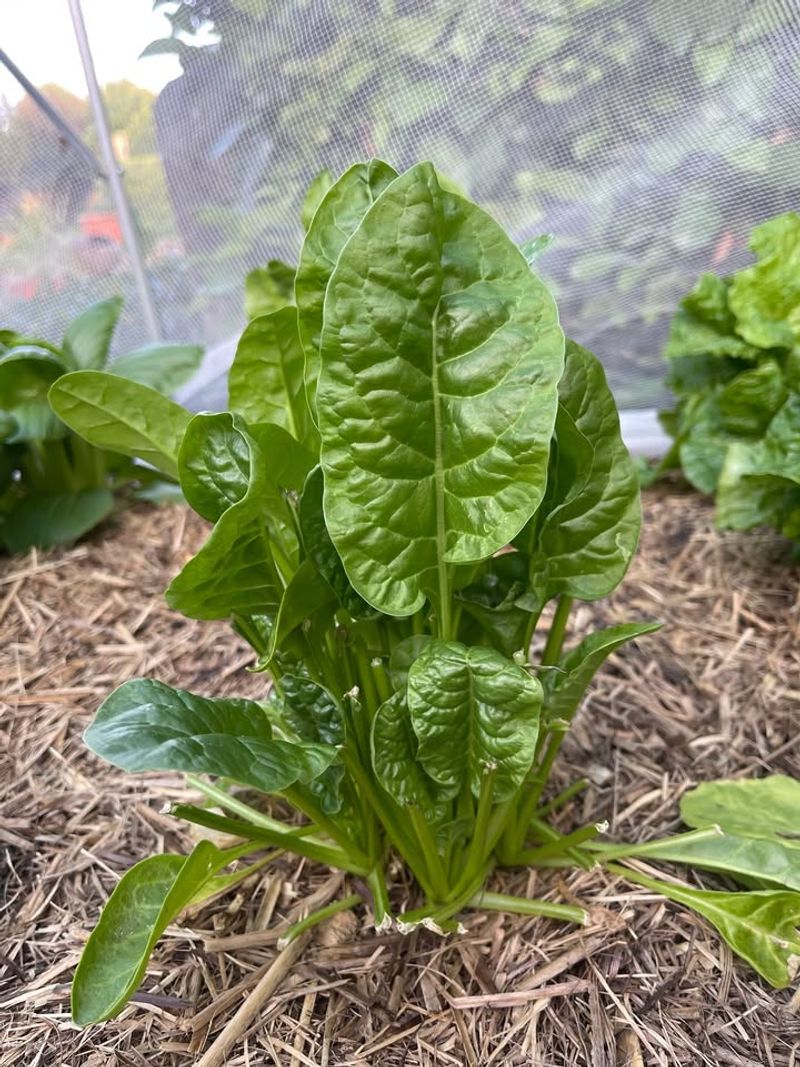
Spinach is tough in a quiet, reliable way that most gardeners come to appreciate after their first season growing it in Georgia.
Seed germination slows below 40 degrees but really picks up speed between 45 and 65 degrees, which matches Atlanta’s late-winter and early-spring soil temperatures almost perfectly.
Sow seeds about half an inch deep, space them two to three inches apart, and expect germination within five to fourteen days depending on conditions.
Savoy types like Bloomsdale Long Standing hold up better in fluctuating temperatures than flat-leaf varieties, though both work well in Atlanta’s early season. Thin seedlings to about six inches apart once they develop their first true leaves.
Your Georgia Garden Changes Every Week. Your Plan Should Too.
Gardening in Georgia changes quickly throughout the season. Every Friday you’ll receive a simple weekly plan showing exactly what to plant, prune, fertilize, harvest, and protect so you never miss the right timing.
Crowding spinach leads to poor airflow, which invites fungal problems, especially during Atlanta’s occasionally damp late-winter stretches.
Harvest outer leaves regularly to keep plants productive. Spinach slows down and eventually bolts when daytime temperatures consistently reach the mid-70s, so plan your harvest window accordingly.
Atlanta’s spring warming trend can be gradual or sudden depending on the year, so planting in mid-February gives you a solid head start.
Partial afternoon shade from a nearby fence or structure can stretch your harvest window by a week or two once temperatures start climbing.
A simple layer of mulch helps retain soil moisture between waterings.
3. Radishes Deliver A Fast Harvest Before Temperatures Climb
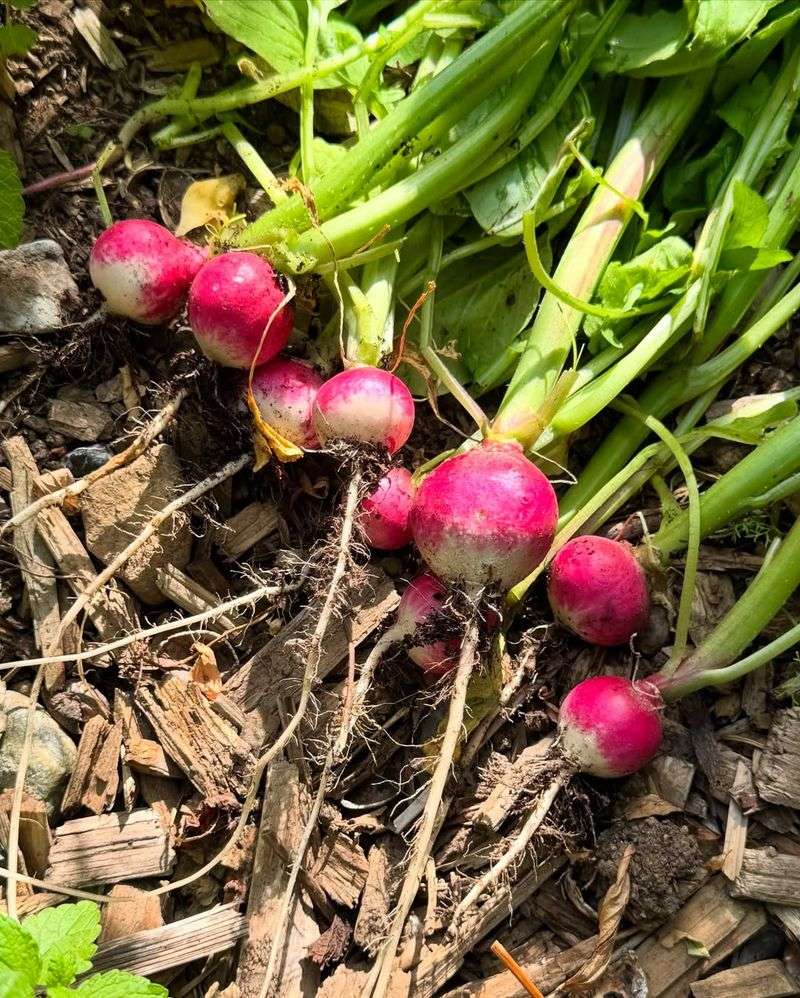
No other vegetable rewards impatience quite like a radish. From seed to harvest in as little as 22 days, radishes are the perfect crop to tuck into any open space in your Atlanta garden during late winter and early spring.
Soil temps as low as 40 degrees are enough for germination, and they actually develop better texture and flavor in cool conditions rather than warm ones.
Sow seeds directly into the ground about half an inch deep and one inch apart in rows. Thin them to two inches apart once the seedlings emerge, because overcrowding causes the roots to grow oddly shaped instead of round.
Cherry Belle and Easter Egg varieties are reliable performers across Atlanta’s varied late-winter conditions, and both mature quickly enough to get multiple plantings in before heat arrives.
Radishes planted in February across the Atlanta metro can often be harvested before March ends, leaving plenty of time for a second round of seeds. Water consistently but don’t overdo it — waterlogged soil causes splitting and poor flavor.
If you let radishes go too long in the ground once mature, they get pithy and sharp-tasting, so check them early and pull when they’re about an inch in diameter.
Interplanting radishes between slower-growing crops like carrots is a classic space-saving trick worth trying.
4. Carrots Develop Better Flavor In Early Spring Ground
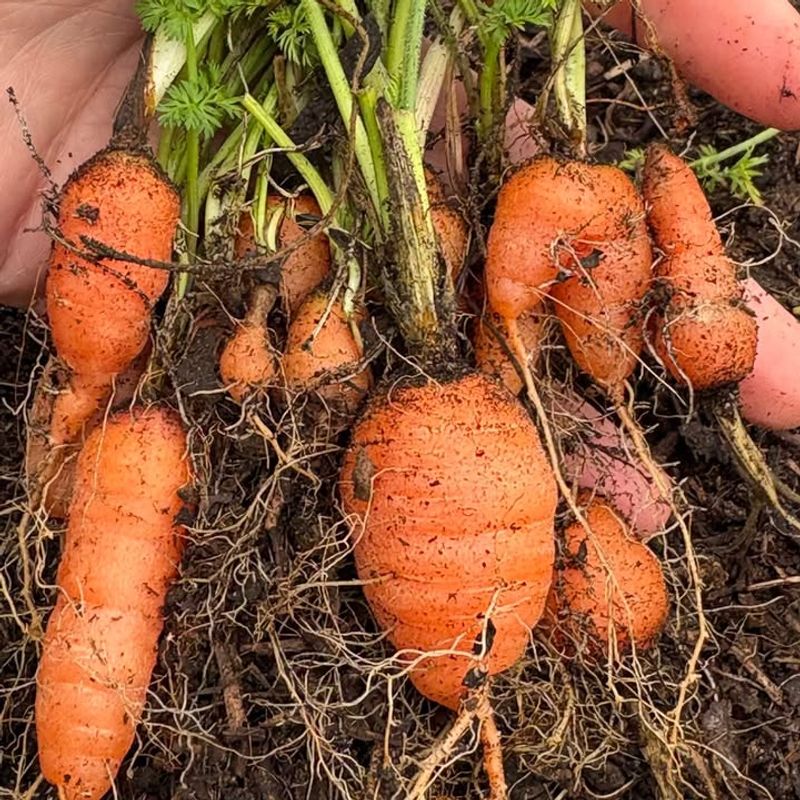
Cold soil doesn’t slow carrots down — it actually improves them.
When soil temperatures hover between 45 and 65 degrees, carrots convert more of their starches into sugars, which is why early-spring carrots pulled from Atlanta garden beds often taste noticeably sweeter than ones grown in summer heat.
Sow seeds shallowly, just an eighth of an inch deep, because carrot seeds need light to germinate properly.
Loose, well-amended soil is non-negotiable for good carrot development. Rocky or compacted ground causes forked, twisted roots that are edible but frustrating.
If your Atlanta garden has heavy clay, raised beds filled with a mix of compost and sandy loam give carrot roots the room they need to grow straight and full.
Nantes and Danvers varieties are forgiving choices that handle Georgia’s variable early-spring conditions reliably.
Germination can take up to three weeks, so don’t assume failure if nothing appears right away. Keep the soil surface consistently moist during that window, since carrot seeds dry out easily and won’t sprout if the top layer of soil crusts over.
A light covering of row fabric helps retain moisture without blocking enough light to cause problems. Thin seedlings to three inches apart once they’re about two inches tall.
Atlanta’s early spring gives carrots a long, cool run before summer heat sets in, which is exactly what they need for full, flavorful roots.
5. Beets Establish Quickly While Nights Stay Cool
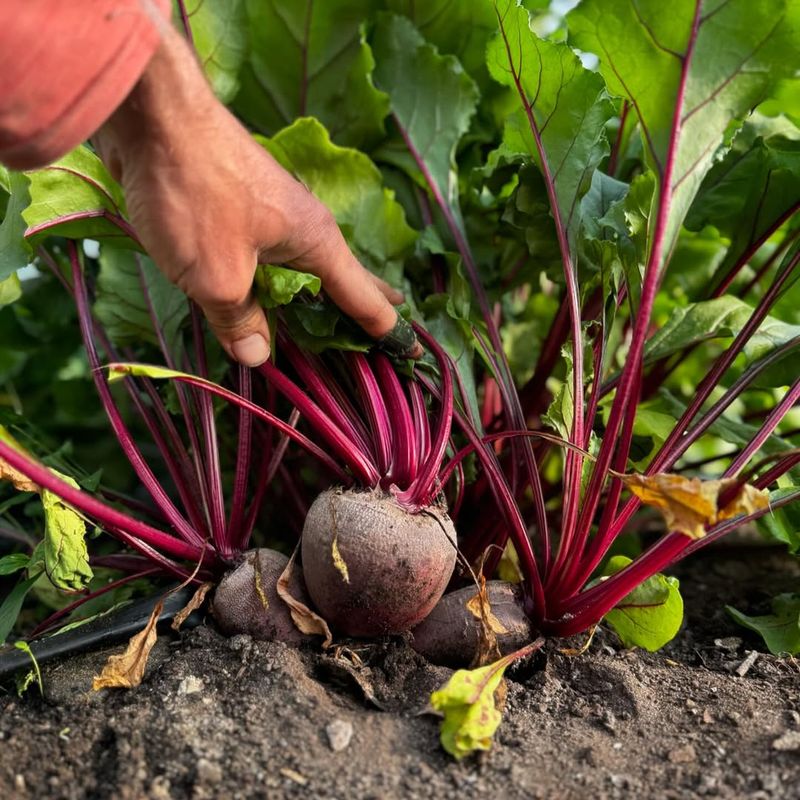
Beets are one of those underappreciated vegetables that punch well above their weight in a cool-season Atlanta garden. Each beet “seed” is actually a cluster of two to four seeds, so thinning is essential and not optional.
Sow clusters about half an inch deep and four inches apart, then thin to one strong seedling per spot once they’re a few inches tall. Both the roots and the greens are edible, so thinning doesn’t mean wasting anything.
Atlanta’s late-winter soil, typically between 40 and 65 degrees from February into March, is within the ideal germination range for beets. They germinate in five to ten days under good conditions and grow steadily through cool spring weather.
Detroit Dark Red and Chioggia are two varieties that handle Georgia’s unpredictable late-winter temperature swings without skipping a beat.
Beets prefer a slightly alkaline soil pH, somewhere around 6.5 to 7.0, which is worth checking if your
Atlanta garden soil tends to run acidic as much of Georgia’s native soil does. A light application of wood ash or garden lime can adjust pH without much effort.
Keep soil evenly moist during root development, because irregular watering leads to cracked or tough roots.
Beets mature in 50 to 70 days, which puts an early February planting right in line for a mid-April harvest before Atlanta’s heat settles in for real.
6. Kale Keeps Producing Even After Light Frost
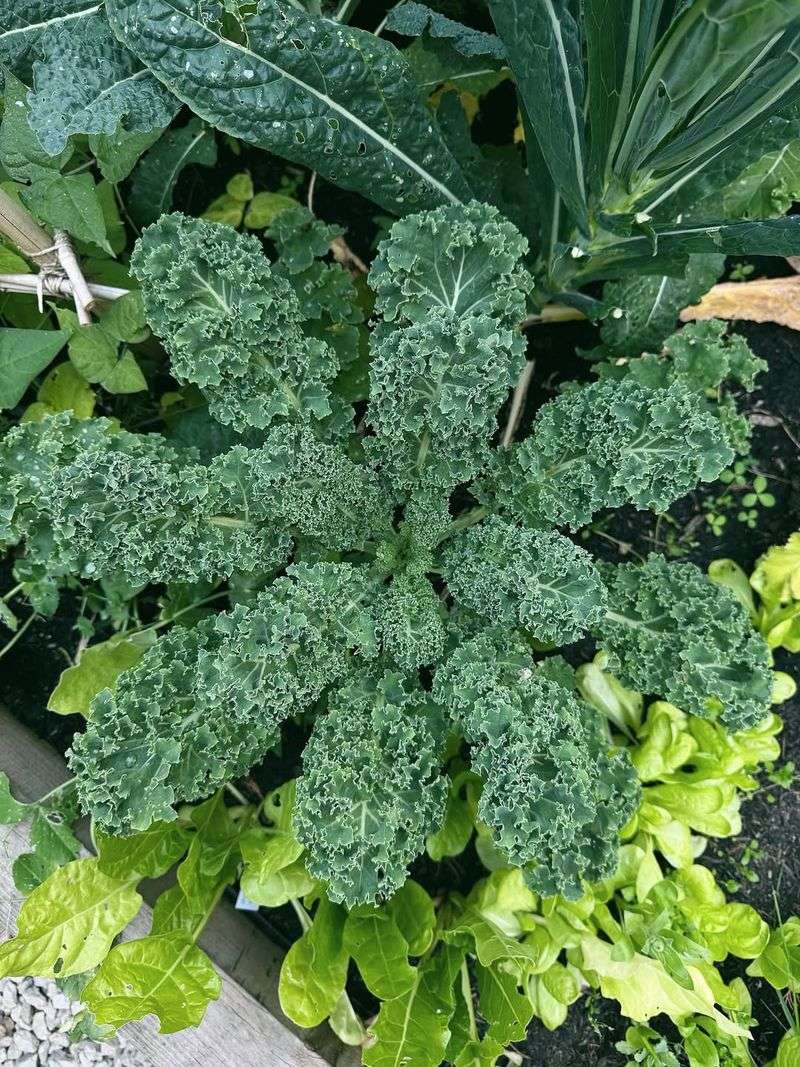
Frost doesn’t bother kale — it actually makes it better. Cold temperatures trigger kale to convert starches into sugars, which softens the leaf texture and mellows the sometimes sharp, bitter edge that puts people off in summer.
In Atlanta, light frosts in late winter and early spring are common enough to work in kale’s favor, and the plant handles temperatures down to the mid-20s without much trouble at all.
Direct sow kale seeds about a quarter inch deep and six inches apart. Germination happens in five to eight days when soil temperatures are above 45 degrees.
Lacinato, also called Dinosaur kale, and Red Russian are two varieties that thrive in Georgia’s cool season and continue producing long after a cold snap that would set back other crops.
Once plants are six to eight inches tall, you can start harvesting the lower outer leaves regularly.
Atlanta gardeners who start kale seeds in late January or early February often find themselves harvesting well into May if the spring stays mild.
Consistent cutting from the bottom encourages new leaf growth at the top of the plant, extending the harvest window considerably.
Kale doesn’t need much fertilizer early on, but a side dressing of compost mid-season gives plants a boost. Watch for aphid clusters on the undersides of leaves as temperatures warm — a strong spray of water knocks them off without chemicals.
7. Snap Peas Take Off In Atlanta’s Mild Spring Window
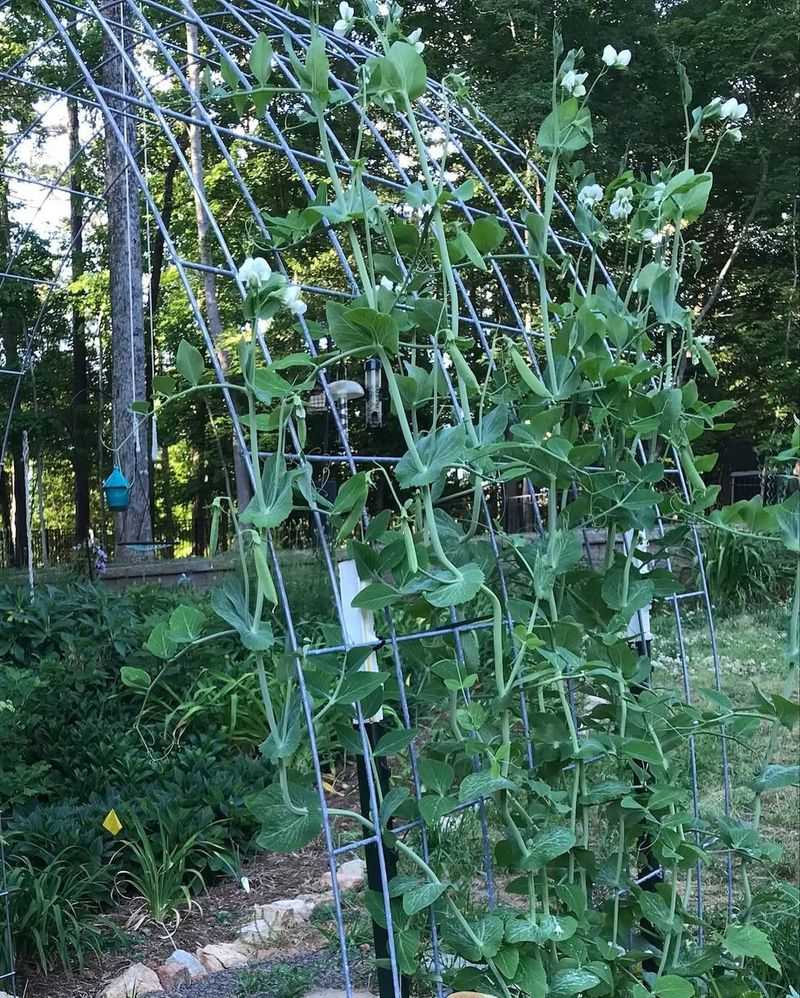
Snap peas have a short but spectacular season in Atlanta, and missing the planting window means waiting a whole year to try again.
Soil temperatures between 45 and 65 degrees are the sweet spot for germination, and Atlanta typically offers that window from mid-February through late March.
Sow seeds an inch deep and two inches apart along a trellis or fence, because these plants climb and need support from early on.
Sugar Snap and Super Sugar Snap are proven performers in Georgia’s early spring. Pre-soaking seeds in water for about four hours before planting can speed up germination by a day or two, which matters when the season is tight.
Expect sprouts in seven to fourteen days, and don’t be surprised if a late cold snap slows things briefly — snap peas are resilient enough to bounce back from a light freeze without lasting setbacks.
Pods are ready to harvest when they’re plump and the peas inside are visible through the pod wall. Check plants every day once flowering starts, because snap peas go from perfect to overripe faster than most people expect.
Atlanta’s spring can jump from pleasant to warm almost overnight, so keeping up with harvesting is more important than any other maintenance task. Consistent picking actually encourages more pod production, so don’t hold back.
A spring snap pea harvest straight from the vine is one of the best reasons to garden in Georgia.
8. Turnips Fill Out Quickly In Atlanta’s Cool Early Spring Soil
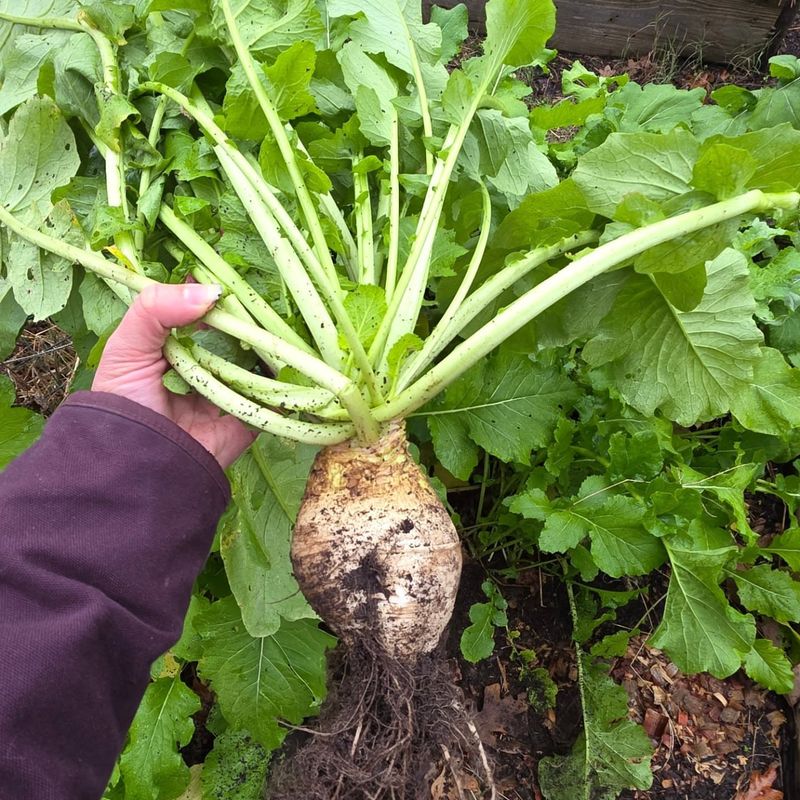
Turnips grow so fast in cool soil that they almost seem impatient to be harvested. Soil temperatures as low as 40 degrees are enough to get seeds going, and Atlanta’s late-winter ground is usually within that range from late January onward.
Sow seeds a quarter inch deep and about two inches apart, then thin to four to six inches once seedlings reach a couple of inches tall. Both the roots and the greens are worth eating, so nothing from a turnip planting goes to waste.
Purple Top White Globe is the most widely grown variety and performs consistently well across Atlanta’s variable late-winter conditions.
Hakurei, a Japanese salad turnip, matures in as few as 38 days and has a mild, almost sweet flavor that surprises people who think they don’t like turnips.
Planting both varieties gives you an early harvest with Hakurei while the Purple Top fills out more slowly for a later round.
Turnips bolt quickly once heat arrives, so timing matters in Atlanta. A planting made in early February should be ready to pull by late March or early April, well ahead of the warming trend that typically accelerates through May.
Consistent moisture keeps roots smooth and mild-flavored — irregular watering leads to a woody texture. Turnip greens harvested young are tender enough to eat raw in salads, which is a bonus most gardeners in Georgia don’t fully take advantage of.