4 Best Herbs To Grow Now In Texas And 4 That Struggle In Early Spring
Spring in Texas is calling all gardeners to get their hands in the soil, and there’s no better place to start than with fresh herbs.
Imagine snipping fragrant basil for a pasta sauce, adding a few sprigs of cilantro to tacos, or stirring chives into eggs straight from your own garden.
The right herbs planted now can thrive, giving you flavor, color, and satisfaction all season long. But not every herb loves early spring. Some prefer warmer soil and may sulk if planted too soon.
Choosing the wrong time can leave your garden looking a little sad and slow to grow. By knowing which herbs flourish in early Texas spring and which ones need a little patience, you can plan a garden that’s productive and delicious.
With the right mix, your herb garden can keep growing, smelling amazing, and turning ordinary meals into fresh, flavorful creations all season.
1. Cilantro
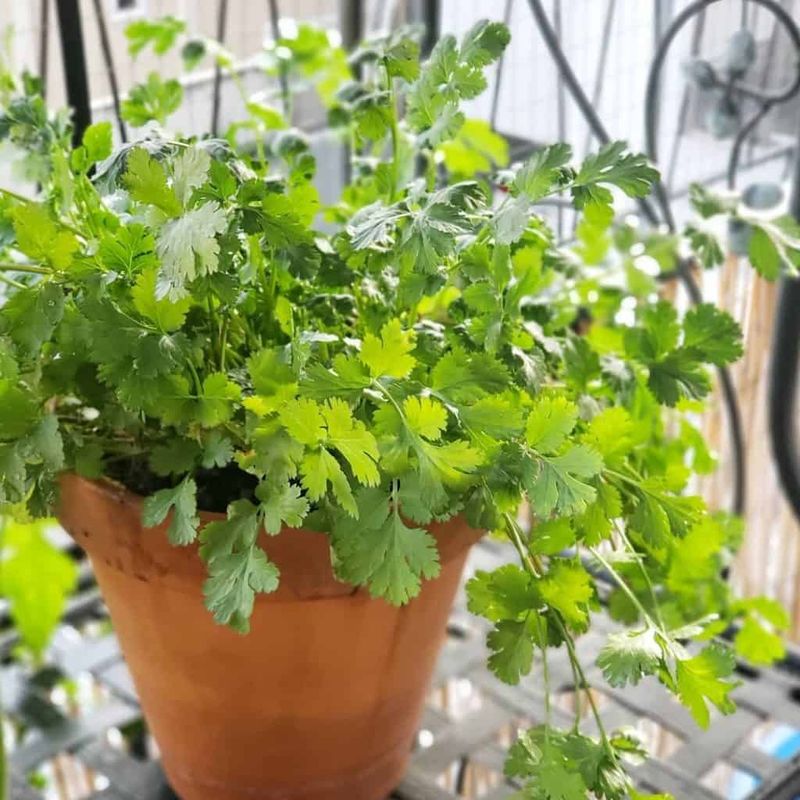
Cilantro is one of those herbs that seems to have a personality all its own. It loves cool weather, and in Texas, that window of coolness does not last very long.
If you have ever tried to grow cilantro in the middle of a Texas summer, you already know how fast it can go sideways.
The best time to plant cilantro in Texas is in late winter or very early spring, right before temperatures start climbing. Direct sowing seeds straight into the ground gives you the best results because cilantro does not love having its roots disturbed.
Scatter the seeds, press them lightly into the soil, keep them moist, and you should see sprouts within one to two weeks.
One of the biggest challenges with cilantro is bolting. Bolting means the plant rushes to produce flowers and seeds instead of leafy growth, and it happens fast once the heat rolls in.
Keeping cilantro in a spot with afternoon shade can buy you extra time. Succession planting every two to three weeks also helps extend your harvest.
In Texas, you can also plant cilantro again in the fall when temperatures cool back down. Think of early spring planting as your first big window of opportunity, and take full advantage of it before the Texas heat takes over.
2. Parsley
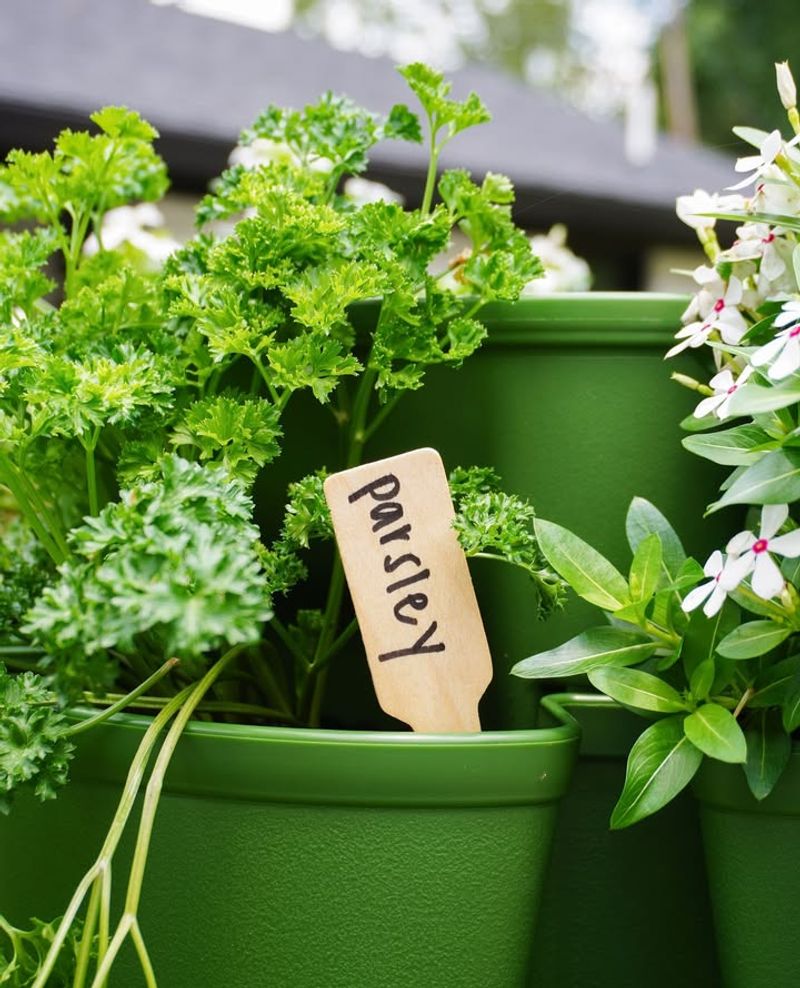
Parsley is the quiet, dependable workhorse of the herb garden. It does not ask for much, and it gives back a lot.
In Texas, parsley is one of the smartest choices you can make for early spring planting because it actually tolerates light frost without flinching.
You can start parsley from seed or from transplants bought at your local nursery. Seeds take a little longer to germinate, sometimes up to three weeks, so if you want faster results, go with transplants.
Either way, parsley grows beautifully in cool soil and keeps producing through the entire spring season. In the milder parts of Texas, like the Houston area or along the Gulf Coast, parsley sometimes even survives through winter and pops back up strong in spring.
Parsley is a biennial plant, which means it lives for two years. The first year it focuses on leafy growth, and the second year it flowers and sets seed.
Your Texas Garden Changes Every Week. Your Plan Should Too.
Gardening in Texas changes quickly throughout the season. Every Friday you’ll receive a simple weekly plan showing exactly what to plant, prune, fertilize, harvest, and protect so you never miss the right timing.
For most Texas gardeners, it behaves more like an annual because of the intense summer heat. Still, getting a healthy plant established in early spring means you will have fresh parsley for months.
It pairs beautifully in the kitchen with everything from eggs to soups to grilled meats. Plant it now, keep it watered, and enjoy the harvest well into late spring.
3. Dill
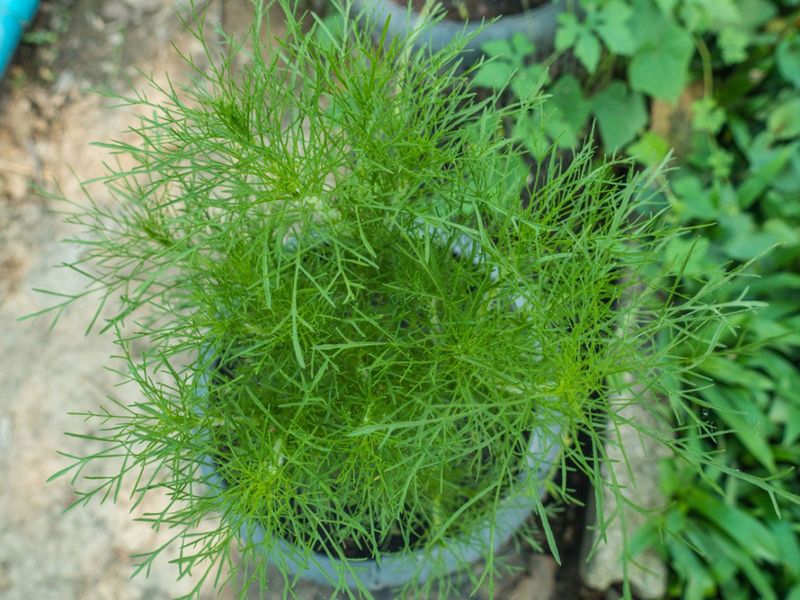
There is something almost magical about a patch of dill swaying in a cool spring breeze. Dill is one of the fastest-growing herbs you can plant in Texas, and early spring is absolutely its sweet spot.
It prefers cooler conditions, and it grows quickly enough to give you a solid harvest before the summer heat arrives.
Direct sowing is the way to go with dill. Just like cilantro, dill does not transplant well because its taproot is sensitive to being moved.
Scatter seeds in a sunny spot, press them gently into the soil, and keep them moist. You will see sprouts pop up within ten days in most parts of Texas. Dill grows tall and feathery, and it does not need a lot of fuss once it gets going.
One of the coolest bonuses of growing dill in your Texas garden is that it attracts beneficial insects, including pollinators and predatory wasps that help keep pest populations in check. Swallowtail butterfly caterpillars also love dill, so you might spot some beautiful visitors.
Dill is incredibly useful in the kitchen too. It brightens up everything from potato salad to grilled fish to homemade pickles.
Plant it now in Texas, harvest regularly to slow bolting, and enjoy one of spring’s most rewarding herbs.
4. Chives
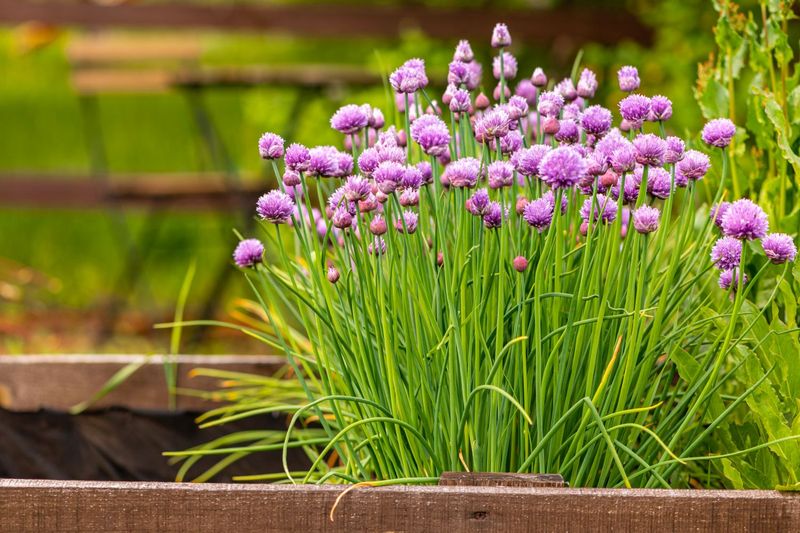
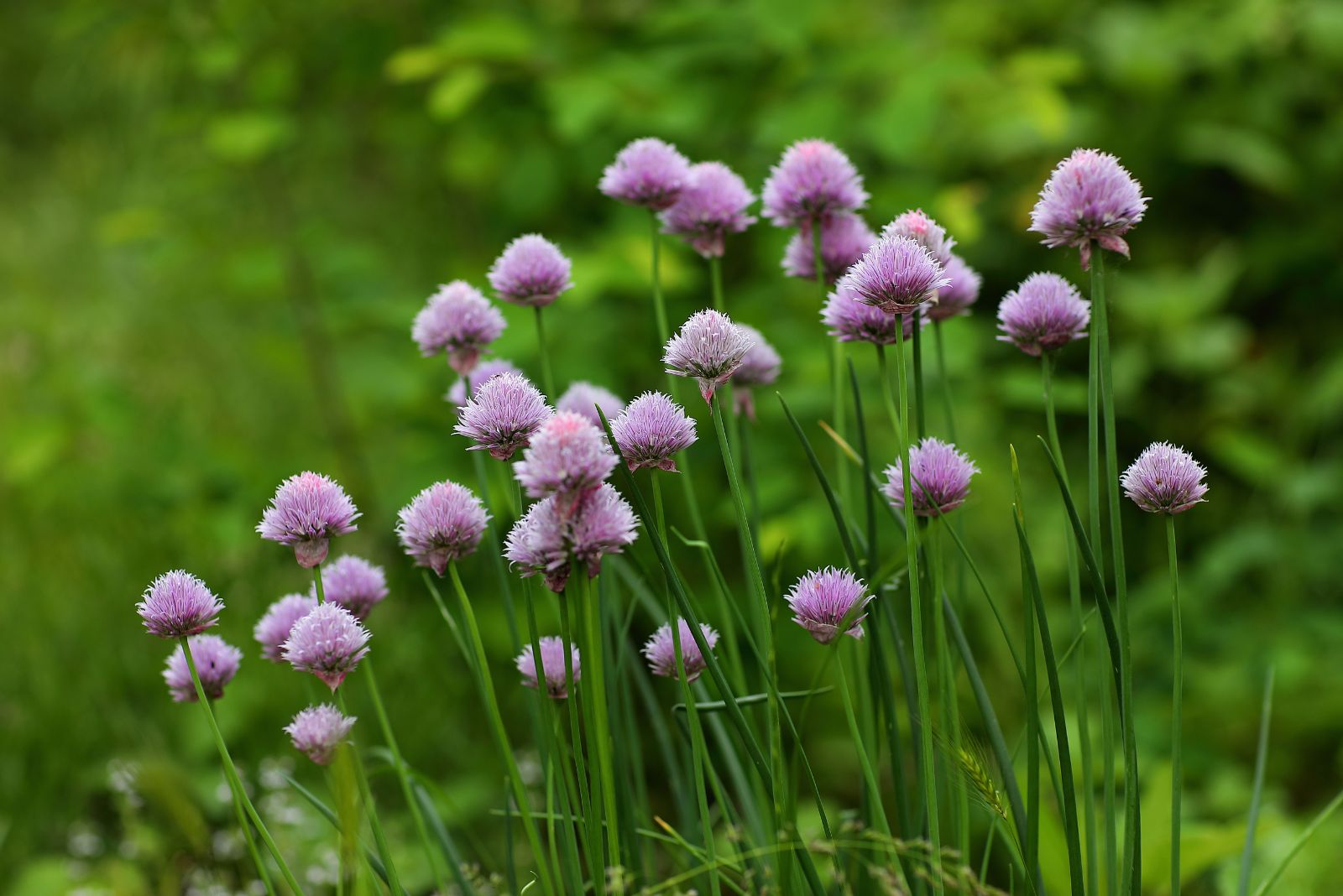
Cold snaps? No problem. Chives are built tough. As a cold-hardy perennial, chives handle Texas temperature swings with ease, making them one of the most reliable herbs you can have in your garden.
Plant them once and they come back year after year, growing stronger each season.
Chives can be started from seed, but dividing an existing clump or buying a small transplant gets you to harvest much faster. They love full sun but can handle partial shade without complaint.
In Texas, chives often start pushing up new growth as early as February, even after cold nights. They are one of the first herbs ready to harvest in the garden each spring, which makes them incredibly satisfying for early-season gardeners.
The flavor of chives is mild and onion-like, making them incredibly versatile in the kitchen. Snip them over baked potatoes, scrambled eggs, soups, or fresh salads for an instant flavor boost.
The purple flowers that appear in late spring are also edible and look beautiful as a garnish. Because chives are perennials, they reward you with minimal effort season after season.
Simply cut them back after flowering and they will regrow fresh and strong. For Texas gardeners who want a low-maintenance herb that delivers big results, chives belong in every garden bed or container.
5. Basil
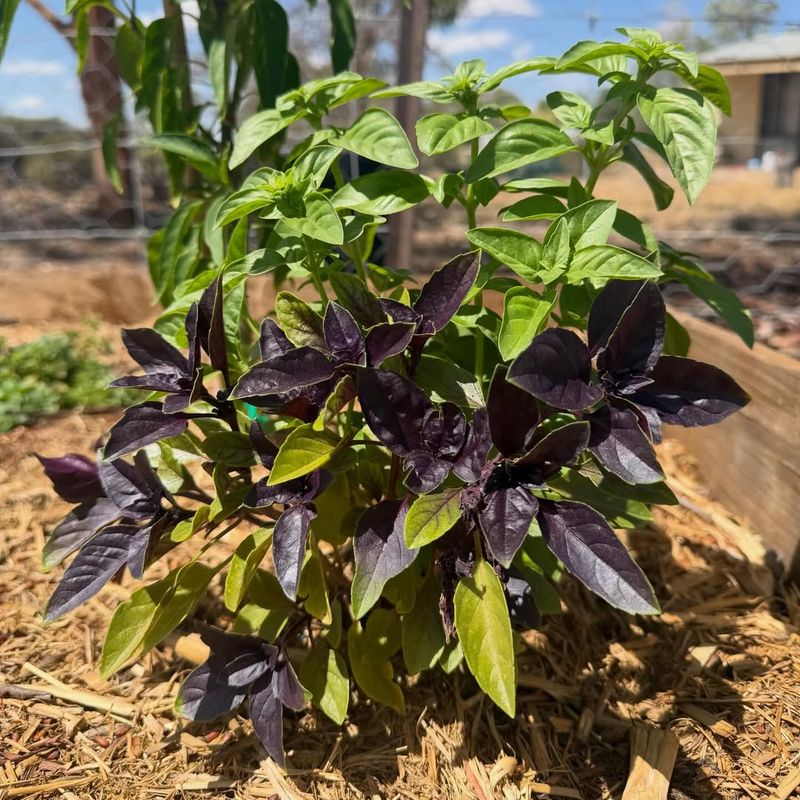
Basil is the herb that practically screams summer, and in Texas, it truly shines once the warm weather locks in. But here is the catch: basil is extremely sensitive to cold temperatures.
Even a brief dip below 40 degrees Fahrenheit can damage the leaves and stunt the plant’s growth significantly.
Early spring in Texas can be deceptive. A warm week in March might tempt you to rush your basil outside, but a surprise cold front can set things back fast.
The safest move is to wait until mid-to-late spring, typically after mid-April in North Texas and after mid-March in South Texas, before transplanting basil outdoors. Make sure the soil has warmed up and nighttime temperatures are consistently staying above 50 degrees.
You can absolutely start basil seeds indoors four to six weeks before your planned outdoor planting date. This way, you have strong, healthy transplants ready to go into the ground at just the right time.
Basil loves full sun, warm soil, and regular watering. Pinch off flower buds as they appear to keep the plant producing flavorful leaves all season long.
Few things in a Texas summer garden beat the smell of fresh basil on a hot afternoon. Patience in early spring leads to an incredibly rewarding basil harvest all through summer.
6. Lemongrass
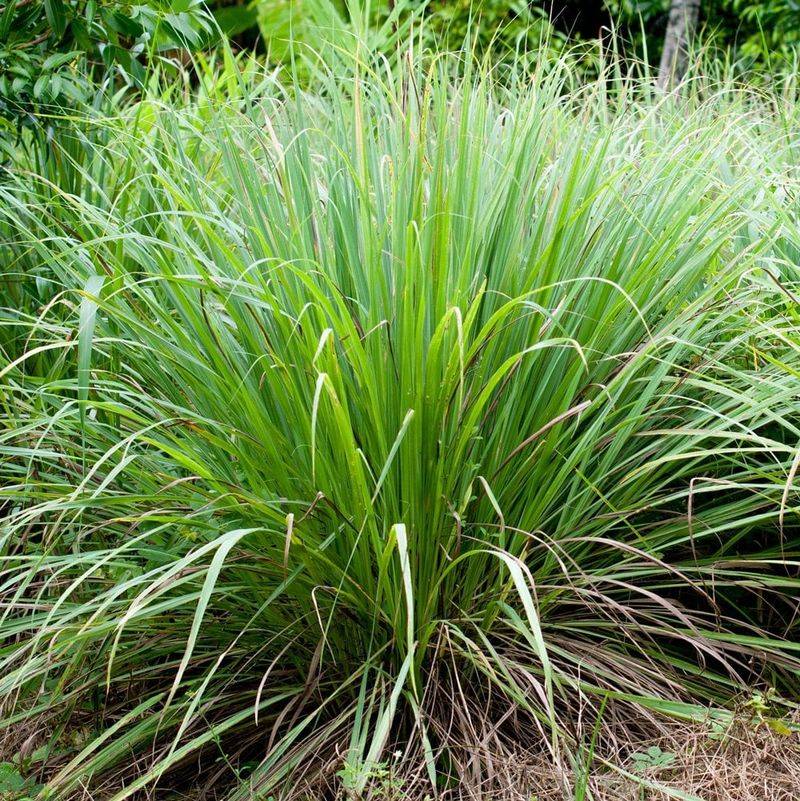
Lemongrass is a showstopper in any Texas garden, but it plays by its own rules. This tropical herb needs warm nights, warm soil, and stable temperatures to really get going.
Planting it too early in spring means it will just sit there looking sad and barely growing while it waits for conditions to improve.
In Texas, lemongrass is best planted after temperatures have stabilized, usually late April in Central and South Texas and closer to May in North Texas. Once the heat arrives, lemongrass takes off fast.
It grows into large, dramatic clumps that can reach four to five feet tall by midsummer. It is a bold, architectural plant that looks as good as it smells and tastes.
Lemongrass is widely used in Asian cooking, especially in Thai and Vietnamese dishes. The stalks add a bright, citrusy flavor to soups, curries, and marinades.
Beyond the kitchen, lemongrass has a reputation as a natural mosquito deterrent, which is a huge bonus for outdoor living in Texas. Grow it in a large container or directly in the ground in a sunny spot with good drainage.
In the warmest parts of Texas, lemongrass can survive mild winters if you cut it back and mulch heavily. Rushing it into the ground in early spring is one of the most common mistakes Texas gardeners make with this herb.
7. Thai Basil
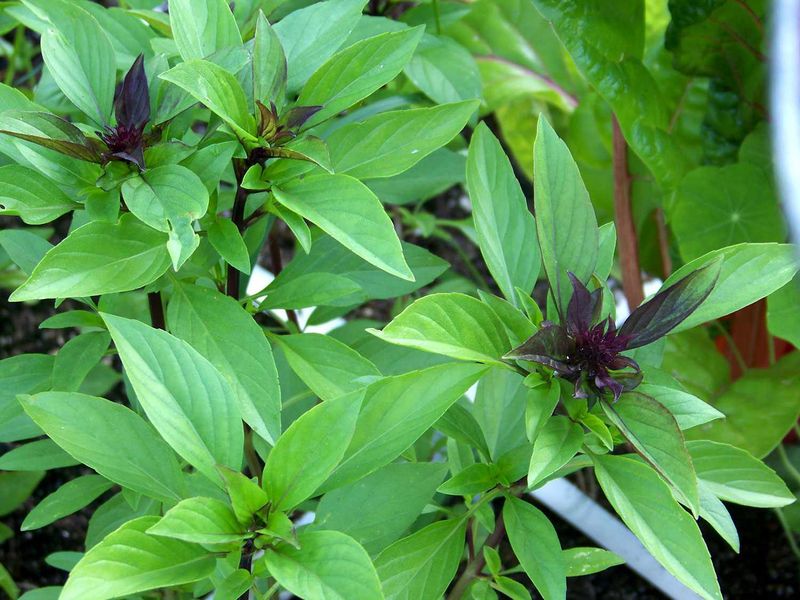
Thai basil brings a bold, slightly spicy, anise-like flavor that is totally different from regular sweet basil.
It is a staple in Southeast Asian cooking and a fantastic herb to grow in Texas, but like its cousin sweet basil, it absolutely cannot handle cold temperatures. Cool spring nights will stunt its growth and leave it looking rough.
Planting Thai basil too early in Texas is a recipe for frustration. The plant may survive a mild cold snap, but it will not thrive.
Growth slows to a crawl, leaves may turn yellow or brown at the edges, and the plant can struggle to recover even after temperatures warm back up. Waiting for consistent warmth, usually mid-to-late spring depending on where you are in Texas, makes all the difference.
Once warm weather settles in, Thai basil becomes one of the most productive herbs in the garden. It handles Texas summer heat better than sweet basil and tends to bolt less quickly.
The striking purple stems and dark green leaves make it a beautiful addition to any garden bed or container. Use it fresh in stir-fries, noodle dishes, and spring rolls, or infuse it into sauces and dressings.
Texas gardeners who grow Thai basil through summer will have no shortage of this flavorful herb. Just give it the warm start it needs and it will reward you generously.
8. Mexican Mint Marigold (Texas Tarragon)
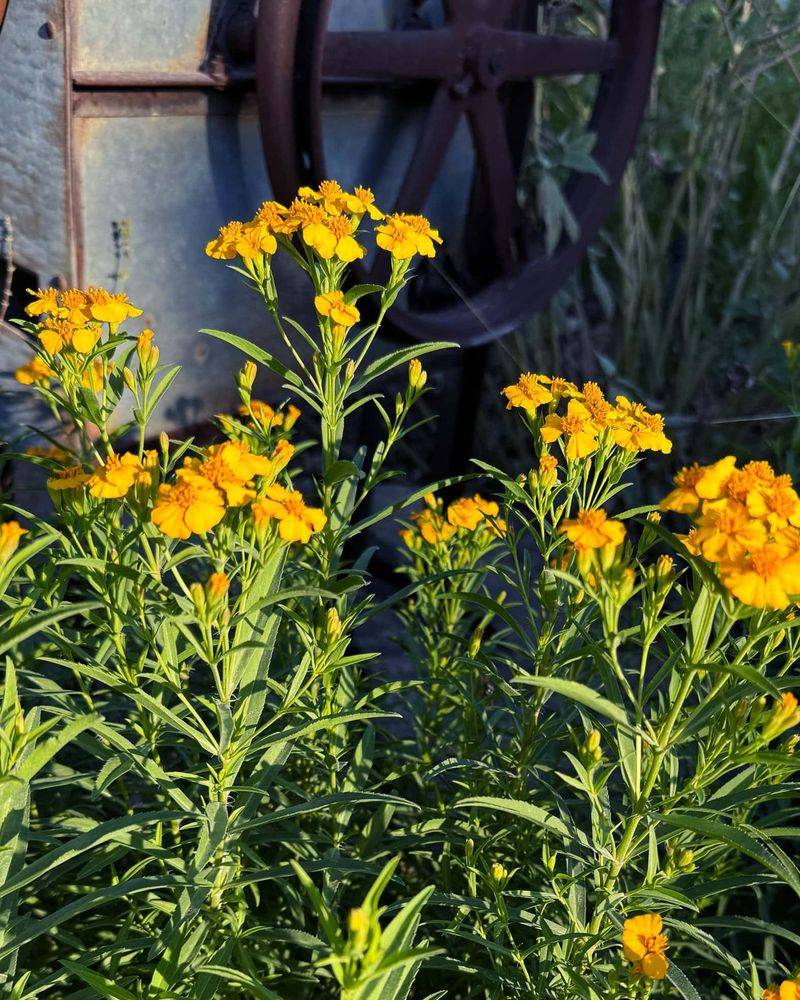
Mexican mint marigold, also known as Texas tarragon, is a plant that was practically born for the Lone Star State. This heat-loving perennial has a flavor similar to French tarragon but is far better suited to Texas growing conditions.
It thrives once temperatures consistently warm up, making it a late-spring star rather than an early-spring starter.
Planting Texas tarragon too early, especially in cooler parts of North Texas, can lead to disappointing results. The plant may struggle to establish itself in cold soil and will grow very slowly until warmth arrives.
In Central and South Texas, you can get away with earlier planting, but patience always pays off with this herb. Waiting until the soil is warm and nighttime temperatures are reliably above 50 degrees gives the plant the strong start it needs.
Once established and growing in warm conditions, Mexican mint marigold becomes a beautiful, productive plant that blooms with cheerful yellow flowers in the fall. The flowers are edible and make a stunning garnish.
The leaves can be used fresh or dried as a tarragon substitute in salads, butters, sauces, and egg dishes. As a perennial in most of Texas, it comes back each year with minimal care.
Give it full sun, well-draining soil, and a little patience in spring, and Texas tarragon will become one of your garden’s most beloved and dependable herbs.