9 Plants That Can Help Control Humidity And Indoor Pollutants In Florida Homes
Walk into any Florida home and you can feel it right away. That heavy, slightly sticky air that shows up after a long day of heat and humidity.
Windows stay shut, the AC runs nonstop, and somehow the air still feels off, like it needs a refresh. That is where the right houseplants can quietly step in and help.
Certain plants do more than sit pretty on a shelf. They can support better indoor air by interacting with moisture in the air while also helping reduce common indoor pollutants found in everyday living spaces.
Some of these plants have been around for decades, sitting in living rooms, offices, and screened patios for good reason. A few might already be familiar, but others tend to surprise people with how well they hold up in Florida homes and what they bring to the space.
1. Peace Lily That Freshens Air And Loves Florida Humidity
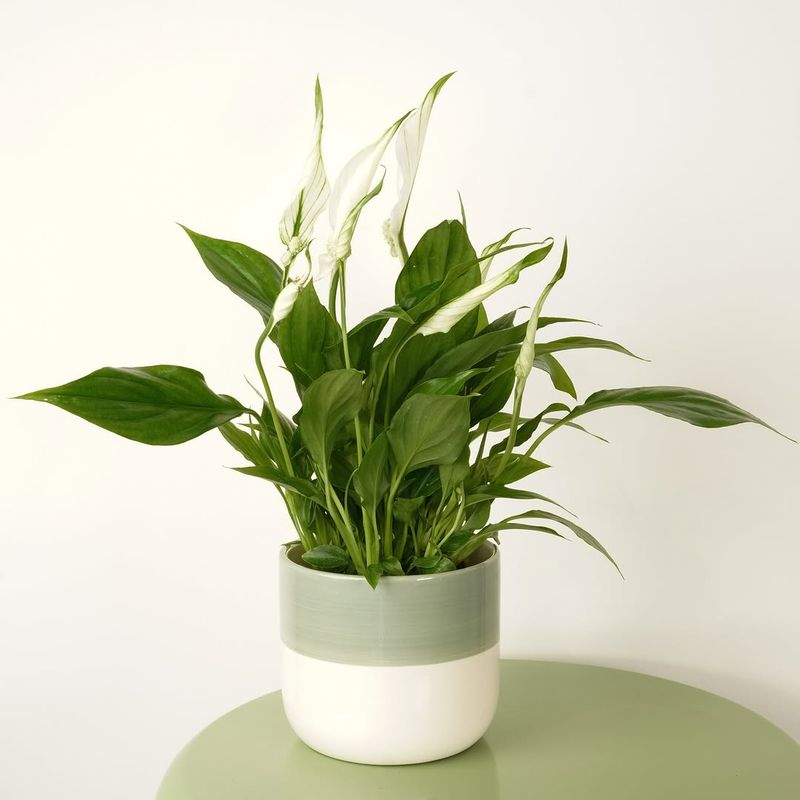
Often recommended for improving indoor spaces, this plant will not single-handedly solve air quality issues, but it can contribute to a healthier environment. Early laboratory research suggested it may help reduce certain airborne chemicals under sealed conditions.
In real homes, the impact is more modest, yet it still offers benefits through natural transpiration and leaf surface area that interacts with indoor air. Peace lilies suit Florida homes well because of their comfort with humidity.
They appreciate warm, moist air and tend to perform steadily in rooms where air conditioning runs regularly. Like most plants, they release moisture through transpiration, which may slightly influence the feel of indoor air without dramatically changing humidity levels.
Caring for a peace lily is simple. Indirect light works best, especially in rooms that receive filtered sunshine. Allow the top layer of soil to dry before watering again. The plant responds clearly when thirsty by drooping gently, then recovering after hydration.
Placement matters in homes with pets, since peace lily leaves contain compounds that may cause irritation if chewed. Glossy green foliage and occasional white blooms help the peace lily bring visual freshness to Florida interiors while contributing in small, natural ways to a more comfortable indoor atmosphere.
2. Boston Fern That Thrives In Moist Florida Homes
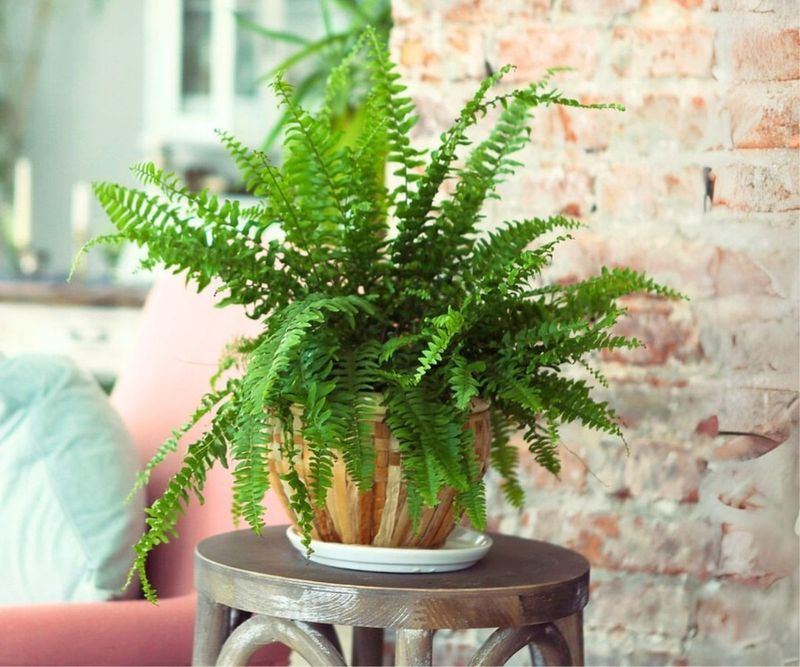
Few houseplants feel as naturally suited to Florida as the Boston fern. Its feathery fronds thrive in warm, humid conditions, making it a strong candidate for bathrooms, kitchens, or covered patios.
While laboratory studies have shown some capacity to reduce certain airborne compounds, Extension research emphasizes that real-world air purification effects inside homes remain limited. Still, the plant offers other valuable benefits.
Boston ferns release moisture through transpiration, which can help counteract overly dry air caused by extended air-conditioning use. This process does not dramatically alter humidity levels, but it can contribute to a more balanced indoor feel when paired with proper ventilation.
Bright, indirect light encourages steady growth. Soil should remain consistently moist but never waterlogged. Good drainage is important, especially in Florida’s humid environment where overly wet roots can lead to problems.
Your Florida Garden Changes Every Week. Your Plan Should Too.
Gardening in Florida changes quickly throughout the season. Every Friday you’ll receive a simple weekly plan showing exactly what to plant, prune, fertilize, harvest, and protect so you never miss the right timing.
Regular misting can support healthy foliage during drier months, although Florida’s climate often provides enough ambient humidity on its own. Hanging baskets highlight the plant’s cascading growth and help improve airflow around the fronds.
Rather than relying on Boston ferns as primary air filters, it is more accurate to view them as supportive additions. They enhance indoor comfort, increase greenery, and bring a soft tropical texture that complements Florida living beautifully.
3. Areca Palm That Brightens Rooms And Helps With Indoor Air
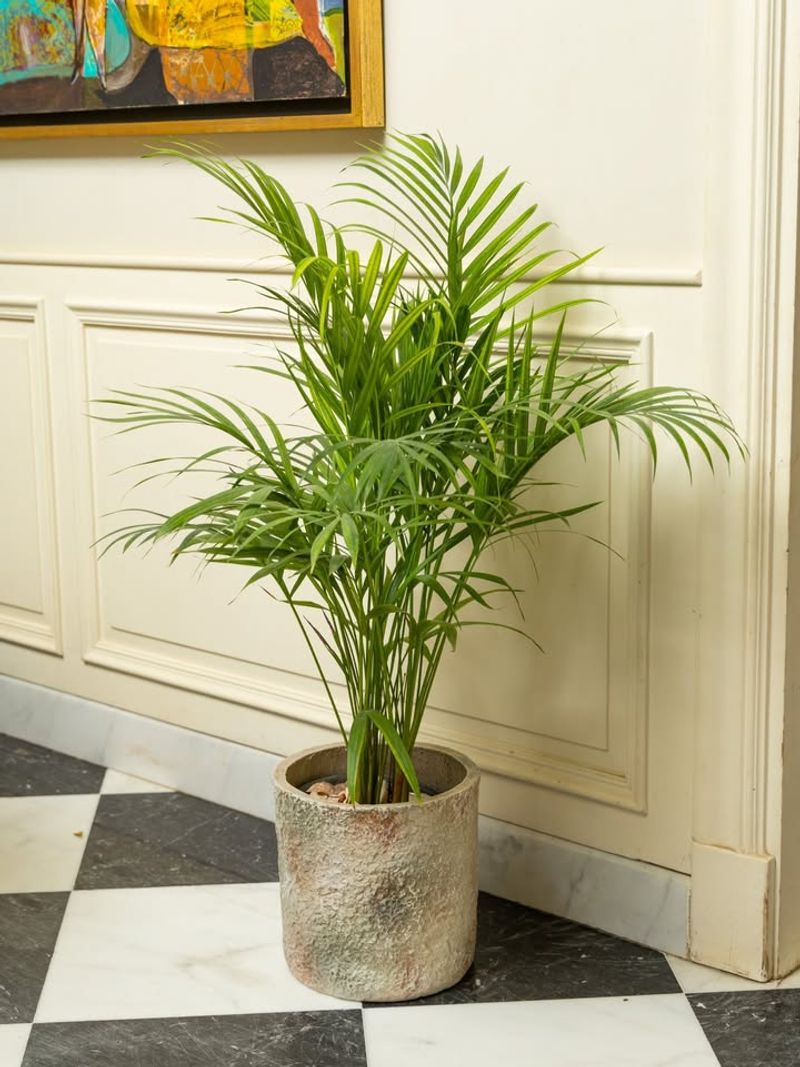
Tall, feathery fronds bring instant tropical character into a Florida living space, and this palm is often chosen for that reason alone. While early laboratory studies suggested certain plants may reduce small amounts of indoor pollutants in sealed test environments, Extension guidance makes it clear that typical household numbers do not dramatically change measurable air quality.
Instead of relying on dramatic purification claims, it makes more sense to appreciate how this plant contributes through natural transpiration and increased greenery indoors.
Like all plants, it releases moisture as part of its normal growth process. In air-conditioned homes where indoor air can feel dry, this steady moisture exchange may slightly influence comfort levels without creating excess dampness.
It does not function as a measurable dehumidifier or humidifier, but it can complement proper ventilation and filtration systems.
Bright, indirect light supports healthy growth. Positioning it near a window with filtered sun works well in most Florida homes. Water when the top layer of soil feels dry, and ensure the container drains freely to prevent root issues.
Regular wiping of the fronds helps remove dust buildup and supports healthy photosynthesis. With moderate care and stable indoor temperatures, this palm grows steadily and adds height without overwhelming a room.
It serves best as a visual focal point that also contributes gently and naturally to the overall indoor environment.
4. Bamboo Palm That Handles Humidity Like A Pro
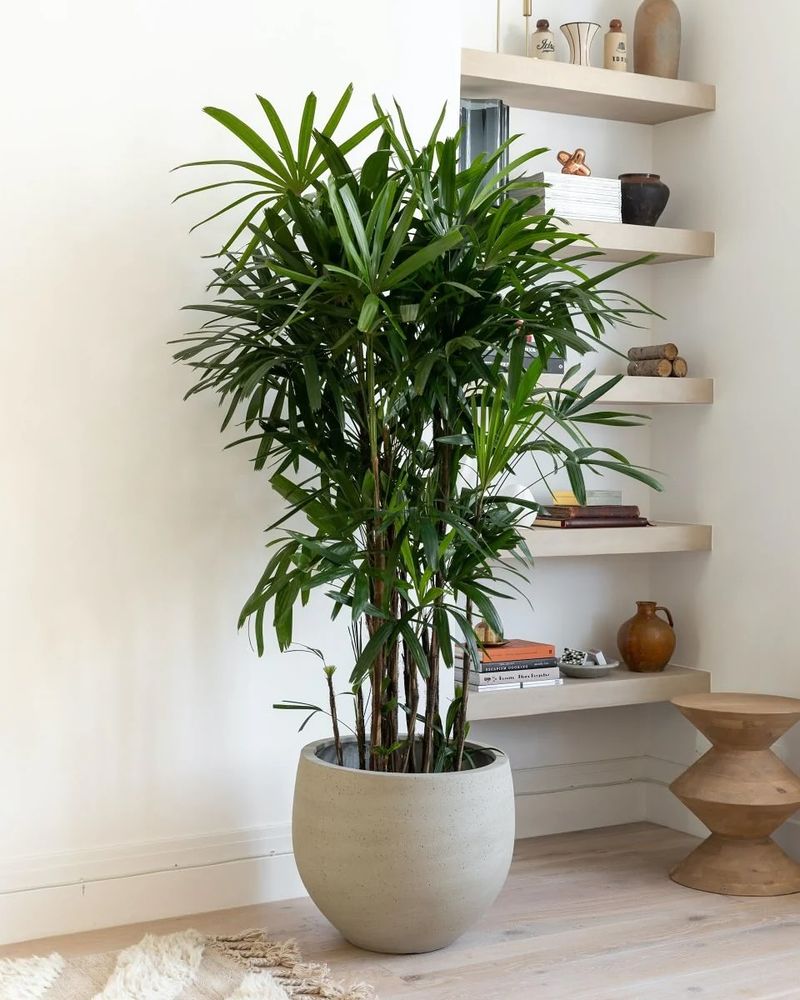
Bamboo palms earned their spot on NASA’s list of top air-purifying plants for good reason. Their delicate, feathery fronds excel at filtering benzene and formaldehyde from indoor air, two pollutants that frequently accumulate in homes from various sources including cleaning products and pressed wood furniture.
The plant’s efficient filtration system processes air continuously, providing round-the-clock purification benefits.
Unlike some humidity-loving plants that can contribute to excessive moisture problems, bamboo palms strike an excellent balance. They release enough water vapor to counteract dry air from cooling systems without creating conditions that promote mildew growth.
This makes them particularly well-suited for Florida homes where managing indoor moisture levels requires a delicate touch.
Growing bamboo palms successfully in Florida is straightforward. They adapt well to lower light conditions, making them versatile options for offices, bedrooms, or interior rooms without direct window access.
Keep the soil consistently moist but never waterlogged, and provide good drainage to prevent root issues.
These palms grow slowly and maintain a manageable size, typically reaching three to six feet indoors. Their compact growth habit works well in smaller spaces where larger palms might overwhelm the room.
The slender, bamboo-like stems add visual interest and create a sense of height without blocking views or dominating the space. Regular feeding during growing months keeps the foliage lush and green.
5. Spider Plant That Cleans Air
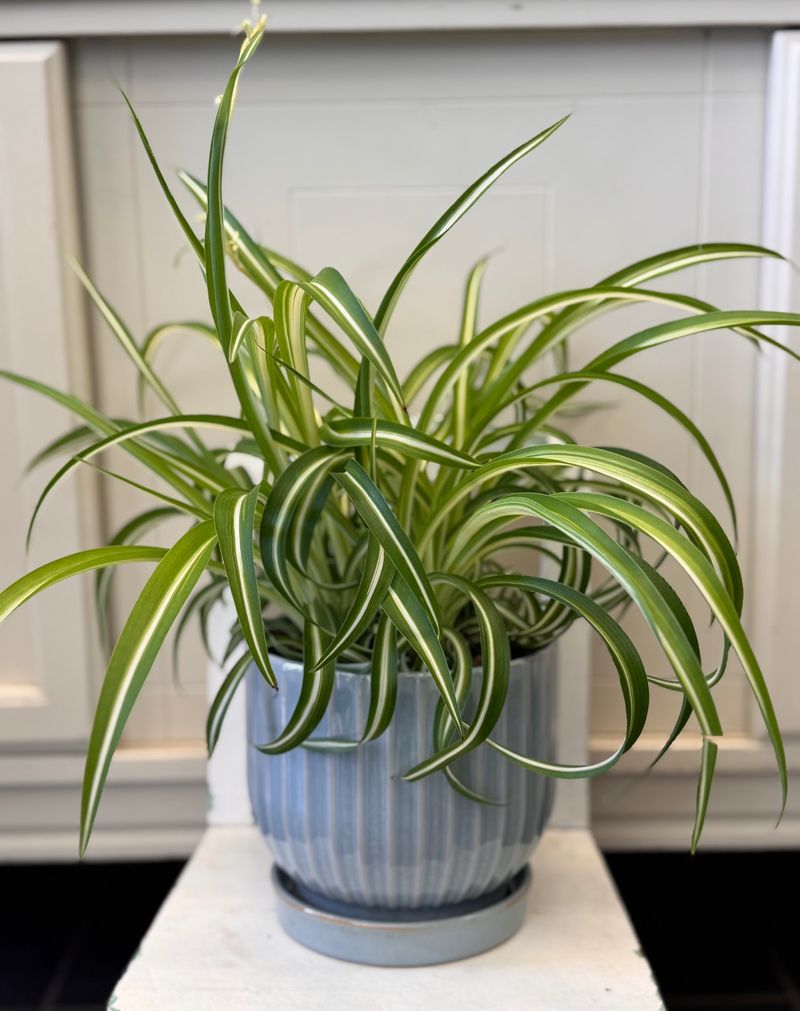
Graceful arching leaves make this plant a familiar sight in kitchens and sunrooms across Florida. Laboratory research has shown that spider plants can remove certain airborne chemicals in controlled environments.
However, Extension sources clarify that a single plant in a typical home does not clean the air of an entire room in a measurable way. Real-world air improvement depends far more on ventilation, filtration, and source control.
Even without exaggerated claims, spider plants still offer meaningful value indoors. Their steady growth increases leaf surface area, which interacts naturally with indoor air and contributes modestly through transpiration.
In air-conditioned homes, this process may slightly soften overly dry conditions without noticeably raising humidity. Light requirements are flexible. Bright, indirect light encourages fuller growth, though partial shade is tolerated.
Allow the soil to dry slightly between waterings to avoid soggy roots, especially in Florida’s humid climate.
Baby plantlets develop along long stems and can be propagated easily, making it simple to add greenery to other rooms. Rather than depending on one plant for major air purification, spreading several throughout the home creates a healthier indoor environment overall.
Reliable, adaptable, and low maintenance, spider plants remain one of the easiest ways to introduce greenery while supporting balanced indoor comfort.
6. English Ivy That Tackles Indoor Pollutants With Style
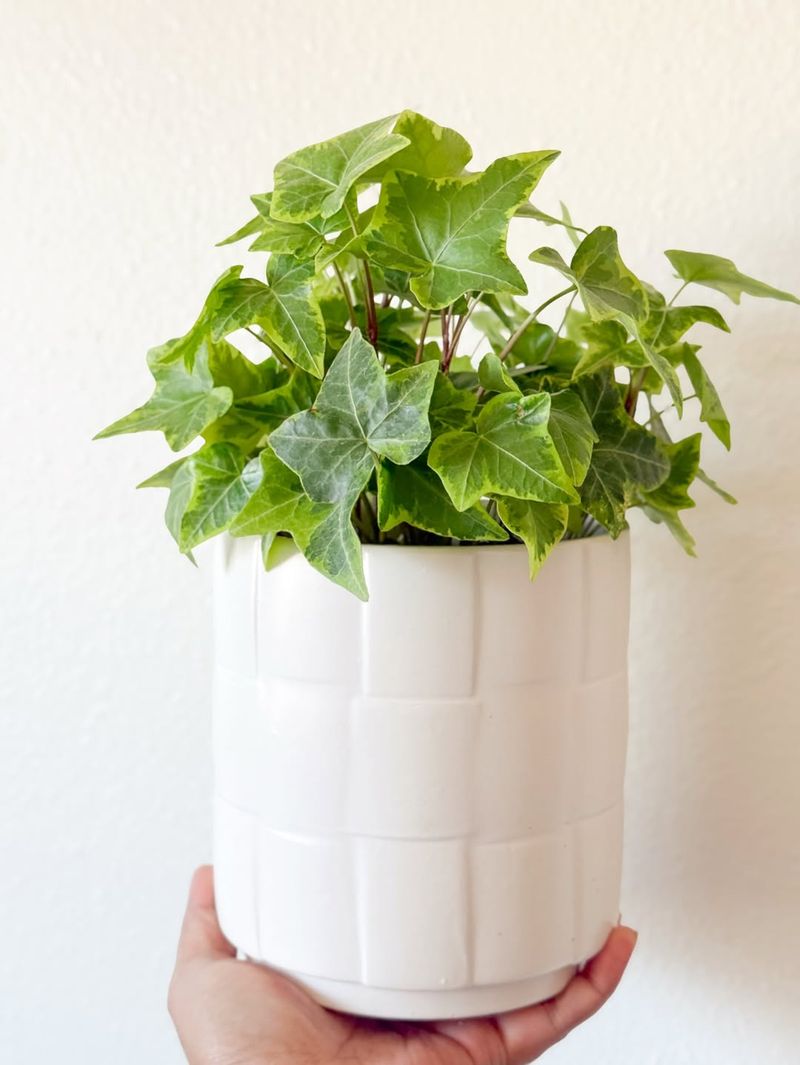
Trailing vines create a soft, cascading look that fits beautifully into Florida interiors. English ivy has often been highlighted in discussions about laboratory air-purifying research.
Some early studies observed reductions in certain airborne compounds under tightly controlled conditions. Extension resources, however, caution that these findings do not translate into significant pollutant removal in typical homes.
Claims about reducing specific airborne particles in everyday living spaces are not consistently supported by research-based guidance. Instead, the realistic benefit comes from the plant’s natural growth and transpiration, which gently interacts with indoor air without dramatically altering it.
Bright, indirect light supports steady growth. Soil should remain lightly moist but never saturated.
Good air circulation is important, particularly in Florida’s humid climate, to reduce the chance of fungal issues.
Regular trimming keeps the vines compact and encourages fuller growth. Because the leaves can cause irritation if chewed, placement out of reach of pets is recommended.
Viewed realistically, English ivy works best as a decorative and supportive plant rather than a primary air-cleaning solution. Its cascading form increases leaf surface area and adds texture to shelves or hanging baskets, enhancing both comfort and visual appeal inside the home.
7. Rubber Plant That Makes A Bold And Air-Friendly Statement
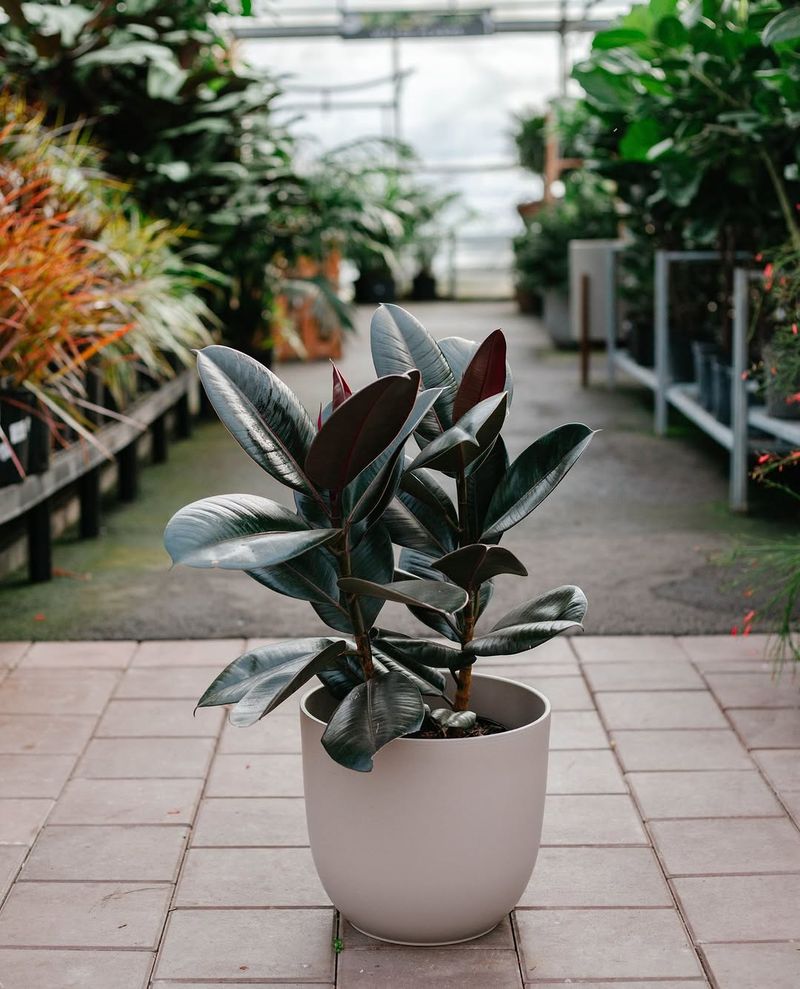
Have you ever noticed how rubber plants command attention with their large, glossy leaves that can span up to a foot long? These impressive leaves aren’t just for show.
They’re incredibly efficient at removing airborne toxins, particularly formaldehyde which commonly accumulates in homes from various sources. The substantial leaf surface area allows rubber plants to process large volumes of air, making them among the most effective natural air purifiers available for Florida homes.
Beyond air purification, rubber plants help regulate indoor humidity through their extensive transpiration. The broad leaves release moisture vapor steadily throughout the day, helping to counterbalance the drying effects of air conditioning systems.
This natural humidification occurs without creating the excessive dampness that can encourage mold growth in Florida’s climate.
These plants prefer bright, indirect light and can grow quite tall over time, eventually reaching six to ten feet indoors if conditions are right. Regular pruning keeps them at your desired height and encourages bushier growth.
They’re relatively low-maintenance, needing water only when the top inch or two of soil feels dry to the touch.
Wiping the large leaves with a damp cloth every few weeks removes dust and allows the plant to breathe and photosynthesize more efficiently. Their dramatic appearance makes them excellent focal points in living rooms, home offices, or entryways where they can make a bold statement while improving air quality.
8. Golden Pothos That Keeps Air Cleaner With Minimal Effort
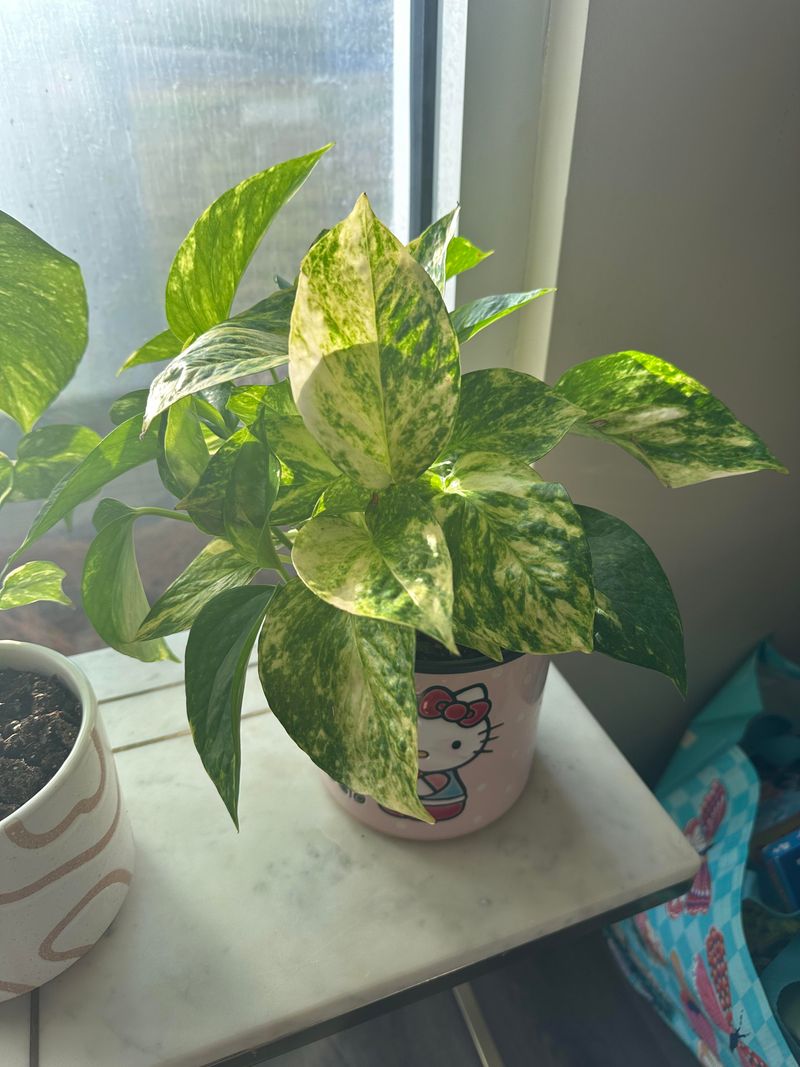
Long trailing vines make this plant one of the most popular choices for beginners. Laboratory experiments once suggested that pothos could remove certain airborne compounds in sealed chambers.
Extension experts explain that inside real homes, the effect remains limited unless an unusually large number of plants are present.
Rather than promising dramatic air purification, it is more accurate to describe its contribution as supportive. Through transpiration, the plant participates in natural moisture exchange.
In Florida homes where air conditioning runs frequently, that process may slightly influence how the air feels without creating noticeable humidity shifts.
Adaptability is one of its strongest qualities. It tolerates low to bright indirect light and rebounds well after occasional missed watering.
Allow the soil to dry between waterings to prevent root problems, particularly in humid regions.
Pruning encourages fuller growth and keeps vines manageable. Cuttings root easily in water or soil, allowing additional plants to be established throughout the home.
When combined with proper ventilation and filtration, golden pothos becomes part of a broader indoor comfort strategy. Its resilience, steady growth, and forgiving care requirements make it a reliable option for adding greenery while contributing modestly to a balanced indoor environment.
9. Snake Plant That Stays Tough In Warm Humid Spaces
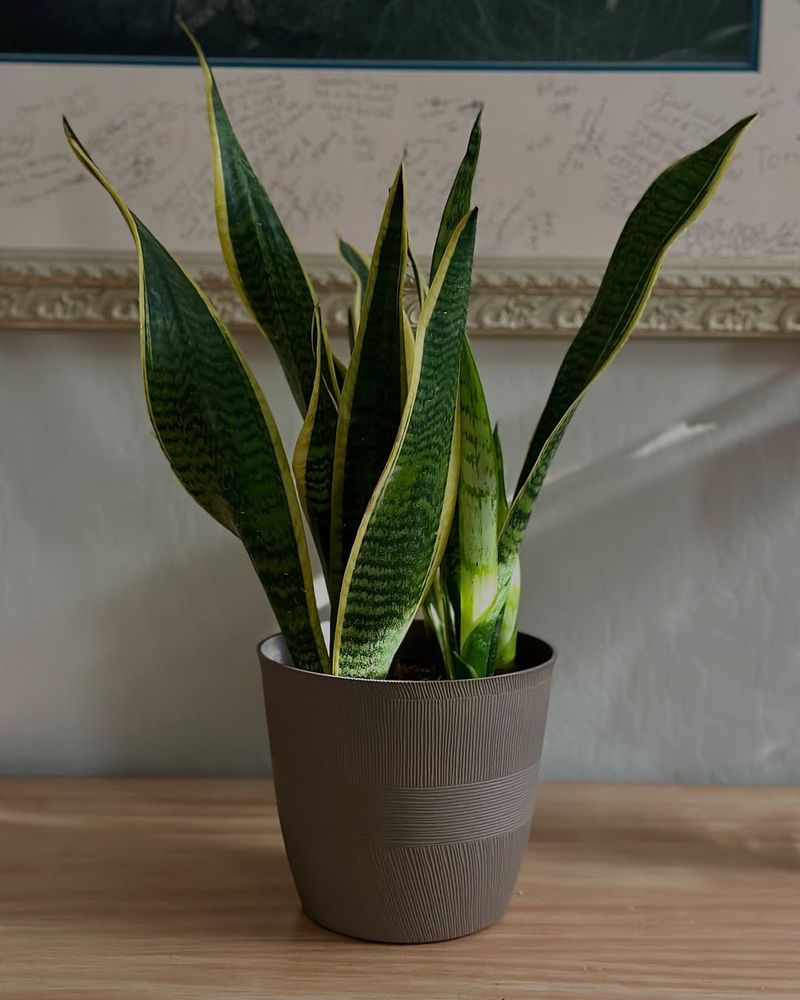
Snake plants stand out as exceptional air purifiers with a unique talent. Unlike most plants that only photosynthesize during daylight hours, snake plants continue absorbing carbon dioxide and releasing oxygen throughout the night.
This makes them ideal bedroom companions for Florida residents who want cleaner air while they sleep. Their ability to remove toxins like formaldehyde, benzene, and trichloroethylene adds to their impressive resume.
The thick, upright leaves of snake plants store water efficiently, allowing them to tolerate neglect better than almost any other houseplant. They can go weeks without watering, making them perfect for vacation homes or for people with unpredictable schedules.
This drought tolerance also means they won’t contribute to excess humidity, which is beneficial in Florida’s already moist climate.
Snake plants thrive in various light conditions, from bright indirect light to low-light corners where other plants struggle. This versatility allows you to place them strategically throughout your home for maximum air-purifying benefits.
These plants actually prefer the drier side, so allow the soil to dry completely between waterings. Overwatering is the most common mistake with snake plants and can lead to root rot.
In Florida’s humid environment, they typically need less frequent watering than in drier climates. Their striking architectural form adds modern elegance to any room while quietly working to improve your indoor air quality.