These Are The Best Plants That Thrive Under Live Oaks In Florida
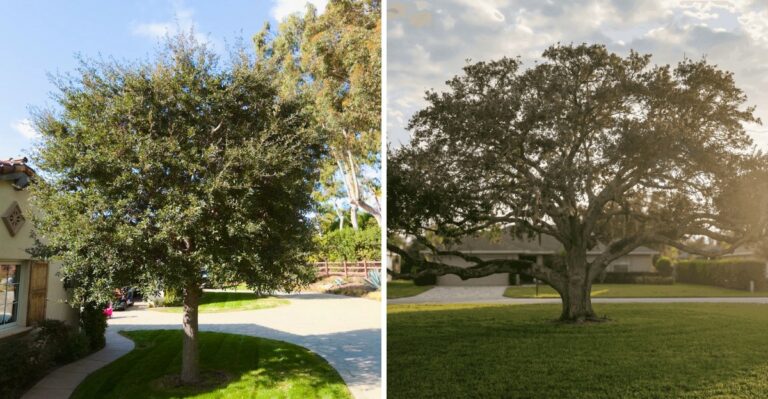
Shade under live oaks looks quiet, but it hides one of the toughest growing environments in Florida. Thick roots steal water, dense canopies block sun, and dry soil tests every plant that tries to survive.
Many garden favorites fail fast, yet a select group of hardy species flourishes in this filtered light. These resilient plants handle competition, tolerate shade, and bring color, texture, and life beneath massive oak branches.
The right choices can transform bare ground into a cool layered landscape filled with ferns, groundcovers, and flowering accents. Gardeners who understand this unique microclimate unlock a low maintenance oasis that stays beautiful through heat, drought, and falling leaves.
Discover the plants that not only survive under live oaks but truly thrive, turning deep shade into one of the most rewarding spaces in a Florida garden.
1. Cast Iron Plant Thrives In Deep Shade Under Live Oaks
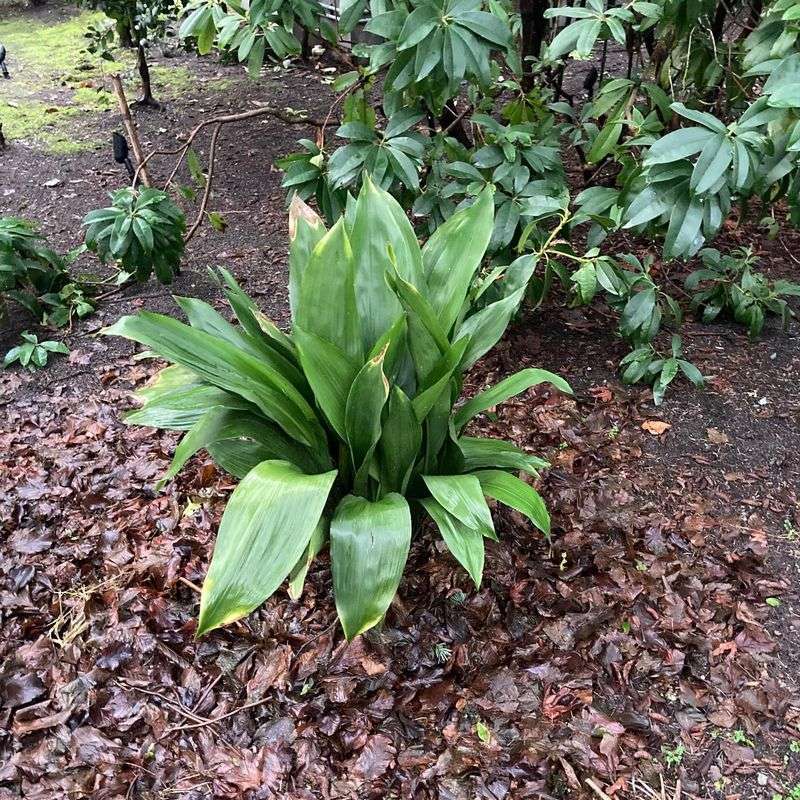
Few plants earn their common name as honestly as the cast iron plant. Built to handle conditions that would stress most ornamentals, this tough evergreen thrives in the kind of deep, dry shade that forms beneath a mature live oak canopy in Florida.
Where sunlight barely filters through and surface roots pull moisture from the soil, cast iron plant keeps growing steadily without complaint.
Its broad, dark green leaves grow in upright clumps reaching about two feet tall. The foliage stays glossy and attractive year-round, providing a clean, lush look even when conditions are difficult.
It handles drought once established and does not need regular fertilizing to stay healthy. Root competition from live oaks does not slow it down the way it would affect more sensitive plants.
Planting is straightforward. Space plants about eighteen inches apart for a full, layered look, and water regularly for the first few months while roots settle in.
After that, cast iron plant is largely self-sufficient. It rarely needs pruning, does not attract serious pest problems, and holds up well through Florida winters.
For shaded areas under large oaks where little else will grow, this plant consistently delivers reliable, low-effort beauty.
2. Coontie Is A Tough Native That Handles Dry Oak Shade
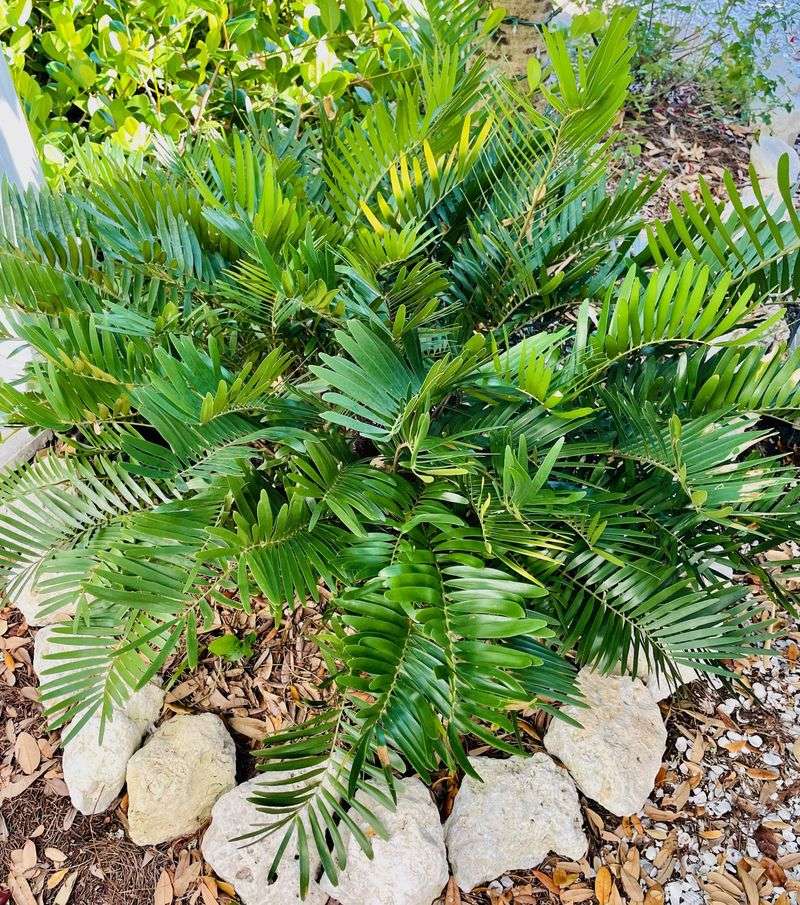
Long before Florida had landscaped gardens, coontie was already thriving in the sandy, dry soils beneath native oak hammocks. This low-growing cycad is one of Florida’s only native cycads, and its deep-rooted toughness makes it a natural fit for the challenging conditions found under live oaks.
Drought, poor soil, and heavy shade are not problems for coontie. They are simply home.
Coontie grows in a compact, fountain-like shape with dark green, feathery fronds that stay attractive throughout the year. It typically reaches one to three feet in height, making it useful as a groundcover, border planting, or low mass planting beneath trees.
Because it is native to Florida, it supports local wildlife, including the rare atala butterfly, which depends on coontie as its sole larval host plant.
Sandy or well-drained soil suits coontie best, which makes it an excellent match for the dry conditions often found under live oak canopies. Once established, it needs very little supplemental water and no heavy feeding.
Your Florida Garden Changes Every Week. Your Plan Should Too.
Gardening in Florida changes quickly throughout the season. Every Friday you’ll receive a simple weekly plan showing exactly what to plant, prune, fertilize, harvest, and protect so you never miss the right timing.
It is also remarkably long-lived, with individual plants surviving for decades. For Florida homeowners looking for a truly low-maintenance native option under their oaks, coontie is one of the most reliable choices available.
3. Liriope Adds Reliable Texture And Color Beneath Live Oaks
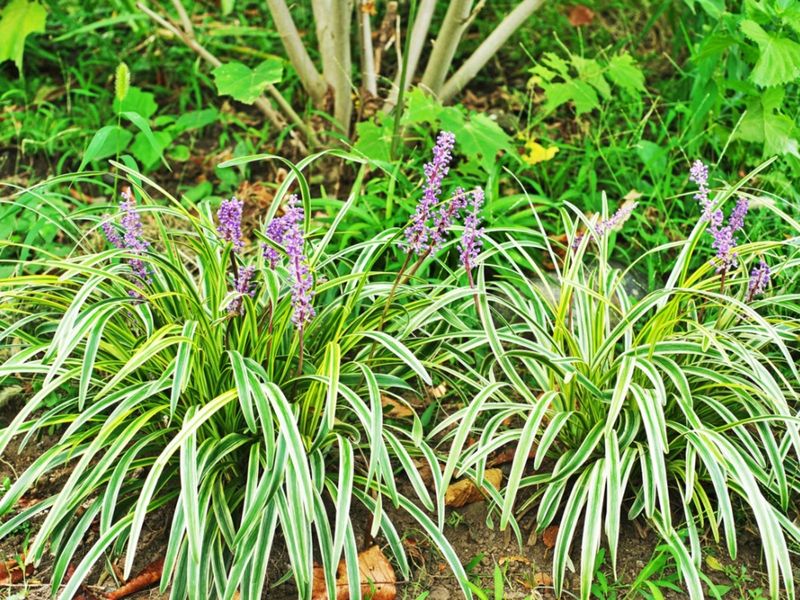
There is a reason liriope shows up in Florida landscapes from Pensacola to Miami. This tough, grass-like perennial handles shade, drought, and root competition without losing its good looks.
Planted as an edging along garden beds or used in mass plantings beneath live oaks, liriope brings reliable texture and seasonal color to spots where many other plants struggle to hold on.
The foliage forms tidy, arching clumps of dark green or variegated leaves that stay attractive year-round. In late summer and fall, spikes of small purple or white flowers emerge above the foliage, adding a welcome pop of color to shaded areas.
After flowering, dark berries follow, giving the plant a second season of visual interest. Birds occasionally visit for the fruit, adding a small wildlife benefit to its already long list of practical qualities.
Liriope is not picky about soil and handles the dry, root-filled conditions under live oaks well once established. It works equally well as a border plant, a groundcover on slopes, or a filler between larger shrubs.
Spacing plants about twelve inches apart creates a full, dense look within a season or two. Cutting old foliage back to the ground in late winter keeps clumps fresh and tidy heading into spring growth.
4. Mondo Grass Creates A Dense Carpet In Shaded Oak Gardens
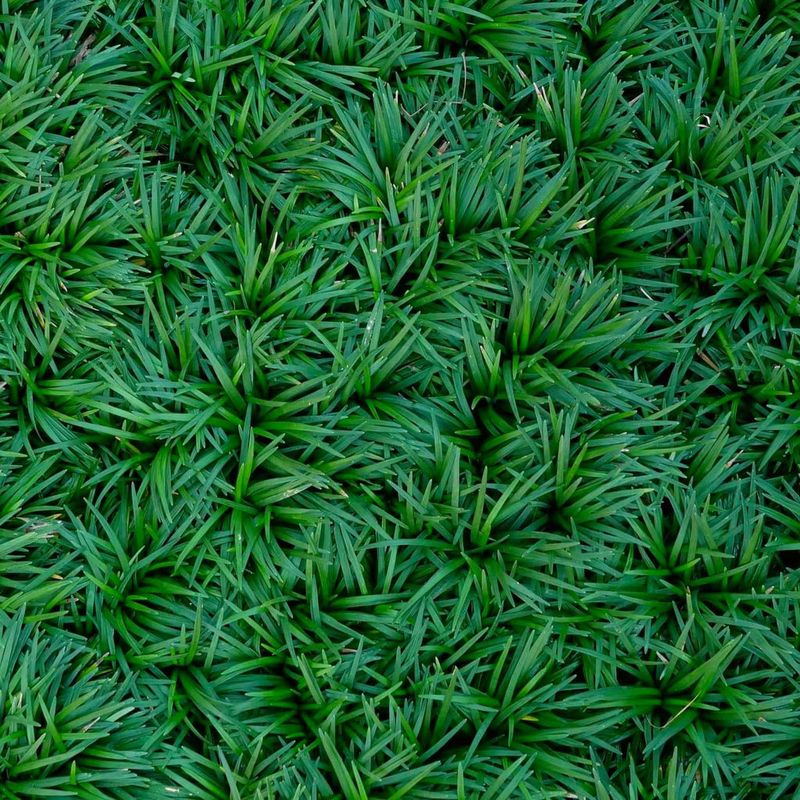
Mondo grass might look delicate, but it is one of the hardest-working groundcovers you can plant under a live oak in Florida. Its fine, dark green foliage creates a dense, carpet-like surface that holds soil in place, suppresses weeds, and stays green through heat, drought, and deep shade.
Once it fills in, maintenance drops to almost nothing.
Unlike turfgrass, mondo grass does not need mowing, making it a smart swap for areas under oaks where lawn grass refuses to grow. It spreads slowly through underground stolons, gradually filling gaps and forming a uniform mat.
Regular mondo grass grows six to ten inches tall, while dwarf varieties stay just two to four inches, giving you options depending on the look you want. Both perform well under the dry, shaded conditions that live oaks create.
Planting in fall or early spring gives roots time to establish before Florida’s summer heat arrives. Water regularly for the first growing season, then reduce irrigation as plants settle in.
Mondo grass handles the root competition from large oaks better than most groundcovers because it roots shallowly and spreads without needing deep, unobstructed soil. For a clean, low-care solution to bare ground under live oaks, this plant consistently delivers.
5. Southern Shield Fern Naturally Thrives In Oak Hammock Conditions
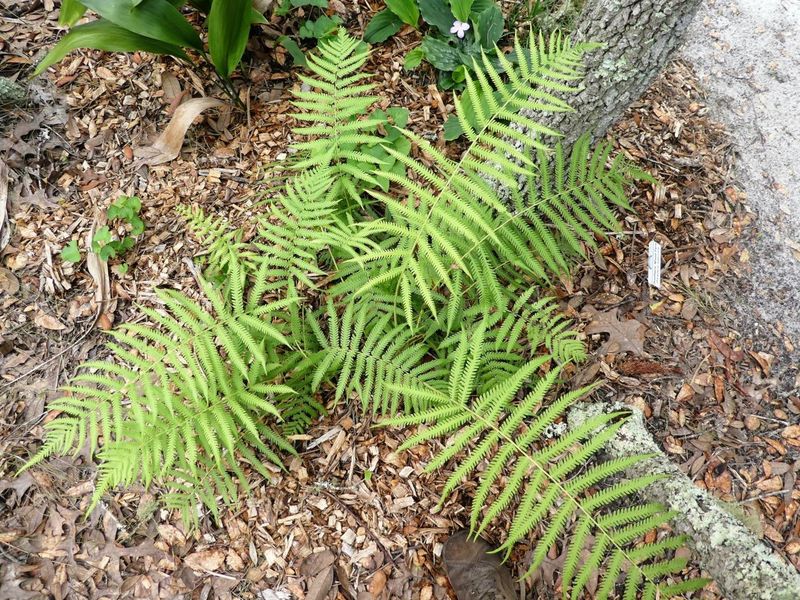
Walk through a natural Florida oak hammock and you will almost certainly find southern shield fern growing happily in the filtered light beneath the canopy. This native fern has adapted over centuries to exactly the conditions live oaks create, making it one of the most naturally suited plants you can choose for an oak understory garden.
It brings a lush, woodsy feel that fits the setting without any forced arrangement.
Southern shield fern produces upright, arching fronds in a fresh light green that brightens shaded spaces beautifully. It spreads gradually through underground rhizomes, filling in bare areas under trees and creating a naturalistic groundcover effect.
The fronds reach two to three feet in height, giving the planting visual presence without becoming overwhelming. In Florida, it stays semi-evergreen through mild winters and flushes with fresh new growth in spring.
Moist, well-drained soil with organic matter suits this fern best, though it adapts to the somewhat dry conditions under established oaks once it gets settled. Supplemental watering during dry spells helps it look its best, especially in the first year.
Because it is native to Florida, southern shield fern supports local insects and blends naturally into wildlife-friendly landscapes. It is an easy, rewarding choice for anyone wanting a woodland feel under their live oaks.
6. Fakahatchee Grass Brings Bold Native Texture To Shaded Spaces
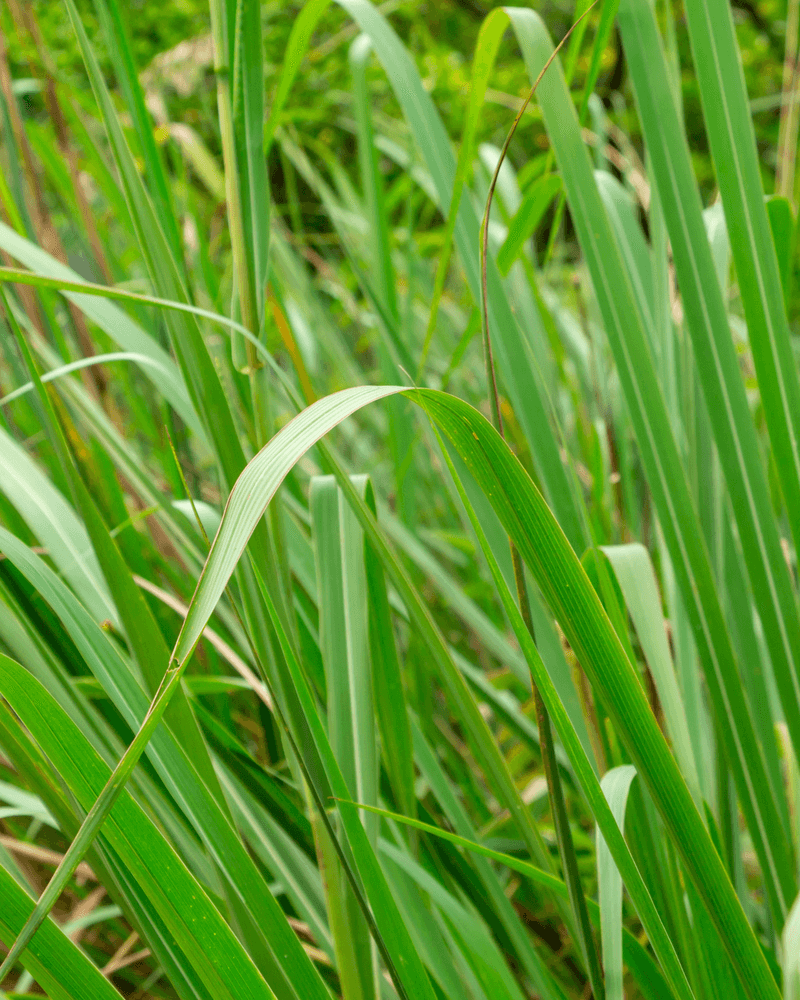
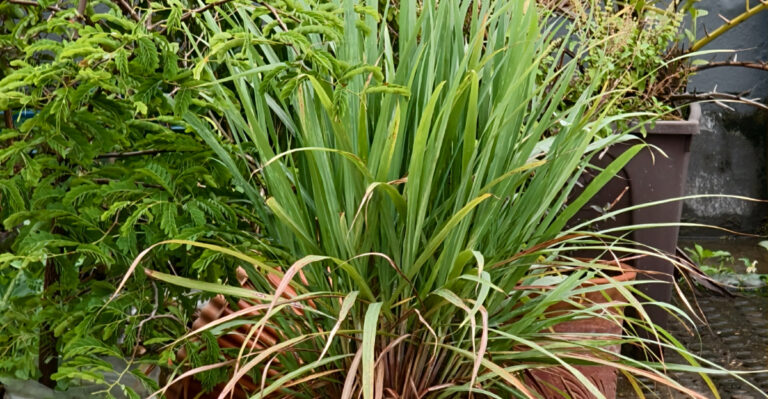
Named after one of Florida’s wildest natural areas, fakahatchee grass carries that same untamed energy into home landscapes. Its tall, arching clumps of green foliage create dramatic movement and bold texture in spaces that often feel flat or empty beneath a large live oak canopy.
This native grass is built for Florida conditions and brings a naturalistic presence that few ornamental grasses can match in shaded settings.
Fakahatchee grass grows three to five feet tall and spreads into generous clumps over time. It tolerates partial to moderate shade, which makes it well-suited for the filtered light found along the edges of live oak canopies where deeper shade gives way to brighter patches.
Once established, it is notably drought-tolerant and handles the dry soil conditions common under mature oaks. Birds and small wildlife use the dense clumps for shelter and nesting material, adding ecological value to its visual appeal.
Cutting clumps back hard in late winter encourages fresh, vigorous growth through spring and summer. Fakahatchee grass is not fussy about soil type and thrives in the sandy, nutrient-poor soils common across much of Florida.
Give it room to spread, as clumps can widen significantly with age. For a bold, low-maintenance native grass that handles shaded oak settings with confidence, this is a standout choice.
7. Coralberry Grows Well As A Hardy Understory Shrub
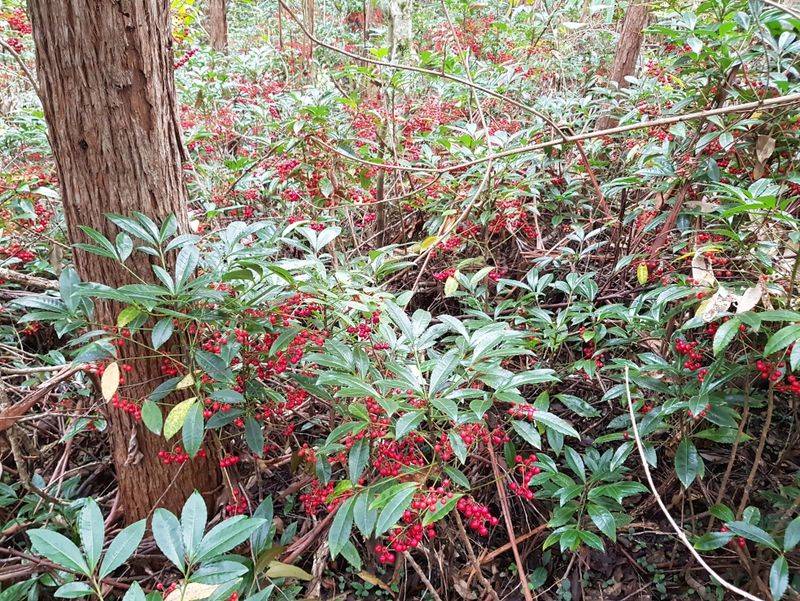
Bright red berries glowing in deep shade have a way of stopping people in their tracks, and that is exactly the kind of quiet drama coralberry brings to an oak understory planting. This low-growing shrub produces clusters of vivid red fruit that persist through fall and winter, offering color in the landscape during a season when most other plants have little to show.
Against the dark conditions under a live oak canopy, that splash of red stands out beautifully.
Coralberry typically grows two to four feet tall and tolerates deep shade better than most shrubs. It handles the dry, root-dense soil conditions under live oaks reasonably well once established, especially if given some supplemental water during Florida’s dry season.
The glossy, dark green leaves stay attractive year-round, providing structure and greenery even when the plant is not in fruit. Small white or pink flowers appear in summer before berries develop in fall.
One important note for Florida gardeners: coralberry can spread and naturalize readily, so monitoring its spread in natural areas is wise. In managed garden beds under oaks, this tendency to spread can actually be useful for filling in bare spots.
It requires minimal pruning and little fertilizer, making it an easy-care option for shaded understory spaces that need year-round visual interest and seasonal color.
8. Florida Anise Provides Evergreen Structure In Shaded Landscapes
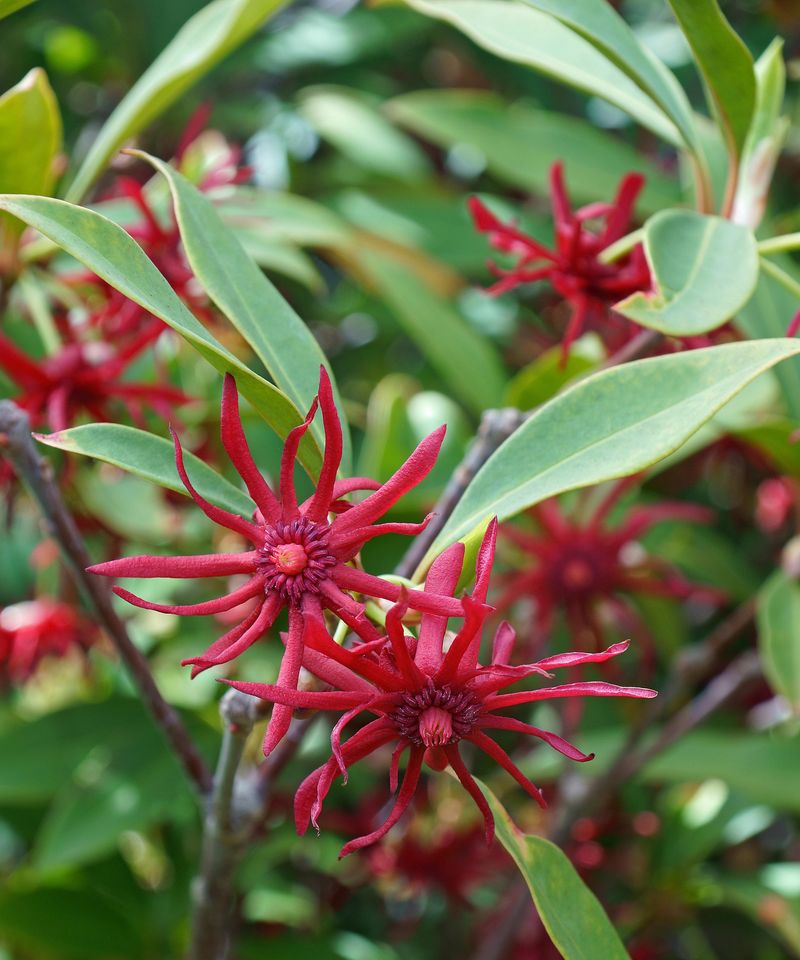
Some plants earn their place in a landscape through sheer reliability, and Florida anise is exactly that kind of workhorse. This native evergreen shrub grows naturally in moist, shaded woodland settings across the Florida panhandle and into the Southeast, making it a genuinely well-adapted choice for the understory beneath live oaks.
Its dense, dark green foliage provides structure and year-round coverage in spaces that often feel bare and unfinished.
Florida anise grows six to ten feet tall and spreads into a full, rounded form over time. It tolerates deep shade well, which is one of its most valuable traits for gardeners working beneath large oak canopies.
The leaves release a pleasant anise-like scent when crushed, which adds a sensory element to the garden that visitors often notice and enjoy. In spring, unusual dark red, star-shaped flowers appear among the foliage, providing quiet seasonal interest.
Moist, well-drained, slightly acidic soil suits Florida anise best, and it benefits from mulching to retain moisture under the dry conditions that live oaks can create. It is moderately drought-tolerant once established but looks its best with consistent moisture during dry spells.
Because it is native to Florida, it fits naturally into wildlife-friendly and low-input landscapes. For evergreen structure and reliable screening in shaded areas, Florida anise is a dependable, attractive choice.
9. Partridgeberry Forms A Low Groundcover In Quiet Oak Shade
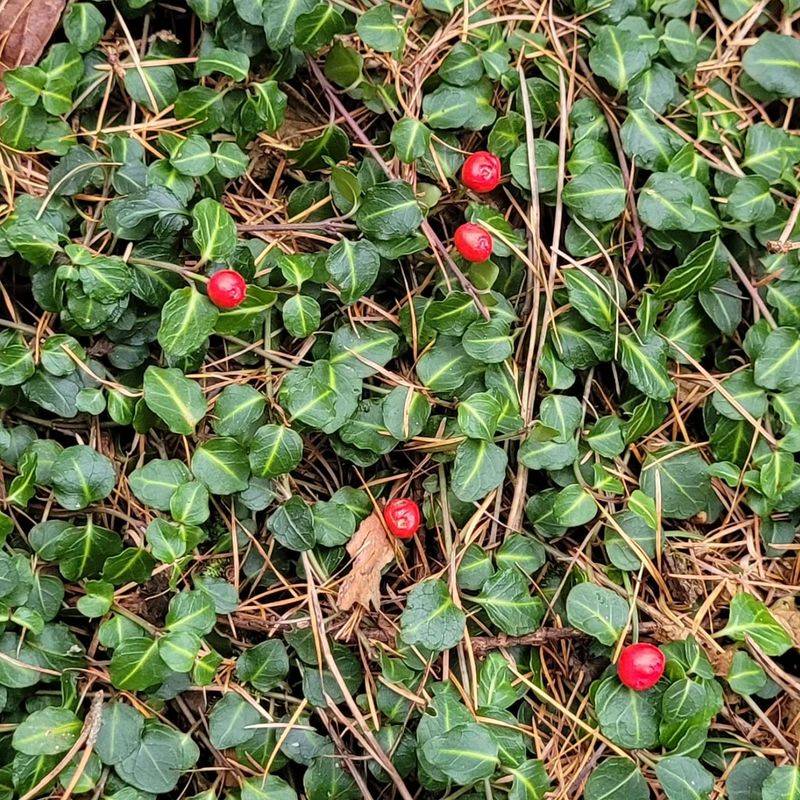
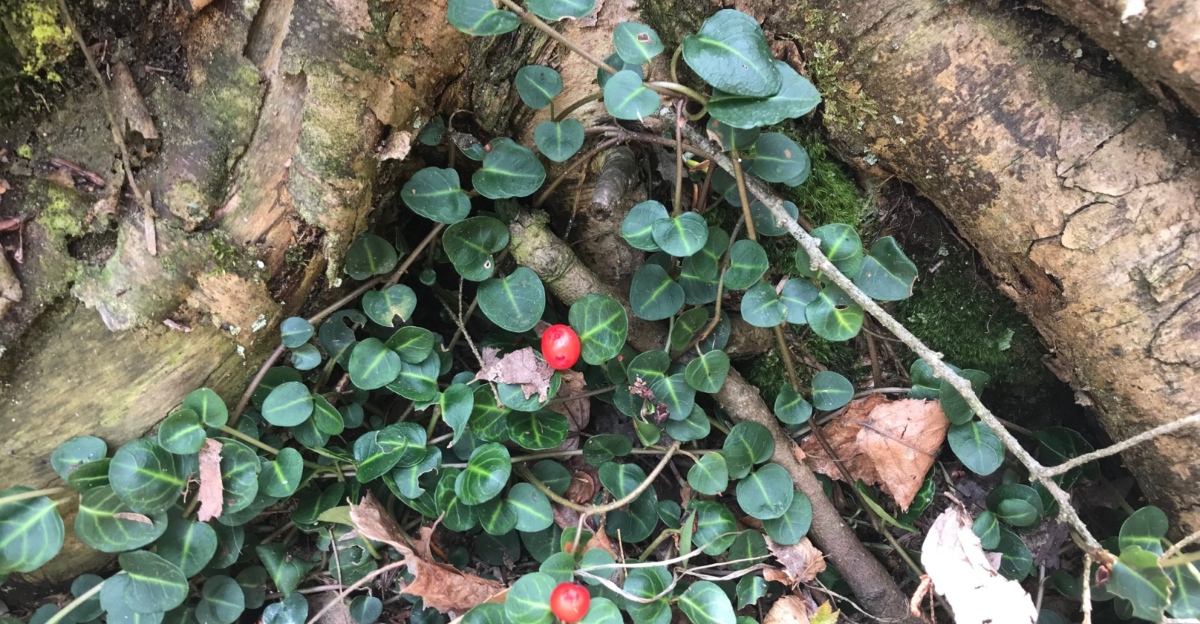
Quiet, low, and unexpectedly charming, partridgeberry is one of those native groundcovers that rewards careful observation. Its small, paired evergreen leaves hug the ground in a tight mat, staying green and fresh through the year even in deep, dry shade.
Tiny white flowers appear in early summer, followed by bright red berries that persist into winter, giving this modest plant a surprisingly long season of visual interest.
Partridgeberry grows naturally in woodland settings across Florida and the eastern United States, often found creeping across the forest floor beneath oaks and other hardwoods. Its trailing stems root as they spread, gradually covering bare ground in a gentle, naturalistic way that suits oak understory gardens perfectly.
The plant stays very low, rarely exceeding three inches in height, making it ideal for spaces where a subtle, ground-hugging cover is more appropriate than taller plantings.
Once established, partridgeberry handles drought reasonably well for a woodland species, especially when mulched to hold soil moisture. It prefers slightly acidic, well-drained soil and does best in areas with consistent organic matter.
Birds and small wildlife are drawn to the berries, adding ecological value to its landscape role. For Florida gardeners wanting a native, low-profile groundcover that brings quiet beauty to shaded oak spaces, partridgeberry is a genuinely rewarding choice worth seeking out.