The Right Time To Remove Frost Cloths In North Carolina And Why It Matters
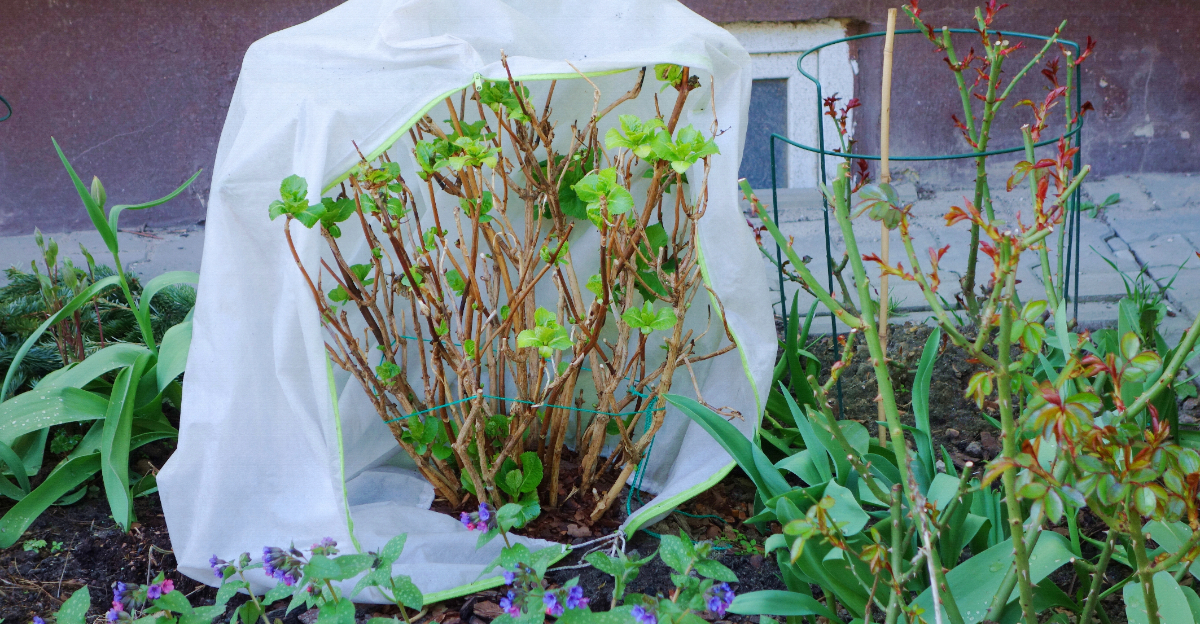
Timing can make or break a spring garden, and few decisions matter more than knowing when to remove frost cloths.
In North Carolina, where spring weather can shift quickly between warm afternoons and chilly nights, careful attention helps protect young plants without holding them back.
Removing covers too early can expose tender growth to unexpected cold, while leaving them on too long may trap heat and moisture, creating stress for developing plants.
The right moment depends on local temperatures, soil warmth, and your specific region within North Carolina, whether you garden along the coast, across the Piedmont, or in the cooler mountains.
Monitoring nighttime lows and watching how plants respond provides valuable clues for safe timing. With a thoughtful approach, frost protection becomes a simple but powerful tool that supports healthy growth rather than limiting it.
Understanding when to lift those covers helps your North Carolina garden stay strong, balanced, and ready to flourish throughout the spring season.
Remove Frost Cloth After Temperatures Stay Above Freezing Overnight
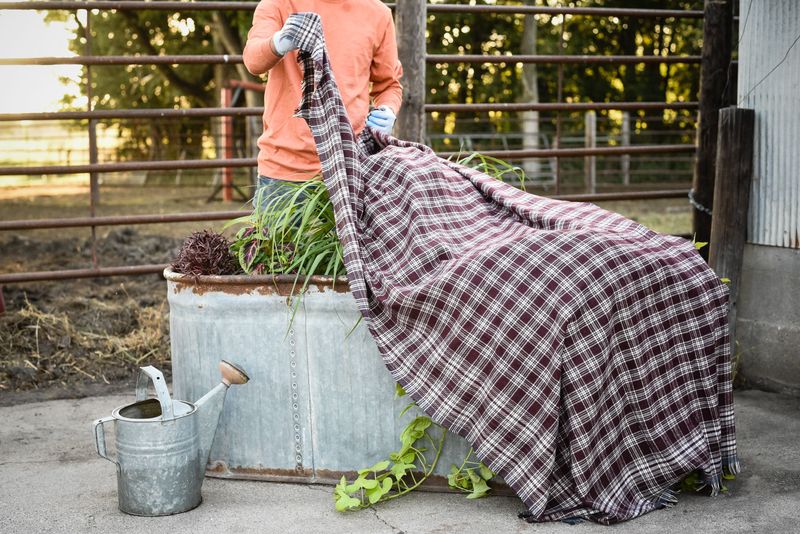
Most gardeners know that frost cloth is a lifesaver during cold nights, but knowing exactly when to put it away for good is just as important. The general rule of thumb is to remove frost cloth once nighttime temperatures consistently stay above 32 degrees Fahrenheit.
One random warm night does not mean the frost season is over, so patience really pays off here.
North Carolina stretches across several climate zones, which means the safe removal window varies quite a bit depending on where you garden. A gardener in Wilmington faces very different conditions than someone tending raised beds in Boone.
Checking your specific zone helps you make smarter, more confident decisions about your plants.
Weather apps and local extension office resources are great tools for tracking overnight lows over a stretch of days. Aim for at least five to seven consecutive nights above freezing before you consider putting the frost cloth away.
Consistent patterns, rather than single warm days, are your most reliable signal that spring has truly settled in and your plants can breathe freely again.
Coastal Plain Usually Stops Needing Frost Protection First
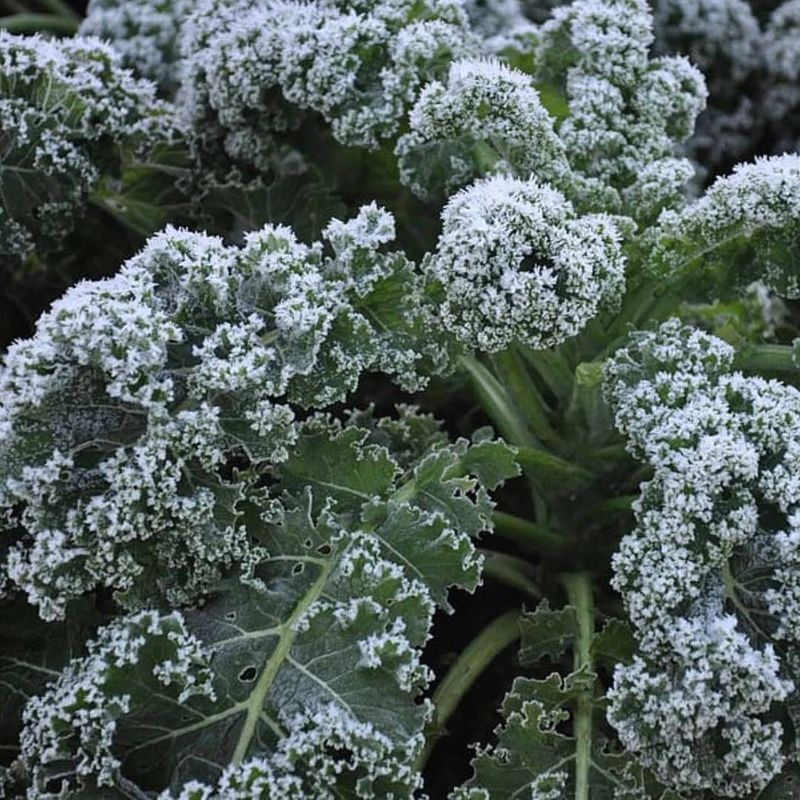
Eastern North Carolina enjoys some of the mildest winter conditions in the entire state, which gives coastal gardeners a clear head start every spring.
The Coastal Plain region typically reaches frost-free conditions somewhere between late March and early April, well ahead of the Piedmont and mountain areas.
This earlier window means coastal gardeners can uncover their plants and start enjoying the season sooner than most.
The proximity to the Atlantic Ocean plays a big role in moderating temperatures along the coast. Ocean air keeps extreme cold from settling in as deeply or as long as it does inland, which shortens the frost protection season noticeably.
Towns like Wilmington, Greenville, and New Bern typically see their last frost dates fall in mid-to-late March on average.
Even so, coastal gardeners should not assume all risk disappears the moment March arrives. Occasional cold fronts can still push temperatures below freezing in early spring, especially during clear, calm nights when heat escapes quickly from the soil.
Your North Carolina Garden Changes Every Week. Your Plan Should Too.
Gardening in North Carolina changes quickly throughout the season. Every Friday you’ll receive a simple weekly plan showing exactly what to plant, prune, fertilize, harvest, and protect so you never miss the right timing.
Staying alert to the forecast even after removing frost cloth is a smart habit that keeps your plants safe and your growing season moving forward without any unwanted surprises along the way.
Piedmont Gardeners Typically Remove Frost Cloth In Early To Mid April

Gardeners across the Piedmont region of North Carolina, which includes cities like Raleigh, Durham, Greensboro, and Charlotte, generally find that early to mid-April is the sweet spot for removing frost cloth.
Frost risk gradually decreases through this period as the jet stream shifts northward and warmer air masses become the norm rather than the exception. Still, a few chilly nights can sneak in right up until mid-April, so staying observant matters.
The Piedmont sits between the temperate coast and the cooler mountains, giving it a somewhat unpredictable spring transition. One week might feel like full-blown summer, and the next could bring a cold front that drops temperatures into the low 30s overnight.
This back-and-forth is perfectly normal, but it does mean that frost cloth should not be permanently stored away until you have seen a reliable string of warm nights.
According to North Carolina State University Extension data, the average last frost date in the Piedmont falls somewhere between April 1 and April 15, depending on the specific location.
Using that range as your guide, combined with a close eye on the seven-day forecast, helps you time your cloth removal with confidence.
Smart timing in this region keeps tender annuals, vegetables, and perennials growing strong all season long.
Mountain Regions May Need Frost Protection Into Late April Or Early May
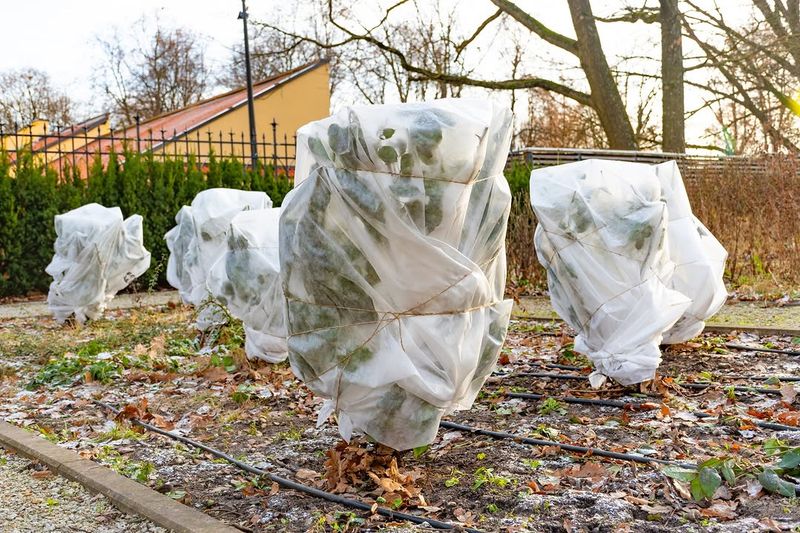
If you garden in the Blue Ridge or Appalachian mountain areas of western North Carolina, frost cloth becomes one of your most essential springtime tools. Higher elevations mean cooler air temperatures, and frost can remain a real threat well into late April or even early May in some locations.
Places like Boone, Blowing Rock, and Asheville all have later average last frost dates compared to the rest of the state.
Cold air naturally sinks into valleys and low-lying areas overnight, creating frost pockets where temperatures drop faster and lower than surrounding spots.
Mountain gardeners who plant in these low areas need to be especially cautious, even when nearby towns seem to be warming up nicely.
Elevation differences of just a few hundred feet can translate into noticeably colder overnight conditions.
North Carolina State University Extension lists the average last frost date for Boone as early May, which puts mountain gardeners a full month behind coastal growers.
That difference is significant when you are eager to get warm-season crops like tomatoes and peppers established.
Holding onto frost cloth a little longer than feels necessary is almost always the safer choice in the mountains, protecting weeks of careful planting and nurturing from a single night of unexpected cold that could set everything back dramatically.
Removing Cloth Too Early Can Expose Tender Growth To Late Frost
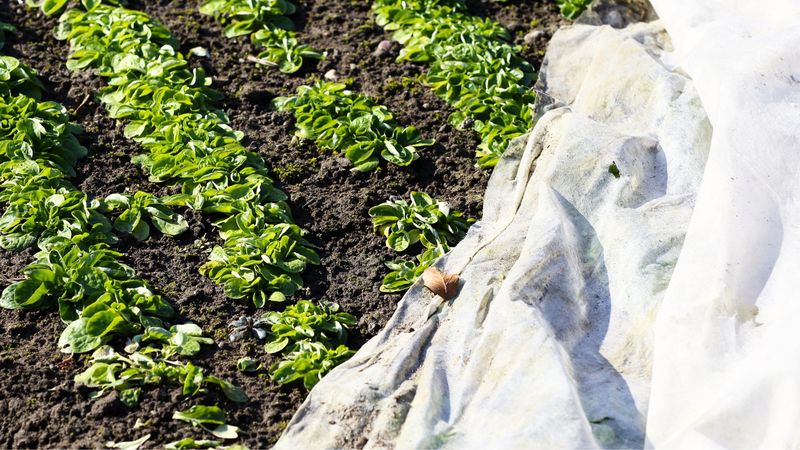
Spring in North Carolina has a reputation for being sneaky. Warm, sunny days in late March or early April can feel like winter is completely gone, tempting gardeners to uncover everything at once and soak in the season.
But late cold snaps are surprisingly common across the state, and tender new growth is especially vulnerable to even a brief dip below freezing.
Young seedlings, freshly transplanted vegetables, and early-blooming fruit trees all carry soft, delicate tissue that has not yet toughened up for outdoor conditions.
A single night of temperatures in the upper 20s can cause real harm to these plants, browning leaves, damaging flower buds, and slowing growth significantly.
The recovery process takes time and energy that your plants would otherwise spend producing roots, stems, and fruit.
North Carolina gardeners should keep a close eye on the National Weather Service forecasts throughout March and April, particularly watching for cold front passages that can drop overnight lows quickly and unexpectedly.
A good strategy is to keep frost cloth nearby and accessible even after the main frost season appears to be winding down.
Being ready to re-cover plants on short notice costs very little effort but protects weeks of careful gardening work from a single night of temperatures that catch even experienced growers off guard every single spring.
Leaving Frost Cloth On Too Long Can Cause Overheating And Moisture Issues
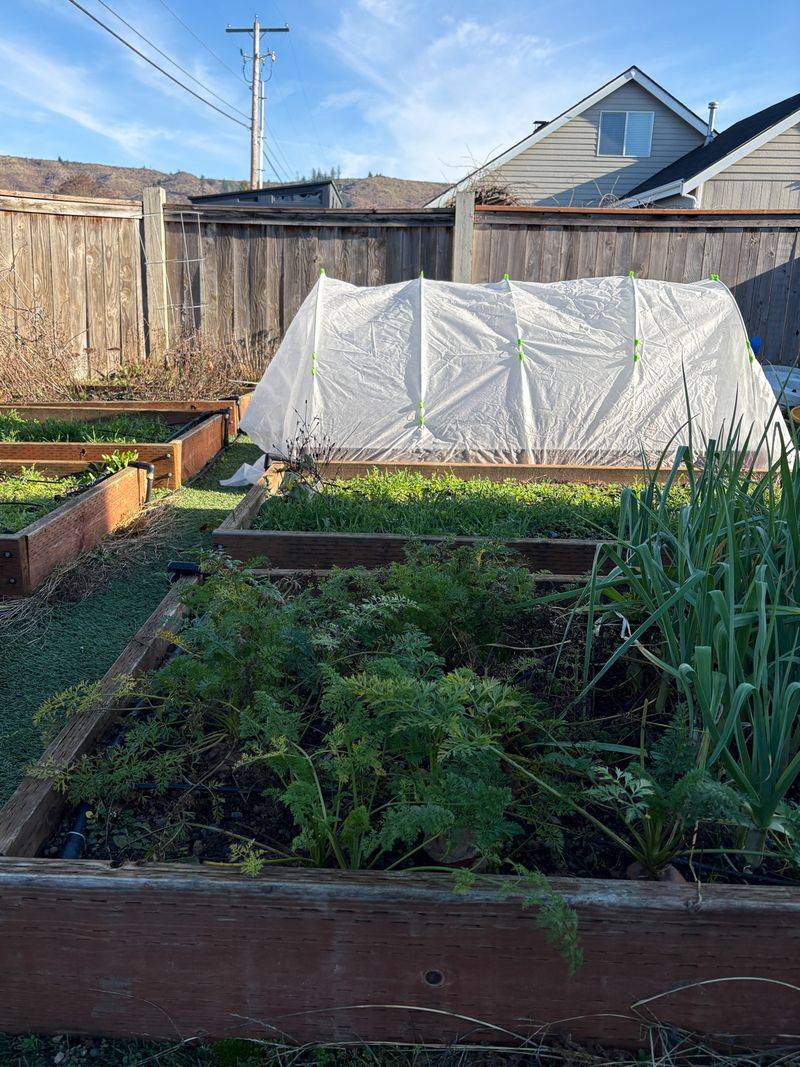
Frost cloth is genuinely helpful during cold nights, but once daytime temperatures start climbing into the 60s and 70s, that same protective layer can work against your plants.
Warm sunshine heats the air trapped under the fabric surprisingly fast, creating conditions that feel more like a greenhouse gone wrong than a protective cover. Plants stressed by heat and poor air circulation become weaker, not stronger.
Humidity trapped under frost cloth creates a moist, stagnant environment that fungal diseases absolutely love. Powdery mildew, botrytis, and other common garden pathogens thrive when airflow is restricted and moisture lingers on leaves for extended periods.
Removing frost cloth during warm, sunny days gives your plants the fresh air and light exposure they need to stay healthy and vigorous throughout the growing season.
Another concern is photosynthesis. Frost cloth filters light, which is fine during cold nights when plants are not actively growing, but on bright spring days, your plants want full sun to fuel their growth.
Blocking that light for too long slows development and can cause leggy, pale growth in seedlings that are trying to stretch toward the sun.
Balancing protection with exposure is the real art of using frost cloth well, and pulling it off on warm days is just as important as putting it on during cold nights.
Daytime Removal And Nighttime Re Covering May Be Needed During Transition

Spring weather in North Carolina rarely transitions from cold to warm in a straight line. Instead, it tends to zigzag, with warm afternoons followed by chilly nights that keep gardeners guessing from one day to the next.
During this in-between period, the smartest approach is often to remove frost cloth in the morning and replace it again before sunset.
This daily routine might sound like extra work, but it actually gives your plants the best of both worlds.
They get full sunlight and fresh air during the day, which supports strong, healthy growth, and they stay protected from frost damage during the vulnerable overnight hours.
A few weeks of this back-and-forth effort can make a real difference in how well your garden establishes itself early in the season.
Lightweight row cover fabric is especially well suited for this kind of flexible use because it folds and unfolds quickly without causing damage to the plants underneath. Heavier frost blankets work well too, though they take a bit more time to manage each day.
Setting a simple reminder on your phone to check the overnight forecast each evening helps you stay ahead of temperature changes without having to constantly monitor weather updates throughout the day.
This habit builds confidence and keeps your plants growing smoothly through even the most unpredictable weeks of the North Carolina spring season.
Soil Temperature Matters As Much As Air Temperature
Most gardeners focus entirely on air temperature when deciding whether to remove frost cloth, but the temperature of the soil beneath your plants tells an equally important story.
Warm soil encourages strong root development, supports beneficial microbial activity, and helps plants absorb water and nutrients more efficiently.
Cold soil, even under relatively mild air temperatures, slows all of these processes down considerably.
Soil thermometers are inexpensive, easy to use, and genuinely useful tools for any serious gardener.
For most warm-season vegetables like tomatoes, peppers, and cucumbers, soil temperatures should reach at least 60 degrees Fahrenheit before transplanting or removing protective covers for good.
Planting into cold soil stresses young plants and often leads to slower establishment than waiting just a bit longer for conditions to improve naturally.
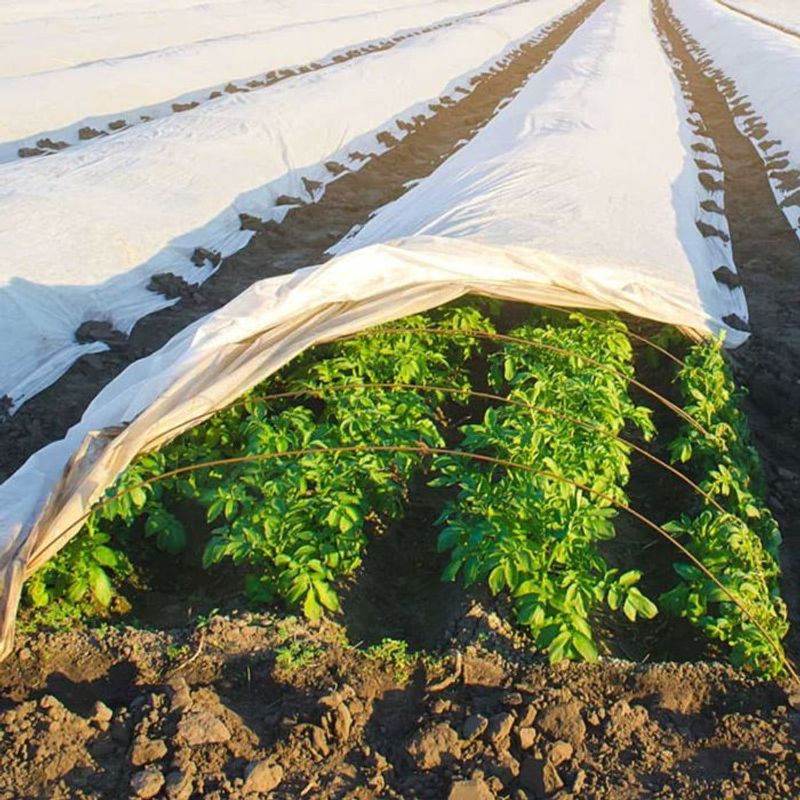
Frost cloth actually helps warm the soil underneath it by trapping heat from sunlight during the day. This means that in early spring, keeping the cloth on during mild days can actually benefit soil temperature even when air frost is not a concern.
Measuring soil temp at a depth of about two to three inches gives you the most accurate reading for root zone conditions.
Combining soil temperature data with air temperature forecasts gives you a much more complete picture of what your plants truly need, helping you make smarter removal decisions throughout the entire spring season.
Established Plants Become Less Vulnerable As Spring Progresses
There is something reassuring about watching your garden plants grow stronger week by week as spring settles in.
Plants that have been in the ground for several weeks develop thicker stems, deeper root systems, and tougher leaf tissue compared to freshly transplanted seedlings.
This physical maturity gives them noticeably better tolerance for temperature swings, including mild cold snaps that would seriously harm younger plants.
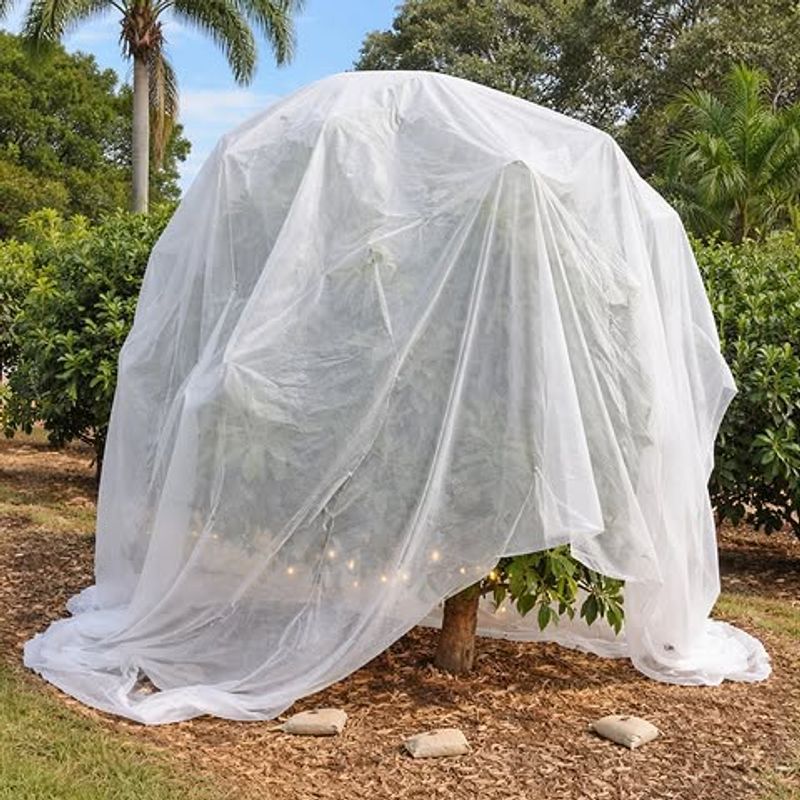
Woody perennials, established shrubs, and fruit trees that have been growing in the same spot for a full season or more are generally far more resilient than anything newly planted.
Their extensive root networks can access stored energy and moisture from deeper soil layers, giving them a buffer against surface-level cold that tender annuals simply do not have.
This is why experienced gardeners often protect new additions to the garden more carefully than their older, well-rooted plants.
As April progresses across most of North Carolina, even relatively young transplants that went in during early spring start to harden off naturally.
Hardening off is the gradual process by which plants acclimate to outdoor conditions, developing tougher cell walls and more efficient cold-response mechanisms.
Plants that have spent time outdoors, even under frost cloth, are already partway through this process.
Recognizing which plants in your garden are fully established versus still getting settled helps you make much smarter, more targeted decisions about where protective covers are still truly needed.
Watching Long Range Forecasts Helps Prevent Mistimed Removal
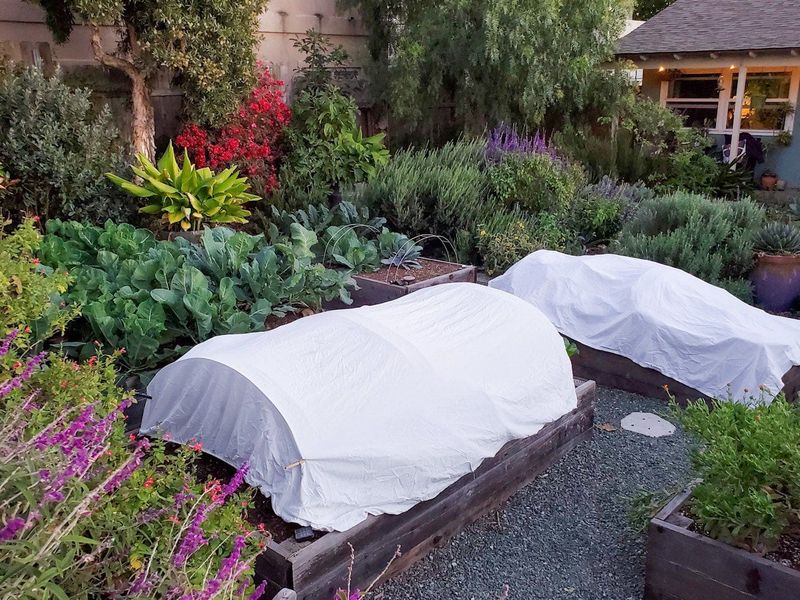
Timing the removal of frost cloth is not just about what the thermometer says tonight. Looking ahead at seven to ten day forecasts gives you a much broader view of what is coming and helps you avoid the frustrating experience of uncovering plants just before an unexpected cold front rolls through.
Weather pattern awareness is one of the most practical skills a North Carolina gardener can develop over time.
The National Weather Service, Weather.com, and the NC State Climate Office all provide reliable, detailed forecasts that are easy to access from any device.
Paying attention to cold front timing, overnight low projections, and wind chill factors gives you a well-rounded picture of what your garden will face in the coming days.
Many experienced gardeners check the forecast every evening during March and April as a regular part of their gardening routine.
Long-range forecasts are not always perfectly accurate, but they give you enough information to make reasonable, low-risk decisions about frost cloth.
If a week of mild nights is predicted with no cold fronts in sight, removing the cloth and letting your plants enjoy full sun and fresh air makes good sense.
On the other hand, if even one night in the coming ten days shows a risk of freezing temperatures, keeping the cloth accessible and ready to deploy protects everything you have worked so hard to grow throughout the entire season.