10 Plants To Add To Your Florida Garden In March For Fast Color
March is when Florida gardens wake up and start moving fast. Days feel warmer, the sun stays longer, and suddenly everything wants to grow.
After weeks of dull color, most gardeners crave something bright and cheerful right away. The good news is you do not have to wait long.
Some plants jump into bloom quickly and can refresh beds, borders, and containers in just a short time. A few smart additions now can turn a quiet garden into one full of life and color before spring fully settles in.
This is the perfect moment to fill empty spots, brighten tired corners, and bring fresh energy outdoors. If you are ready to see real color show up fast, these ten plants can give your Florida garden an instant seasonal lift.
1. Petunias Deliver Instant Waves Of Nonstop Color
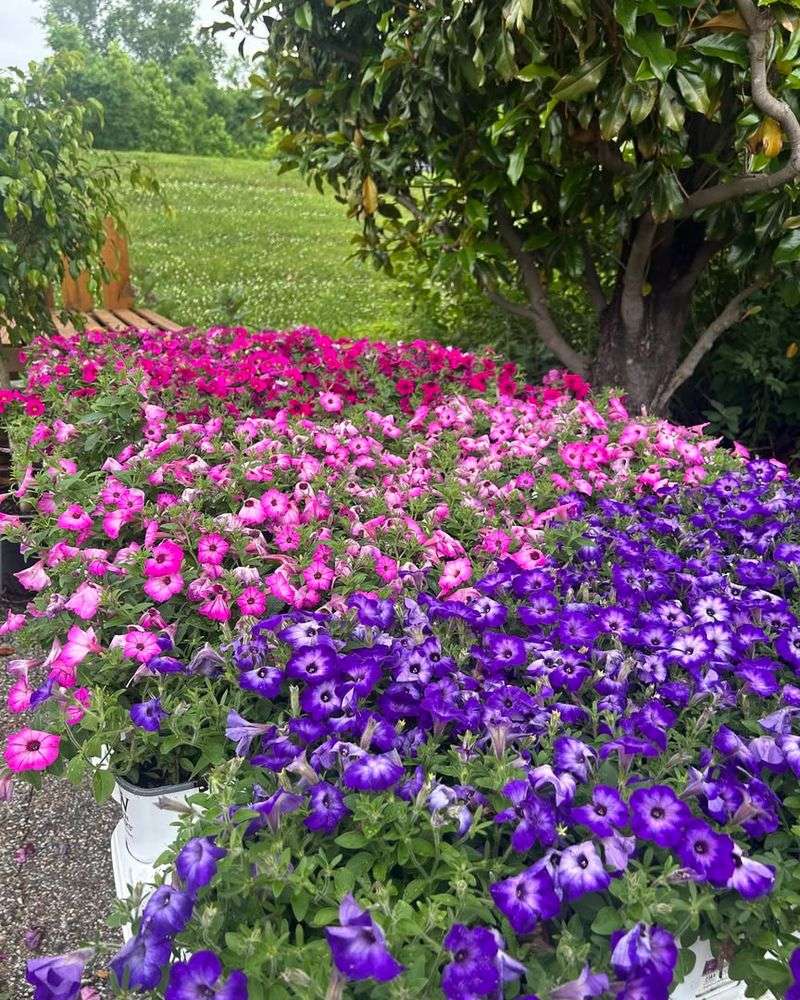
Few annuals can match the sheer flower power of petunias when March arrives. These cheerful bloomers start producing waves of color almost immediately after planting and keep going strong for months.
Their trumpet-shaped flowers come in nearly every color you can imagine, from soft pastels to deep purples and vibrant reds, making them incredibly versatile for any design scheme.
Full sun is where petunias truly shine, needing at least six hours of direct light daily to produce their best floral display. They work beautifully in flower beds, where they create low carpets of color, and they are equally stunning in containers and hanging baskets.
The trailing varieties spill gracefully over pot edges, while upright types fill spaces with dense blooms.
Florida gardeners appreciate how quickly petunias establish and begin flowering. Within just a couple of weeks of planting, you will notice buds forming and opening.
Regular deadheading encourages even more blooms, though many newer varieties are self-cleaning and drop spent flowers on their own.
Water petunias consistently, especially during dry spells, and feed them every couple of weeks with a balanced fertilizer. They handle heat well through spring but may slow down when summer temperatures soar.
Planting in March gives them a strong head start before the most intense heat arrives, ensuring you get maximum color when your garden needs it most.
2. Marigolds Ignite Bright Heat Loving Blooms Fast
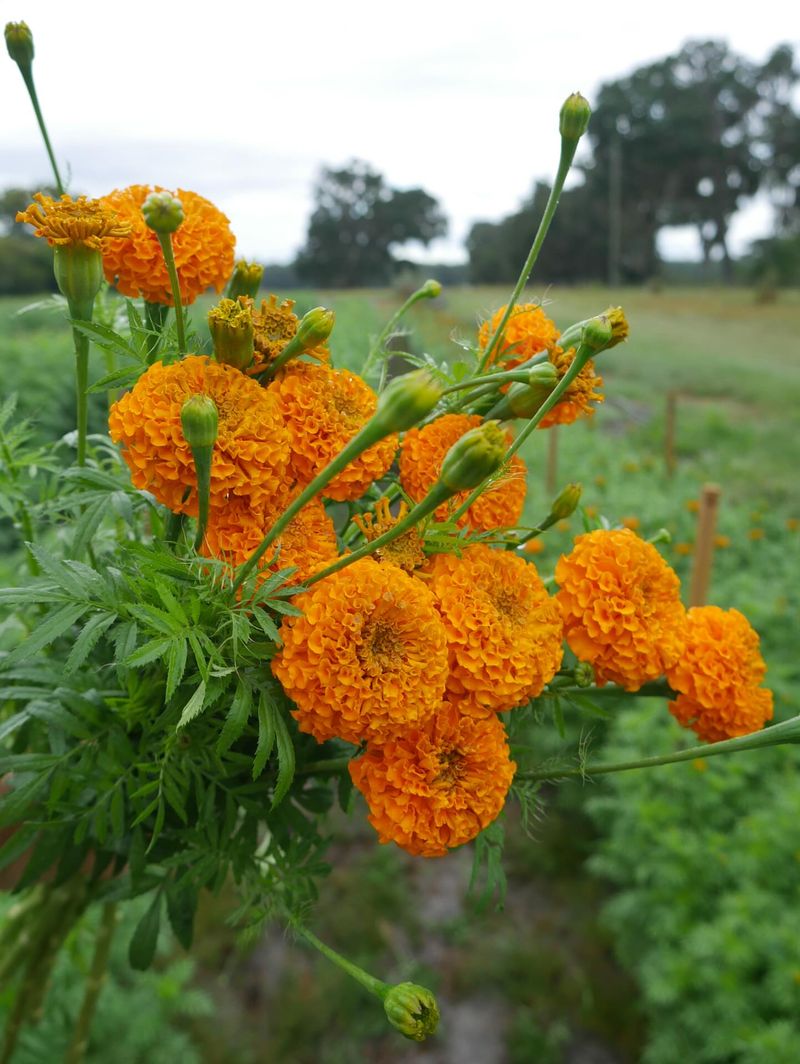
Marigolds bring an instant splash of sunshine to any Florida garden planted in March. Their bold orange, yellow, and gold blooms open quickly after transplanting, often showing color within days.
These tough annuals laugh at heat and humidity, making them ideal for Florida’s warming spring weather.
One of the best reasons to plant marigolds is their remarkable pest-deterring reputation. Many gardeners use them as companion plants near vegetables because their scent can help discourage certain insects.
Whether this is entirely proven or partly folklore, marigolds definitely attract fewer pests than many other flowering plants, which means less maintenance for you.
French marigolds stay compact and bushy, perfect for edging beds or filling containers. African marigolds grow taller with larger blooms, creating dramatic statements in the back of borders.
Both types thrive in full sun and tolerate a range of soil conditions, though they prefer well-drained ground.
Your Florida Garden Changes Every Week. Your Plan Should Too.
Gardening in Florida changes quickly throughout the season. Every Friday you’ll receive a simple weekly plan showing exactly what to plant, prune, fertilize, harvest, and protect so you never miss the right timing.
Planting marigolds in March takes advantage of mild temperatures and increasing daylight. They establish roots quickly and begin blooming in earnest as April approaches.
Deadheading spent flowers keeps them producing fresh blooms, though even without this care, they remain remarkably floriferous. Water them regularly until established, then they become quite drought-tolerant.
Their cheerful presence and minimal care requirements make marigolds a staple in Florida spring gardens.
3. Zinnias Explode With Bold Color In Full Sun
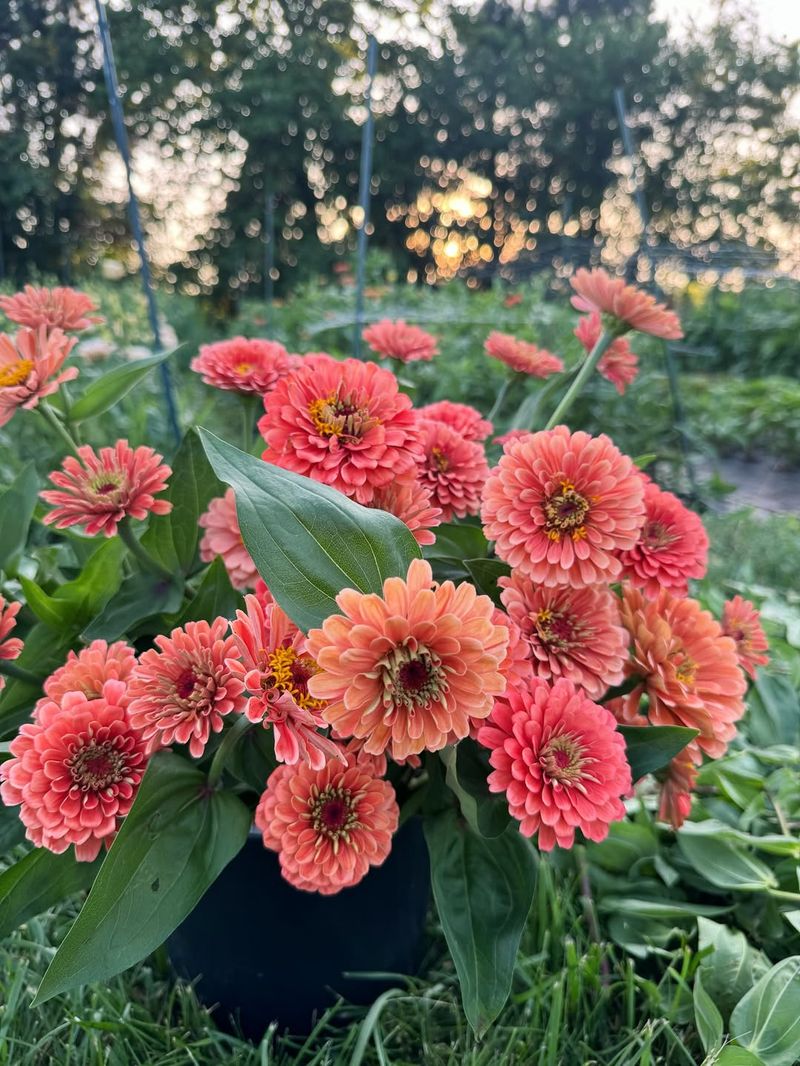
Zinnias are champions of rapid color production in Florida gardens. Plant them in March, and you will see blooms in as little as six to eight weeks.
Their flowers come in an incredible range of colors, from soft pastels to neon brights, and their forms vary from small button types to large dinner-plate blooms.
Full sun is essential for zinnias to perform their best. They need at least six to eight hours of direct sunlight daily to produce abundant flowers.
In shady spots, they stretch and produce fewer blooms, so choose your planting location carefully.
Butterflies and other pollinators adore zinnias, making them an excellent choice for wildlife-friendly gardens. You will often see monarchs, swallowtails, and Gulf fritillaries visiting the flowers throughout the day.
This pollinator appeal adds movement and life to your garden beyond just the colorful petals.
Zinnias handle Florida’s warm conditions beautifully through spring and early summer. They prefer well-drained soil and benefit from regular watering, especially during establishment.
Once growing strongly, they tolerate brief dry periods fairly well. Taller varieties may need staking in windy locations, but most modern cultivars are sturdy enough to stand on their own.
Cutting zinnias for indoor arrangements actually encourages more branching and blooms, so do not hesitate to bring armfuls inside. March planting ensures you will have cutting-garden abundance by late April.
4. Pentas Power Up Gardens With Constant Starry Blooms
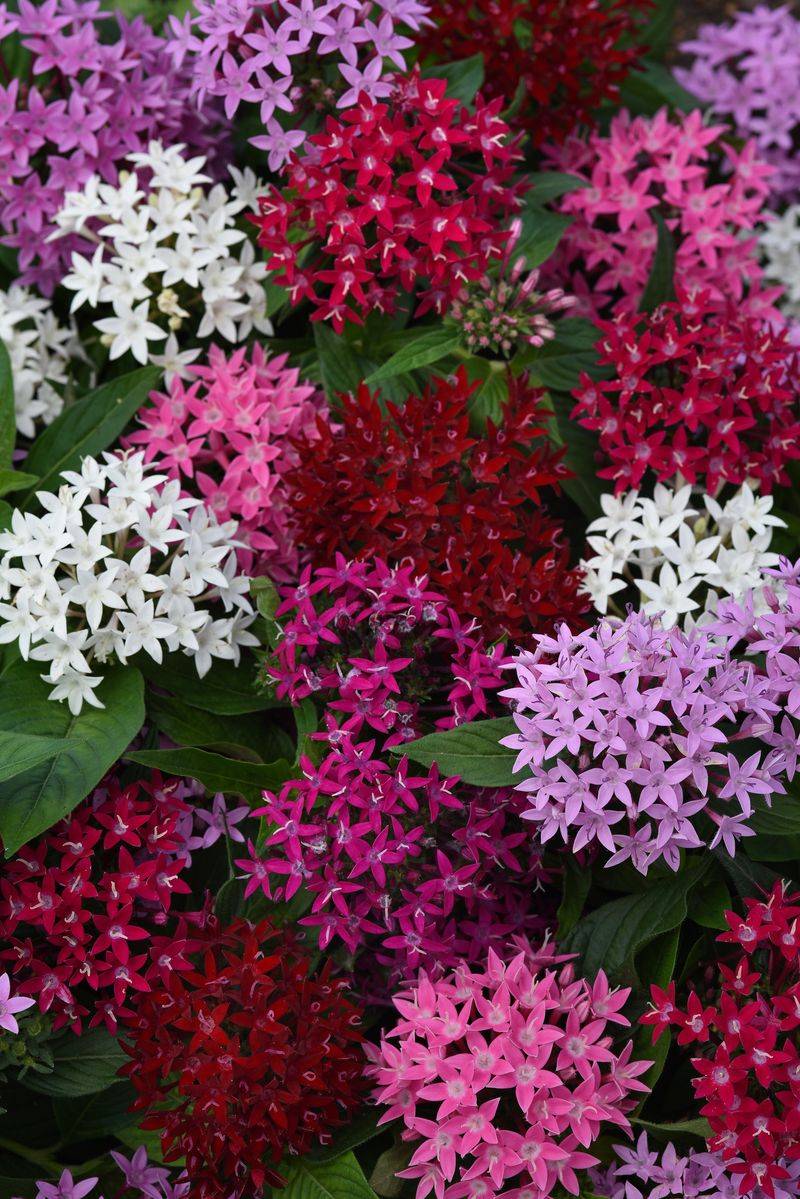
Pentas are absolute workhorses in Florida landscapes, delivering nonstop blooms from spring through fall. Their clusters of small, star-shaped flowers create a continuous show of color that rarely takes a break.
Available in shades of pink, red, white, and lavender, pentas fit into nearly any color scheme you envision.
Butterflies find pentas irresistible, making them one of the best plants for creating a pollinator paradise. Monarchs, swallowtails, and countless other species visit the flowers constantly.
Hummingbirds also frequent pentas, adding an extra dimension of wildlife interest to your garden.
Heat tolerance is where pentas truly excel. While many flowering plants struggle when Florida temperatures climb, pentas thrive in the warmth.
They prefer full sun to partial shade and handle humidity without developing the fungal issues that plague some other bloomers.
March planting gives pentas time to establish strong root systems before summer heat intensifies. They grow quickly and begin flowering within weeks of transplanting.
Pentas work beautifully in mixed borders, foundation plantings, or massed in beds for maximum impact. They also perform well in large containers if you keep them watered.
Maintenance is minimal beyond occasional trimming to shape plants and remove any spent flower clusters. Pentas are relatively drought-tolerant once established, though they bloom more profusely with regular watering.
Their reliable performance and pollinator appeal make them essential in Florida gardens.
5. Geraniums Bring Classic Spring Color That Pops
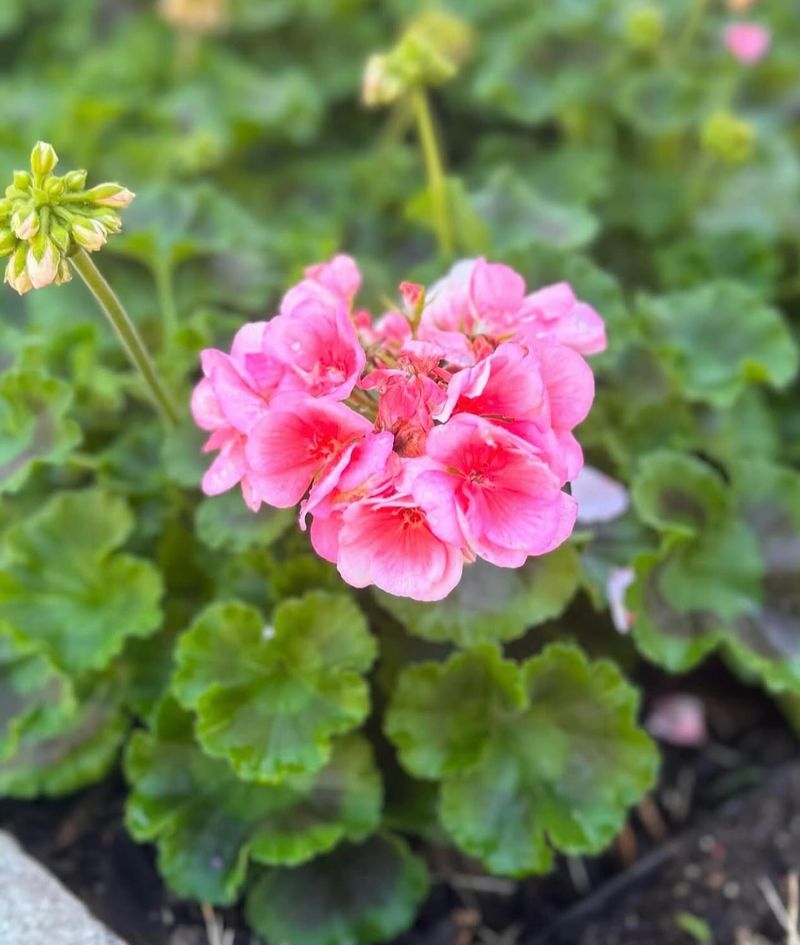
Geraniums offer that classic cottage-garden charm that never goes out of style. Their rounded flower clusters sit atop sturdy stems, creating pops of color in shades of red, pink, salmon, white, and even bi-colors.
March is ideal for planting geraniums in Florida because they love the mild spring temperatures and bloom prolifically before summer heat arrives.
These versatile plants work equally well in containers and garden beds. On patios and porches, potted geraniums add instant curb appeal and welcoming color.
In beds, they create bold splashes that draw the eye and anchor planting designs.
Geraniums prefer full sun but can tolerate some afternoon shade, especially as temperatures rise. In Florida, giving them a bit of protection from the most intense midday sun can help them last longer into the season.
Well-drained soil is essential because geraniums dislike soggy conditions that can lead to root issues.
Water geraniums when the top inch of soil feels dry, and avoid wetting the foliage excessively to prevent disease problems. Deadheading spent blooms keeps plants looking tidy and encourages more flowers to form.
Feeding every few weeks with a balanced fertilizer supports vigorous growth and abundant blooms.
Planting geraniums in March gives you several months of beautiful color before the most intense summer heat arrives. Many Florida gardeners treat them as cool-season annuals, enjoying their peak performance through spring and early summer.
6. Calibrachoa Spills Over With Cascades Of Color
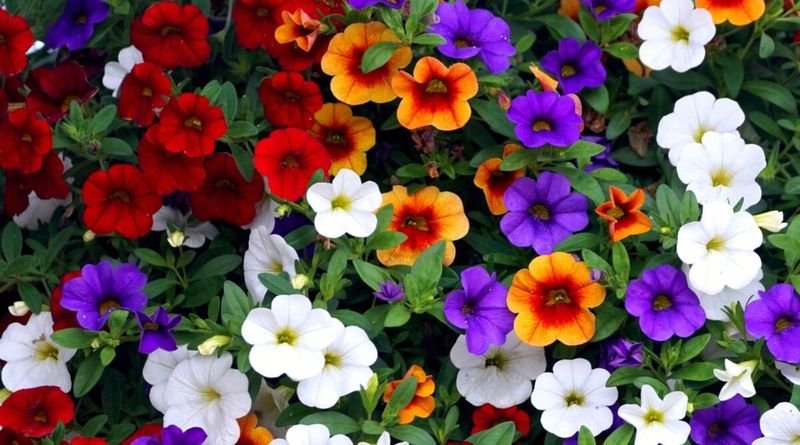
Calibrachoa, often called million bells, lives up to its name by producing masses of small, petunia-like flowers that cover trailing stems. These charming plants create waterfalls of color perfect for hanging baskets, window boxes, and container edges.
Their flowers come in nearly every color imaginable, often with contrasting throats that add visual interest.
The trailing growth habit makes calibrachoa ideal for situations where you want color to spill and cascade. They soften the edges of containers, create living curtains in hanging baskets, and add dimension to mixed plantings.
Their small flowers and delicate foliage give them an airy, refined appearance.
Calibrachoa blooms nonstop from planting through fall in Florida gardens. Unlike some plants that take breaks between flowering cycles, million bells just keep producing new flowers continuously.
This makes them incredibly valuable for maintaining consistent color throughout the growing season.
These plants prefer full sun and need regular watering to stay happy. Container-grown calibrachoa can dry out quickly, especially in Florida’s warmth, so check soil moisture daily.
They benefit from consistent feeding with a fertilizer formulated for flowering plants.
March planting allows calibrachoa to establish before temperatures soar. They handle heat reasonably well but perform best with adequate moisture and nutrition.
Pinching back leggy growth occasionally keeps plants full and bushy. Their low-maintenance nature combined with spectacular flowering makes calibrachoa a favorite for Florida container gardens.
7. Salvia Adds Fiery Spikes That Hummingbirds Love
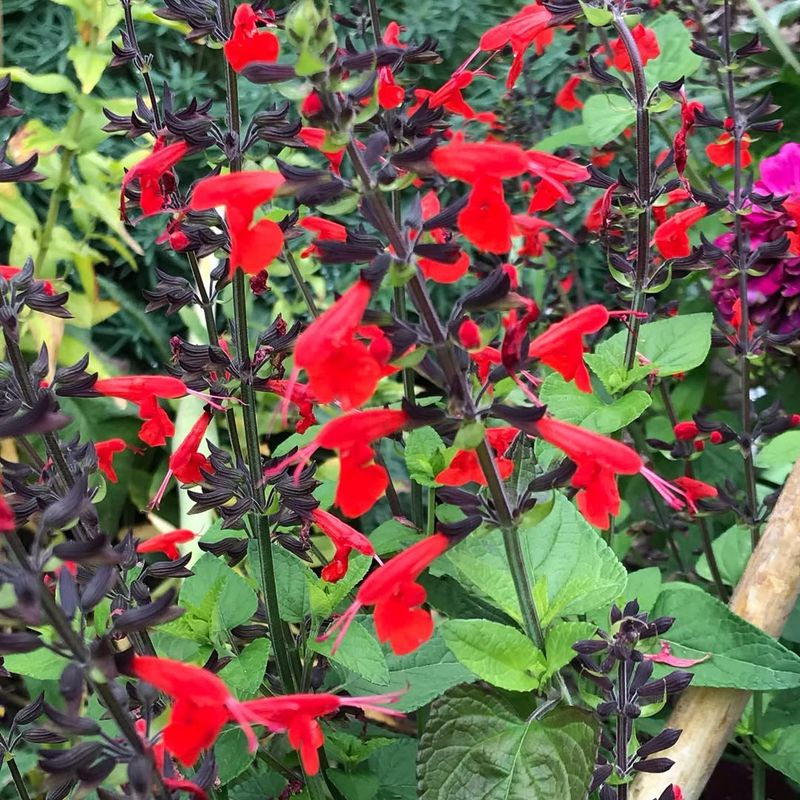
Salvia brings vertical drama to Florida gardens with its tall spikes of tubular flowers. The blooms rise above the foliage in shades of red, purple, blue, pink, and white, creating striking accents that add height and structure to planting beds.
Red varieties are especially popular because hummingbirds cannot resist them.
Hummingbird activity around salvia is constant and entertaining. These tiny birds zip from spike to spike, hovering expertly as they sip nectar.
Watching hummingbirds visit your salvia makes gardening even more rewarding and connects you with nature in a special way.
Heat tolerance is a major advantage of salvia in Florida landscapes. While many flowering plants wilt when temperatures climb, salvia continues blooming vigorously.
Most varieties prefer full sun but can handle partial shade, though flowering may be less abundant in shadier spots.
March planting gives salvia time to develop strong roots and begin its long bloom cycle. Many types flower continuously from spring through fall with minimal deadheading required.
Some varieties even reseed themselves, providing free plants for future seasons.
Salvia grows well in average garden soil and tolerates brief dry periods once established. Regular watering during establishment helps plants get off to a strong start.
Cutting back flower spikes after the main bloom flush can encourage additional flowering later in the season. The combination of vertical interest, heat tolerance, and wildlife appeal makes salvia indispensable in Florida gardens.
8. Verbena Spreads Fast And Covers Beds In Color
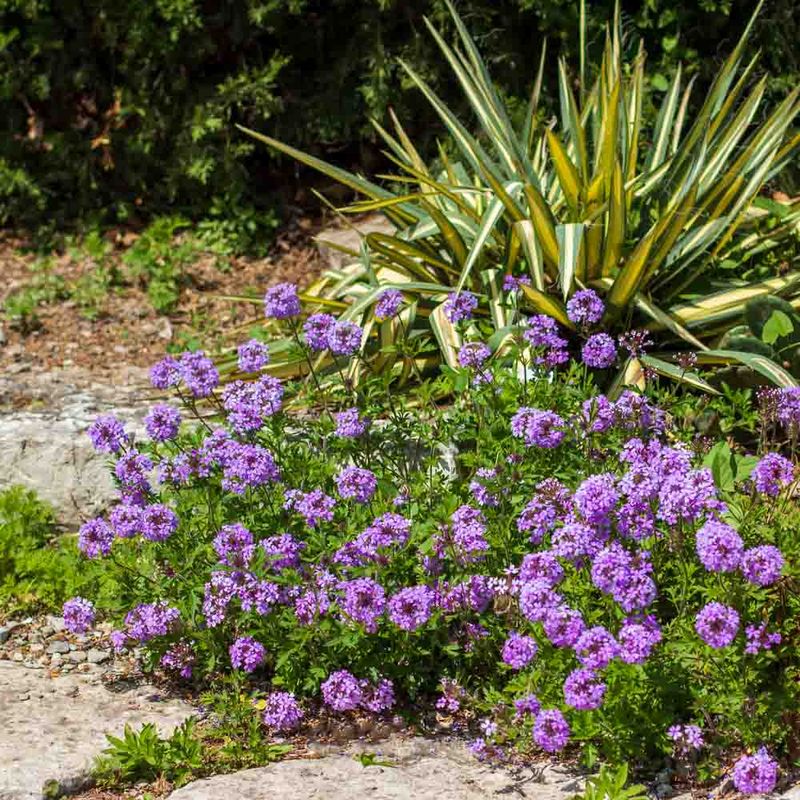
Verbena excels at covering ground quickly with dense mats of colorful flowers. Its spreading habit makes it perfect for filling spaces between taller plants, edging pathways, or creating solid carpets of color in sunny beds.
Flowers cluster in rounded heads that come in shades of purple, pink, red, white, and bi-colors.
The rapid spreading growth of verbena is one of its greatest assets for Florida gardeners. Plant it in March, and by late spring, it will have filled in considerably, creating the full, lush look that makes gardens feel established.
This quick coverage helps suppress weeds naturally while providing continuous color.
Verbena blooms prolifically throughout the warm months, producing fresh flowers constantly. The blooms attract butterflies and other beneficial insects, adding movement and life to your garden.
Deadheading is not strictly necessary because verbena tends to hide spent blooms beneath new growth, though occasional trimming keeps plants tidy.
Full sun brings out the best in verbena, encouraging compact growth and maximum flowering. These plants tolerate heat well and handle Florida’s humidity better than many other spreading annuals.
They prefer well-drained soil and benefit from regular watering, especially during establishment.
Verbena works beautifully as a groundcover, border plant, or container spiller. Its low-growing habit and spreading nature create a cohesive look that ties planting schemes together.
March planting ensures verbena has time to spread and create the colorful coverage that makes it so valuable in Florida landscapes.
9. Angelonia Thrives In Heat With Elegant Flower Spikes
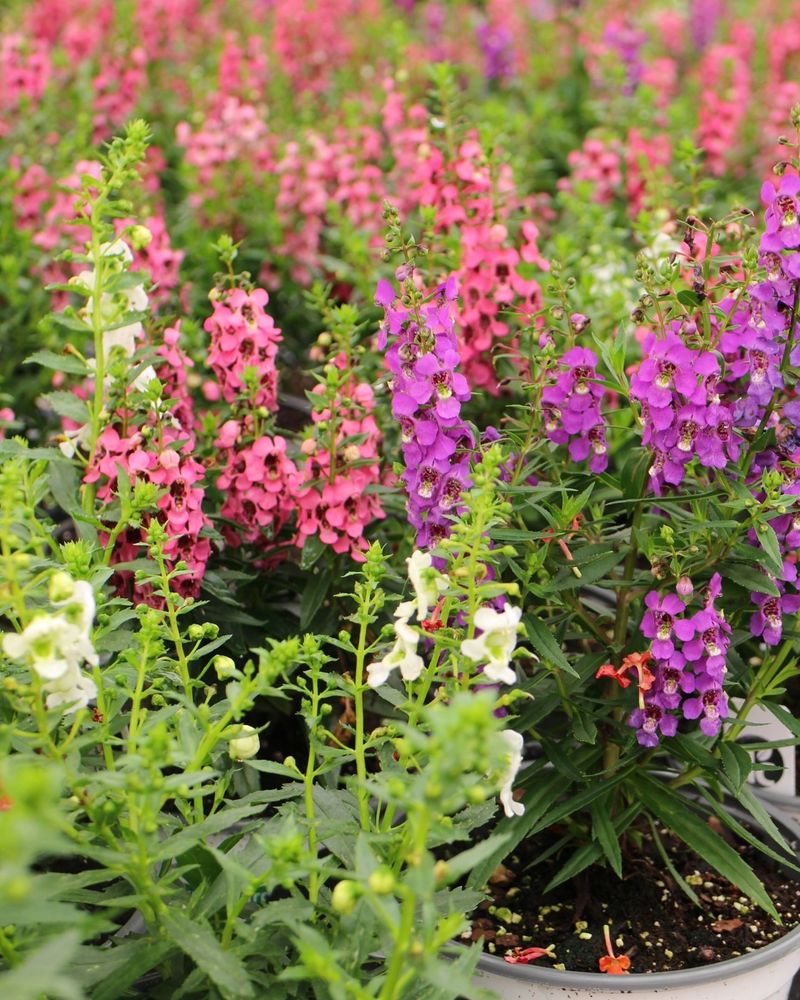
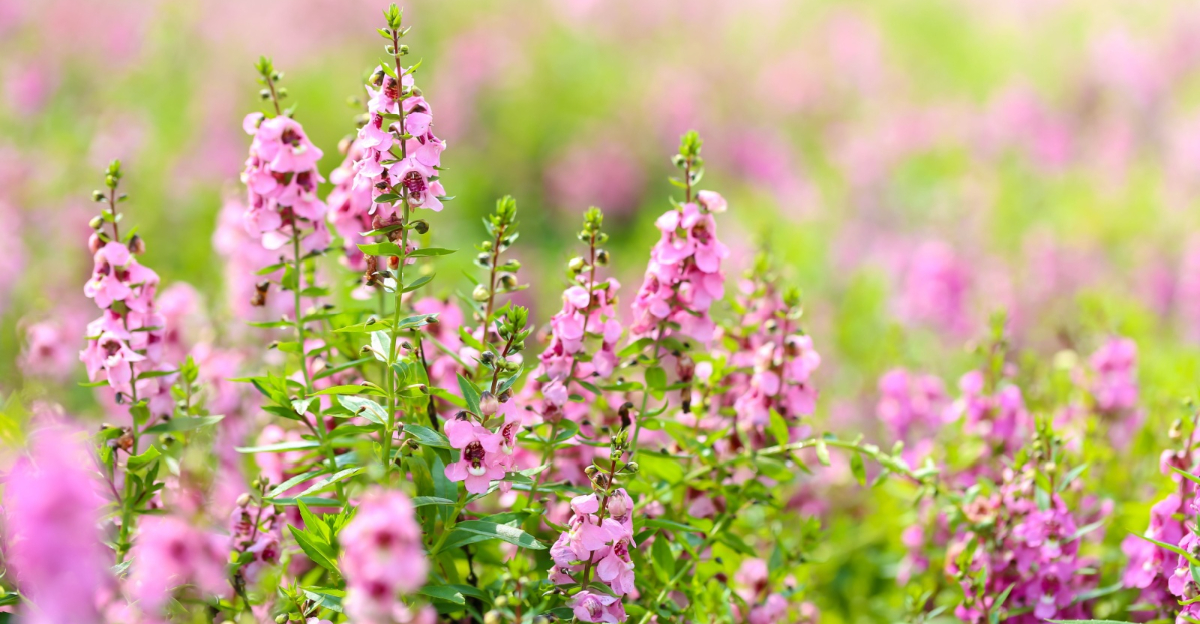
Angelonia stands tall and elegant with upright spikes of orchid-like flowers that keep blooming through the hottest weather. Often called summer snapdragon, this tough perennial performs like an annual in most Florida gardens, delivering months of color with minimal fuss.
Flowers come in shades of purple, pink, white, and bi-colors, each with intricate markings.
Heat tolerance is angelonia’s superpower. While many flowering plants struggle when Florida temperatures soar into the nineties, angelonia just keeps growing and blooming.
This makes it invaluable for maintaining color through late spring and summer when other plants fade or need frequent replacement.
The upright form of angelonia adds valuable structure to mixed plantings. Use it in the middle or back of beds to create height and vertical interest.
Its spiky flower clusters contrast beautifully with rounded or spreading plants, adding textural variety to your designs.
Angelonia requires very little maintenance once established. It rarely needs deadheading because spent flowers drop cleanly on their own.
Plants stay naturally compact and bushy without pinching, though you can trim them lightly if they become leggy.
March planting gives angelonia time to establish strong roots before summer heat intensifies. It prefers full sun and well-drained soil but tolerates a range of conditions.
Water regularly until plants settle in, then they become fairly drought-tolerant. The combination of heat tolerance, minimal care, and long bloom season makes angelonia a smart choice for busy Florida gardeners.
10. Coreopsis Lights Up Gardens With Bright Florida Sunshine
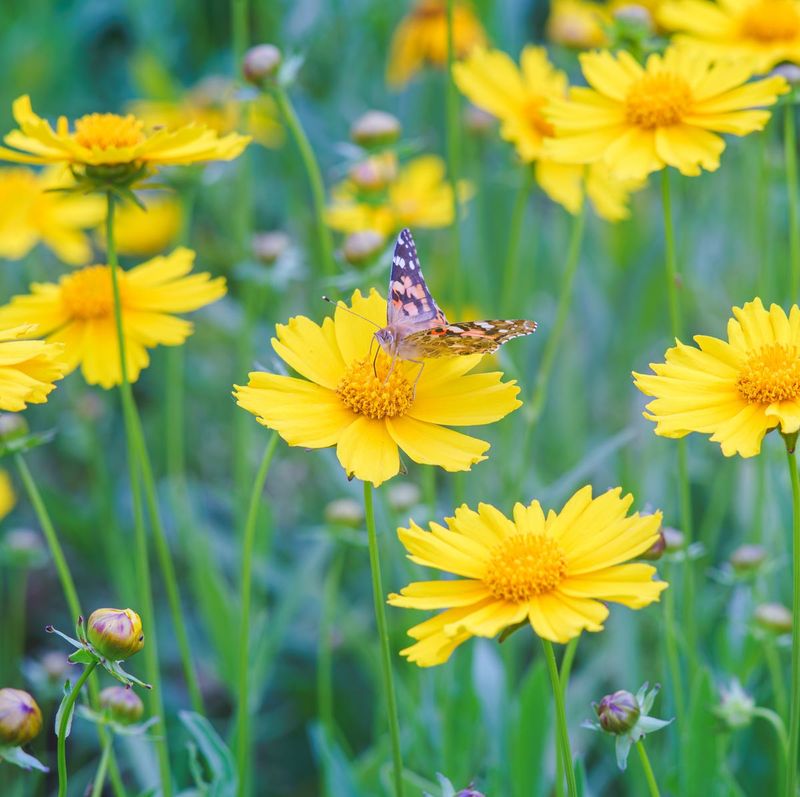
Coreopsis brings the sunny brightness of native Florida wildflowers right into your garden. These cheerful plants produce masses of golden-yellow, daisy-like flowers on wiry stems that dance in the breeze.
As a native species, coreopsis is perfectly adapted to Florida’s climate, soil, and weather patterns, making it one of the most reliable bloomers you can plant.
The native plant benefits of coreopsis extend beyond easy care. Native plants support local ecosystems by providing food and habitat for native insects, birds, and other wildlife.
Coreopsis flowers attract numerous pollinators, including native bees and butterflies, helping sustain these important creatures.
Fast flowering is another advantage of planting coreopsis in March. These plants establish quickly and begin blooming within weeks, creating instant impact in the landscape.
They continue flowering for months, especially if you deadhead spent blooms regularly.
Drought tolerance makes coreopsis ideal for Florida’s variable rainfall patterns. Once established, these plants handle dry spells without complaint, though they bloom more abundantly with occasional watering.
They thrive in full sun and prefer well-drained soil but adapt to less-than-perfect conditions.
Coreopsis works beautifully in naturalistic plantings, cottage gardens, and mixed borders. Its airy texture and bright blooms lighten heavy planting schemes and blend well with other natives and ornamentals.
March planting ensures coreopsis has time to develop strong roots and deliver reliable spring color that continues well into summer.