6 Texas Gardening Mistakes To Avoid If You’re Growing Zinnias In 2026
Zinnias are one of the most vibrant and cheerful flowers for Texas gardens, bringing bold color and long-lasting blooms all season.
But even experienced gardeners can make mistakes that slow growth, reduce flowers, or stress the plants.In 2026, knowing what to avoid can help you get the most out of your zinnia beds.
Common mistakes include planting too early in soil that’s still cool, overcrowding seedlings, or overwatering in a way that encourages disease. Sunlight is another critical factor.
Zinnias need plenty of it to thrive, and too much shade can leave plants weak and sparse. Choosing the wrong soil mix or neglecting to deadhead spent flowers can also limit bloom potential.
By avoiding these pitfalls, Texas gardeners can enjoy healthy, strong zinnias with vibrant, abundant blooms all season. A little attention to timing, spacing, and care goes a long way in making zinnias the star of your 2026 garden.
1. Planting Too Early In Cool Soil
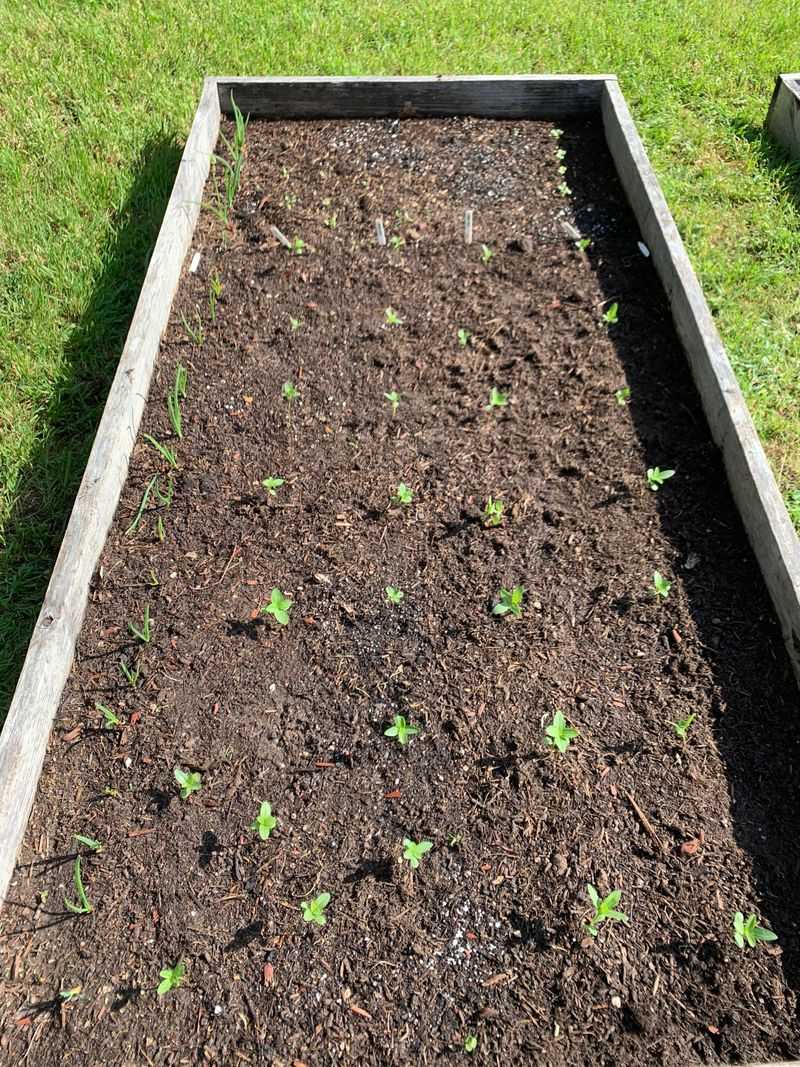
Every spring, eager Texas gardeners rush outside the moment the calendar flips to March, excited to get their zinnias in the ground. It makes sense – after a long winter, everyone wants color fast.
But planting too early is one of the most common and costly mistakes you can make when growing zinnias in Texas. Zinnias are heat-loving annuals. They need warm soil to germinate and grow strong roots.
When you plant seeds or transplants into cool soil, germination slows way down. Seedlings may sprout unevenly, grow weak, or simply sit in the ground without making any real progress. Cold soil also makes young plants more vulnerable to stress and disease.
Late cold snaps are another real concern in Texas, especially in North Texas and the Panhandle region. A surprise frost in late March or early April can damage tender young zinnia plants before they have a chance to establish themselves.
Even in Central and South Texas, soil temperatures can stay cooler than expected well into spring.
The fix is simple: wait. Soil temperature should be at least 60 degrees Fahrenheit before you plant, and 70 degrees is even better.
In most parts of Texas, mid-to-late April through May is the sweet spot for planting zinnias outdoors. Use an inexpensive soil thermometer to check before you start.
Waiting just a couple of extra weeks makes a huge difference. Seeds planted in warm soil germinate faster, grow stronger, and catch up quickly to early-planted seeds that struggled in the cold. Patience really does pay off when it comes to Texas zinnia gardening.
2. Crowding Plants Too Closely
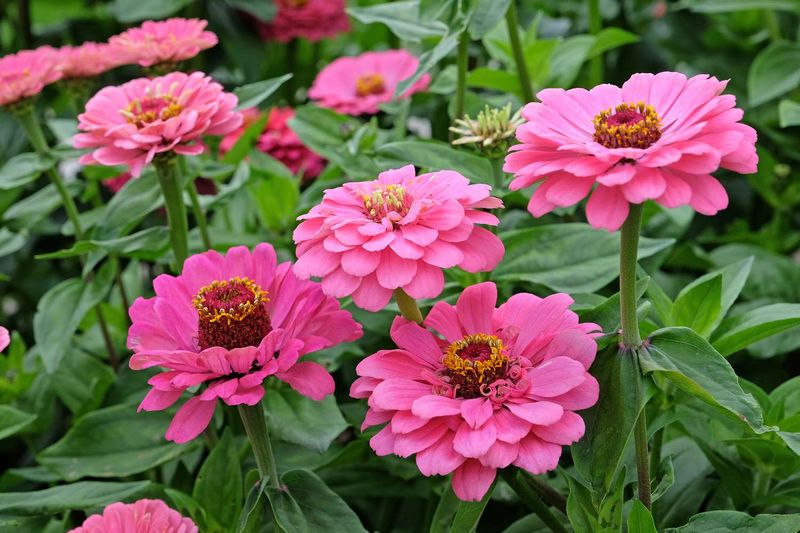
Picture a garden bed so packed with zinnias that the plants can barely breathe. It sounds lush and full, right?
Actually, overcrowding is one of the sneakiest mistakes Texas zinnia growers make, and it leads to weaker plants and fewer flowers over time.
When zinnias are planted too close together, airflow between the plants drops significantly. In Texas, where summer humidity can get surprisingly high, especially in the Gulf Coast and East Texas regions, poor airflow creates the perfect environment for powdery mildew.
Your Texas Garden Changes Every Week. Your Plan Should Too.
Gardening in Texas changes quickly throughout the season. Every Friday you’ll receive a simple weekly plan showing exactly what to plant, prune, fertilize, harvest, and protect so you never miss the right timing.
This fungal disease coats leaves in a white, chalky film and weakens the entire plant. Once it spreads through a crowded bed, it is very hard to control.
Crowded plants also have to compete for water, nutrients, and light. The result is leggy, stretched-out stems and fewer blooms.
Instead of a full, colorful display, you end up with a tangled mess that looks tired by midsummer.
Giving your zinnias enough space is one of the easiest ways to set them up for success. Most standard zinnia varieties do best when spaced 8 to 12 inches apart.
Larger varieties, like giant or cactus-flowered types, may need up to 18 inches between plants. Always check the seed packet for spacing recommendations.
Good airflow between plants keeps foliage dry and reduces disease pressure dramatically. It also allows each plant to get the sunlight it needs to produce strong stems and vibrant blooms.
A well-spaced zinnia bed in a Texas garden will outperform an overcrowded one every single time, producing more flowers with less effort from you.
3. Watering From Above In Humid Heat
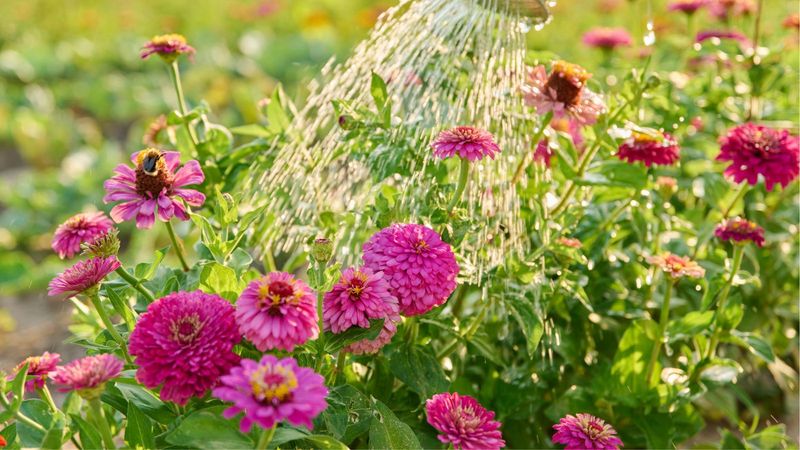
On a hot Texas afternoon, grabbing a hose and spraying your zinnias from above feels like the natural thing to do. It is quick, easy, and it looks like you are giving your plants a good drink.
But overhead watering is actually one of the worst habits a Texas zinnia gardener can develop.
Wet foliage is a major problem, especially in the humid regions of Texas like Houston and the Gulf Coast area. When water sits on zinnia leaves, it creates ideal conditions for powdery mildew and other fungal diseases.
The combination of Texas heat, humidity, and wet leaves is basically an open invitation for disease to spread through your garden beds fast.
Watering in the afternoon makes this even worse. Leaves that get wet late in the day stay damp overnight because there is not enough sun left to dry them out.
Fungal spores love that kind of moist, warm environment and can spread rapidly from plant to plant.
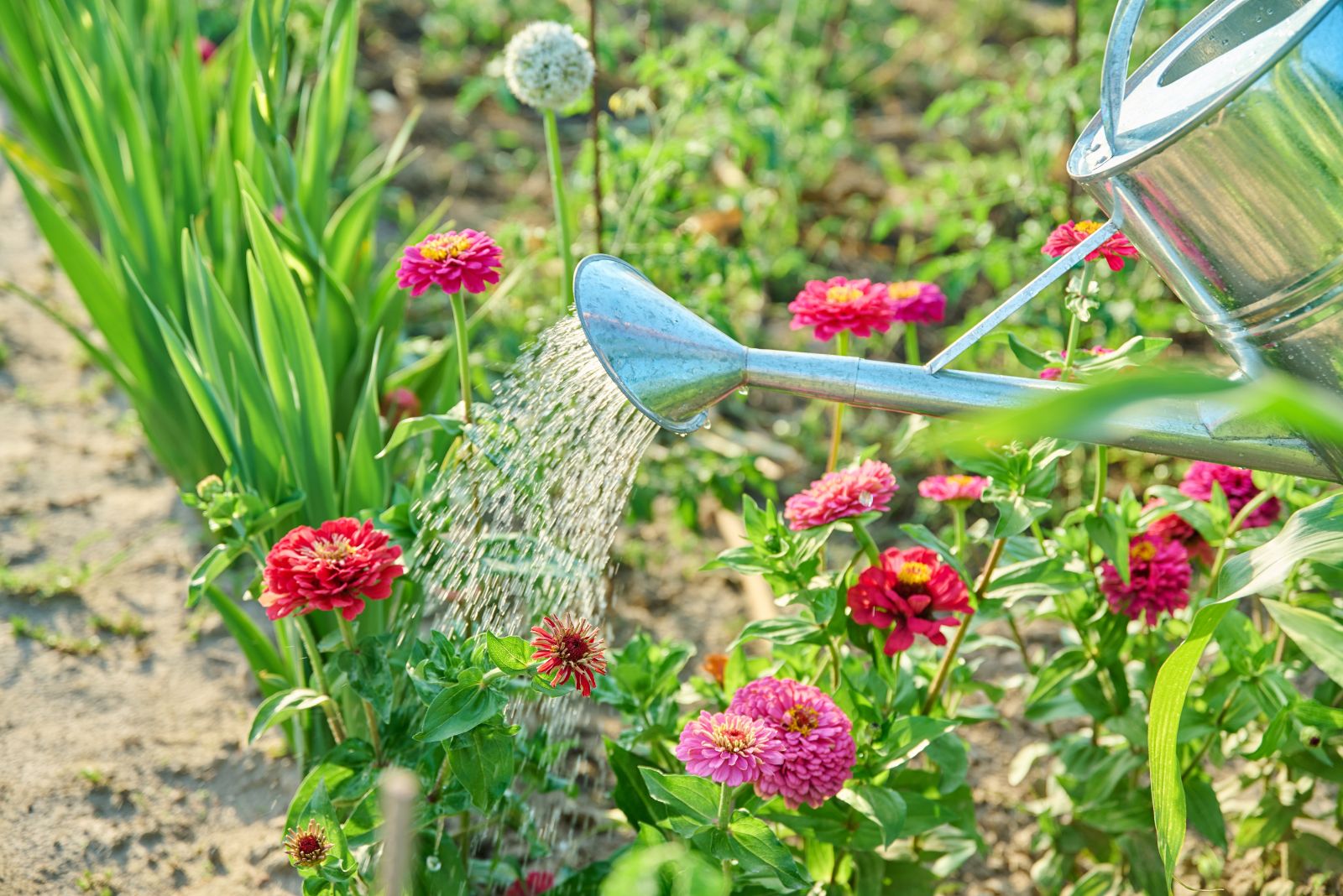
The better approach is to water at the soil level, not from above. Drip irrigation and soaker hoses are excellent tools for Texas zinnia gardens because they deliver water directly to the root zone without ever touching the leaves.
If you use a hose, aim it low and keep the stream at the base of the plant. Watering early in the morning is also a smart habit. Any moisture that does splash onto leaves has the whole day to dry off before temperatures drop at night.
Making this one simple change in your watering routine can dramatically reduce disease problems and keep your Texas zinnias looking healthy all season long.
4. Too Much Shade, Not Enough Sun
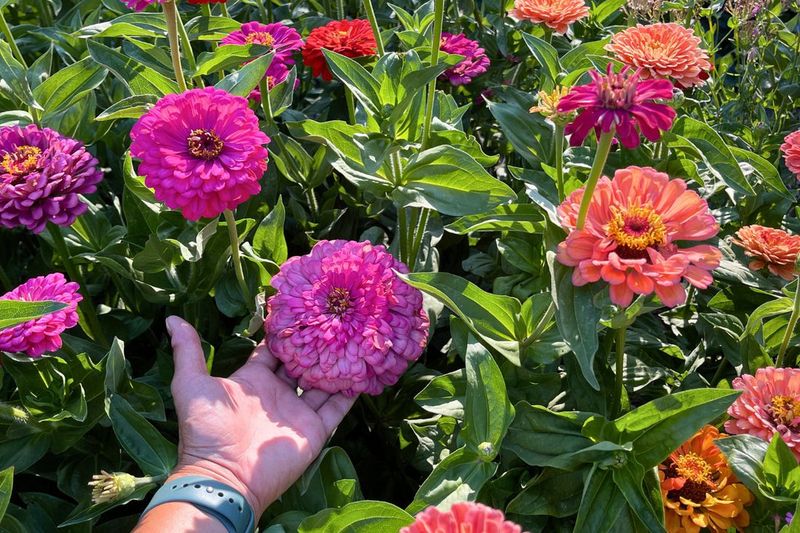
Zinnias are sunshine addicts, plain and simple. If there is one thing these flowers absolutely must have to perform well in a Texas garden, it is full, direct sunlight for most of the day.
Planting them in a shady spot is one of the most common reasons Texas gardeners end up disappointed with their zinnia results.
Zinnias need a minimum of six to eight hours of direct sun each day, and more is always better.
In Texas, where the sun is strong and the growing season is long, a full-sun location gives zinnias exactly what they need to build thick stems, deep green foliage, and an abundance of colorful blooms.
When sunlight is limited, the plants stretch and reach toward whatever light they can find, resulting in tall, spindly stems that flop over easily.
Fewer blooms is another predictable outcome of too much shade. Zinnias use sunlight as fuel for flower production.
Less fuel means fewer flowers, and the ones that do appear are often smaller and less vibrant than they should be.
Before you plant, spend a day observing your yard. Walk around at different times and note which spots get the most consistent direct sun.
South-facing garden beds are often the best choice in Texas because they receive strong sun throughout the day. Avoid spots near large trees, tall fences, or structures that cast long shadows.
Moving your zinnia bed to a sunnier location can completely transform your results. Gardeners across Texas, from Austin to Amarillo, consistently report that their sunniest spots produce the most spectacular zinnia displays, season after season.
Sun really is everything for these flowers.
5. Skipping Deadheading And Maintenance
Here is a gardening truth that surprises a lot of new zinnia growers: leaving old, faded blooms on your plants actually works against you.
Skipping deadheading is one of the most overlooked maintenance mistakes in Texas zinnia gardens, and it quietly slows down your flower production over time.
When a zinnia bloom fades and begins to form a seed head, the plant shifts its energy toward seed production instead of making new flowers. From the plant’s perspective, its job is done once seeds are forming.
So the more spent blooms you leave on the plant, the more energy goes toward seeds and the less goes toward producing the colorful new flowers you actually want to see.
Regular deadheading breaks that cycle. By removing faded blooms before they go to seed, you signal to the plant that it needs to keep flowering.
Texas zinnia gardeners who deadhead consistently are often amazed at how much longer and more abundantly their plants bloom compared to neglected ones. It really does make a noticeable difference.
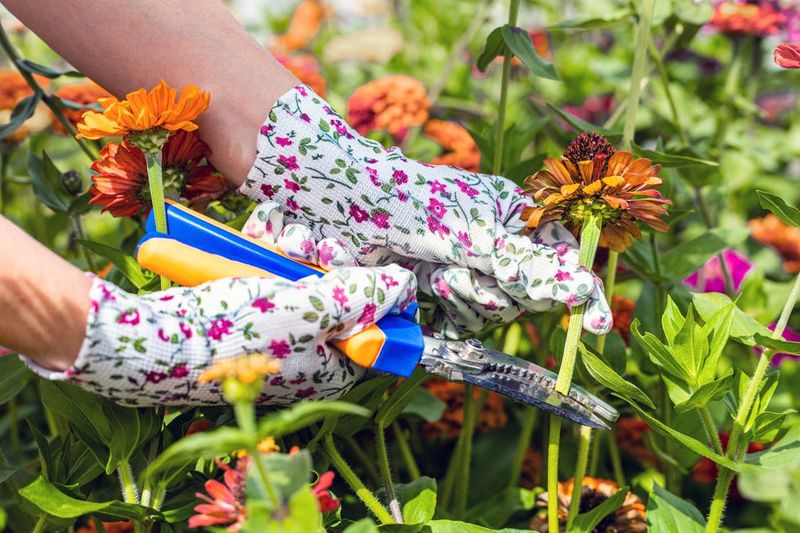
Deadheading is also easy and even enjoyable once you get into the habit. Simply use clean garden scissors or your fingers to snip or pinch off faded blooms just below the flower head.
Cutting stems back to a set of healthy leaves encourages even more branching and more blooms in return.
Bonus tip: cutting fresh zinnia flowers for indoor vases has the same effect as deadheading. So the more you cut, the more your garden gives back.
Texas summers are long, and with regular maintenance, your zinnias can keep blooming beautifully from late spring well into October.
6. Ignoring Soil Drainage And Overwatering
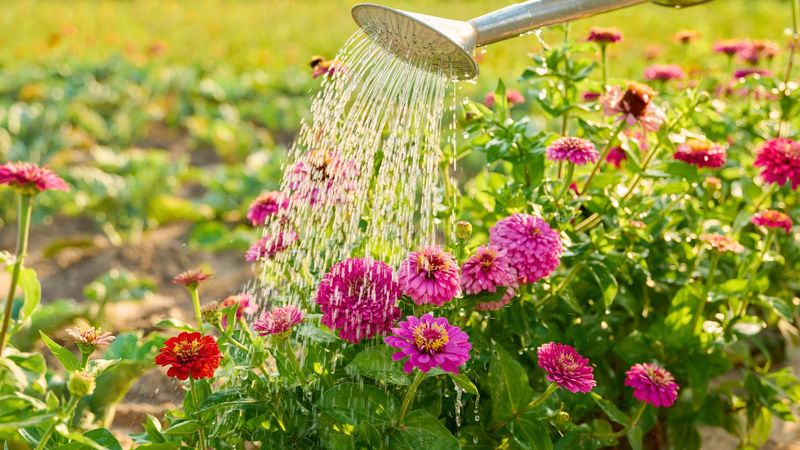
Zinnias are tough, sun-loving flowers, but they have one serious weakness: they strongly dislike sitting in wet, soggy soil.
Overwatering and poor drainage are responsible for more struggling zinnia plants in Texas than most gardeners realize, and the problem often goes unnoticed until the damage is already done.
Texas soils can vary widely. In some areas, like parts of Central Texas, the soil is rocky and drains quickly.
In other regions, especially in the Houston area and parts of East Texas, heavy clay soils hold water for a long time after rain or irrigation. Clay soil that stays wet for extended periods puts serious stress on zinnia root systems.
Roots need both water and oxygen, and waterlogged soil cuts off the oxygen supply, weakening the plant from the ground up.
Overwatering is a separate but related issue. Many Texas gardeners, especially those new to the state’s climate, water their zinnias too frequently out of concern for the heat.
But zinnias actually prefer a deep watering followed by a period of drying out. Watering every single day, especially in heavy soil, keeps roots constantly wet and creates the same problems as poor drainage.
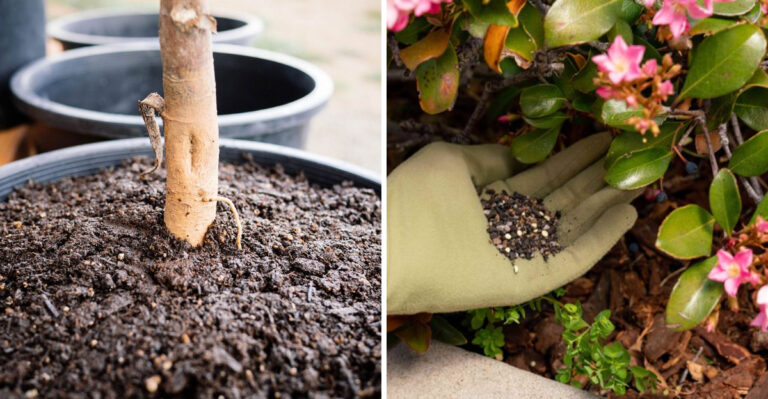
Improving your soil before planting is the smartest move you can make. Work compost into heavy clay soil to improve drainage and aeration.
Raised beds are also an excellent option for Texas gardeners dealing with drainage challenges, as they allow full control over soil quality.
When watering, go deep and infrequent. Let the top inch or two of soil dry out between waterings.
This simple approach encourages deeper root growth and keeps your Texas zinnias strong, healthy, and blooming all season.