9 Reasons Birds Are Not Visiting Your Michigan Yard And How To Fix It
A freshly filled bird feeder should bring a flutter of wings and cheerful song, yet sometimes it sits untouched for days. In Michigan, many backyard bird enthusiasts experience this same puzzling quiet, especially during certain seasons.
The absence of visitors rarely means birds are not nearby. More often, simple factors such as feeder placement, food choice, shelter, or nearby disturbances influence whether birds feel safe stopping by.
Michigan’s changing weather patterns and natural food availability can also affect how frequently birds rely on backyard feeders. The encouraging news is that small adjustments often make a dramatic difference.
Offering the right seed blends, providing nearby cover, and keeping feeders clean can quickly attract attention. Once their basic needs are met, birds respond with regular visits and lively activity.
By understanding what truly draws birds in, you can transform your Michigan yard into a vibrant gathering place filled with movement, sound, and year round enjoyment.
1. Feeders Are Empty Or Seed Is Spoiled
Picture a hungry chickadee flying toward your feeder, only to find it completely empty or packed with soggy, clumped seed. That bird will fly off and may not return for days.
In Michigan, where rain, snow, and humidity are common, seed spoils faster than most people realize.
Wet seed clumps together and grows mold quickly, which can actually make birds sick. Black oil sunflower seeds, millet, and safflower can all go bad if left exposed to moisture for too long.
Checking your feeder every two to three days is a smart habit, especially during wet seasons or heavy snowfall.
When you refill, always remove old seed first before adding fresh seed on top. Mixing fresh seed over spoiled seed does not fix the problem.
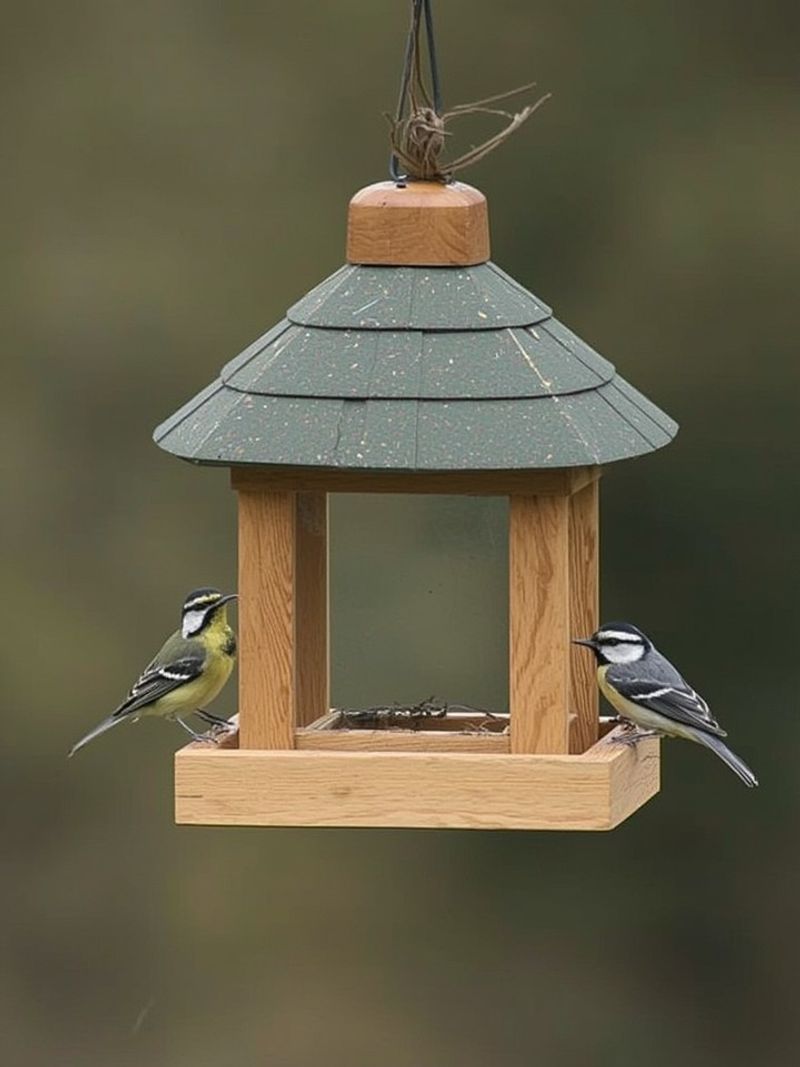
Look for feeders with built-in drainage holes or weather guards that shield seed from rain and snow. Tube feeders and hopper feeders with roofs tend to keep seed drier than open platform feeders in Michigan weather.
Keeping seed fresh is honestly one of the simplest and most effective things you can do to bring more birds to your yard consistently.
2. Feeders Are Not Cleaned Regularly
Most bird lovers focus on keeping feeders full, but cleaning them is just as important. A feeder that has not been scrubbed in weeks becomes a breeding ground for bacteria and mold that can spread illness among your local bird population.
Salmonella and aspergillosis are two real diseases linked to dirty feeders.
Michigan’s damp spring and fall weather make this problem even worse. Moisture trapped inside feeders speeds up the growth of harmful organisms that birds cannot see or smell.
You might not notice anything wrong from a distance, but birds are sensitive and will often avoid feeders that smell off or feel grimy on their feet.
Cleaning your feeders every one to two weeks is a widely recommended practice among wildlife experts. Use a solution of one part bleach to nine parts water, scrub all surfaces thoroughly, and rinse everything completely before refilling.
Pay extra attention to the feeding ports and perches where birds make the most contact. Let feeders dry fully before adding new seed, because adding seed to a damp feeder just restarts the problem.
Your Michigan Garden Changes Every Week. Your Plan Should Too.
Gardening in Michigan changes quickly throughout the season. Every Friday you’ll receive a simple weekly plan showing exactly what to plant, prune, fertilize, harvest, and protect so you never miss the right timing.
A clean feeder signals to birds that your yard is a safe and reliable food source worth returning to again and again throughout the year.
3. Lack Of Native Plants Reduces Natural Food Sources
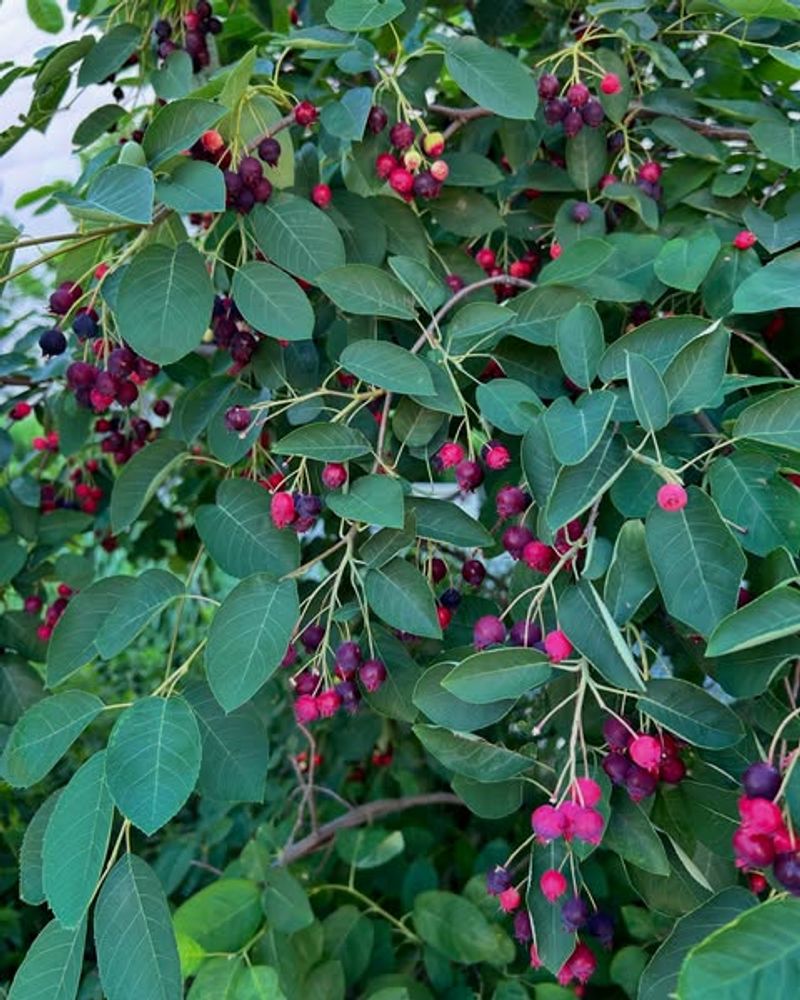
Feeders are a great starting point, but birds do not live on seeds alone. Native plants provide an incredible variety of natural food sources including berries, seeds, and the insects that many bird species absolutely depend on, especially during nesting season when protein-rich bugs are essential for raising chicks.
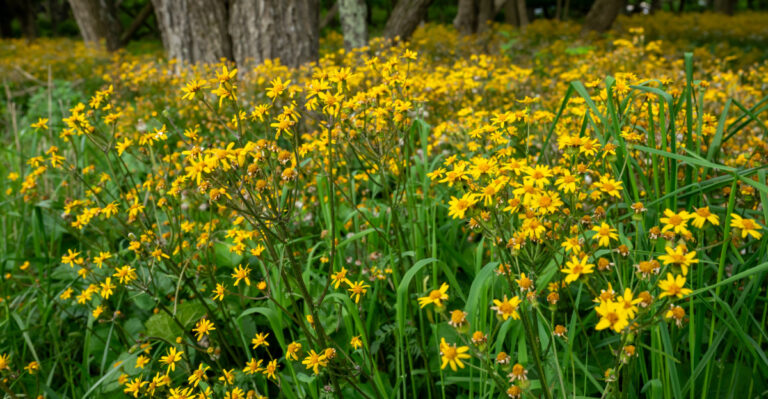
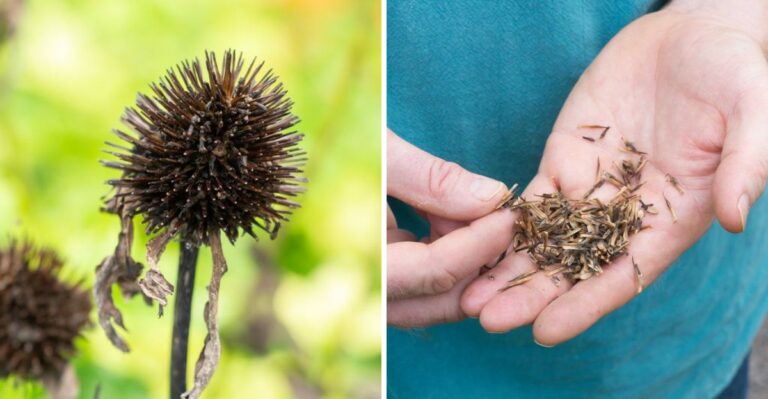
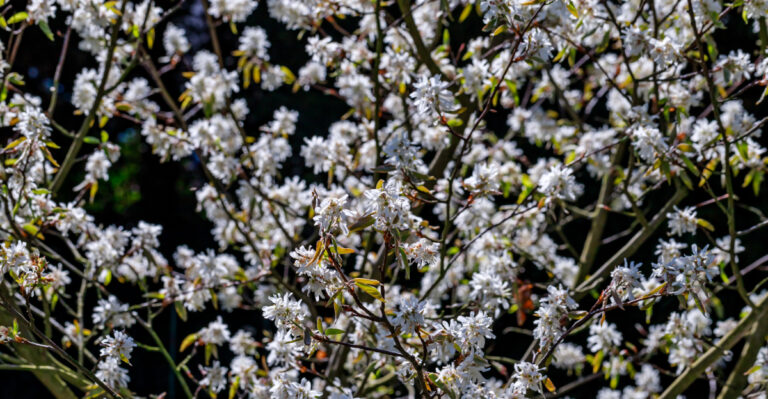
Michigan is home to dozens of native plants that birds love. Serviceberry, native viburnums, coneflowers, and black-eyed Susans are all fantastic choices.
Oak trees alone support hundreds of insect species, which in turn attract warblers, woodpeckers, and thrushes. Even a few native shrubs can make a noticeable difference in how many birds visit your property.
Non-native ornamental plants often look beautiful but offer very little wildlife value. They might produce berries that birds ignore or leaves that support almost no insect life.
Swapping even a portion of your landscaping for Michigan-native species creates a living buffet that draws birds naturally without relying on feeders at all. Native plants also require less maintenance once established, since they are adapted to local soil and climate conditions.
Starting small with just two or three native species is a perfectly reasonable approach that can yield impressive results in a single growing season.
4. No Fresh Water Source Is Available
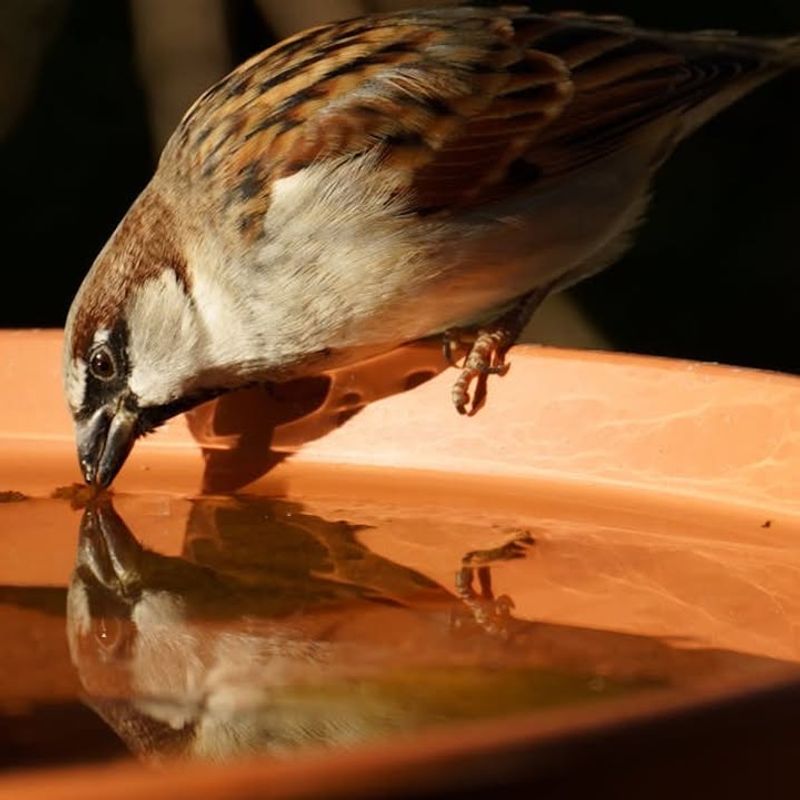
Food gets all the attention, but water might actually be the bigger draw for birds year-round. Birds need water not just for drinking but also for bathing, which helps them maintain healthy feathers that keep them warm and allow them to fly efficiently.
Without a reliable water source nearby, many birds simply will not bother stopping in your yard.
Michigan winters create a real challenge because most natural water sources freeze solid for weeks or months at a time. A heated bird bath is one of the best investments a Michigan bird watcher can make.
These units use a low-wattage heating element to keep water liquid even when temperatures drop well below freezing, giving birds access to something they desperately need in cold months.
In warmer seasons, a simple shallow dish or traditional bird bath works perfectly well. Birds prefer water that is no deeper than two inches, so they can stand comfortably while bathing.
Adding a small solar-powered fountain or dripper is a clever trick because moving water catches the attention of passing birds much more effectively than still water. Clean your bird bath at least once a week to prevent algae buildup and mosquito breeding.
Fresh, clean, accessible water genuinely transforms how many species visit your Michigan yard throughout the entire year.
5. Excessive Yard Noise Or Human Activity
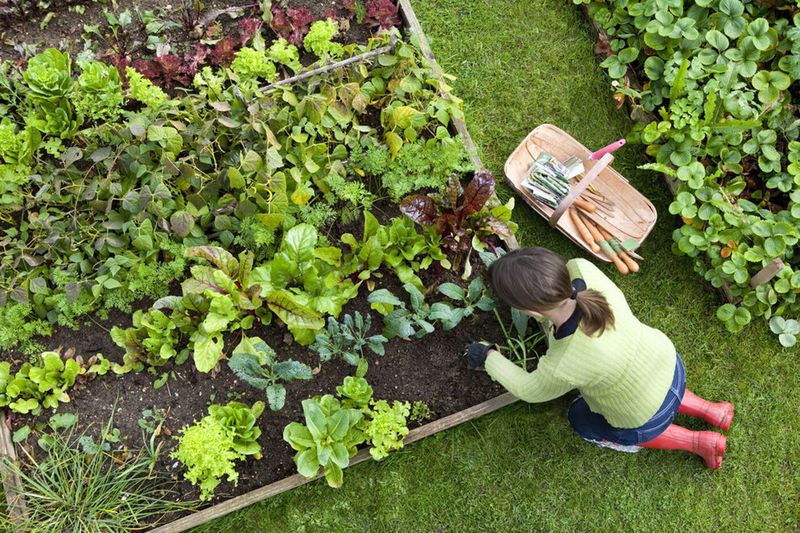
Birds are naturally cautious creatures, and they pick up on activity levels around your yard more than you might expect. If your outdoor space is constantly buzzing with noise, foot traffic, barking dogs, or loud machinery, birds will quickly learn that your yard is not a safe place to relax and feed.
They will redirect their energy toward quieter neighboring properties instead.
This does not mean you need to turn your yard into a silent nature sanctuary. Small adjustments can make a meaningful difference.
Placing feeders away from high-traffic areas like patios, driveways, and play areas gives birds a quieter corner where they feel more at ease. Even moving feeders just ten or fifteen feet from a busy zone can noticeably increase visits.
Timing also matters quite a bit. Early morning hours are when birds are most actively feeding, so trying to limit loud yard activities until mid-morning on weekends can help.
If you enjoy watching birds up close, consider sitting quietly at a distance and moving slowly when you are near feeders. Birds gradually become comfortable with calm, predictable human presence over time.
Consistency is the key. When birds learn that your yard follows a peaceful routine, they start treating it as a trusted stop rather than an unpredictable risk they would rather avoid.
6. Predators Are Present Nearby
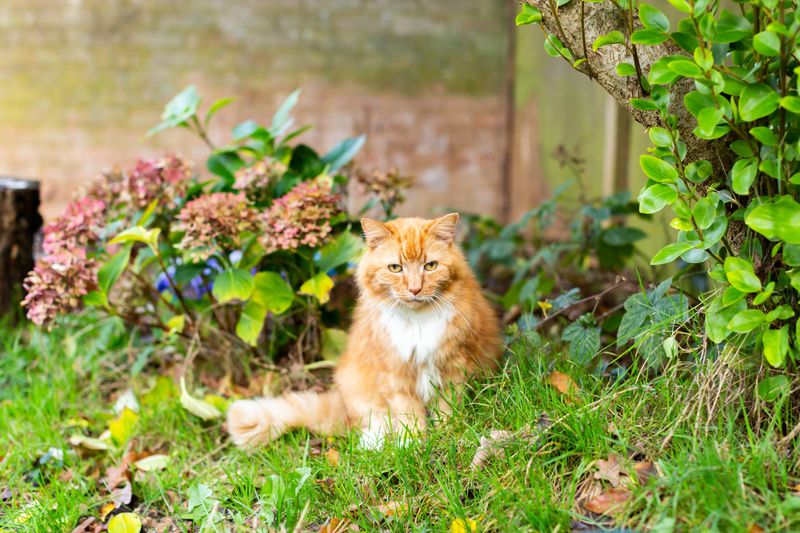
Even a single outdoor cat prowling near your feeder can shut down bird activity for an entire day. Birds are wired to recognize predator threats and will avoid any area where they sense danger.
Cats, hawks, Cooper’s hawks, and sharp-shinned hawks are all common in Michigan and can create a real sense of unease among your backyard bird community.
Outdoor cats are widely considered one of the biggest threats to wild birds across North America. Keeping pet cats indoors is the most effective solution, both for the safety of birds and for the long-term health of the cats themselves.
If neighborhood cats wander into your yard, motion-activated sprinklers can discourage them from hanging around feeders without causing them any harm.
Hawk visits are trickier to manage since they are a natural part of the ecosystem. Providing dense shrubs or brush piles near feeders gives smaller birds a quick escape route when a hawk appears overhead.
Birds actually feel safer feeding near cover because they know they can dart into hiding quickly if needed. Avoid placing feeders in wide-open spaces with no nearby shelter.
A feeder positioned about eight to ten feet from a dense shrub strikes the ideal balance between safety and visibility, encouraging more birds to visit with confidence throughout the day.
7. Feeders Are Placed In Unsafe Locations
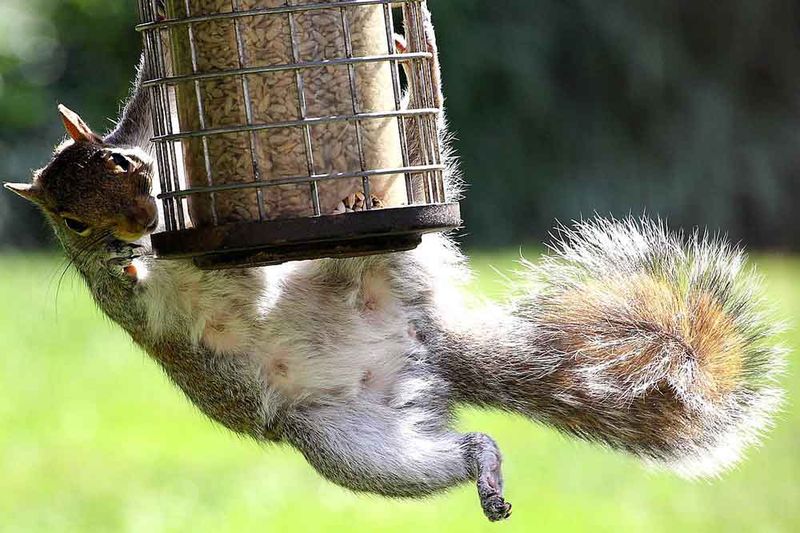
Where you hang your feeder matters just as much as what you put inside it. A feeder placed in the wrong spot can actually make birds more vulnerable rather than giving them a safe place to eat.
Many well-meaning bird enthusiasts hang feeders too close to windows, too far from cover, or in spots that make it easy for predators to sneak up undetected.
Window strikes are a serious concern. Birds that feed too close to glass can become confused by reflections and fly into windows at full speed.
To reduce this risk, place feeders either within three feet of a window or more than thirty feet away. At three feet or closer, birds do not have enough momentum to cause serious injury if a collision happens.
At thirty feet or farther, they have enough space to recognize the glass as a barrier.
Cover is equally important for placement decisions. Birds want to be able to see predators approaching while also having a quick escape route nearby.
Hanging a feeder in the middle of a wide-open lawn with no trees or shrubs within twenty feet leaves birds feeling exposed and anxious. Positioning feeders near native shrubs or small trees, ideally eight to twelve feet away, gives birds the perfect combination of visibility and security.
Getting placement right can dramatically increase the number and variety of species that stop by your Michigan yard.
8. Seasonal Migration Patterns Affect Bird Numbers
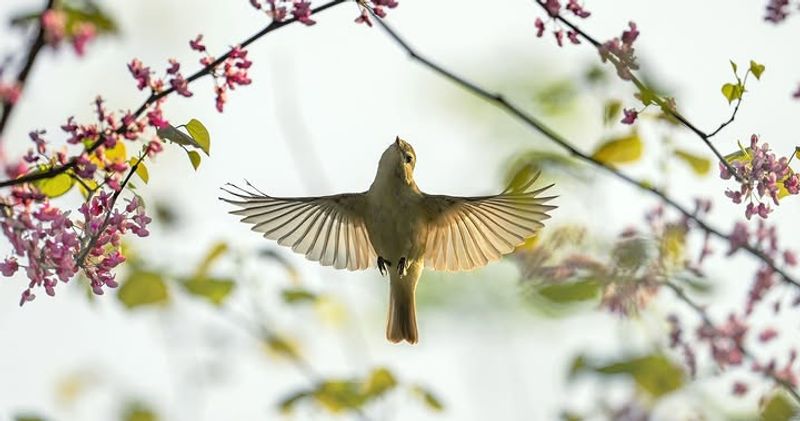
Sometimes the reason your yard feels quiet has nothing to do with anything you are doing wrong. Michigan sits in the middle of major bird migration corridors, which means bird populations naturally rise and fall depending on the time of year.
Understanding these seasonal shifts can save you a lot of frustration and help you plan for the best bird-watching windows.
Spring migration, typically from April through May, brings an exciting wave of warblers, thrushes, orioles, and hummingbirds moving north through Michigan. Fall migration from August through October sends many of those same species back south.
During these windows, your yard can suddenly host species you would never normally see. Setting out grape jelly and orange halves in spring attracts Baltimore orioles reliably, while suet cakes are a magnet for migrating woodpeckers in autumn.
Winter brings its own cast of characters. Species like dark-eyed juncos, American tree sparrows, and pine siskins move into Michigan from farther north and become regular feeder visitors through the colder months.
Summer can feel slower at feeders because natural food is abundant and birds are busy nesting. Keeping feeders stocked year-round still pays off because resident species like black-capped chickadees, nuthatches, and cardinals visit consistently in every season.
Tracking what birds are being spotted locally through apps like eBird helps you know exactly what to expect and when.
9. Incorrect Seed Type For Local Species
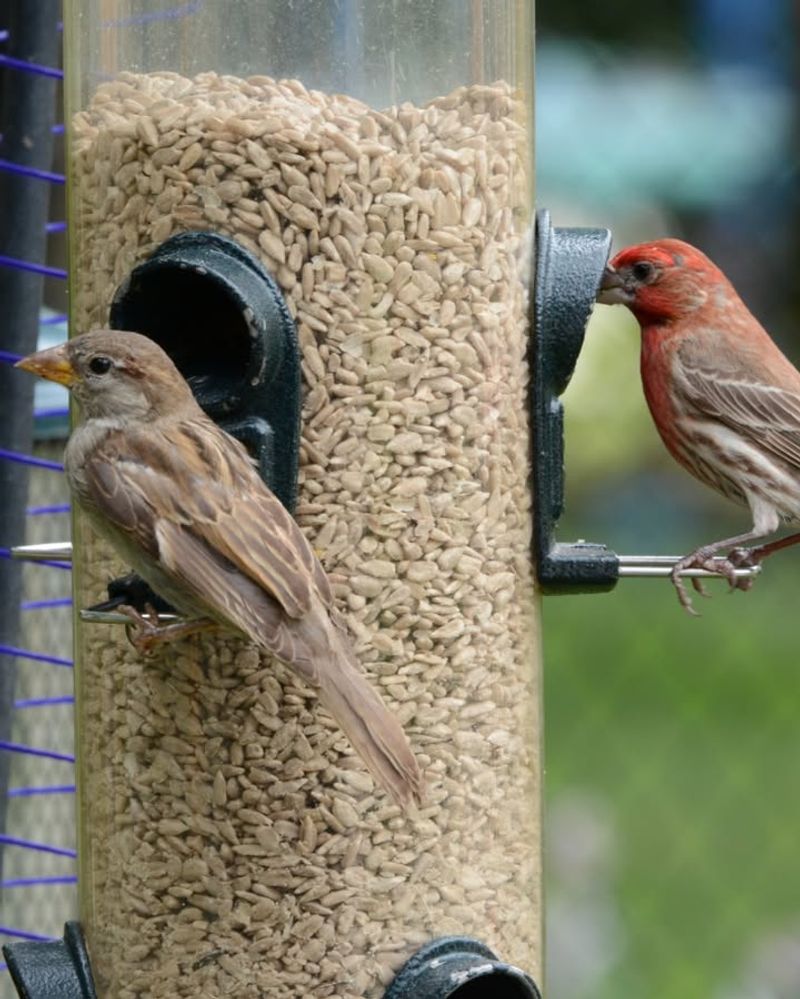
Not all birdseed is created equal, and buying the cheapest mixed bag at the grocery store is one of the most common mistakes backyard bird feeders make.
Many economy seed mixes are packed with fillers like red milo, wheat, and oat groats that most Michigan birds simply toss aside onto the ground without eating.
That wasted seed rots, attracts rodents, and does not serve the birds you actually want to attract.
Black oil sunflower seed is widely regarded as the single best all-around seed for Michigan birds. Cardinals, chickadees, nuthatches, finches, and woodpeckers all eat it readily.
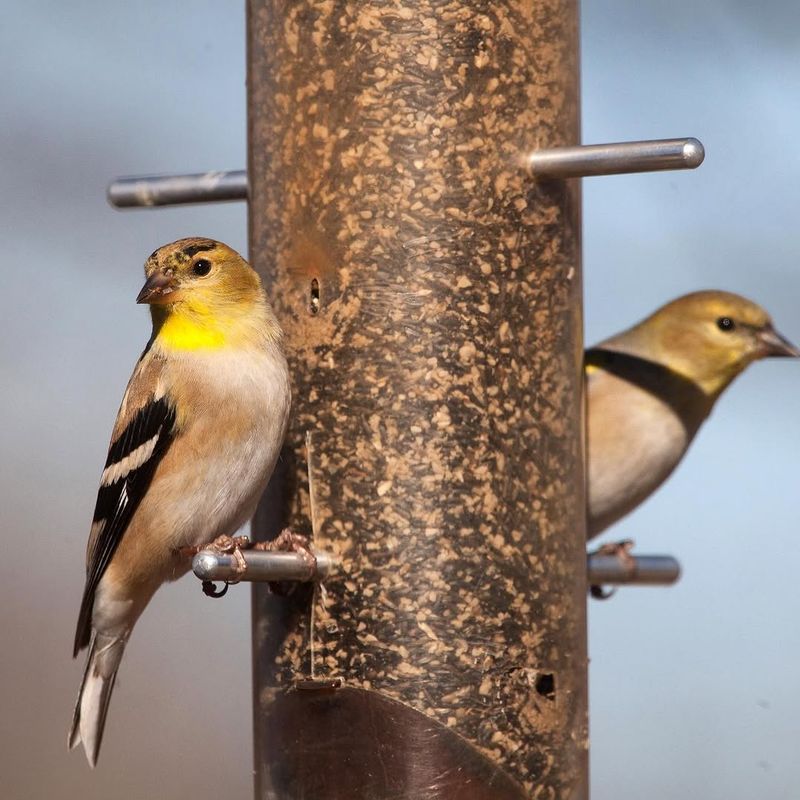
The thin shell makes it easy for smaller birds to crack open, unlike the thicker-shelled striped sunflower seeds. Nyjer seed, also called thistle, is the top choice for goldfinches and house finches and requires a specialized feeder with tiny ports to dispense it properly.
Safflower seed is another excellent option worth adding to your rotation. Cardinals love it, and squirrels tend to avoid it because of its slightly bitter taste, which is a genuine bonus for anyone dealing with feeder raiders.
White millet scattered on a platform feeder or the ground attracts juncos, sparrows, and doves effectively. Matching the right seed to the right feeder and the right local species is the kind of detail that separates a yard that birds ignore from one that stays busy with activity all year long.