Unique Plants To Grow In Michigan If You Love Cacti And Succulents
Most people don’t picture Michigan as cactus country, but that assumption misses a surprising opportunity. Cold winters and snowy stretches might not seem friendly to desert plants, yet certain cacti handle those conditions better than expected.
Gardeners across Michigan have started experimenting with hardy varieties that shrug off freezing temperatures and still bring that bold, sculptural look to outdoor spaces. It adds something completely different to a landscape that usually leans toward lush greens and soft textures.
There is also something satisfying about growing a plant people assume won’t survive. It turns a garden into a conversation piece without needing constant attention or complicated care routines.
The real trick comes down to choosing the right types and placing them where they can thrive. Once you see which cacti actually handle Michigan conditions, the whole idea starts to feel a lot more possible than it first sounded.
1. Snake Plant That Thrives On Neglect
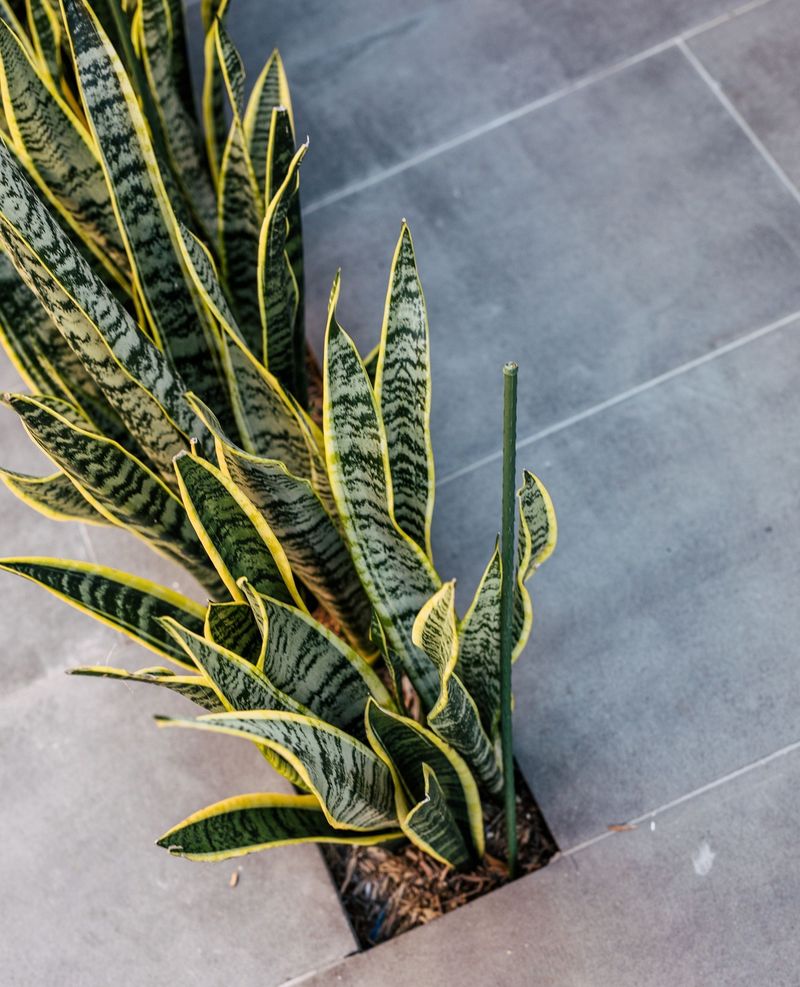
Few houseplants can match the boldness of a snake plant standing tall in the corner of a room. With its sharp, sword-shaped leaves striped in deep green and pale yellow, this plant looks like it belongs in a modern art museum.
Michigan residents love it because it handles the dry indoor air that comes with running the heat all winter long without breaking a sweat.
Snake plants are one of the most low-maintenance plants you can own. They do not need frequent watering, and they actually prefer to dry out completely between drinks.
Overwatering is the one thing you really want to avoid, since soggy roots can cause serious problems fast.
Place your snake plant near a bright window for best results, though it will also tolerate lower light conditions better than almost any other succulent-type plant. In Michigan, a south or west-facing window during the winter months gives it just enough sunshine to stay happy.
You can even move it to a shaded porch during the warmer Michigan summers for a little fresh air boost.
Snake plants are often described as air purifiers, but their effect on indoor toxins like formaldehyde and benzene in typical home conditions is minimal. They come in several varieties, including the compact bird’s nest snake plant and the towering laurentii.
Starting with one snake plant often leads to collecting several, and lucky for you, they multiply easily through leaf cuttings or by dividing the root clumps.
2. Jade Plant With Classic Succulent Charm
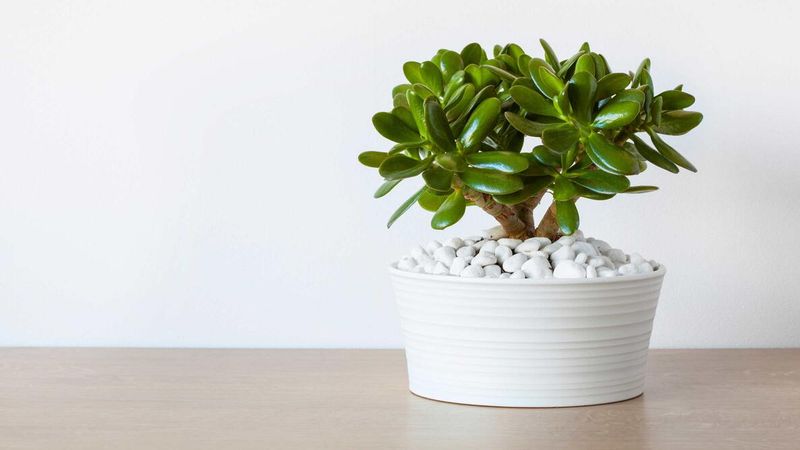
Walk into almost any Michigan home and there is a good chance you will spot a jade plant sitting proudly on a windowsill, soaking up the afternoon sun. This classic succulent has been a household favorite for generations, and for good reason.
Its thick, glossy oval leaves store water efficiently, making it incredibly forgiving for beginners who sometimes forget to water their plants.
Jade plants can live for decades when cared for properly, and some even grow into small tree-like shapes that become true conversation pieces. They prefer bright, indirect light and only need watering every couple of weeks during the growing season.
Your Michigan Garden Changes Every Week. Your Plan Should Too.
Gardening in Michigan changes quickly throughout the season. Every Friday you’ll receive a simple weekly plan showing exactly what to plant, prune, fertilize, harvest, and protect so you never miss the right timing.
In Michigan winters, you can cut back watering even further since the plant naturally slows down its growth during colder months.
One fun fact about jade plants is that in many cultures, they are considered symbols of good luck and prosperity, which is why they are often gifted at housewarmings or business openings. If you want to encourage a jade plant to bloom, try exposing it to cooler nighttime temperatures in the fall, which mimics the natural seasonal shift it would experience outdoors.
Repotting a jade plant every few years in fresh, well-draining cactus mix keeps it growing strong. Michigan gardeners who want to bring a little outdoor flair inside during the long winters will find that a jade plant adds warmth, texture, and a touch of living color to any space without demanding too much attention.
3. Aloe With Easy Care And Useful Leaves
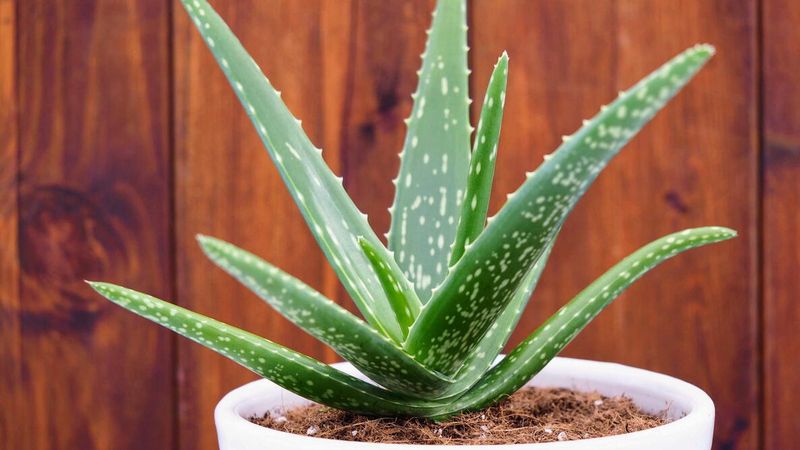
The thick, fleshy leaves hold a clear gel that has been used for centuries to soothe sunburns, minor cuts, and skin irritations. Having one on your kitchen windowsill means you always have a natural first-aid remedy within arm’s reach.
Growing aloe successfully in Michigan is mostly about getting the watering schedule right. These plants store water in their leaves, so they need far less moisture than most houseplants.
A good rule of thumb is to water deeply, then wait until the soil is completely dry before watering again, which in Michigan winters might mean watering only once a month.
Aloe plants love bright, direct sunlight, so a south-facing window is ideal during the colder Michigan months. During summer, you can move your aloe outside to a sunny patio or deck, where it will soak up the warmth and reward you with impressive growth.
Just be sure to bring it back inside before the first frost hits in the fall.
Aloe plants also produce offsets, which are small baby plants that sprout around the base of the mother plant. These can be carefully separated and potted individually, giving you a whole collection to share with friends and family.
With their architectural shape and practical benefits, aloe plants are both beautiful and genuinely useful additions to any Michigan home throughout the year.
4. Agave That Brings Bold Desert Style
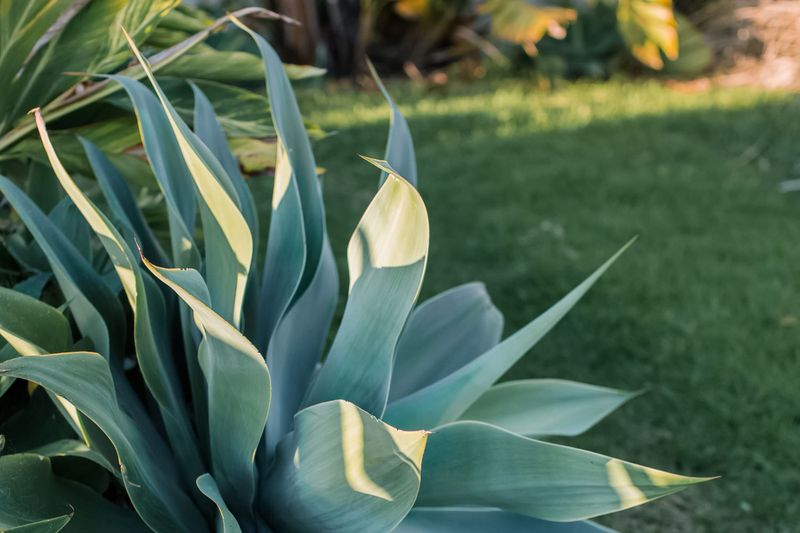
There is something undeniably dramatic about an agave plant. Its thick, pointed leaves radiate outward like a natural sculpture, commanding attention wherever it is placed.
Agave plants have a reputation for being tough, and they absolutely live up to it, making them a fantastic choice for Michigan gardeners who want a bold statement plant with minimal fuss.
Agaves thrive in full sun and well-draining soil, which means they do best in sandy or amended garden soil or in containers with a gritty cactus mix. In Michigan, growing most agave in containers is necessary because they are not cold-hardy and must be moved indoors when temperatures drop in the fall.
A bright, sunny spot near a large window will keep them comfortable through the long Michigan winter months.
During the warm summer months, agave plants can live happily on a sunny Michigan patio or in a rock garden where the drainage is excellent. They are remarkably drought-tolerant once established, needing very little water compared to traditional garden plants.
Just be cautious when handling them since the leaf tips are sharp enough to cause a serious poke.
One fascinating thing about agave is that most varieties only bloom once in their entire lifetime, sending up a towering flower spike that can reach impressive heights before the main plant finishes its life cycle. While this blooming event is rare and takes many years to occur, it is truly a spectacular sight.
Agave plants are slow-growing and long-lived, making them a rewarding investment for any dedicated Michigan plant lover.
5. Hoya With Waxy Leaves And Unique Blooms
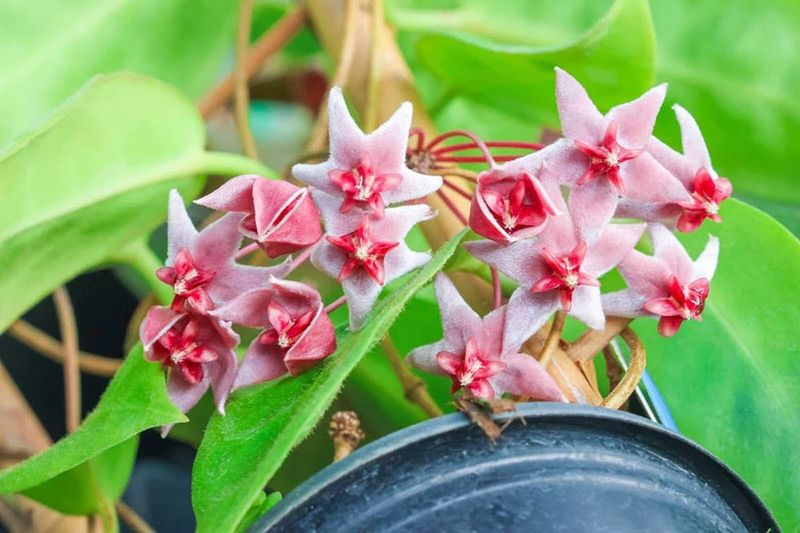
If you have ever seen a hoya plant in full bloom, you already know why people become obsessed with them. The flowers are tiny, perfectly star-shaped, and often look like they were carved from porcelain, sometimes even appearing to have a light dusting of sugar on them.
Hoyas are technically classified as succulents because of their thick, moisture-storing leaves, and they are wonderfully well-suited to Michigan indoor living.
Hoyas prefer bright, indirect light and do not like to be overwatered. In Michigan homes during winter, where indoor heating can dry out the air significantly, hoyas appreciate an occasional misting or being placed near a humidifier.
Their waxy leaves help them retain moisture, which is exactly why they handle dry indoor conditions better than many other tropical plants.
One thing hoya collectors love is the incredible variety available. From the classic hoya carnosa with its curling leaves to the dramatic hoya kerrii with its heart-shaped pads, there is a hoya for every personality and space.
They look stunning in hanging baskets or trained around a small trellis, and they grow happily in Michigan windows year-round without needing much intervention.
Hoyas are also known for being long-lived plants that reward patience. Some growers report that their hoyas have bloomed for decades with the same basic care routine.
If you are looking for a plant that combines exotic beauty with easygoing needs and fits perfectly into the Michigan indoor gardening lifestyle, hoya is absolutely worth adding to your collection without hesitation.
6. Holiday Cactus That Blooms When Others Rest
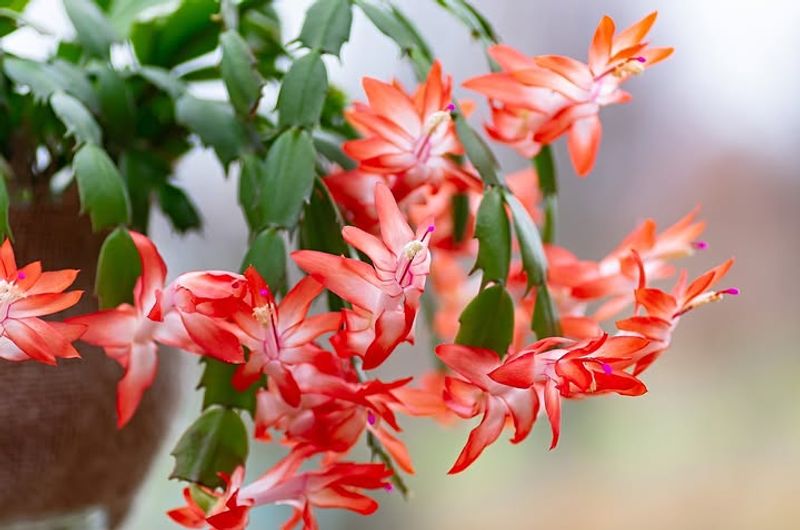
Every December in Michigan, holiday cacti seem to appear on porches, mantels, and windowsills across the state, and there is a very good reason for that. These cheerful plants bloom right in the middle of the cold season, bursting into color with tubular flowers in shades of pink, red, white, and purple just when the Michigan landscape outside looks its most gray and bare.
They are genuinely one of the most festive plants you can own.
Holiday cacti, which include Christmas cactus, Thanksgiving cactus, and Easter cactus, are actually native to the tropical rainforests of Brazil, which means they prefer slightly different conditions than their desert cactus cousins. They like indirect light, moderate humidity, and regular watering during the growing season.
In Michigan homes, keeping them away from heat vents and cold drafts helps them stay healthy and bloom reliably each year.
Getting a holiday cactus to rebloom takes a little planning. About six to eight weeks before you want flowers, reduce watering and make sure the plant gets cooler temperatures at night, ideally between 50 and 60 degrees Fahrenheit.
Michigan autumns are actually perfect for this since nighttime temperatures naturally drop during September and October, making it easy to trigger blooming without much extra effort.
Holiday cacti are also surprisingly long-lived plants. Some families pass them down through generations, and there are documented plants that are well over one hundred years old still blooming faithfully every season.
If you want a plant that becomes a cherished Michigan household tradition, the holiday cactus is a deeply satisfying choice that never gets old.
7. Hens And Chicks That Spread With Ease
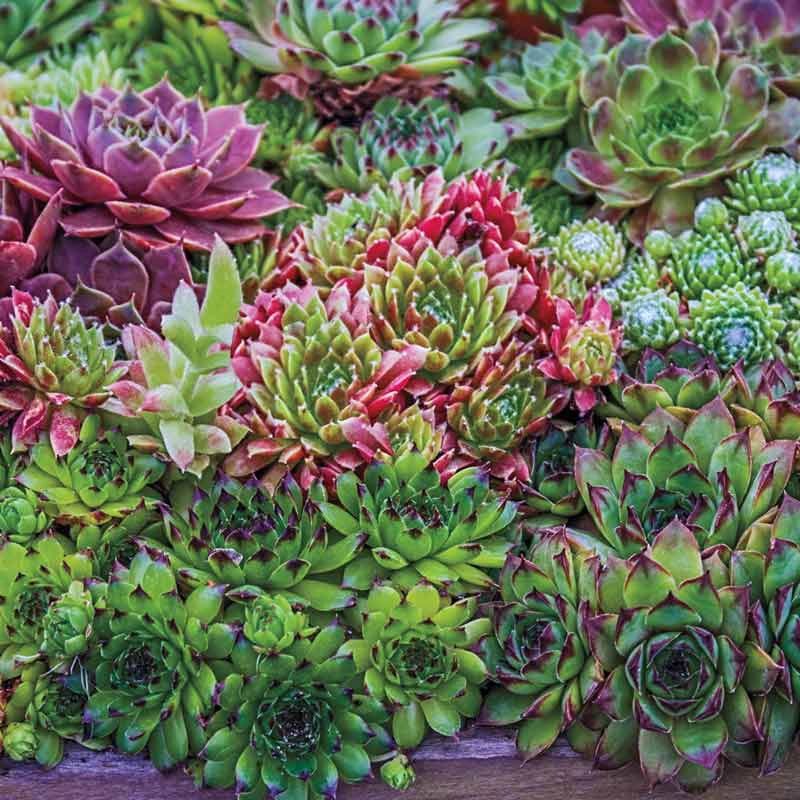
Hens and chicks might have the most charming name in the entire plant world, and the plants themselves are just as delightful as their nickname suggests. These tough little succulents form tight rosettes that spread by producing tiny offset plants around the base of the main rosette, which is how they earned their endearing name.
Michigan gardeners appreciate them because they are one of the few succulents that can survive Michigan winters outdoors when planted in well-draining soil and protected from excess moisture.
Hardy in USDA zones 3 through 8, hens and chicks can handle the freezing temperatures that Michigan winters regularly dish out. They thrive in rock gardens, along stone pathways, in shallow containers, or even tucked into the cracks of a garden wall.
The key is excellent drainage since standing water around the roots during a Michigan winter freeze is something they cannot tolerate well.
The variety available in hens and chicks is genuinely impressive. Colors range from soft green to deep burgundy, silver-gray, and even bright red, depending on the variety and how much sun they receive.
More sunlight tends to bring out richer, more vibrant colors in the leaves, so a full-sun Michigan garden bed is the ideal spot for showing off their best coloring throughout the growing season.
In spring, the rosettes that survived the Michigan winter will begin producing fresh new chicks, filling in gaps and expanding their little colony. Hens and chicks are practically effortless once established, needing almost no watering once they settle in.
For a low-effort, high-reward outdoor succulent in Michigan, nothing quite beats the cheerful reliability of hens and chicks year after year.
8. Euphorbia With Striking Unusual Shapes
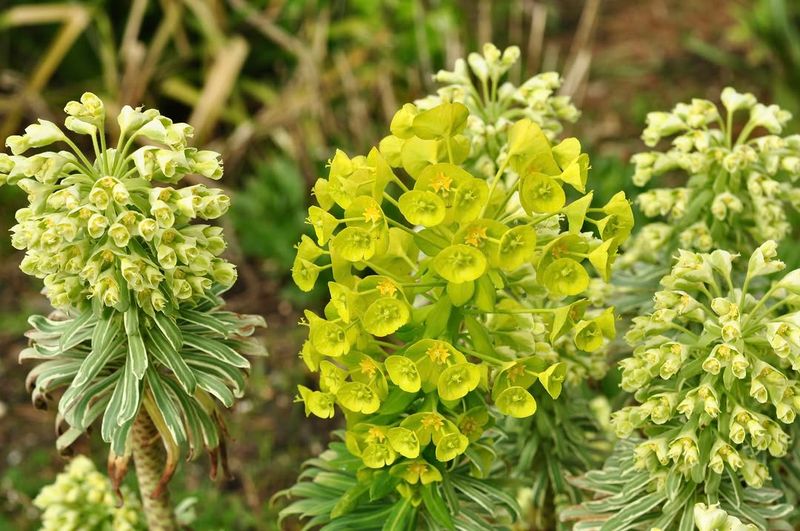
Many of them look almost exactly like cacti, with spiny, thick stems and dramatic sculptural shapes, but they are not actually related to true cacti at all. They belong to an entirely different plant family and come from Africa and Madagascar rather than the Americas.
Still, their cactus-like appearance and low-water needs make them hugely popular among Michigan succulent enthusiasts who love that bold, desert-inspired look.
One of the most popular euphorbias for Michigan indoor growing is Euphorbia trigona, also known as the African milk tree, which grows tall and upright with deep green stems edged in small leaves. Another favorite is Euphorbia milii, the crown of thorns, which produces cheerful little flowers in red, yellow, or pink and blooms almost continuously when given enough light.
Both varieties handle the dry indoor air of a Michigan winter home with impressive ease.
An important thing to know about euphorbias is that they produce a milky white sap when cut or damaged, and this sap can irritate skin and eyes. Always wear gloves when handling them and keep them out of reach of curious pets and small children.
Beyond that safety note, they are genuinely straightforward plants to care for in a Michigan home setting.
Euphorbias prefer bright light and infrequent watering, much like true cacti. A south-facing Michigan window is ideal, and during the summer months, they appreciate being moved outside to a sunny spot.
Their architectural beauty and tough nature make them a standout addition to any Michigan succulent collection worth building.