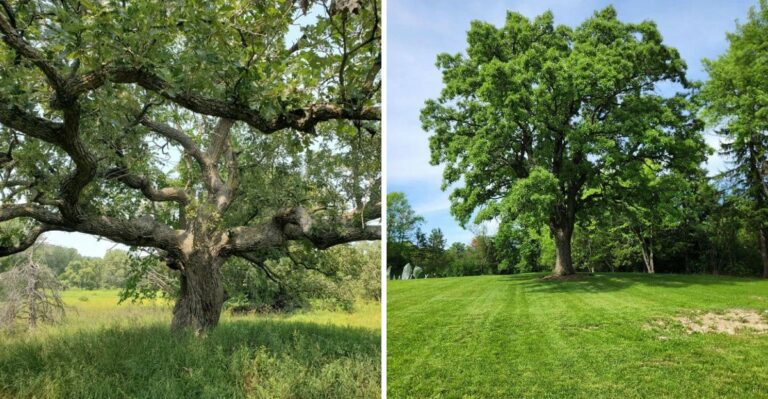
This Is How Texas Gardeners Turn Kitchen Scraps Into Nutrient-Rich DIY Fertilizer
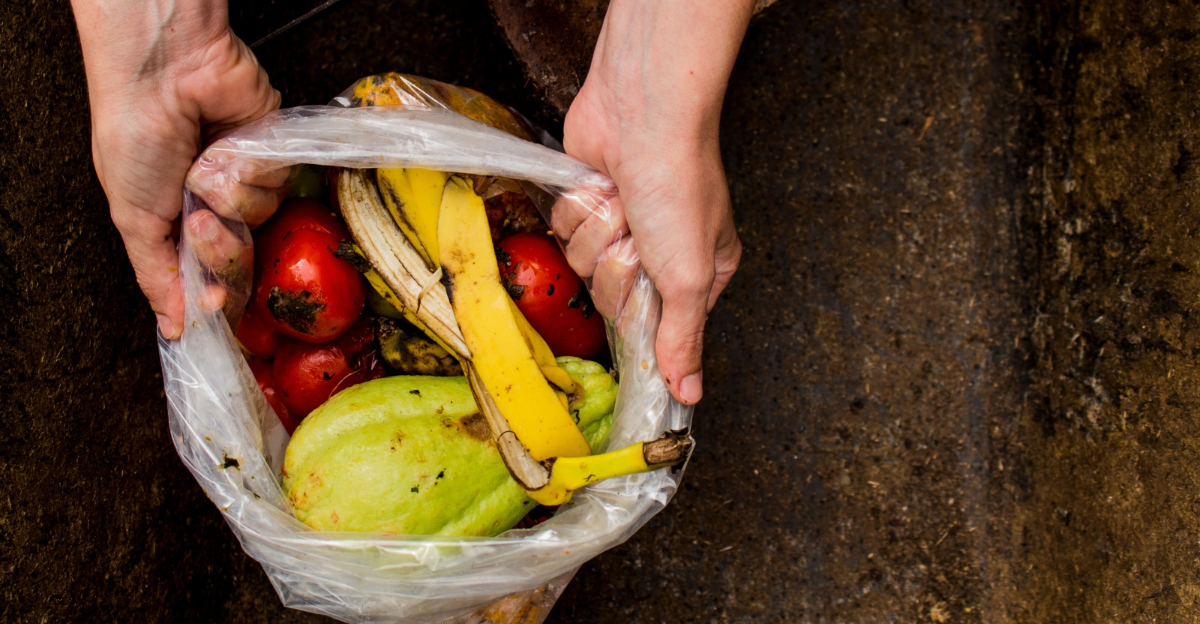
Vegetable peels usually end up in the trash without a second thought. In Texas gardens, those same scraps can become one of the most valuable soil boosters you have.
Banana skins, coffee grounds, and crushed eggshells hold nutrients that tired clay beds in North Texas and sandy Gulf Coast plots can truly use. With long summers, sudden downpours, and stretches of drought, Texas soil takes a beating year after year.
Gardeners across the state have figured out how to turn everyday kitchen leftovers into dark, crumbly compost that supports stronger vegetables, fuller flower beds, and healthier roots. The process does not require fancy equipment or complicated systems.
It depends on smart balance, steady moisture, and understanding how heat works in a Texas backyard. What once filled a trash bag can slowly transform into nutrient-rich fertilizer that feeds tomatoes, peppers, herbs, and fruit trees.
That shift feels practical, sustainable, and surprisingly satisfying.
1. Collect And Store Kitchen Scraps Safely Indoors
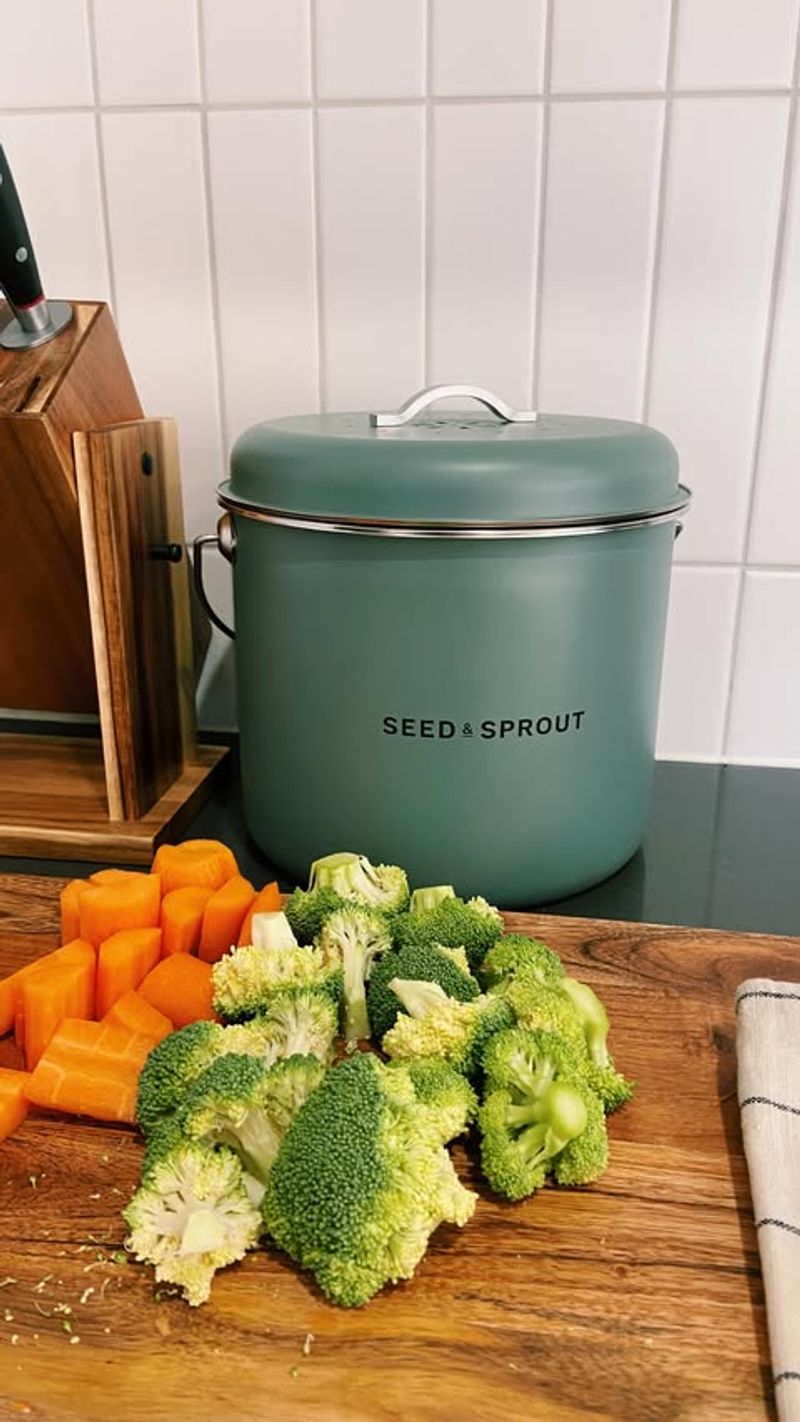
A simple countertop bin can completely change how you view everyday food scraps. Instead of tossing banana peels and vegetable trimmings into the trash, many Texas gardeners keep a small, lidded container near the sink so scraps can be collected naturally during meal prep.
That small habit quickly adds up, especially in homes where fresh produce is part of daily cooking.
Stainless steel or BPA-free plastic bins with charcoal filters are commonly used to reduce odors indoors. Fruit and vegetable peels, coffee grounds and filters, crushed eggshells, and tea bags without staples are all appropriate additions.
Small amounts of plain rice or bread are acceptable, though large portions can compact easily in a pile.
Meat, dairy, oily foods, and heavily seasoned leftovers are not recommended for most backyard compost systems because they tend to attract pests and decompose differently than plant-based materials.
Texas heat speeds up breakdown, even indoors. During summer, emptying the bin every one to two days helps prevent odors.
Some gardeners freeze scraps in sealed bags until they are ready to add them to the outdoor pile, which can be especially useful during long stretches of extreme heat across Central and North Texas.
2. Choose A Composting Method That Fits Your Texas Space
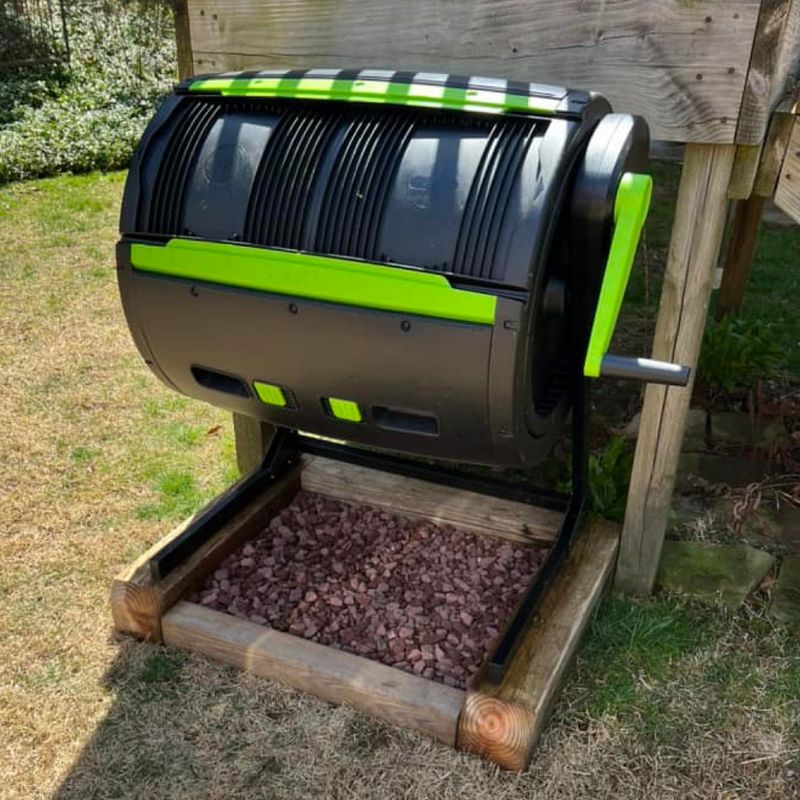
Composting can work in nearly every part of Texas, though the setup should reflect your available space and local climate conditions. A suburban yard in San Antonio calls for a different system than a shaded patio in Houston or a wind-exposed property in West Texas.
Matching your approach to your environment makes the process smoother and more manageable.
Tumbler composters remain popular because they help limit pest access and retain heat during the milder stretches of spring and fall. Open wooden or wire bins suit gardeners who generate larger volumes of leaves and grass clippings, especially in neighborhoods with established trees.
Vermicomposting provides another option for small spaces. Red wigglers convert kitchen scraps into nutrient-rich castings that can be blended into garden beds and containers.
Worms tend to perform best between roughly 55°F and 85°F, so summer temperatures inside garages or on patios may require extra shade, ventilation, or relocation to keep conditions stable. Choosing a method that aligns with your space and seasonal patterns supports steady, long-term results.
Your Texas Garden Changes Every Week. Your Plan Should Too.
Gardening in Texas changes quickly throughout the season. Every Friday you’ll receive a simple weekly plan showing exactly what to plant, prune, fertilize, harvest, and protect so you never miss the right timing.
3. Pick A Shaded, Well-Drained Compost Location
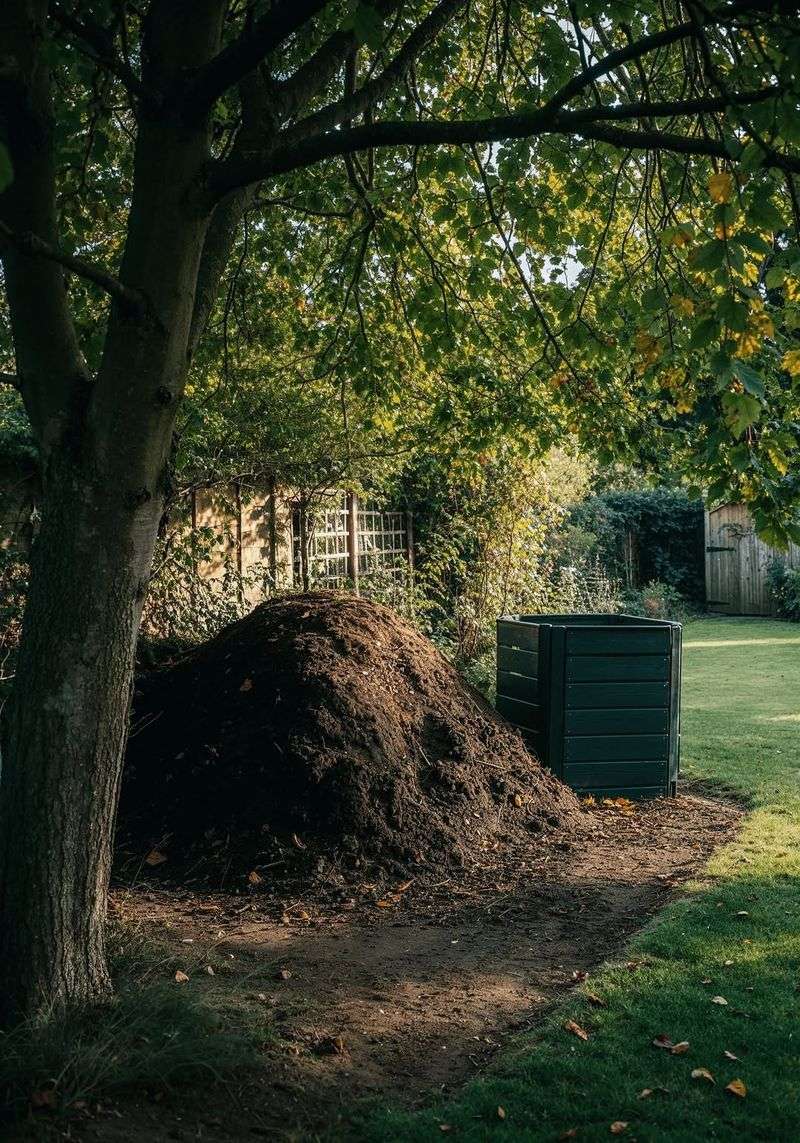
Location can influence compost performance dramatically in Texas. Intense summer sun dries exposed piles quickly, slowing microbial activity and creating uneven breakdown.
Morning sun combined with afternoon shade often provides balance. In Central Texas, mature live oaks or pecan trees naturally provide filtered light.
Where shade trees are limited, especially in West Texas, a simple shade cloth over a bin can help moderate surface temperatures.
Good drainage matters just as much as shade. Compost placed directly on soil allows beneficial organisms to migrate upward into the pile.
Avoid placing bins in low areas that collect standing water after heavy rains, particularly along the Gulf Coast. Excess moisture can limit airflow and encourage anaerobic conditions, leading to unpleasant smells.
A slightly elevated, well-drained site supports steady airflow, balanced moisture, and healthier microbial activity throughout the year.
4. Chop Scraps Into Smaller Pieces For Faster Breakdown
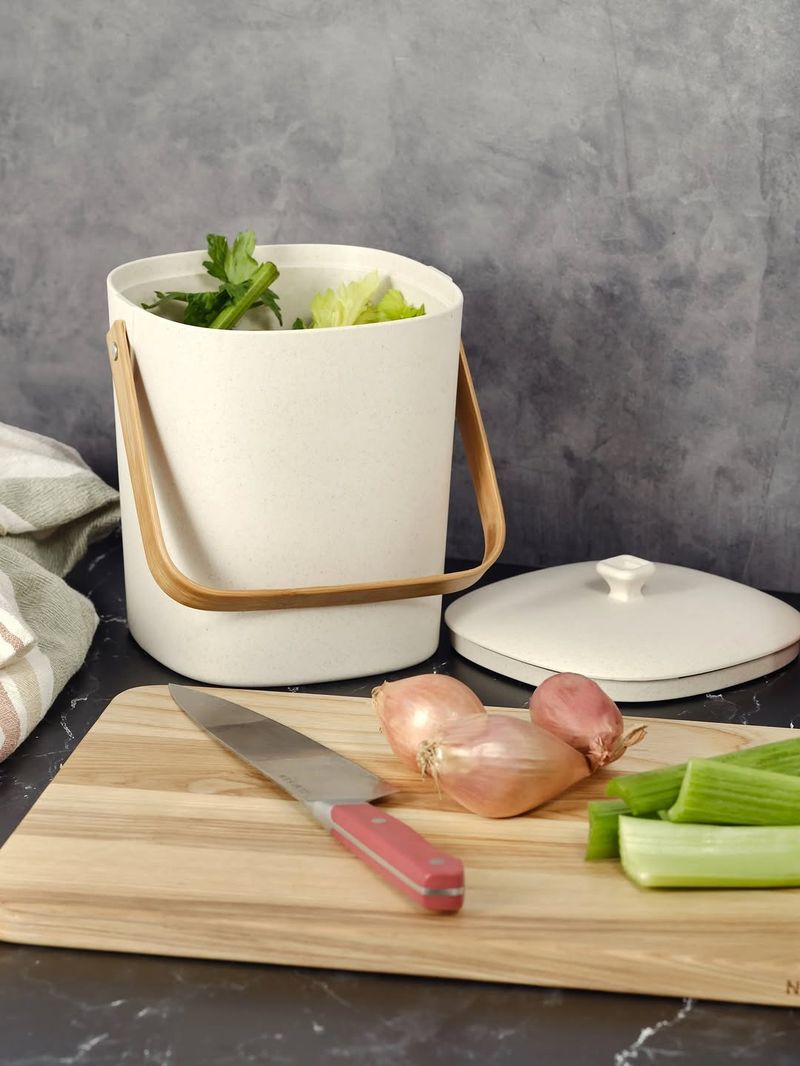
Particle size plays a noticeable role in compost speed. Larger scraps take longer to decompose because microbes work from the outside inward.
Cutting fruit rinds, vegetable stems, and leafy trimmings into smaller pieces increases surface area and allows microbes to access nutrients more efficiently.
Keeping a dedicated cutting board near your compost bin can make this habit easier to maintain. Some gardeners blend scraps with water into a loose slurry before mixing them into brown materials, which can encourage quicker breakdown when done carefully.
Citrus peels, common in Texas kitchens, are acceptable in moderate amounts. Finely chopping them helps integrate them into the pile more evenly.
Eggshells break down slowly, but crushing them into smaller fragments supports gradual calcium availability.
In warm Texas conditions, chopped materials in a balanced, well-managed pile can begin breaking down more quickly than larger, intact scraps.
5. Layer Greens And Browns For Proper Nutrient Balance
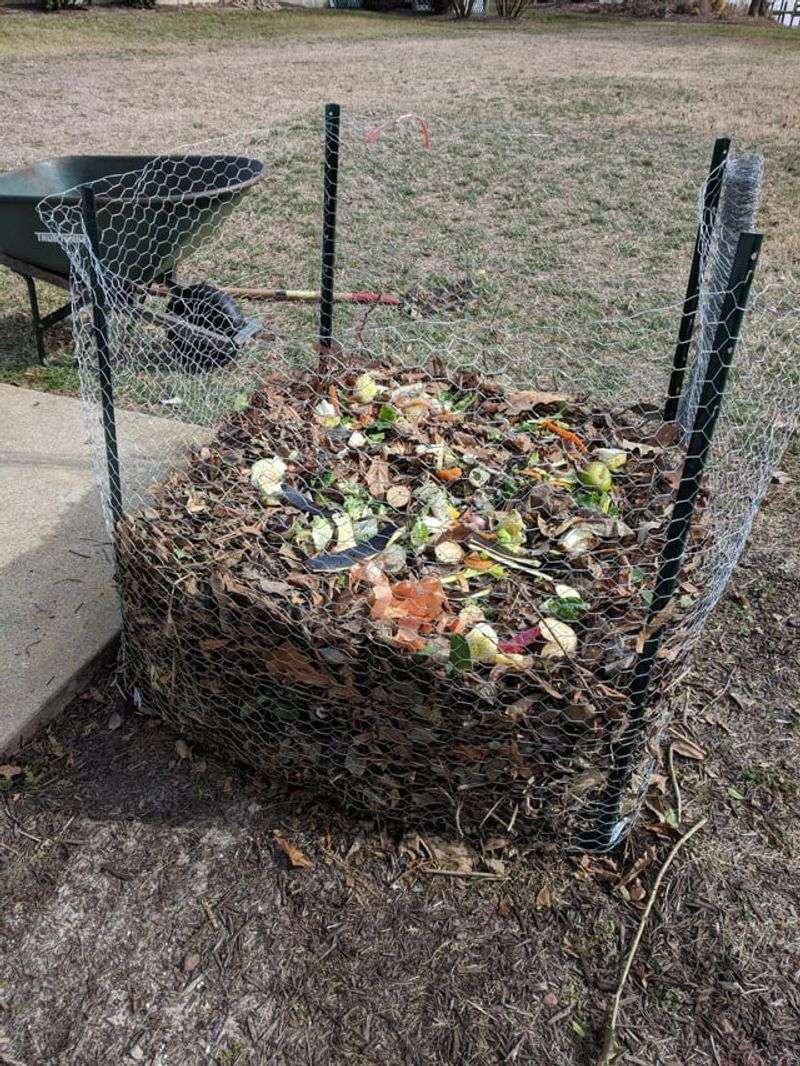
Balanced compost depends on combining nitrogen-rich greens with carbon-rich browns in thoughtful proportions. Kitchen scraps and fresh grass clippings contribute nitrogen that fuels microbial activity.
Dry leaves, shredded cardboard, paper, and straw provide carbon that adds structure and stability to the pile.
A widely accepted guideline is to use about two to three parts brown material for every one part green material by volume. This proportion encourages steady microbial growth while helping limit odor concerns.
In fall, many Texas neighborhoods generate generous amounts of fallen leaves. Saving those leaves for later use makes it much easier to balance kitchen scraps throughout the year.
A noticeable ammonia smell usually signals excess nitrogen, suggesting that additional browns should be layered in. If the pile looks dry and slow to break down, adding more greens along with light moisture can help restore activity.
Making small, gradual adjustments supports steady decomposition across Texas growing seasons.
6. Monitor Moisture Levels In Texas Heat And Drought
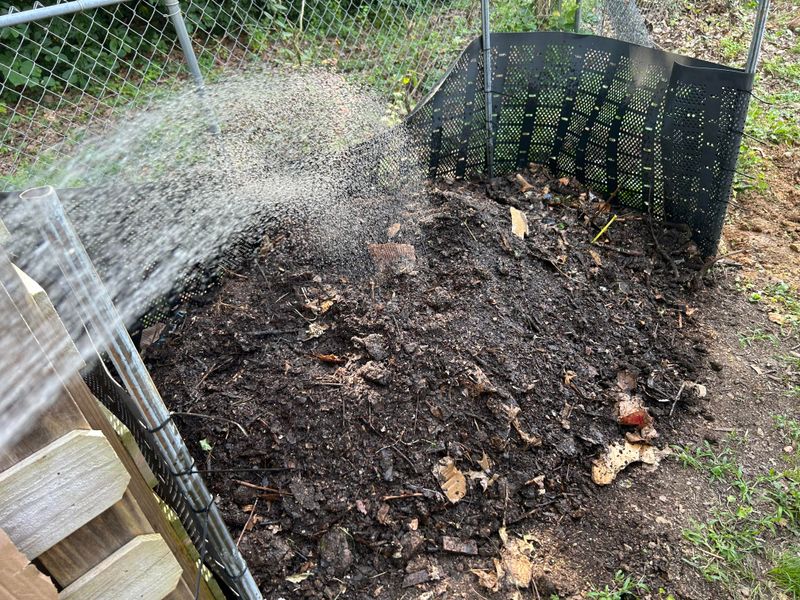
Moisture levels shift quickly in Texas. A pile that feels ideal in April can dry out rapidly by June.
Microorganisms require moisture to function effectively. The squeeze test remains reliable.
Compost should feel like a wrung-out sponge, damp but not dripping.
During extended drought periods in areas like Waco or the Rio Grande Valley, watering every few days may be necessary. A soaker hose placed around the base of an open bin can provide even moisture without disturbing the pile structure.
Adding water gradually rather than soaking the pile all at once helps prevent runoff and uneven saturation. It also helps to check moisture deeper inside the pile, not just on the surface, since the outer layer can dry faster than the center.
Covering the pile with burlap, straw, or a breathable tarp can reduce evaporation during extreme heat. After heavy rains, mixing in dry browns can restore balance.
Consistent moisture supports steady decomposition across Texas climates.
7. Turn Or Aerate The Compost Regularly
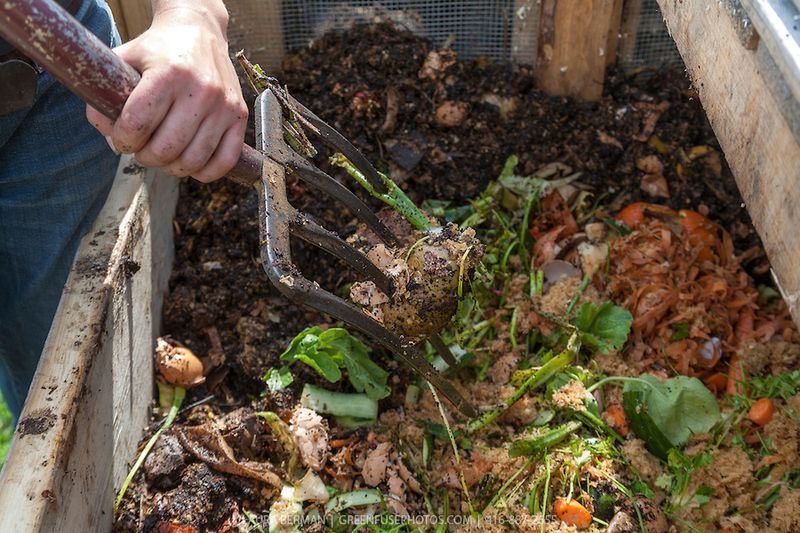
Airflow fuels aerobic microbes that efficiently break down organic material. Without oxygen, compost can compact and produce strong odors.
Turning the pile every one to two weeks during active composting seasons redistributes heat and moisture. Moving outer materials toward the center ensures more even breakdown.
Well-managed hot compost piles can reach internal temperatures between about 130°F and 160°F, though smaller backyard systems may not consistently reach those levels. In peak summer heat, frequent turning can increase moisture loss, so slightly longer intervals between turns may help maintain balance.
Using a pitchfork or compost aerator helps loosen compacted layers and improve circulation without completely dismantling the pile. Breaking up dense clumps as you turn also prevents soggy pockets from forming after heavy rain.
In cooler months across North Texas and the Panhandle, microbial activity slows naturally, so turning frequency can decrease without harming the process.
8. Check For Signs Of Finished Compost
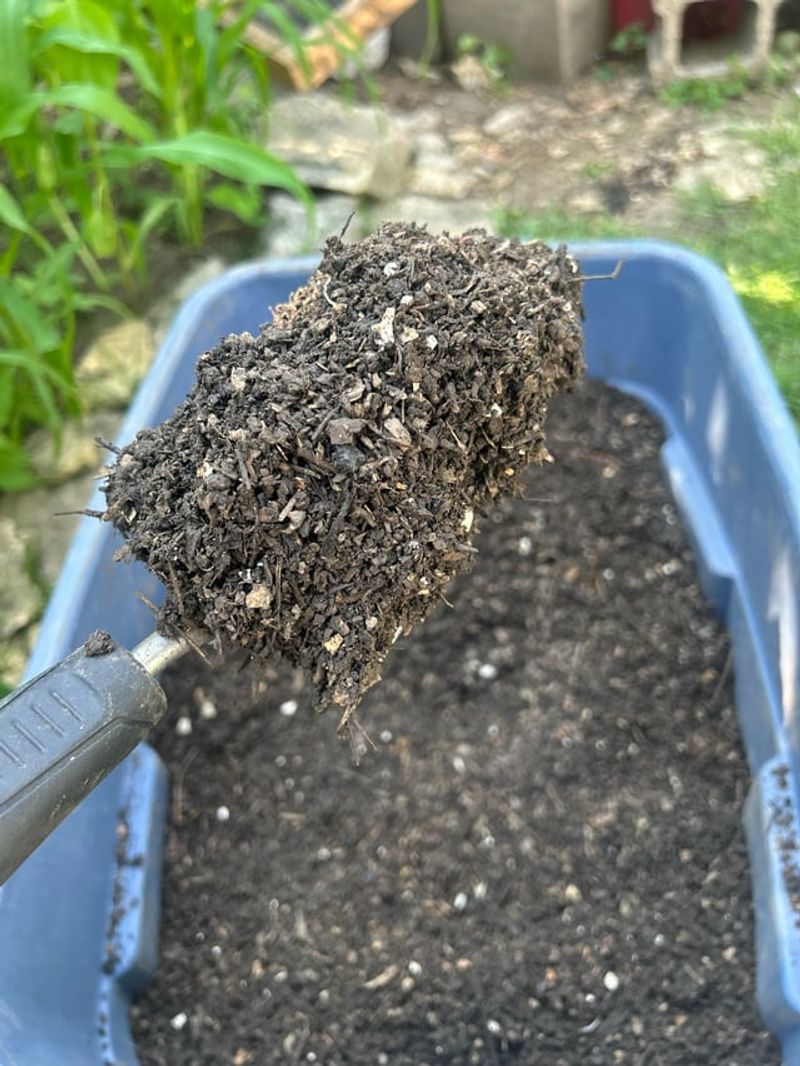
Finished compost looks and smells distinctly different from raw scraps. It should appear dark brown to nearly black, feel crumbly, and carry an earthy scent.
When recognizable food pieces disappear and the texture becomes uniform, the compost approaches maturity. Small bits of eggshell or woody stems may remain and are generally harmless.
Temperature provides another clue. As microbial activity slows, the pile no longer reheats significantly after turning and gradually stabilizes near ambient air temperature.
The volume of the pile also shrinks noticeably compared to when you first started, often reducing by nearly half. The material should no longer feel sticky or slimy, even after light watering.
Sifting a small portion through your hands can reveal a fine, soil-like consistency without large, fresh scraps. If in doubt, letting the pile sit a little longer rarely causes harm and often improves overall stability.
These combined signs help Texas gardeners determine when compost is ready for the curing phase.
9. Allow Compost To Cure Before Use
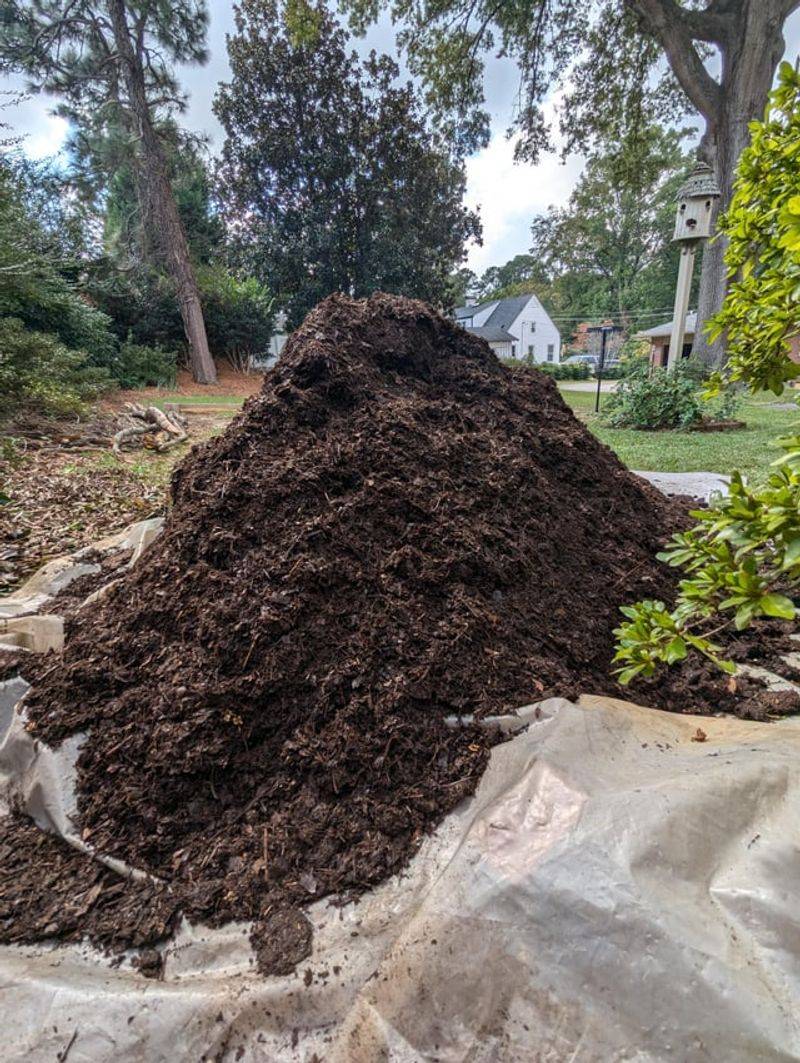
Even after active decomposition slows, compost benefits from a short resting period. Curing allows remaining organic materials to stabilize and supports a more balanced nutrient profile.
Two to four weeks of curing in a separate pile or bin is commonly recommended. Keep the material lightly moist and mostly undisturbed.
During mild Gulf Coast winters, curing can occur outdoors without issue. In colder North Texas regions, covering the pile helps protect microbial communities during occasional freezes.
This resting phase also gives beneficial fungi and soil organisms time to continue refining the material at a slower pace. The texture often becomes finer and more uniform as larger fragments finish breaking down.
A steady, earthy smell and consistent dark color signal that the compost has settled properly. Well-cured compost blends more easily into soil and supports steady nutrient release once applied.
10. Apply Finished Compost To Garden Beds And Containers
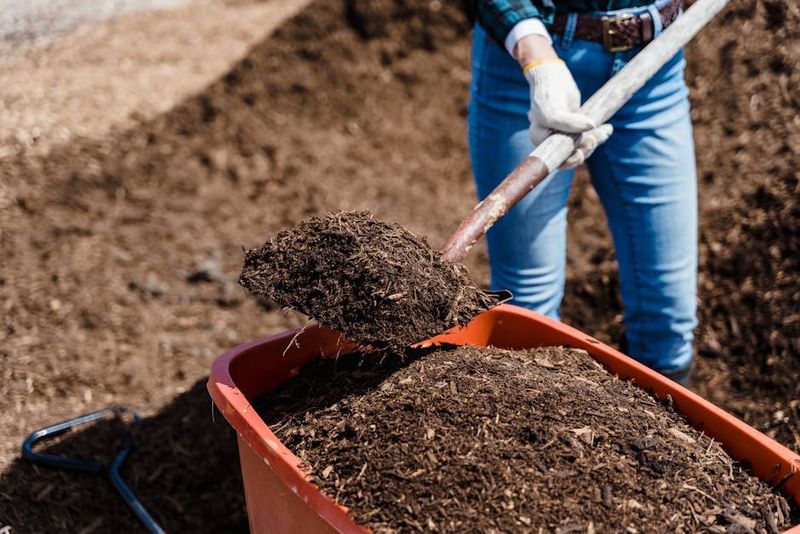
Applying finished compost brings the process full circle. Incorporating about 1 to 2 inches into the top several inches of vegetable beds before planting helps improve soil texture and nutrient availability at the start of the season.
In heavy clay soils common in North Texas, compost can gradually improve soil structure and drainage. In sandy soils near the Gulf Coast, organic matter additions help improve moisture retention.
For raised beds and containers, mixing compost at roughly one part compost to three parts existing soil mix works as a practical starting point. Lightly blending it into the surface rather than deeply tilling can help preserve soil structure and existing microbial life.
Around established perennials, shrubs, and fruit trees, a thin layer spread over the root zone can slowly work its way into the soil with rainfall and irrigation. Regular additions over time increase organic matter levels and support resilient garden soil across diverse Texas conditions.