9 Invasive Plants That Are Harming Central Florida’s Native Landscape
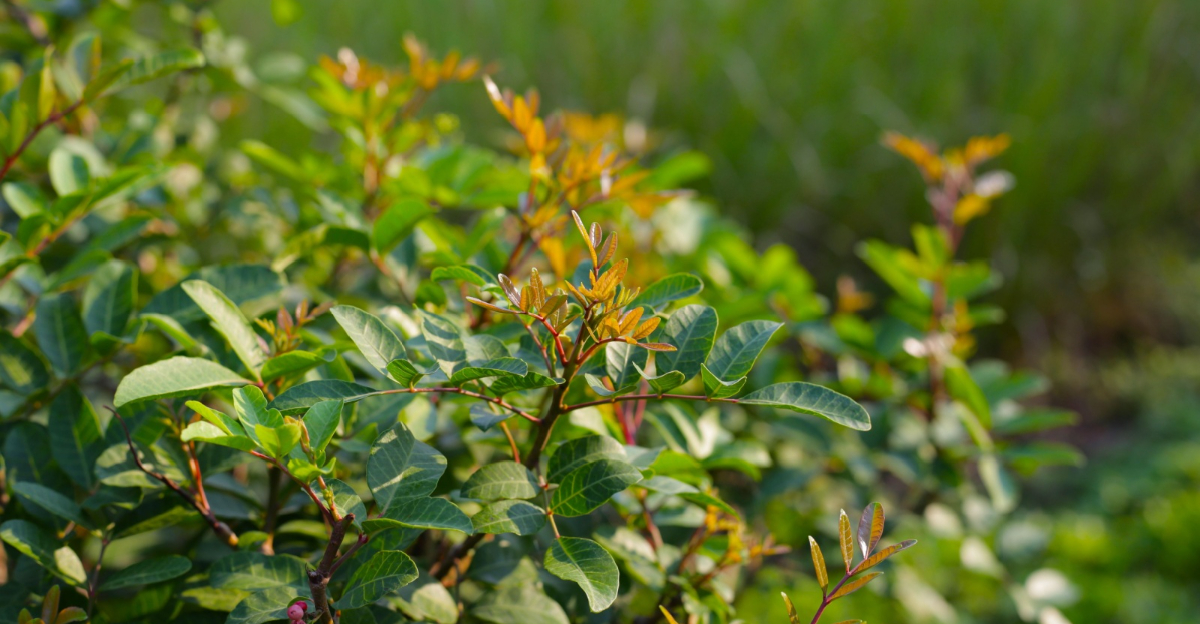
Step outside in Central Florida and the view looks lush, green, alive. Look closer.
A silent takeover is unfolding across wetlands, forests, and even backyards. Aggressive foreign plants are spreading fast, pushing out native species that once defined this landscape.
They choke waterways, climb over trees, blanket the ground, and starve wildlife of food and shelter. The damage is not distant or abstract.
It is happening in neighborhood preserves, along highways, and across fragile marshes that protect communities from floods. Each year, the grip tightens as these invaders outcompete the plants that support birds, pollinators, and countless other species.
The result is a landscape that appears full yet grows emptier by the season. Central Florida stands at a tipping point.
The fight to protect its natural identity starts with awareness. Meet the invasive plants that are reshaping the region and threatening the future of its native beauty.
1. Air Potato Smothers Everything In Its Path
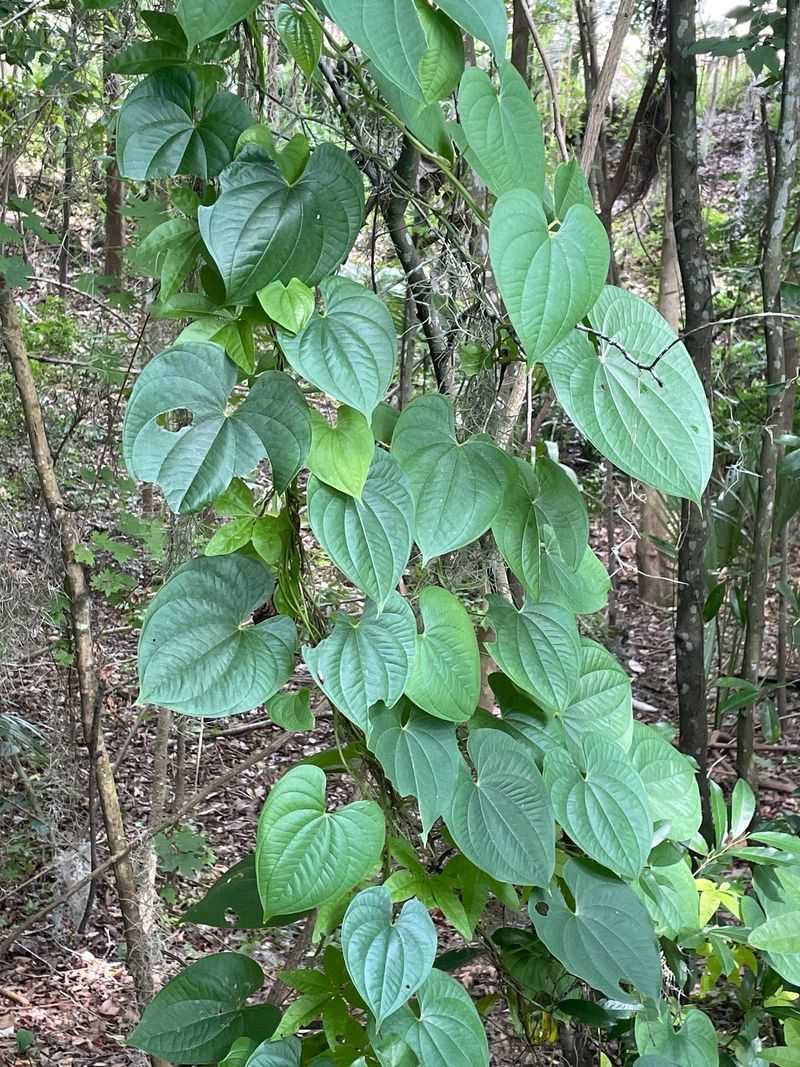
Thick blankets of heart-shaped leaves drape over trees and shrubs throughout Central Florida neighborhoods and natural areas. The air potato vine grows with incredible speed during warm months, sometimes adding eight inches in a single day as it climbs toward sunlight.
This aggressive invader arrived from Asia and Africa as an ornamental plant but quickly escaped cultivation. The vine produces potato-like tubers along its stems that drop to the ground and sprout new plants the following spring.
Each vine can generate hundreds of these aerial tubers, creating massive infestations that are extremely difficult to control.
Native trees suffer tremendously under the weight and shade of air potato growth. The dense leaf cover blocks sunlight from reaching plants below, preventing photosynthesis and weakening the entire forest structure.
Young trees and shrubs that native wildlife depends on cannot survive in these darkened conditions.
University of Florida IFAS researchers have released a natural enemy called the air potato beetle to help manage this invasive species. The small insect feeds exclusively on air potato leaves and has shown promising results in reducing vine growth.
However, homeowners should still remove vines from their properties and avoid planting this species, which remains a serious threat to Central Florida’s natural hammocks and woodland edges.
2. Brazilian Peppertree Takes Over Entire Landscapes
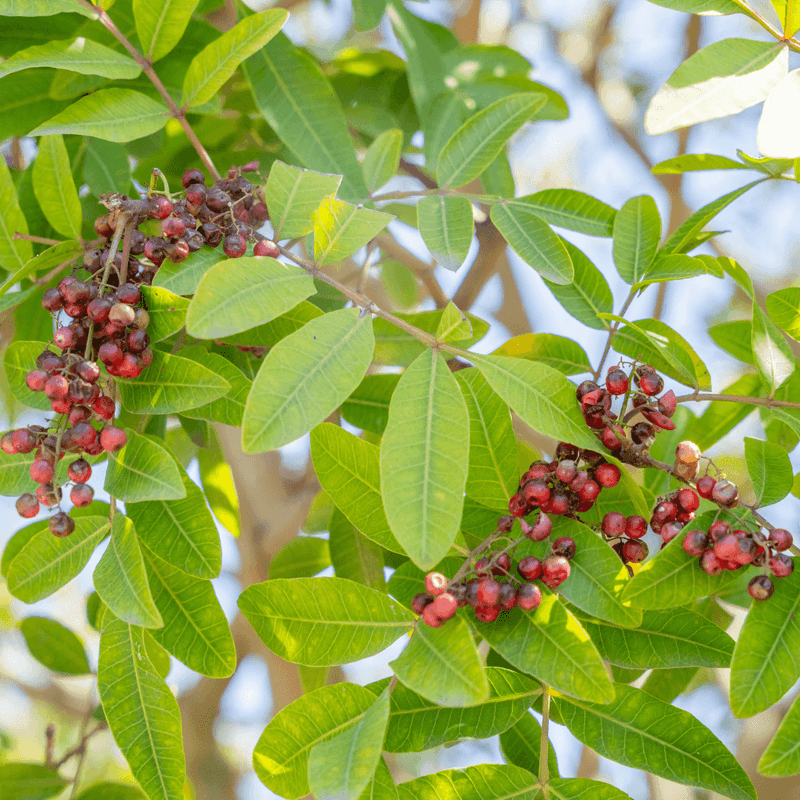
Walk through almost any disturbed area in Central Florida and you’ll likely encounter dense stands of shrubby trees with compound leaves and clusters of bright red berries. Brazilian peppertree forms nearly impenetrable thickets that exclude virtually all native vegetation from the areas it dominates.
Originally planted as an ornamental for its attractive berries and evergreen foliage, this South American species has become one of Florida’s most widespread invasive plants. Birds eagerly consume the abundant red fruits and spread seeds across vast distances, allowing the plant to colonize new areas rapidly.
A single mature tree can produce massive quantities of seeds that remain viable in the soil for extended periods.
The environmental damage caused by Brazilian peppertree extends far beyond simple competition with native species. These dense thickets alter soil chemistry, change moisture patterns, and provide poor-quality habitat for native wildlife compared to the diverse plant communities they replace.
Your Florida Garden Changes Every Week. Your Plan Should Too.
Gardening in Florida changes quickly throughout the season. Every Friday you’ll receive a simple weekly plan showing exactly what to plant, prune, fertilize, harvest, and protect so you never miss the right timing.
The Florida Invasive Species Council lists this species as a Category I invasive, meaning it has demonstrated serious ecological harm.
Management requires persistent effort because cut stumps readily resprout if not treated with appropriate herbicides. IFAS Extension recommends specific treatment methods depending on tree size and site conditions.
Property owners should never plant Brazilian peppertree and should work to remove existing specimens before they produce more seeds.
3. Old World Climbing Fern Buries Forests In Green
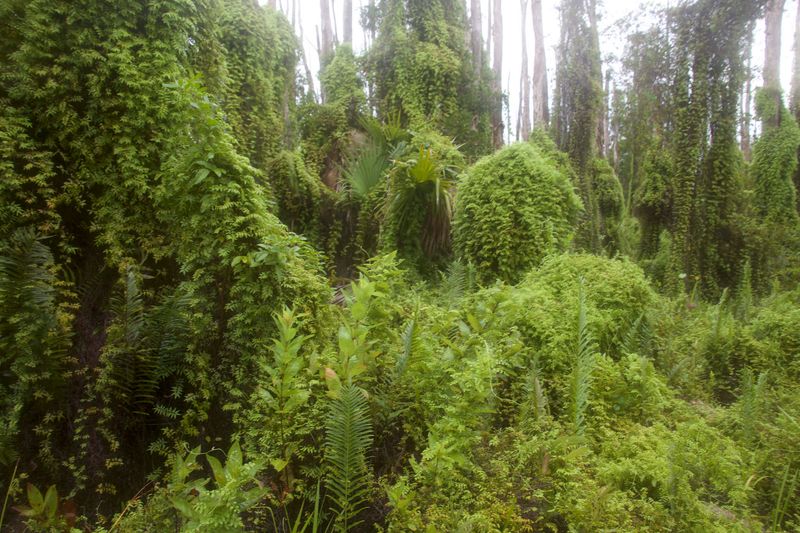
Delicate fronds that seem innocent at first glance can grow to lengths exceeding 100 feet as they spiral upward through forest canopies. Old World climbing fern creates living green blankets that completely engulf trees, shrubs, and any other vegetation in its path throughout Central Florida’s natural areas.
This fern arrived from tropical regions of Asia, Africa, and Australia and found ideal growing conditions in Florida’s warm, humid climate. Unlike most ferns that stay close to the ground, this species climbs aggressively by twining its wiry stems around any available support.
The weight of accumulated fronds can break branches and topple smaller trees.
Fire danger increases dramatically in areas infested with Old World climbing fern. The dried fronds create vertical fuel ladders that carry flames from ground level into tree canopies, turning what would normally be low-intensity surface fires into destructive crown fires.
This fundamentally changes fire behavior in ecosystems that evolved with regular burning patterns.
Florida environmental authorities recognize this species as a severe threat to native plant communities. The fern spreads through windborne spores that travel long distances, making containment extremely challenging.
IFAS guidance emphasizes the importance of early detection and rapid response. Homeowners who notice this fern climbing on their property should contact local extension offices for identification confirmation and management recommendations before infestations expand.
4. Cogongrass Turns Fields Into Fire Hazards
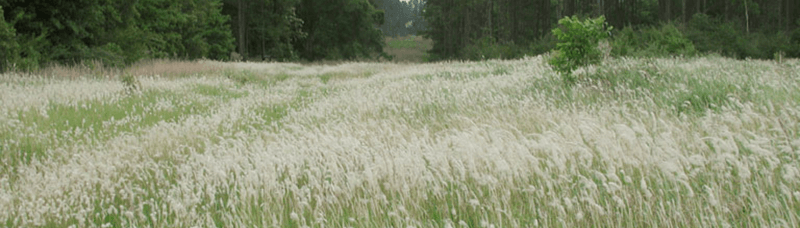
Fluffy white seedheads wave above dense grass stands that have replaced native groundcovers across thousands of acres in Central Florida. Cogongrass spreads through underground stems called rhizomes that form thick mats, creating nearly pure stands that exclude all other vegetation.
Recognized as one of the world’s worst invasive species, this Asian grass was accidentally introduced to the United States in the early 1900s as packing material. It also was intentionally planted for livestock forage and erosion control before people understood its invasive potential.
Those early introductions have led to massive infestations that continue expanding despite extensive control efforts.
The extreme flammability of cogongrass creates serious safety concerns for rural communities and natural areas. The grass accumulates large amounts of declined material that burns much hotter than native vegetation, producing intense fires that threaten homes, harm wildlife, and damage soils.
Fire temperatures in cogongrass stands can exceed levels that native ecosystems can tolerate.
Root systems extend several feet deep, making mechanical removal extremely difficult and often ineffective. The Florida Department of Agriculture and Consumer Services lists cogongrass as a noxious weed, and state law requires landowners to control infestations on their property.
University of Florida IFAS Extension provides detailed management protocols involving specific herbicide treatments applied at particular times of year. Early detection remains critical because small patches are much easier to eliminate than established stands.
5. Chinese Tallow Tree Replaces Native Forests Fast
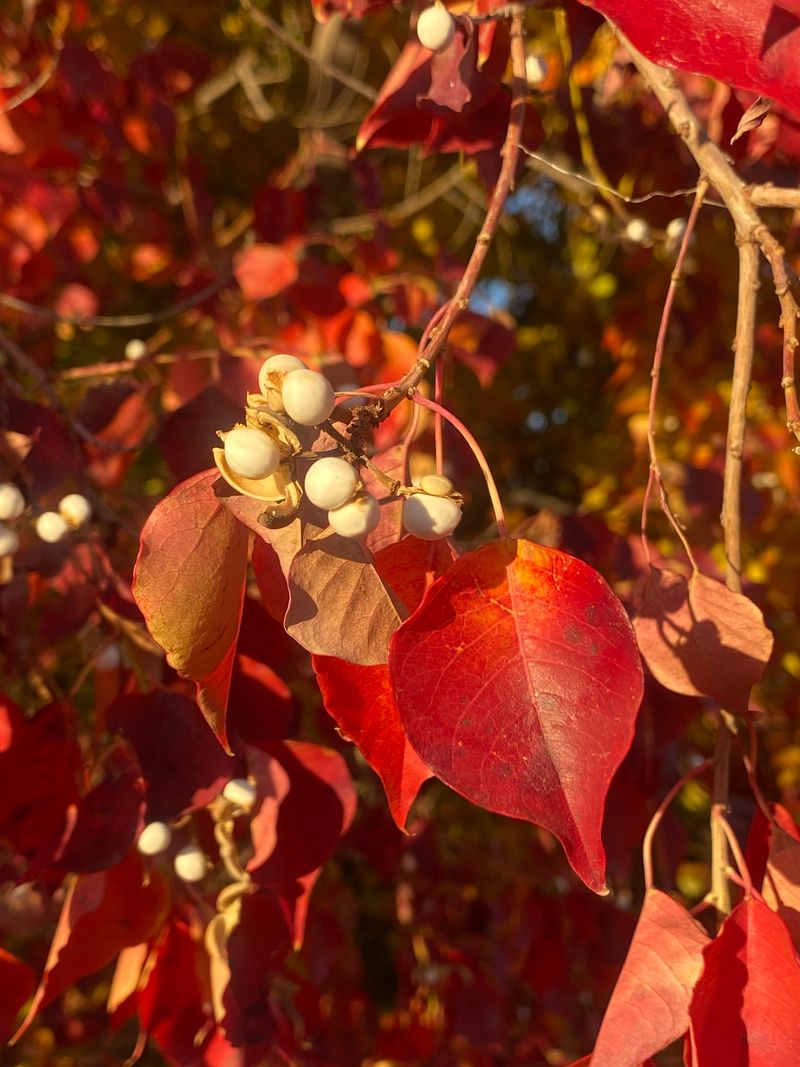
Heart-shaped leaves that turn brilliant shades of red and orange in fall make this Asian tree attractive to homeowners seeking autumn color in Central Florida landscapes. However, Chinese tallow tree’s ornamental appeal masks its destructive ecological impact as it spreads from yards into natural areas.
Each mature tree produces thousands of waxy seeds that birds and water readily disperse across the landscape. Seeds germinate easily in various soil types, allowing the species to invade both wetlands and upland forests.
Young trees grow rapidly and begin producing seeds within just a few years, accelerating the invasion cycle.
Dense shade cast by Chinese tallow canopies prevents native plants from growing beneath them. The trees also alter soil chemistry in ways that favor their own seedlings over native species, creating conditions that perpetuate their dominance.
Wildlife habitat quality declines significantly in areas where Chinese tallow replaces diverse native plant communities.
Florida invasive species authorities consider Chinese tallow a serious threat to natural ecosystems throughout the state. IFAS research has documented its negative impacts on wetland function, forest composition, and wildlife resources in Central Florida.
The trees should never be planted in landscapes, and existing specimens should be removed before they produce more seeds. Property owners can replace Chinese tallow with native trees that provide genuine ecological benefits while still offering attractive foliage and form.
6. Mimosa Tree Escapes Yards And Spreads Wild
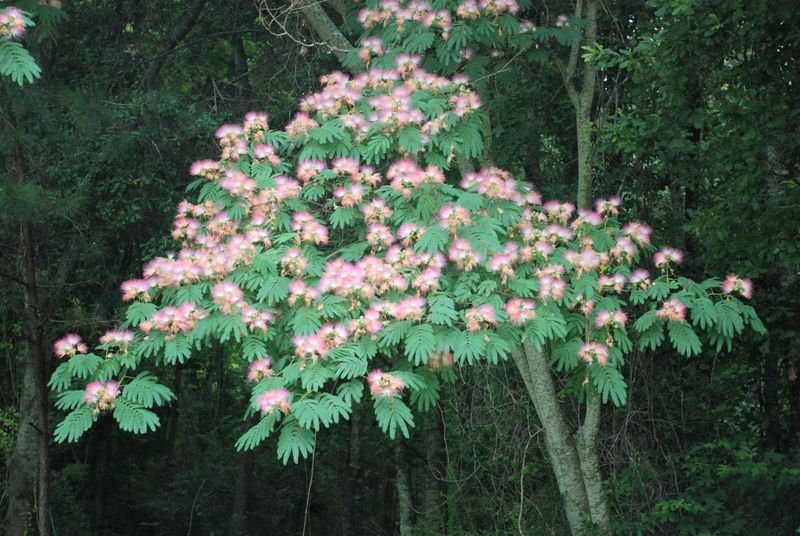
Pink powder-puff flowers and ferny foliage give mimosa tree an exotic appearance that has made it popular in Southern landscapes for generations. Unfortunately, this Asian ornamental doesn’t stay where it’s planted but instead spreads into natural areas throughout Central Florida.
Flat brown seedpods split open to release numerous small seeds that remain viable in the soil for many years. Roadsides, forest edges, and disturbed areas provide ideal conditions for mimosa establishment.
Once seedlings take hold, they grow quickly and begin flowering within a few years.
Native plant communities suffer when mimosa trees move in and form dense stands. The trees grow rapidly in full sun and create shade that reduces diversity in the understory.
While not as aggressively invasive as some other species on this list, mimosa’s ability to naturalize beyond cultivated areas earns it recognition as an invasive plant in Florida.
University of Florida IFAS Extension notes that mimosa trees are short-lived and susceptible to various diseases, making them poor landscape choices even without considering their invasive tendencies. Native alternatives like coral bean or native azaleas provide similar ornamental interest without the risk of ecological harm.
Homeowners with existing mimosa trees should consider removing them and preventing seedling establishment in surrounding areas. Small seedlings are easy to pull when the soil is moist, making early intervention practical for property owners concerned about mimosa spread.
7. Chinese Wisteria Strangles Trees As It Climbs
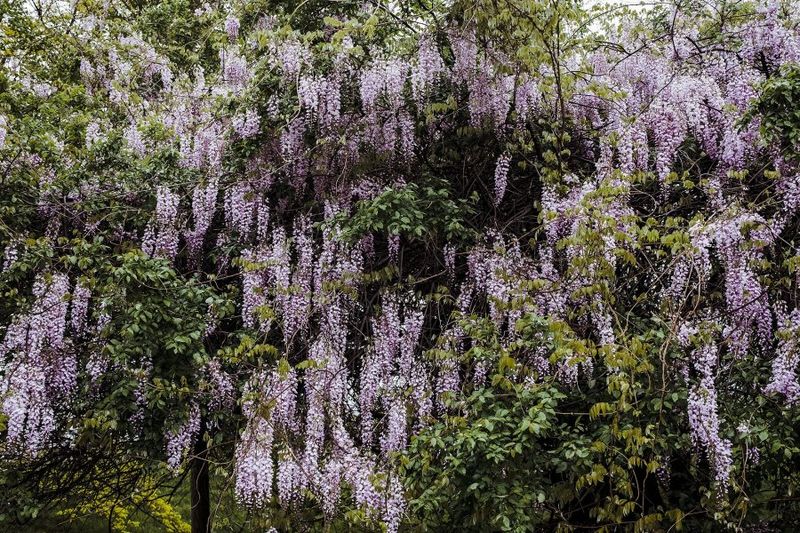
Cascading clusters of fragrant purple flowers create stunning spring displays that have made Chinese wisteria a beloved ornamental vine. However, the same vigorous growth that produces those impressive blooms allows this Asian species to escape cultivation and threaten native trees throughout Central Florida.
Woody stems twine tightly around tree trunks and branches as the vine climbs toward sunlight. Over time, these stems grow thick and heavy, girdling host trees and restricting their growth.
The weight of mature vines can break branches during storms or even topple entire trees weakened by years of constriction.
Dense foliage produced by wisteria vines shades out leaves on host trees, reducing their ability to photosynthesize and produce energy. Trees stressed by vine competition become more susceptible to diseases, insect damage, and drought.
Forest edges and disturbed woodlands in Central Florida show increasing wisteria problems as planted vines spread into adjacent natural areas.
IFAS guidance strongly discourages planting Chinese wisteria in Florida landscapes. Native alternatives like coral honeysuckle provide beautiful flowers and attract hummingbirds without the invasive tendencies.
Property owners with existing wisteria vines should cut them at ground level and treat stumps with appropriate herbicides to prevent resprouting. Regular monitoring helps catch new seedlings before they become established.
The vine’s seeds can remain dormant in soil for extended periods, so vigilance must continue even after mature vines are removed.
8. Tropical Soda Apple Spreads Aggressively Across Open Land
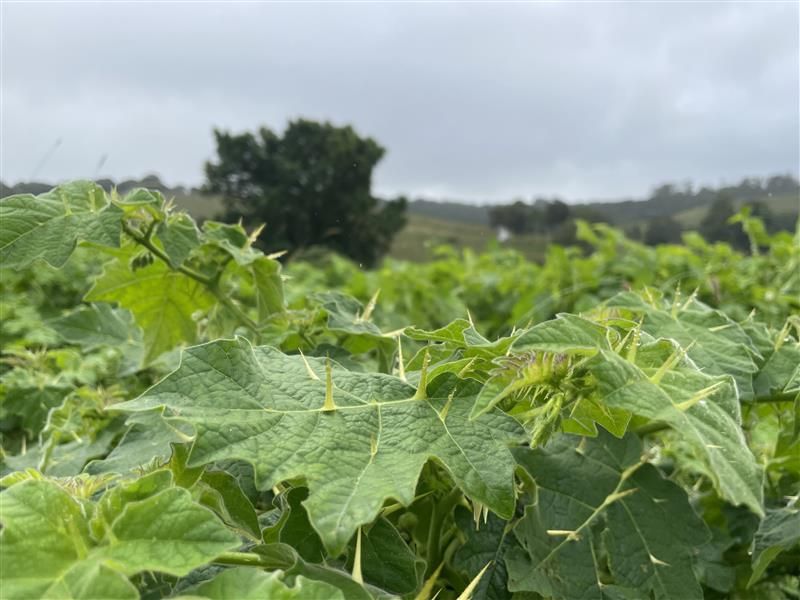
Sharp thorns covering stems and leaves make this South American shrub unpleasant to encounter in pastures and open areas across Central Florida. Tropical soda apple produces round fruits with distinctive green and white stripes that cattle and other animals consume, spreading seeds across vast areas.
Originally introduced accidentally through contaminated grass seed or cattle shipments, this invasive species now infests thousands of acres in Florida. The plant grows rapidly in disturbed soils, forming dense thorny thickets that are difficult for livestock and wildlife to navigate.
Each plant can produce hundreds of fruits containing numerous seeds that remain viable for extended periods.
Pasture quality declines significantly when tropical soda apple becomes established. The thorny growth discourages grazing and reduces the amount of forage available to livestock.
Native plants that provide food for wildlife cannot compete with the aggressive growth of this invasive shrub in disturbed habitats.
Florida law requires property owners to control tropical soda apple because of its serious economic and ecological impacts. The Florida Department of Agriculture and Consumer Services has listed it as a noxious weed subject to regulatory control.
IFAS Extension provides specific management recommendations involving herbicide applications timed to plant growth stages. Mowing alone proves ineffective because plants quickly resprout from root systems.
Integrated approaches combining herbicide treatment with follow-up monitoring produce the best long-term results for protecting Central Florida’s open lands from this thorny invader.
9. Skunkvine Smothers Native Forest Edges
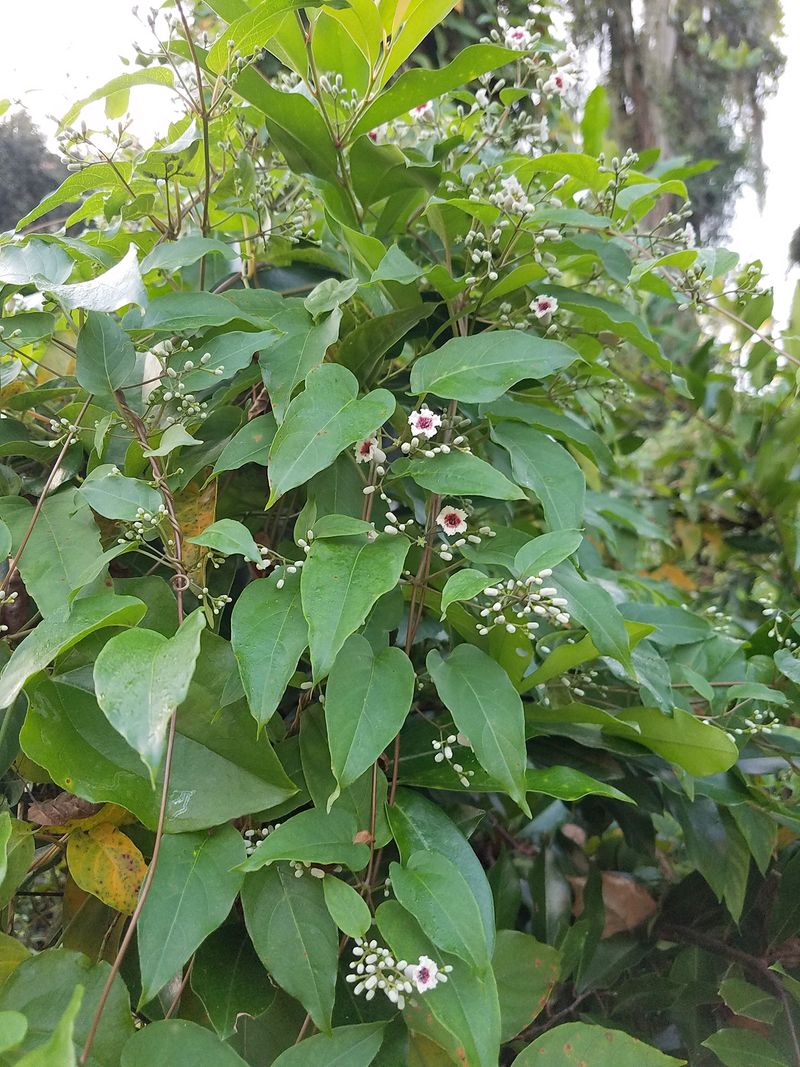
A strong odor released from crushed leaves gives skunkvine its unforgettable name, but the smell is not the worst part about this aggressive invader. Long, twining stems creep across the ground and climb into shrubs and small trees throughout Central Florida, forming tangled mats that overwhelm native vegetation.
Originally introduced from eastern Asia as an ornamental and medicinal plant, skunkvine quickly escaped cultivation. It spreads through both seeds and underground runners, allowing it to expand rapidly once established.
The vine thrives in Central Florida’s warm climate and adapts easily to shaded hammocks, roadside thickets, and residential fence lines.
Dense growth blocks sunlight from reaching native seedlings and groundcover species. Over time, this reduces plant diversity and alters wildlife habitat.
Native shrubs that provide berries and shelter for birds struggle when wrapped in thick layers of skunkvine.
The Florida Invasive Species Council lists skunkvine as a Category I invasive species due to documented ecological harm. University of Florida IFAS Extension recommends early removal before vines spread extensively.
Small patches can be carefully dug out, but larger infestations often require targeted herbicide treatment following extension guidance.
Homeowners in Central Florida should learn to recognize skunkvine and act quickly if it appears on their property. Early intervention makes a significant difference in protecting nearby natural areas.