Why Some Drought-Tolerant Plants Fail In Florida (It’s Not The Heat)
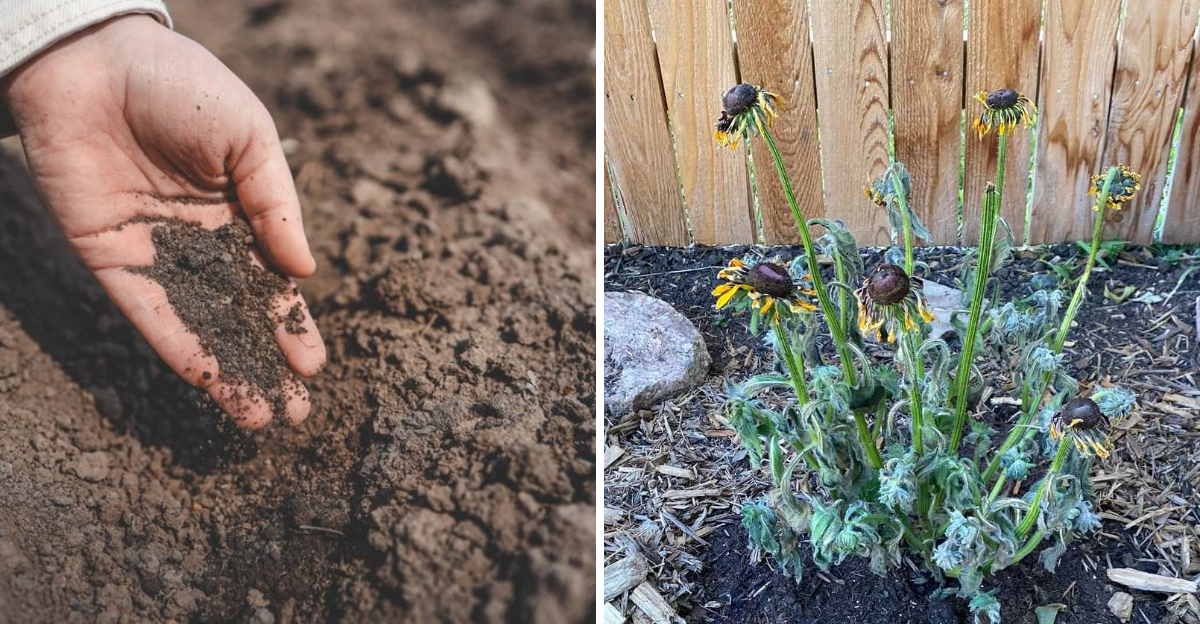
They were supposed to thrive. The label promised drought tolerance, low maintenance, and resilience under brutal sun.
Yet weeks later, the leaves curl, stems weaken, and the plant that should have flourished in Florida starts to collapse. Heat takes the blame almost every time.
The real culprit hides deeper. Florida presents a climate that looks perfect for tough, water-wise plants, but the challenge goes far beyond high temperatures.
Sandy soils drain fast, humidity stays heavy, rainfall patterns swing from flood to dry spell, and root systems struggle in ways many gardeners never expect. A plant bred for desert survival can still fail here.
Success depends on understanding what drought tolerance truly means in Florida conditions. The problem rarely starts with the sun.
It begins underground, where soil, moisture cycles, and drainage quietly decide which plants endure and which ones fade.
1. Rainfall Patterns Matter More Than Heat
Florida receives between 50 and 65 inches of rain annually, with most arriving during the summer months in heavy downpours. This pattern creates prolonged periods of saturated soil that many drought-tolerant plants simply cannot handle.
Lavender, for instance, evolved in Mediterranean climates with dry summers and modest winter rainfall. When Florida’s June through September rains arrive, lavender roots sit in moisture far longer than they’re designed to tolerate.
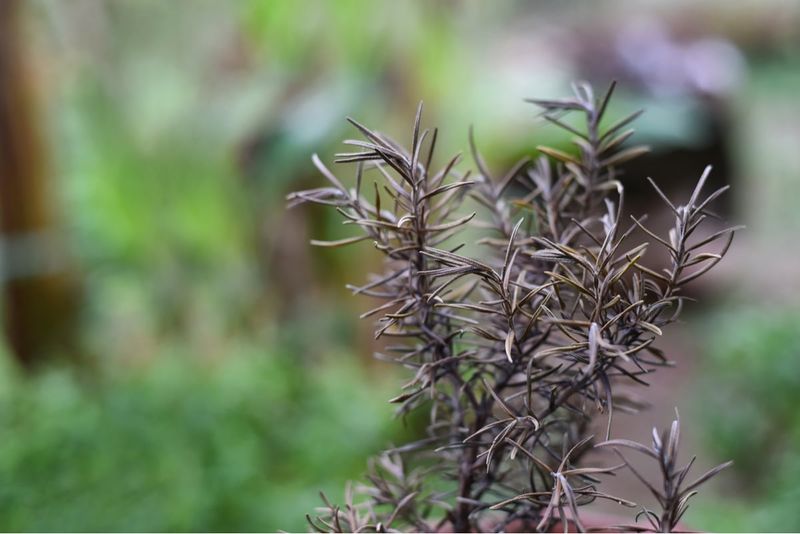
The same challenge affects rosemary, which prefers well-drained conditions and infrequent watering.
These plants aren’t failing because of heat. They’re struggling because their root systems need dry periods between waterings to function properly.
In their native habitats, months might pass without significant rainfall.
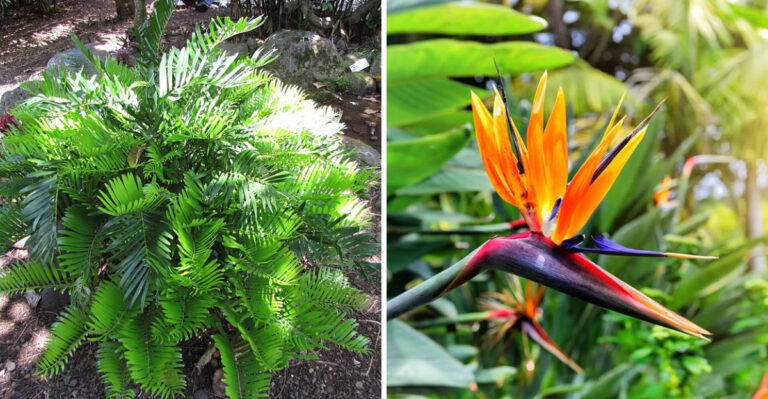
Florida gardeners succeed with these plants by creating raised beds with exceptional drainage or growing them in containers that can be moved under cover during particularly wet stretches. Choosing naturally Florida-adapted species like coontie or firebush eliminates this mismatch entirely.
IFAS Extension recommends researching a plant’s native climate before purchasing. If it comes from arid regions with summer drought, expect challenges during Florida’s rainy season regardless of heat tolerance.
2. Sandy Soil Drains Faster Than Expected
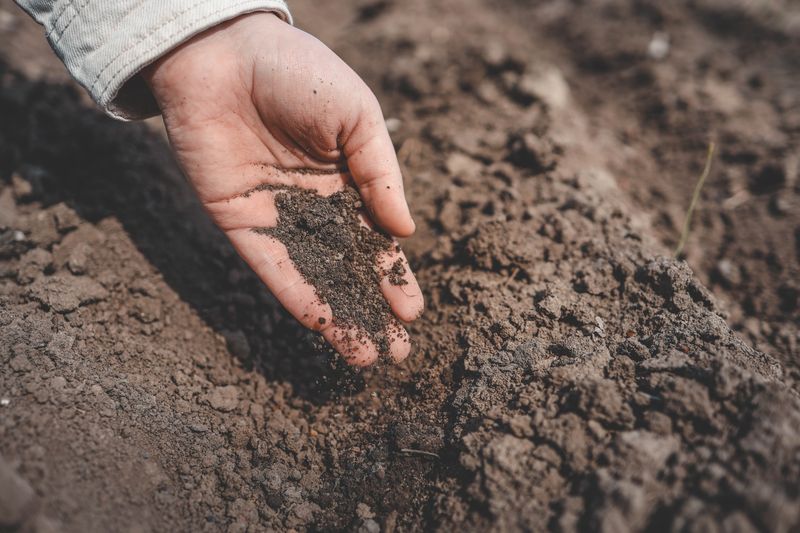
Most of Florida sits on sandy soil that drains rapidly and holds nutrients poorly. Water moves through sand so quickly that even drought-tolerant plants can experience stress between irrigations, while fertilizers wash away before roots absorb them.
Lantana and gaillardia are both considered drought-tolerant once established, but they still need adequate nutrition to thrive. In Florida’s sandy soils without amendment, these plants often show yellowing leaves and weak growth despite surviving dry conditions.
The solution involves improving soil structure before planting. Mixing compost or aged manure into the planting area increases organic matter, which helps sand retain both moisture and nutrients longer.
This doesn’t contradict drought tolerance—it provides a healthier root environment.
IFAS research shows that incorporating three to four inches of compost into sandy soils significantly improves plant performance. The organic matter acts like a sponge, holding water and nutrients in the root zone longer without creating the waterlogged conditions that harm drought-adapted species.
Your Florida Garden Changes Every Week. Your Plan Should Too.
Gardening in Florida changes quickly throughout the season. Every Friday you’ll receive a simple weekly plan showing exactly what to plant, prune, fertilize, harvest, and protect so you never miss the right timing.
Many successful Florida gardeners also apply mulch around drought-tolerant plants. A two to three inch layer reduces evaporation, moderates soil temperature, and gradually adds organic matter as it decomposes, creating better growing conditions over time.
3. Humidity Changes How Plants Breathe
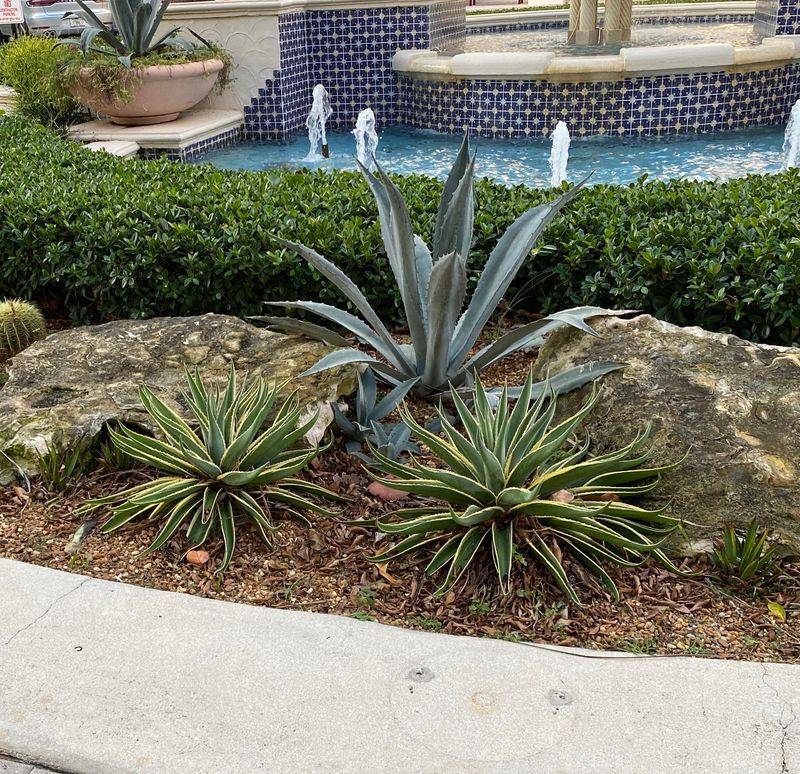
Humidity levels in Florida often exceed 70 percent, especially during summer mornings. This thick, moisture-laden air affects how plants exchange gases through their leaves, a process called transpiration that’s essential for nutrient uptake and cooling.
Agave species and other desert-adapted succulents evolved in arid environments where low humidity allows efficient transpiration. When these plants encounter Florida’s humid air, their leaf pores don’t function as effectively.
Moisture hangs around leaf surfaces, potentially encouraging fungal issues that rarely occur in dry climates.
The plants aren’t necessarily failing from direct humidity damage. Instead, the humid environment prevents them from operating at peak efficiency while simultaneously creating conditions favorable for diseases they never encountered in their native habitats.
Florida gardeners find better success with plants adapted to humid subtropical conditions. Muhly grass, for example, tolerates both drought and humidity because it evolved in Southeastern coastal areas.
Coontie, a Florida native, handles humidity effortlessly while requiring minimal water once established.
When you must grow humidity-sensitive drought-tolerant plants, provide excellent air circulation and avoid overhead watering. Space plants appropriately and prune surrounding vegetation to keep air moving, which helps leaves dry quickly and reduces disease pressure despite high ambient humidity.
4. Overwatering Creates Hidden Stress
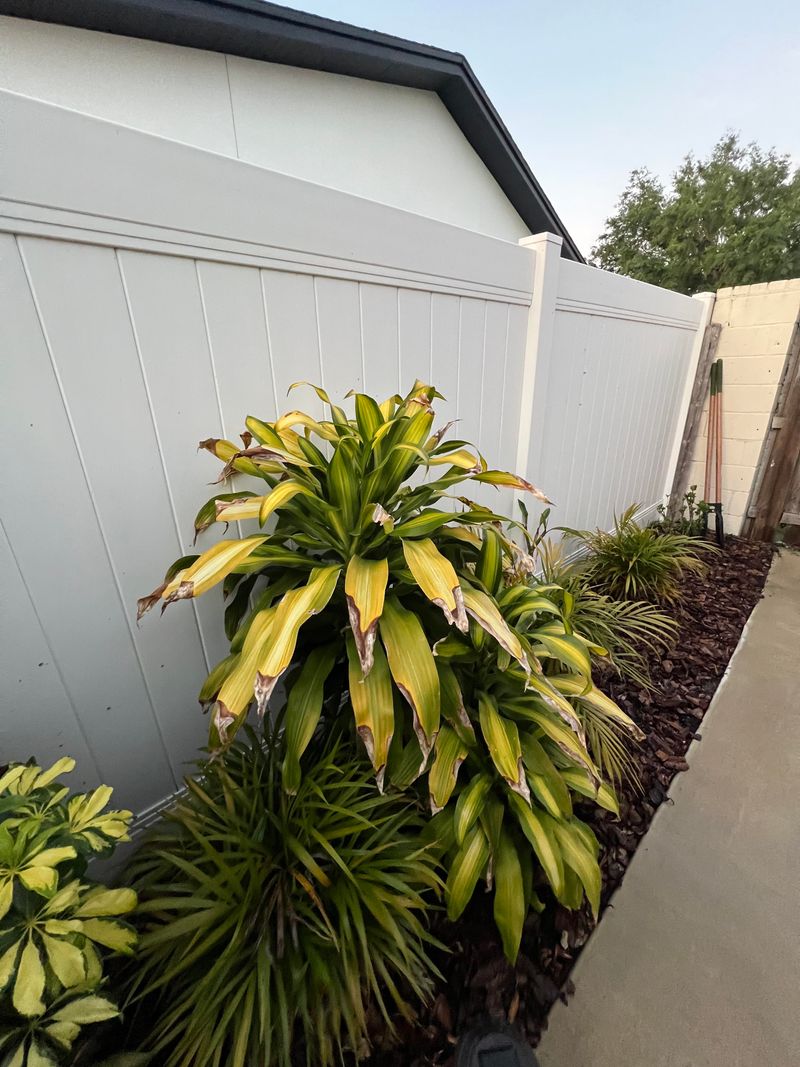
Automatic irrigation systems are common in Florida landscapes, often programmed to run on fixed schedules regardless of rainfall or plant needs. This convenience becomes problematic when drought-tolerant plants receive water they don’t require.
Even naturally tough plants like muhly grass and firebush experience stress when constantly moist. Their root systems, designed to search deep for water during dry periods, become lazy and shallow when moisture is always available near the surface.
This makes them more vulnerable during actual drought conditions.
Overwatering also reduces oxygen availability in the root zone. Roots need air pockets in soil to function properly.
When irrigation keeps soil continuously saturated, roots essentially suffocate, leading to decline that gardeners often misinterpret as disease or nutrient deficiency.
IFAS Extension recommends irrigation schedules based on plant establishment stage and seasonal rainfall. Newly planted drought-tolerant species need regular watering for the first few months, but established plants typically require supplemental irrigation only during extended dry periods.
Smart controllers that adjust watering based on rainfall and evapotranspiration rates help prevent overwatering. Alternatively, manually adjusting irrigation schedules seasonally ensures plants receive appropriate moisture.
During Florida’s rainy season, many established drought-tolerant plants need no supplemental irrigation whatsoever, thriving on natural rainfall alone.
5. Poor Drainage Suffocates Roots
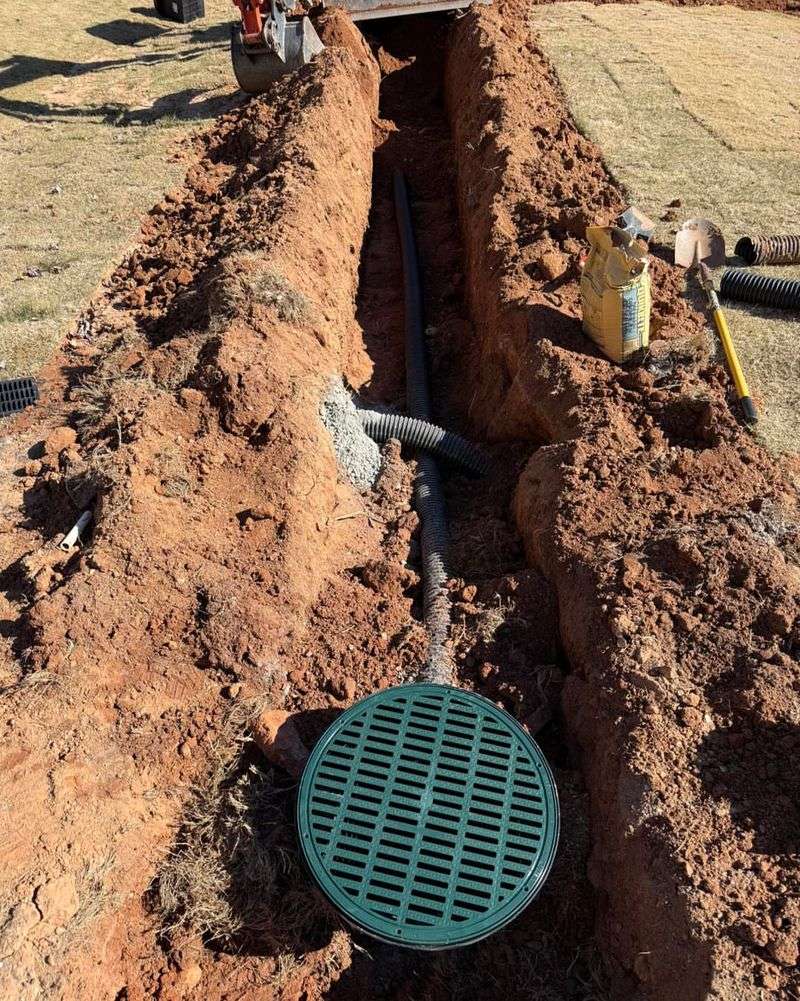
Compacted soil or low-lying areas create drainage problems that plague drought-tolerant plants more severely than moisture-loving species. When water cannot drain away, even plants adapted to survive with little water will struggle because their roots cannot access oxygen.
Construction activity often compacts soil, especially in new developments. Heavy equipment crushes air pockets, creating dense layers that prevent both drainage and root penetration.
Planting drought-tolerant species in these conditions sets them up for failure regardless of their inherent toughness.
Low spots in landscapes naturally collect water during Florida’s heavy rains. These areas stay saturated long after surrounding ground drains, creating conditions completely unsuitable for plants adapted to well-drained soils.
Improving drainage requires physical intervention. For compacted soils, deep tilling before planting breaks up dense layers and allows water movement.
Adding coarse sand and compost improves structure. For low areas, consider installing French drains or creating raised planting beds that elevate roots above the water table.
IFAS recommends performing a simple drainage test before planting. Dig a hole about 12 inches deep, fill it with water, and observe how quickly it drains.
Water should disappear within a few hours. If it remains after 24 hours, that location needs drainage improvements before planting anything labeled drought-tolerant.
6. Wrong Plant In The Wrong Place
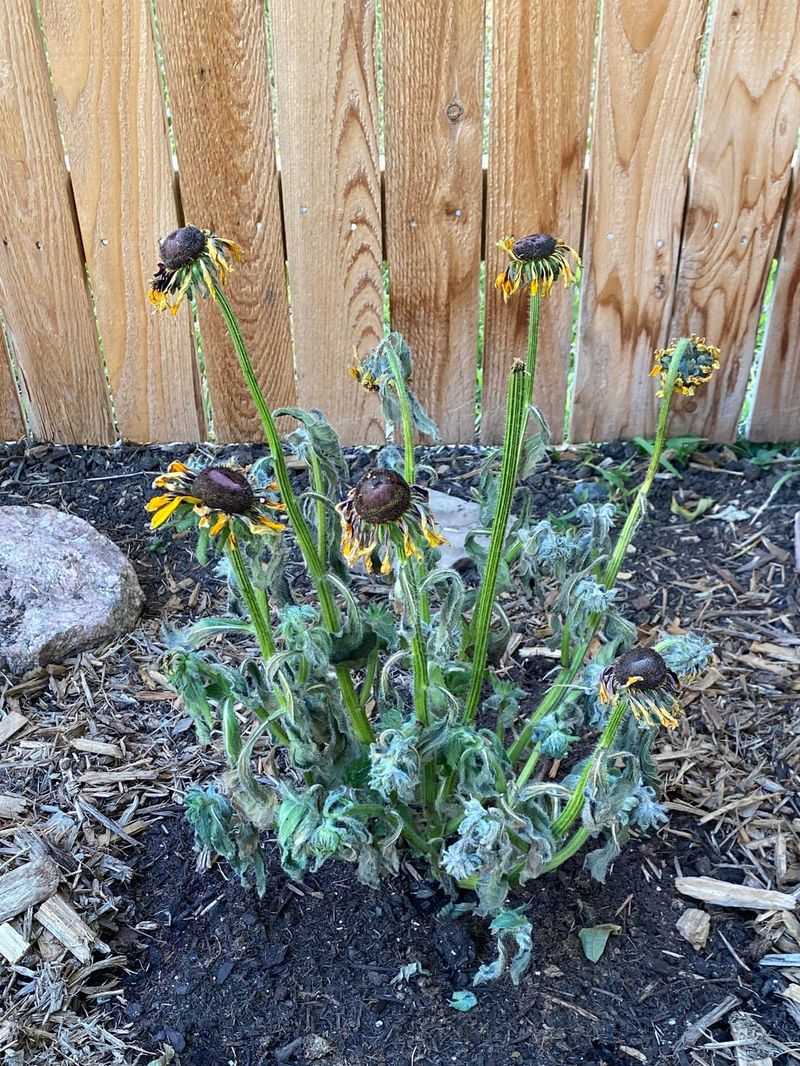
Florida landscapes contain multiple microclimates within a single yard. The area near a west-facing wall receives intense reflected heat, while spaces under oak trees stay shaded and cooler.
Coastal properties face salt spray and wind that inland gardens never experience.
Planting species without considering these microclimates leads to disappointing results. A plant marketed as drought-tolerant might thrive in full sun inland but struggle with the same light exposure near the coast, where salt and wind create additional stress.
Gaillardia performs beautifully in full Florida sun with good drainage but languishes in shaded areas where soil stays moist and light levels drop. Conversely, some drought-tolerant ferns prefer the dappled shade under trees and would scorch in open, sunny locations.
Successful Florida gardeners observe their property throughout the day, noting sun patterns, wind exposure, and how water moves across the landscape after rain. This information guides plant selection and placement decisions.
IFAS provides detailed information about light requirements and salt tolerance for specific species. Before purchasing plants, match their documented needs to your actual site conditions.
A drought-tolerant plant in the wrong microclimate will always struggle, while the right plant in the right spot thrives with minimal intervention.
7. Establishment Period Is Critical
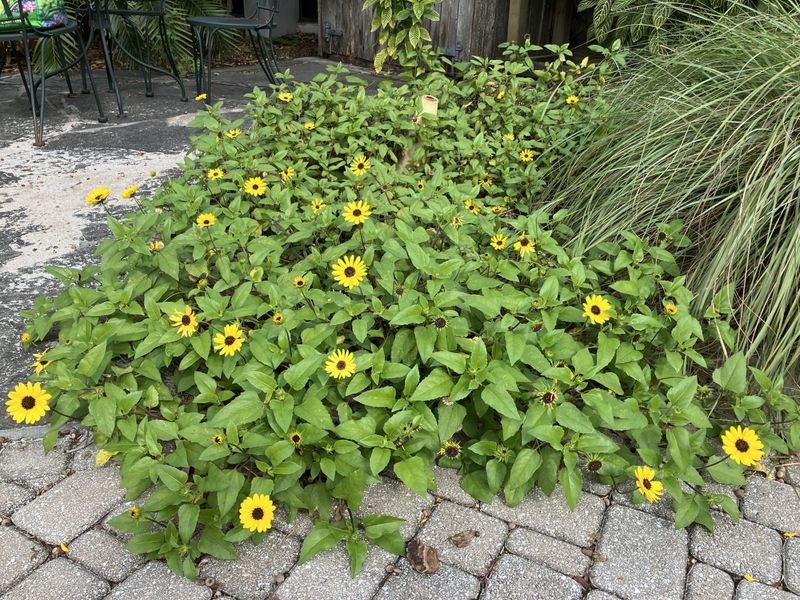
New transplants need time to develop extensive root systems before they can truly tolerate drought. During this establishment period, even species marketed as drought-tolerant require consistent moisture to survive and grow properly.
Many Florida gardeners make the mistake of treating newly planted drought-tolerant species as if they’re already established. They provide minimal water from the start, expecting the plants to immediately live up to their drought-tolerant reputation.
The plants struggle or fail, and gardeners conclude they’re unsuitable for Florida.
IFAS Extension provides clear establishment guidelines. For most perennials and shrubs, plan on watering several times weekly for the first few weeks, then gradually reducing frequency over the following months.
Trees and larger shrubs may need regular watering for an entire year or longer.
During establishment, roots are confined to the small area of the original root ball. They haven’t spread into surrounding soil yet, so the plant depends entirely on moisture in that limited zone.
As roots expand outward and downward, the plant becomes increasingly self-sufficient.
Proper establishment watering doesn’t conflict with a plant’s drought tolerance—it enables it. Once roots have spread adequately, plants like firebush, coontie, and muhly grass truly become low-maintenance, requiring supplemental irrigation only during extended dry spells.
Skipping proper establishment care prevents plants from ever reaching that independent stage.
8. Florida Sun Can Be Intense
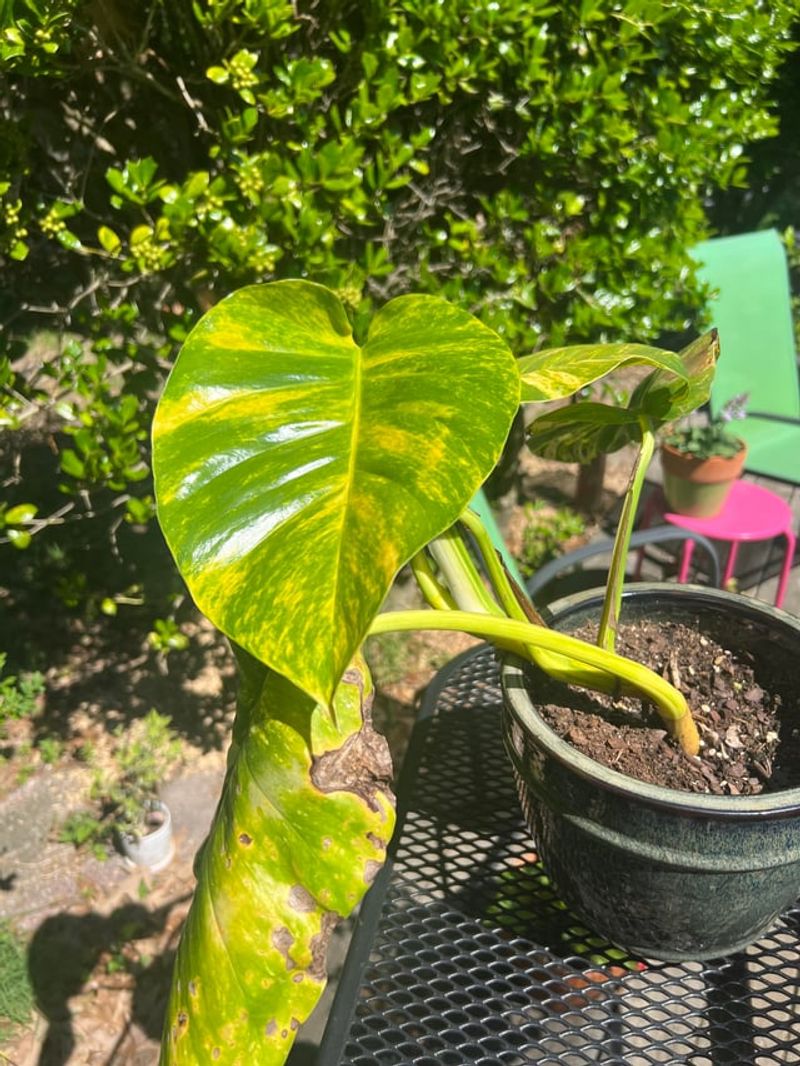
Florida sunshine carries intense UV radiation, especially during summer months when the sun is nearly overhead. Add heat reflection from pavement, walls, and other hardscaping, and you’ve got conditions that challenge even sun-loving plants.
Some drought-tolerant species handle full sun in their native climates but struggle with Florida’s particular intensity. The combination of direct sun, reflected heat, and high humidity creates stress that plants from temperate or even Mediterranean regions don’t experience at home.
Rosemary tolerates full sun in California or the Mediterranean but often shows leaf burn and stress when planted against a south-facing wall in Florida. The reflected heat combined with intense direct sun exceeds what the plant can comfortably handle, even though it’s technically sun-tolerant.
Understanding the difference between general sun tolerance and Florida-specific conditions helps with plant selection and placement. Plants that evolved in the Southeast, like native muhly grass or coontie, handle Florida’s sun intensity without issue.
Species from cooler climates may need afternoon shade or placement away from heat-reflecting surfaces.
IFAS recommends observing how plants respond during their first summer. If you notice leaf bleaching, scorching, or excessive stress despite adequate water, the plant may need relocation to a spot with less intense sun exposure or some afternoon shade protection during the hottest months.
9. Labels Do Not Always Match Florida Conditions
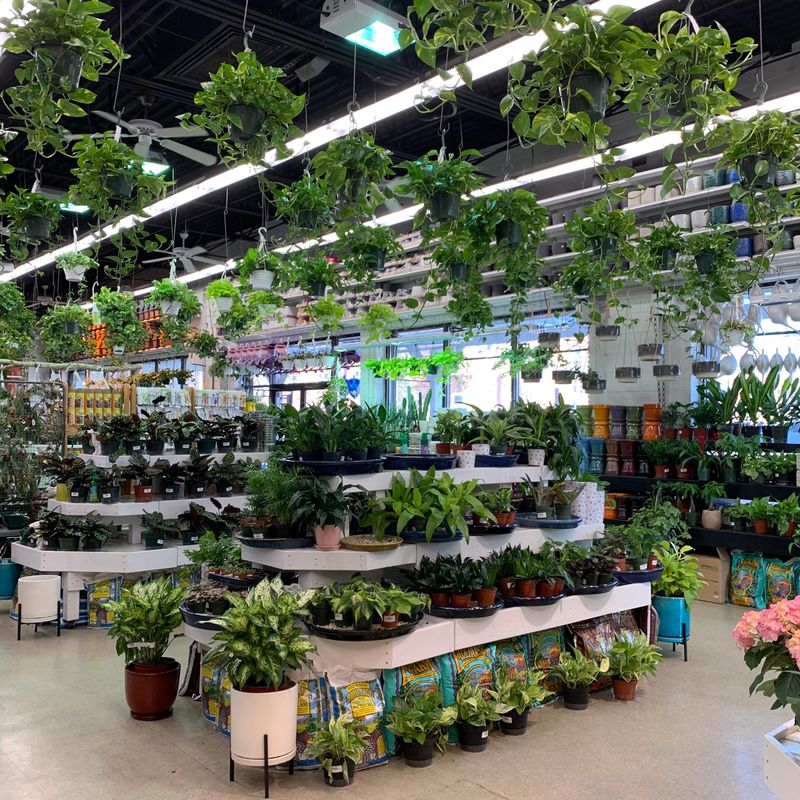
National plant tags provide general care information that may not account for Florida’s unique combination of humidity, rainfall patterns, and soil conditions. A plant labeled drought-tolerant might thrive in Arizona but struggle in Tampa despite both locations being hot.
These tags typically indicate a plant’s behavior in average conditions across broad regions. They don’t capture the specifics of Florida’s summer rainy season, winter dry season, sandy soils, and subtropical humidity that create growing conditions unlike anywhere else in the continental United States.
Lavender serves as a perfect example. It appears in garden centers throughout Florida with drought-tolerant labels, and it certainly needs little water in Mediterranean climates.
However, Florida’s combination of summer rain and humidity creates conditions where lavender frequently struggles, disappointing gardeners who trusted the label.
Before purchasing plants, consult Florida-specific resources. The University of Florida IFAS Extension provides detailed information about plant performance specifically in Florida conditions.
Their recommendations account for regional variations within the state, helping you choose plants proven to succeed in your specific area.
Local nurseries specializing in Florida-friendly plants offer another valuable resource. Staff familiar with regional conditions can recommend drought-tolerant options that actually thrive here, saving you time and money spent on plants that look great at purchase but decline within months.