7 Native Georgia Groundcovers That Handle Heat And Humidity
Georgia summers have a way of testing your patience. You step outside to water the yard, and within minutes your shirt is sticking to your back.
The air feels thick, the sun feels stronger than it did twenty years ago, and somehow the weeds still look perfectly happy while your plants struggle.
If you’ve gardened here for a while, you already know that not everything can handle this kind of heat and humidity. Choosing groundcovers that are actually native to Georgia makes a real difference.
These plants have grown through our long summers, sudden downpours, and clay-heavy soils for generations. They settle in, spread naturally, and help keep bare soil from washing away or turning into a patch of weeds.
Some of them stay green through winter. Others burst into color when you least expect it.
And a few might already be growing quietly in the woods near your home, waiting for a place in your yard.
1. Green And Gold That Spreads And Stays Bright
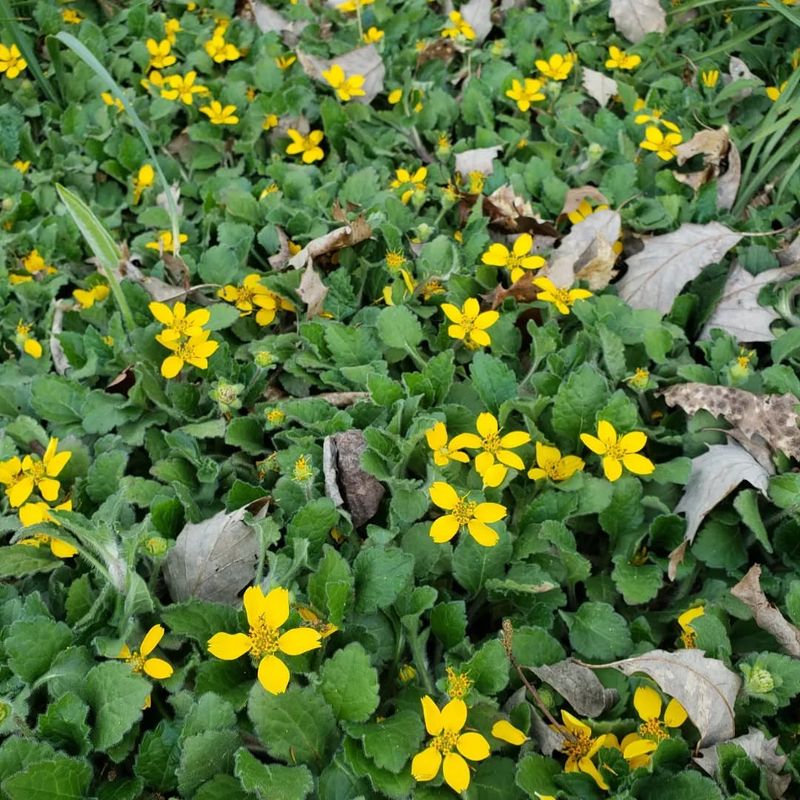
Cheerful golden flowers give this native groundcover its well-earned common name, appearing from spring through fall across Georgia gardens. Chrysogonum virginianum spreads by rhizomes to create a lush carpet just four to eight inches tall.
The heart-shaped leaves stay green throughout most of the year in Georgia, providing year-round interest even when blooms take a break during the hottest weeks.
Gardeners across Georgia appreciate how this groundcover adapts to various light conditions. It performs beautifully in partial shade but also tolerates full sun when given adequate moisture.
The plant handles humidity without developing fungal problems that plague non-native species. Once established, it requires minimal watering during dry spells, making it ideal for busy homeowners.
Green and Gold spreads at a moderate pace, filling in spaces without becoming aggressive or invasive. It works wonderfully along woodland paths, under trees, or as an edging plant along borders.
The bright flowers attract butterflies and native bees, adding movement and life to your landscape. This groundcover also tolerates foot traffic better than many alternatives, though it performs best with occasional rather than constant walking.
In Georgia landscapes, this native thrives in the Piedmont and mountain regions particularly well. It prefers slightly acidic soil, which matches most Georgia garden conditions perfectly.
The plant rarely needs fertilization and resists most pests naturally, reducing maintenance time and chemical use in your yard. Over time, established patches knit together into a soft, uniform layer that helps shade the soil surface and limit weed growth.
Its tidy growth habit makes it easy to maintain while still giving beds a full, finished appearance.
2. Lyreleaf Sage That Fills Gaps Fast
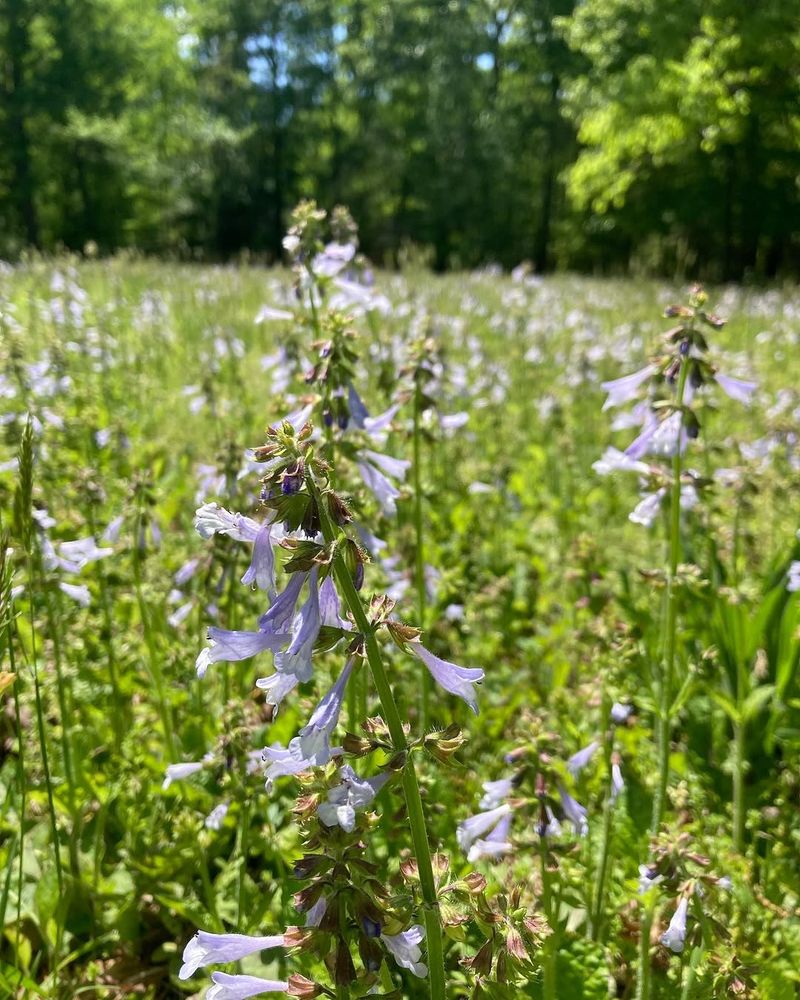
Spikes of purple and blue can transform an ordinary patch of ground into something eye-catching in early spring. Salvia lyrata produces striking flower spikes in shades of purple and blue that rise above basal rosettes of deeply lobed leaves.
The foliage resembles a lyre or fiddle, which explains the common name. This native sage spreads quickly through self-seeding, filling bare spots in your garden without any extra effort from you.
Your Georgia Garden Changes Every Week. Your Plan Should Too.
Gardening in Georgia changes quickly throughout the season. Every Friday you’ll receive a simple weekly plan showing exactly what to plant, prune, fertilize, harvest, and protect so you never miss the right timing.
The plant typically grows eight to twelve inches tall, with flower stalks reaching up to two feet during peak blooming season in spring.
Georgia gardeners value this groundcover for its exceptional heat tolerance and ability to thrive in humid conditions. Unlike many salvias that prefer dry climates, Lyreleaf Sage evolved in southeastern woodlands and meadows.
It handles both sun and shade, though it produces more flowers with at least four hours of direct sunlight daily. The plant self-sows readily, creating natural drifts that look effortlessly beautiful rather than overly planned.
Pollinators absolutely love this native groundcover. Bees, butterflies, and hummingbirds visit the tubular flowers throughout the blooming period.
The plant continues producing scattered blooms into early summer, extending the season of interest. After flowering, the attractive foliage remains, often developing burgundy tints as temperatures cool in fall.
This sage tolerates a wide range of soil conditions found across Georgia, from clay to sandy loam. It handles occasional flooding and drought equally well once roots establish.
The plant requires very little maintenance beyond occasional thinning if it spreads too enthusiastically for your space. Deer typically avoid browsing on it, making it well suited for rural Georgia properties and larger naturalized landscapes.
3. Partridgeberry That Forms A Dense Evergreen Mat
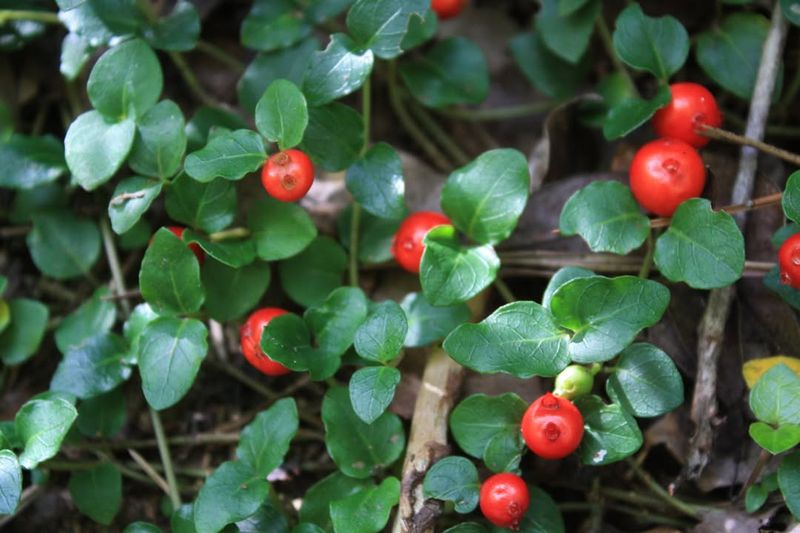
Mitchella repens creates one of the most elegant groundcovers native to Georgia forests. The tiny rounded leaves grow in opposite pairs along trailing stems, forming a dense evergreen mat just two inches tall.
Small white flowers appear in late spring, often growing in pairs that fuse at the base. By fall, these transform into bright red berries that persist through winter, adding seasonal color when little else brightens shady areas.
Shaded Georgia gardens with acidic soil provide perfect conditions for Partridgeberry. This native grows naturally on forest floors throughout the state, thriving under oak, pine, and hickory trees.
It tolerates the deep shade and root competition that make these areas difficult for most groundcovers. The plant spreads slowly but steadily, rooting at nodes along the stems to create interconnected mats that prevent erosion effectively.
Humidity poses no problems for this woodland native. Partridgeberry actually prefers the moist air and dappled light found in Georgia forests.
It requires consistently moist soil but good drainage, similar to conditions on the forest floor where leaf litter keeps roots cool and damp. The plant never needs fertilization and remains virtually pest-free when grown in appropriate conditions.
Georgia gardeners use Partridgeberry as a living mulch under azaleas, rhododendrons, and other acid-loving shrubs. It also works beautifully in shaded rock gardens and along woodland paths.
The evergreen foliage provides year-round interest, while the red berries attract birds during winter months. This groundcover grows best when protected from hot afternoon sun and given adequate moisture during establishment, after which it becomes remarkably self-sufficient.
4. Golden Ragwort That Thrives In Damp Shade
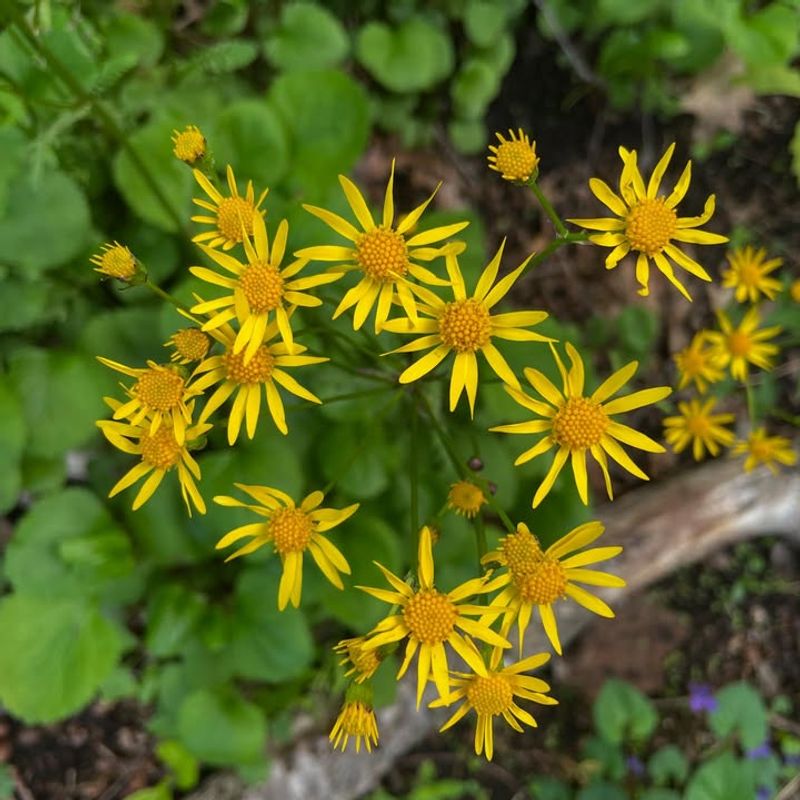
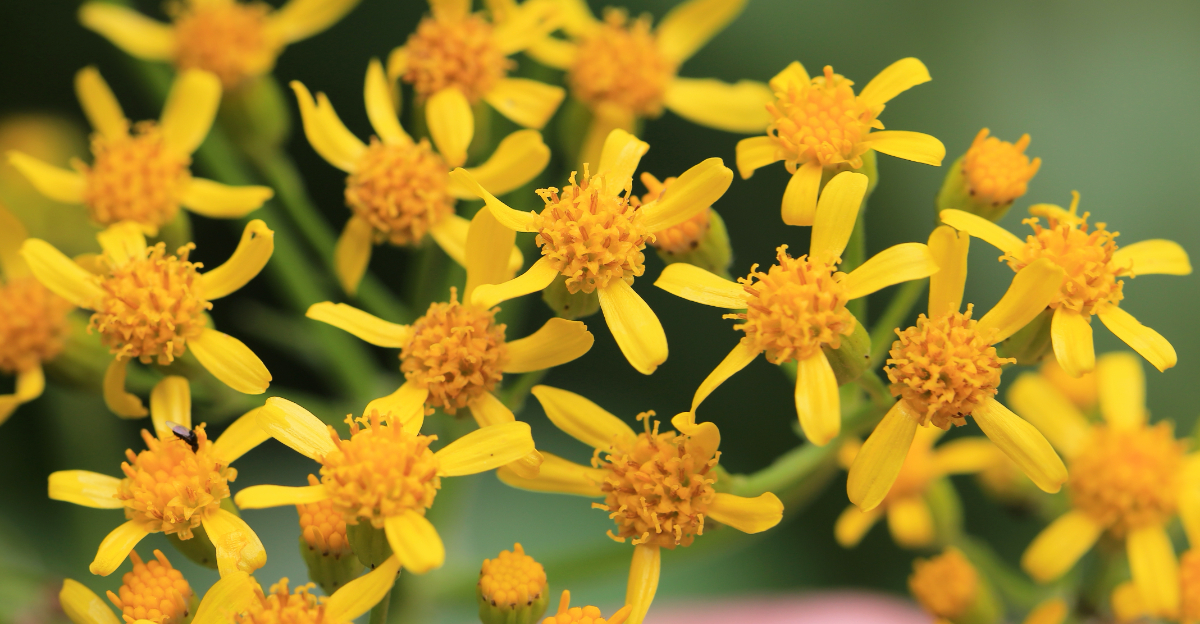
Shady corners with damp soil often leave gardeners searching for something that will truly settle in and stay put. Packera aurea answers that challenge with clusters of golden-yellow flowers that bloom in early spring.
The rounded basal leaves form attractive rosettes that spread to create dense coverage in areas where many groundcovers struggle. This native thrives in the moist, shaded conditions common in Georgia woodlands and along stream banks.
The foliage remains evergreen in mild Georgia winters, providing year-round structure to your landscape.
Moisture-loving plants often struggle in heavy humidity, but Golden Ragwort actually prefers these conditions. It naturally grows in wet meadows, floodplains, and along creek edges throughout the state.
The plant spreads steadily through rhizomes, forming colonies that suppress weeds effectively. It grows six to twelve inches tall normally, with flower stalks reaching eighteen to twenty-four inches when blooming.
Butterflies and native bees flock to the abundant nectar-rich flowers in spring. The early bloom time makes this groundcover especially valuable because it provides food when few other plants are flowering.
After the blooms fade, the attractive foliage continues doing its job, preventing erosion on slopes and keeping soil cool and moist underneath.
Georgia gardeners with challenging wet, shady areas often rely on this native as a dependable solution. It tolerates the clay soils common in many parts of the state and prefers consistently moist conditions.
Temporary flooding is usually tolerated, and established plants continue growing steadily. Fertilizer is rarely necessary, and pest or disease issues are uncommon in healthy sites.
Over time, the spreading colonies create a soft green layer that brightens woodland gardens and helps stabilize soil along stream banks and low-lying areas.
5. Plantain Pussytoes That Tolerate Dry Soil
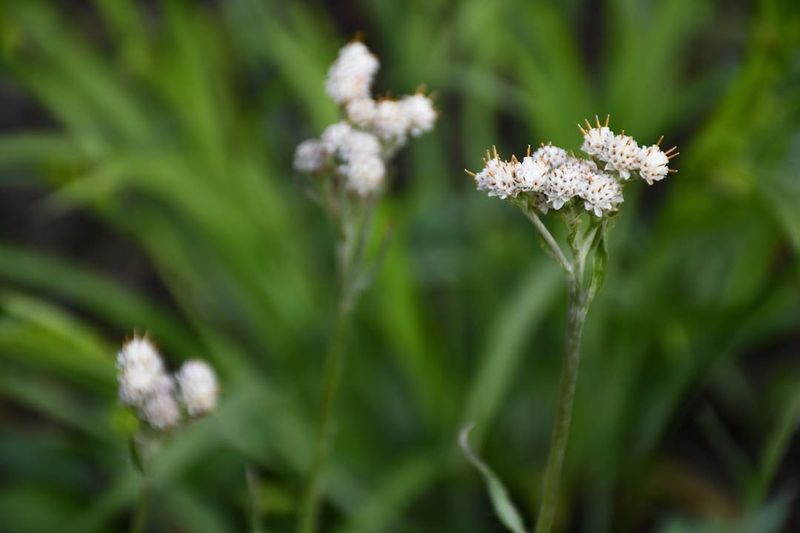
Hot, dry areas in a Georgia landscape often leave gardeners searching for plants that can handle lean soil and strong sun. Antennaria plantaginifolia offers a completely different solution with its drought-tolerant nature and unique appearance.
The silvery-green leaves form tight mats just two to four inches tall, creating a soft carpet effect.
Small fuzzy white flowers appear in spring, resembling tiny cat paws, which inspired the charming common name. This native groundcover spreads by stolons, gradually expanding to cover bare ground in sunny, dry locations.
The fuzzy leaves help the plant conserve moisture during heat waves and extended dry periods. Once established, it typically needs very little supplemental watering, even during Georgia’s hotter summers.
That makes it well suited for water-wise landscapes and spots where irrigation is limited.
The low-growing habit makes this groundcover ideal for rock gardens, between stepping stones, and along pathways. It tolerates light foot traffic surprisingly well, often recovering when stepped on occasionally.
Full sun to partial shade and well-drained soil help it perform best, especially in sandy areas and on slopes where other plants struggle to establish. Georgia gardeners appreciate how Plantain Pussytoes remains evergreen throughout winter, providing consistent coverage year-round.
It rarely needs added fertilizer and generally experiences few pest or disease issues when grown in appropriate conditions.
Growth tends to be steady rather than aggressive, allowing it to coexist peacefully with nearby plants. Butterflies visit the flowers, and the dense mats create habitat for beneficial ground-dwelling insects that support overall garden health.
6. Moss Phlox That Covers Slopes With Spring Color
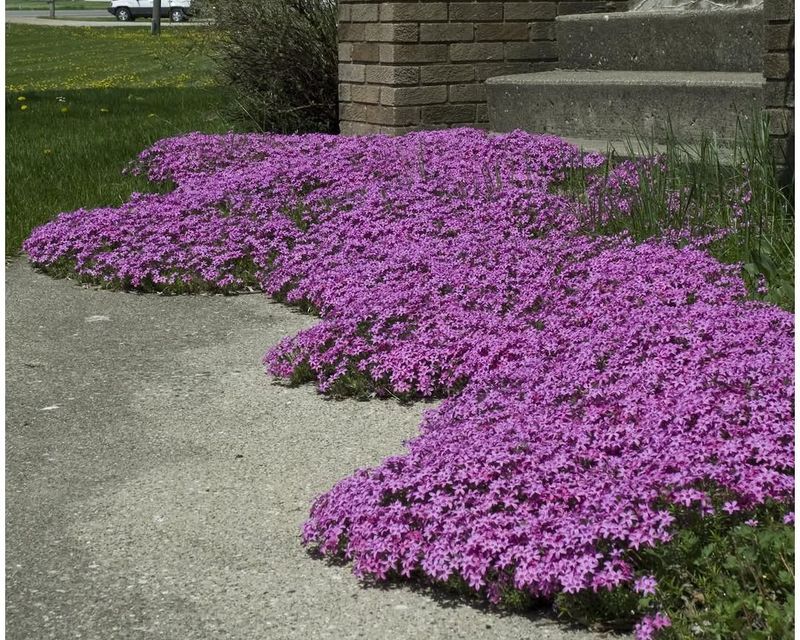
Phlox subulata transforms sunny slopes into blankets of color each spring with masses of pink, purple, white, or bicolor flowers. The needle-like evergreen foliage grows in dense mats just four to six inches tall, hugging the ground tightly.
This native groundcover spreads vigorously once established, making it excellent for erosion control on banks and slopes that are difficult to mow or maintain. The flowers appear so abundantly that they often completely hide the foliage beneath.
Georgia’s heat and humidity can challenge some phlox species, but Moss Phlox handles both remarkably well. It naturally grows on rocky slopes, open woods, and sunny banks throughout the southeastern states.
The plant prefers full sun and well-drained soil, making it ideal for slopes where water runs off quickly. It tolerates poor, rocky soil better than many alternatives, reducing the need for soil amendments.
Butterflies and hummingbirds visit the flowers throughout the blooming period, which typically lasts four to six weeks in Georgia. After flowering, the evergreen foliage continues providing coverage and erosion control.
The plant requires minimal maintenance beyond occasional trimming to maintain shape and encourage denser growth. It rarely experiences pest problems and resists deer browsing, making it practical for properties across Georgia.
This groundcover works beautifully cascading over retaining walls, covering parking strips, and filling rock gardens. It handles the reflected heat from pavement and stones without stress.
Georgia gardeners appreciate how quickly Moss Phlox establishes and fills in bare areas, creating a finished look in just one or two growing seasons. The plant requires no fertilization and minimal watering once roots establish deeply.
7. Frogfruit That Spreads Fast In Full Sun
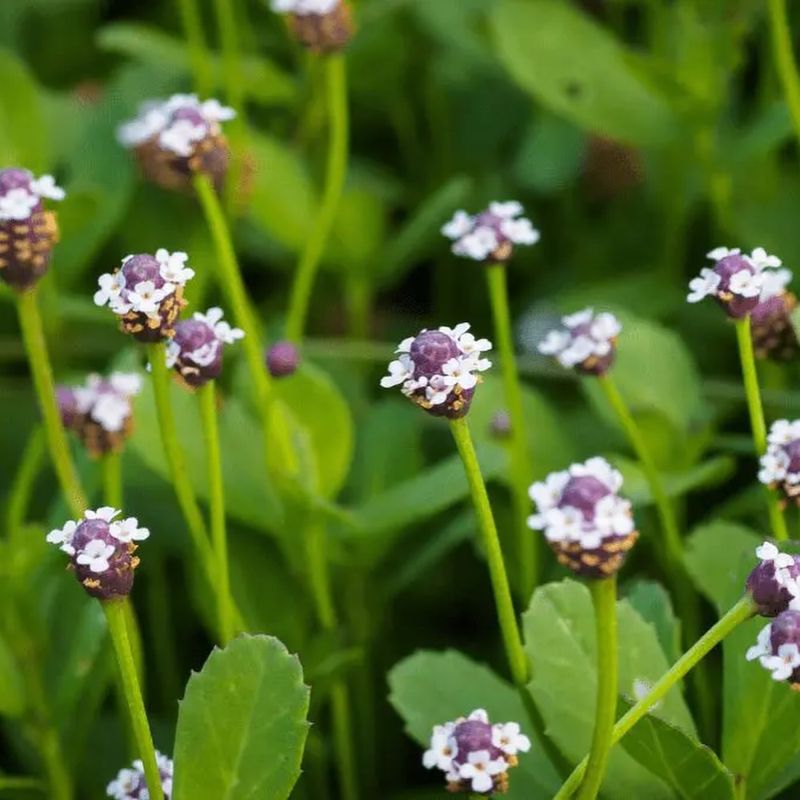
Sunny, open areas in Georgia landscapes often need a tough groundcover that can handle heat without thinning out by midsummer. Phyla nodiflora, commonly called Frogfruit or Turkey Tangle Frogfruit, fits that role beautifully.
It spreads by creeping stems that root as they travel along the soil surface, gradually forming a dense mat that helps crowd out weeds and protect bare soil.
This groundcover typically stays under six inches tall, making it a practical lawn alternative or a filler between stepping stones and along pathways. It handles Georgia’s summer heat and humidity well and adapts to both sandy and clay soils once established.
In areas that receive reflected heat from driveways or sidewalks, it continues growing steadily.
Small white to pale lavender flowers appear from late spring through fall, attracting butterflies and other native pollinators. The blooms may look delicate, but the plant itself shows impressive resilience in tough conditions.
It also tolerates occasional mowing and light foot traffic, which makes it useful in informal landscapes where some activity is expected.
Full sun encourages the most vigorous growth, though light shade is usually tolerated. During establishment, consistent moisture helps it fill in more quickly.
Because it is native throughout much of Georgia, it supports local ecosystems while providing reliable, low-maintenance coverage. Over time, the mat becomes thicker and more uniform, helping reduce erosion on gentle slopes and minimizing the need for mulch in open beds.
Gardeners looking to replace struggling turf in sunny patches often find this native option blends beauty with practical performance.