The Flowers That Continue Blooming Without Much Sun In Georgia
Shaded spots in Georgia gardens can feel like a challenge when most flowers fade or stop producing once direct sun drops off. Beds that look full early can turn quiet fast, and those areas often get overlooked as the season moves forward.
Still, some flowers keep color going even with limited light, and they can change how those spaces look without needing constant care. Instead of fading out, they hold their presence and keep the garden from feeling dull or unfinished.
That kind of consistency makes a big difference, especially in corners where sunlight stays limited through most of the day. The right choices can keep those areas active and visually balanced.
Once those flowers settle in, shade stops feeling like a limitation and becomes part of a more complete, well-rounded garden.
1. Impatiens Thrive In Full Shade And Bloom Reliably
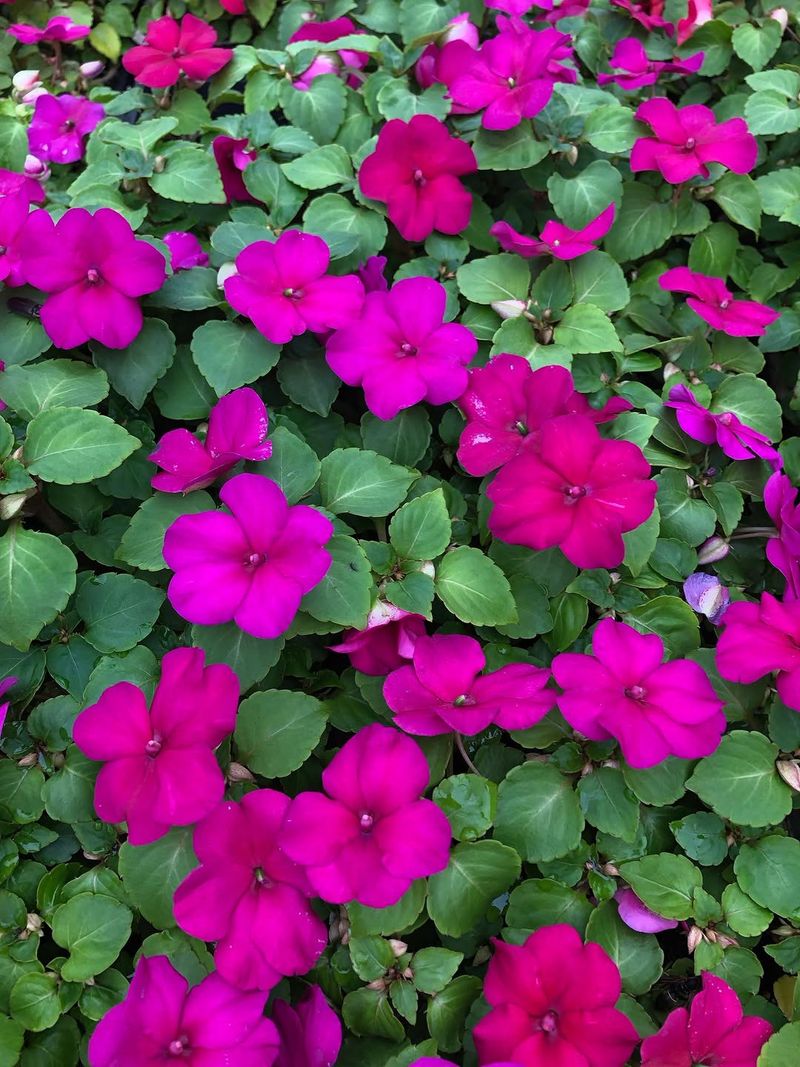
Few flowers show up for work as consistently as impatiens do in a Georgia shade garden. Plant them under a dense oak tree or along a north-facing fence, and they will push out color from late spring until the first frost rolls in.
Impatiens come in red, pink, coral, white, and lavender, so mixing them gives a shaded bed a lot of visual interest without much effort. They prefer soil that stays moist but drains well enough that roots do not sit in standing water.
In Georgia’s humid summers, impatiens can wilt a bit during the hottest part of the afternoon, but they usually bounce back once evening temperatures drop.
Watering at the base of the plant in the morning tends to help avoid fungal issues that show up in humid conditions.
Downy mildew has been a real problem for standard impatiens varieties over the past decade. Choosing SunPatiens or mildew-resistant varieties labeled for the Southeast gives you a better shot at keeping them healthy through August.
Spacing plants about ten to twelve inches apart allows for good airflow. Pinching back leggy stems encourages bushier growth and more blooms throughout the season.
Adding a thin layer of mulch helps keep the soil evenly moist and reduces how often you need to water. A light monthly feeding keeps blooms coming steady without pushing overly soft growth.
2. Hostas Produce Summer Flowers In Shaded Gardens
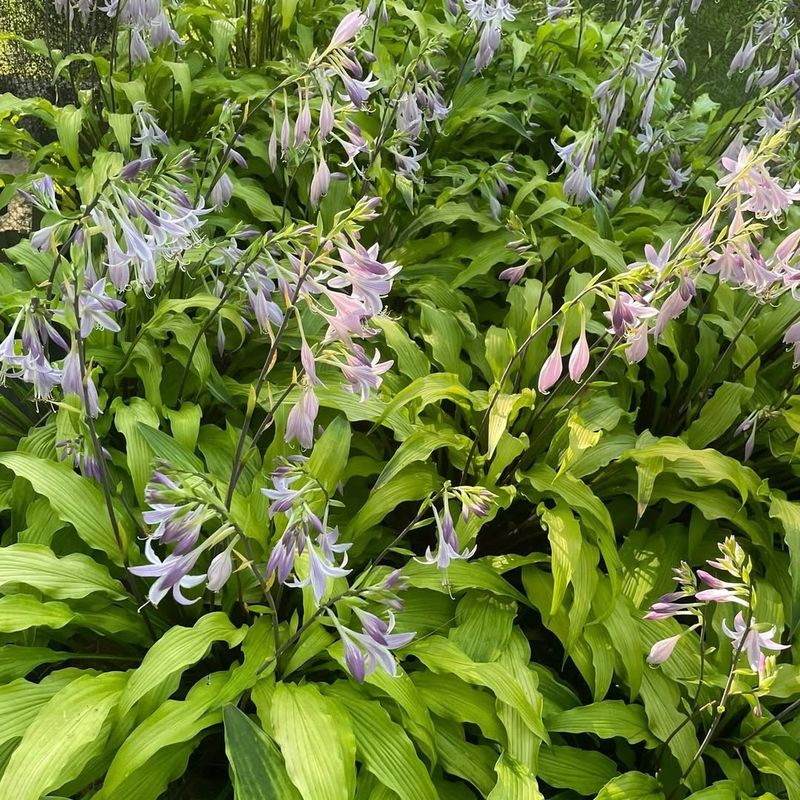
Hostas are mostly known for their bold, textured leaves, but those tall flower stalks that shoot up in summer are genuinely worth appreciating.
Depending on the variety, blooms range from pale lavender to nearly white, and some carry a light fragrance that draws in bees and hummingbirds.
Georgia gardeners have an advantage with hostas because the state’s mild winters rarely cause serious damage to the crowns. Most varieties go dormant in fall and come back reliably each spring without much fuss.
Slugs are probably the biggest headache with hostas in Georgia. The combination of shade, moisture, and warm nights creates ideal conditions for them.
Spreading diatomaceous earth around the base or using iron phosphate bait helps keep slug damage manageable.
Giant varieties like Sum and Substance can reach three feet tall and wide, making them a strong focal point in a shaded border. Smaller varieties like Mouse Ears work well along pathways or tucked in tight spots.
Your Georgia Garden Changes Every Week. Your Plan Should Too.
Gardening in Georgia changes quickly throughout the season. Every Friday you’ll receive a simple weekly plan showing exactly what to plant, prune, fertilize, harvest, and protect so you never miss the right timing.
Soil enriched with compost supports stronger leaf and flower production. Hostas planted in areas with morning light and afternoon shade tend to show better color than those kept in deep shade all day, though they will still grow in very low light.
Dividing mature clumps every few years helps keep plants vigorous and prevents overcrowding.
Removing spent flower stalks after blooming also keeps the plant looking tidy and directs energy back into the foliage.
3. Astilbe Adds Feathery Blooms In Low Light Areas
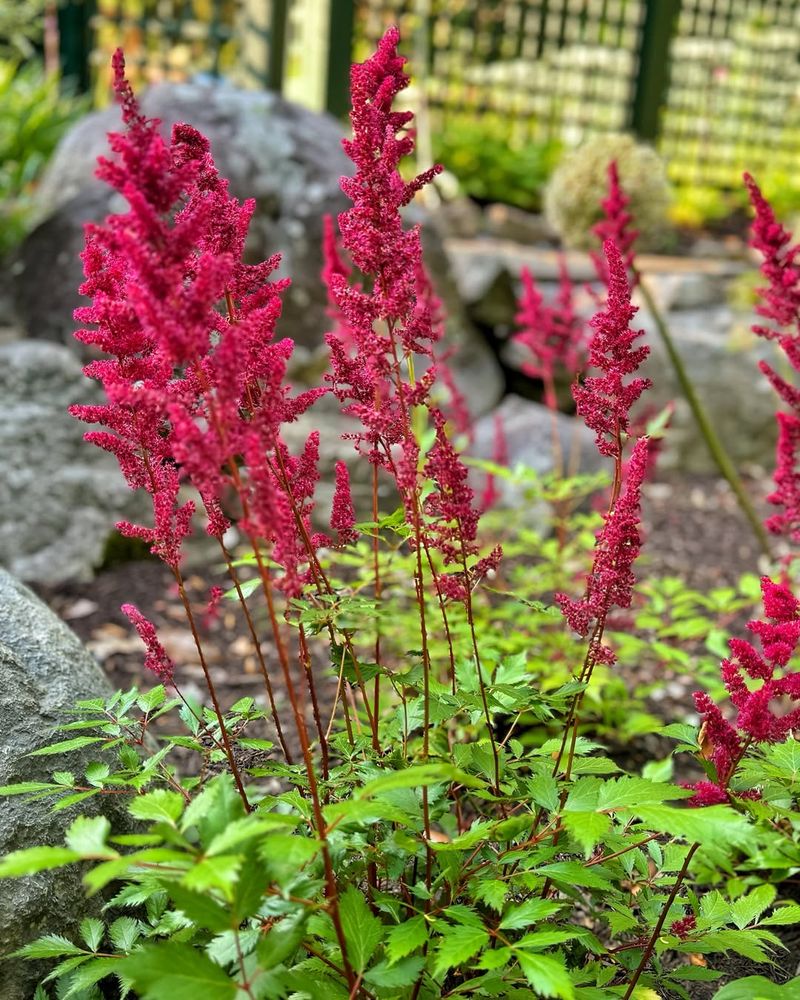
Astilbe brings a texture to shaded gardens that most other flowers simply cannot match.
Those tall, feathery plumes in shades of red, pink, white, and purple look almost like colorful smoke rising above the foliage, and they hold their shape even after the blooms dry out.
In Georgia, astilbe does best in partial to full shade with consistently moist soil. It struggles in dry, sandy ground, so mixing in compost or peat before planting makes a noticeable difference in how well it performs through summer.
Bloom timing varies by variety. Early-season types start flowering in May, while late-season varieties push blooms into August.
Planting a mix of both stretches the color window considerably across a single shaded bed.
Astilbe planted near a downspout or low-lying area where moisture collects often does better than plants placed in drier spots. Just avoid areas that stay waterlogged for days after rain, since prolonged wet roots can cause problems.
Dividing clumps every three to four years keeps plants vigorous and prevents the center from becoming woody. Fall or early spring is the best time to divide in Georgia, giving roots time to settle before heat arrives.
Mulching around the base helps hold moisture in the soil and keeps roots cooler during hot stretches.
Regular watering during dry periods is important since astilbe does not tolerate drought well once temperatures rise.
4. Bleeding Heart Blooms Early In Shaded Spots
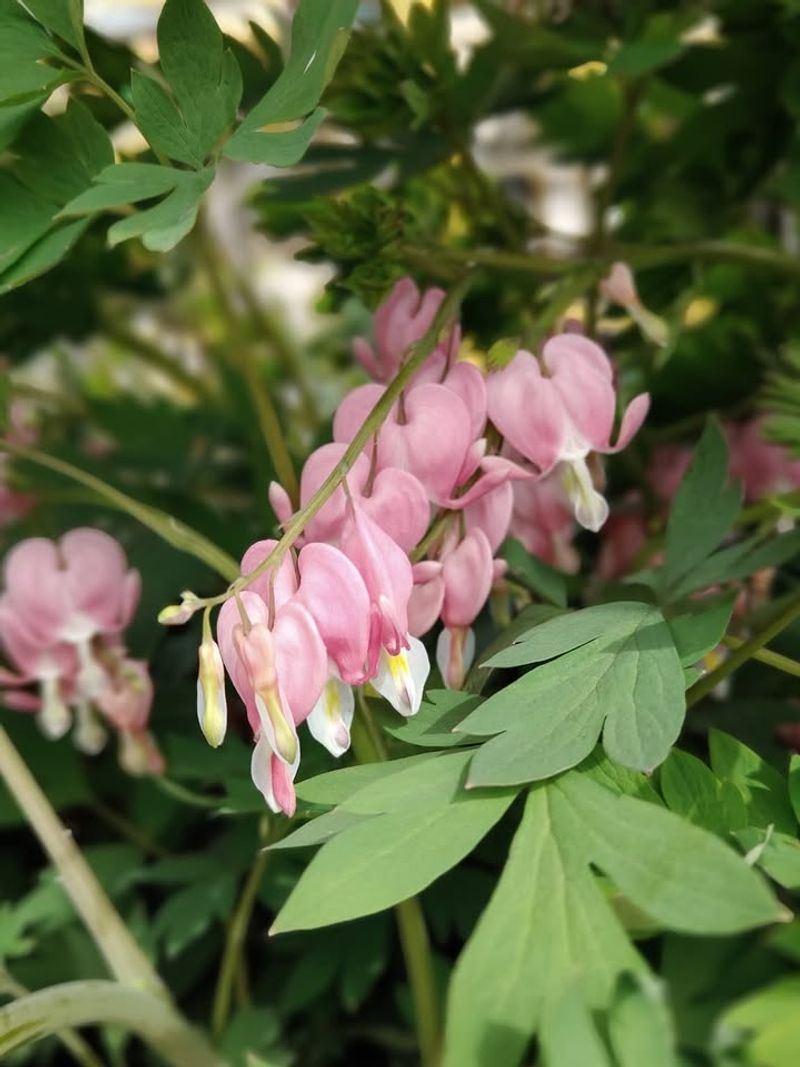
Bleeding heart is one of those plants that feels like a secret reward for having a shaded yard. Those arching stems lined with dangling pink or white heart-shaped flowers show up in early spring, sometimes as early as March in Georgia’s warmer zones.
One thing to know going in: bleeding heart is a cool-season bloomer. By late June or early July, the foliage typically yellows and fades back as temperatures climb.
Planting it near hostas or ferns helps fill the gap left behind as the season shifts.
Fringed bleeding heart, sometimes sold as Dicentra eximia, tends to rebloom more readily through Georgia summers than the traditional species. It stays smaller but keeps producing flowers longer into the warm season.
Soil with good organic content and reliable moisture keeps bleeding heart performing at its best. Sandy soils that dry out quickly between rains tend to shorten the bloom period, so amending with compost before planting helps considerably.
Planting bleeding heart in a spot with morning light and afternoon shade gives it the energy to bloom without baking in the afternoon heat.
North-facing beds or spots shaded by deciduous trees are often ideal locations across Georgia.
Keeping the soil evenly moist during spring helps extend the bloom period before heat sets in. Once foliage starts to fade, it would be best to let the plant go dormant naturally without cutting it back too early.
5. Camellia Flowers Well In Partial Shade Conditions
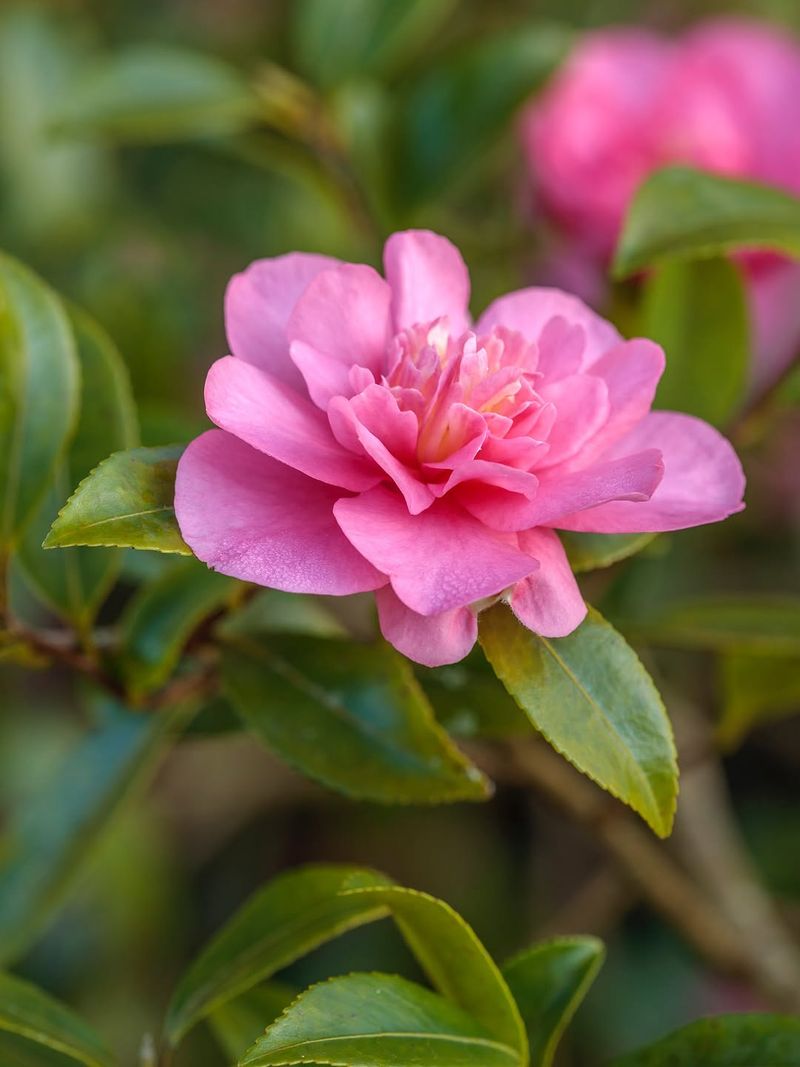
Camellias are practically a symbol of Southern gardening, and Georgia’s climate suits them well.
Unlike most flowering shrubs that need full sun, camellias actually prefer some protection from harsh afternoon light, which can scorch their leaves and shorten bloom life.
Camellia japonica varieties bloom from late fall through early spring, which makes them incredibly valuable in Georgia gardens when almost nothing else is flowering. Camellia sasanqua types bloom a bit earlier, often starting in October, and handle slightly more sun.
Planting camellias on the east side of a structure or under the filtered shade of tall pines gives them morning light without afternoon sun stress. Soil needs to be well-draining and slightly acidic, somewhere around a pH of 5.5 to 6.5.
Mulching around the base with pine straw or wood chips helps maintain consistent soil moisture and keeps roots cool during temperature swings that Georgia winters sometimes bring. Keep mulch a few inches away from the trunk itself.
Feeding camellias with an acid-forming fertilizer in spring and again in midsummer supports healthy bud development. Avoid fertilizing after August, as late-season feeding can push soft growth that gets damaged when cold snaps arrive in November or December.
Watering deeply during dry periods helps prevent bud drop, which can happen when moisture levels fluctuate too much.
Pruning right after flowering allows the plant to set new buds for the next season without cutting them off.
6. Coral Bells Send Up Delicate Blooms Above Foliage
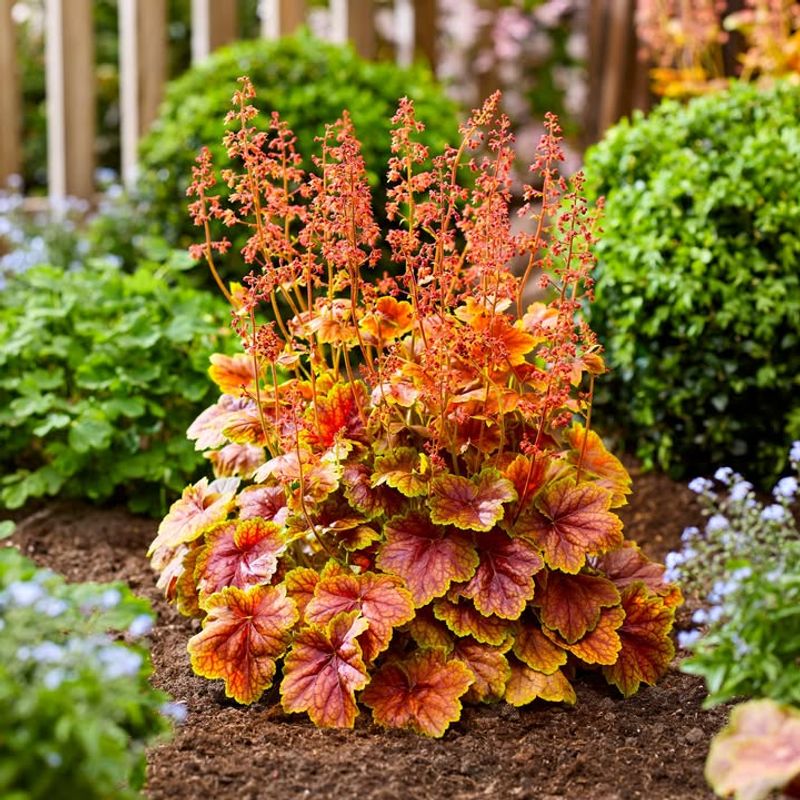
Coral bells pull double duty in a shade garden.
The foliage alone earns its place, coming in colors ranging from deep burgundy and bronze to lime green and caramel, but the thin, wiry stems carrying tiny bell-shaped flowers add a delicate layer of interest from late spring through early summer.
Georgia gardeners have a wide range of heuchera cultivars to choose from, and most perform well in partial shade. Varieties bred for Southern heat, like Southern Comfort or Caramel, tend to handle Georgia summers better than older cultivars that were developed for cooler climates.
Afternoon shade is important in Georgia. Heuchera planted in spots that catch hot western sun through July and August can look ragged by fall.
A spot with filtered light or morning sun only tends to keep the foliage looking sharp longer.
Root heave can be an issue in Georgia during freeze-thaw cycles in winter. Pressing plants back into the soil after a frost and adding a light layer of mulch over the crown helps prevent this problem.
Replacing plants every three to four years keeps them looking their best, as older crowns tend to lift out of the soil and produce fewer blooms over time. Propagating by division in early spring is a straightforward way to refresh a planting.
Watering consistently during dry spells helps prevent leaf scorch and keeps foliage color from fading. Removing damaged or older leaves through the season keeps the plant looking full and encourages fresh growth.
7. Hydrangea Produces Large Blooms In Partial Shade
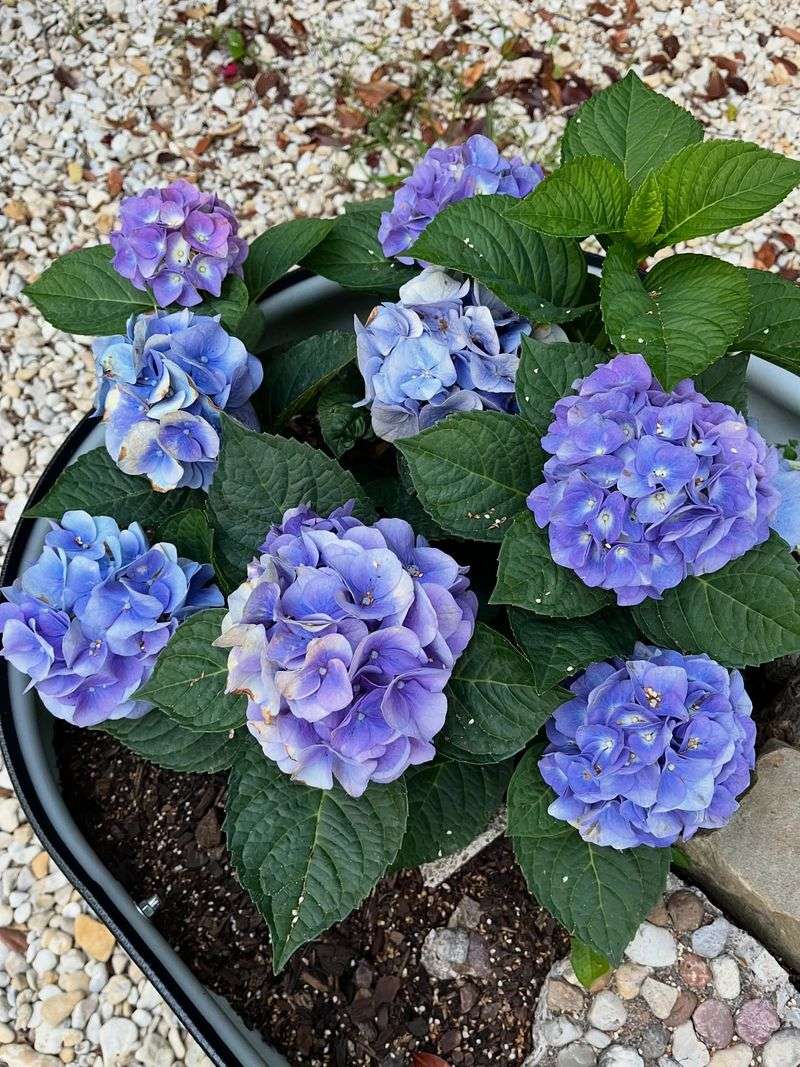
Hydrangeas are hard to beat when it comes to sheer flower size in a partially shaded Georgia garden.
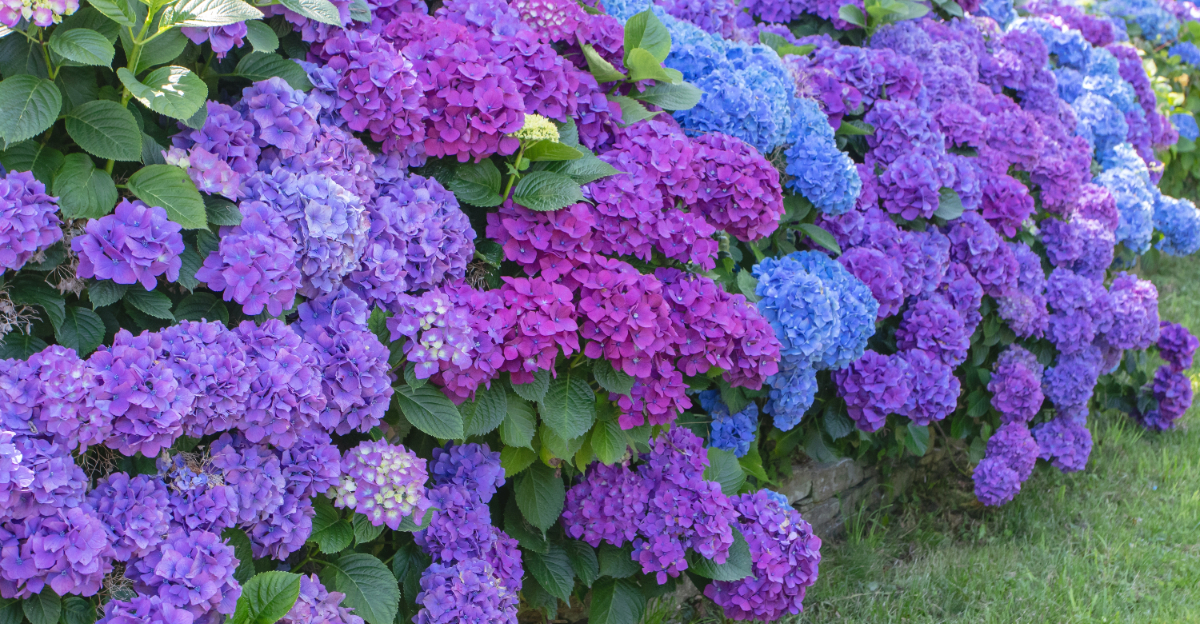
Those big mophead blooms on bigleaf hydrangeas can stretch six to ten inches across, and they hold their shape on the shrub for weeks before fading gracefully into papery dried flowers.
Bigleaf hydrangeas prefer morning sun with afternoon shade in Georgia. Too much direct afternoon sun in July and August can cause wilting and reduce bloom quality, while full shade often limits flowering significantly.
Soil pH influences bloom color in bigleaf varieties. Acidic soil with a pH below 6 tends to push flowers toward blue, while more neutral or slightly alkaline soil produces pink blooms.
Georgia’s naturally acidic soils often favor blue tones without any amendments.
Oakleaf hydrangea is a Georgia native that handles deeper shade than most other hydrangea species. Its cone-shaped white flowers age to a warm pinkish-tan, and the peeling bark and fall foliage add interest well past the bloom season.
Pruning timing matters a lot. Bigleaf hydrangeas bloom on old wood, so cutting them back hard in fall removes next year’s buds.
Pruning right after blooms fade in summer, if needed, is a safer approach for maintaining flower production.
Keeping soil evenly moist during hot stretches helps prevent wilting and supports better bloom size. A layer of mulch around the base also helps regulate soil temperature and reduces moisture loss through summer.
8. Foxglove Grows Tall And Blooms In Filtered Light
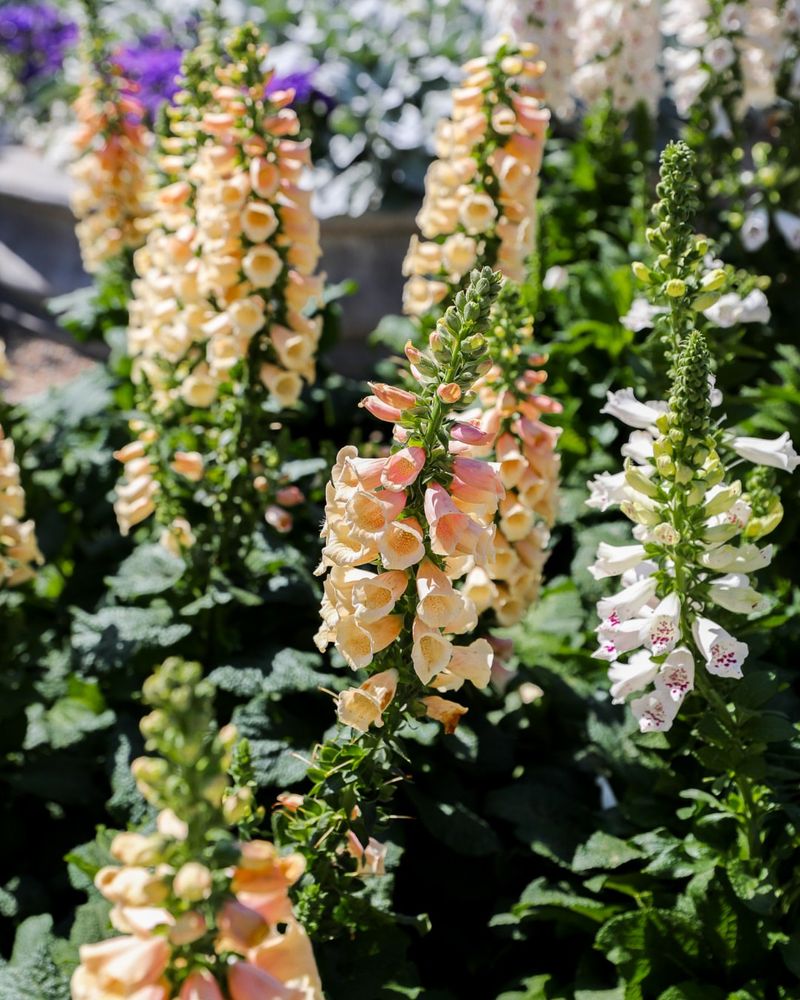
Foxglove has a dramatic presence that most shade plants cannot match.
Those tall spikes covered in tubular flowers, often spotted inside with contrasting colors, can reach four to six feet tall and command attention in any shaded border from late spring into early summer.
In Georgia, foxglove behaves as a biennial or short-lived perennial depending on conditions. It typically spends its first year as a low rosette of leaves, then sends up flower spikes in its second year.
Planting transplants in fall gives them time to establish before spring bloom season.
Filtered light under deciduous trees suits foxglove well. Deep, dense shade reduces bloom production, while too much direct afternoon sun causes the tall stems to wilt and the flowers to fade quickly in Georgia’s summer heat.
Foxglove readily self-sows in Georgia gardens, which means a single planting can produce seedlings that carry the display forward in following years without replanting. Letting a few spent spikes go to seed before removing them supports this natural cycle.
Consistent moisture during the growing season helps foxglove produce taller, more floriferous spikes. Mulching around the base retains soil moisture and keeps roots cooler during warm spring days when bloom spikes are developing most actively.
Staking taller plants in more exposed spots helps prevent the flower spikes from bending or falling over during storms.
Removing spent blooms before they fully dry can also encourage a few side shoots to form for extended flowering.