7 Zinnia Growing Mistakes Arizona Gardeners Should Avoid
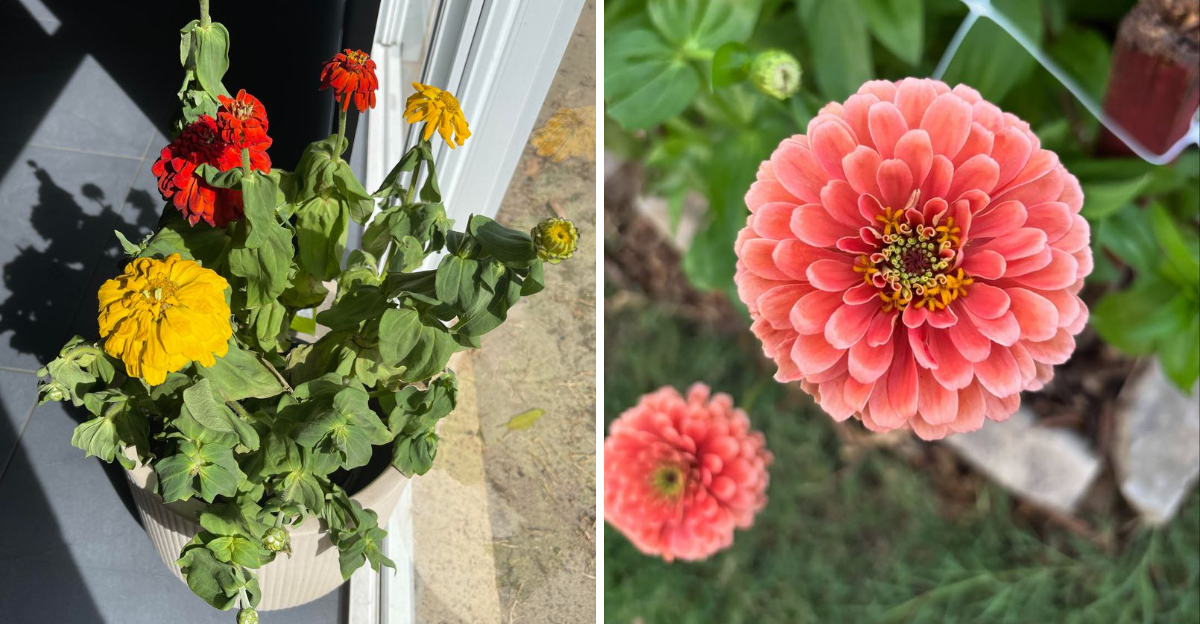
If zinnias have ever started strong in your yard and then suddenly stalled, flopped, or stopped blooming, there’s usually a simple reason behind it.
Arizona heat doesn’t forgive small mistakes, and these colorful flowers react quickly to poor timing, crowded planting, or the wrong watering habits.
Arizona gardeners love zinnias for bold color through intense summer sun, but a few common missteps can quietly ruin the show. The difference between nonstop blooms and disappointing plants often comes down to small details most people overlook.
Fixing these zinnia growing mistakes in Arizona gardens can completely change how they perform, turning short-lived flowers into steady, heat-tough bloomers that actually live up to their reputation.
1. Planting Too Late Before Extreme Heat Sets In
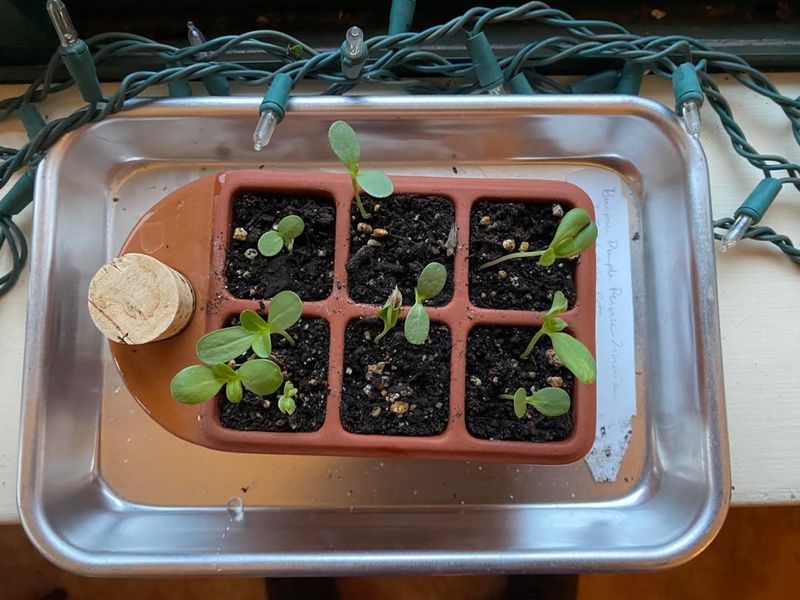
Timing matters more in Arizona than almost anywhere else when growing zinnias. Spring sneaks up fast here, and before you know it, temperatures jump from pleasant to scorching.
Zinnias need several weeks to develop strong roots before facing the brutal heat that arrives in May and June across the low desert.
Plant zinnia seeds or transplants in March, or even late February if you garden in Phoenix or Tucson. This gives them enough time to establish a solid root system and start blooming before temperatures regularly hit triple digits.
Wait until April, and your plants will struggle to grow while dealing with increasing heat stress right from the start.
Young zinnias planted too late spend all their energy just surviving instead of producing flowers. Their leaves may look pale or scorched, and growth slows to a crawl.
Some gardeners in Arizona make the mistake of planting zinnias on the same schedule as folks in cooler states, but that approach fails here.
Check your local last frost date and count backward about six weeks for direct seeding. Transplants can go in slightly later but still need that cushion before intense heat arrives.
Northern Arizona gardeners have more flexibility since temperatures stay cooler longer, but low desert areas require strict attention to planting windows.
Getting zinnias in the ground early sets them up for months of blooms rather than a disappointing struggle against the Arizona sun.
Give them full morning sun and light afternoon shade if possible, especially in the hottest parts of the low desert, to prevent early burnout.
Consistent, deep watering at the base helps roots grow down instead of staying near the surface where soil overheats quickly.
A thin layer of mulch around the plants also keeps soil temperatures steadier and reduces moisture loss once Arizona’s dry winds pick up.
2. Overwatering In Fast Draining Desert Soil
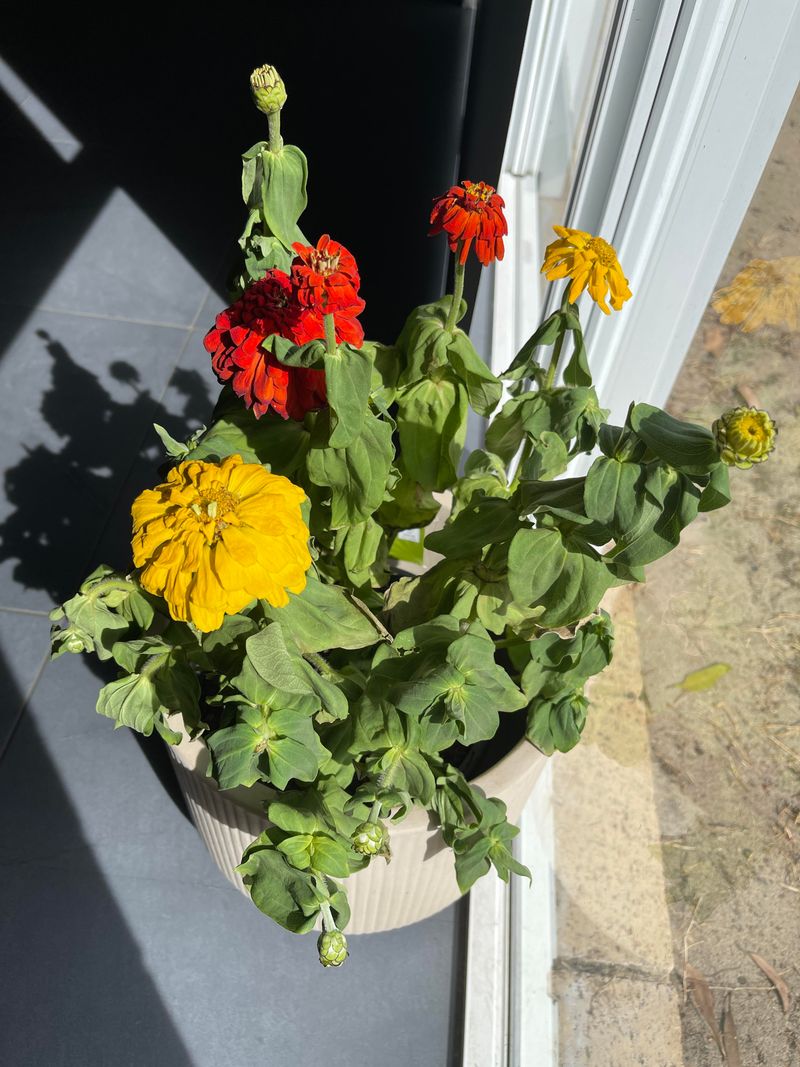
Desert soil drains fast, but that does not mean zinnias need constant watering. Many Arizona gardeners panic about the heat and end up drowning their plants with too much water.
Zinnias actually prefer their soil on the drier side between waterings, and soggy conditions cause more problems than brief dry spells.
Root rot develops quickly when zinnia roots sit in wet soil, especially during the hottest months. The combination of heat and moisture creates perfect conditions for fungal diseases that attack the root system.
Your Arizona Garden Changes Every Week. Your Plan Should Too.
Gardening in Arizona changes quickly throughout the season. Every Friday you’ll receive a simple weekly plan showing exactly what to plant, prune, fertilize, harvest, and protect so you never miss the right timing.
Leaves turn yellow, plants wilt even though the soil feels damp, and growth stops completely.
Check soil moisture before watering by sticking your finger down two inches into the ground. If it feels cool and slightly damp, skip watering that day.
Zinnias in Arizona typically need deep watering two or three times per week during peak summer, but the exact schedule depends on your specific soil and location.
Sandy desert soil dries out faster than amended garden beds, so adjust your watering based on what you observe. Morning watering works best because it gives foliage time to dry before evening, reducing disease risk.
Drip irrigation or soaker hoses deliver water directly to roots without wetting leaves, which helps prevent powdery mildew and other issues common in Arizona gardens.
Let the top inch of soil dry between waterings, and your zinnias will develop stronger, healthier root systems that handle heat stress much better.
Consistent watering matters more than frequent watering, especially when temperatures swing between mild mornings and extreme afternoon heat.
Paying attention to how your plants respond, rather than following a rigid schedule, keeps zinnias steady, upright, and blooming through Arizona’s toughest summer weeks.
3. Crowding Plants And Blocking Airflow
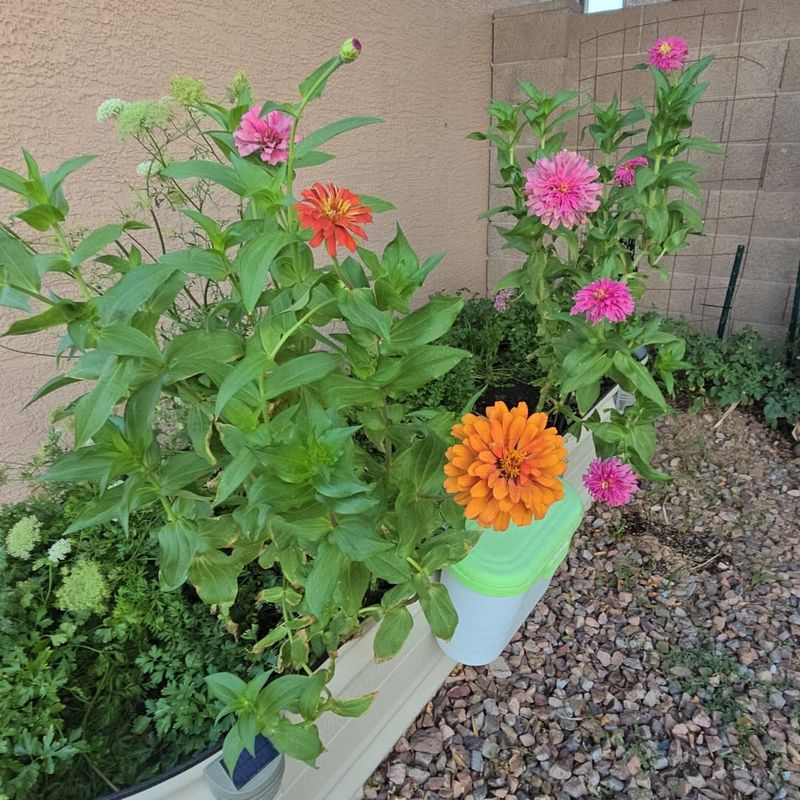
Spacing might seem like a small detail, but cramming zinnias together causes serious problems in Arizona heat. Good airflow keeps plants healthier by reducing humidity around leaves and stems.
When zinnias grow too close, moisture gets trapped between plants, creating conditions where fungal diseases spread rapidly.
Follow spacing recommendations on seed packets, which usually suggest 12 to 18 inches between plants depending on the variety. Tall zinnias need more room than compact types.
Arizona gardeners sometimes plant closer thinking it will create a fuller look faster, but this backfires when plants compete for resources and airflow.
Crowded zinnias also struggle to get enough light on their lower leaves. Shaded foliage stays damp longer after watering, and poor air circulation means moisture lingers.
Powdery mildew loves these conditions and will coat leaves with white fungal growth that weakens plants.
Proper spacing lets each plant develop a strong structure with plenty of room for branches to spread. Roots have space to grow without competing with neighbors for water and nutrients.
When you thin seedlings or space transplants correctly from the start, each zinnia produces more flowers and stays healthier throughout the growing season.
Arizona’s intense sun and low humidity help, but only if air can move freely through your zinnia patch. Give plants room to breathe, and you will see fewer disease problems and stronger blooms all summer long in your desert garden.
4. Skipping Deadheading During Peak Bloom
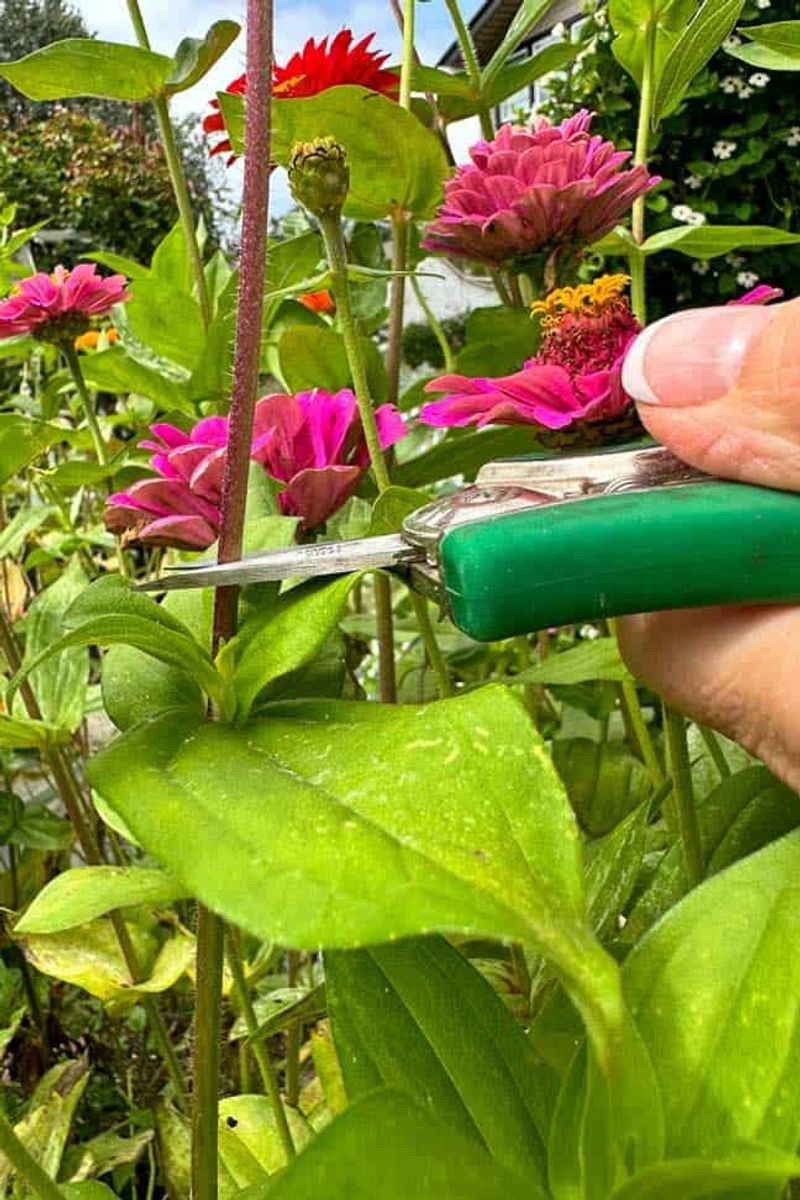
Faded flowers look messy, but leaving them on your zinnias does more than hurt appearance. Once a bloom goes to seed, the plant thinks its job is done and slows down flower production.
Deadheading tricks zinnias into making more blooms because they keep trying to produce seeds.
Grab some scissors or pruning shears and cut spent flowers back to the next set of leaves or buds. Do this every few days during peak blooming season, which runs from late spring through fall in most Arizona gardens.
The process takes just minutes but makes a huge difference in how many flowers you get.
Some gardeners worry about cutting too much, but zinnias handle regular trimming without problems. Remove the entire flower stem down to where it meets another stem or leaf cluster.
New buds will develop from the leaf nodes below your cut, giving you even more blooms in a week or two.
Arizona’s long growing season means zinnias can bloom for months if you keep deadheading. Skip this task, and your plants will look tired and scraggly by midsummer with fewer fresh flowers.
The spent blooms also attract pests and can harbor disease, so removing them keeps plants cleaner and healthier overall.
Set a reminder to check your zinnias twice a week during their heaviest blooming period.
Bring a small bucket or bag to collect spent blooms, and you’ll keep your garden looking fresh while encouraging continuous color throughout the hot Arizona summer and into fall.
5. Ignoring Afternoon Shade In Low Desert Summers
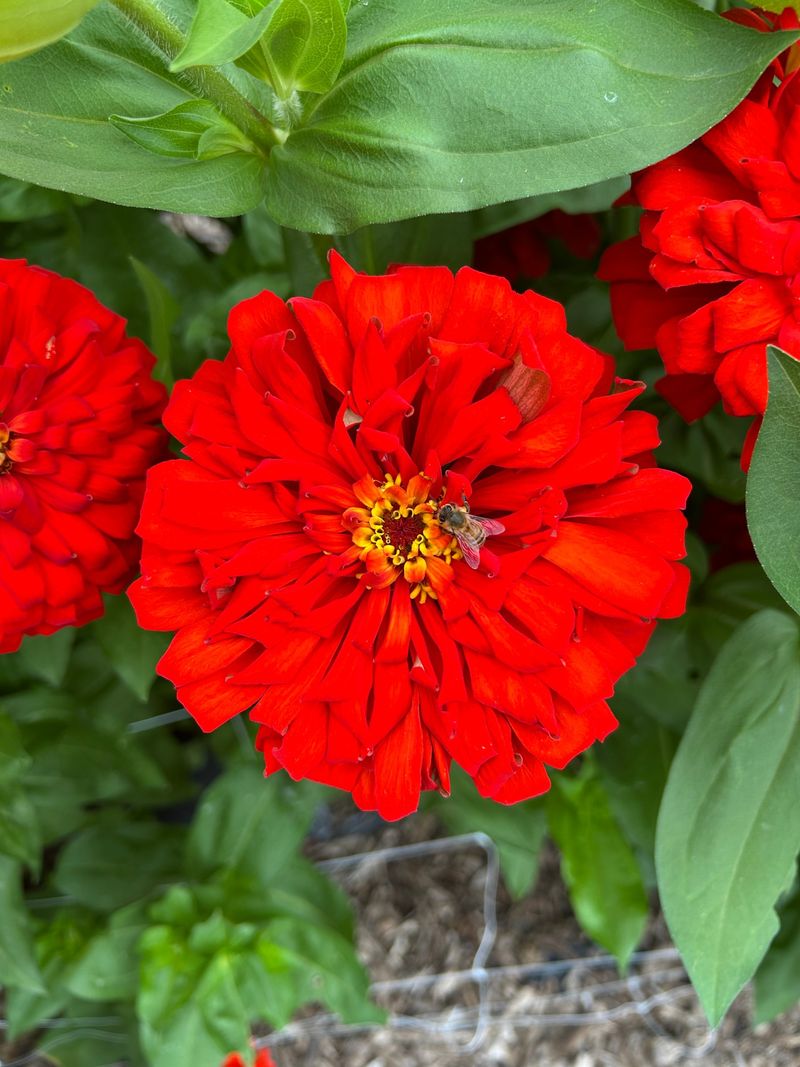
Full sun works great for zinnias in most places, but Arizona’s low desert is not most places. Afternoon temperatures regularly exceed 110 degrees from June through August, and that level of intense heat can stress even heat-loving zinnias.
Providing some afternoon shade during the hottest months keeps plants blooming instead of just surviving.
Plant zinnias where they get morning sun but protection from the harshest afternoon rays. The east side of a wall, fence, or larger plants can provide natural shade during the hottest part of the day.
If your garden lacks natural shade, consider using shade cloth with 30 to 50 percent coverage over your zinnia bed.
Zinnias still need plenty of light to bloom well, so complete shade will not work. The goal is filtering the most intense afternoon sun while still giving plants six hours of good light daily.
Morning sun tends to be less brutal and helps dry dew from leaves, reducing disease risk.
Gardeners in Tucson, Phoenix, and other low desert areas notice a big difference when zinnias get afternoon relief. Flowers last longer, colors stay brighter, and plants keep producing new blooms instead of going dormant during the worst heat.
Northern Arizona gardens at higher elevations can usually skip this step since temperatures stay more moderate.
Watch your zinnias during July and August. If leaves look scorched around the edges or flowers fade quickly, add some afternoon shade for the rest of summer.
Your plants will reward you with better blooms and healthier growth through the entire season.
Avoid planting zinnias in spots surrounded by gravel or reflective surfaces that intensify afternoon heat.
Rock mulch, concrete borders, and nearby walls can radiate stored heat back onto plants, pushing stress levels even higher during peak summer.
Mulching with a light layer of compost or fine bark helps regulate soil temperature and reduces rapid moisture loss. Cooler roots handle heat better, and steady soil conditions support more consistent blooming.
6. Using Heavy Soil That Stays Wet Too Long
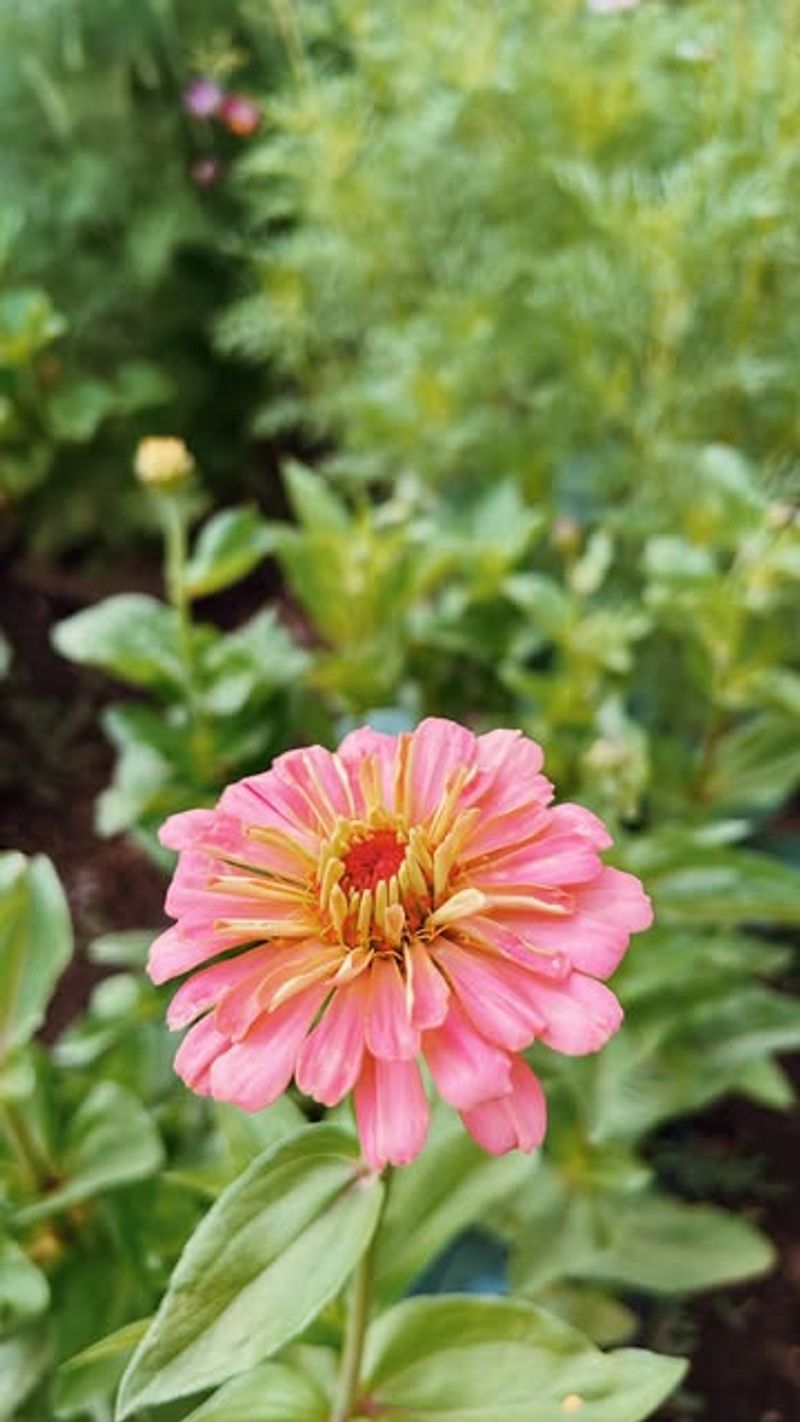
Clay soil exists in many Arizona gardens, especially in older neighborhoods where native soil has not been amended much. Zinnias hate heavy soil that stays soggy because their roots need oxygen to function properly.
When soil drains slowly, roots suffocate and rot sets in quickly.
Test your soil drainage by digging a hole about 12 inches deep and filling it with water. If water sits for more than a few hours, your drainage needs improvement.
Heavy soil also cracks and becomes rock-hard when dry, making it difficult for zinnia roots to spread and find moisture.
Amend clay or heavy soil with compost, aged manure, or other organic matter before planting zinnias. Work in several inches of amendment to improve both drainage and soil structure.
Raised beds offer another solution, letting you fill them with a lighter mix that drains well while warming up faster in spring.
Arizona’s caliche layer adds another challenge in some areas. This concrete-like layer of calcium carbonate sits below the surface and blocks drainage completely.
Breaking through caliche or building raised beds above it solves the problem for zinnias and most other garden plants.
Good drainage matters more in hot climates because wet soil combined with heat creates perfect conditions for root diseases. Zinnias growing in well-draining soil develop stronger root systems that handle heat stress better.
They also need less frequent watering, which saves time and water in Arizona’s desert climate.
Fix drainage issues before planting, and your zinnias will thrive instead of struggling in heavy, soggy soil all season long.
7. Waiting Too Long To Reseed For Fall Color
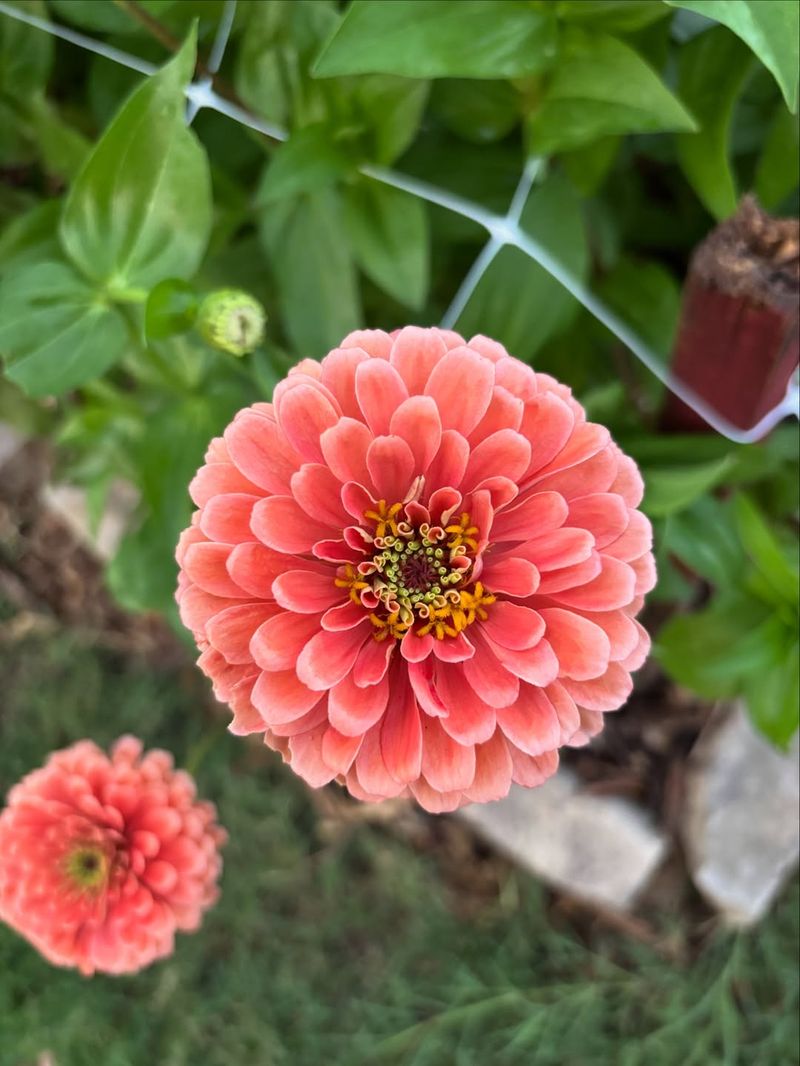
Arizona gardens get two zinnia seasons if you plan ahead. Spring plantings bloom through early summer, but heat eventually slows them down.
Planting again in late summer brings fresh blooms for fall when temperatures drop and gardening gets pleasant again.
Sow zinnia seeds in late July or early August for fall flowers in low desert areas. Seeds germinate quickly in warm soil, and plants grow fast during August and September.
By October, when temperatures cool into the 80s and 90s, your new zinnias will be blooming beautifully.
Many Arizona gardeners miss this second opportunity because they assume summer heat means no planting. Seeds actually sprout faster in warm soil, and young plants establish quickly before fall arrives.
The timing takes some practice, but once you figure it out for your specific area, fall zinnias become a reliable source of color.
Northern Arizona gardeners need to plant earlier, typically in mid to late July, since fall arrives sooner at higher elevations. Watch your first expected frost date and count backward about 10 weeks for seed planting.
This gives zinnias time to grow and bloom before cold weather stops them.
Fall zinnias often look better than spring plantings because they grow during cooling temperatures instead of heading into extreme heat. Colors appear more vibrant, and plants stay healthier with fewer pest and disease problems.
Water your fall planting carefully during establishment, then back off as temperatures drop and plants need less moisture in cooler weather.