8 Smart Steps For Growing Healthy Blueberries In Containers In Arizona
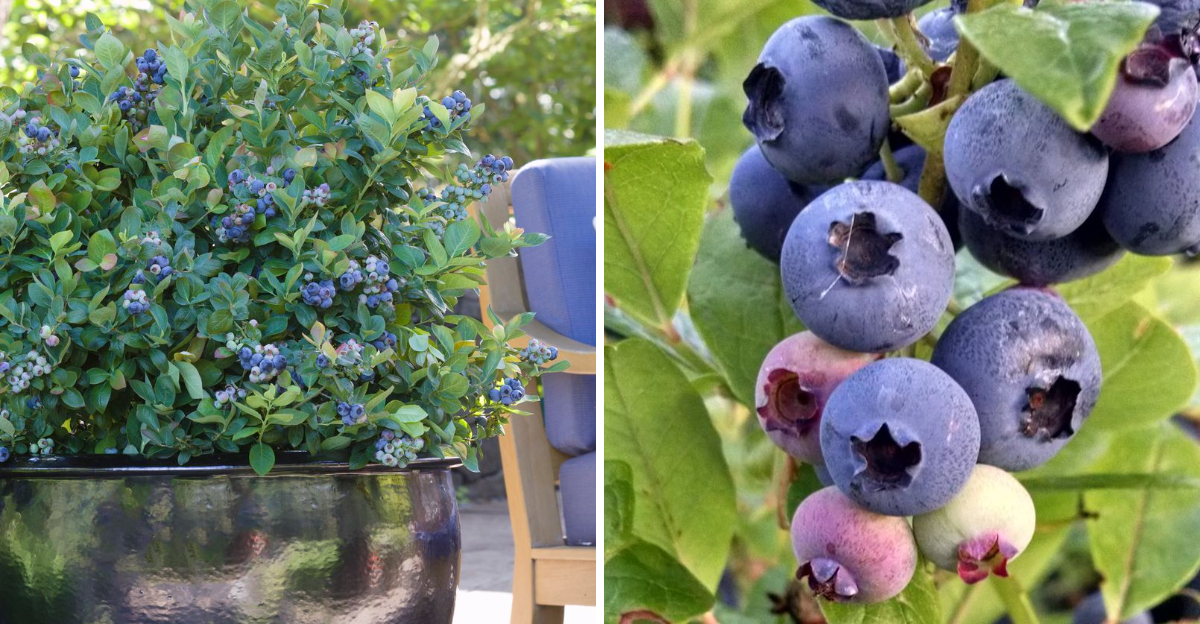
Growing blueberries in Arizona might sound tricky at first, but containers make it far more manageable. Instead of trying to fight the desert soil, many gardeners are finding success by growing blueberries in pots where the conditions can be controlled more easily.
With the right setup, these plants can grow well and even produce impressive harvests.
The key is understanding what blueberries actually need. They prefer acidic soil, steady moisture, and protection from the most intense afternoon sun.
Containers make it easier to adjust all of those factors, which is why more Arizona gardeners are giving this method a try.
Once the basics are in place, blueberry plants can settle in and grow surprisingly well in a container setting. With a few smart steps and a little attention along the way, it’s possible to enjoy healthy plants and fresh blueberries even in Arizona’s challenging climate.
1. Choose A Low Chill Blueberry Variety Suitable For Warm Climates
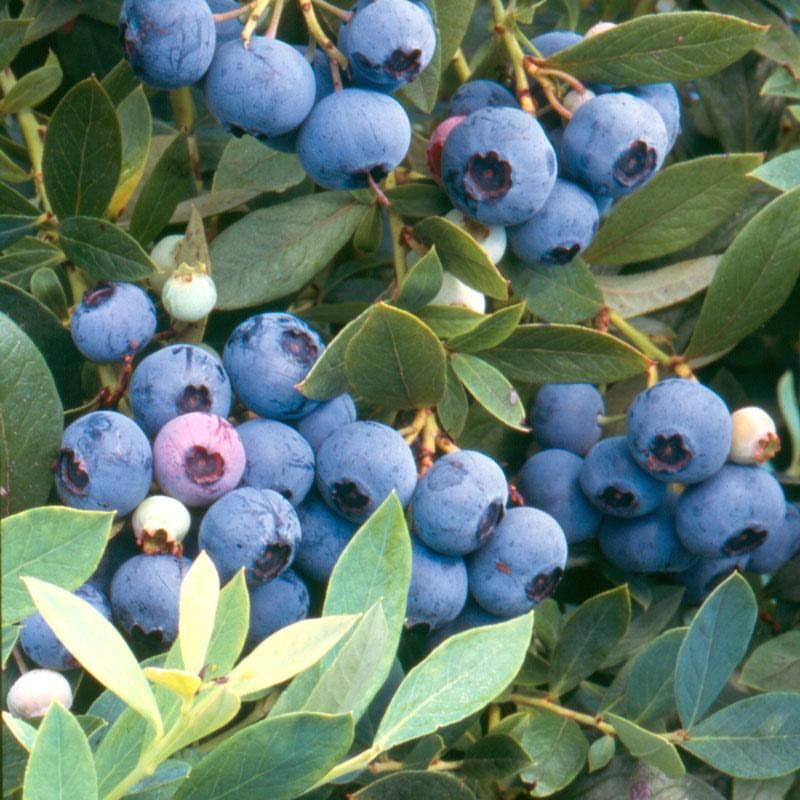
Not every blueberry plant can handle Arizona summers, and picking the wrong variety is the fastest way to end up with a struggling, fruitless plant. Arizona simply does not get enough cold winter hours to satisfy high-chill varieties like Bluecrop or Patriot.
You need varieties bred for warm, low-chill conditions.
Sunshine Blue is probably the most popular choice for Arizona container growers. It stays compact, handles heat better than most, and produces reliable crops even in warm winters.
Sharpblue and Misty are two other solid options worth looking for at your local nursery.
Chill hours refer to the number of hours a plant needs below 45 degrees Fahrenheit during winter to produce fruit properly. High-chill varieties need 800 or more hours, which Arizona rarely delivers.
Low-chill types need anywhere from 150 to 500 hours, which fits the state’s winter pattern much better.
When shopping for plants, read the tags carefully and ask nursery staff directly about chill hour requirements. Buying online can work too, just make sure the variety is confirmed as low-chill.
Starting with the right plant from day one saves a lot of frustration later in the season.
Choosing a variety suited to Arizona’s climate also means less stress on the plant during the long, hot summers. A low-chill blueberry will grow steadily, produce fruit reliably, and thrive in containers or small garden beds with proper care.
2. Use A Large Container With Excellent Drainage
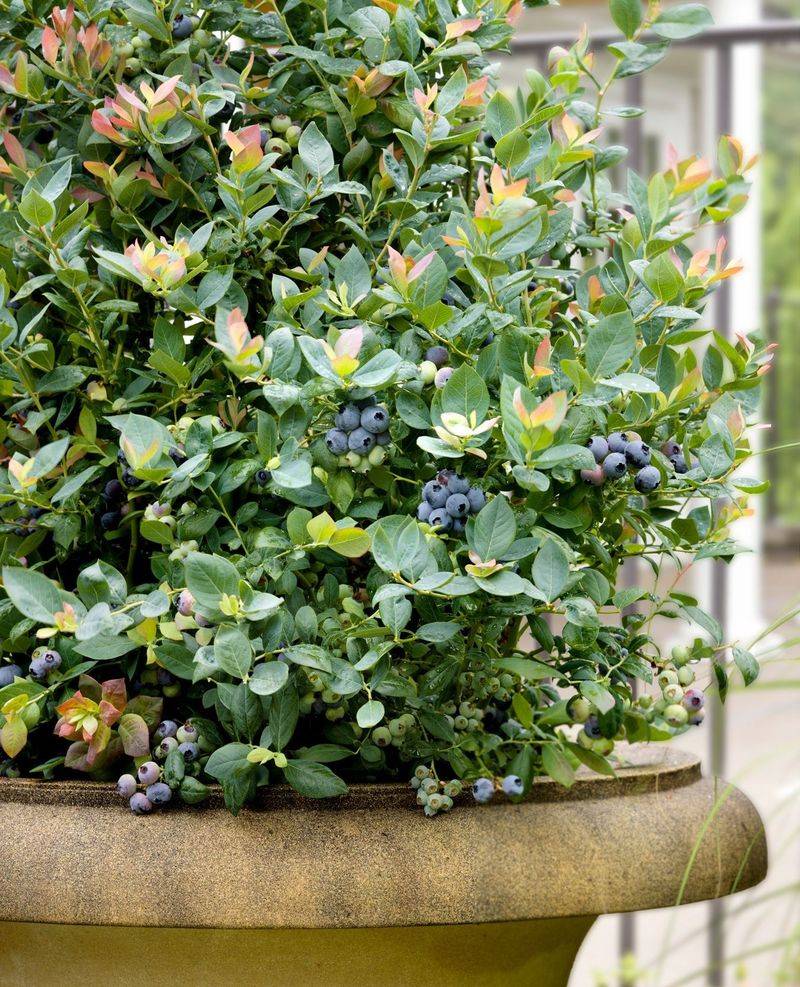
Container size matters far more than most new growers expect. Blueberries planted in pots that are too small will stress out quickly, especially during Arizona’s brutal summer months when temperatures push past 110 degrees in many parts of the state.
Start young plants in a five-gallon container, but plan to move them into a fifteen to twenty-gallon pot within a year or two. Bigger containers hold more soil, which means more consistent moisture levels and more room for roots to spread.
That root space directly affects how much fruit you get.
Drainage is just as critical as size. Blueberries absolutely cannot sit in waterlogged soil.
Look for containers with multiple drainage holes at the bottom, and consider elevating your pots slightly on pot feet or bricks so water exits freely after each watering session.
Your Arizona Garden Changes Every Week. Your Plan Should Too.
Gardening in Arizona changes quickly throughout the season. Every Friday you’ll receive a simple weekly plan showing exactly what to plant, prune, fertilize, harvest, and protect so you never miss the right timing.
Fabric grow bags have become popular with Arizona gardeners for good reason. They air-prune roots naturally, prevent the pot from overheating as much as dark plastic does, and drain extremely well.
Glazed ceramic pots look great but can crack with Arizona’s temperature swings, so keep that in mind before spending a lot of money on decorative containers.
Larger containers also help buffer the roots from rapid temperature swings, keeping the plant healthier through hot Arizona days. Consistently moist, well-drained soil in the right-sized pot makes a noticeable difference in berry size and overall harvest.
3. Fill Pots With Acidic Soil Designed For Blueberries
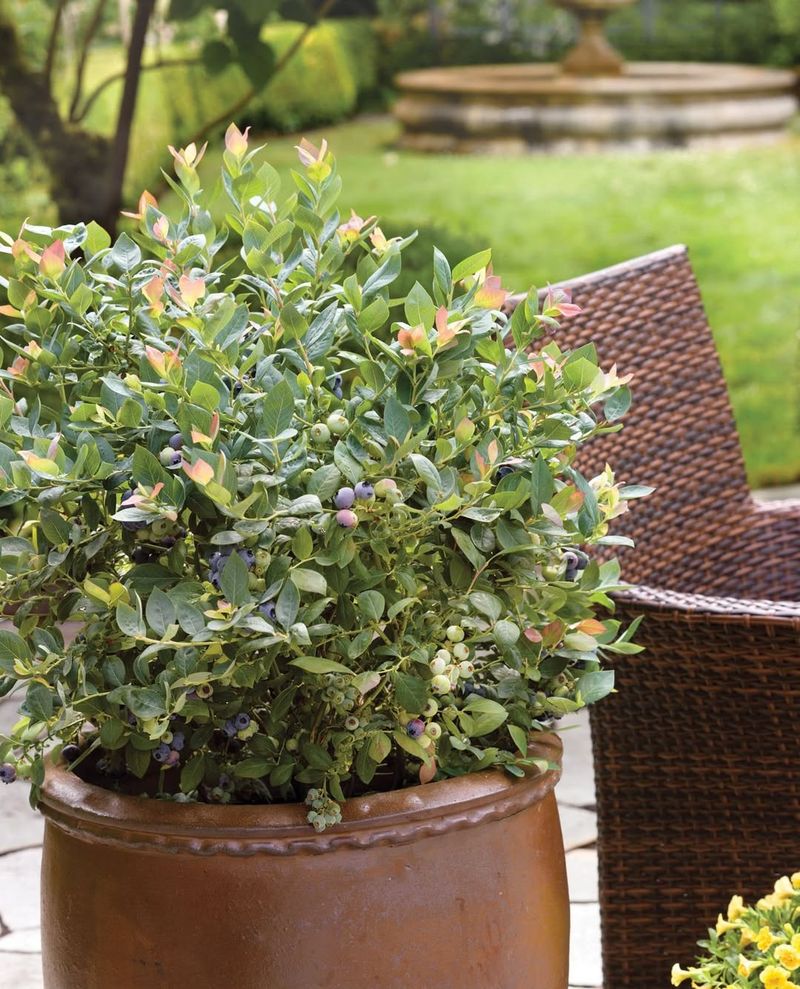
Arizona’s native soil is alkaline, sometimes severely so, and blueberries absolutely require acidic conditions to survive and produce fruit. Planting directly into standard potting mix without adjusting the pH will cause nutrient deficiencies that show up fast as yellowing leaves and stunted growth.
Blueberries need a soil pH between 4.5 and 5.5. Regular potting soil typically sits around 6.5 or higher, which is far too alkaline.
Building the right mix from scratch gives you much better control than trying to amend an unsuitable base.
A reliable starting mix combines equal parts peat moss, pine bark fines, and perlite. Peat moss drops the pH naturally and holds moisture well.
Pine bark keeps the mix loose and adds some acidity over time. Perlite prevents compaction and improves drainage, which is critical in Arizona’s heat.
Avoid garden soil, topsoil, or any mix labeled as all-purpose. Those products are not formulated for acid-loving plants.
You can also find pre-blended azalea and blueberry potting mixes at most garden centers, and those work well right out of the bag. Testing your soil pH with an inexpensive meter before planting removes all the guesswork and sets your plants up for a strong start.
4. Place Containers In Morning Sun With Afternoon Shade
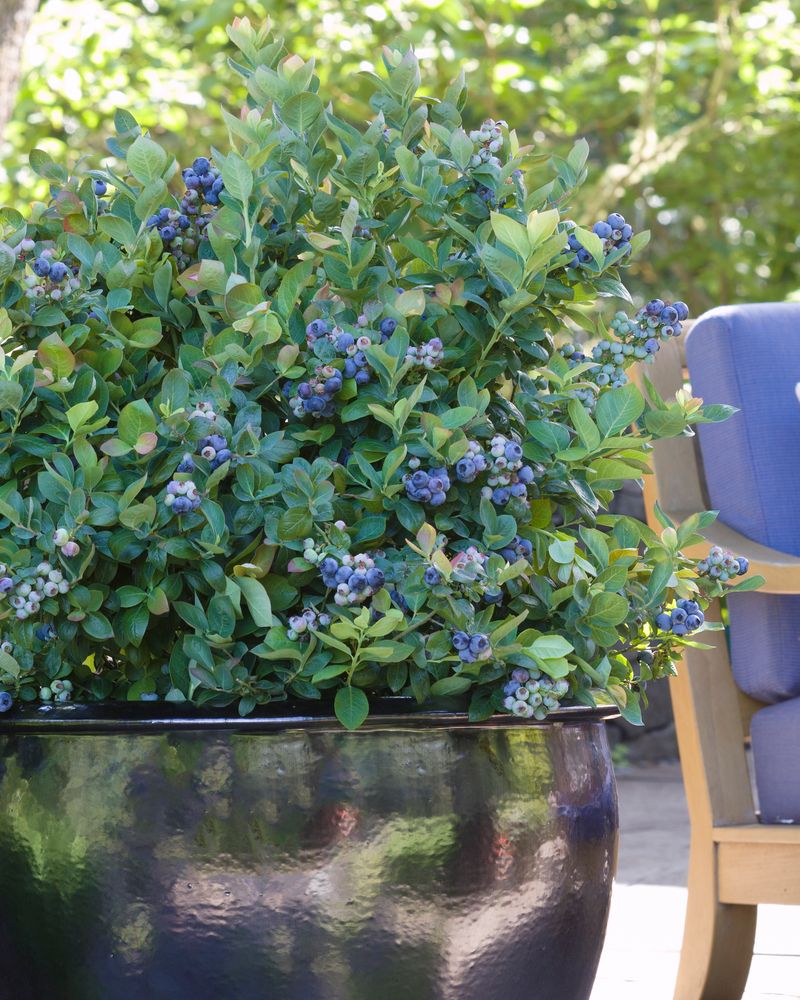
Full sun sounds ideal for fruit plants, but Arizona sun in July is a completely different beast compared to what most gardening guides assume. Blueberries can handle six to eight hours of direct light, but unfiltered afternoon exposure in Phoenix or Tucson can scorch leaves and stress the plant badly.
Morning sun is the sweet spot. It gives plants the light energy they need for photosynthesis and fruit development without the punishing intensity that comes later in the day.
East-facing walls or spots that get shade after about one in the afternoon are ideal placements in Arizona.
One of the biggest advantages of container growing is mobility. If a plant starts showing heat stress, with leaves curling or turning brown at the edges, you can simply move it.
Keep that option open by placing pots on a wheeled caddy or somewhere you can physically reach them.
During the peak summer months, even morning sun can be intense. A shade cloth rated at thirty to forty percent can take the edge off without blocking too much light.
Attach it above the plants rather than directly on them so air can still circulate freely around the foliage. A little strategic shade goes a long way toward keeping Arizona-grown blueberries productive and healthy through summer.
Providing partial shade during the hottest hours protects both leaves and developing fruit from sunburn.
Regularly monitoring your plants and adjusting their placement ensures they stay vigorous and continue producing well.
5. Water Consistently To Keep Soil Slightly Moist
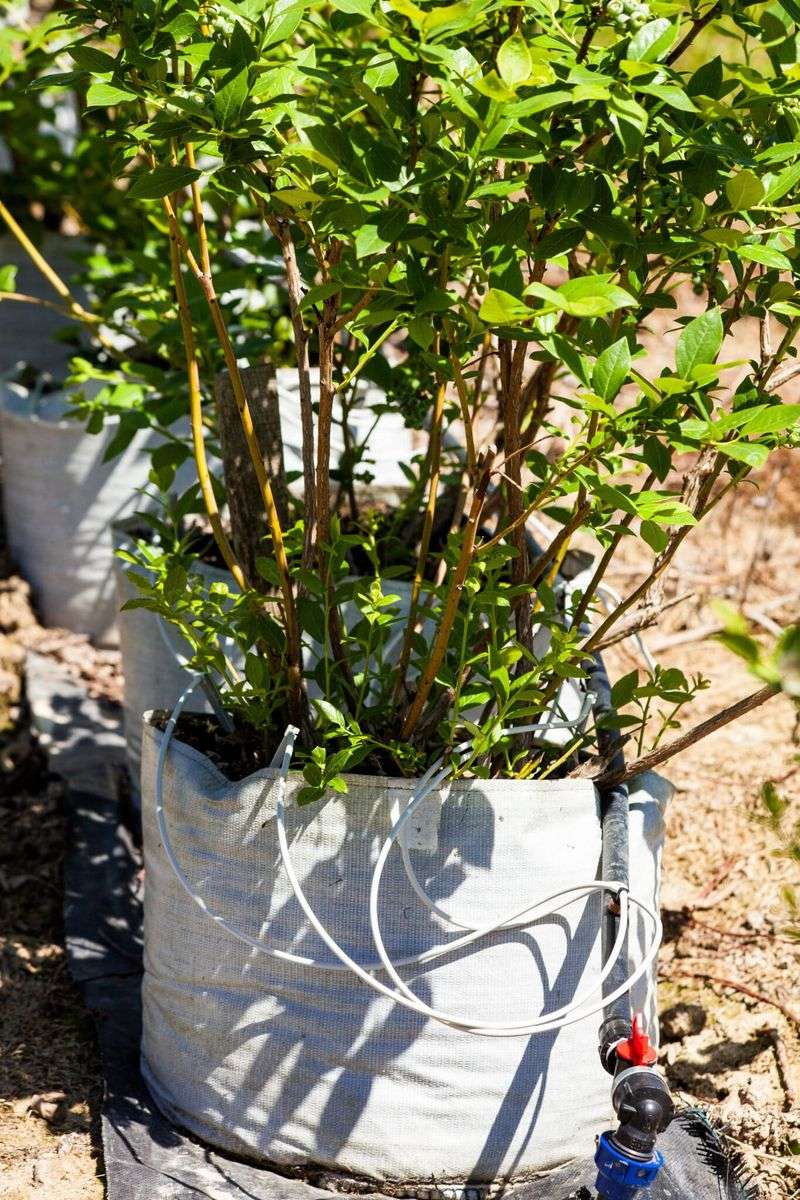
Watering blueberries in Arizona requires more attention than almost any other part of the growing process. Containers dry out fast in the desert, especially during summer when temperatures regularly exceed 105 degrees across much of the state.
Skipping even a day or two of watering during a heat wave can set plants back significantly.
Check soil moisture daily during summer by pushing a finger two inches into the soil. If it feels dry at that depth, water thoroughly until it drains from the bottom.
Shallow, frequent sips of water are not enough. Roots need deep, even moisture throughout the entire container.
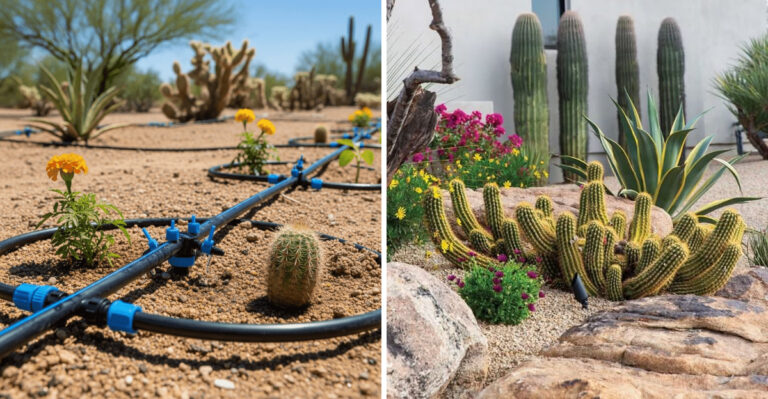
Drip irrigation on a timer is one of the smartest investments an Arizona blueberry grower can make. Set emitters directly at the soil surface near the base of the plant.
A consistent schedule removes the risk of forgetting to water during busy weeks or when temperatures spike unexpectedly.
At the same time, overwatering is a real problem too. Soggy soil encourages root rot, which weakens plants quickly.
Always make sure containers drain completely between waterings. During cooler months from November through February, reduce watering frequency since evaporation slows down dramatically and the plant needs much less moisture to stay healthy and comfortable in its container.
Consistent, deep watering encourages strong root development, which helps the plant withstand Arizona’s intense heat. Mulching the top of the soil with pine bark or shredded leaves also helps retain moisture and keeps roots cooler during the hottest months.
6. Fertilize With An Acid Loving Plant Fertilizer
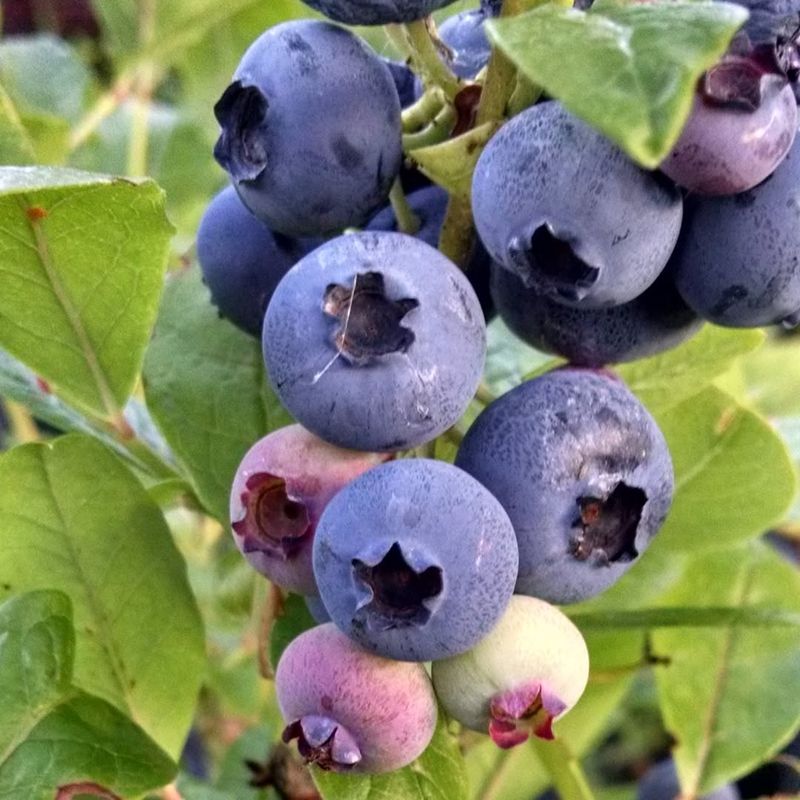
Blueberries are not heavy feeders, but they do need the right type of fertilizer to stay healthy in a container environment.
Using a general-purpose fertilizer with a neutral or alkaline formulation can raise your soil pH over time, which works directly against everything you are trying to achieve.
Look for fertilizers specifically labeled for acid-loving plants, azaleas, or rhododendrons. Products containing ammonium sulfate or those with an acidifying effect work particularly well for Arizona container blueberries.
They feed the plant while helping maintain that critical low pH range.
Apply fertilizer in early spring just as new growth begins, and again in mid-summer to support fruit development. Follow package directions carefully.
More fertilizer does not mean more fruit. Overfertilizing can burn roots, especially in the already stressful Arizona heat, and too much nitrogen late in the season pushes leafy growth instead of fruit production.
Slow-release granular fertilizers are a practical choice for containers because they feed gradually over several months. Liquid fertilizers work faster and can be helpful when plants show signs of nutrient deficiency like yellowing between leaf veins.
Alternating between both types throughout the growing season keeps nutrition steady without overwhelming roots with sudden surges of concentrated nutrients.
Supplementing with micronutrients like iron and magnesium can prevent common deficiencies that affect leaf color and overall plant vigor.
Regularly checking the plant’s growth and foliage helps you adjust feeding before any nutrient stress impacts fruit production.
7. Mulch The Soil Surface To Protect Shallow Roots
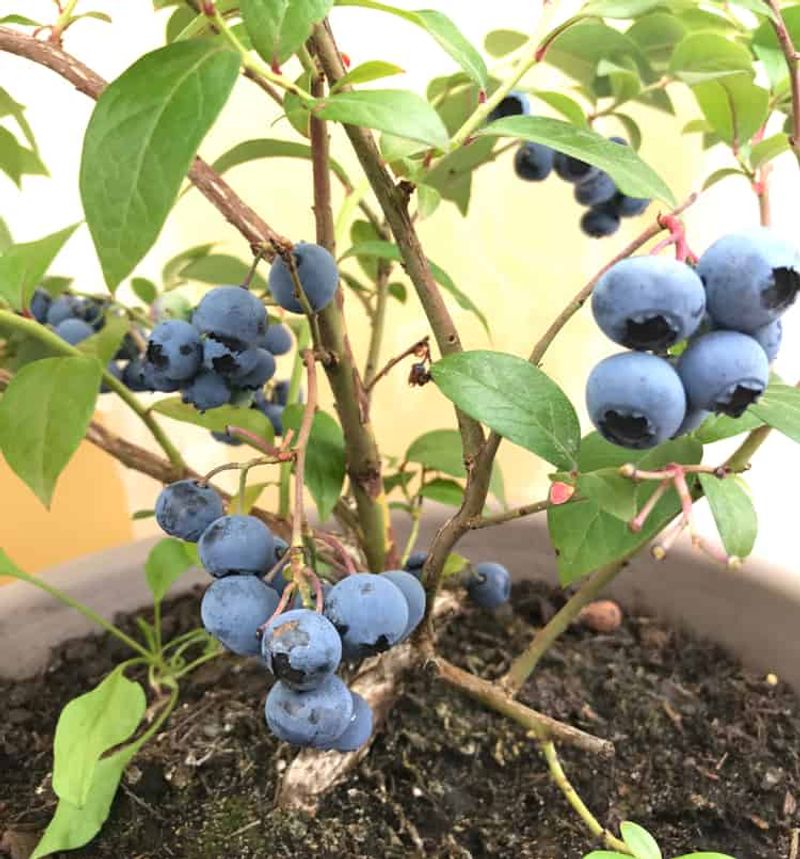
Blueberry roots sit surprisingly close to the soil surface, which makes them especially vulnerable to heat in Arizona containers.
Without protection, the top layer of soil in a black or dark-colored pot can reach temperatures that genuinely stress roots during summer afternoons in the desert.
Adding a two to three inch layer of organic mulch across the soil surface acts as insulation. It keeps moisture from evaporating too quickly, moderates soil temperature, and slowly breaks down to add organic matter back into the mix over time.
Pine bark chips and pine needles are both excellent choices that also add a small amount of acidity as they decompose.
Wood chips work well too, but avoid dyed or treated mulch products. Stick with natural, untreated materials to avoid introducing anything harmful into the acidic environment you have worked hard to create.
Cedar mulch can be used but apply it in thin layers since it decomposes slowly and can affect soil biology over time.
Refresh the mulch layer each spring before temperatures climb. Over a season, it will break down and thin out.
Keeping it consistently at two to three inches makes a noticeable difference in how often you need to water and how well roots handle the intense Arizona summer. It is a small effort with a big payoff for container-grown blueberries.
8. Grow Two Varieties To Improve Pollination And Fruit Set
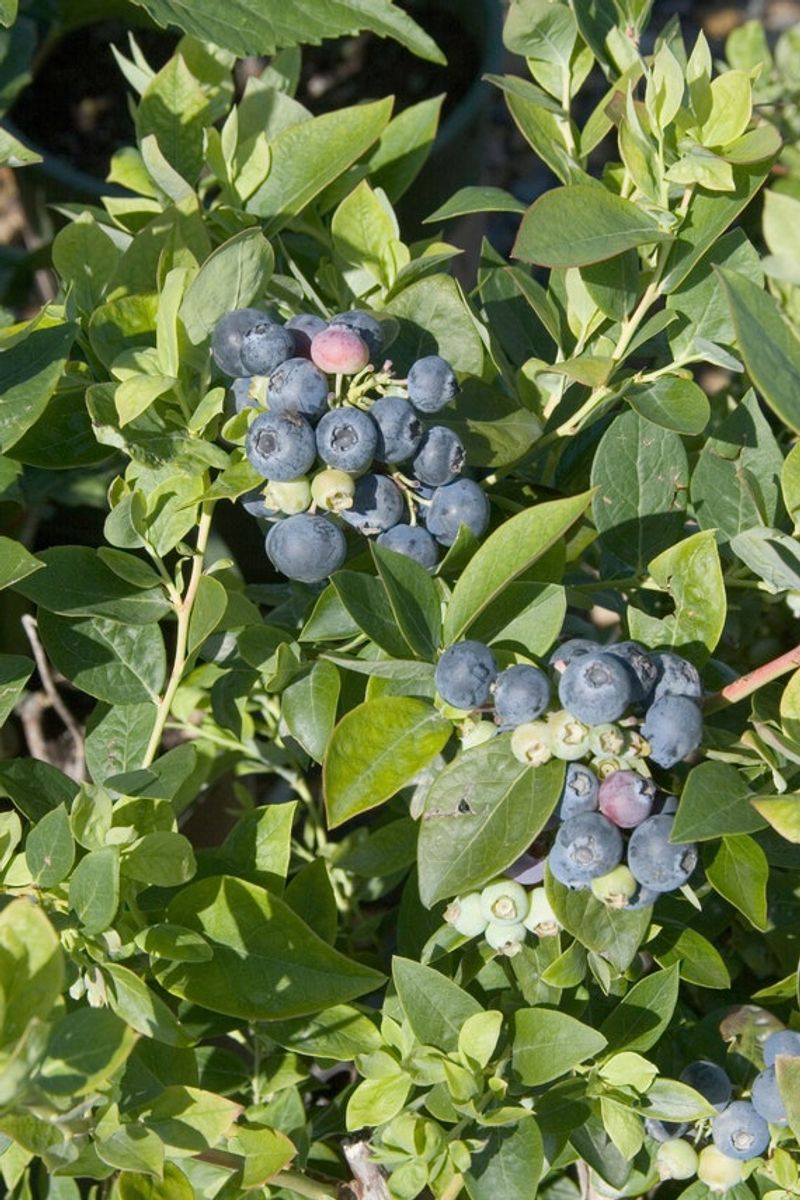
Plenty of gardeners plant a single blueberry bush and wonder why they get only a handful of berries after a full growing season.
Cross-pollination between two different varieties is one of the most reliable ways to dramatically increase fruit production, and it applies just as much to container growing in Arizona as it does anywhere else.
Blueberries are partially self-fertile, meaning a single plant can produce some fruit on its own. But when two compatible varieties bloom at the same time near each other, bees and other pollinators transfer pollen between them and fruit set improves noticeably.
More flowers get fertilized, which means more berries per plant.
Pairing Sunshine Blue with Sharpblue or Misty works well in Arizona because all three are low-chill varieties with overlapping bloom times. Keep both containers within a few feet of each other so pollinators can easily move between them.
Spreading them across opposite ends of a large yard reduces the benefit considerably.
Having two plants also gives you a backup if one struggles during an especially brutal Arizona summer. Container blueberries can have an off year, and having a second plant ensures you still get a harvest worth celebrating.
Plus, doubling your plants basically doubles your berry output once both reach full production, which usually happens by the third year of growth.