How Oregon Gardeners Can Compost Faster And Smarter
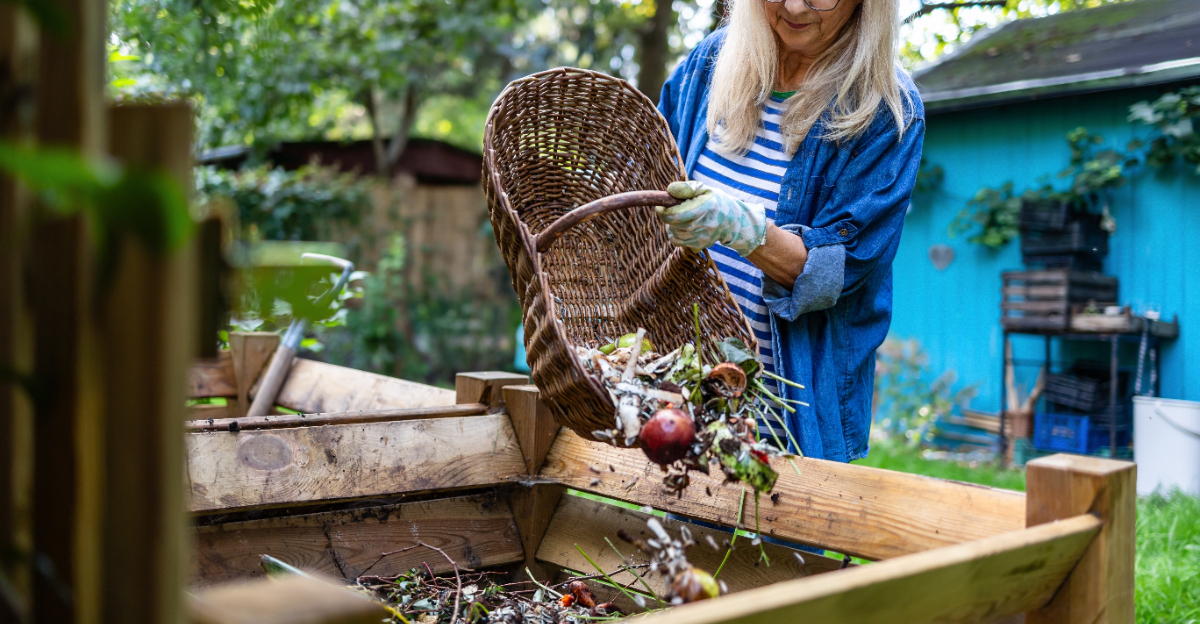
Composting is one of the best ways Oregon gardeners can turn yard waste and kitchen scraps into nutrient-rich soil, but it doesn’t have to take months to see results.
With a few simple strategies, you can compost faster and smarter, creating healthy compost that boosts your garden while reducing waste.
Even if you’ve struggled with slow decomposition in the past, understanding the balance of greens and browns, proper moisture, and aeration can make a huge difference.
Small adjustments, like chopping materials into smaller pieces or layering ingredients thoughtfully, help speed up the process and keep your compost pile healthy.
Composting also benefits Oregon gardens by improving soil structure, retaining moisture, and feeding plants naturally.
By setting up your system correctly and maintaining it efficiently, you can create a steady supply of rich compost that helps your vegetables, flowers, and shrubs thrive all season long.
Balance Greens And Browns The Right Way
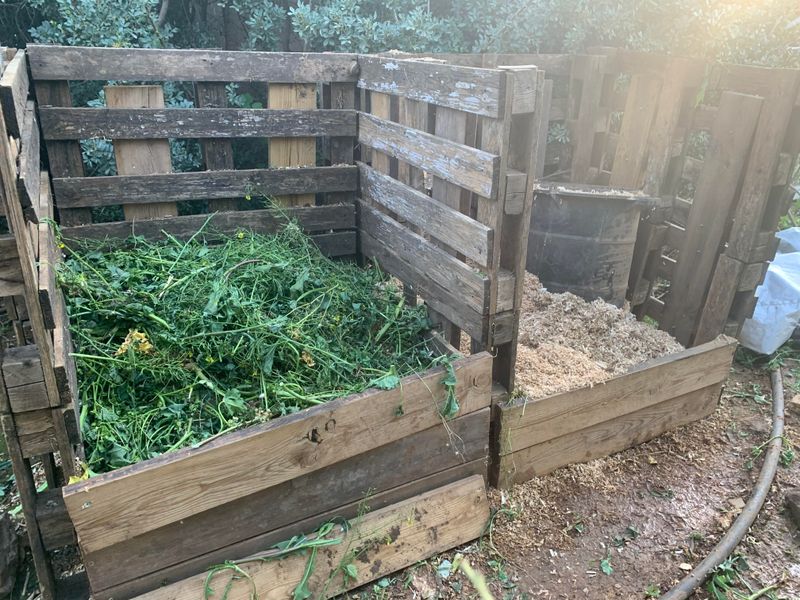
Most Oregon gardeners know they need both greens and browns in their compost, but getting the ratio right makes all the difference between a pile that heats up fast and one that just sits there looking sad.
Greens are your nitrogen-rich materials like vegetable scraps, coffee grounds, and fresh grass clippings.
Browns are carbon-heavy items such as dried leaves, shredded cardboard, and straw. When you pile on too many greens, your compost turns into a slimy, smelly mess. Too many browns, and decomposition slows to a near standstill.
Aim for roughly two to three parts brown material for every one part green. In Oregon’s wet climate, you might even want to lean slightly heavier on the browns since rain adds extra moisture to greens.
This balance feeds the microbes that do the actual composting work, keeping them active and hungry.
Keep a stash of dried leaves or shredded paper near your compost bin so you can layer browns immediately after adding kitchen scraps. This simple habit prevents odors, discourages pests, and keeps your pile aerating properly.
When the ratio is right, your compost will heat up within days instead of weeks.
You’ll notice the pile shrinking faster, and the materials breaking down into dark, crumbly compost much sooner. Balanced compost also means fewer problems with fruit flies, raccoons, or neighborhood complaints.
It’s the foundation of faster composting, and once you nail this ratio, everything else becomes easier.
Chop Materials Smaller For Faster Breakdown
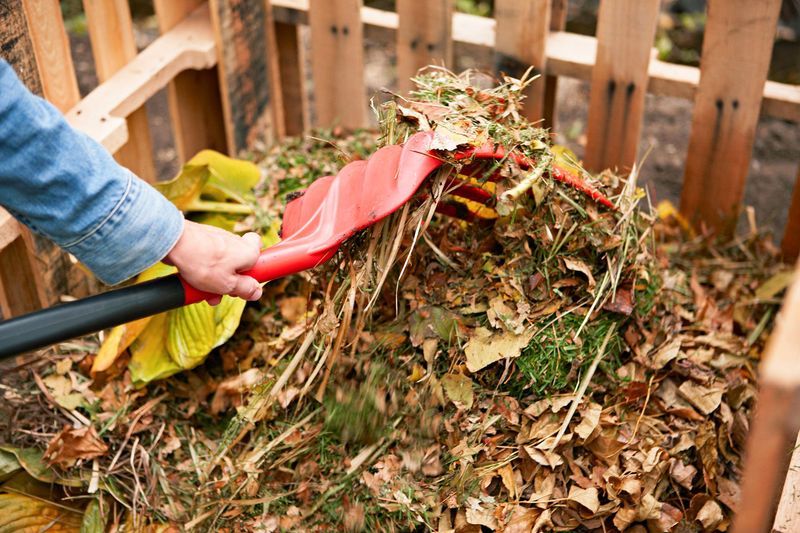
Tossing whole banana peels, intact broccoli stalks, and large corn cobs into your compost bin might feel efficient, but those big chunks take forever to break down.
Microbes and decomposers work from the outside in, so the more surface area you give them, the faster they can do their job.
Chopping materials into smaller pieces, ideally two to three inches or less, dramatically speeds up the composting process.
You don’t need fancy equipment for this. A sturdy pair of pruning shears, a sharp shovel, or even a kitchen knife works perfectly for cutting up kitchen scraps before they hit the bin.
Your Oregon Garden Changes Every Week. Your Plan Should Too.
Gardening in Oregon changes quickly throughout the season. Every Friday you’ll receive a simple weekly plan showing exactly what to plant, prune, fertilize, harvest, and protect so you never miss the right timing.
For yard waste like branches or thick stems, run them through a chipper or simply snap them into smaller sections. In Oregon’s cool, damp conditions, smaller pieces heat up faster because microbes can access more material at once.
This extra step saves you months of waiting. Instead of staring at recognizable vegetable scraps six months later, you’ll see them disappear into dark, earthy compost within weeks.
Chopping also helps materials mix better, preventing clumps of wet greens or dry browns that compost unevenly.
Make it a quick habit while prepping dinner—chop scraps right on your cutting board before they go into your compost bucket. The few extra seconds you spend chopping now means finished compost ready for your spring garden beds much sooner.
Faster breakdown also means less chance of attracting rodents or dealing with foul smells.
Keep Moisture Levels In The Sweet Spot
Compost needs moisture to work, but Oregon’s relentless rain can easily turn a healthy pile into a waterlogged, anaerobic swamp. When compost gets too wet, oxygen can’t circulate, beneficial microbes suffocate, and decomposition grinds to a halt.
Instead of rich compost, you end up with a cold, slimy mess that smells like rotten eggs. On the flip side, compost that’s too dry won’t break down either—microbes need water to survive and do their decomposing magic.
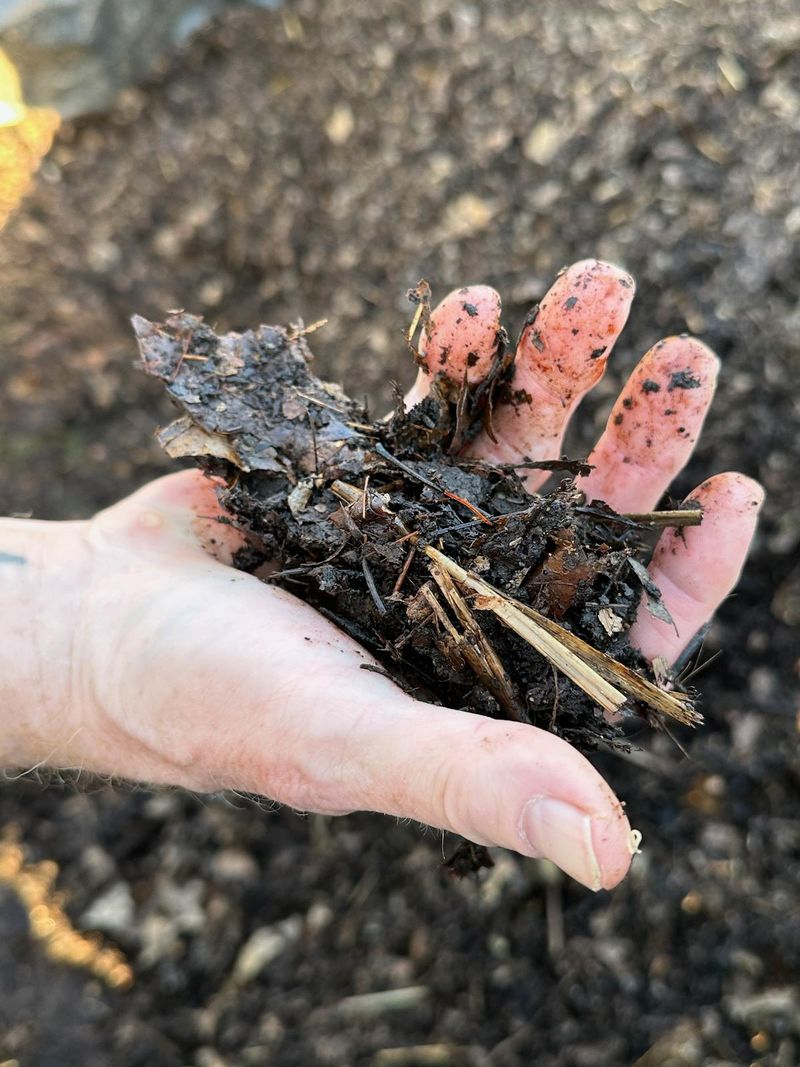
The ideal moisture level feels like a wrung-out sponge. When you grab a handful of compost and squeeze it, a few drops of water might appear, but it shouldn’t drip or feel soaked.
In Oregon’s wet months, you’ll likely need to cover your pile or add extra browns to absorb excess moisture. During drier summer weeks, sprinkle water over the pile when turning it to keep everything evenly damp.
Check moisture levels every time you add materials or turn the pile. If it’s too wet, mix in shredded newspaper, dried leaves, or cardboard to soak up the excess.
If it’s too dry, water it lightly with a hose or watering can. Keeping moisture balanced ensures microbes stay active year-round, even through Oregon’s soggy winters.
Proper moisture management prevents foul odors, keeps pests away, and speeds decomposition significantly. You’ll notice your compost heating up properly and shrinking faster when moisture stays in that sweet spot.
It’s one of the simplest adjustments with the biggest payoff.
Turn The Pile At The Right Frequency
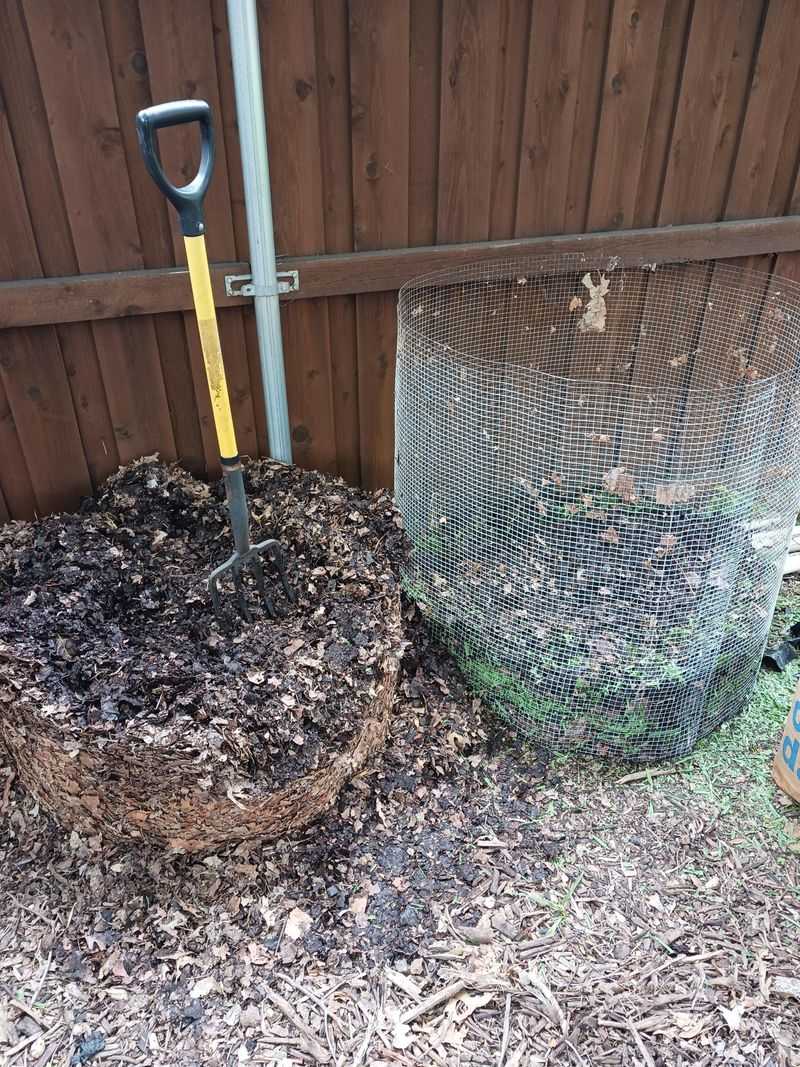
Turning your compost pile isn’t the most glamorous gardening task, but it’s one of the most effective ways to speed up decomposition.
When you turn the pile, you’re introducing fresh oxygen, redistributing moisture, and moving cooler outer materials into the hot center where microbes are most active.
Without regular turning, compost can sit cold and stagnant for months, especially in Oregon’s cool climate where decomposition naturally slows down.
How often should you turn? For hot, fast composting, aim to turn your pile every one to two weeks.
If you’re taking a more relaxed approach, turning once a month still makes a noticeable difference. Use a pitchfork or compost aerator tool to lift and flip materials from the bottom and sides into the center.
You’ll immediately notice steam rising if your pile is working properly, that’s the heat from active decomposition.
Turning also helps you spot problems early. If one section is too dry or too wet, you can adjust it before the whole pile suffers.
In Oregon’s rainy season, turning helps excess moisture evaporate and prevents compaction. During cooler months, turning keeps the pile from going dormant completely.
You don’t need to turn perfectly or obsessively, just mix things up enough to keep air flowing and materials breaking down evenly. Regular turning can cut your composting time in half, transforming a six-month process into a three-month success.
It’s physical work, but the reward is finished compost ready when you need it most.
Choose The Best Compost Setup For Oregon Weather
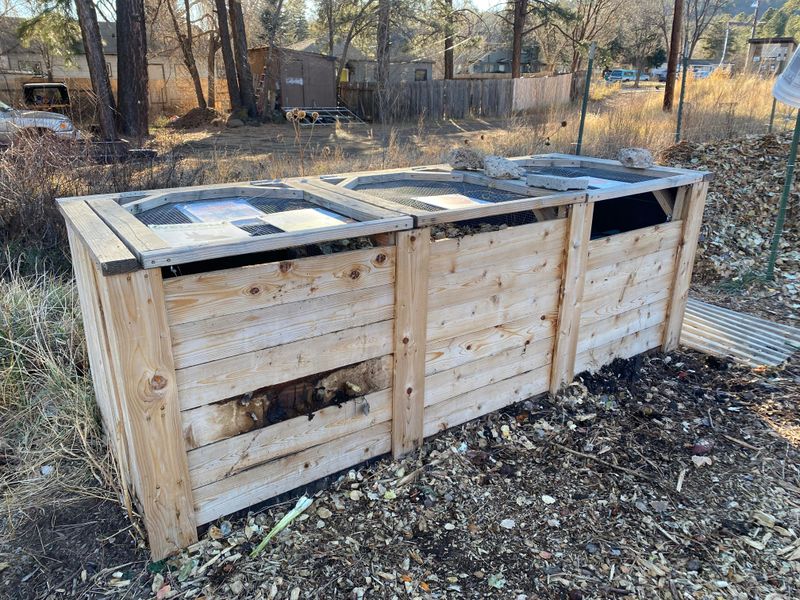
Not all compost systems are built for Oregon’s wet, cool climate. Open piles work great in drier regions, but here they can become waterlogged, cold, and slow to decompose.
Choosing the right compost setup for Oregon weather can make or break your composting success. Enclosed bins, tumbler systems, and covered three-bin setups all offer better protection from rain while retaining heat more effectively than open piles.
Enclosed bins with lids keep rain out while still allowing airflow through vents. Tumbler composters are especially handy because they’re easy to turn and keep pests away, plus the elevated design prevents ground moisture from seeping in.
Three-bin systems let you manage compost in stages, one bin for fresh materials, one for active composting, and one for finished compost ready to use. If you’re committed to an open pile, at least cover the top with a tarp during heavy rain months.
Location matters too. Place your compost bin in a spot with good drainage and some protection from constant downpours, like under a tree canopy or next to a shed.
Avoid low-lying areas where water pools. In Oregon, insulated or black plastic bins can help retain heat during cooler months, speeding up decomposition when temperatures drop.
The right setup reduces maintenance headaches and keeps your compost working efficiently year-round. You’ll spend less time troubleshooting problems and more time enjoying finished compost.
Investing in a weather-appropriate system pays off with faster, cleaner, and more reliable composting results.
Add Natural Activators Without Overdoing It
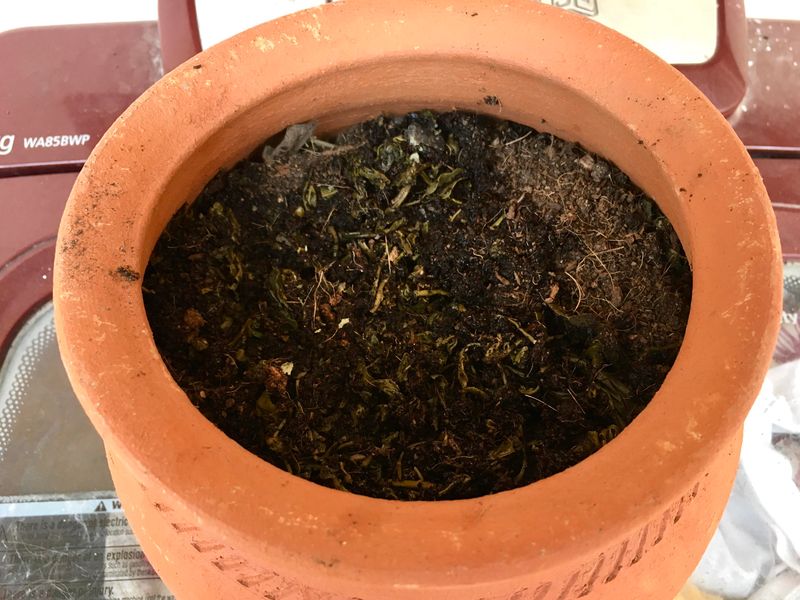
Compost activators are materials that jumpstart microbial activity and speed up decomposition. You don’t need expensive store-bought products, natural activators work just as well and are usually already in your backyard or kitchen.
Finished compost, healthy garden soil, and aged manure all contain billions of beneficial microbes ready to colonize a new pile. Adding a few shovelfuls when you start a new batch or refresh an old pile gives decomposition a serious boost.
Other natural activators include coffee grounds, fresh grass clippings, and even urine, which is high in nitrogen and surprisingly effective. These materials heat up the pile quickly and feed the microbes that break down organic matter.
In Oregon’s cool climate, activators are especially helpful in fall and winter when decomposition naturally slows. A little boost can keep your pile working even when temperatures drop.
However, moderation is key. Too much of a good thing, like dumping an entire bucket of coffee grounds at once, can throw off your greens-to-browns ratio and create imbalances.
Sprinkle activators in thin layers mixed with other materials rather than piling them on in thick clumps. This ensures even distribution and prevents hot spots or anaerobic pockets.
Natural activators are a simple, free way to speed up composting without complicating your system. You’ll notice faster heating, quicker breakdown, and finished compost in less time. Use them wisely, and they’ll become a reliable tool in your composting toolkit.
Protect Your Pile From Heavy Rain
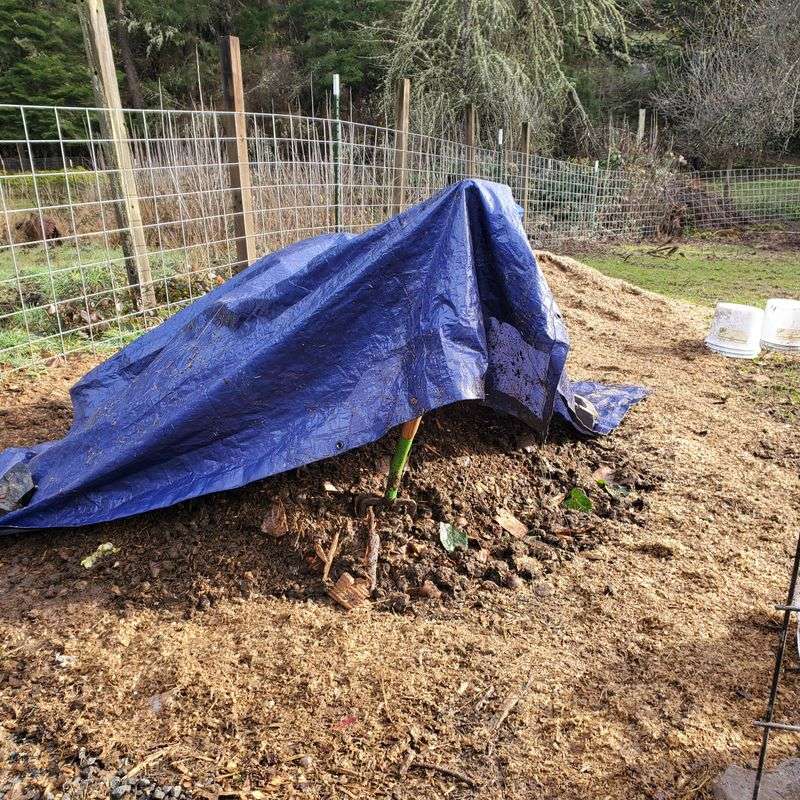
Oregon’s winter rains can drench a compost pile in hours, turning it into a cold, soggy mess that stops decomposing altogether. Excess water drives out oxygen, suffocates beneficial microbes, and creates the perfect conditions for foul smells and anaerobic decomposition.
Protecting your pile from heavy rain is one of the smartest moves you can make for faster, cleaner composting. Even simple rain protection makes a huge difference in how quickly your compost finishes.
The easiest solution is covering your pile with a waterproof tarp, old shower curtain, or a fitted compost bin lid. Secure the cover so wind doesn’t blow it off, but leave some edges loose or use a cover with ventilation holes to allow airflow.
You want to block rain, not seal the pile completely. If you’re using an open bin, consider building a simple roof frame from scrap wood and corrugated plastic sheeting.
During Oregon’s wettest months, check your pile regularly and add extra browns if it’s getting too soggy. Shredded cardboard, dried leaves, and straw absorb moisture beautifully and keep the pile from compacting.
If your pile does get waterlogged, turn it and mix in plenty of dry browns to rebalance moisture levels and reintroduce oxygen.
Rain protection keeps your compost active through the wettest months and prevents setbacks that can delay finished compost by months. You’ll avoid foul odors, pest problems, and the frustration of a pile that just won’t break down.
A little rain management goes a long way toward consistent, reliable composting year-round.