The 10 California Backyard Changes That Instantly Attract More Birds
If your backyard feels a little too quiet, it might be missing one key ingredient: birds. The good news is you do not need a massive overhaul to change that.
In California, a few smart, strategic updates can turn an ordinary yard into a lively, fluttering hotspot almost instantly.
Birds are constantly searching for reliable food, fresh water, shelter, and safe perches. When your space starts offering those essentials in the right mix, they take notice fast.
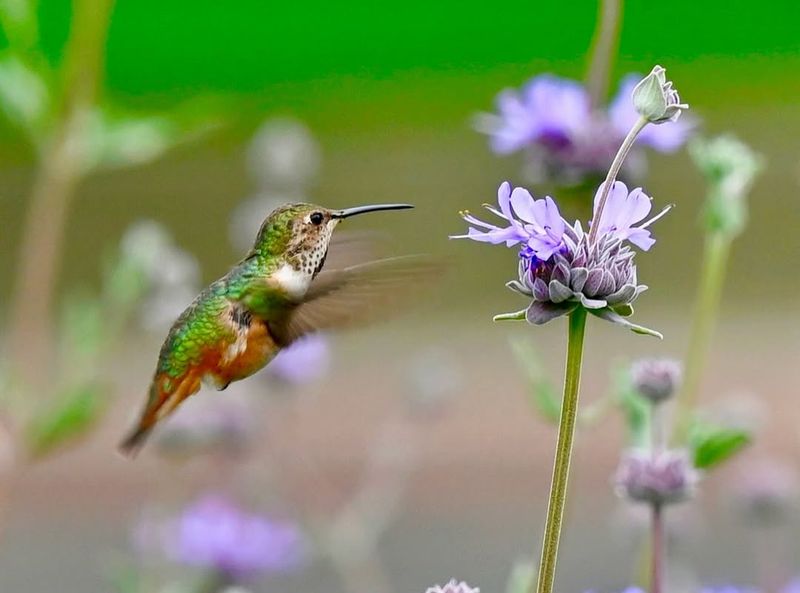
Add layered plantings, swap out empty lawn space, introduce a simple water feature, and suddenly your yard feels like prime real estate to every finch, hummingbird, and songbird nearby.
Coastal neighborhoods, inland suburbs, foothill properties, birds respond to thoughtful habitat improvements in all of them. You do not need complicated structures or expensive gear.
Just a few well chosen changes can bring more movement, more color, and that cheerful soundtrack that makes any backyard feel alive.
1. Plant More California Native Species
Many homeowners fill their yards with ornamental plants from other regions without realizing these species provide little food or shelter for local birds.
California native plants evolved alongside native bird populations for thousands of years, creating natural partnerships that support healthy wildlife communities.
When you replace even a portion of your lawn or non-native plantings with species like California fuchsia, ceanothus, or manzanita, birds often recognize these plants as valuable food sources.
Native plants require far less water once established, making them perfect for drought-conscious gardening. They also host the native insects that many birds feed their young.
Start small by replacing one section of your yard each season rather than redesigning everything at once.
Visit your local native plant nursery to find species suited to your specific microclimate and soil type. Coastal yards thrive with different natives than inland areas.
Within weeks or months of planting, you may notice increased bird activity as they investigate new foraging opportunities.
Avoid mixing invasive species with natives, as aggressive plants can outcompete the very species birds depend on. Research which plants attract specific birds you want to see, then create diverse plantings that bloom and produce seeds across multiple seasons for year-round bird support.
2. Add A Reliable Backyard Water Source
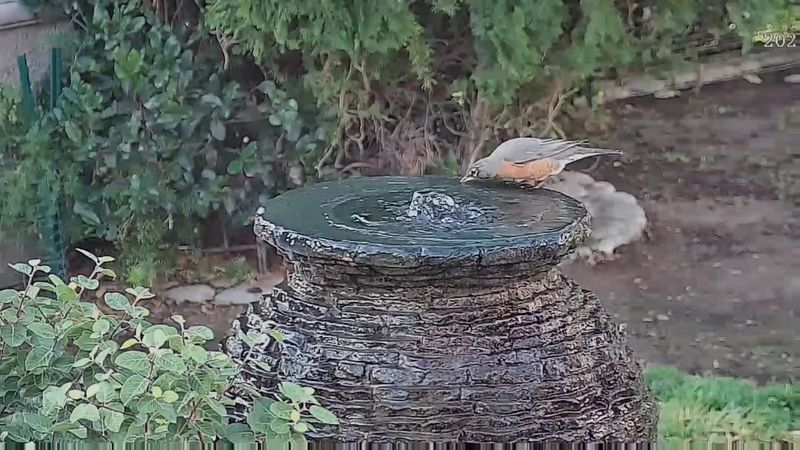
Birds rely on fresh water regularly for drinking and bathing, yet many yards lack any water feature at all. Even during California’s rainy months, birds seek out clean, shallow water sources for maintaining their feathers and staying hydrated.
A simple birdbath can quickly increase bird visits to your yard.
Shallow dishes work better than deep basins since most songbirds prefer water no deeper than two inches. Place your water source near shrubs or trees so birds have quick escape routes from predators.
Change the water every two to three days to prevent mosquito breeding and keep it clean.
During hot summer months, birds visit water sources multiple times daily. You might see species that rarely visit feeders stopping by for a drink.
Adding a small solar fountain creates movement that catches birds’ attention from greater distances.
Your California Garden Changes Every Week. Your Plan Should Too.
Gardening in California changes quickly throughout the season. Every Friday you’ll receive a simple weekly plan showing exactly what to plant, prune, fertilize, harvest, and protect so you never miss the right timing.
Position your birdbath where you can easily refill it, because consistency matters more than elaborate design. Birds learn reliable water locations and return regularly.
Avoid placing baths directly under trees where droppings and debris accumulate quickly. In winter, consider a heated birdbath to provide water when natural sources freeze in colder inland areas.
3. Create Multiple Vegetation Layers
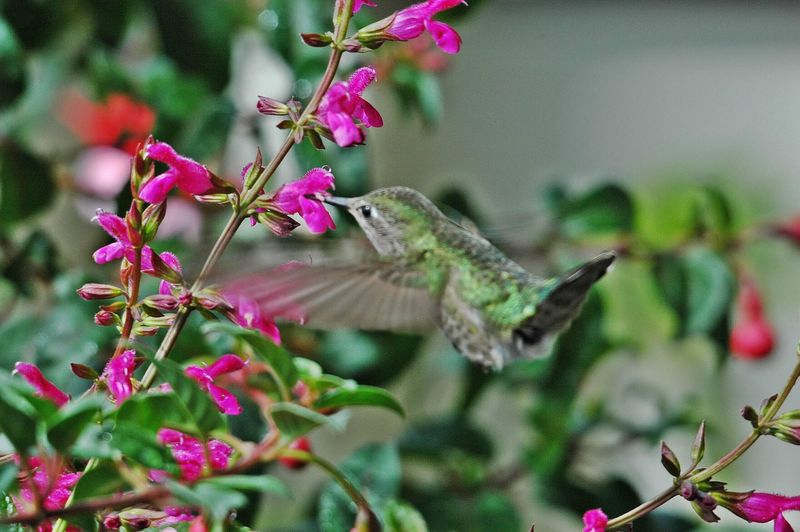
Flat, uniform landscapes offer little appeal to most bird species because they lack the structural diversity birds need for different activities. In natural California habitats, vegetation grows in distinct layers from ground covers through shrubs to tree canopies.
Each layer attracts different bird species with unique feeding and nesting preferences.
Ground-dwelling birds like California towhees scratch through leaf litter under shrubs. Mid-level shrubs host warblers and sparrows.
Taller trees attract woodpeckers, jays, and raptors. By creating this vertical diversity, you can support a wider variety of species.
Start by adding medium-height shrubs between your lawn and existing trees. Native salvias, currants, and coffeeberry work beautifully in California yards.
Let some areas grow naturally rather than trimming everything to uniform heights.
This layered approach also provides birds with multiple escape routes from predators and protection from harsh weather. Dense shrubs offer cover during storms while tree canopies provide shade during summer heat.
You don’t need a large yard to create layers, even small spaces can incorporate ground covers, potted shrubs, and a single tree.
Within months, you’ll notice different birds using different zones throughout your yard as they forage, rest, and move through their daily routines.
4. Grow Plants That Produce Natural Seeds
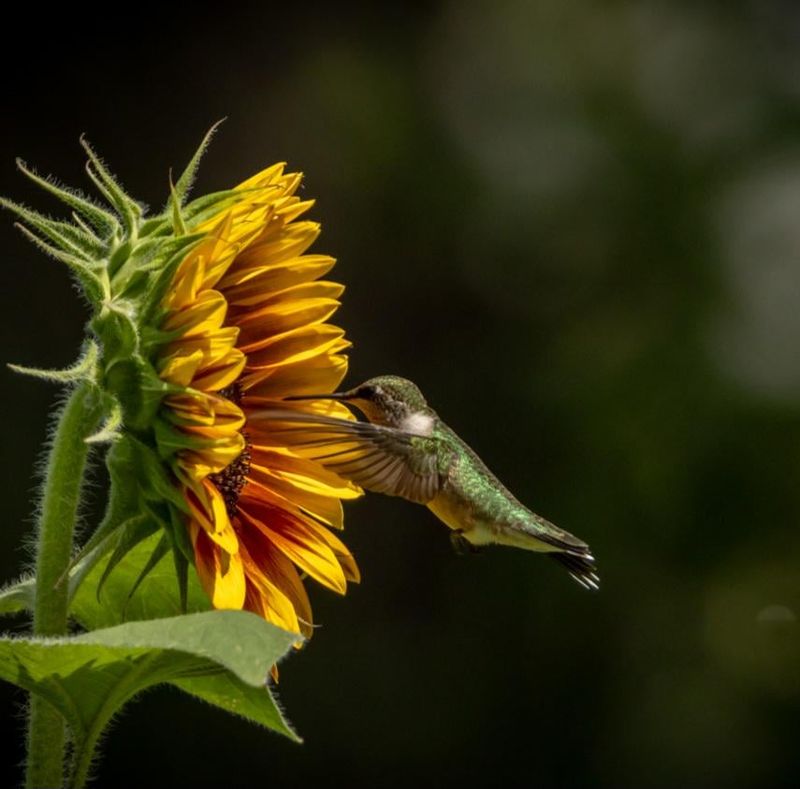
Perfectly manicured gardens with deadheaded flowers and trimmed seed heads eliminate important natural food sources that birds depend on year-round.
Many California native plants produce abundant seeds that finches, sparrows, towhees, and other species actively seek out.
Letting flowers go to seed provides a natural, nutritious food source that requires zero effort once plants are established.
Native grasses like purple needlegrass and California fescue produce seeds beloved by many bird species. Sunflowers, native asters, and coreopsis also create excellent seed crops.
Rather than cutting back all your plants in fall, leave seed heads standing through winter when food becomes scarcer.
This approach reduces your yard work while feeding birds naturally. Goldfinches especially love seeds from plants like thistles and asters, often visiting daily during peak seed season.
You’ll also attract sparrows, juncos, and other ground-feeders that clean up fallen seeds below plants.
Avoid using herbicides near seed-producing plants since chemicals can contaminate the seeds birds eat. Plant seed-producing species in clusters rather than single specimens to create more substantial food patches.
Rotate which areas you trim back so some plants always have mature seeds available.
This strategy works in both large and small yards, and birds often discover new seed sources fairly quickly.
5. Include Berry-Producing Shrubs And Trees
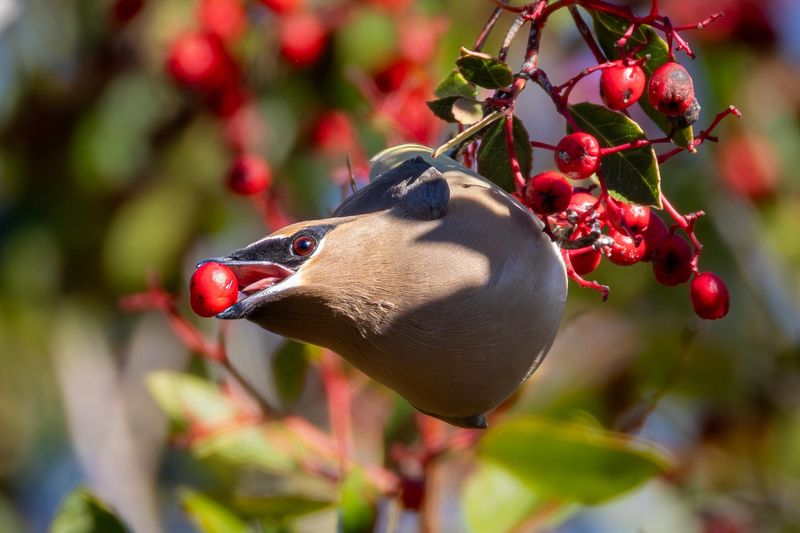
Berry-producing plants create highly attractive food sources that attract dozens of bird species, especially during migration periods and winter months when insects become scarce.
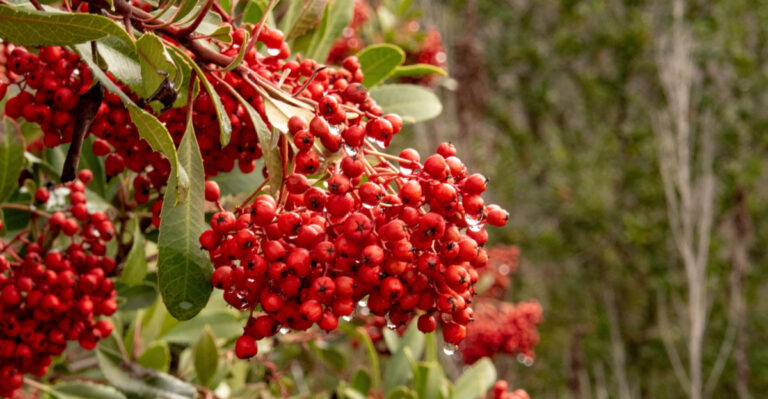
Native California shrubs like toyon, elderberry, manzanita, and coffeeberry produce berries specifically adapted to local bird diets.
These berries provide essential fats and sugars that fuel long-distance migration and winter survival.
Toyon berries ripen in winter, providing critical food when little else is available. Elderberries ripen in summer, attracting warblers, orioles, and tanagers.
By planting multiple berry species with different ripening times, you create a year-round buffet that keeps birds returning throughout all seasons.
Berry plants also require minimal maintenance once established and handle California’s dry summers well with occasional deep watering. Many berry shrubs grow quickly, providing food within two to three years of planting.
Birds sometimes disperse seeds naturally within landscapes.
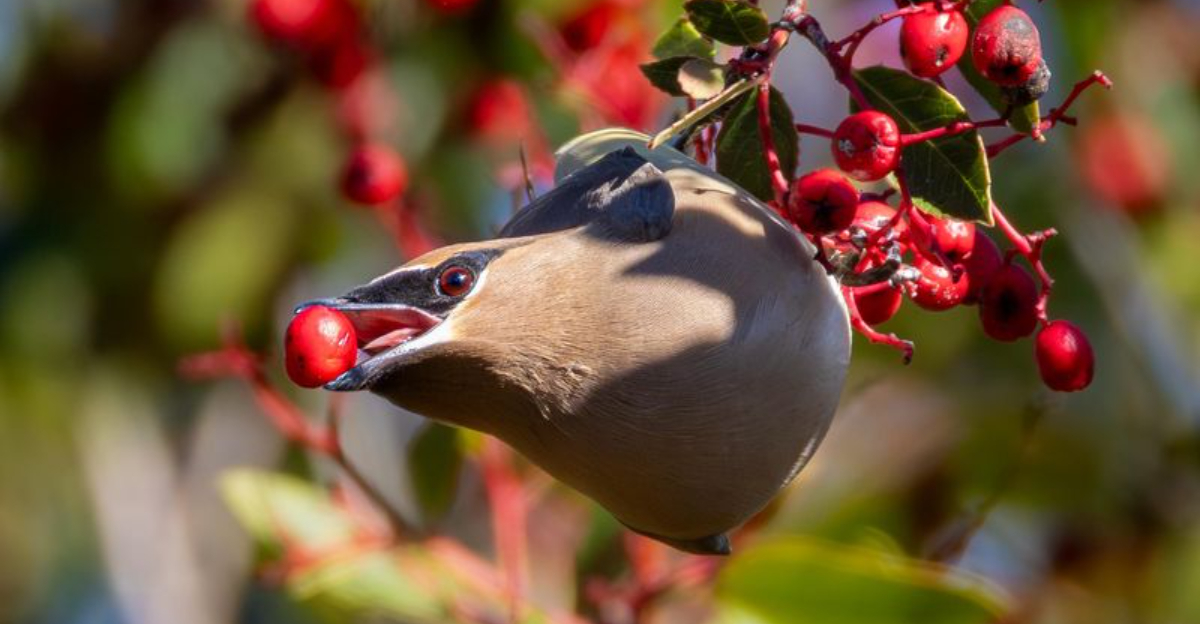
Position berry plants where you can watch birds feast from windows or patios. Flocks of cedar waxwings, robins, and mockingbirds often descend on berry-laden shrubs, creating exciting wildlife viewing opportunities.
Avoid non-native invasive berry plants like cotoneaster or pyracantha that can escape cultivation.
Native berries support not just birds but entire food webs including beneficial insects and other wildlife.
6. Provide Safe Nesting Spaces
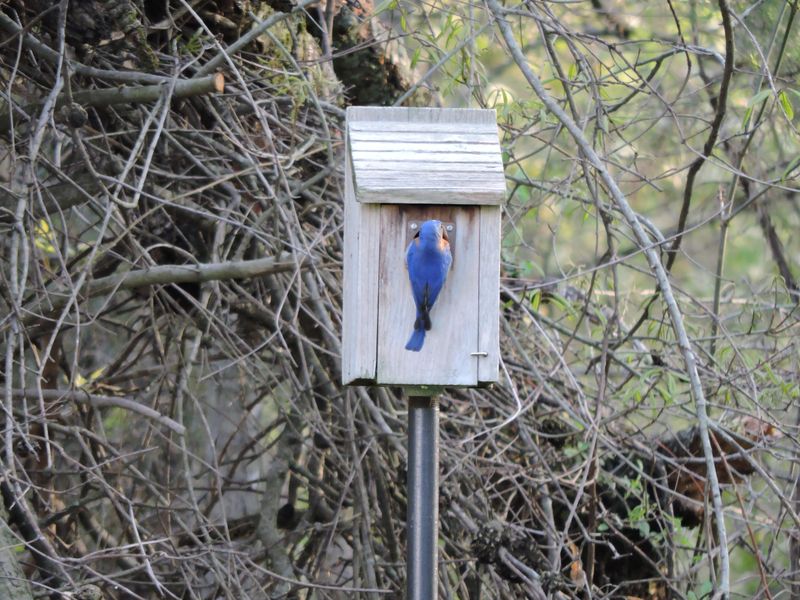
Birds are less likely to stay long in yards that lack safe places to raise their young, even if food and water are abundant.
Nesting requirements vary dramatically between species, but most California backyard birds need dense shrubs, tree cavities, or nest boxes placed in protected locations.
Without these spaces, birds may visit your yard but won’t establish territories or breed there.
Dense native shrubs like ceanothus, toyon, and California lilac provide excellent natural nesting sites for many species. Leave some areas of your yard slightly wild rather than pruning everything into formal shapes.
Birds need the security of tangled branches and dense foliage to hide nests from predators.
For cavity-nesting species like bluebirds, chickadees, and wrens, properly sized nest boxes can dramatically increase breeding success. Research specific dimensions for target species and mount boxes at appropriate heights facing away from prevailing winds.
Clean boxes after each nesting season to prevent parasite buildup.
Avoid disturbing potential nesting areas during breeding season, typically March through July in most California regions. Keep cats indoors since they’re the leading cause of bird nest failures in suburban areas.
Provide nesting materials like small twigs, grass clippings, and pet fur in spring.
Successfully nesting birds often return to the same yard year after year, building a loyal bird community around your home.
7. Reduce Or Eliminate Chemical Pesticides
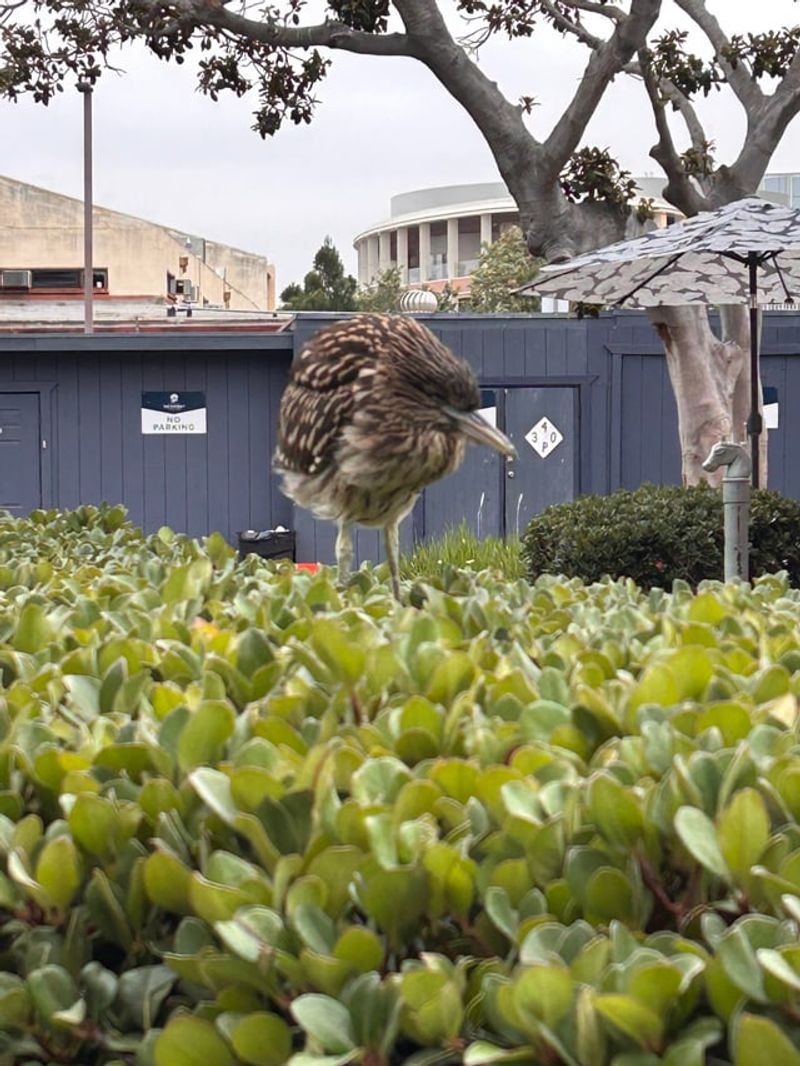
Chemical pesticides reduce insect populations that form the foundation of many birds’ diets, especially during nesting season when parents feed protein-rich bugs to growing chicks.
Even yards with excellent habitat features won’t attract breeding birds if insect populations have been decimated by regular pesticide applications.
Most songbirds feed insects to their young exclusively for the first weeks of life.
Switching to organic pest management or simply tolerating some plant damage creates a healthier ecosystem that supports both insects and birds.
Native plants naturally resist many pests better than non-natives, reducing the need for interventions.
Beneficial insects like ladybugs and lacewings control pest populations when you avoid broad-spectrum pesticides.
Birds themselves provide excellent natural pest control, eating aphids, caterpillars, beetles, and other insects that damage plants. Chickadees, warblers, and bushtits actively hunt insects on foliage and bark.
By eliminating pesticides, you allow natural predator-prey relationships to balance your garden ecosystem.
If you must address serious pest problems, use targeted organic solutions like insecticidal soap or neem oil rather than synthetic chemicals. Apply treatments in early morning or evening when birds are less active.
Read labels carefully and follow application instructions precisely.
Within weeks of stopping pesticide use, you’ll likely notice increased insect diversity followed by more bird activity as they discover your yard’s abundant food supply.
8. Leave Some Natural Mulch And Leaf Litter
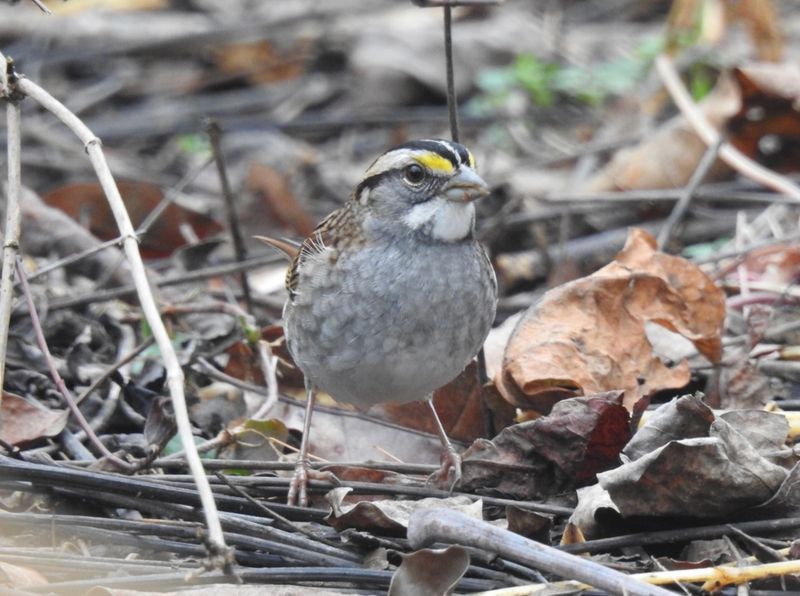
Obsessively raking and removing every fallen leaf removes important foraging habitat that ground-feeding birds depend on throughout the year.
Leaf litter harbors countless insects, spiders, and other invertebrates that birds like towhees, thrashers, and sparrows actively hunt by scratching through decomposing material.
These birds spend hours daily working through leaf layers searching for hidden prey.
Natural mulch also retains soil moisture, suppresses weeds, and gradually enriches soil as it decomposes. In California’s dry climate, this organic layer protects plant roots during hot summers and reduces watering needs.
Rather than bagging leaves, redistribute them under shrubs and in garden beds where they benefit both plants and wildlife.
Leave leaf litter especially thick under native shrubs and trees where birds naturally expect to find it.
You can still maintain tidy appearance in high-visibility areas while allowing natural accumulation in back corners and under plantings. This compromise satisfies both aesthetic preferences and wildlife needs.
Many homeowners notice California towhees, spotted towhees, and hermit thrushes visiting within days of leaving leaf litter undisturbed. These birds hop energetically through leaves, flipping them aside to expose hidden insects.
During winter, leaf litter provides crucial food sources when insects are less active elsewhere.
This zero-cost habitat improvement requires less work than constant raking while significantly benefiting bird populations.
9. Add Wind Protection And Predator Cover
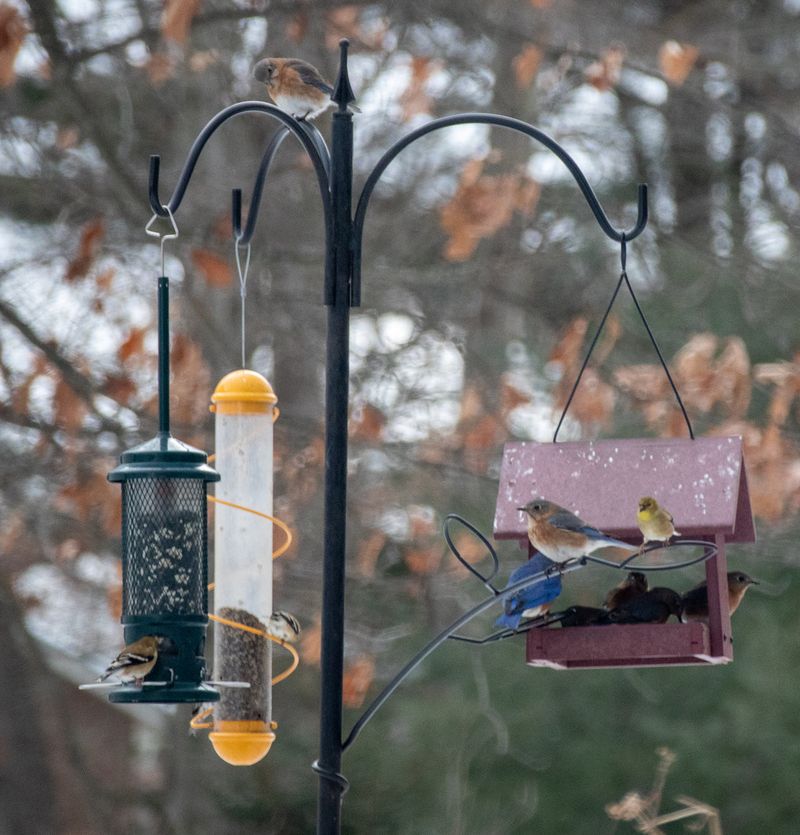
Exposed yards with little cover feel dangerous to birds, who instinctively avoid open spaces where hawks and other predators can easily spot them.
Even yards with good food and water sources won’t attract many birds if they lack nearby escape cover and protection from weather.
Birds benefit from quick access to dense vegetation where they can hide when threatened or rest during harsh conditions.
Plant dense shrubs within ten to fifteen feet of feeders and water sources so birds can quickly retreat to safety. Native shrubs like coyote brush, California lilac, and manzanita create excellent cover with their dense branching patterns.
Position taller plants on the north or windward side of your yard to block cold winds common in many California regions.
This protective cover also provides roosting sites where birds rest overnight and during midday heat. Small birds like bushtits and kinglets often huddle together in dense shrubs during cold nights.
Without adequate cover, birds expend extra energy staying warm and alert to predators. Avoid creating overly open sight lines across your entire yard. Some visual barriers and varied plantings make birds feel more secure.
If you have resident hawks, don’t eliminate cover, instead, add more dense shrubs so smaller birds have adequate protection while the hawk continues its natural role in your ecosystem. Birds often begin using new cover plantings as shrubs fill in.
10. Use Bird Feeders Strategically And Safely
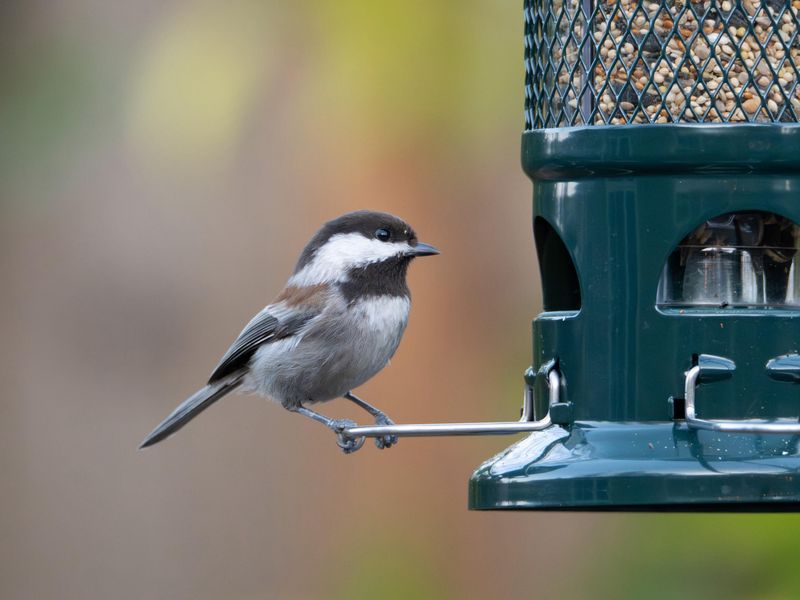
Bird feeders can supplement natural food sources during challenging periods, but poorly placed or maintained feeders create more problems than benefits for bird populations.
Feeders work best as additions to habitat-rich yards rather than substitutes for natural food sources.
When used correctly, feeders let you observe birds up close while providing extra nutrition during migration, nesting, and winter months.
Choose feeder types that match the birds you want to attract, tube feeders for finches, platform feeders for larger birds, and nectar feeders for hummingbirds.
Place feeders near protective cover but away from hiding spots where cats might ambush feeding birds. Clean feeders at least every two weeks to prevent disease transmission between birds.
Use high-quality seeds without fillers, as cheap mixes often contain grains California birds ignore, creating waste and attracting rodents. Black oil sunflower seeds appeal to the widest variety of species.
Avoid feeding bread, which provides no nutritional value and can harm birds. Take feeders down if you notice sick birds or if bear activity occurs in your area.
Avoid letting feeders become the sole food source, maintain natural plantings that provide sustainable, year-round nutrition. Position feeders where you can watch comfortably but birds feel safe.
Properly managed feeders combined with excellent natural habitat create the ultimate bird-friendly California backyard that supports healthy, diverse bird communities throughout every season.