The California Citrus Watering Rules Gardeners Should Follow In May
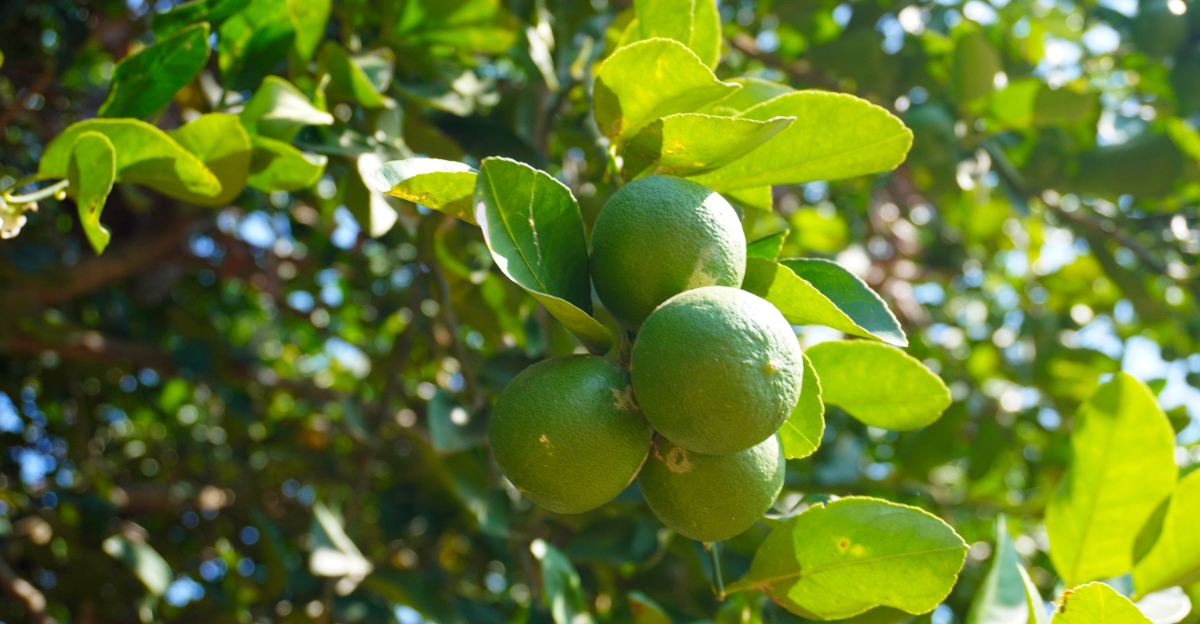
May is when California citrus trees start asking for real attention. New growth is pushing, blossoms may be turning into tiny fruit, and warmer days can dry out soil faster than gardeners expect.
Water too lightly, and roots stay shallow while leaves curl in protest. Water too often, and citrus can sulk in soggy soil like it has been personally betrayed.
The sweet spot is deep, steady watering that reaches the root zone, followed by enough time for the soil to breathe.
Container trees, young trees, sandy soil, clay soil, coastal gardens, and inland yards all play by slightly different rules, so the finger test becomes your best garden detective move.
Check moisture before reaching for the hose, refresh mulch, and adjust as the weather heats up. A smart May watering routine can set citrus up for stronger fruit, healthier leaves, and fewer summer tantrums.
1. Water Deeply, Not Daily
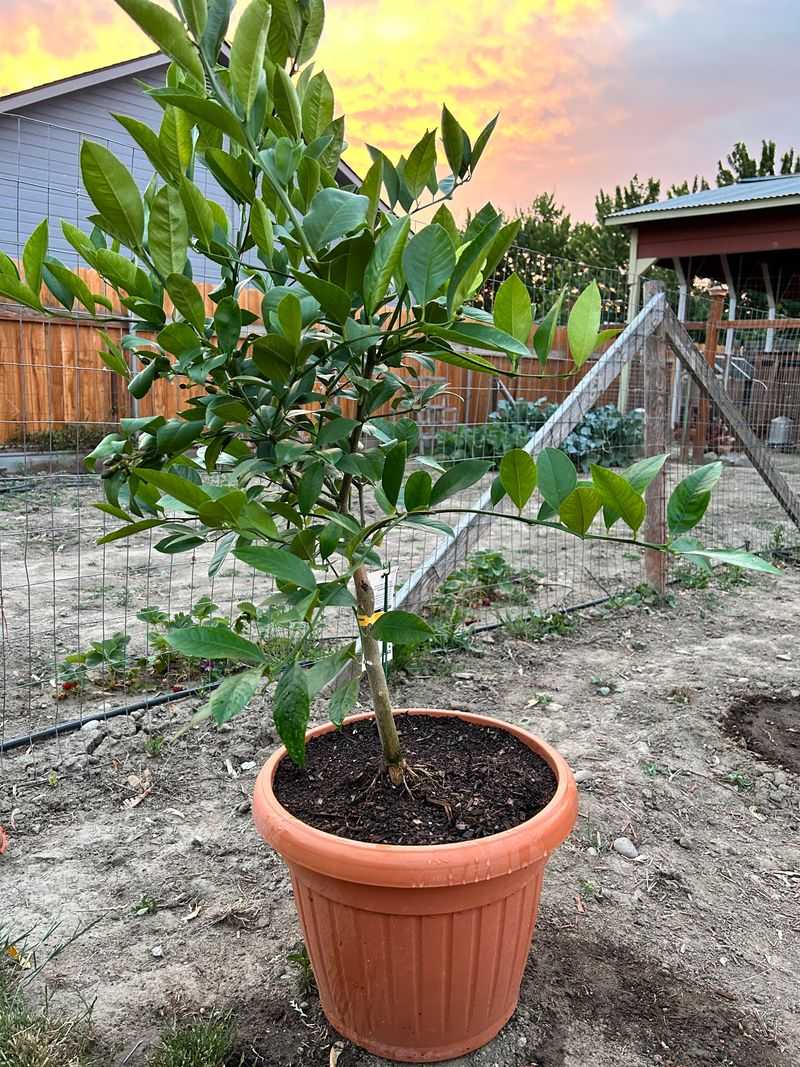
A lot of gardeners make the mistake of giving their citrus trees a little water every single day. That might feel like good care, but it actually works against the tree.
Shallow, frequent watering encourages roots to stay near the surface, where they are more vulnerable to heat and drought.
Deep watering, on the other hand, pushes moisture down into the soil where roots can really reach it. In California, especially during May when temperatures start spiking, deep watering helps citrus trees build strong, resilient root systems.
Aim to water slowly and thoroughly so the moisture reaches at least 12 to 18 inches below the surface.
For most home gardens in California, watering citrus deeply every 7 to 10 days in May is a solid starting point. Sandy soils may need watering a bit more often, while clay-heavy soils hold moisture longer.
The goal is to let the soil dry out slightly between watering sessions without letting the tree get too stressed. Deep watering also encourages better fruit development, which is exactly what you want heading into the hotter months ahead.
2. Check Soil Before Watering
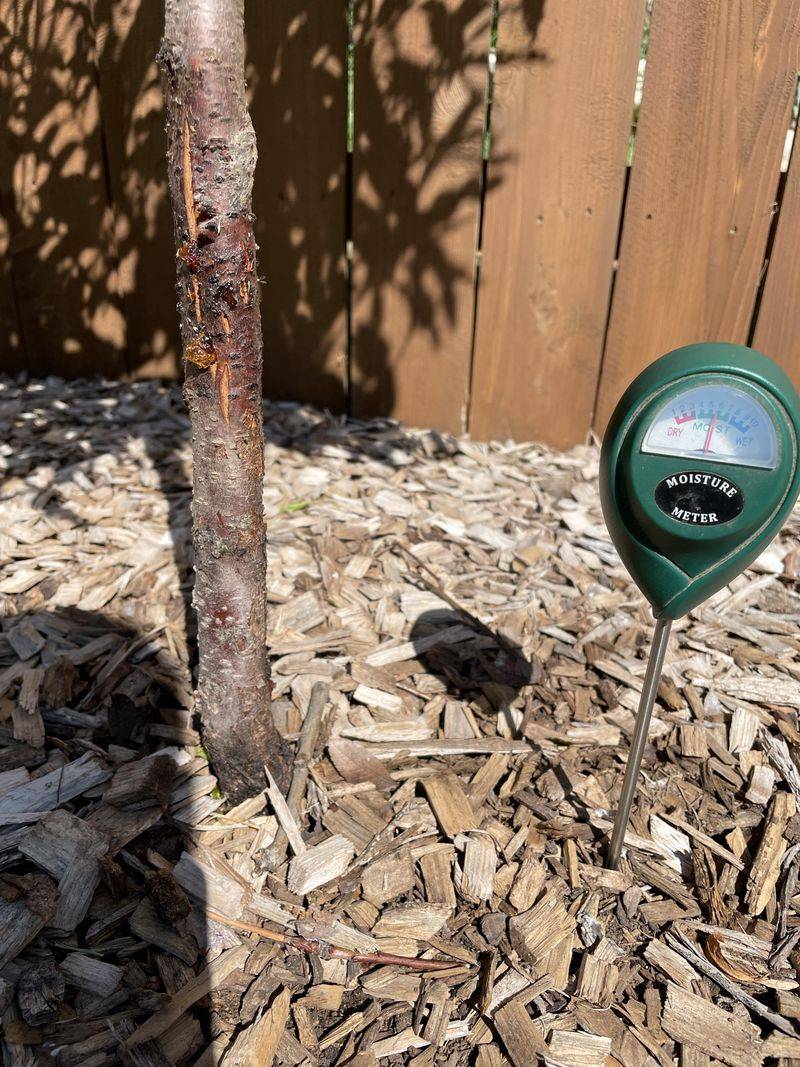
Before you ever turn on the hose or drip system, take a moment to check the soil. Overwatering is one of the most common problems citrus growers face in California, and it often happens simply because gardeners water on a fixed schedule without checking if water is actually needed.
The finger test is simple and surprisingly reliable. Push your finger or a wooden dowel about two to three inches into the soil near the drip line of the tree.
If the soil feels moist and cool, hold off on watering. If it feels dry and crumbly, it is time to water.
This quick check takes less than a minute and can save your tree from a lot of unnecessary stress.
In May, California weather can be unpredictable. A cool, cloudy week might mean the soil stays moist longer than expected.
A sudden heat wave could dry things out faster than usual. Checking the soil regularly keeps you in tune with what your tree actually needs rather than guessing.
Your California Garden Changes Every Week. Your Plan Should Too.
Gardening in California changes quickly throughout the season. Every Friday you’ll receive a simple weekly plan showing exactly what to plant, prune, fertilize, harvest, and protect so you never miss the right timing.
Healthy citrus roots need oxygen as much as they need water, so letting the soil breathe between waterings is a smart and simple habit to build.
3. Soak The Root Zone
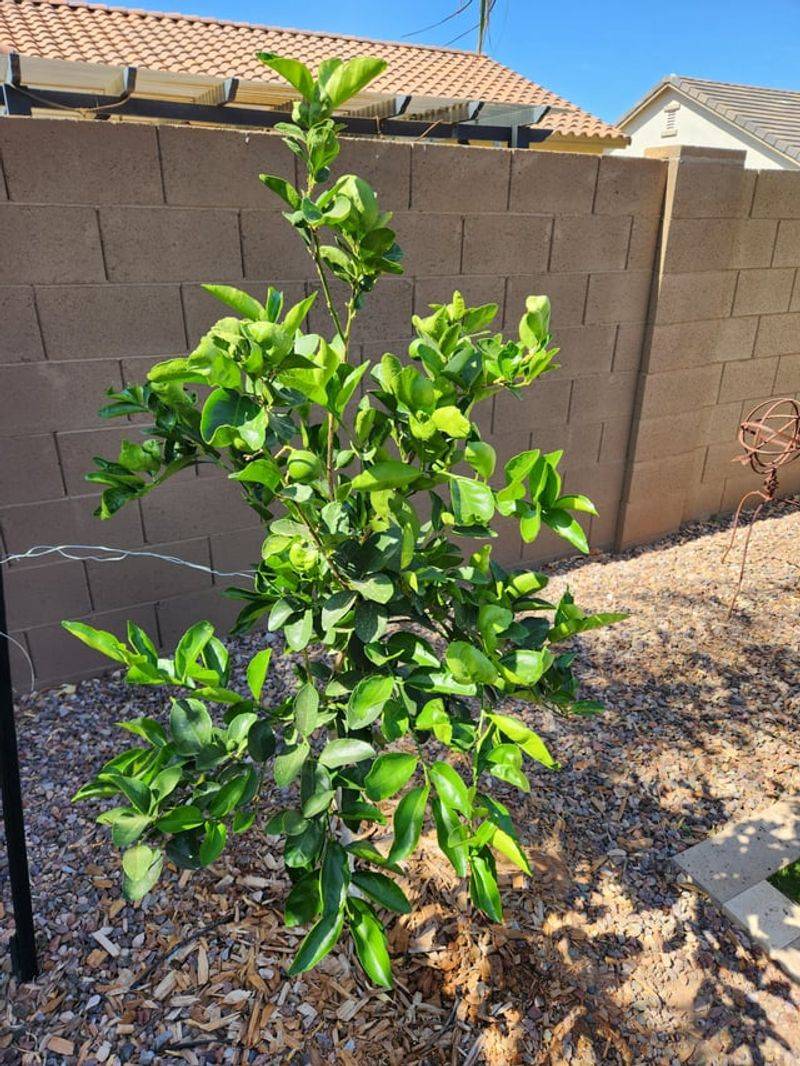
Many gardeners water right at the base of the trunk, but that is actually not where most of the action happens. Citrus trees absorb the majority of their water through feeder roots that spread out under the drip line, which is the outer edge of the tree’s canopy.
Targeting that zone makes every drop count.
When you water only near the trunk, the feeder roots are left dry and struggling. Over time, this can lead to uneven growth and reduced fruit production.
In California gardens, where water conservation is always a concern, soaking the right area means you are getting more value out of every watering session.
To properly soak the root zone, set up a slow drip system or use a soaker hose that circles the outer edge of the canopy. Let the water run long enough to penetrate deeply into the soil.
For a mature citrus tree in a California yard, this might mean running water for 30 to 60 minutes at low pressure. Younger trees have smaller root zones, so adjust accordingly.
Getting this habit right in May sets your tree up for strong fruit development through the long, warm California summer ahead.
4. Avoid Wetting The Trunk
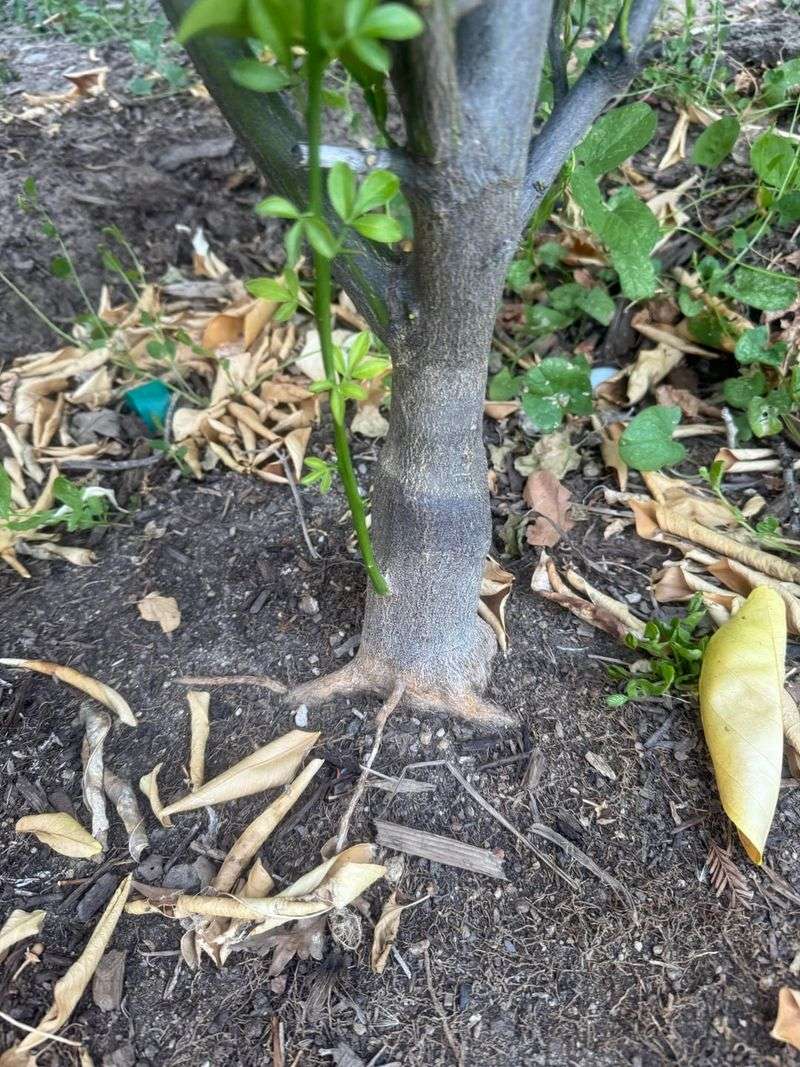
Here is something that surprises a lot of new citrus growers: keeping the trunk dry is just as important as making sure the roots get enough water. When the base of the trunk stays consistently wet, it creates the perfect environment for fungal problems like root rot and gummosis, which can seriously damage a citrus tree over time.
Gummosis is a condition where a sticky, gum-like substance oozes from the bark near the base of the trunk. It is often triggered by excess moisture and is commonly seen in California citrus orchards and backyard gardens alike.
Once it sets in, it can be difficult to manage and may weaken the tree significantly.
To protect your tree, always direct water away from the trunk and toward the drip line. If you use a drip system, make sure the emitters are placed at least a foot away from the base.
Avoid piling mulch directly against the trunk as well, since trapped moisture there can cause the same issues. A small gap around the trunk base helps air circulate and keeps moisture-related problems at bay.
This simple habit can protect your California citrus tree for many seasons to come.
5. Mulch To Hold Moisture
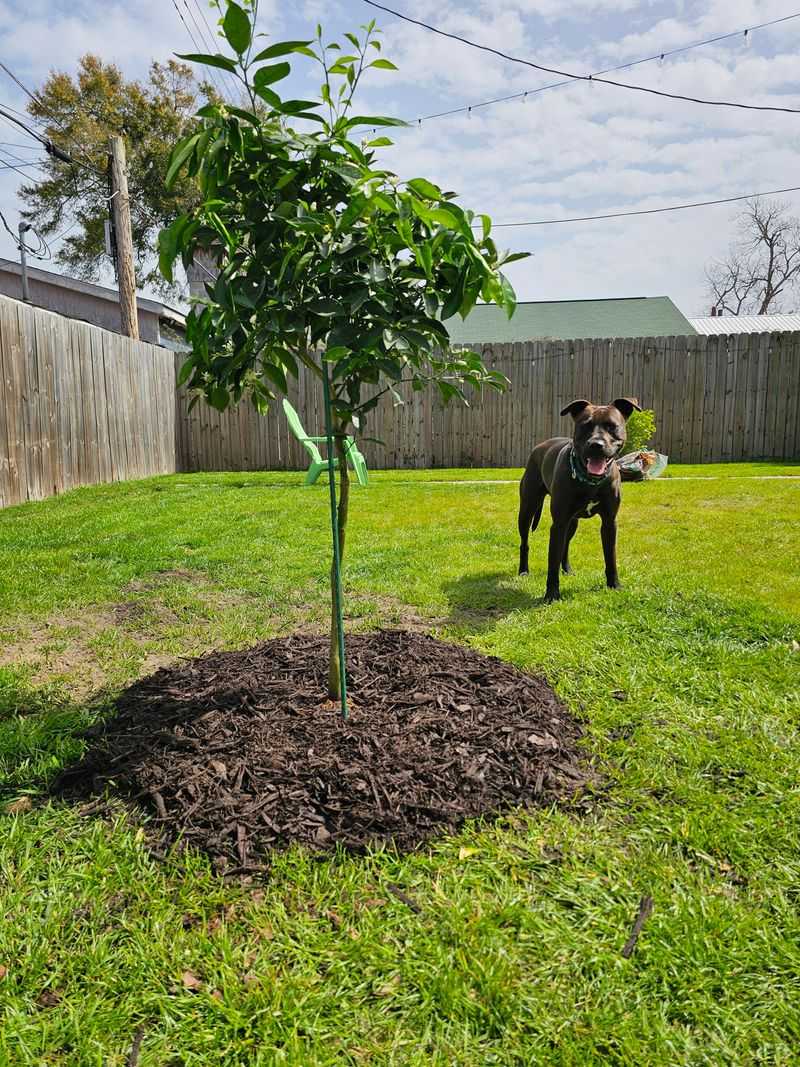
Mulching might be one of the most underused tricks in the California citrus gardener’s toolkit. A good layer of organic mulch around your tree does several helpful things at once.
It slows down evaporation, keeps the soil cooler during hot May days, and gradually adds nutrients back into the ground as it breaks down.
In California’s warm and often dry climate, soil moisture can disappear quickly, especially as temperatures rise through May. Applying a three to four inch layer of wood chips, straw, or shredded bark around the tree can cut down on how often you need to water.
That means less work for you and a more stable environment for the tree’s roots.
Spread the mulch out to the drip line, covering the full root zone. Always leave a gap of a few inches around the trunk so air can circulate and moisture does not build up against the bark.
Refresh the mulch layer once or twice a year to keep it effective. Gardeners across California who mulch their citrus trees consistently tend to see healthier growth, better moisture retention, and more productive harvests.
It is a small investment of time that pays off in a big way throughout the growing season.
6. Adjust For May Heat
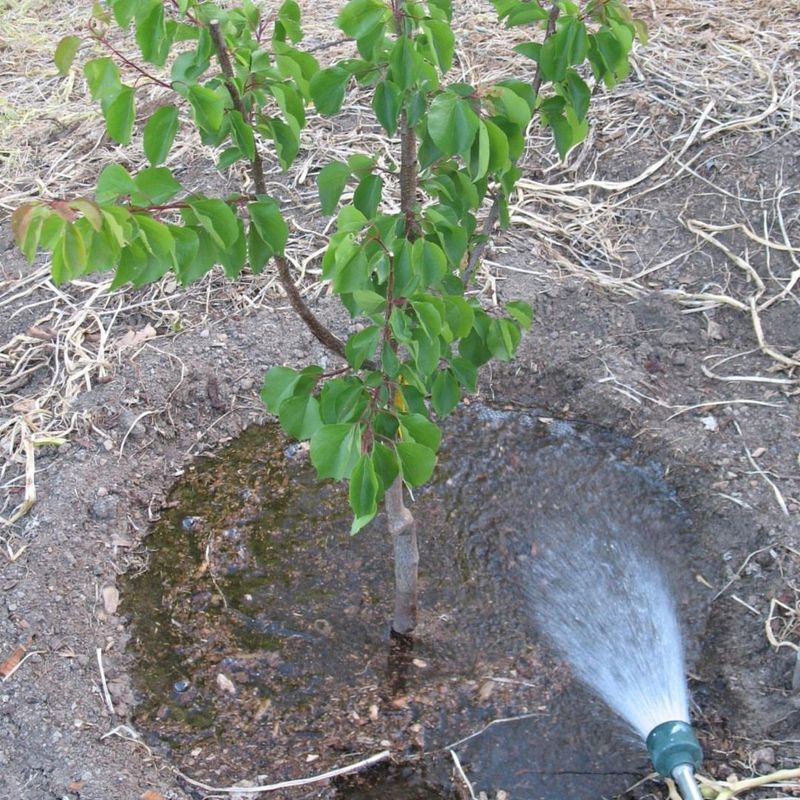
May in California can bring some seriously warm days, especially in inland regions like the Central Valley, the Inland Empire, and parts of San Diego County. When temperatures climb into the 80s and 90s, citrus trees lose moisture through their leaves much faster than usual.
That means your regular watering schedule might not be enough to keep up.
Pay attention to the forecast during May. When a heat spell is coming, consider giving your trees a deep watering a day or two before the hottest days hit.
This helps the soil act like a reservoir, keeping roots cool and hydrated even when the air temperature is intense. Watering during the early morning is also the best time, since it reduces evaporation and gives the tree time to absorb moisture before the heat of the day sets in.
Avoid watering in the middle of the afternoon on hot days. Not only does it waste water through evaporation, but it can also create stress for the tree if the water is not reaching the roots efficiently.
Staying flexible and responsive to California’s spring weather patterns is one of the most practical things a citrus gardener can do in May to keep trees strong and productive.
7. Watch For Drought Stress
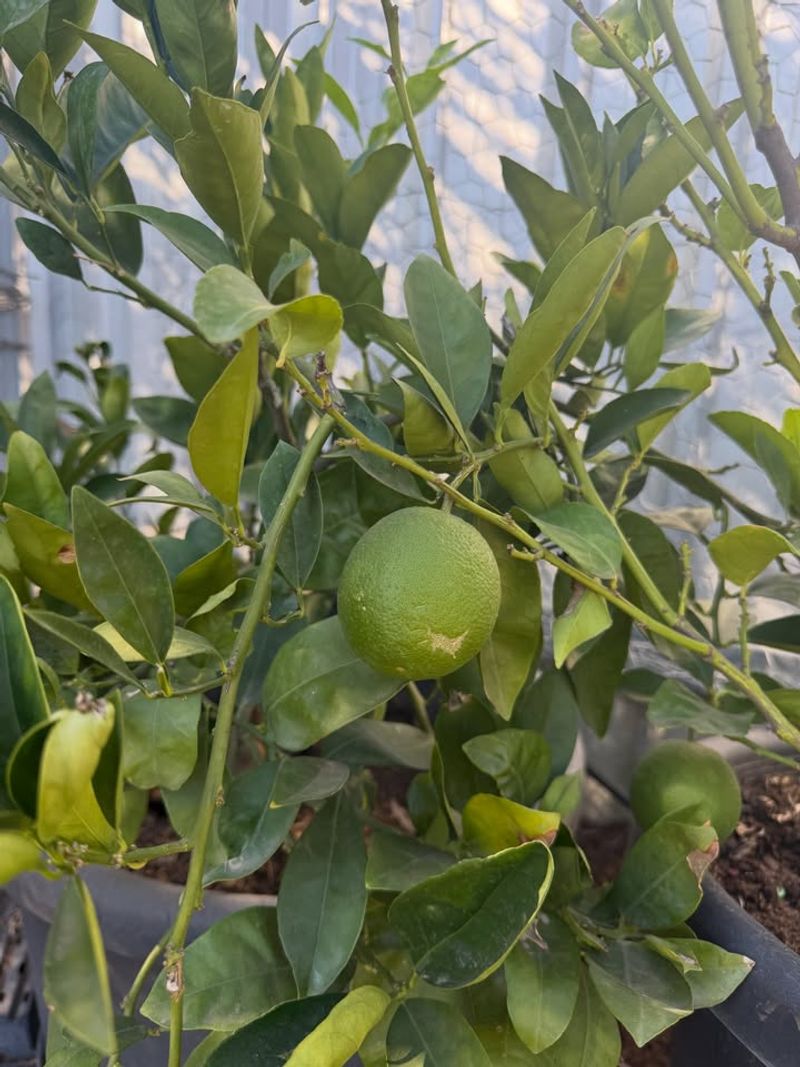
Even with the best watering routine, sometimes things slip through the cracks. Knowing how to spot drought stress early can save your California citrus tree before the problem gets serious.
The signs are usually visible in the leaves first, so make it a habit to look closely at your tree a few times a week during May.
Leaves that are curling inward, looking dull, or starting to drop are classic signals that the tree is not getting enough water. You might also notice small, underdeveloped fruit or a general lack of new growth.
These are your tree’s way of telling you it needs more consistent moisture. Catching these signs early gives you a chance to correct your watering before lasting damage occurs.
On the flip side, yellowing leaves with soggy soil can mean too much water, so always check the soil before adjusting. In California, where both drought conditions and unexpected rain can shift quickly, staying observant is your best tool.
Walk around your tree regularly, touch the leaves, feel the soil, and look at the overall shape of the canopy. A healthy citrus tree should look full, vibrant, and green throughout May and into the summer growing season ahead.