How To Tell If Frost Damage On North Carolina Plants Is Temporary Or Permanent
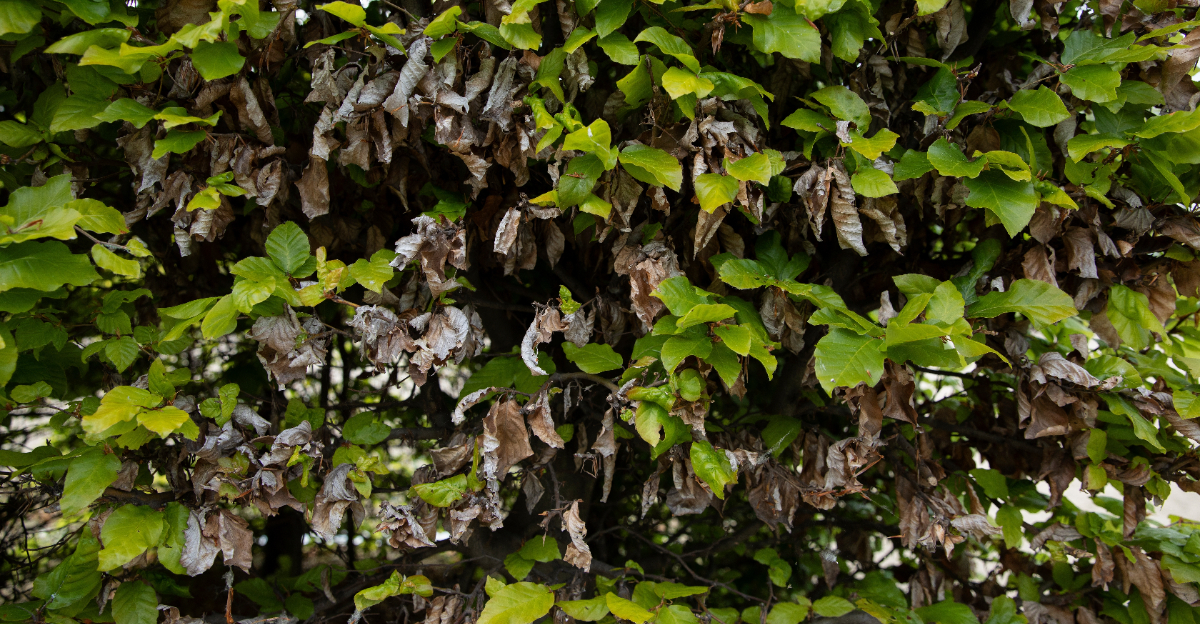
There are few things more discouraging than stepping outside after a chilly North Carolina night and finding your garden drooping under the effects of frost. Leaves may look limp, flowers can appear shriveled, and once vibrant plants suddenly seem fragile and defeated.
It is easy to assume the worst in that moment and fear that all your hard work has been undone. Fortunately, frost damage does not automatically mean your plants are beyond saving.
In many cases, what looks severe at first glance may only be temporary stress that plants can recover from with the right care. Understanding how to tell the difference between short term shock and lasting injury is the key to responding wisely.
Instead of rushing to pull plants out or make drastic cuts, a careful assessment can help you protect what is still healthy. These ten practical tips will guide you through what to look for and how to move forward with confidence.
1. Brown Or Black Mushy Tissue Often Indicates Permanent Damage
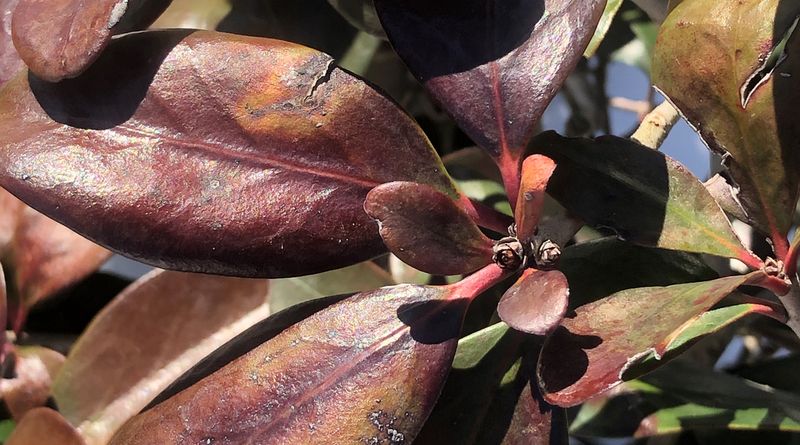
There is something immediately alarming about touching a plant stem and feeling it squish between your fingers like wet paper. That soft, dark, water-soaked texture is one of the clearest signals that frost has caused serious harm.
When plant cells freeze, the water inside them expands and breaks the cell walls, creating that unpleasant mushy feeling.
Brown or black coloring combined with a soft, almost slimy texture usually means the tissue has been damaged beyond recovery. This kind of injury goes deeper than surface wilting, which can reverse once temperatures rise.
Mushy tissue has structurally collapsed and cannot regain its form or function. Not every dark patch means the entire plant is beyond saving, though. Damage often concentrates in the newest, most tender growth while older woody tissue survives just fine.
Carefully examine the stem from the base upward, because the lower sections near the soil are often protected by the ground’s natural warmth.
If the mushy sections are only on the tips or upper leaves, the plant may still push new growth from healthier tissue below. However, when mushiness extends all the way down to the crown or base of the plant, recovery becomes much less likely.
Accurate assessment here saves you from waiting weeks on a plant that truly needs to be replaced.
2. Green Flexible Stems Usually Mean The Plant Is Still Alive
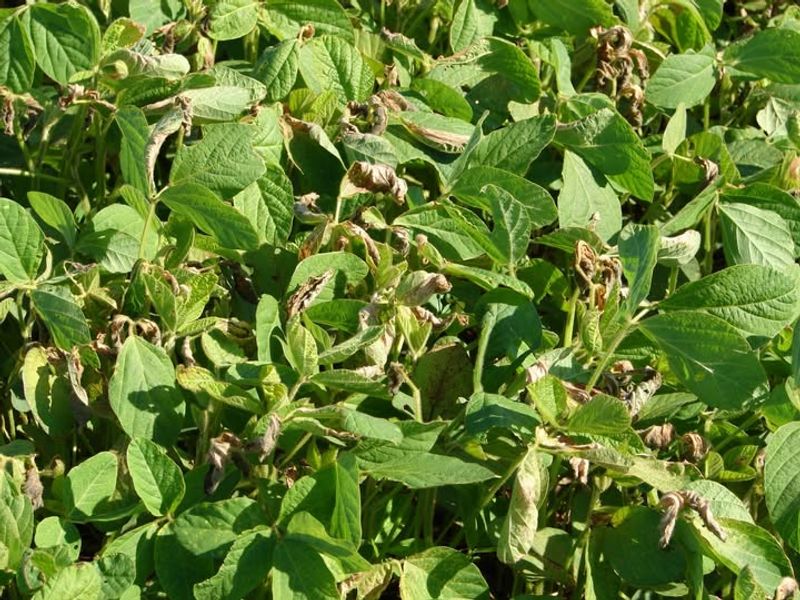
Picture this: you step outside after a frosty morning and your plants look droopy and rough. Before you panic, grab a stem and give it a gentle bend. If it flexes without snapping, that is a very encouraging sign that living tissue is still inside.
Living plant stems stay green because they still contain chlorophyll, the pigment responsible for photosynthesis. Healthy cells hold moisture and remain pliable, even after a cold snap.
A stem that bends easily rather than cracking apart is telling you loud and clear that it has not given up yet.
Frost-damaged tissue that has suffered permanent harm tends to turn brown or grayish and becomes brittle over time. You can run your fingers along the stem and feel the difference pretty quickly.
Your North Carolina Garden Changes Every Week. Your Plan Should Too.
Gardening in North Carolina changes quickly throughout the season. Every Friday you’ll receive a simple weekly plan showing exactly what to plant, prune, fertilize, harvest, and protect so you never miss the right timing.
A crispy, snapping stem is a different story from one that bends with some resistance.
North Carolina gardeners deal with unpredictable late winter and early spring frosts regularly, so this simple stem test is a go-to trick for experienced growers. Check multiple stems on the same plant to get a fuller picture.
One damaged stem does not tell the whole story, but several green flexible ones usually mean your plant has a real shot at bouncing back strong.
3. Scratching The Bark Can Reveal Living Tissue Beneath
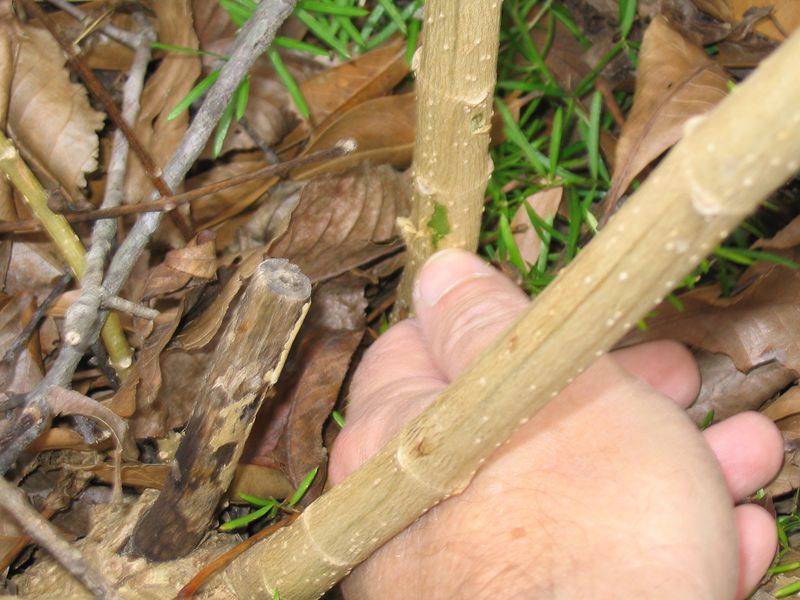
Experienced gardeners have a clever little trick that looks almost too simple to be useful, but it works remarkably well. Using your fingernail or a small knife, gently scratch away a thin layer of bark from a branch.
What you find underneath tells you a lot about whether that branch is worth keeping. Green tissue beneath the bark means the cambium layer, the thin living layer just under the outer bark, is still active and healthy.
This layer is responsible for transporting water and nutrients throughout the plant, so its survival is a strong positive indicator.
Finding green when you scratch means that branch has a real chance of leafing out when warmer weather arrives.
Brown or tan tissue under the bark, on the other hand, suggests that portion of the plant has been damaged more seriously. The cells have likely lost their function, and new growth will not emerge from that section.
Work your way down the branch from tip to base, scratching every few inches to find where the living tissue begins.
This technique works especially well on woody shrubs and small trees common in North Carolina landscapes, like camellias, loropetalum, and crape myrtles. Always start at the branch tips and move downward toward the trunk.
Once you locate the point where green tissue appears, that becomes your pruning guide when the time is right.
4. New Bud Growth Is A Strong Sign Of Recovery
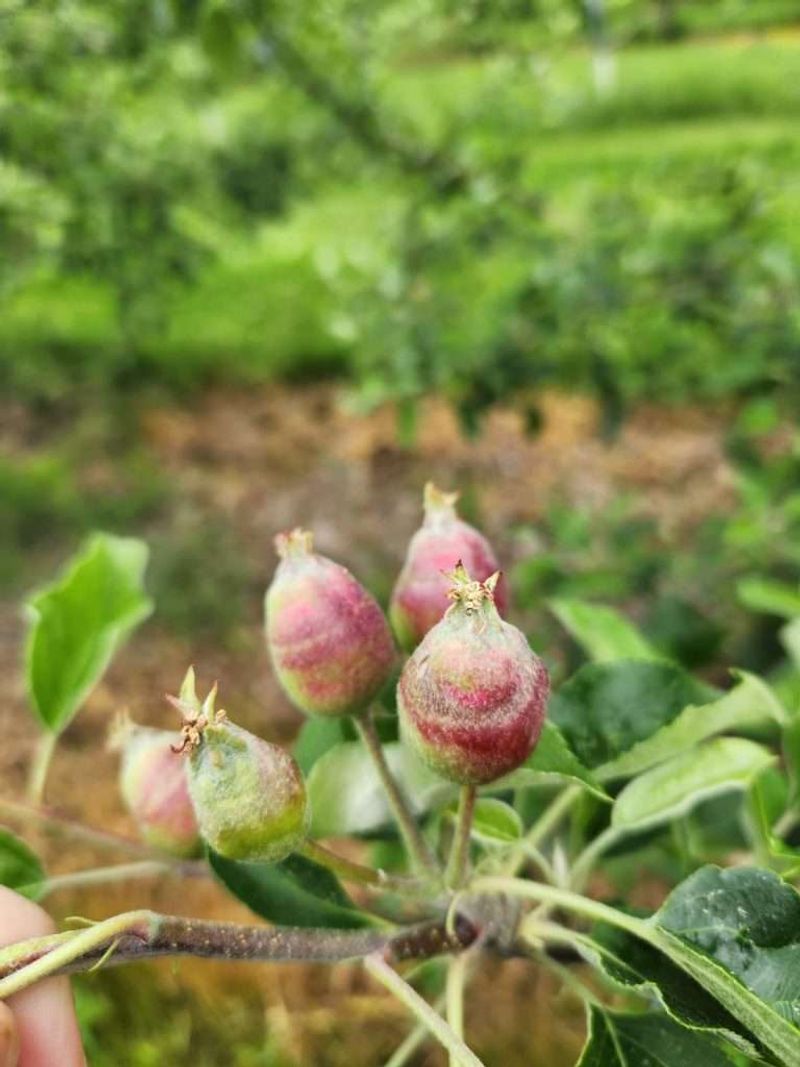
Spotting tiny green buds pushing out from branches that looked completely lifeless just weeks ago is one of the most satisfying moments in gardening. New bud growth after a frost event is about as clear a signal as you can get that a plant is bouncing back.
Nature has a remarkable way of surprising you. When temperatures warm up consistently after a cold spell, surviving plants redirect their energy toward producing new growth.
Buds swell first, often appearing as small bumps along the stems before they open into leaves or flowers. This process is driven by the plant’s root system, which stores energy even when the top portion looks rough.
In North Carolina, this recovery window often begins in late February through April, depending on the plant species and the severity of the previous freeze.
Warm days followed by cool nights can slow the process slightly, but steady warming generally triggers bud break in most ornamental shrubs and perennials. Patience during this waiting period really pays off.
Check your plants every few days rather than every few hours, because bud development happens gradually. Mark the spots where you see the first signs of swelling so you can track progress over time.
Once multiple buds appear across different branches, you can feel confident that the plant is on a solid recovery path and likely to fill out beautifully by summer.
5. Leaf Damage Does Not Always Mean Plant Loss
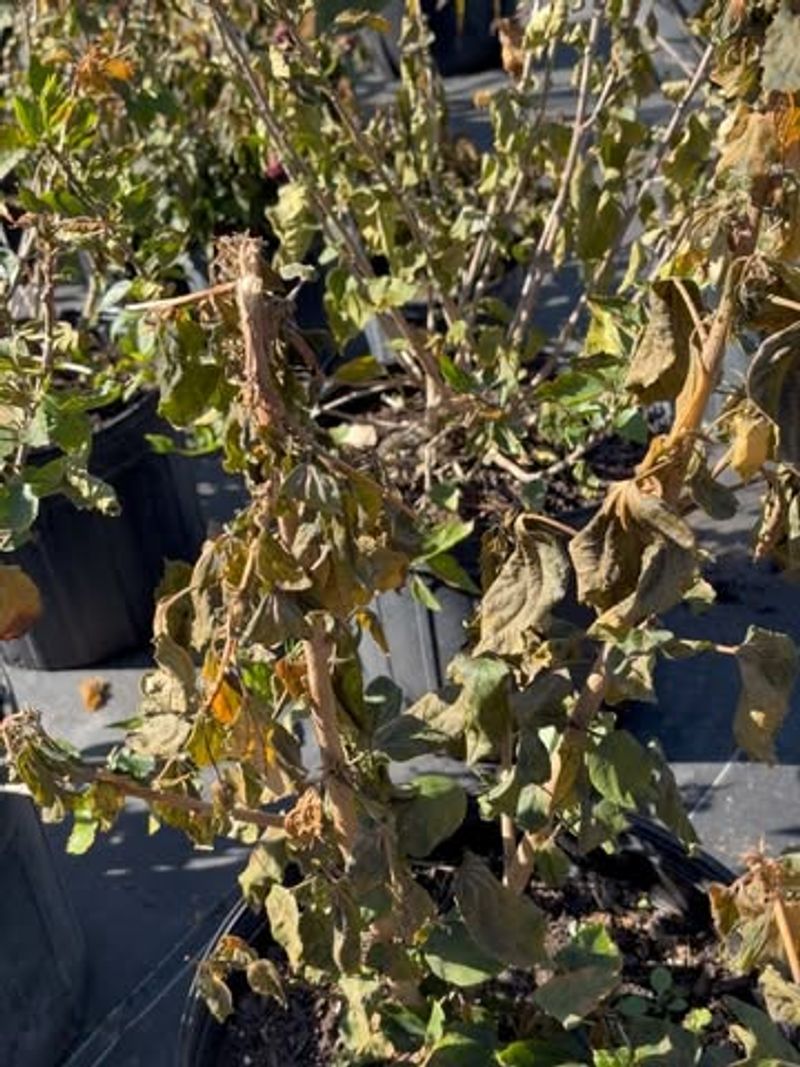
Blackened, wilted, or crispy leaves after a frost can make even the most experienced gardener feel discouraged. Here is the thing most people forget: leaves are actually the most frost-sensitive part of most plants.
They are designed to be sacrificial, protecting the more important structures below. Leaves have a large surface area and thin tissue, which makes them freeze faster and more completely than stems or roots.
Many plants shed frost-damaged leaves naturally and replace them once conditions improve. This is a normal biological response, not a sign that the whole plant is struggling beyond repair.
Tropical and semi-tropical plants commonly grown in North Carolina, like elephant ears, cannas, and ginger, often look completely ruined after a hard freeze.
Yet their underground rhizomes and tubers frequently survive just fine, ready to send up fresh growth when soil temperatures rise. Losing all the visible top growth does not automatically mean losing the plant.
Resist the urge to immediately strip off all the damaged leaves right after a frost. Those sad-looking leaves actually provide a small amount of insulation for the stem tissue below while temperatures remain cold.
Once a consistent warming trend settles in and you start seeing new growth emerging from the base or along stems, then you can safely remove the old damaged foliage without worrying about causing additional stress to the plant.
6. Root Health Determines Long Term Survival
When frost hits hard, most of the drama plays out above the soil where you can see it. But the real story of whether a plant survives long term is happening underground, where the roots live.
Healthy roots are the engine behind any plant’s recovery, and they are far more cold-hardy than stems or leaves.
Soil acts as natural insulation, protecting roots from the coldest air temperatures. A plant with a deep, well-established root system has a much better chance of pushing through frost stress than a newly planted one.
The roots store carbohydrates and nutrients that fuel new top growth once the cold passes.
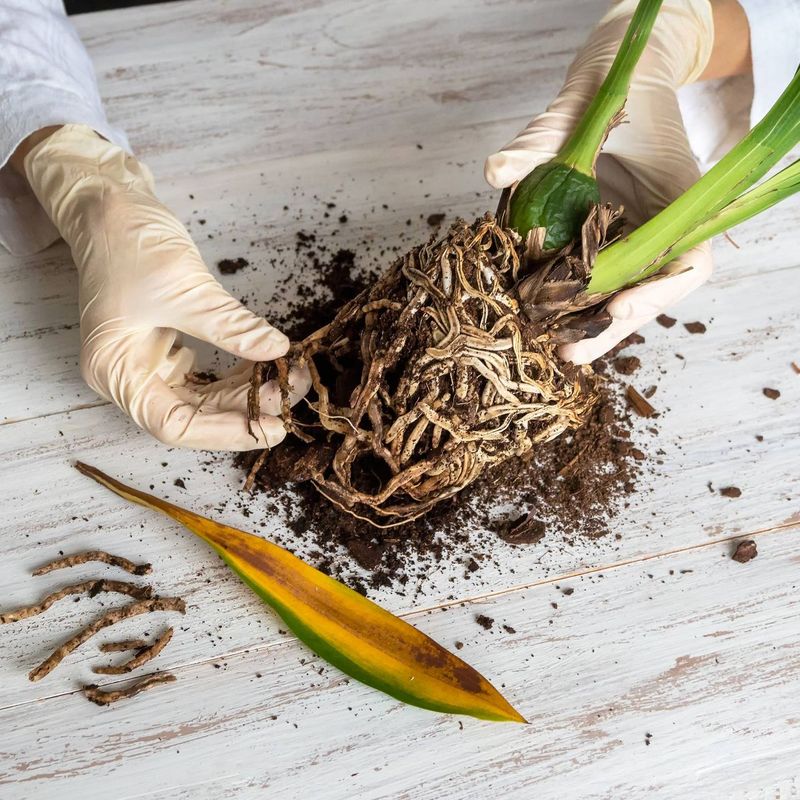
You can check root health by carefully digging a small area near the base of the plant and examining the roots. Healthy roots appear white or light tan and feel firm when you handle them.
Roots that have been severely damaged tend to look dark brown, feel soft, or fall apart easily when touched.
For many perennials and shrubs common in North Carolina gardens, like hostas, daylilies, and knockout roses, the roots are the last thing to suffer even when the tops look completely wiped out.
Mulching around the base of plants before winter arrives is one of the best ways to protect root health proactively.
A generous layer of mulch keeps soil temperatures more stable and gives roots the buffer they need to support a strong comeback when spring arrives.
7. Some Plants Recover Slowly Over Several Weeks
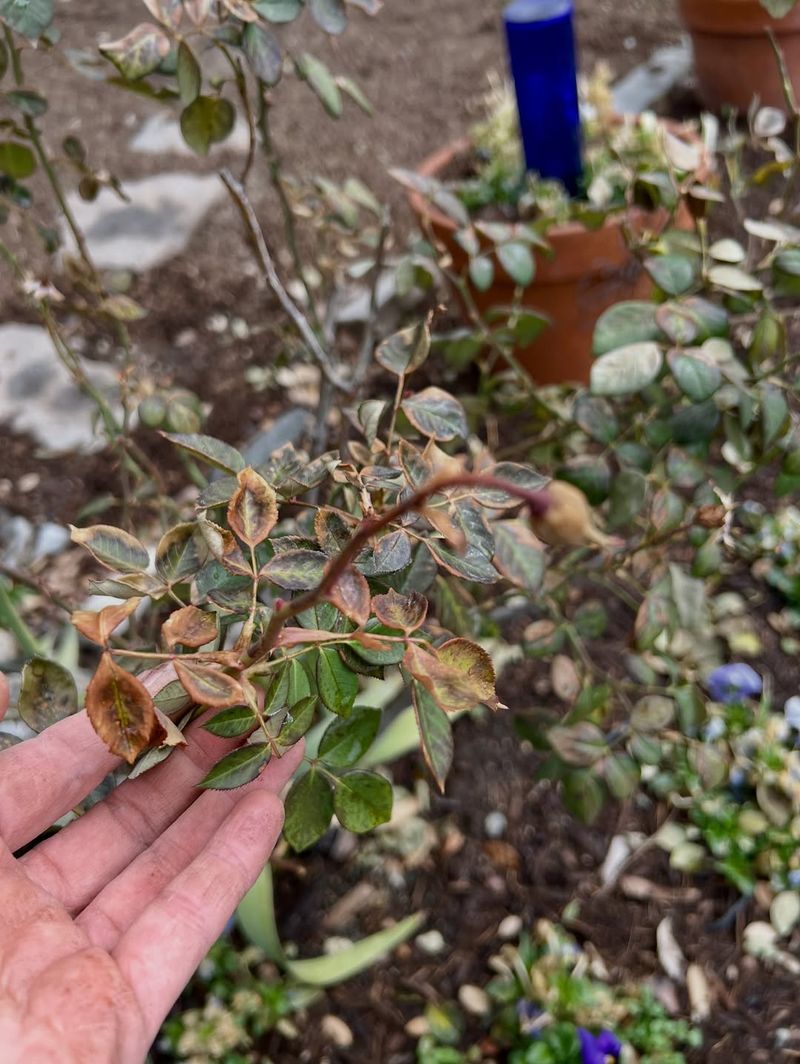
After a frost event, the waiting game begins, and it can feel like forever. Some plants spring back within days, while others take several weeks to show any visible sign of recovery.
Understanding that slow recovery is completely normal helps you avoid giving up on plants that just need a little more time.
Cold stress affects a plant’s internal processes, including hormone production and cellular repair. These biological systems need time to reset and restart after a freeze.
A plant that looks completely still and lifeless two weeks after a frost might simply be directing all its energy underground before committing to pushing visible new growth.
Woody shrubs and trees in particular can be slow to respond after cold damage. Species like gardenias, figs, and banana plants grown in warmer parts of North Carolina often show no signs of life for four to six weeks after a hard freeze.
Growers who give these plants time are frequently rewarded with strong regrowth from the base.
Mark your calendar and check your plants on a weekly schedule rather than daily. Daily checking can make slow progress feel even slower and lead to hasty decisions.
Keep the soil lightly moist during the recovery period, because hydrated roots function better and support regrowth more effectively.
If a plant shows no change at all after six to eight weeks of consistently warm weather, then a more thorough assessment makes sense to determine whether replacement is the better path forward.
8. Soft New Growth Is More Vulnerable Than Mature Tissue
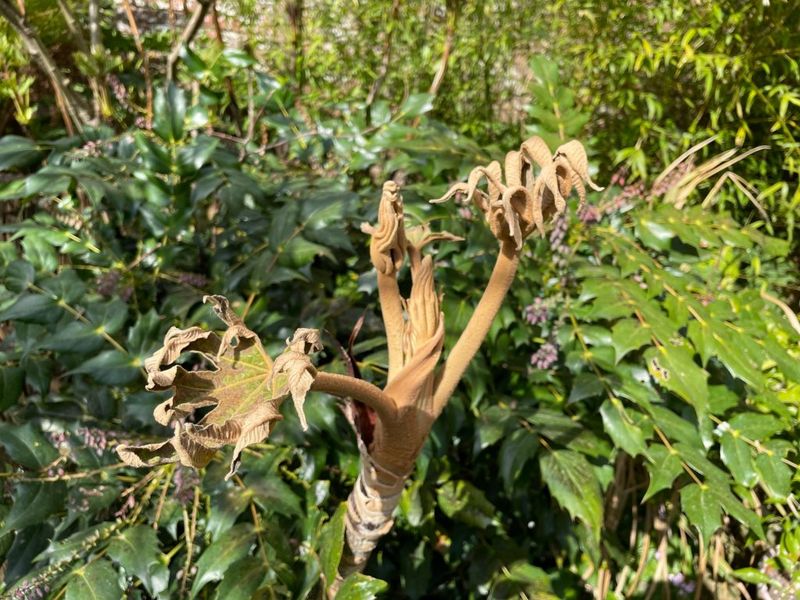
Spring in North Carolina has a tricky side that catches many gardeners off guard. Warm days in February and March can trigger plants to push out tender new growth weeks before the last frost date has safely passed.
That soft, bright new growth looks beautiful, but it is also the most frost-sensitive tissue on the entire plant.
New shoots and young leaves have thinner cell walls and higher water content than mature tissue, which makes them freeze faster and at higher temperatures.
Mature leaves and woody stems have thicker protective layers that help them handle cold snaps more effectively.
When a late frost hits, the brand-new growth often takes the most visible damage while older growth survives.
Seeing frost damage concentrated only on the newest growth is actually a reassuring sign. It suggests the more established parts of the plant came through unharmed and the overall structure remains solid.
The plant will simply replace the lost new growth once stable warm weather arrives. North Carolina gardeners can reduce this risk by avoiding early fertilization in late winter, since fertilizer encourages plants to push new growth earlier than they naturally would.
Covering vulnerable plants with frost cloth on nights when temperatures are expected to drop below freezing adds meaningful protection.
Paying attention to the local forecast and being ready to act quickly makes a real difference in protecting that delicate new growth before a late-season cold snap causes unnecessary setbacks in your garden.
9. Prune Only After You Can See Clear Signs Of Damaged Tissue
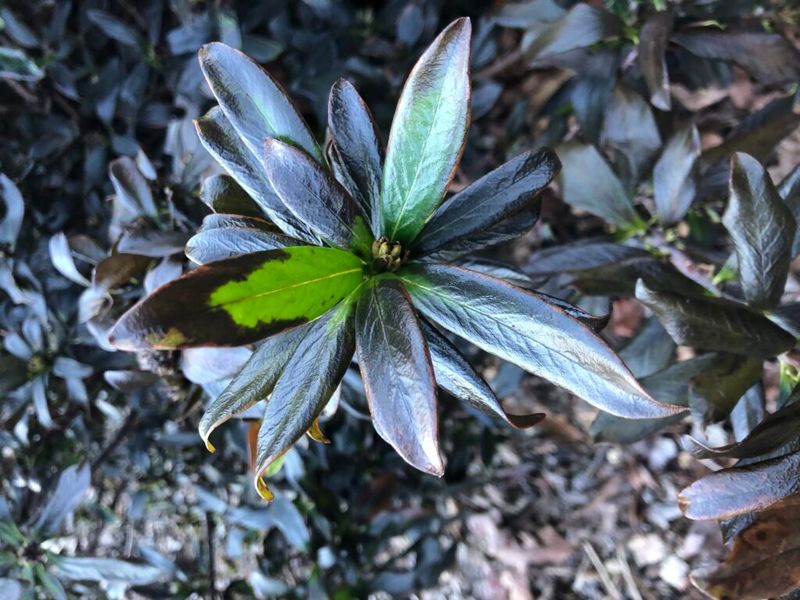
Grabbing your pruning shears right after a frost and cutting everything back might feel productive, but it is one of the most common mistakes gardeners make.
Pruning too early removes tissue that might still recover and exposes healthy stems to additional cold if another frost follows. Timing matters enormously when it comes to post-frost pruning.
Waiting until you can clearly see the boundary between damaged and healthy tissue makes every cut more accurate and more beneficial. That boundary usually becomes obvious as damaged areas dry out and turn brown or gray while living sections stay green and firm.
Rushing this process leads to unnecessary cuts and sometimes removes growth points the plant needed to recover.
A practical guideline many North Carolina extension gardeners recommend is to wait until new growth is clearly emerging before making any significant pruning cuts.
Once you see fresh buds or new shoots, the living portion of the plant is obvious, and you can confidently remove everything above that point. This approach keeps pruning decisions grounded in real evidence rather than guesswork.
Sharp, clean pruning tools matter too, because rough cuts on stressed plants invite disease and slow the healing process. Wipe your blades with rubbing alcohol between cuts if you are working on multiple plants to avoid spreading any pathogens.
Thoughtful, well-timed pruning sets the stage for a full and healthy recovery rather than adding another layer of stress to a plant that is already working hard to bounce back.
10. Healthy Established Plants Recover Better From Frost Stress
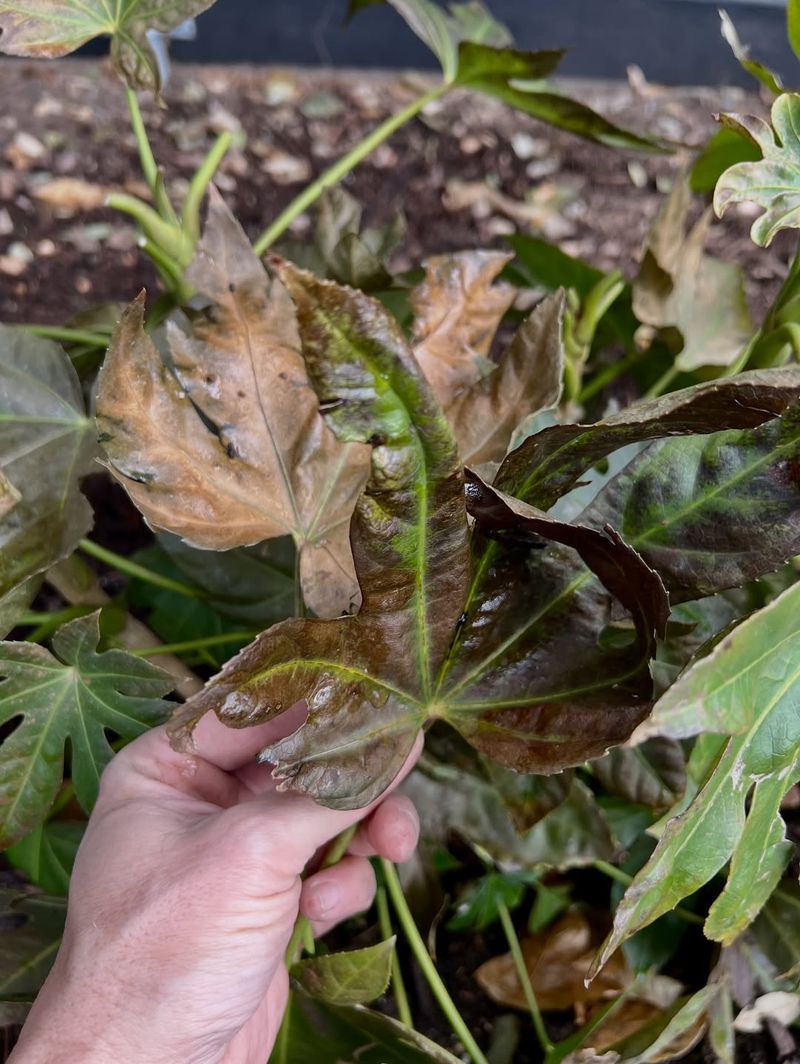
A plant that has been growing in your yard for several years has a significant advantage over one you planted last fall. Established plants have deeper, more extensive root systems that store more energy and tap into a larger volume of soil for moisture and nutrients.
That built-up strength makes a real difference when frost stress hits. Think of it like physical fitness in people. A plant that has spent years building a strong foundation handles stress better than one that is still finding its footing.
Well-established shrubs and trees in North Carolina landscapes regularly bounce back from frost events that would seriously set back younger plants in the same conditions.
Soil health plays a big supporting role here too. Plants growing in rich, well-draining soil with good organic matter have root systems that function more efficiently and recover more quickly after cold stress.
Compacted or nutrient-poor soil limits root development and leaves plants less equipped to handle temperature extremes.
Consistent care throughout the growing season directly improves a plant’s ability to handle winter challenges.
Regular watering during dry spells, appropriate fertilization, and proper mulching all contribute to the kind of deep-rooted strength that makes frost recovery faster and more complete.
North Carolina gardeners who invest in their plants’ overall health year-round tend to see far less permanent damage after cold snaps compared to gardens where plants have been stressed by drought or neglect throughout the previous growing season.