The Best Azalea Varieties That Handle North Carolina Summer Heat And Humidity
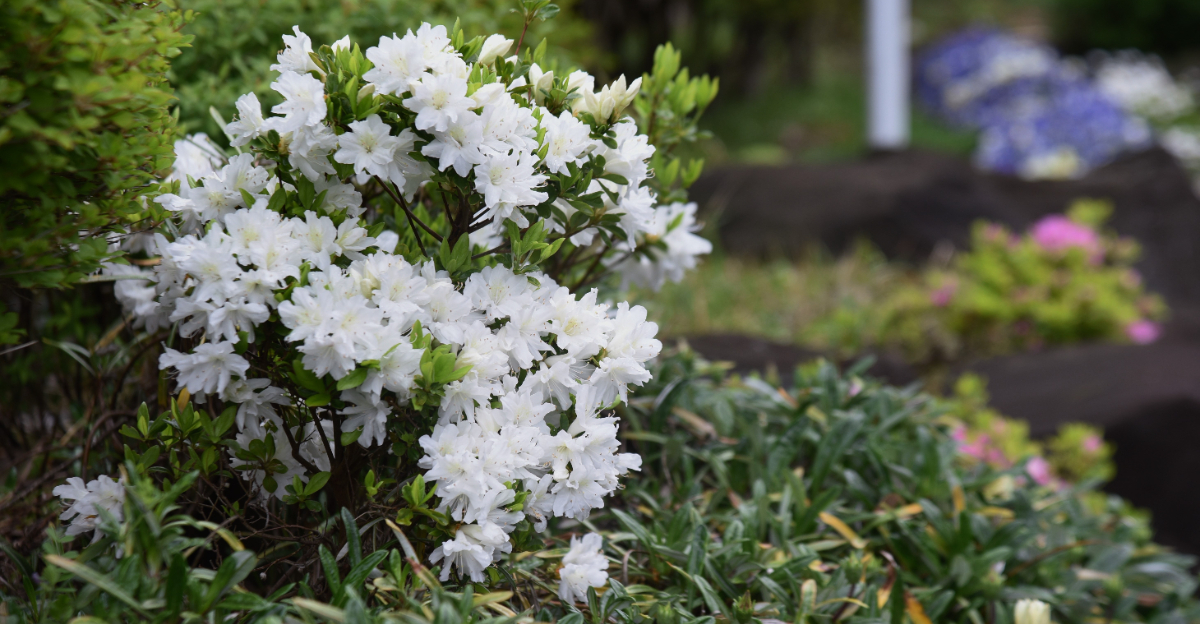
Azaleas and North Carolina go together naturally, and it is easy to see why.
The state’s mild springs produce some of the most stunning azalea displays anywhere in the country. Summer is a different story though.
The combination of intense heat and thick humidity that settles in across North Carolina can push certain azalea varieties to their limit, leaving gardeners with stressed, struggling shrubs that barely make it to fall.
Not all azaleas are built the same way, and variety selection matters more than most people think when your summers regularly climb into the upper 90s with humidity to match.
The right variety will sail through those conditions, stay full and healthy, and even set up a stronger bloom for the following spring.
Whether you are planting a new bed or replacing shrubs that have not performed well, knowing which azaleas are actually suited for North Carolina summers saves you a lot of time, money, and disappointment down the road.
1. Southern Indica Azaleas (Rhododendron indicum hybrids)
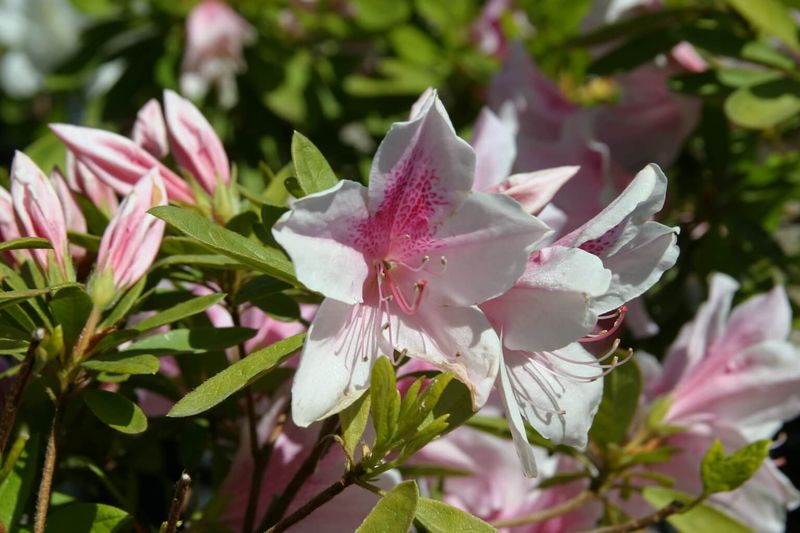
Walk through almost any established North Carolina neighborhood in spring, and you will spot Southern Indica azaleas putting on a show that is hard to ignore.
These big, bold shrubs have been a staple of Southern landscaping for generations, and for good reason. They were practically built for heat and humidity.
Southern Indica azaleas grow vigorously and bounce back from summer stress better than most other azalea types.
Planting them in partial shade gives their roots a break from the most intense afternoon sun, which helps them stay lush and healthy even when temperatures climb into the 90s.
Their evergreen foliage stays full and green throughout the year, making them a reliable backbone for any yard.
When it comes to blooms, these plants deliver large, showy flowers in shades ranging from deep pink to white and soft lavender. They typically bloom in early spring and create a stunning burst of color after a long winter.
For North Carolina gardeners who want a dependable, low-fuss shrub that handles summer like a champ, Southern Indica azaleas are a classic choice worth planting.
Just give them well-drained, slightly acidic soil and a good layer of mulch to keep moisture in and roots cool.
2. Encore Azaleas (Rhododendron Encore Series)
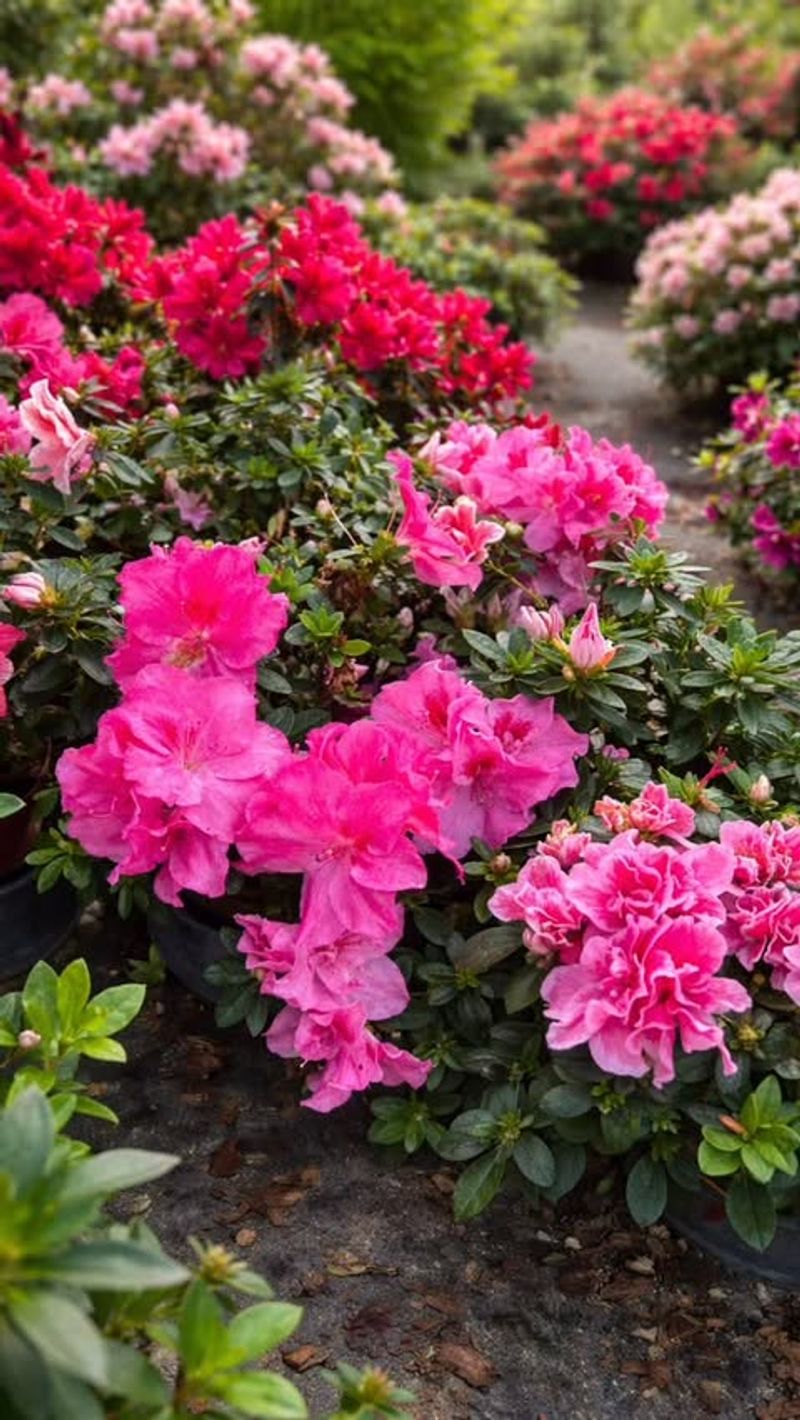
Imagine an azalea that does not just bloom once and call it a season. Encore azaleas were bred specifically to rebloom, offering bursts of color in spring, summer, and fall.
For North Carolina gardeners who love a yard that stays interesting all year, this variety is a total game changer.
What makes Encore azaleas stand out beyond their repeat blooming is their impressive heat tolerance.
They were developed with the hot, humid Southeast in mind, so they handle North Carolina summers without skipping a beat.
Giving them at least six hours of sunlight daily encourages the most blooms, though some afternoon shade helps during peak summer heat.
The Encore series includes dozens of cultivars in colors like coral, pink, red, white, and bicolor combinations.
Your North Carolina Garden Changes Every Week. Your Plan Should Too.
Gardening in North Carolina changes quickly throughout the season. Every Friday you’ll receive a simple weekly plan showing exactly what to plant, prune, fertilize, harvest, and protect so you never miss the right timing.
Popular picks include Autumn Bonfire, Autumn Twist, and Autumn Embers, each offering something slightly different in terms of color and growth habit.
These plants typically reach three to five feet tall, making them versatile for borders, foundation plantings, or container gardens on patios.
Did you know Encore azaleas were developed in Louisiana? That warm, steamy climate is pretty similar to conditions in North Carolina, which is exactly why they perform so well here.
If you want reliable color from spring through fall, Encore azaleas belong in your yard.
3. Piedmont Azalea (Rhododendron canescens)
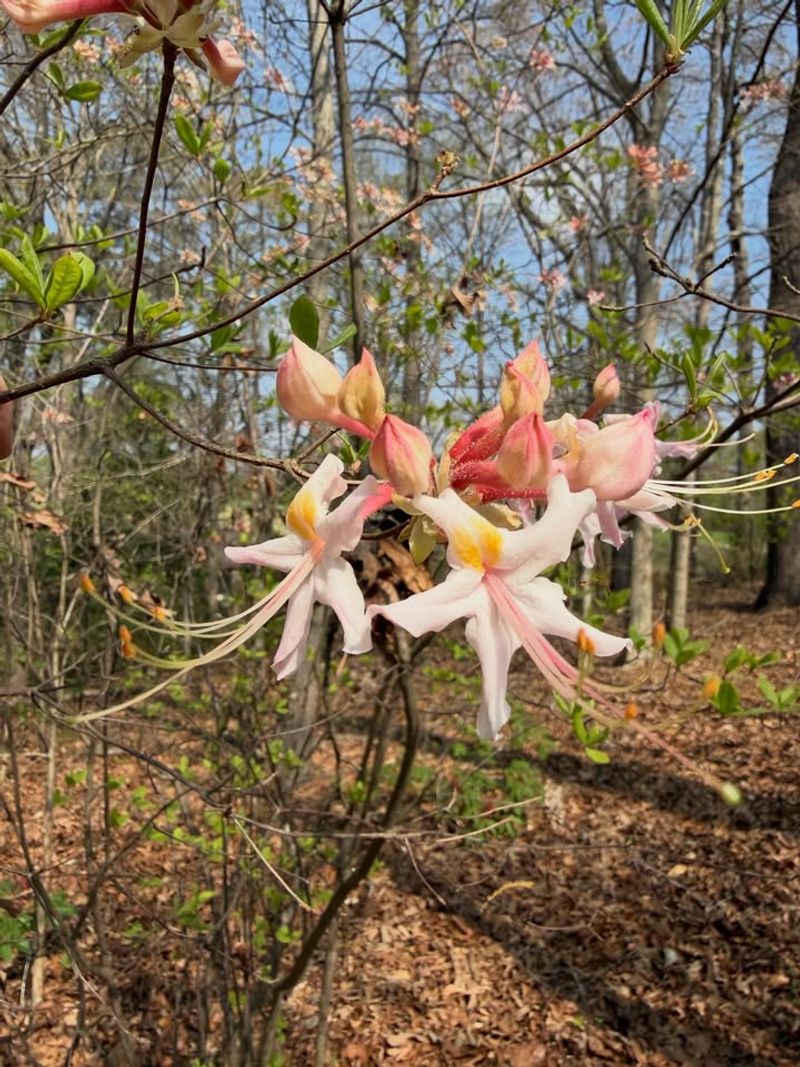
Few plants feel as naturally at home in North Carolina as the Piedmont azalea. This native Southeastern species has been growing wild in woodland edges and along streams across the region for centuries.
Because it evolved right here, it knows exactly how to handle the heat and humidity that comes with a Carolina summer.
Rhododendron canescens is a deciduous shrub, meaning it drops its leaves in winter, but that is a small trade-off for its gorgeous spring display.
The fragrant, soft pink to white tubular flowers appear before the leaves fully emerge, creating a delicate, almost magical look in a woodland garden.
That early bloom makes it one of the first signs of spring in many North Carolina landscapes.
Growing this azalea is straightforward when you match its natural habitat. It prefers moist, well-drained, acidic soil and does best along woodland edges where it gets dappled light rather than harsh direct sun.
Because it is native to the region, it supports local pollinators including native bees and hummingbirds.
Piedmont azalea typically reaches six to ten feet tall, so give it room to spread naturally.
For gardeners who want a plant that feels right at home in North Carolina without a lot of extra fussing, this native beauty is a wonderful, wildlife-friendly choice worth adding to any landscape.
4. Flame Azalea (Rhododendron calendulaceum)
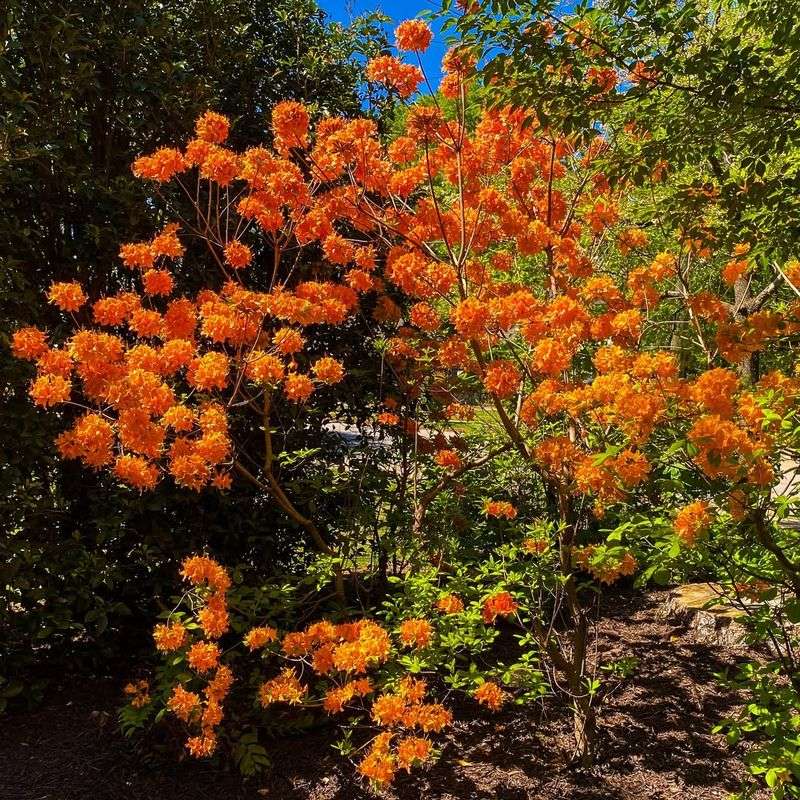
Nothing quite prepares you for seeing a Flame azalea in full bloom. The vivid orange and yellow flowers practically glow against the green backdrop of a North Carolina mountain hillside, and once you have seen one, you never forget it.
This native Appalachian species is one of the showiest wildflowers in the entire eastern United States.
Flame azalea thrives in the mountain and piedmont regions of North Carolina, where it tolerates summer heat as long as drainage is good and roots are not sitting in soggy soil.
It blooms in late spring, usually from May into June, which means it extends the azalea season beautifully after earlier-blooming varieties have finished.
The flowers range from pale yellow to deep orange-red, and no two plants look exactly alike, which adds a natural, wild charm to any garden.
Because it is a native plant, Rhododendron calendulaceum supports the local ecosystem in North Carolina beautifully. Bumblebees and hummingbirds are especially drawn to its large, open flowers.
It grows as a loose, open shrub reaching four to eight feet tall, and it pairs well with other native plants like mountain laurel and trillium.
Gardeners in the western parts of North Carolina will find this variety especially rewarding.
Plant it on a slope or raised bed to ensure the excellent drainage it needs to stay healthy through the humid summer months.
5. Sweet Azalea (Rhododendron arborescens)
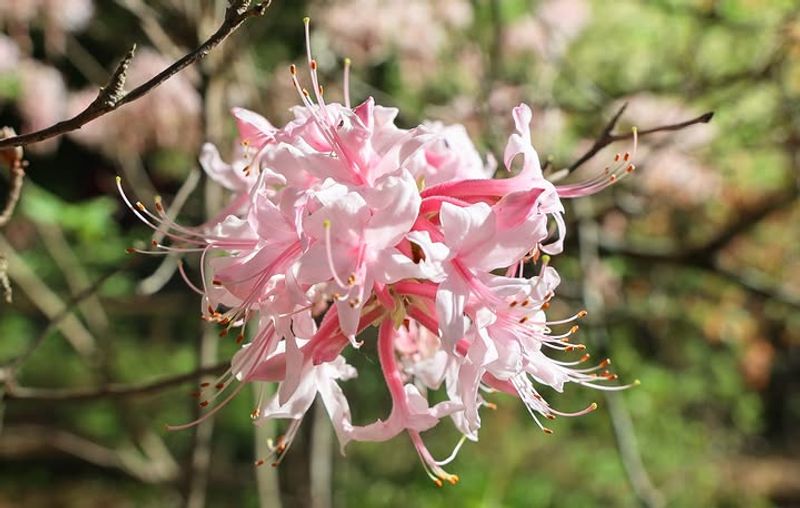
If you have ever caught a sweet, heady fragrance drifting through a summer garden and could not figure out where it was coming from, there is a good chance a Sweet azalea was nearby.
Rhododendron arborescens blooms later than most azaleas, usually in June and July, filling the air with a scent that is genuinely one of the most pleasant in the plant world.
Sweet azalea is a native deciduous shrub that handles North Carolina’s summer humidity with ease.
Unlike many hybrid azaleas that struggle when the air gets thick and warm, this species evolved in moist, humid Appalachian environments, so the Carolina summer feels completely natural to it.
It also tolerates wetter soil conditions better than most, making it a smart choice for low spots in the yard where water tends to collect after heavy rains.
The white flowers with their rosy-pink stamens are elegant without being flashy, and they attract butterflies and native bees in impressive numbers.
Sweet azalea grows six to ten feet tall and works beautifully along stream banks, pond edges, or in naturalized woodland gardens across North Carolina.
Its fall foliage turns a lovely red, adding another season of interest. For gardeners who want fragrance, wildlife value, and summer toughness all in one plant, Sweet azalea checks every single box. It is a true hidden gem in the azalea world.
6. Swamp Azalea (Rhododendron viscosum)
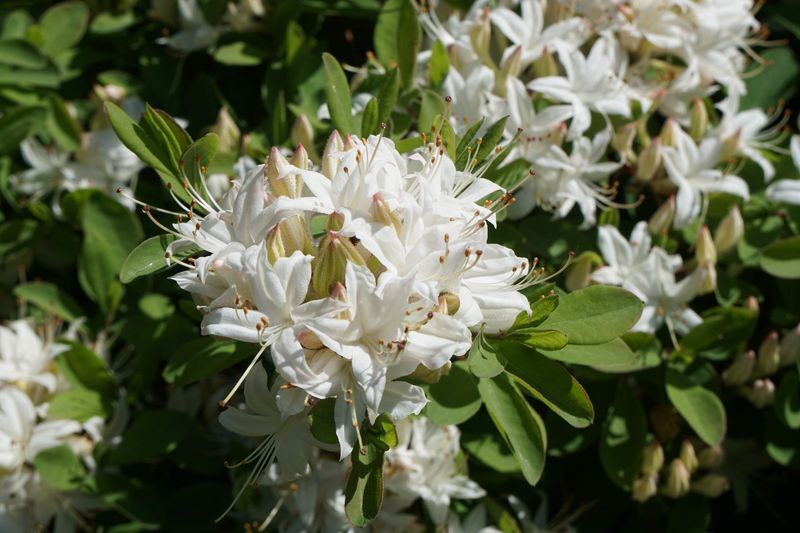
Most gardeners hear the word swamp and immediately think of a plant that would look out of place in a normal yard.
Swamp azalea, though, is surprisingly versatile and brings something special to North Carolina gardens that few other shrubs can match.
It blooms in midsummer, long after most other azaleas have finished, which means your garden gets a fresh wave of white flowers just when things start to slow down. Rhododendron viscosum is built for humidity.
It naturally grows along stream banks, bogs, and wetland edges throughout the eastern United States, including large parts of North Carolina. That background means it handles the thick, muggy summer air with zero complaints.
It also tolerates consistently moist soil better than almost any other azalea variety, making it perfect for problem spots where standing water can be an issue after heavy summer rains.
The white, tubular flowers have a spicy clove-like fragrance that carries beautifully through warm summer evenings.
Gardeners who sit outside on summer nights will appreciate having this plant nearby. It grows four to eight feet tall and spreads gradually into a full, rounded shrub over time.
Swamp azalea supports native pollinators and is a strong choice for rain gardens or naturalized areas in North Carolina.
If you have a wet corner of your yard that nothing else seems to enjoy, this tough native is exactly the plant you have been looking for.
7. Coastal Azalea (Rhododendron atlanticum)
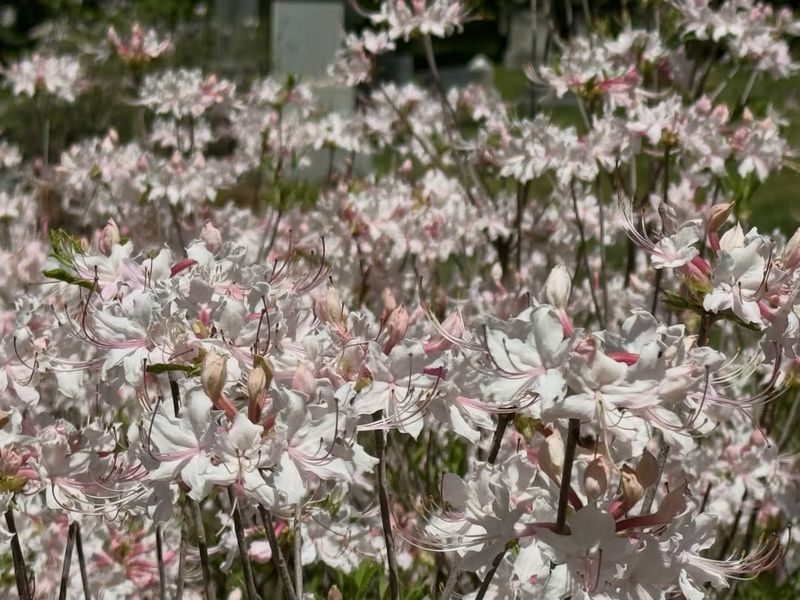
Eastern North Carolina presents a unique gardening challenge. Sandy soil, salt air, intense summer heat, and relentless humidity make it tough for many plants to thrive.
Coastal azalea was essentially designed for exactly those conditions. Native to the Atlantic coastal plain, Rhododendron atlanticum feels right at home in the eastern part of the state.
This low-growing, spreading shrub typically reaches only one to three feet tall, which makes it a fantastic ground cover option for slopes, sandy banks, or front-of-border plantings.
Its fragrant white to soft pink flowers appear in mid-spring, often before the leaves emerge, creating a delicate, cloud-like effect that looks stunning against sandy or mulched soil. The flowers attract native bees and butterflies, which is always a bonus for any garden.
One of the most interesting things about Coastal azalea is that it spreads by underground stolons, gradually forming wide colonies over time.
That spreading habit makes it excellent for stabilizing sandy soil and preventing erosion along slopes or near coastal areas in North Carolina.
It prefers full sun to partial shade and tolerates drought better than many other native azaleas once it is established.
For gardeners in the coastal plain or tidewater regions who have struggled to find azaleas that actually survive the summer, Coastal azalea is a reliable, beautiful native solution that rewards patience with a steadily expanding, fragrant display year after year.
8. Oconee Azalea (Rhododendron flammeum)
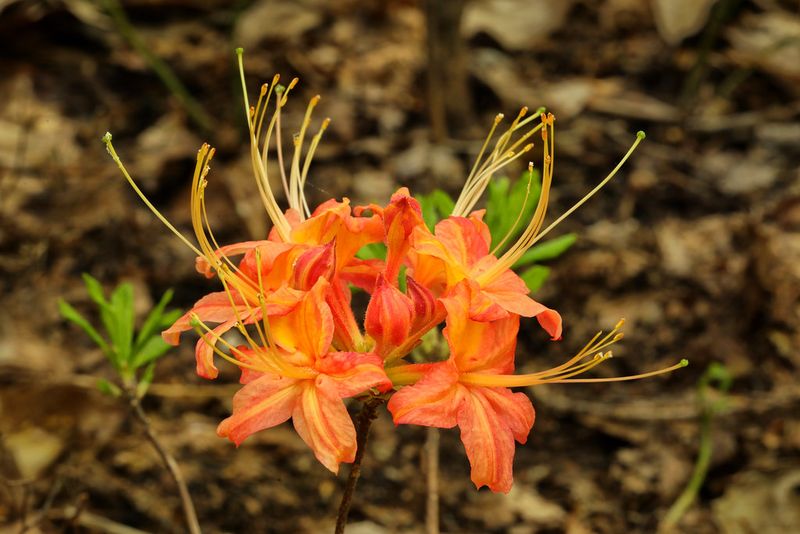
Bold, warm colors are the signature of Oconee azalea, and once you see it in bloom, it is easy to understand why gardeners get so excited about this Southeastern native.
Rhododendron flammeum produces vivid orange, red, and yellow flowers that look like they were painted by hand. It is one of those plants that stops people in their tracks.
Native to the Piedmont and mountain foothills of the Southeast, this species is well-adapted to North Carolina’s warm, humid summers.
It prefers partial shade with some morning sun and needs well-drained, acidic soil to perform at its best.
Unlike many showier hybrid azaleas that require constant attention, Oconee azalea is relatively low-maintenance once it gets established in the right spot. Its flowers appear in mid to late spring, typically from April into May.
Oconee azalea grows four to six feet tall and wide, giving it a nice, full presence in the landscape without overwhelming smaller garden spaces.
Because it is a native plant, it provides real ecological value in North Carolina gardens, supporting native pollinators and fitting naturally into woodland-style plantings.
It pairs beautifully with native ferns, wild ginger, and mountain laurel for a layered, naturalistic look.
Gardeners who love warm flower tones and want a plant with genuine regional roots will find Oconee azalea to be one of the most rewarding and striking choices available for a heat-tolerant North Carolina garden.
9. Glenn Dale Azaleas (Rhododendron Glenn Dale Hybrids)
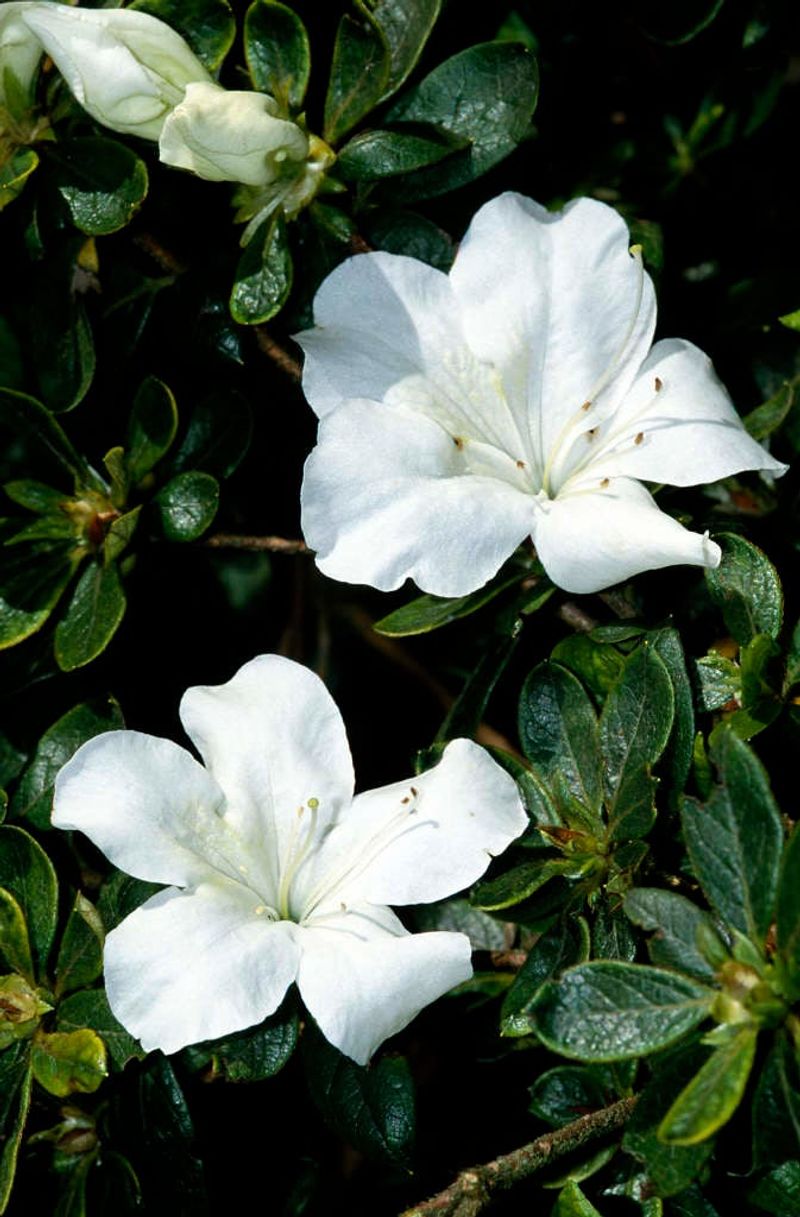
Back in the 1930s and 1940s, horticulturist B.Y. Morrison developed the Glenn Dale azalea hybrids at the U.S. Plant Introduction Station in Maryland.
The goal was simple: create azaleas that could handle more temperature extremes than the popular but tender Belgian Indica types.
The result was a massive group of over 400 named cultivars, many of which perform beautifully in North Carolina’s summer heat.
Glenn Dale azaleas are semi-evergreen to evergreen depending on the specific cultivar and local winter conditions.
They bloom in mid to late spring and produce some of the most varied and intricate flower patterns of any azalea group, including striped, blotched, and single-toned varieties.
Colors range from pure white to deep crimson, giving gardeners an enormous range of options for matching color schemes in any yard.
In North Carolina, Glenn Dale azaleas do best in partial shade with good air circulation, which helps prevent fungal issues during the humid summer months.
They prefer moist, well-drained, acidic soil and benefit from a two to three inch layer of pine bark mulch to regulate soil temperature and hold moisture.
Most cultivars grow four to six feet tall. Popular varieties to look for include Glacier, Copperman, and Gaiety.
For gardeners who want proven hybrid performance with a wide selection of colors and a long history of success in the Southeast, Glenn Dale azaleas are a smart and satisfying pick.
10. Kurume Azaleas (Rhododendron Kurume Hybrids)
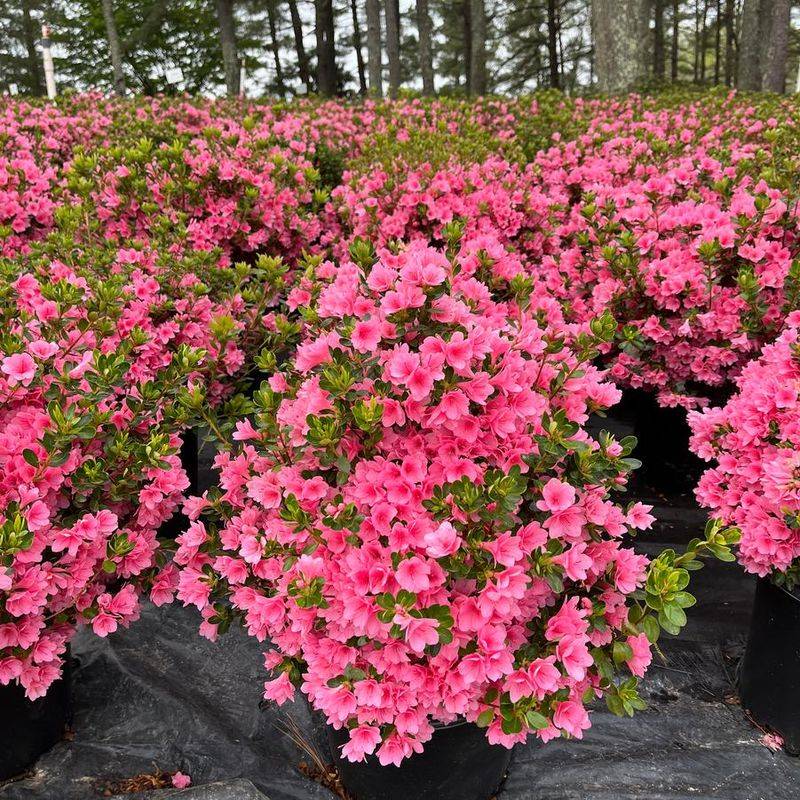
Compact, tidy, and absolutely covered in flowers every spring, Kurume azaleas have been winning over gardeners in North Carolina for well over a century.
These Japanese hybrids were introduced to the United States in the early 1900s and quickly became popular across the Southeast thanks to their reliable performance and neat, manageable size.
They bring an almost manicured elegance to any yard. Kurume azaleas typically grow two to five feet tall, making them a great choice for foundation plantings, low borders, and container gardens on patios or porches.
They produce small but incredibly abundant flowers that nearly cover the entire plant in spring, creating a solid mass of color in shades of pink, red, salmon, white, and purple.
The effect is genuinely breathtaking when a full-grown plant is in peak bloom.
In North Carolina, Kurume azaleas handle the summer humidity reasonably well, though they appreciate some protection from the harshest afternoon sun, which can scorch their leaves during July and August.
Planting them on the east side of a building or under the filtered shade of tall trees gives them the balance of light and protection they need to stay healthy all summer long.
Good drainage and slightly acidic soil are essential for long-term success. Popular cultivars include Coral Bells, Hino Crimson, and Snow.
For gardeners who want a smaller, cleaner-looking azalea that delivers maximum spring color in a North Carolina yard, Kurume hybrids are a consistently excellent and rewarding choice.