8 Native Ohio Flowers That Attract Pollinators To Your Garden
There’s something familiar about seeing bees drift through the garden on a warm Ohio afternoon. The same flowers come back year after year, and before long, you start noticing which ones seem to draw in the most life.
It’s not random. Some plants simply do a better job of inviting pollinators in.
Native Ohio flowers are built for this. They’ve adapted to local soil, weather, and seasons, which means they tend to grow more reliably while also supporting bees, butterflies, and other helpful visitors.
Adding the right mix can turn even a simple yard into a steady source of color and activity without adding extra work.
A few of these standouts begin blooming earlier than you might expect, while others keep things going well into late summer.
1. Bold Blooming Purple Coneflower
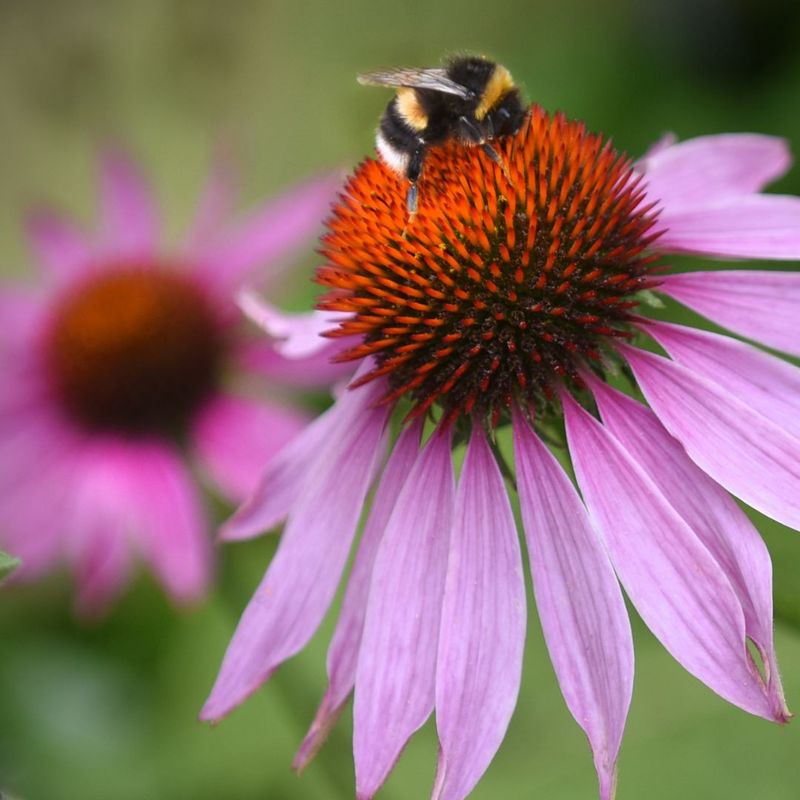
Few flowers stop people in their tracks quite like the Purple Coneflower, with its bold, daisy-like petals radiating outward from a spiky orange-brown center. Known scientifically as Echinacea purpurea, this plant is a true Ohio native that performs well in sunny, well-drained garden spots across the state, making it a common choice in both home gardens and larger naturalized plantings.
Gardeners appreciate how reliably it returns each year with minimal care once established, even in changing seasonal conditions across different parts of Ohio.
These blooms attract a range of pollinators, including bumblebees, honeybees, and native bees, which forage for nectar and pollen across the cone and surrounding florets. Butterflies, including swallowtails and fritillaries, also stop by regularly, adding movement and colour throughout the growing season.
Planting in full sun encourages stronger flowering, although a bit of afternoon shade is usually tolerated. Blooming typically begins in midsummer and can extend into early autumn, providing a consistent food source during a key part of the pollinator season.
Once established, Purple Coneflower handles short dry periods quite well, which suits Ohio’s warmer summer stretches.
Leaving seed heads in place after flowering offers an added benefit. Goldfinches and other birds often feed on the seeds through late summer and into autumn.
With its balance of visual appeal, adaptability, and wildlife support, Purple Coneflower remains a dependable addition to Ohio gardens.
2. Essential Monarch Friendly Common Milkweed
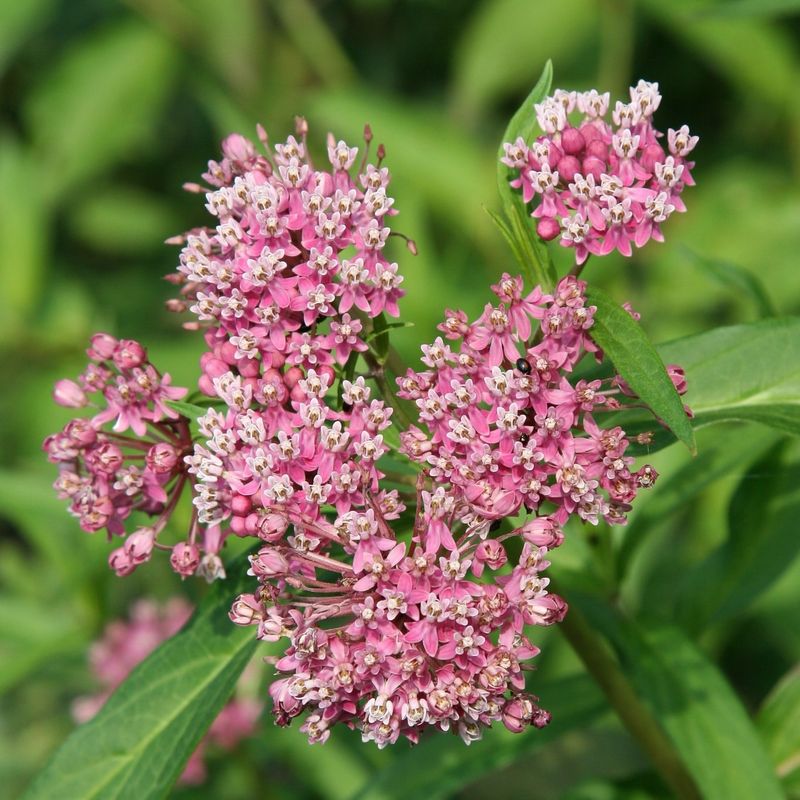
Common Milkweed might not have the most glamorous name, but this plant is genuinely one of the most important native species you can grow in Ohio. Asclepias syriaca produces rounded clusters of soft pink to lavender flowers that smell absolutely wonderful, almost like a sweet, powdery perfume that drifts across the garden on warm summer evenings.
The ecological value of Common Milkweed is hard to overstate. It is the primary host plant for monarch butterflies across the eastern United States, providing food for monarch caterpillars as they develop through their larval stages.
Milkweed plays a critical role in supporting monarch populations because it serves as the only host plant for their caterpillars, making it one of the most beneficial additions Ohio gardeners can include to help sustain local butterfly populations.
Beyond monarchs, the blooms attract an impressive range of pollinators. Bumblebees, honeybees, and various native bee species visit the flowers regularly, along with fritillary butterflies and hummingbird moths.
Your Ohio Garden Changes Every Week. Your Plan Should Too.
Gardening in Ohio changes quickly throughout the season. Every Friday you’ll receive a simple weekly plan showing exactly what to plant, prune, fertilize, harvest, and protect so you never miss the right timing.
The large, flat flower clusters make ideal landing zones for insects of all sizes.
Common Milkweed does spread through underground rhizomes, so it works best in naturalized areas, meadow gardens, or spots where you have some room to let it roam. Full sun and average to dry soil suit it perfectly.
The fluffy seed pods that form in late summer are also a joy to discover, eventually releasing silky seeds that float gracefully on the autumn breeze across your yard.
3. Fragrant Pollinator Favorite Wild Bergamot
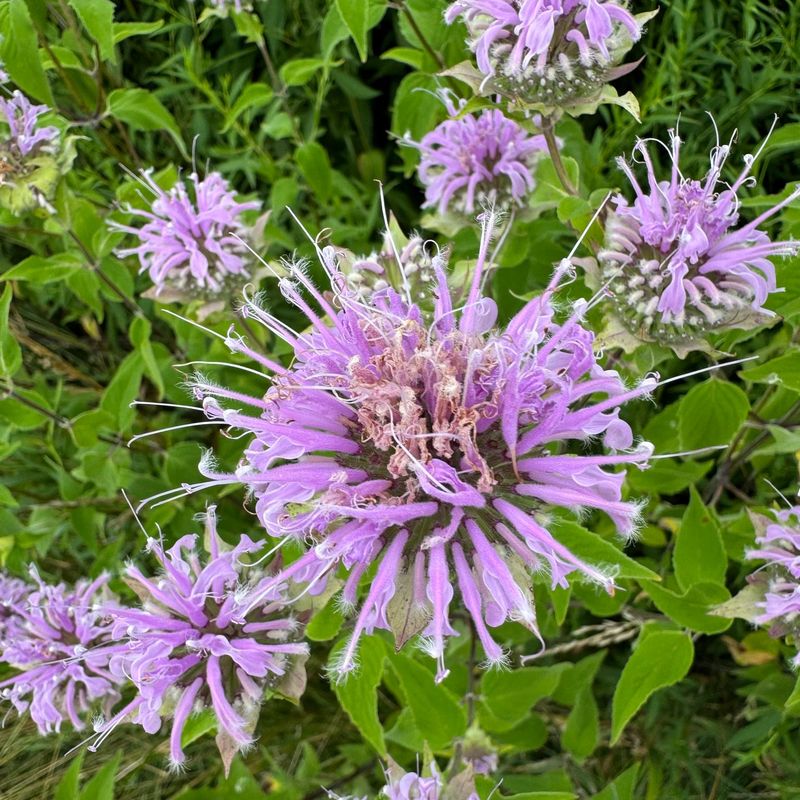
Bringing both fragrance and soft colour to Ohio gardens, Wild Bergamot stands out once it begins blooming in summer. Monarda fistulosa produces lavender to pale pink flower heads with a tufted appearance, and its leaves release a scent similar to oregano when touched.
This combination of visual interest and aromatic foliage makes it a noticeable addition in pollinator-friendly plantings, especially in natural-style garden spaces, where plants are allowed to grow more freely and blend naturally, often creating a more relaxed and meadow-like look.
The leaves release a scent similar to oregano, adding another layer of appeal.
This plant attracts a wide range of pollinators. Bumblebees are frequent visitors, often moving steadily between blooms.
Hummingbirds may also feed from the tubular flowers, along with butterflies and various native bee species.
It grows well in average to dry soils and adapts to full sun or light shade. In Ohio, Wild Bergamot is commonly found in prairies, open woods, and roadsides, which reflects its ability to handle a range of conditions.
Powdery mildew can appear during humid periods, but spacing plants for better airflow usually helps reduce its impact.
Over time, it spreads to form loose clumps, making it a good choice for natural-style plantings alongside species like Black Eyed Susan and Purple Coneflower. Together, these combinations help extend bloom periods and provide ongoing support for pollinators.
4. Vibrant Orange Butterfly Weed
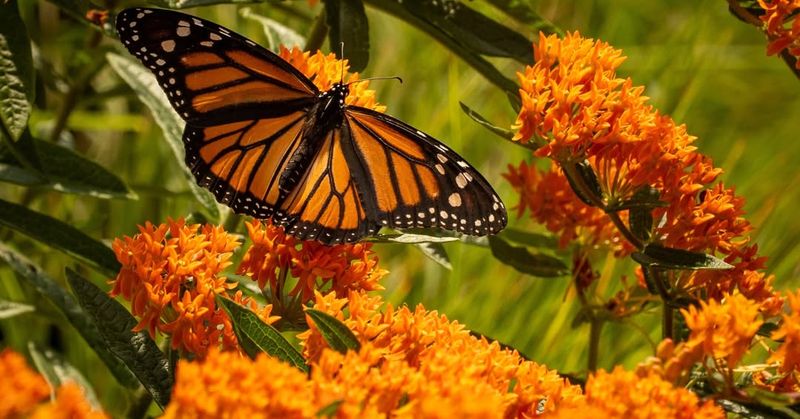
Known for its bright orange colour and strong visual impact, Butterfly Weed quickly becomes a focal point in Ohio gardens. Asclepias tuberosa, a member of the milkweed family, produces clusters of small, intricate flowers that serve as a rich nectar source for pollinators.
Its compact growth and vivid blooms make it one of the more ornamental native milkweeds, often chosen for both beauty and function in garden spaces.
Its compact growth and vivid blooms make it one of the most ornamental native milkweeds used in garden settings.
Monarch butterflies use this plant as a host, laying eggs on the leaves so caterpillars have a food source as they develop. In addition to monarchs, a variety of butterflies and native bees visit the flowers throughout the blooming period.
While Butterfly Weed is less aggressive than Common Milkweed, it can still spread gradually through self-seeding. This makes it easier to manage in garden beds while still supporting pollinator activity.
It grows best in full sun and prefers well-drained soil, including sandy conditions. Once established, it tolerates dry periods well, which suits many Ohio garden settings.
Spring emergence can be slow, and plants may take a couple of seasons to reach full size. Over time, however, it becomes a reliable and long-lived addition that brings both strong colour and steady pollinator visits during the summer months.
5. Brilliant Red Cardinal Flower
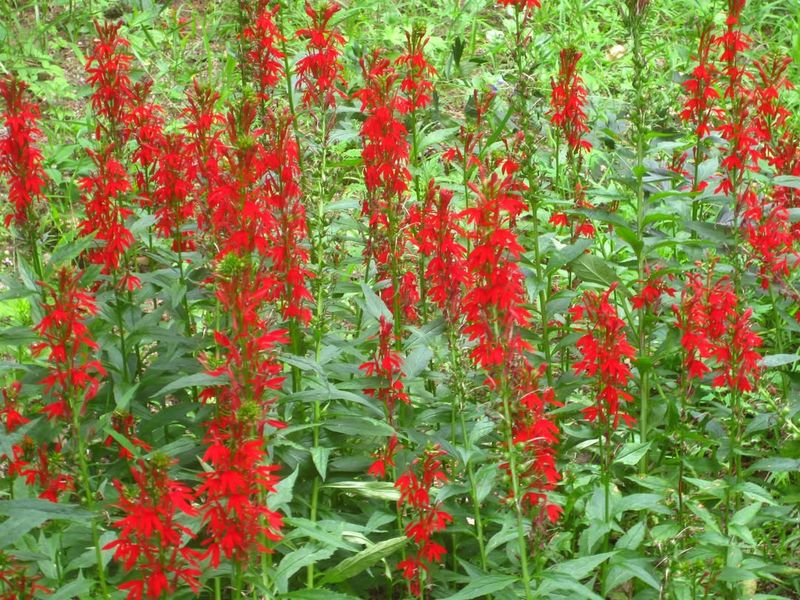
Producing tall spikes of vivid red tubular blooms, Cardinal Flower quickly draws attention in Ohio gardens. Lobelia cardinalis is especially attractive to hummingbirds, which are naturally drawn to the flower shape and bright colour, and it typically blooms from mid to late summer when nectar sources can become less abundant.
This timing helps support pollinators during a key part of the growing season, adding both colour and function to garden spaces while helping maintain activity when fewer flowers are available.
While hummingbirds are among the most noticeable visitors, butterflies and some long tongued bees may visit the flowers, although hummingbirds are the primary pollinators.
Blooming typically occurs from mid to late summer, helping provide nectar during a period when some earlier plants have finished flowering.
Unlike many other native flowers, Cardinal Flower prefers consistently moist soil. It naturally grows along streambanks and wetland edges, so it performs best in rain gardens or areas that retain moisture.
It can be grown in full sun or partial shade, provided the soil does not dry out completely.
Although it is considered a short lived perennial, it often reseeds under suitable conditions, allowing new plants to establish over time.
Adding it to a garden can help increase plant diversity and provide a seasonal nectar source that complements other native species.
6. Tall Striking Button Blazing Star
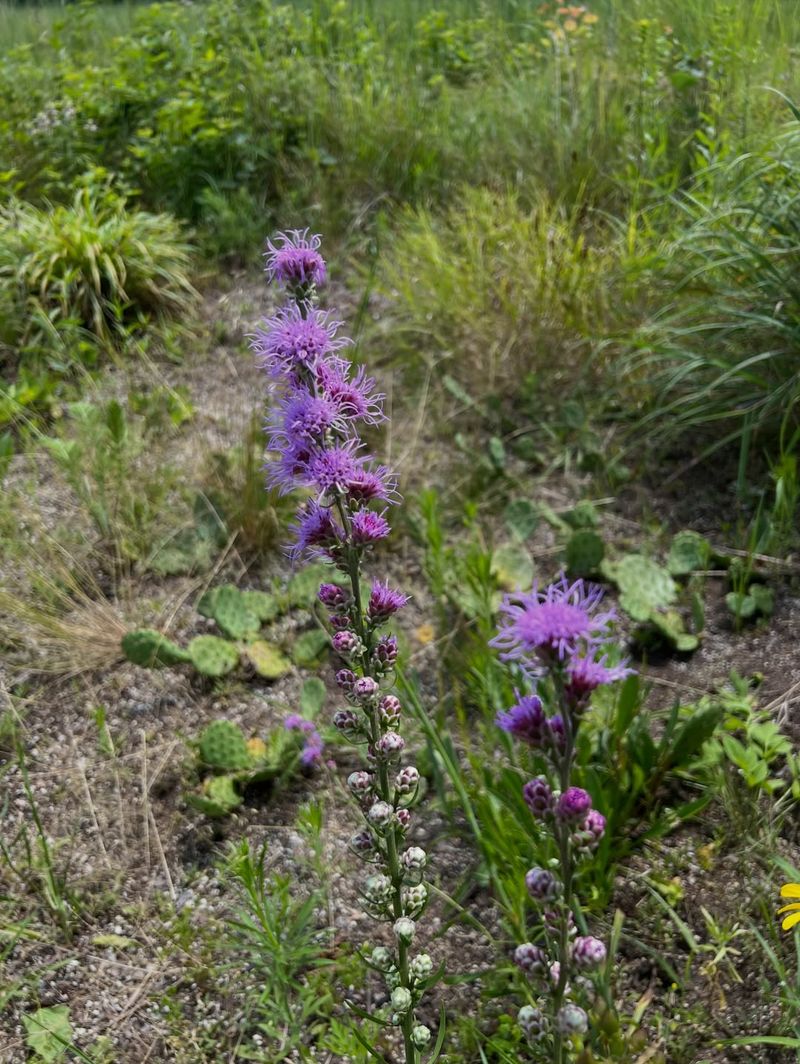
Tall and upright, Button Blazing Star brings structure and vertical interest to native plantings in Ohio gardens. Liatris aspera produces small, button-like purple blooms that open gradually along the stem, which helps extend its flowering period into late summer.
This steady progression of blooms makes it a reliable nectar source over time while adding visual contrast among lower growing plants in borders and meadow style settings.
The plant’s upright form makes it stand out in mixed borders and meadow style gardens.
These flowers provide a useful nectar source for pollinators. Butterflies, including monarchs during migration, may visit for feeding, while bees are frequent and consistent visitors throughout the blooming period.
It grows best in full sun with well drained soil and performs well in drier conditions once established. Areas with poor drainage tend to be less suitable, as the plant prefers soils that do not remain waterlogged.
Button Blazing Star develops from an underground corm like structure, which helps it return each year and tolerate periods of drought. This growth habit allows it to handle variable conditions better than many flowering perennials, especially in gardens that do not receive regular watering.
Over time, it requires very little maintenance aside from occasional division if clumps become crowded. The seed heads provide seasonal interest and may be used by birds, including finches and other songbirds, into the winter months.
7. Classic Black Eyed Susan
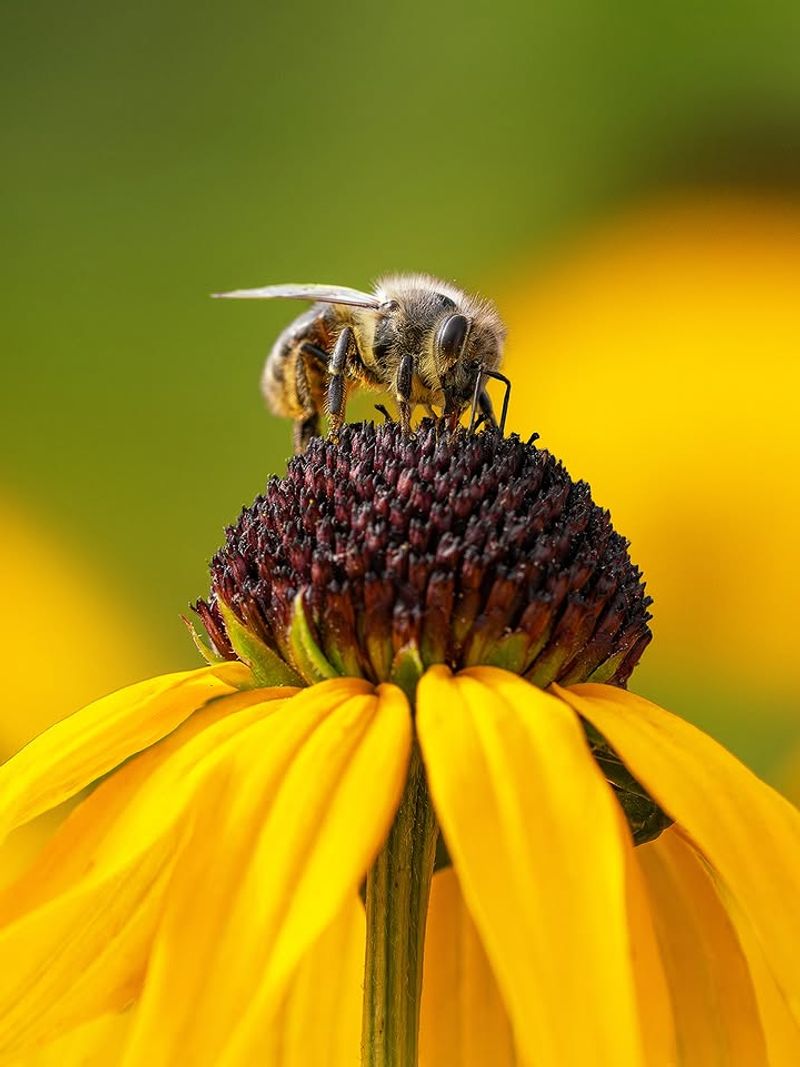
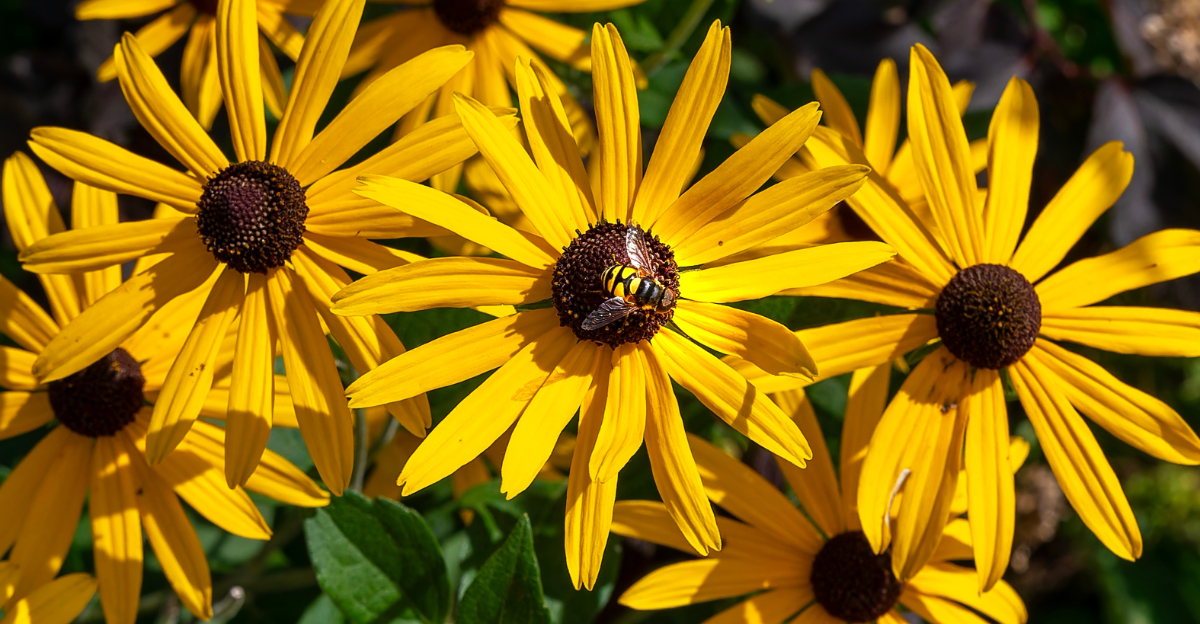
Cheerful, golden, and hard to overlook, Black Eyed Susan is one of Ohio’s most familiar native wildflowers. Rudbeckia hirta produces bright yellow petals surrounding a dark brown centre, creating a classic summer display that feels both natural and inviting, especially in open garden beds and along borders where colour can spread easily.
It is often seen along roadsides and meadows, where it naturally blends into Ohio’s landscape.
Blooming typically runs from early summer into early autumn, depending on conditions, and often continues steadily even during stretches of heat and limited rainfall.
These flowers attract a wide range of pollinators. Native bees, including small carpenter bees and bumblebees, frequently visit the blooms for both nectar and pollen.
Butterflies such as painted ladies and other generalist species may visit the flowers for nectar during the blooming period.
Black Eyed Susan is known for its adaptability. It grows in a variety of soil types, including clay and lower-fertility soils, and handles dry conditions better than many other flowering plants.
Full sun produces the most consistent blooms, though partial shade is generally tolerated.
Another appealing trait is its ability to self-seed. New plants often appear naturally in following seasons, gradually filling in garden spaces without much effort.
When paired with other native species like Purple Coneflower or Wild Bergamot, it helps create a layered planting that supports pollinators across multiple bloom periods.
8. Deep Blue Statement Blue Wild Indigo
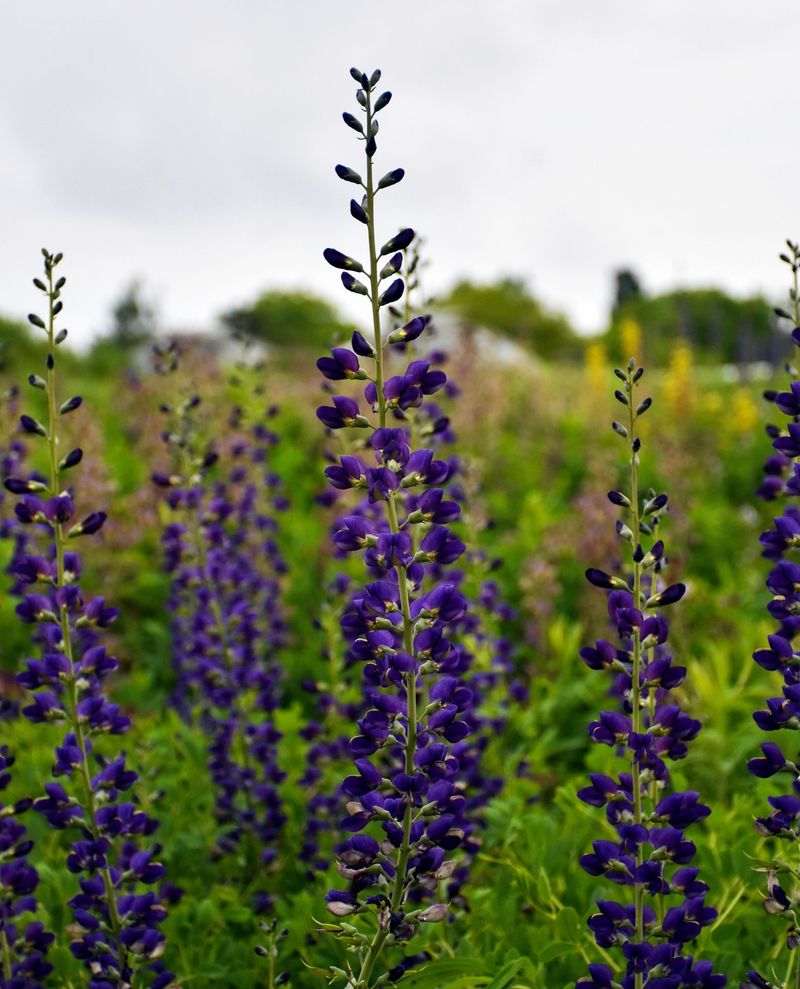
Producing upright spikes of deep blue to violet flowers in late spring, Blue Wild Indigo adds strong structure and contrast to Ohio gardens. Baptisia australis stands out when paired with lighter coloured plants, and its bold, upright habit makes it a natural focal point in native plant designs.
The blooms create a noticeable display early in the season while helping anchor surrounding plantings visually.
It is often used as a focal point in native plant designs.
Pollinators, especially larger bees such as bumblebees, frequently visit the flowers. The pea shaped blooms require a bit of force to access, which suits these larger insects well.
Pollination is primarily carried out by larger bees such as bumblebees, which can access the flowers more effectively than smaller species.
After blooming, the plant develops inflated seed pods that persist into autumn, adding texture and interest. The foliage remains attractive through the growing season, maintaining a shrub like appearance.
One of its key strengths is its deep root system, which helps it tolerate dry conditions once established and contributes to its long lifespan. This extensive root system also makes it resistant to disturbance and helps stabilize soil in garden beds over time.
It can take a couple of years to fully establish, but over time it becomes a stable and low maintenance part of the garden. Once mature, it rarely needs attention and can remain in place for many years without decline.
Planting in full sun to light shade with well drained soil supports healthy growth and consistent flowering.