These Easy Fruit Bushes Can Reward Ohio Gardeners Sooner Than Expected
That long wait between planting and harvesting can take the fun out of growing fruit in Ohio. You put something in the ground with high hopes, then spend season after season watching it settle in with little to show for it.
It is enough to make anyone wonder if it is even worth the space.
Not every fruit bush drags its feet like that.
Some get established quickly, push out strong new growth, and start producing sooner than most gardeners expect. They do not need years to prove themselves or endless patience before you see results.
Once those faster performers are in your garden, everything feels different. You start noticing progress earlier, harvests come sooner, and the whole process feels a lot more rewarding right from the start.
1. Everbearing Strawberries Start Producing Quickly
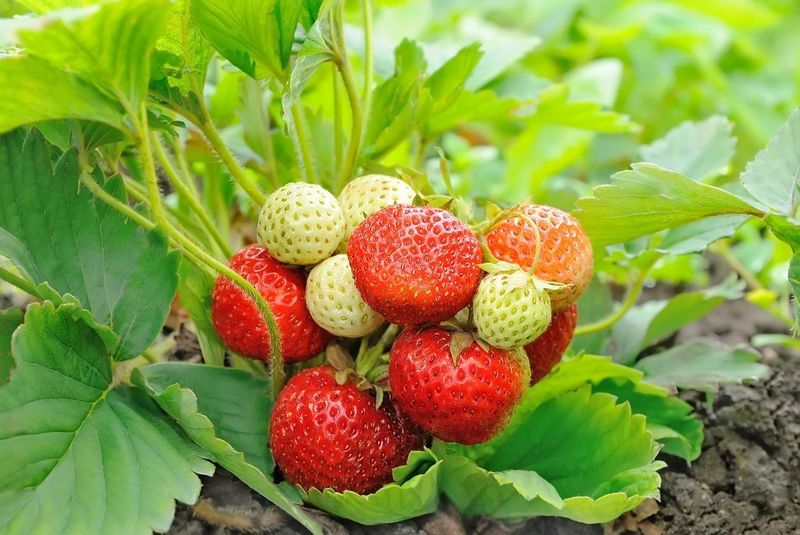
Few things in a home garden feel as satisfying as picking your first ripe strawberry just weeks after planting.
Everbearing strawberries have a reputation for rewarding gardeners with fruit surprisingly fast, especially when you start with healthy, established transplants rather than bare-root crowns.
Unlike June-bearing types that save all their energy for one big spring flush, everbearing varieties spread their harvests across the growing season, typically offering fruit in early summer and again in late summer or early fall.
In Ohio, everbearing strawberries perform well across most of the state when planted in full sun with well-drained soil.
According to Ohio State University Extension, strawberries prefer a soil pH between 5.5 and 6.5 and benefit from raised beds or slightly mounded rows that improve drainage and reduce root rot risk.
Adding a light layer of straw mulch helps retain moisture and keeps berries clean during rainy stretches.
First-year plants should not be expected to produce heavy harvests. Removing flower buds during the first six weeks after planting actually encourages stronger root development and better long-term productivity.
That said, many gardeners allow a modest harvest in late summer of the first year, especially if transplants were well established at planting time.
Spacing plants about 12 to 18 inches apart gives each crown room to send out runners and fill in naturally. Birds love strawberries just as much as people do, so a simple row cover or netting can protect developing fruit.
With consistent watering, basic fertilization, and a little patience, everbearing strawberries can offer one of the quickest and most rewarding fruit experiences an Ohio home gardener can enjoy. The payoff truly does come sooner than most beginners expect.
2. Primocane Raspberries Can Fruit Sooner Than Expected
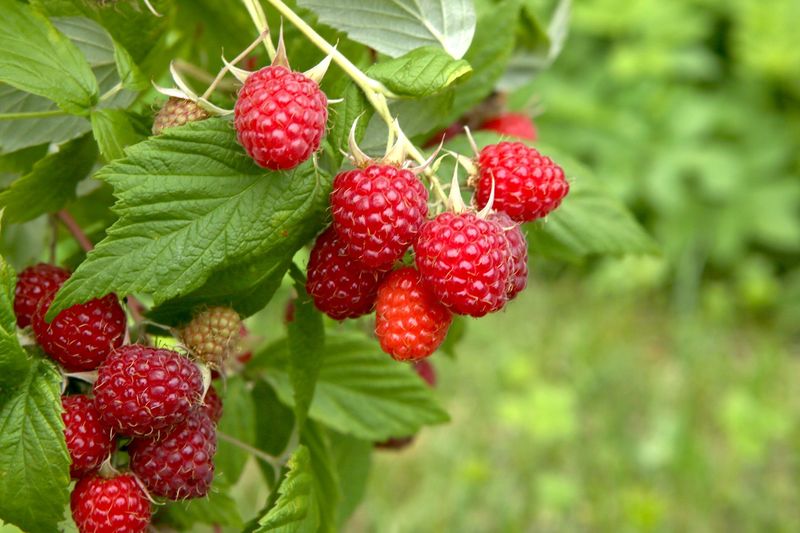
Planting a raspberry patch and eating berries from it in the same year sounds almost too good to be true, but primocane-bearing raspberries make it a real possibility.
Unlike traditional floricane varieties that need two full growing seasons before fruiting, primocanes produce fruit on first-year canes, usually from late summer into fall.
That timeline changes the whole game for Ohio gardeners who want results without a long wait.
The key is planting early in the spring, ideally as soon as the soil can be worked, so canes have the full growing season to develop. Well-drained, slightly acidic soil with a pH around 6.0 to 6.5 gives plants the best start.
Your Ohio Garden Changes Every Week. Your Plan Should Too.
Gardening in Ohio changes quickly throughout the season. Every Friday you’ll receive a simple weekly plan showing exactly what to plant, prune, fertilize, harvest, and protect so you never miss the right timing.
A sunny spot with at least six hours of direct light per day is non-negotiable for strong cane development and decent fruit set.
Ohio State University Extension recommends incorporating compost into the planting area to improve both drainage and nutrient availability.
Popular primocane varieties suited for Ohio include Heritage and Caroline, both known for solid cold hardiness and good fruit flavor.
Even in their first year, well-cared-for plants can produce a modest but genuinely satisfying harvest of medium-sized, sweet-tart berries by late August or September.
Yields will increase noticeably in the second and third years as the root system matures.
Support is important even for first-year canes, which can grow quite tall and become top-heavy with fruit. A simple T-bar trellis with wire keeps canes upright and makes picking much easier.
Consistent watering during dry spells and a balanced fertilizer application in early spring give primocane raspberries everything they need to perform well. For Ohio gardeners looking for a fast-rewarding cane fruit, this choice is hard to beat.
3. Gooseberries Set Fruit While Still Young
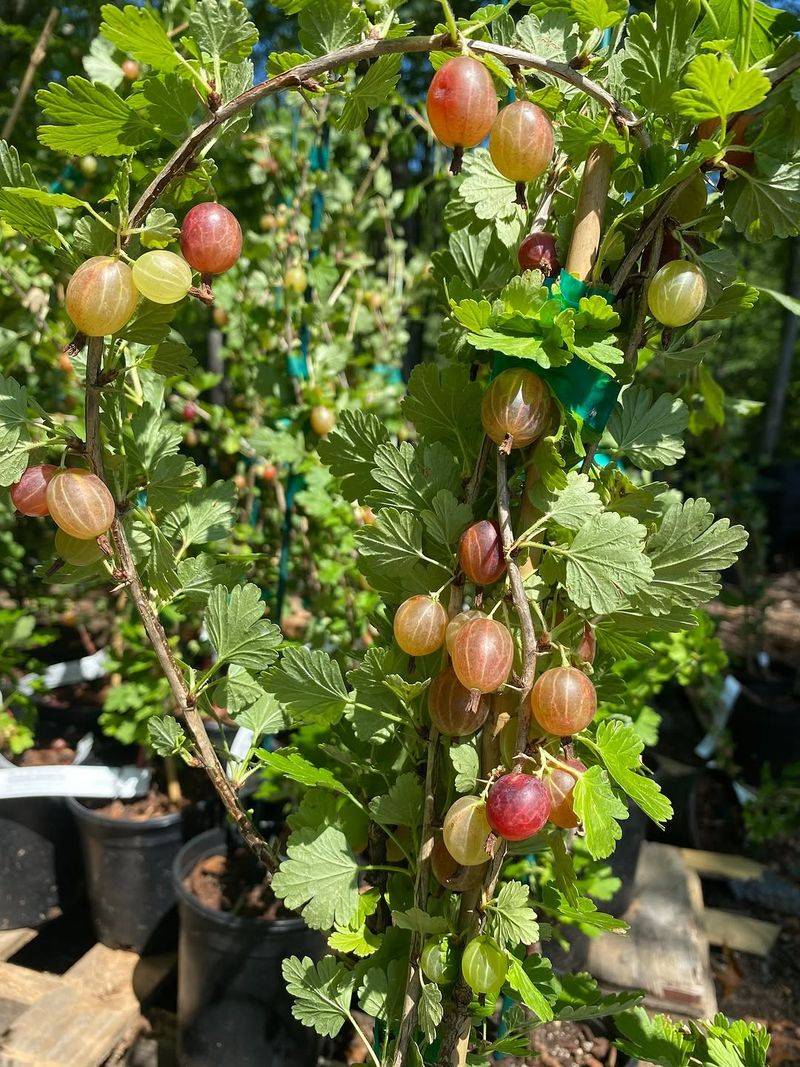
Walk past a young gooseberry bush in early summer and you might be surprised to find clusters of small, firm berries already forming on branches that are barely a season old.
Gooseberries have a well-earned reputation for setting fruit at a younger age than many other fruiting shrubs, and that quality makes them a smart pick for Ohio gardeners who want results without a years-long wait.
Most established gooseberry plants begin producing a light but noticeable crop by their second year, with yields increasing steadily from there.
Ohio’s climate suits gooseberries quite well. They are cold-hardy plants that handle midwestern winters without much fuss and tolerate a wider range of soil conditions than many other fruit-bearing shrubs.
They grow in full sun but can also handle partial shade, which opens up planting spots that would not work for most berries. A soil pH between 6.0 and 6.5 and good drainage are the main requirements for healthy establishment.
Varieties like Invicta and Pixwell are popular with Ohio growers because of their reliable production, disease resistance, and manageable size.
Gooseberries are self-fertile, meaning a single plant can produce fruit without a pollinator partner nearby, though planting two or more shrubs often improves berry size and yield.
Pruning out congested inner branches each winter keeps air moving through the plant and reduces powdery mildew, which can be a problem in humid Ohio summers.
The berries themselves have a tart, complex flavor that works beautifully in jams, pies, and sauces. Some varieties become sweet enough to eat fresh when fully ripe.
For a fruiting shrub that gets to work early and asks for relatively little in return, gooseberries deserve a much bigger spot in Ohio home gardens than they currently occupy.
4. Currants Begin Producing Earlier Than Many Expect
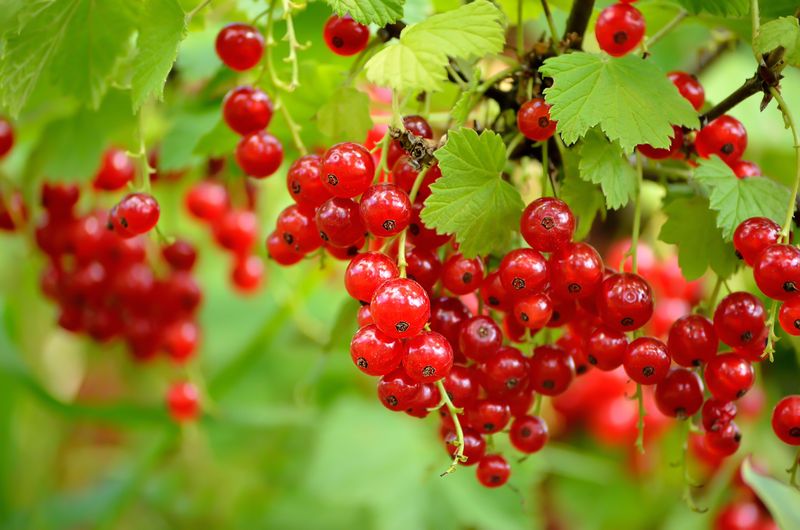
Most gardeners assume that fruiting shrubs need several years to settle in before offering much of anything worth picking. Currants have a way of quietly proving that assumption wrong.
Red, white, and black currant varieties are known for establishing relatively quickly and producing their first meaningful harvests within two to three years, sometimes even offering a light crop in their second season when conditions are right and planting was done well.
One of the most appealing things about currants for Ohio gardens is their flexibility. They tolerate partial shade better than almost any other fruiting shrub, which means they can be tucked into spots under taller trees or along north-facing fences where sunlight is limited.
According to university extension resources, currants prefer cool, moist conditions and actually struggle in the intense heat of an exposed, south-facing site during Ohio’s hottest summer weeks.
Soil with good organic matter content and a pH between 5.5 and 7.0 supports strong growth.
Red currants tend to be the most productive and easiest to grow for beginners, with varieties like Rovada and Red Lake offering reliable yields on young plants.
Black currants have a stronger, more complex flavor and are prized for making juice, jams, and cordials, though they require a bit more attention to pruning to stay productive.
All currants are self-fertile, so a single plant will produce fruit, but two or more plants of the same type generally improve overall yields.
Pruning is straightforward: remove the oldest, thickest canes each late winter to encourage vigorous new growth, which is where the best fruit production happens.
With minimal pest pressure compared to many fruits and a genuine willingness to produce early, currants are an underused gem for Ohio fruit gardeners looking for reliable results.
5. Honeyberries Ripen Early In The Season
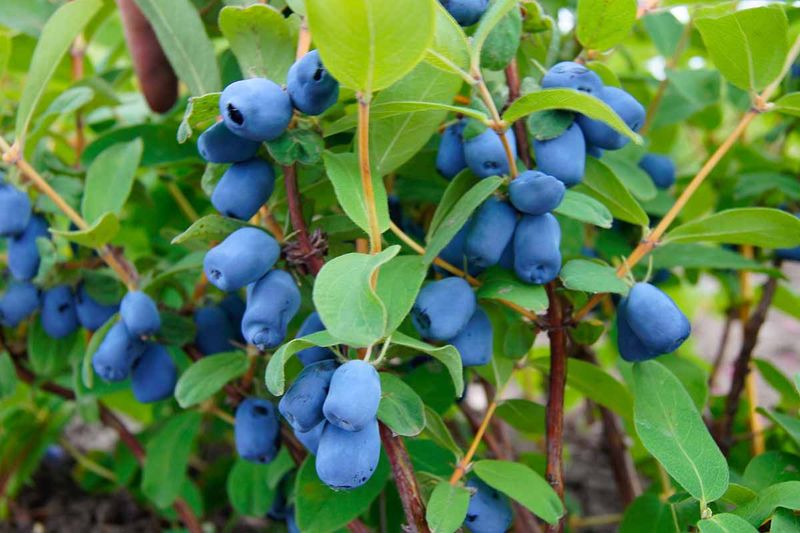
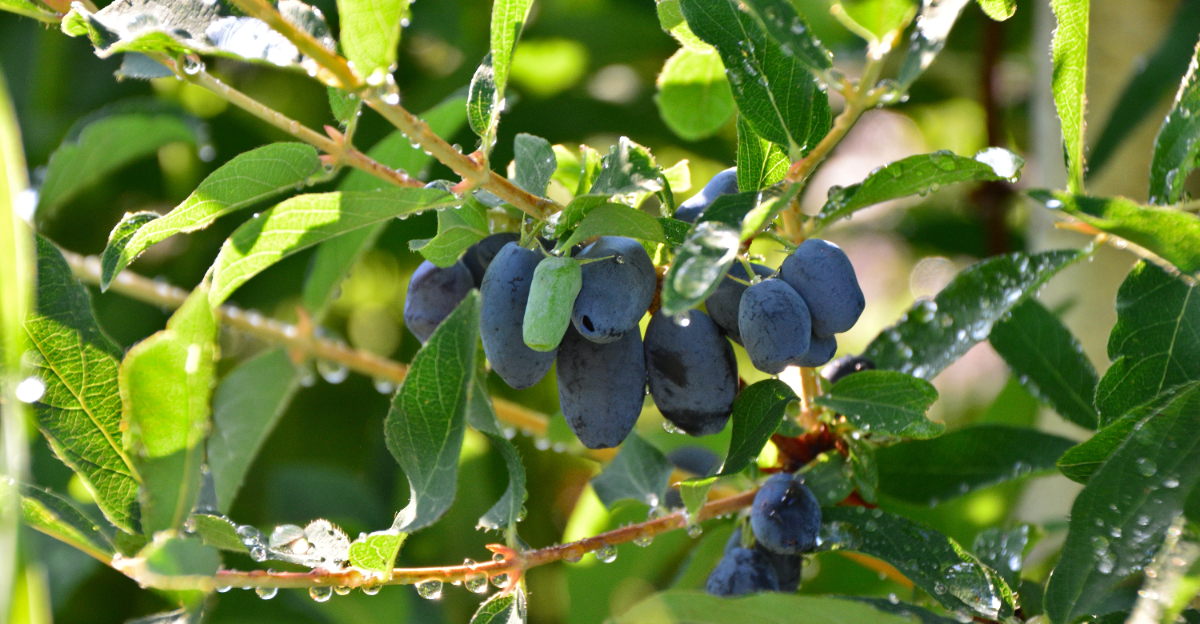
Before most other fruits have even finished flowering, honeyberries are already turning blue and ready to pick. That early ripening window, often arriving in late May or early June in Ohio, is one of the most remarkable things about this underappreciated shrub.
Honeyberries, also known as haskap, produce elongated, blueberry-like fruit with a flavor that blends notes of blueberry, black currant, and raspberry into something entirely its own.
Cold hardiness is another major advantage. Honeyberry plants can tolerate temperatures well below zero and their flowers can survive late spring frosts that would wipe out blooms on peaches or even some blueberries.
That resilience makes them particularly well-suited for northern Ohio and areas with unpredictable late-season cold snaps.
Plants typically begin producing a light harvest by their second or third year, with more substantial yields developing as the shrubs mature over the following seasons.
Pollination is an important detail with honeyberries. Most varieties require a compatible pollinator planted nearby to set fruit reliably, so plan on planting at least two different varieties together.
Aurora and Borealis are a commonly recommended pairing that performs well in midwestern conditions. Both are compact enough to fit into smaller garden spaces and do not require significant pruning to stay productive in their early years.
Full sun produces the best fruit set and sweetest berries, though plants will tolerate light afternoon shade. Well-drained, slightly acidic soil with plenty of organic matter gives young plants the foundation they need to establish quickly.
Unlike blueberries, honeyberries are not particularly demanding about soil pH, which makes them much easier to grow in typical Ohio garden conditions without extensive soil amendments.
For gardeners craving the earliest possible fresh fruit of the season, honeyberries are a genuinely exciting choice.
6. Serviceberry Produces Fruit On Young Shrubs
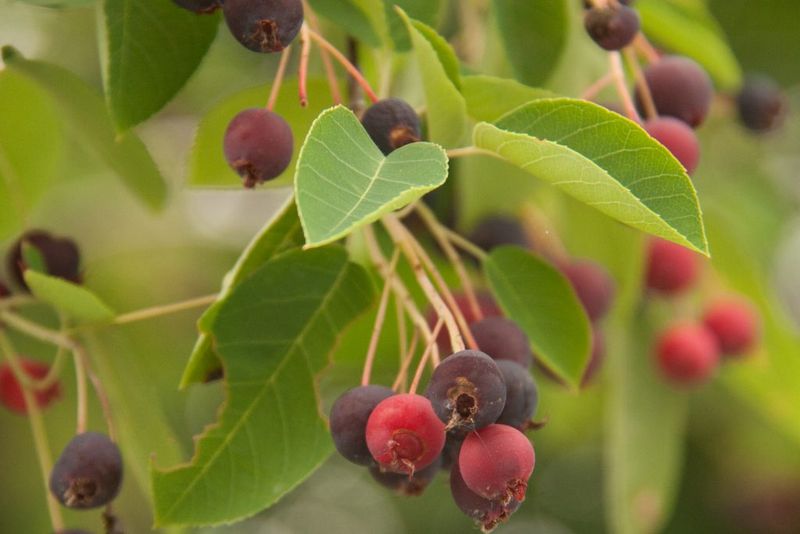
Long before most backyard fruit plants have had a chance to settle in, serviceberry shrubs are already putting on a show.
They bloom with clouds of delicate white flowers in early spring, often while temperatures are still cool, and then follow up with clusters of small, sweet berries that ripen in June, earning the plant its folk nickname of Juneberry.
What surprises many Ohio gardeners is just how quickly young plants begin participating in this cycle, often producing modest but real fruit crops by their second or third year after planting.
Serviceberries, botanically known as Amelanchier, are native to North America and naturally adapted to Ohio’s climate. They handle cold winters, tolerate variable soil conditions, and grow well in both full sun and partial shade.
That native toughness means young plants establish with relatively little fuss compared to more exotic fruiting shrubs. They can be grown as multi-stem shrubs or trained into small trees, giving gardeners flexibility in how they use the plant in a landscape.
The berries themselves taste something like a cross between a blueberry and a mild cherry, with a hint of almond-like sweetness. They are excellent fresh, in baked goods, or made into jam.
Birds are enthusiastic competitors for the ripe fruit, so netting the shrub during the harvest window is a practical step if you want to bring in a meaningful amount for yourself.
Beyond fruit production, serviceberries offer genuine ornamental value across multiple seasons. The spring flowers, summer berries, and brilliant fall foliage in shades of orange and red make them one of the hardest-working plants in a home landscape.
Planting a serviceberry is one of those gardening decisions that tends to reward you from multiple directions at once, and the fruit often arrives sooner than new growers expect.
7. Jostaberry Produces Earlier Than Many Berry Bushes
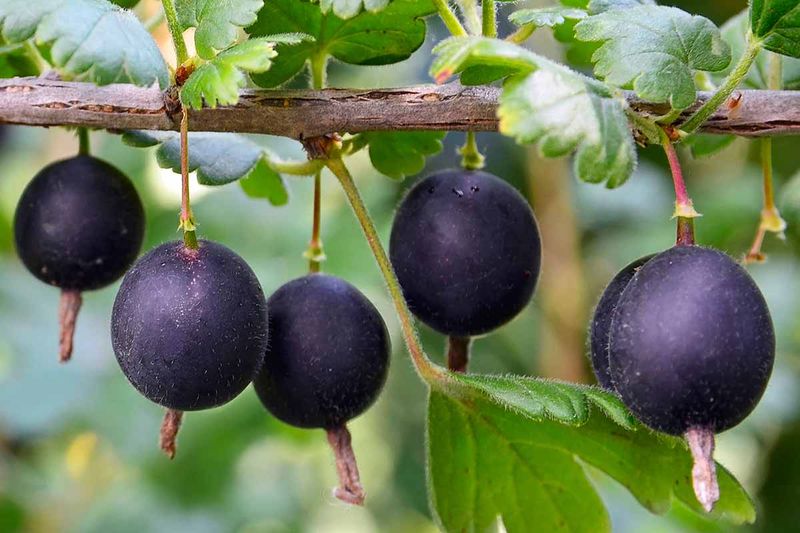
Not many gardeners have heard of jostaberry, but those who grow it tend to become enthusiastic advocates pretty quickly.
A hybrid of black currant and gooseberry, jostaberry combines some of the best traits of both parents into a vigorous, disease-resistant shrub that gets to work producing fruit with an energy that outpaces many of its relatives.
Most plants begin offering a light but real harvest by their second or third year, and the yields build impressively as the shrubs mature and fill out.
The berries are larger than typical currants, dark purple to nearly black when fully ripe, and carry a rich flavor that blends the tartness of currant with the slightly sweeter, fuller body of gooseberry.
They work beautifully in jams, desserts, and juices, and they are also pleasant eaten fresh right off the bush when fully ripe.
One practical bonus is that jostaberry plants lack the sharp thorns found on gooseberry bushes, making harvesting a much more comfortable experience.
In Ohio, jostaberry shrubs establish well across most of the state. They prefer full sun but handle light shade without a major drop in productivity.
Soil that is reasonably well-drained and has a pH between 6.0 and 6.5 suits them well. Because they inherit the black currant’s natural vigor, jostaberries grow into fairly large shrubs over time, so give each plant at least five to six feet of space in all directions.
Pruning follows a similar approach to currants: remove the oldest, thickest canes during late winter to keep the plant open and encourage productive new growth.
Jostaberries are largely self-fertile, so a single plant can produce fruit, though pairing two plants often results in better berry size and total yield.
For Ohio gardeners looking for something a little different that still delivers results relatively early, jostaberry is an outstanding and underappreciated choice.