Every Oregon Household Must Have These 10 Indoor Plants
There’s something comforting about a home with a few well-placed plants. A familiar spot by the window, a favorite chair, and a bit of greenery nearby can make the whole room feel more settled.
Over time, those plants stop feeling like decoration and start feeling like part of the routine.
In Oregon homes, where natural light can shift with the seasons, the right houseplants do more than just look good. Some help manage indoor moisture, others handle low light without fuss, and a few quietly improve how a space feels day to day.
Choosing the right ones makes a noticeable difference without adding extra work.
Some of these are the kind you forget to water and they still keep going, while others bring a little extra life right when your home needs it most.
1. Snake Plant The Low Light Survivor
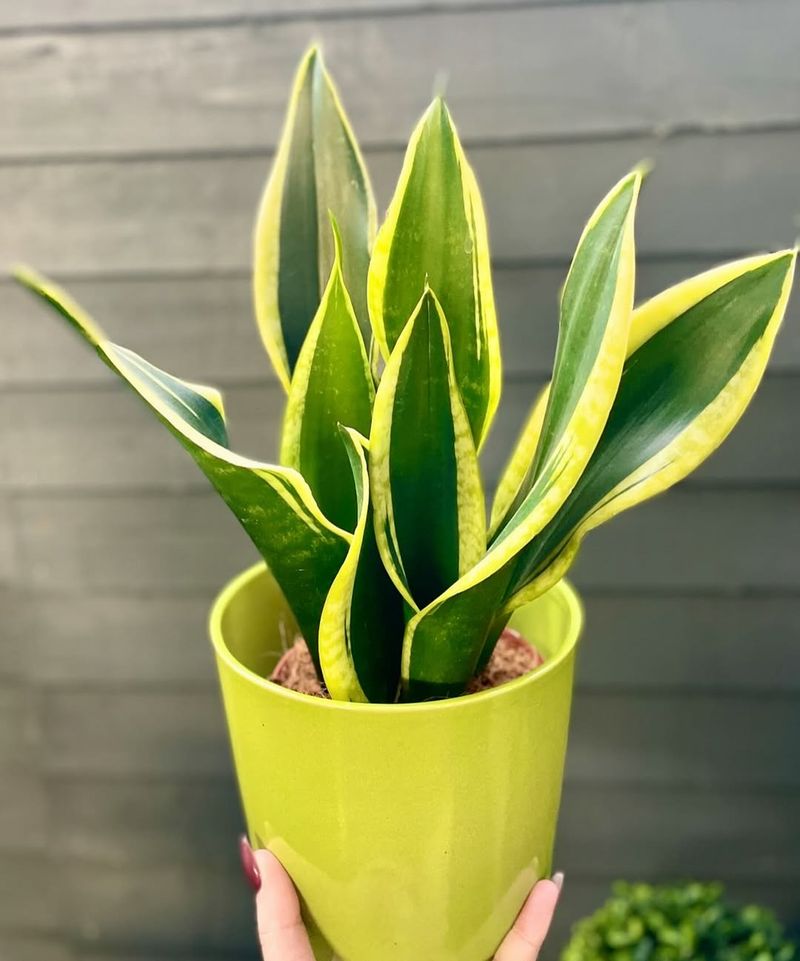
If you have ever forgotten to water a plant for weeks and felt guilty about it, the snake plant is basically your best friend. This bold, architectural beauty stands tall with stiff, sword-shaped leaves that come in gorgeous shades of green, yellow, and silver.
It looks like it belongs in a design magazine, yet it handles neglect better than most houseplants.
Snake plants have been widely studied for their ability to interact with indoor air in controlled environments, though in typical home settings their impact on air quality is limited. Even so, they remain a popular choice in Oregon homes during the long rainy seasons when windows stay shut and airflow is reduced.
Place one in your bedroom, living room, or even a dim hallway where other plants might struggle.
They grow well in low light, tolerate irregular watering, and rarely attract pests. Many beginners gravitate toward them because they are so easy to keep alive without constant attention.
Water every two to four weeks in winter and slightly more in summer, adjusting based on light and temperature, and the plant can remain healthy for many years.
Oregon gardeners often rely on this plant because it adapts well to the Pacific Northwest’s changing indoor light conditions without requiring frequent adjustments.
2. Golden Pothos The Effortless Trailing Favorite
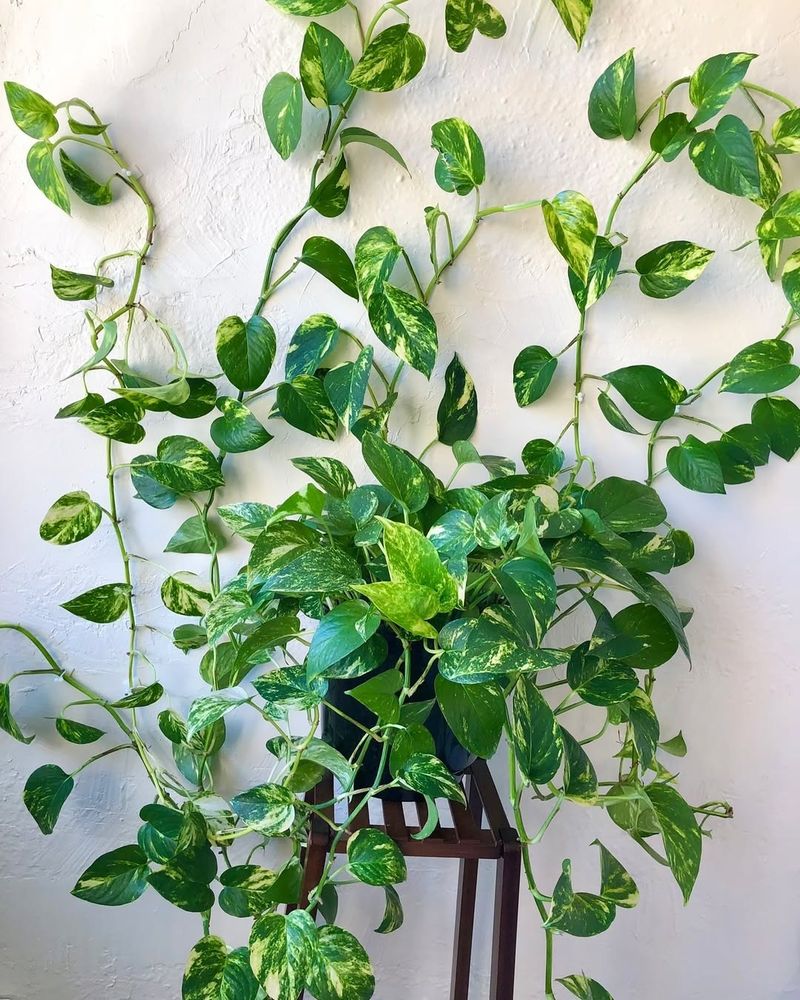
There is something almost magical about watching golden pothos vines trail down a shelf or cascade from a hanging basket. The heart-shaped leaves come in cheerful shades of green and gold, and new growth appears steadily over time, giving the plant a full, lively look.
This plant has a way of making any room feel instantly warmer and more inviting.
Golden pothos is known for its resilience. It handles low light, inconsistent watering, and occasional temperature dips that Oregon winters can bring through drafty windows.
While it has been included in controlled studies related to indoor air, its primary value in the home comes from its adaptability and visual appeal rather than measurable air purification.
You can grow it in a pot, a hanging planter, or even a glass jar of water on your kitchen counter.
One of the most appealing traits of golden pothos is how easily it propagates. Snip a stem just below a leaf node, place it in water, and roots typically begin forming within a couple of weeks.
Your Oregon Garden Changes Every Week. Your Plan Should Too.
Gardening in Oregon changes quickly throughout the season. Every Friday you’ll receive a simple weekly plan showing exactly what to plant, prune, fertilize, harvest, and protect so you never miss the right timing.
Before long, you can create multiple plants to fill your space or share with others. Many Oregon plant owners enjoy collecting different varieties like marble queen or neon pothos to build a layered indoor display.
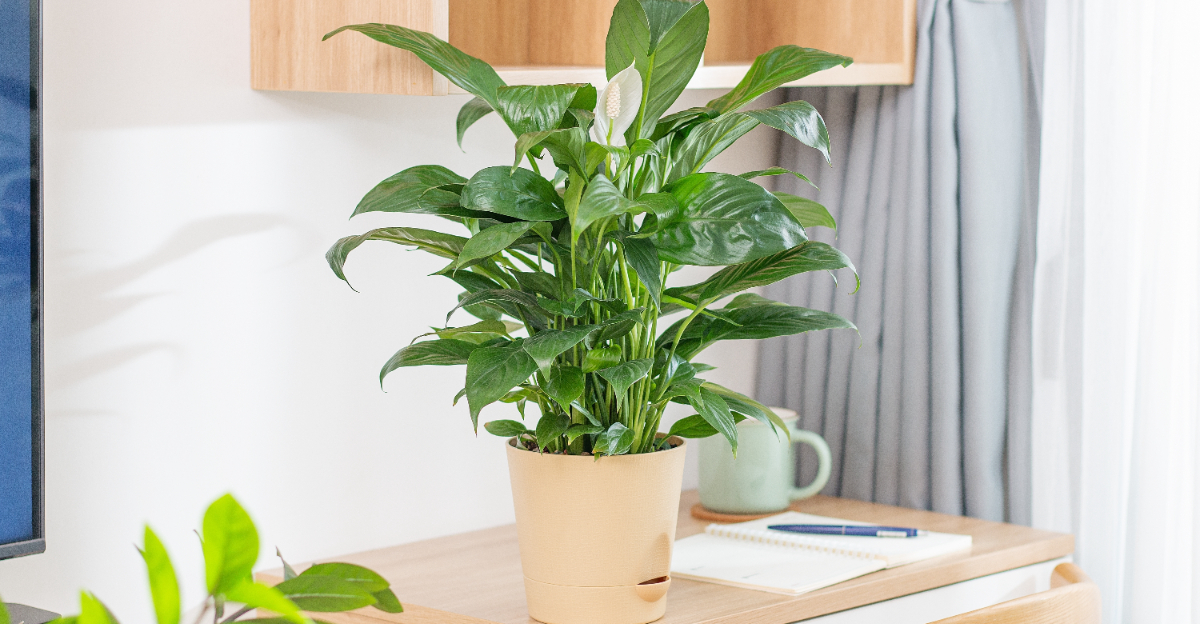
3. Peace Lily The Classic Air Cleaning Bloomer
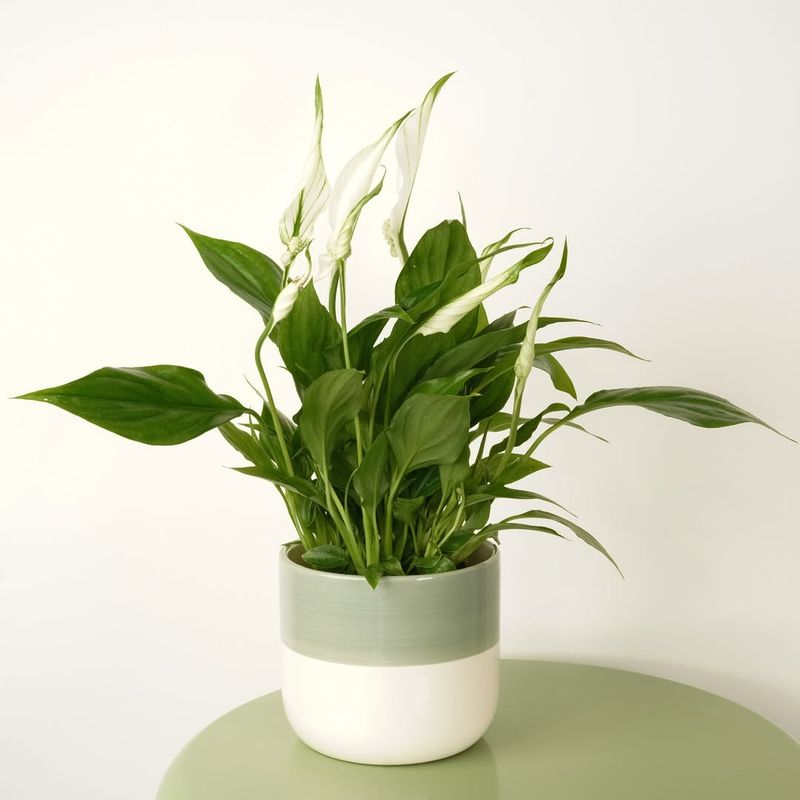
Elegant, calming, and surprisingly easy to care for, the peace lily is one of those plants that genuinely earns its reputation. The deep green, glossy leaves alone are striking, but when creamy white blooms appear, they bring a noticeable sense of calm to the room.
It fits naturally into Oregon homes where soft, diffused light is common.
Peace lilies thrive in low to medium light, making them a reliable option during the darker fall and winter months. They are also one of the few houseplants that can bloom indoors without requiring direct sunlight.
Although often associated with air-cleaning studies conducted in controlled settings, their real benefit in most homes comes from their ability to grow well in low-light conditions and add visual softness to indoor spaces.
Watering becomes easier once you learn the plant’s signals. The leaves will droop slightly when moisture is needed, then recover quickly after watering.
Keep the soil lightly moist but not saturated, and avoid placing the plant near cold drafts or harsh direct sun.
Because they appreciate humidity, peace lilies often do well in Oregon’s naturally moist environment, especially in kitchens or bathrooms where humidity tends to be higher.
4. Dracaena The Easy Care Statement Plant
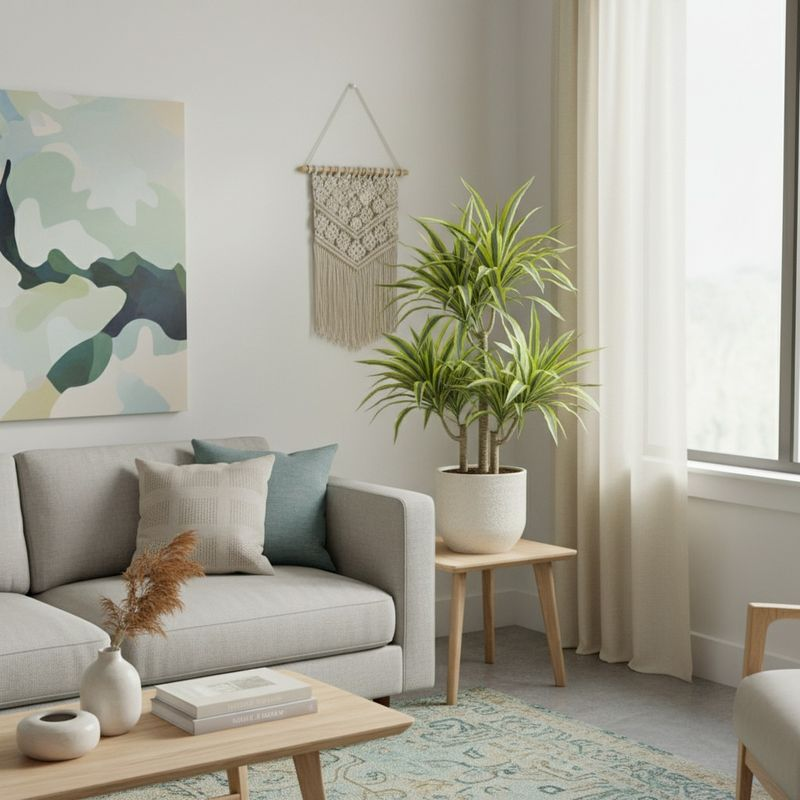
Few plants command attention quite like a dracaena standing tall in the corner of a room. With its long, arching leaves and striking color variations ranging from deep green to burgundy, it adds a bold, structured look that works well in many interiors.
Despite its tropical appearance, it adapts surprisingly well to Oregon homes.
Dracaenas come in several varieties, including Marginata, Massangeana, and Warneckii, each offering slightly different shapes and patterns. Most tolerate lower light conditions and prefer the soil to dry slightly between waterings, which helps reduce the risk of overwatering.
They grow gradually, eventually becoming strong focal plants.
One important consideration in Oregon homes is water quality. Dracaenas can be sensitive to minerals like fluoride in tap water, which may cause browning at the leaf tips.
Using filtered or collected rainwater can help maintain healthier foliage.
Although often associated with indoor air studies, their main advantage lies in their ability to adapt to indoor environments with minimal care.
Whether grown as a single tall stem or a fuller multi-cane plant, dracaena provides a consistent and structured presence without requiring constant maintenance.
5. Spider Plant The Fast Growing Classic
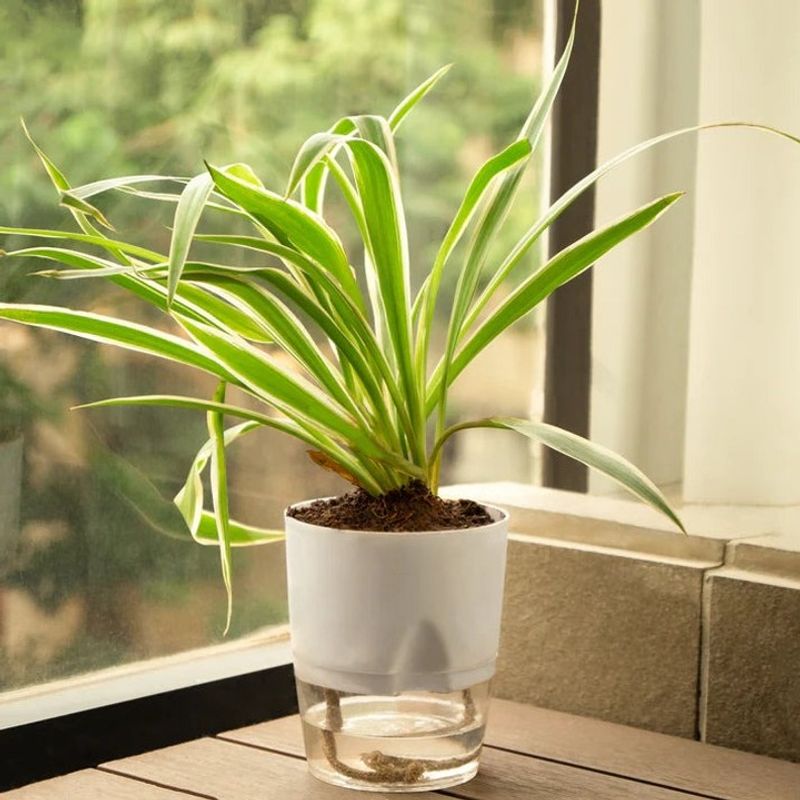
Nicknamed for the small plantlets that dangle from its arching stems, the spider plant remains one of the most approachable and forgiving houseplants. Its long, striped leaves and cascading growth give it a relaxed, lived-in feel that suits many Oregon homes.
It has remained popular for generations because of how easily it adapts.
Spider plants thrive in bright, indirect light but also tolerate lower light levels, which makes them well suited to overcast conditions common in the Pacific Northwest.
They also prefer slightly cooler indoor temperatures, aligning naturally with many Oregon households.
The plantlets, often called spiderettes, are simple to propagate. Once they develop small roots, they can be placed directly into soil or water to create new plants.
While spider plants have been included in controlled studies on indoor air, their main value comes from ease of care and steady growth rather than measurable air quality changes.
They are also considered non-toxic to pets, making them a practical option for homes with cats or dogs.
With minimal effort, spider plants continue to produce new growth, making them one of the most reliable choices for beginners and experienced plant owners alike.
6. Parlor Palm The Timeless Indoor Palm
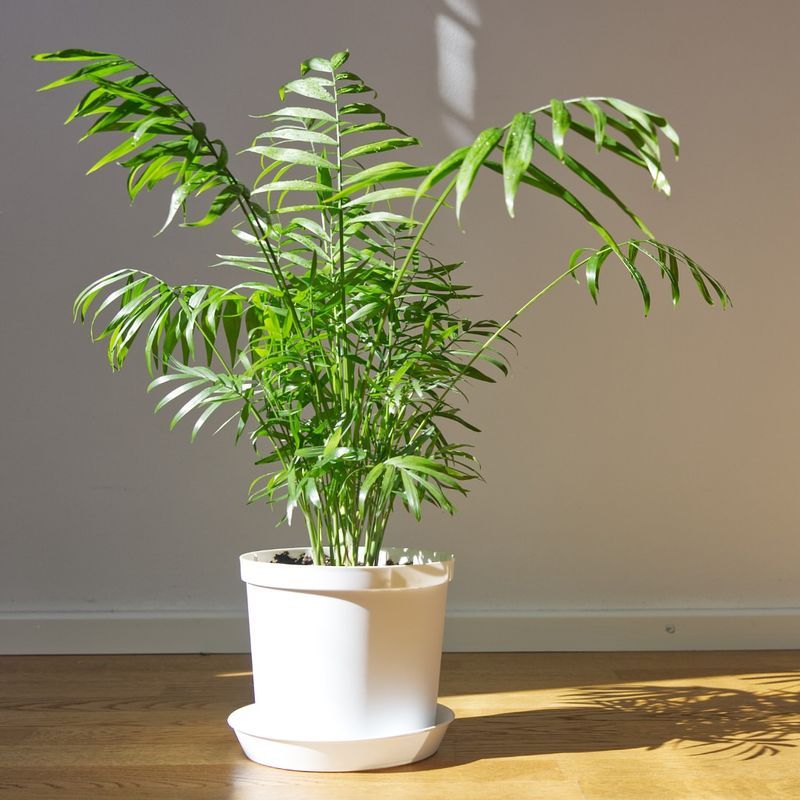
Bringing the feel of a tropical getaway into your living room without the airfare, the parlor palm is one of the most beloved indoor palms in the world. Its soft, feathery fronds fan out gracefully, adding movement and texture to any space.
Victorian households prized this plant as a symbol of status and elegance, and it has never really gone out of style since.
What makes the parlor palm especially wonderful for Oregon homes is its tolerance for low light. Most palms need full sun to survive, but the parlor palm actually prefers indirect, filtered light, making it perfect for rooms that do not get a lot of direct sunshine.
It also enjoys moderate humidity, which Oregon’s naturally moist climate provides in abundance, especially along the coast and in the Willamette Valley.
Water your parlor palm when the top inch of soil feels dry, and avoid letting it sit in soggy conditions. It grows slowly, which means it stays manageable even in smaller apartments or rooms.
Over time, it can reach four to six feet tall indoors, creating a stunning focal point. Parlor palms are also non-toxic to pets, so households with curious cats and dogs can enjoy this plant without worry.
Pair it with a woven basket planter for that effortless, earthy Oregon aesthetic that feels both modern and rooted in nature.
7. Boston Fern The Lush Humidity Lover
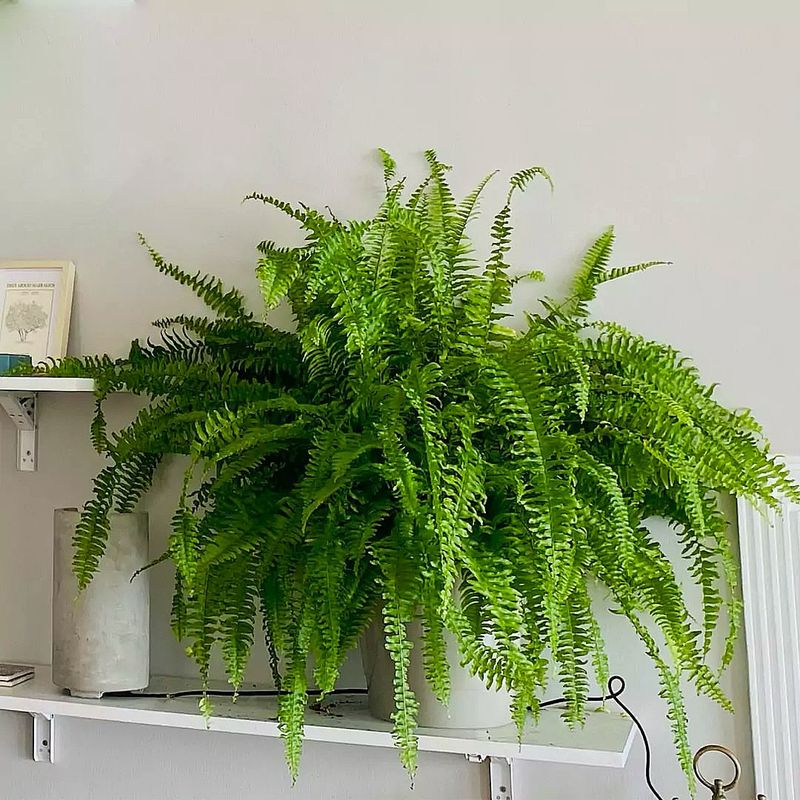
Walk into many Oregon homes and you may still find a Boston fern adding softness to an entryway or living space. Its feathery fronds create a full, layered look that pairs naturally with the Pacific Northwest’s indoor aesthetic.
It has remained a familiar choice for generations.
Boston ferns prefer higher humidity and cooler temperatures, conditions that are often present in Oregon homes, especially during the rainy season.
They do best in bright, indirect light and benefit from consistently moist soil that is not overly saturated.
While they release moisture into the air through normal plant processes, the effect is generally subtle in typical indoor environments. Their real value comes from how well they adapt to naturally humid spaces and the visual fullness they bring to a room.
Placing them near a north-facing window or in a bathroom can help maintain the conditions they prefer.
With regular care, including occasional misting or maintaining ambient humidity, Boston ferns can remain full and healthy, adding a soft, natural texture that complements both modern and traditional interiors.
8. Chinese Evergreen The Reliable Low Light Pick
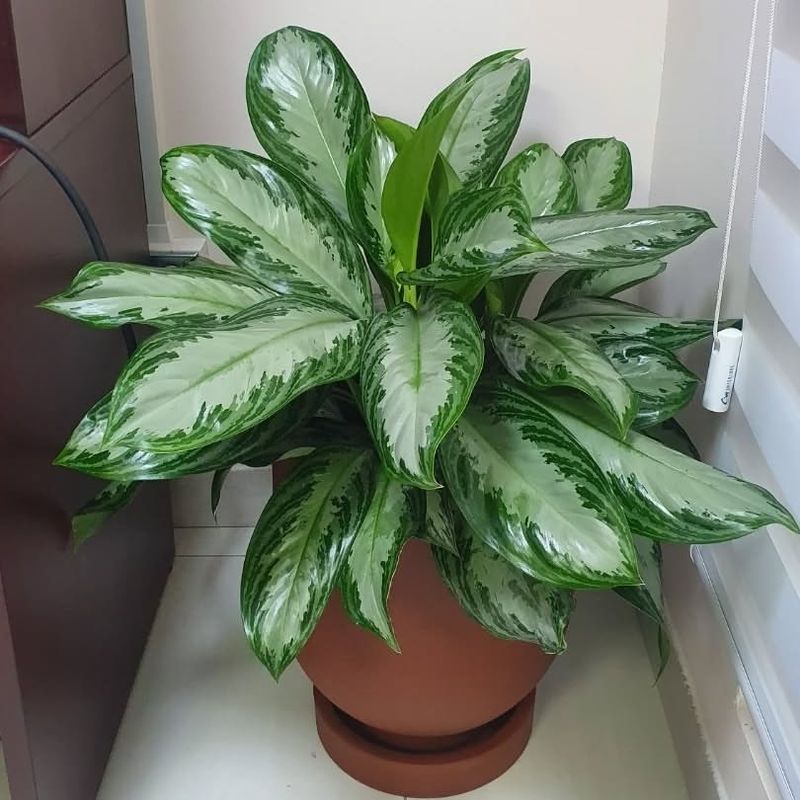
Bold patterns and rich color variations make the Chinese evergreen stand out among indoor plants. From deep green to silver, red, and pink tones, each variety offers a slightly different look that can brighten even low-light corners of the home.
It is widely appreciated for both appearance and durability.
Chinese evergreens have a long history as indoor plants and are known for tolerating low light, dry air, and occasional missed watering. This makes them especially useful in Oregon homes during long stretches of overcast weather.
While they are often mentioned in connection with indoor air studies, their primary benefit comes from their resilience and ability to maintain appearance in less-than-ideal lighting.
Brighter varieties tend to need a bit more light to keep their colour, while darker green types perform well in dimmer areas.
They prefer temperatures above 60 degrees, so keeping them away from cold drafts is important during winter.
With moderate watering and stable conditions, Chinese evergreens remain a dependable and low-effort addition to indoor plant collections.
9. ZZ Plant The Nearly Indestructible Choice
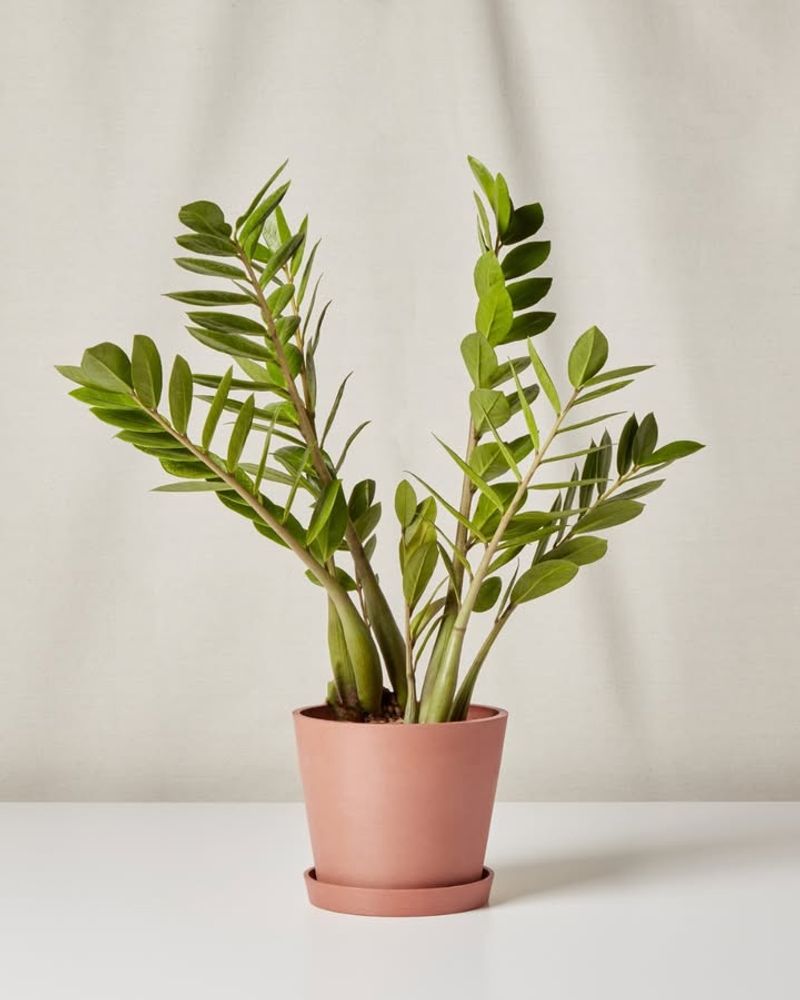
Glossy, architectural, and almost impossibly low maintenance, the ZZ plant has earned a devoted following among plant lovers who want maximum impact with minimal effort. The deep green, waxy leaves catch light beautifully and give the plant a polished, sophisticated look that works in modern, minimalist, and bohemian spaces alike.
It is the kind of plant that looks expensive but is actually very affordable.
Originally from drought-prone regions of eastern Africa, the ZZ plant stores water in its thick rhizomes underground, which means it can go weeks without being watered and still look completely fine. That drought tolerance makes it one of the most forgiving houseplants on the market, especially for busy Oregon households where keeping up with plant care schedules is not always realistic.
ZZ plants grow well in low to bright indirect light and prefer to be slightly under-watered rather than over-watered. Their slow, steady growth means they will not outgrow their pot quickly, making them ideal for shelves, desks, and corners where you want a plant that stays tidy and contained.
They are also incredibly resistant to pests, which is always a welcome trait. One fun fact worth knowing: ZZ plants are not related to the common houseplant family most people expect.
They belong to the Araceae family, the same group as peace lilies and philodendrons, making them distant botanical cousins of several other plants on this very list.
10. Philodendron The Versatile Indoor Staple
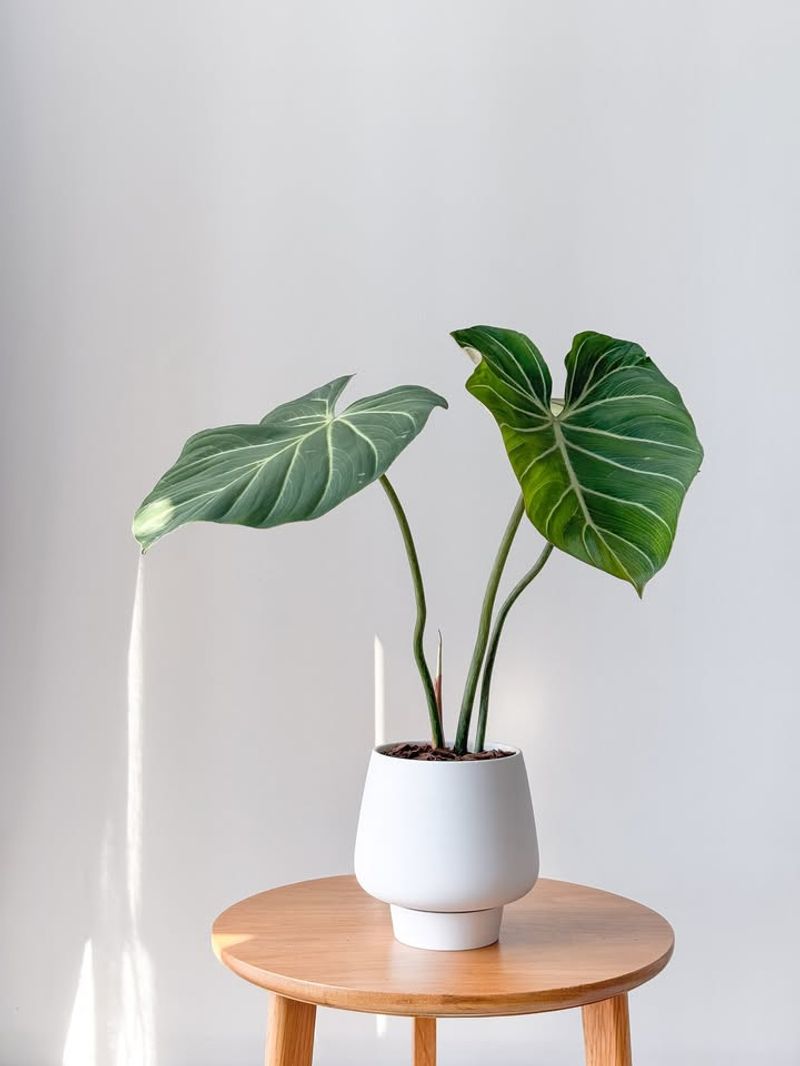
Warm, generous, and endlessly versatile, philodendrons have been brightening up indoor spaces for well over a century. Whether you choose the classic heartleaf variety with its vining, trailing stems or a dramatic split-leaf type that fans out like a living sculpture, there is a philodendron for every room and every style of Oregon home.
These plants feel like a hug in plant form, filling spaces with lush, vibrant greenery.
Philodendrons adapt well to the Pacific Northwest’s indoor conditions. They enjoy moderate to bright indirect light but handle lower light levels without much complaint, which is a real advantage during Oregon’s famously cloudy winters.
They prefer consistent moisture without soggy soil, so watering when the top inch dries out keeps them happy and healthy throughout the year.
One of the most exciting things about philodendrons is the sheer variety available. From the velvet-textured micans with its iridescent bronze leaves to the bold, tropical-looking gloriosum, collectors can spend years exploring this genus without running out of interesting new plants to try.
They grow relatively quickly and respond well to occasional feeding during the spring and summer growing season. A small amount of balanced liquid fertilizer every few weeks can noticeably boost leaf size and overall vigor.
Philodendrons are truly one of those rare plants that reward attention and care while still being forgiving enough for beginners to enjoy from day one.