The Welcome Plant That Handles Florida Heat (And Looks Good In Pots All Year)
Step onto any Florida porch in late July and you can feel the challenge instantly. Heat shimmers off pavement, humidity hangs heavy in the air, and many potted plants surrender long before summer peaks.
Leaves scorch, blooms fade, and containers that looked lush in spring turn tired and sparse.
Finding a plant that thrives through relentless sun, sudden downpours, and warm nights can feel impossible.
Yet one standout refuses to wilt under pressure. It stays polished through blazing afternoons, shrugs off humidity, and keeps its rich green presence when other plants fade.
In containers, it holds its shape without constant trimming. In entryways, it delivers a refined, welcoming look that feels intentional and effortless.
Even during the most intense stretch of Florida weather, it maintains structure, color, and quiet confidence. Meet the ultimate “welcome plant” for tough climates and elegant pots alike: Dwarf Simpson Stopper.
1. Meet Dwarf Simpson Stopper, Florida’s Heat Loving Welcome Plant
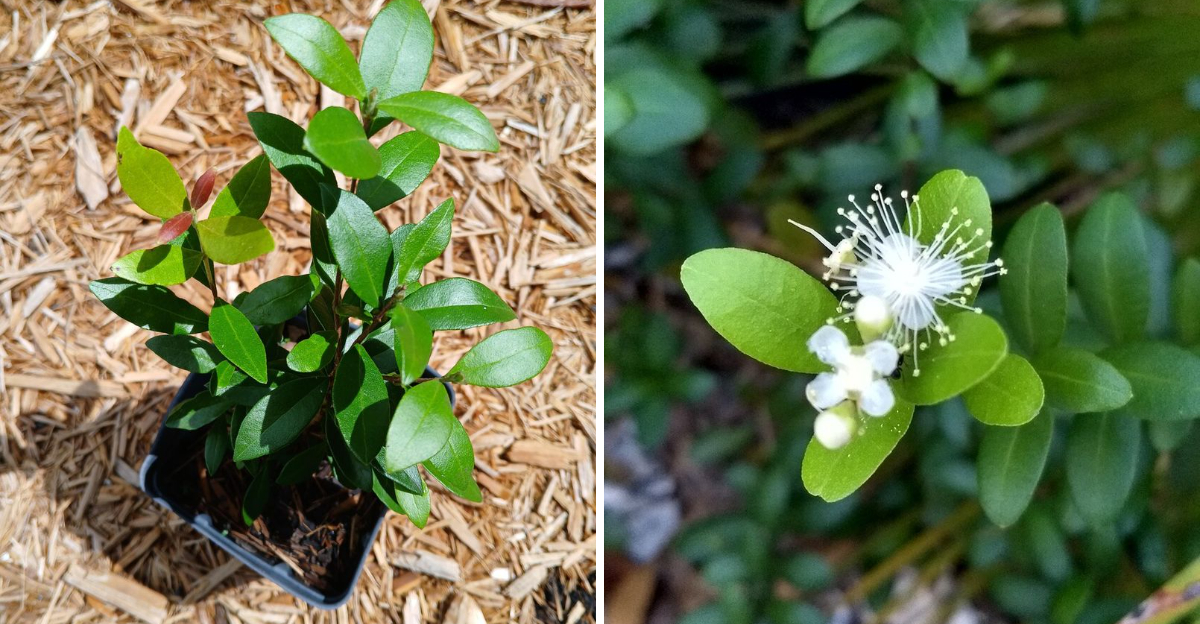
Dwarf Simpson Stopper is a Florida native evergreen shrub that thrives in heat and humidity statewide. University of Florida IFAS Extension recognizes it as one of the most reliable container plants for our climate.
Its compact growth habit makes it perfect for pots, typically reaching three to five feet tall when pruned regularly. The glossy green leaves stay vibrant year-round, even during our hottest months when other plants fade.
Native to South Florida and the Keys, this plant has adapted beautifully to Central and North Florida landscapes as well. It handles sandy soil without complaint and tolerates the intense summer sun that challenges so many ornamentals.
Container gardening with this shrub gives you flexibility to move it around your patio or entryway as seasons change. The root system adapts well to confined spaces, unlike some natives that demand room to spread.
What sets it apart is its ability to look polished without constant fussing. You get structure, color, and fragrance in one package that truly understands Florida conditions from the ground up.
2. Plant It In A Large Container For Year Round Structure
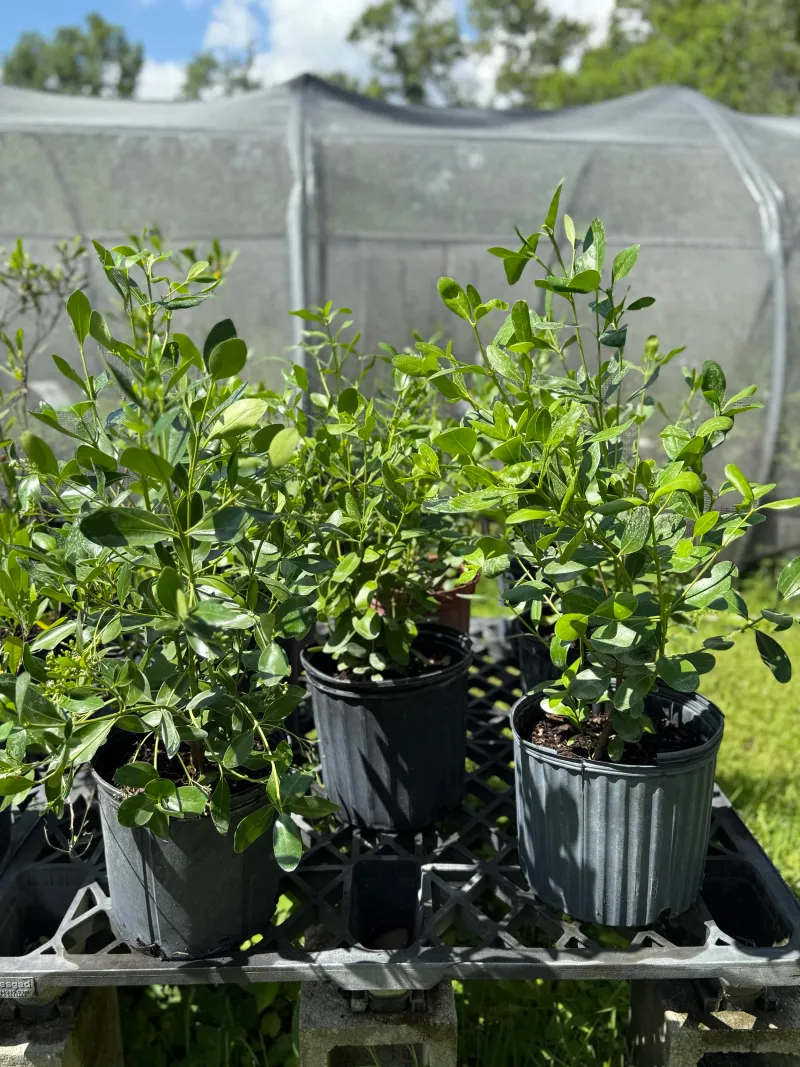
Choose a container that’s at least 18 to 24 inches in diameter to give the roots enough space to establish. Larger pots hold more soil, which means better moisture retention in Florida’s sandy climate and less frequent watering once the plant matures.
Drainage is non-negotiable. Make sure your pot has multiple holes at the bottom to prevent water from pooling, which can stress roots even in drought-tolerant plants.
Use a high-quality potting mix designed for containers rather than garden soil. A blend with perlite or pine bark helps mimic the fast-draining conditions this native prefers and prevents compaction over time.
In Florida’s heat, containers dry out faster than in-ground plantings, so a larger pot gives you a buffer. The extra soil volume also provides insulation for roots during temperature swings between day and night.
Position your container where it will stay long-term. Moving a large planted pot is heavy work, so plan ahead for sun exposure and access to water before you fill and plant it up for the season.
Your Florida Garden Changes Every Week. Your Plan Should Too.
Gardening in Florida changes quickly throughout the season. Every Friday you’ll receive a simple weekly plan showing exactly what to plant, prune, fertilize, harvest, and protect so you never miss the right timing.
3. Give It Full Sun Or Bright Light For Best Growth
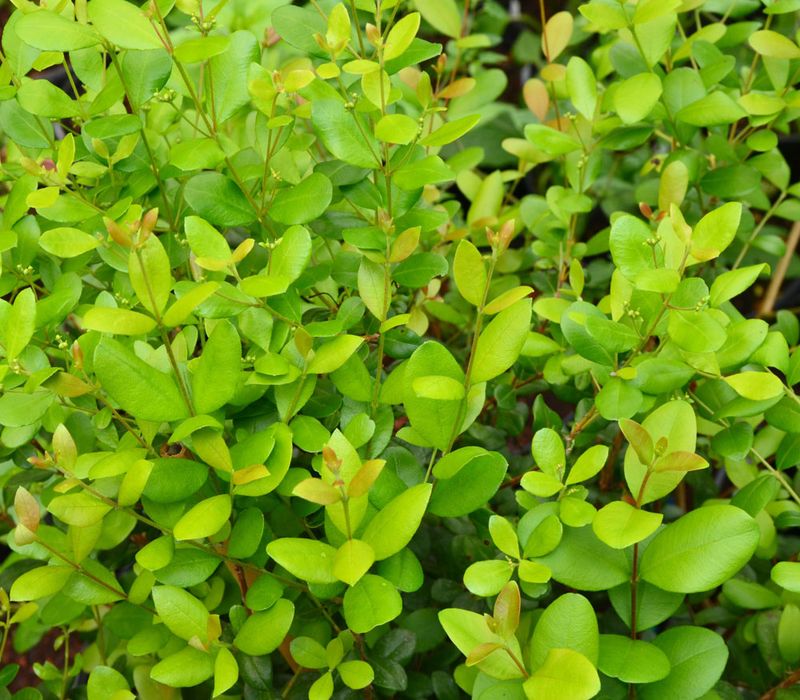
Full sun is where Dwarf Simpson Stopper really shines. Six to eight hours of direct sunlight daily encourages dense foliage and the best bloom production, especially in Central and North Florida where light intensity varies seasonally.
In South Florida, it tolerates bright filtered light or morning sun with afternoon shade during the most intense summer months. Too much shade causes the plant to stretch and lose its compact shape.
Bloom production increases with more light. Those fragrant white flowers that attract pollinators appear more abundantly when the plant gets consistent sun exposure throughout the growing season.
If you’re growing it on a covered porch or patio, choose the brightest spot available. Even a few hours of direct morning sun can make a noticeable difference in overall vigor and appearance.
Regional differences matter. In North Florida, full sun all day is rarely too much, while in the southernmost counties, a little afternoon relief can prevent leaf scorch during peak summer heat.
Watch your plant and adjust placement if needed during the first season.
4. Water Deeply At First Then Let It Toughen Up
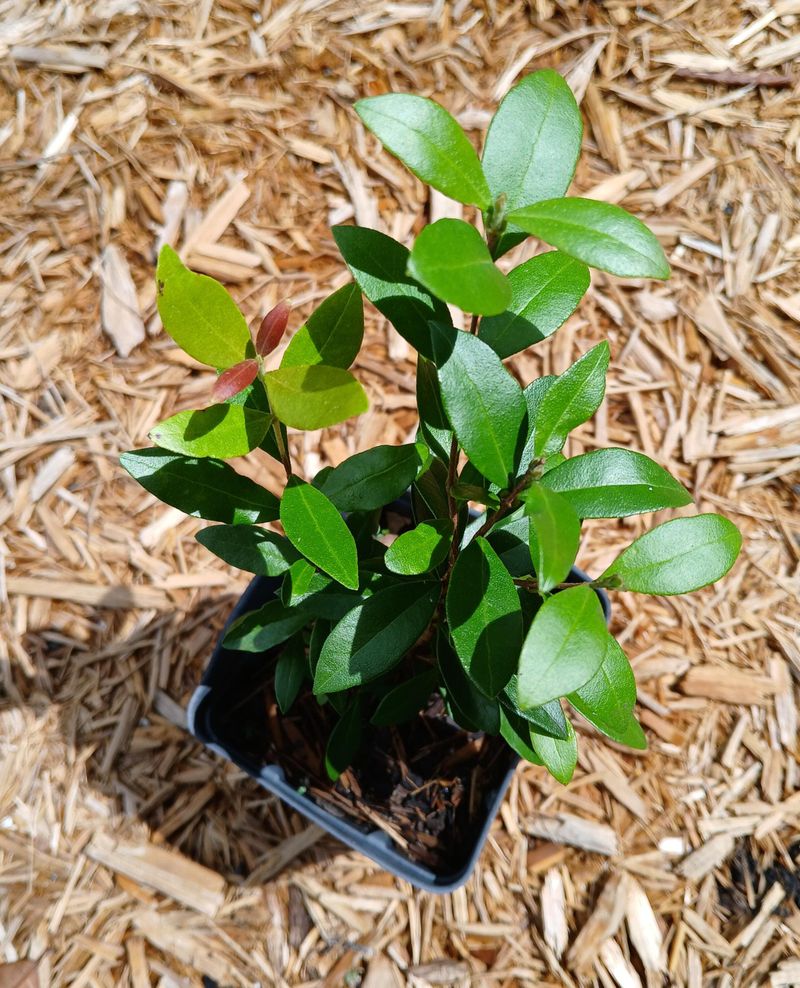
Establishment watering is critical for the first few months after planting. Water deeply two to three times per week, allowing the soil to dry slightly between sessions so roots grow downward searching for moisture.
Sandy Florida soil drains fast, which is great for preventing root issues but means you need to monitor containers closely during the first growing season. Check soil moisture by sticking your finger two inches down into the potting mix.
Once established after about six months, this native becomes impressively drought-tolerant. You can reduce watering to once or twice weekly, and even less during cooler months when growth slows.
Deep watering beats frequent shallow spritzing every time. A thorough soak encourages strong root development and helps the plant withstand dry spells without stress.
During rainy season across Florida, you may not need to water at all for weeks. Let nature do the work and only supplement during extended dry periods to keep your plant healthy without overwatering, which can cause more harm than good in containers.
5. Lightly Prune To Keep A Compact Polished Shape
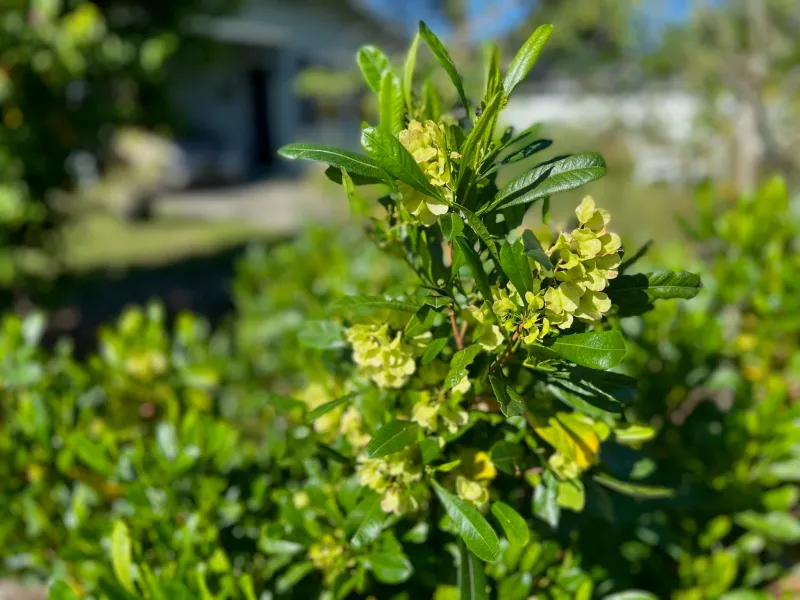
Light pruning maintains the natural rounded form without forcing the plant into an unnatural shape. Trim back new growth by a few inches after bloom cycles to encourage branching and keep the silhouette tidy.
Avoid heavy shearing, which can remove flower buds and create a stiff, artificial look. This native responds better to selective pruning that works with its natural growth pattern rather than against it.
Timing matters in Florida. Prune lightly in early spring before the main flush of growth begins, and again in late summer if needed to shape up the plant before fall.
In North Florida, avoid pruning late in the season when new tender growth could be vulnerable to cold snaps. Central and South Florida gardeners have more flexibility year-round.
Remove any damaged or crossing branches as you notice them to improve air circulation and overall plant health. A few strategic cuts every few months keeps your Dwarf Simpson Stopper looking polished without requiring hours of maintenance or specialized skills to achieve professional results in your container display.
6. Enjoy Fragrant Blooms And Colorful New Growth
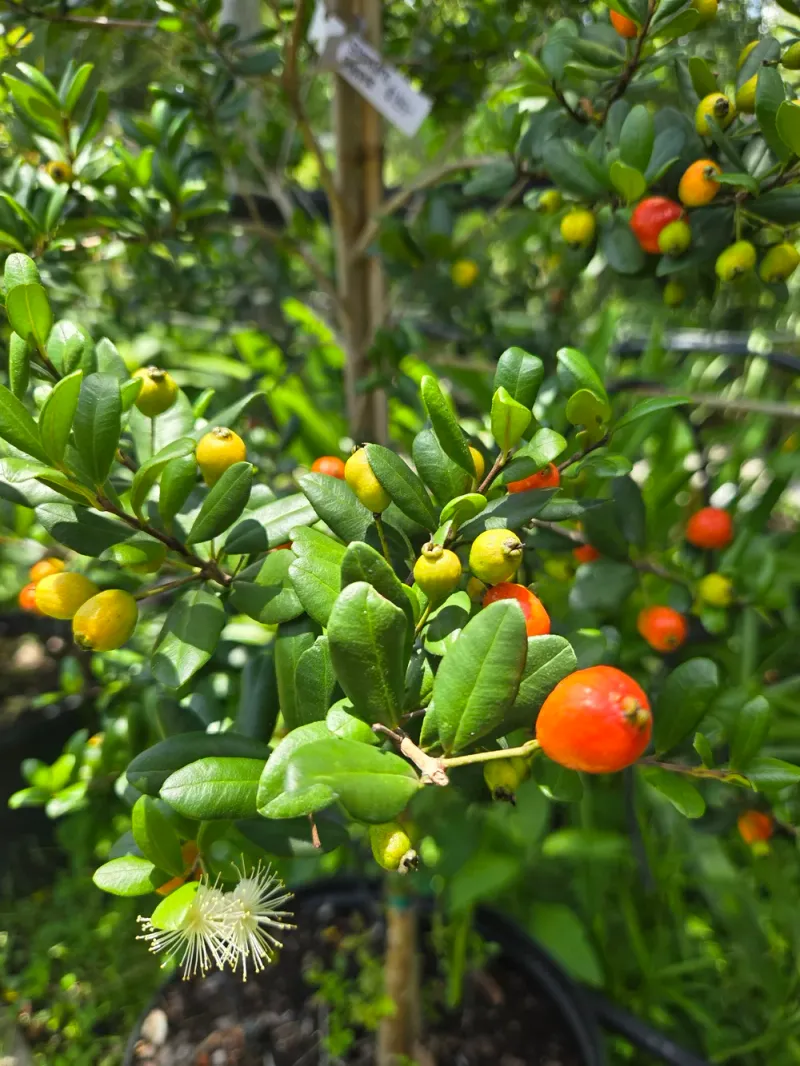
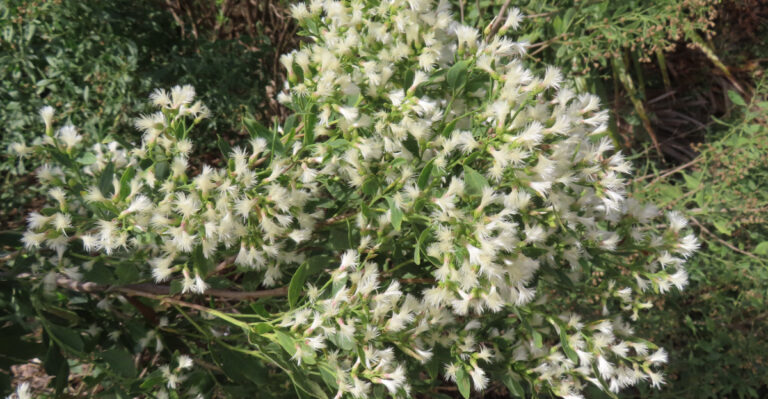
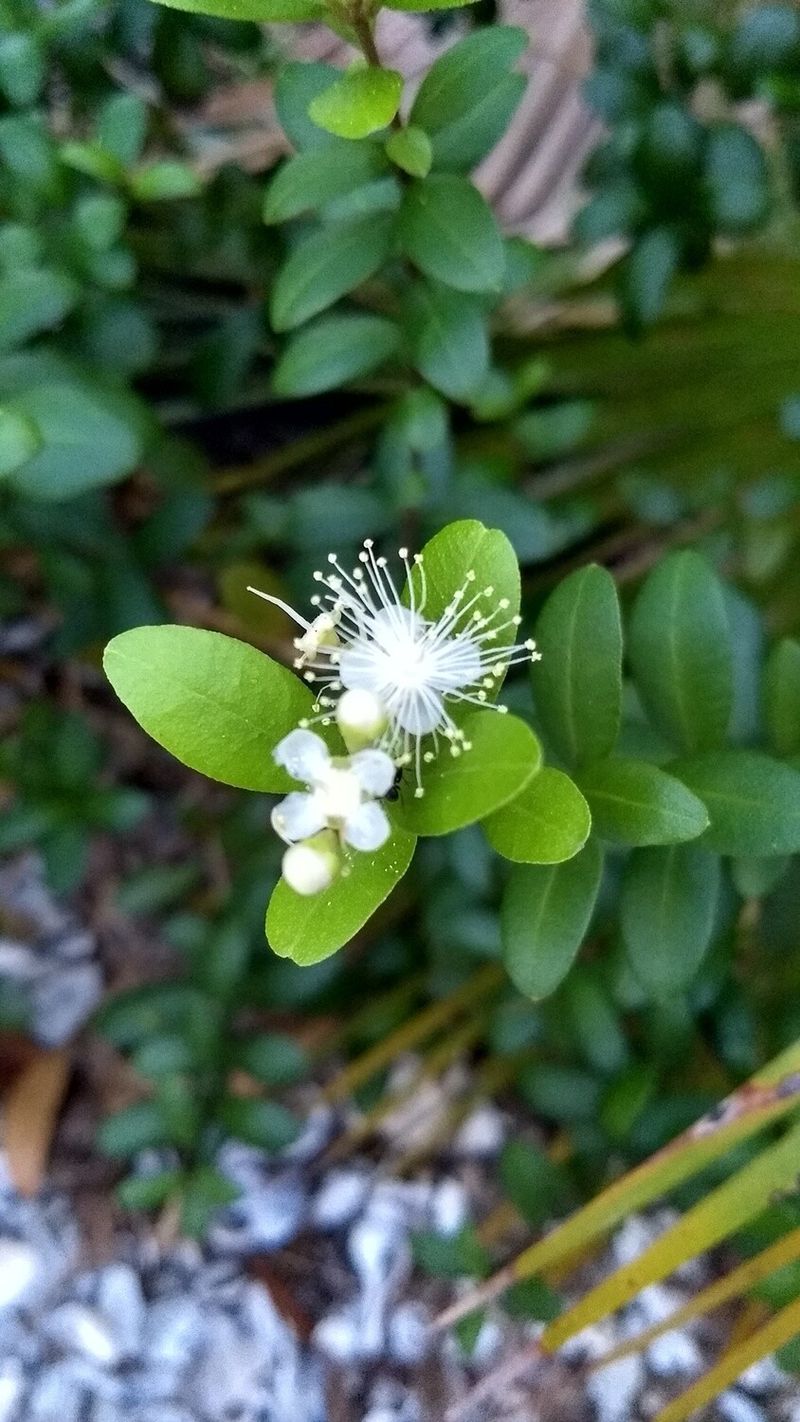
White fragrant flowers appear in spring and sporadically through summer, filling your entryway with a sweet, subtle scent that welcomes visitors. The blooms are small but abundant when the plant gets enough sun.
Pollinators love these flowers. Bees and butterflies visit regularly, adding movement and life to your patio or porch area throughout the warmer months across Florida.
After flowering, small red berries develop and attract birds, adding another layer of seasonal interest. The berries are a food source for native wildlife and create visual contrast against the dark green foliage.
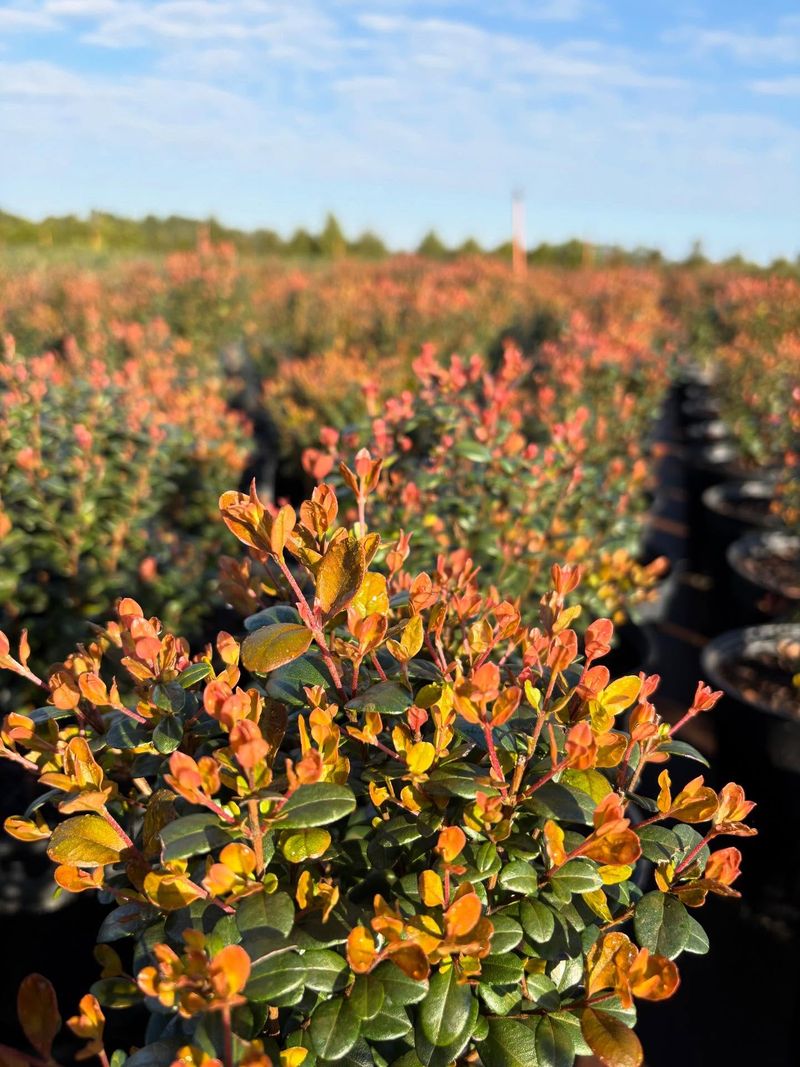
New growth emerges with a reddish or bronze tint before maturing to glossy green. This color change adds dimension and keeps the plant looking fresh and dynamic even when it’s not blooming.
The evergreen foliage provides year-round structure, so you never have a bare or dormant period. Even in winter, your container stays full and attractive, giving your outdoor space consistent color and texture no matter the season or region within the state.
7. Protect It During Hard Freezes In North Florida
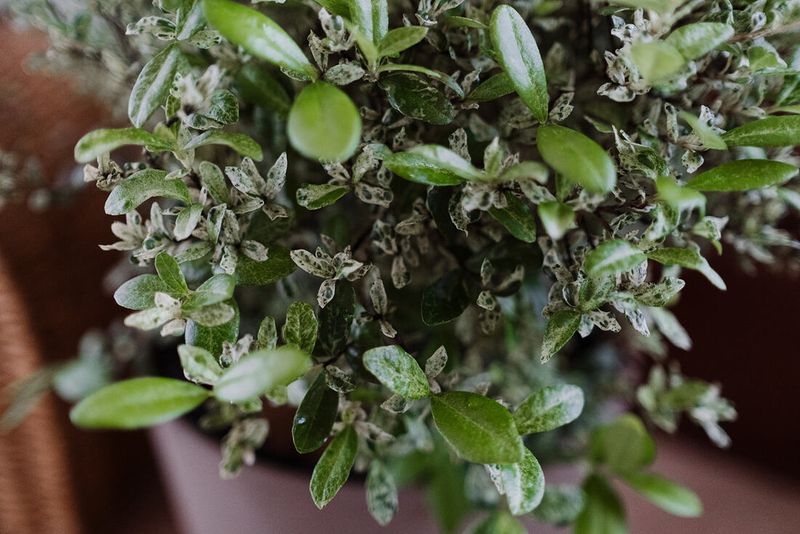
Cold tolerance for Dwarf Simpson Stopper ranges from 25 to 30 degrees Fahrenheit, which means it can handle light frosts but needs protection during hard freezes. North Florida gardeners should plan ahead for those occasional dips below freezing.
Container plants are more vulnerable to cold than in-ground plantings because roots are exposed on all sides. When temperatures are predicted to drop into the 20s, move your pot to a sheltered location like a garage or covered porch.
If moving the container isn’t possible, wrap it with frost cloth or burlap and mulch heavily around the base. This extra insulation protects roots from freezing and gives the plant a better chance of bouncing back.
Central Florida rarely sees temperatures low enough to harm this native, and South Florida gardeners almost never need to worry about cold protection. Regional differences make a big impact on winter care requirements.
University of Florida IFAS Extension recommends monitoring forecasts closely during winter months in northern counties and having a protection plan ready before the first freeze warning arrives for your area.
8. Use It To Elevate Entryways Patios And Front Porches
Flanking your front door with matching containers of Dwarf Simpson Stopper creates instant curb appeal with a polished, welcoming look. The symmetry draws the eye and frames your entrance beautifully.
Pair it with other Florida natives like coontie or firebush for a layered container display that celebrates regional plants. The varied textures and heights create visual interest while keeping maintenance low.
On patios, use this shrub to define seating areas or create privacy screens without blocking airflow. Its upright habit works well in corners or along railings where you need structure without bulk.
The evergreen foliage means you get year-round impact, not just seasonal color. Your outdoor space looks intentional and cared for in every month, which is especially valuable in Florida where we spend so much time outside.
Design flexibility is a major advantage. This plant works with traditional, coastal, or modern styles depending on your container choice.
A simple terracotta pot gives a casual feel, while a sleek glazed planter elevates the look to something more contemporary and refined for any Florida home.