The Easiest Indoor Plants To Refresh And Revive This March In Texas
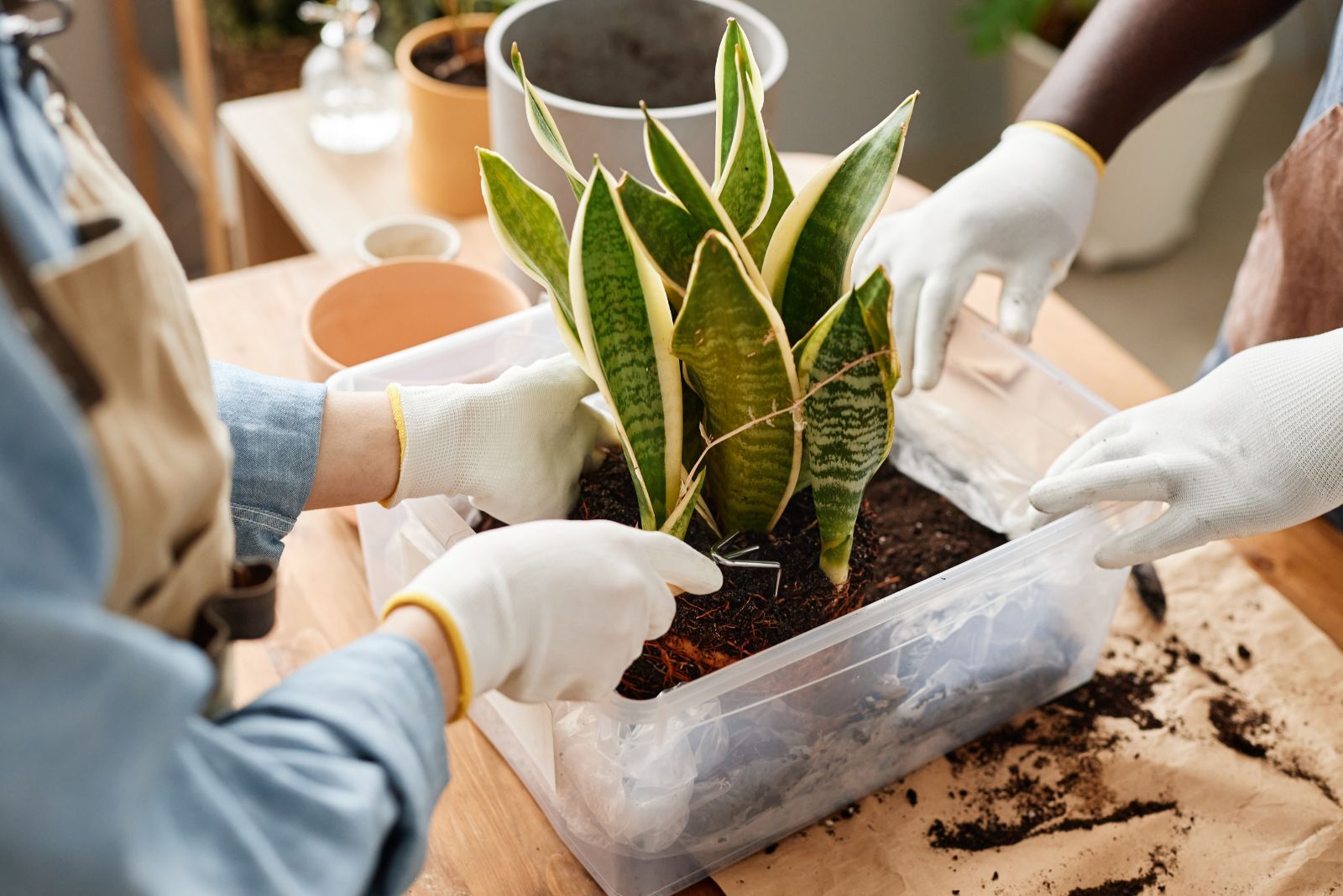
Have your indoor plants been looking a little tired lately? March in Texas has a way of waking everything up, and that includes the greenery sitting on your windowsills and coffee tables.
After months of cooler weather and shorter days, many houseplants start to look dull, droopy, or just plain bored. The good news is that this time of year is perfect for giving them a fresh start.
As the days get longer and the sunlight gets stronger, your plants naturally shift into growth mode. That means they are ready for a little attention.
A quick trim, fresh soil, or a better watering routine can make a big difference. Some plants bounce back faster than others, especially the low maintenance favorites that thrive in Texas homes.
With just a few simple updates, you can turn struggling leaves into bright, healthy growth and make your space feel lively again without adding extra stress to your routine.
1. Snake Plant (Sansevieria / Dracaena Trifasciata)
If there were a trophy for the most undemanding houseplant, the snake plant would win it every single year. This tough, architectural plant can handle dry indoor air, low light, and irregular watering without skipping a beat.
For Texas homeowners dealing with air conditioning in spring and summer, that drought tolerance is a huge bonus.
Snake plants store water in their thick leaves, which means they stay happy even when you forget to water them for a week or two. They also filter indoor air, which is a nice bonus for any living space.
You will often spot them in offices, apartments, and homes all across San Antonio and beyond.
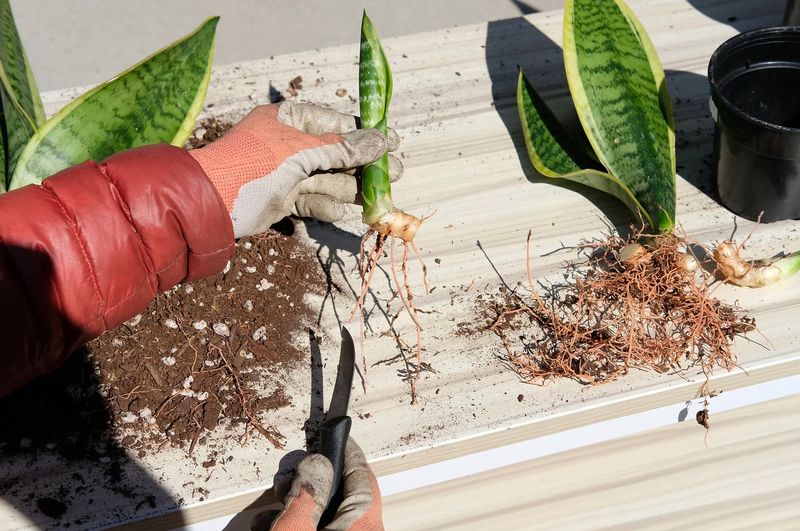
March is the right time to give your snake plant some attention. If your pot looks crowded or roots are poking out of the bottom, it is time to divide.
Gently remove the plant, separate the root clusters, and repot each section into fresh soil. Replace the top two inches of soil in any pot you keep as-is.
Moving your plant to a slightly brighter spot near a window will help it push out new growth as the Texas sun gets stronger. Use a well-draining potting mix and a pot with drainage holes to avoid soggy roots.
Water lightly after repotting and wait a week before watering again. With just a little March maintenance, your snake plant will reward you with fresh, tall leaves all season long.
2. Pothos (Epipremnum Aureum)
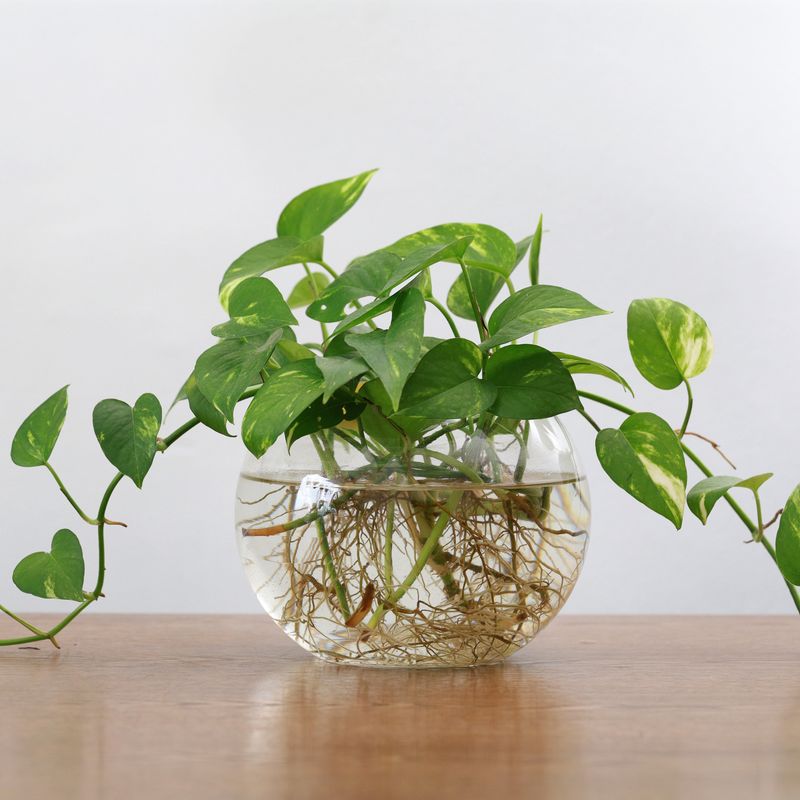
Pothos is basically the plant world’s answer to a laid-back Texan. It does not need perfect conditions, it forgives missed waterings, and it keeps on growing no matter what.
If you are new to houseplants or have struggled with keeping things alive in the past, pothos is your best starting point.
One of the coolest things about pothos is how fast it grows in spring. Once March arrives and light levels increase, those trailing vines can shoot out new leaves quickly.
In low-light rooms across Dallas or Houston apartments, pothos still manages to stay green and lush where other plants would struggle.
Your Texas Garden Changes Every Week. Your Plan Should Too.
Gardening in Texas changes quickly throughout the season. Every Friday you’ll receive a simple weekly plan showing exactly what to plant, prune, fertilize, harvest, and protect so you never miss the right timing.
Here is what to do with your pothos this March: take a look at the vines and trim back any that have grown too long or look leggy. Those cuttings do not need to go in the trash.
Pop them into a jar of water near a sunny window, and roots will sprout within a couple of weeks. Once the roots are an inch or two long, plant them in fresh potting mix.
If your main plant looks rootbound, meaning roots circle the bottom of the pot, move it up one pot size. A fresh mix of indoor potting soil will give it the nutrients it needs.
Pothos comes in many varieties, including golden, marble queen, and neon, so you can mix and match for a fun indoor display anywhere in Texas.
3. ZZ Plant (Zamioculcas Zamiifolia)
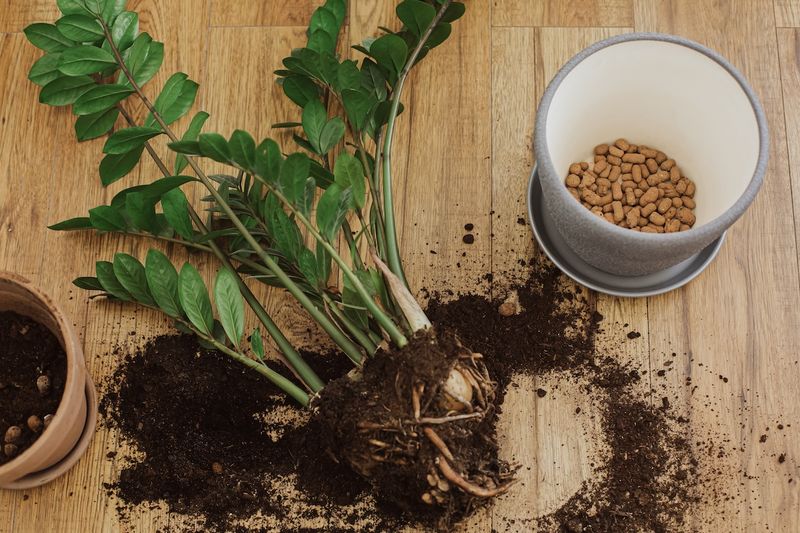
Not every room in a Texas home gets great natural light, and that is exactly where the ZZ plant shines. Known for its waxy, dark green leaves and nearly indestructible nature, the ZZ plant is a favorite for busy households.
It stores water in underground rhizomes, which look like small potato-like bulbs, so it can go weeks without a drink and still look amazing.
Fun fact: the ZZ plant was largely unknown outside of Africa until the 1990s, when Dutch nurseries started mass-producing it. Now it is one of the most popular low-light houseplants in the world, including right here in Texas homes and offices.
March is the perfect month to check in on your ZZ plant and give it a little refresh. Start by wiping down each leaf with a damp cloth.
Dust builds up on those glossy leaves and blocks light absorption. If your pot feels very heavy or the rhizomes are visibly crowded, it is time to divide.
Carefully remove the plant, separate the rhizomes, and repot each section into a well-draining mix. After a quiet winter, your ZZ plant is also ready for its first light feeding of the season.
Use a balanced liquid fertilizer diluted to half strength, and apply it once this month. Avoid overwatering after repotting.
Place it in a spot with indirect light and let it settle in. With minimal effort, your ZZ plant will keep looking polished and healthy all through the Texas spring and summer.
4. Peace Lily (Spathiphyllum)
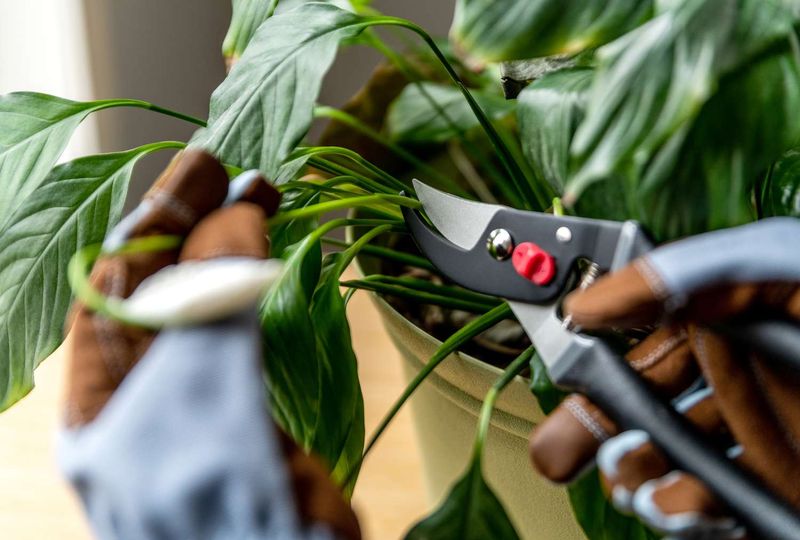
Walk into almost any Texas home with indoor plants, and there is a good chance you will spot a peace lily. Its elegant white blooms and deep green leaves make it one of the most recognizable houseplants around.
Beyond its good looks, the peace lily is surprisingly easy to care for, making it a go-to choice for plant lovers of all experience levels.
Peace lilies do well in medium light, which means they do not need to sit right next to a window to stay healthy. They will even grow in lower light, though they may not bloom as often.
Across Texas cities like Austin and Fort Worth, peace lilies are popular because they adapt well to indoor conditions year-round.
As March arrives and the growing season begins, your peace lily might be telling you it needs more space. Check the roots by gently sliding the plant out of its pot.
If the roots are circling the bottom or poking out of drainage holes, it is time to move up to a slightly larger pot. Remove any brown or yellow leaves by pulling them from the base.
Increase your watering slightly now that growth is picking up, but always let the top inch of soil dry out before watering again. Peace lilies droop dramatically when thirsty, which is actually a helpful signal.
With fresh soil and a bit more water, your peace lily will bounce back beautifully and may even push out a new white bloom by late spring.
5. Spider Plant (Chlorophytum Comosum)
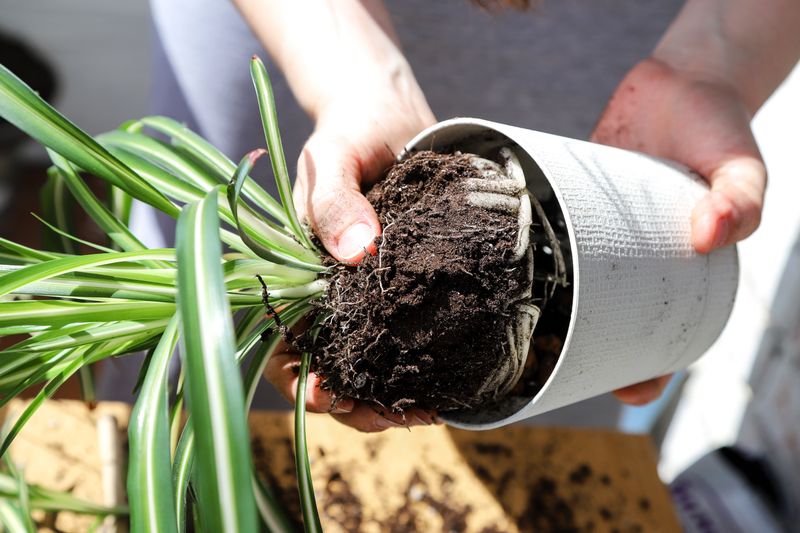
Cheerful, fast-growing, and endlessly generous, the spider plant is one of those houseplants that practically takes care of itself. It earns its name from the little plantlets it sends out on long, arching stems.
Those tiny babies dangle like spiders on a web, which makes for a fun display in hanging baskets or on high shelves.
Spider plants are incredibly adaptable. They can handle bright indirect light or lower light, dry air, and occasional missed waterings.
For Texas families with kids or pets, they are also non-toxic, which is a big relief. They grow quickly in spring, making March an ideal time to act.
Start your March refresh by looking at those long plantlets hanging off the mother plant. If they have small root nubs at their base, they are ready to be separated and potted on their own.
Just snip them off and press them into moist potting mix. They will root quickly in the warm Texas spring air.
Next, check the tips of your plant’s leaves. Brown tips are common and usually caused by fluoride in tap water or dry air.
Trim them neatly with clean scissors at a slight angle so the cut looks natural. If the plant is very root-dense, move it into a pot one size larger with fresh indoor potting mix.
Spider plants are heavy feeders during the growing season, so begin monthly fertilizing in March with a balanced liquid fertilizer. Your plant will explode with new growth before you know it.
6. Philodendron (Heartleaf Varieties)
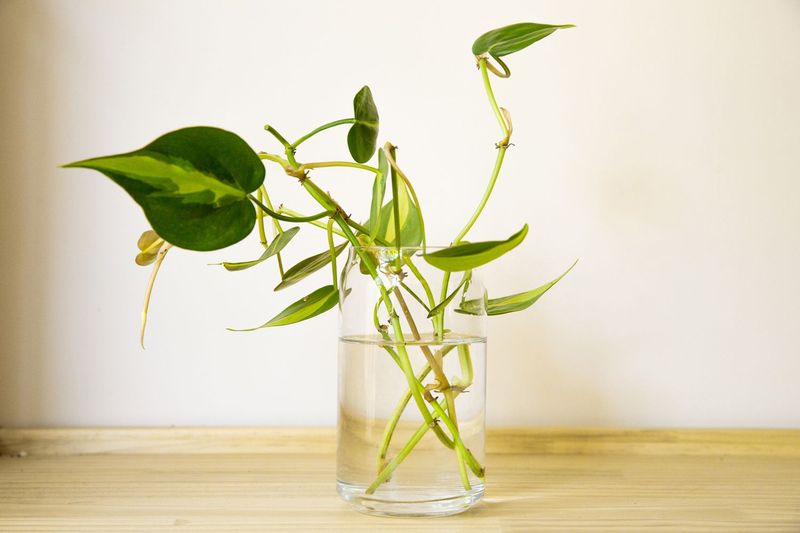
There is something almost comforting about a heartleaf philodendron. Its glossy, heart-shaped leaves and easy trailing habit make it feel warm and welcoming in any room.
Unlike some finicky tropical plants, the heartleaf philodendron is refreshingly low-maintenance and adjusts well to the typical indoor temperatures found in Texas homes throughout the year.
Heartleaf philodendrons love indirect light and will grow toward any light source they can find. They tolerate a range of humidity levels, which is great because Texas indoor air can swing from dry in winter to muggy in summer.
They grow quickly once spring warmth kicks in, so March is the best time to get ahead of that growth.
Pruning is the most important step for your philodendron this month. If vines have grown long and sparse, cut them back by about one-third.
This encourages the plant to branch out and become fuller rather than straggly. Those cuttings are not wasted.
Each stem with at least one node can be placed in water or moist soil to grow into a brand new plant. If you are in Houston or San Antonio and want to multiply your collection quickly, philodendron cuttings are one of the easiest ways to do it.
Move your plant to a spot with brighter indirect light as the Texas sun strengthens in March. Avoid direct sunlight, which can scorch the leaves.
A fresh layer of indoor potting mix and a light feeding of balanced fertilizer will fuel a flush of beautiful new growth through spring.
7. Aloe Vera
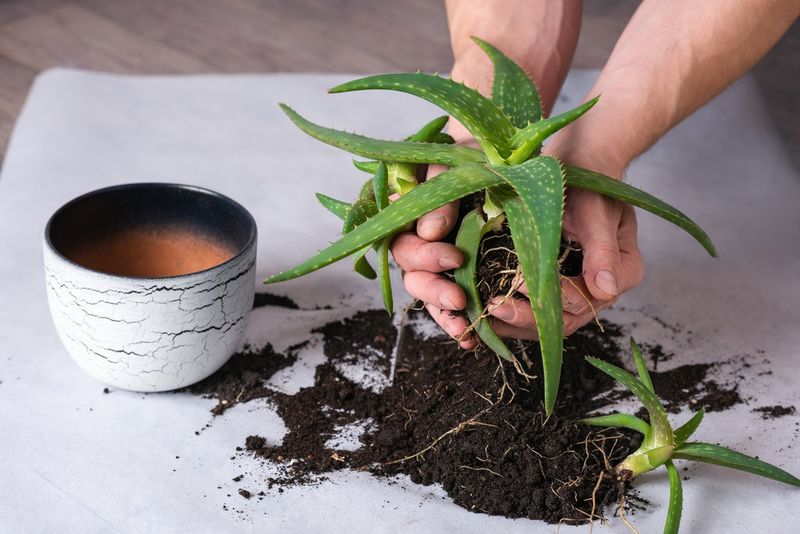
Aloe vera and Texas were practically made for each other. This sun-loving succulent thrives in the bright, intense light that streams through Texas windows, especially as March brings longer days and stronger rays.
Beyond being beautiful, aloe is one of the most useful plants you can keep indoors. Its gel soothes minor burns, dry skin, and sunburn, which comes in handy during hot Texas summers.
Aloe is extremely drought-tolerant, storing water in its thick, fleshy leaves. It only needs watering every two to three weeks, and it strongly prefers to dry out completely between waterings.
Overwatering is the most common mistake people make with aloe, so less is always more.
March is the right time to move your aloe to your brightest window. A south or west-facing window works best for Texas homes.
As daylight increases, aloe will respond by pushing out new leaves from the center. Check around the base of your plant for offsets, which are small pups that sprout up alongside the mother plant.
These can be carefully separated and potted individually. Use a cactus and succulent potting mix, which drains fast and prevents root rot.
Regular potting soil holds too much moisture for aloe and can cause problems over time. If your aloe has outgrown its current pot, repot it into a container just one size larger.
A terracotta pot works great because it allows the soil to dry out faster. With brighter light and a fresh pot, your aloe will look vibrant and strong all season long across any Texas home.